Guangzhou Travel Guide
If you’re dreaming of a China trip that blends ancient history, mouthwatering world-class cuisine, vibrant modern city life, and unbeatable authentic local culture, look no further than this Guangzhou Travel Guide. As someone who’s spent over 5 years exploring every hidden corner of this magical southern Chinese city, chatted with hundreds of local residents, and even picked up a little conversational Cantonese along the way, I’m here to give you the most authentic, detailed, and up-to-date handbook for your 2026 adventure. This guide covers absolutely everything you need: from the city’s 2,200+ year rich history, pre-trip arrival essentials, fully customizable itineraries, world-famous scenic spots, iconic Cantonese food, and all the insider tips and pitfalls to avoid so you have the smoothest, most unforgettable trip possible. Whether you’re a first-time visitor using our broader China Travel Guide to plan your first Asian adventure, a business traveler in town for the China Guangzhou Fair, or a foodie chasing the best dim sum on the planet, Guangzhou has something incredible waiting for you.
📜 A Quick Deep Dive Into Guangzhou’s Rich History
Before we jump into the fun stuff, let’s talk about why Guangzhou is such a special city—its history is the backbone of every amazing experience you’ll have here. Known historically as Panyu, Guangzhou was founded in 214 BCE during the Qin Dynasty, making it one of the oldest continuously inhabited cities in China. For over 2,000 years, it has been the beating heart of China’s southern trade and culture: it was the starting point of the ancient Maritime Silk Road, connecting China to Southeast Asia, the Middle East, and even Africa as early as the Han Dynasty.
During the Tang and Song Dynasties, Guangzhou grew into China’s largest international trading port, home to thousands of foreign merchants from across the globe. What makes its history even more unique is that from 1757 to 1842, during the Qing Dynasty, Guangzhou was the only Chinese port open to foreign trade, a policy known as the “Canton System”. This centuries-long legacy as a global trading hub earned it the nickname “Millennium Business Capital”, and shaped its open, welcoming, and diverse culture that still shines today.
In modern times, Guangzhou is the capital of Guangdong Province, a core economic hub of southern China, and a pioneer of China’s reform and opening up. It’s also home to the China Guangzhou Fair (officially the China Import and Export Fair), first held in 1957. As China’s longest-running, largest-scale international trade exhibition, it draws millions of foreign business travelers every year, many of whom extend their trips to explore the city’s culture and food. Beyond trade, Guangzhou is the birthplace of Cantonese culture: the Cantonese language, Cantonese opera, Lingnan architecture, and world-famous Cantonese cuisine all originated here, making it a cultural treasure unlike any other city in China.
✈️ Pre-Trip Essentials: Your Must-Know China Travel Tips Before Landing
There’s nothing worse than arriving in a new city and feeling overwhelmed by logistics—so I’ve put together all the critical pre-trip info you need, straight from my own travel mistakes and wins. For even more general advice for your trip, check out our curated <a href=”/china-travel-tips”>China Travel Tips</a> for first-time visitors.
Arrival & Airport Guide
Your journey will almost always start at Baiyun International Airport Guangzhou China, the main international gateway to southern China, and one of the top 3 busiest airports in the country. It offers direct flights to over 200 cities worldwide, and is incredibly well-equipped for international travelers. For real-time flight updates, terminal maps, and entry information, you can visit the <a href=”https://www.gbiac.net/ibps/index_en.html” rel=”dofollow”>official Baiyun International Airport Guangzhou China website</a>.
⚠️ Insider Tip & Pitfall Avoidance: Do NOT exchange large amounts of cash at the airport’s currency exchange counters. Their exchange rates are extremely unfavorable, often 10-15% worse than downtown banks or ATMs. Only exchange enough cash (around 200 RMB) to pay for a metro ride or taxi to your hotel, and handle the rest downtown.
Visa & Entry Requirements
Most foreign nationals will need a valid Chinese tourist visa to enter Guangzhou, which you can apply for at your local Chinese embassy or consulate 4-6 weeks before your trip. However, there is a popular visa-free option: if you are transiting through Baiyun International Airport Guangzhou China to a third country (not your home country), you may qualify for the 144-hour visa-free transit policy, which allows you to stay in Guangdong Province for up to 6 days without a visa. Always double-check the latest visa policies on the official Chinese embassy website for your country before booking, as rules can change periodically.
Network & Communication
Google, Instagram, Facebook, and most Western social media platforms are not accessible in mainland China without a pre-configured VPN. For a stress-free trip, I recommend purchasing a China eSIM before you arrive (you can buy these online and activate them the second you land) or a local physical SIM card at the airport. You should also pre-download essential apps with English versions: Baidu Maps or Amap (for navigation, far more accurate than Google Maps in China), WeChat and Alipay (for mobile payments), and DiDi (for ride-hailing).
Payment & Money
99% of businesses in Guangzhou—from restaurants and hotels to street food stalls and convenience stores—accept WeChat Pay and Alipay. You can sign up for the international version of Alipay with your foreign phone number and link it to your international credit card, which is the easiest option for short-term travelers. That said, always carry a small amount of cash (1000-2000 RMB is plenty) for tiny family-run street stalls that only accept cash. Major international credit cards are accepted at 5-star hotels and large shopping malls, but rarely at local restaurants and small shops.
Local Transport
The Guangzhou Metro is hands down the best way to get around the city. It covers almost every major tourist spot, is cheap (fares start at 2 RMB), clean, fast, and has full English announcements, signs, and ticket machines. You can buy a single-journey ticket at every station, or pick up a Yangcheng Tong (羊城通) transport card at the airport or metro station, which works on the metro, buses, and even ferries. For shorter trips, DiDi ride-hailing is affordable and has an English interface, but avoid unlicensed “black taxis” that approach you on the street—they will almost always overcharge you.
⚠️ Rush Hour Tip: Avoid the metro between 7:30-9:00 AM and 5:30-7:00 PM on weekdays, especially Lines 3 and 5, which are extremely crowded.
🗺️ Ultimate Guangzhou Itineraries For Every Traveler
I’ve crafted 3 customizable itineraries to fit every travel style and timeline, so you don’t have to waste hours planning your days. Whether you’re here for a quick weekend trip or a deep cultural dive, these routes have you covered.
3-Day Classic Itinerary: First-Time Visitor Essentials
Perfect for first-time travelers with limited time, this route hits all the iconic landmarks, cultural spots, and food experiences that make Guangzhou special.
- Day 1: Historic Downtown & Cultural ImmersionMorning: Start with the Chen Clan Ancestral Hall, the crown jewel of Lingnan architecture (2 hours). Then head to Beijing Road Pedestrian Street, where you can see the 1,000-year-old ancient road ruins underground, grab street food, and soak up the city’s commercial history (1.5 hours).Afternoon: Visit Yuexiu Park, Guangzhou’s largest city park, to see the Five Rams Statue (the city’s official symbol) and the 600-year-old Zhenhai Tower (Guangzhou Museum) (2 hours).Evening: Take a Pearl River Night Cruise from Tianzi Wharf, to see the glittering Guangzhou Tower and waterfront skyline light up at night (1.5 hours).⚠️ Pitfall Avoidance: Never buy cruise tickets from street scalpers—always purchase directly from the official wharf ticket office, and opt for the 3rd floor open-air deck for the best views.
- Day 2: Iconic Landmarks & Local Lingnan LifeMorning: Visit the Canton Tower (Guangzhou Tower), China’s tallest tower, for panoramic views of the city (2 hours). Then walk to Haixinsha Park, the site of the 2010 Guangzhou Asian Games opening ceremony, for photos with the tower skyline (1 hour).Afternoon: Explore Shamian Island, the historic 19th-century British and French concession with over 150 European-style buildings, perfect for photos and slow walks (2 hours). Then head to Yongqing Fang, the beautifully restored Xiguan Old Town, to visit the Cantonese Opera Art Museum and Bruce Lee’s former residence (2 hours).Evening: Wander Shangxiajiu Pedestrian Street for classic Cantonese street food and local snacks (1 hour).⚠️ Pitfall Avoidance: Skip the restaurants and cafes on Shamian Island—they are 30-50% more expensive than downtown, and the food is rarely authentic. Save your meal for Shangxiajiu or nearby Xihua Road.
- Day 3: Foodie Adventure & Leisure FunMorning: Start your day the Guangzhou way, with a classic Cantonese dim sum (yum cha) brunch at a local time-honored restaurant (2 hours).Afternoon: Spend the day at Chimelong Tourist Resort—opt for Chimelong Safari Park for family-friendly wildlife viewing, or Chimelong Happy World for thrill rides (4-6 hours).Evening: Head to Tianhe CBD, Guangzhou’s modern downtown core, to wander Tianhe City and Zhengjia Plaza, experience local young people’s nightlife, and have a final Cantonese dinner.
5-Day Deep Dive Itinerary: Culture & Foodie Experience
Build on the 3-day classic itinerary with these extra 2 days, for a deeper dive into Guangzhou’s hidden culture and world-famous cuisine:
- Day 4: Maritime History & Modern ArtMorning: Visit Huangpu Ancient Port, the 1,700-year-old birthplace of the Maritime Silk Road, to explore the ancient wharf, ancestral halls, and local fishing village, and try classic Cantonese boat congee and ginger milk pudding (3 hours).Afternoon: Head to the Guangdong Museum (free, advance booking required) to learn the full history of Guangdong Province, with incredible exhibits on Lingnan culture, natural history, and maritime trade (3 hours). Then relax in Huacheng Square, Guangzhou’s CBD central park, to watch the evening light show.
- Day 5: Day Trip to the World Food CapitalTake a 30-minute high-speed train to Shunde, the UNESCO Creative City of Gastronomy, and the birthplace of many classic Cantonese dishes. Spend the day trying double-skin milk, Shunde fish sashimi, claypot rice, and other local specialties, and visit the Qinghui Garden, one of the four great Lingnan gardens.
7-Day Full Southern China Adventure Itinerary
For travelers with more time, extend your trip with 2 extra days to explore nearby iconic spots, many of which are ranked among the most beloved Famous Scenic Spots in China. You can add a day trip to Danxia Mountain, a UNESCO World Natural Site famous for its stunning red sandstone formations, or take a 1-hour high-speed train to Zhuhai, and even cross the border to Macau for a day of Portuguese culture and historic sites.
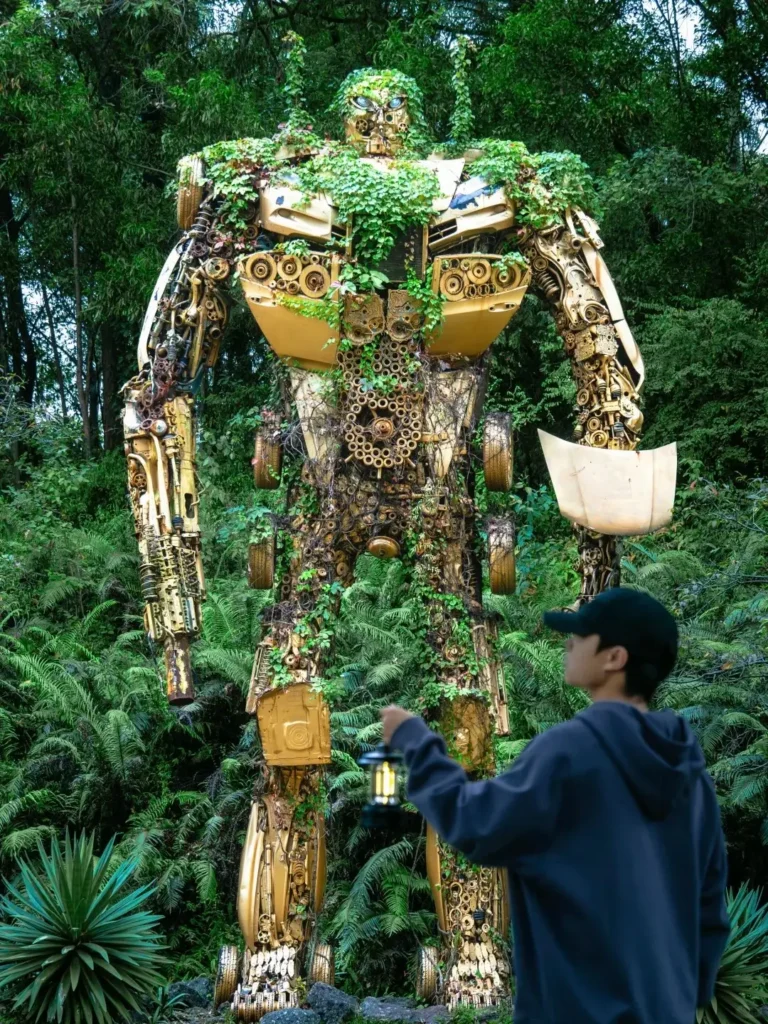
🏮 Top Famous Scenic Spots & Cultural Experiences in Guangzhou
Every spot on this list is hand-picked for its cultural value, unique experience, and suitability for international travelers. I’ve included all the practical info you need, plus my personal insider tips to make the most of your visit.
Canton Tower (Guangzhou Tower)
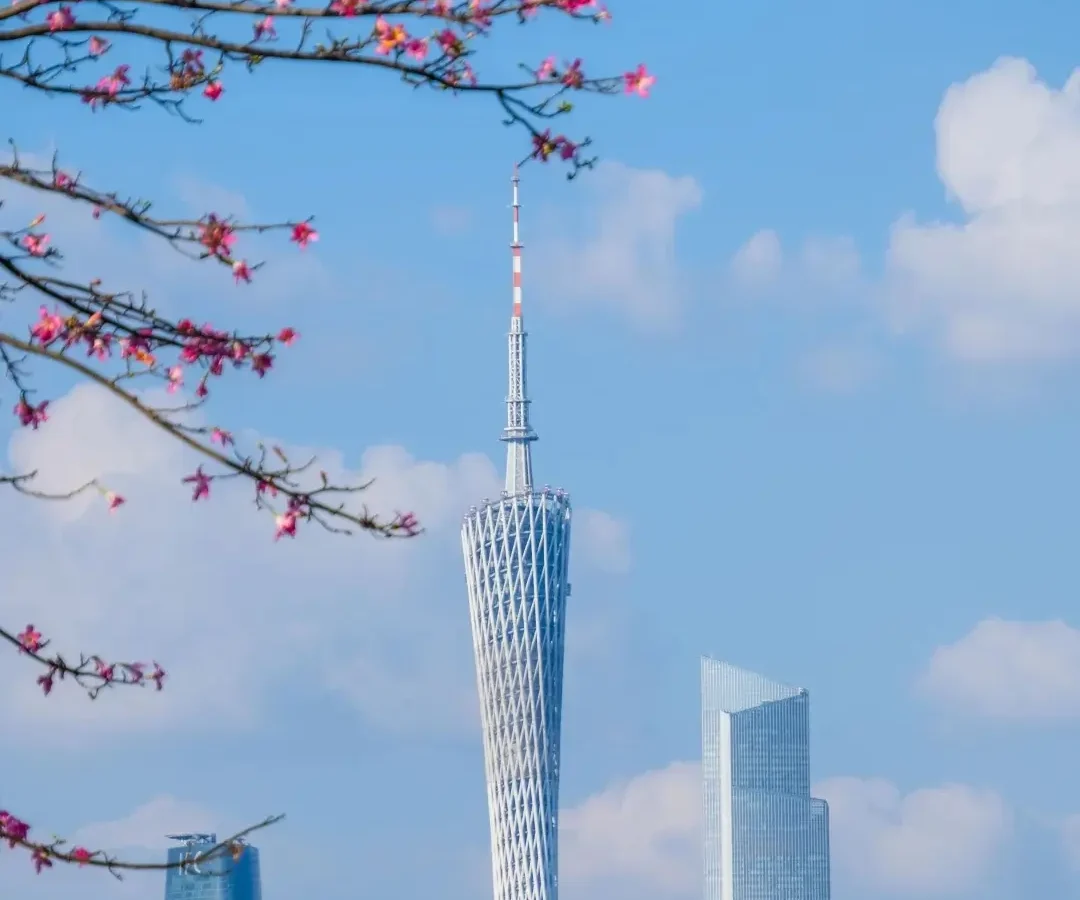
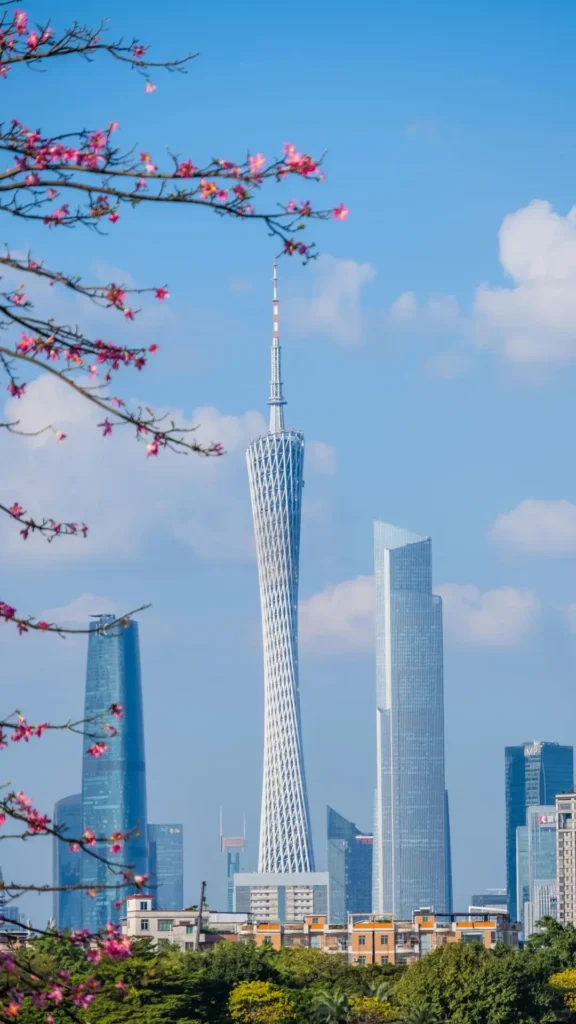
Affectionately nicknamed “Xiao Man Yao” (the Slim Waist) by locals, the 600-meter Canton Tower is China’s tallest tower, and the most recognizable landmark of Guangzhou. It features multiple observation decks, a rooftop Ferris wheel (the highest in the world), a sky drop thrill ride, and even a revolving restaurant.
- Practical Info: Tickets start at 150 RMB for the 433-meter White Cloud & Starry Sky Observation Deck; full packages with the Ferris wheel cost up to 398 RMB. Open daily 9:00 AM-10:00 PM.
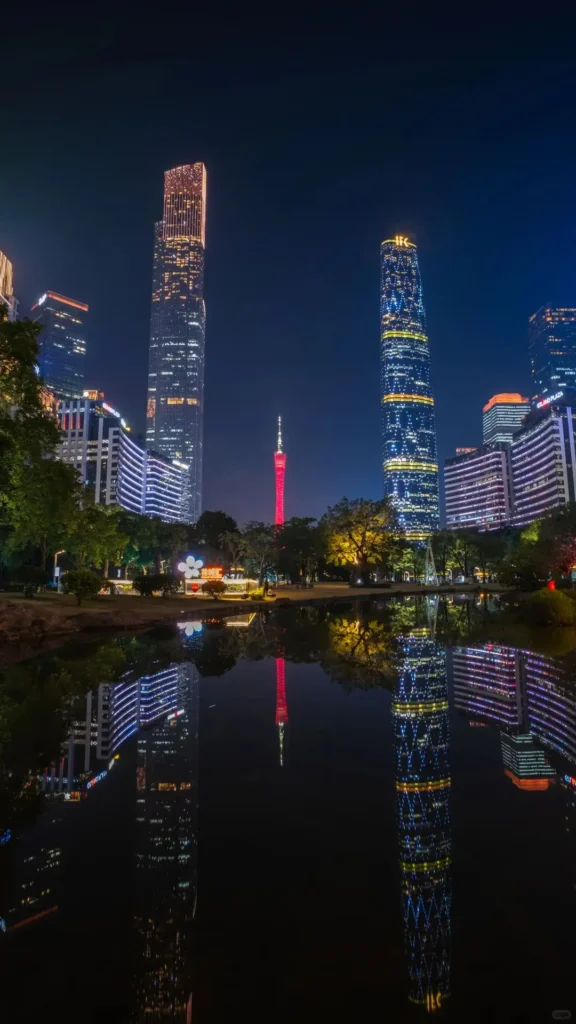
- ⚠️ Insider Tips: You do NOT need to buy the most expensive ticket! The 433-meter deck offers the exact same panoramic city views as the higher decks, at half the price. Visit at 9:00 AM when it opens to avoid 2+ hour lines on weekends and holidays. The tower lights up at 7:00 PM, so time your visit for sunset to see the city in daylight and after dark.
Chen Clan Ancestral Hall
Known as the “Pearl of Lingnan Architectural Art”, the Chen Clan Ancestral Hall was built in 1894 as an academy and ancestral temple for the Chen family across 72 counties in Guangdong. Today, it houses the Guangdong Folk Art Museum, and is famous for its breathtakingly intricate brick carvings, wood carvings, stone carvings, clay sculptures, and ceramic art—every inch of the building tells a story from Chinese mythology and Cantonese culture.
- Practical Info: 10 RMB entry fee. Open daily 9:00 AM-5:30 PM, advance booking recommended. 2 hours recommended for your visit.
- ⚠️ Insider Tips: Scan the QR codes around the hall for free English audio guides, which will help you understand the stories behind the carvings—this makes the visit 10x more meaningful. Visit on a weekday to avoid crowds, so you can take your time admiring the details.
Shamian Island
This tiny, tree-lined island in the Pearl River was a British and French concession from the 1850s to the 1940s, and today it’s a peaceful oasis in the middle of the busy city. With over 150 well-preserved European-style buildings, including Gothic churches, Baroque mansions, and neoclassical consulates, it’s one of the most popular photo spots in Guangzhou. The island is filled with quiet parks, cozy cafes, and historic landmarks, perfect for a slow morning walk.
- Practical Info: Free entry, open 24/7. 2-3 hours recommended for your visit.
- ⚠️ Insider Tips: Visit between 8:00-10:00 AM for the best lighting for photos, and almost no crowds. As mentioned before, skip the restaurants and cafes on the island—they are overpriced and inauthentic. The nearby Shangxiajiu and Xihua Road have far better, more affordable local food.
Yongqing Fang
Tucked away in the historic Xiguan Old Town, Yongqing Fang is a beautifully restored neighborhood that preserves traditional Lingnan “qilou” (arcade) architecture, while blending in modern creative culture. It’s home to the Cantonese Opera Art Museum, Bruce Lee’s former residence, independent bookstores, handcraft shops, local design brands, and hidden street food stalls. Unlike many over-commercialized old towns in China, Yongqing Fang still retains its authentic local charm, and is a perfect place to experience both traditional and modern Guangzhou.
- Practical Info: Free entry, open 24/7. 2-3 hours recommended for your visit.
- ⚠️ Insider Tips: Visit in the evening, when the alleyways are lit up with warm lanterns, for a magical atmosphere. On weekends, there are free Cantonese opera performances in the public square, which are a must-see for a taste of local culture.
Yuexiu Park
As Guangzhou’s largest and oldest urban park, Yuexiu Park is the green heart of the city, and a favorite spot for local residents to exercise, relax, and socialize. The park is home to the iconic Five Rams Statue, the official symbol of Guangzhou (based on the legend of five immortals who brought rice to the city on rams, saving it from famine). It also houses the 600-year-old Zhenhai Tower (one of the four great towers of Lingnan), the Guangzhou City Museum, and well-preserved Ming Dynasty city wall ruins.
- Practical Info: Free entry, open daily 6:00 AM-10:00 PM. 2-3 hours recommended for your visit.
- ⚠️ Insider Tips: Enter through the South Gate to go straight to the Five Rams Statue, without walking long distances. Visit in the early morning to see local seniors practicing tai chi, square dancing, and playing Chinese chess—this is the best way to experience authentic local daily life.
Chimelong Tourist Resort
Chimelong is one of China’s most famous and well-loved theme park resorts, and a must-visit for families, thrill-seekers, and animal lovers. It includes 5 main parks: Chimelong Safari Park (one of the largest wildlife parks in Asia, home to giant pandas, koalas, and the world’s largest tiger population), Chimelong Happy World (a thrill ride park with world-class roller coasters), Chimelong Water Park (the most visited water park in the world), Chimelong Bird Park, and the world-famous Chimelong International Circus.
- Practical Info: Ticket prices range from 200-400 RMB per park, with multi-park discounts available. Open daily 9:30 AM-6:00 PM. 1-2 days recommended for your visit.
- ⚠️ Insider Tips: Buy your tickets online in advance—they are 50-100 RMB cheaper than on-site tickets, and you can skip the ticket line. Visit on a weekday to avoid long lines for rides and attractions. At the Safari Park, take the free small train first to see the free-roaming animals, then explore the walking trails.
🍜 Unforgettable Guangzhou Food Guide: Must-Eat Dishes & Hidden Gems
Guangzhou is a UNESCO Creative City of Gastronomy, and the saying “Eat in Guangzhou” is famous across China for a reason. Cantonese cuisine is one of the eight great cuisines of China, and is beloved worldwide for its focus on fresh, high-quality ingredients, delicate cooking techniques, and balanced, umami flavors. From world-famous dim sum to street food that costs less than 10 RMB, this guide will help you eat like a local, not a tourist.
Cantonese Dim Sum (Yum Cha)
Yum Cha (literally “drink tea”) is not just a meal—it’s a way of life in Guangzhou. Every morning, locals gather at teahouses with their family and friends for “one pot of tea, two pieces of dim sum”, chatting, reading the newspaper, and enjoying bite-sized delicacies. This is the single most important food experience you can have in Guangzhou.
Must-Try Dim Sum Dishes
- Har Gow (Shrimp Dumplings): The king of dim sum. Translucent, crystal-thin wrappers filled with plump, fresh shrimp, with a perfect springy texture. Every teahouse is judged by the quality of its har gow.
- Siu Mai (Pork & Shrimp Dumplings): Open-topped steamed dumplings filled with ground pork and shrimp, often topped with fish roe, with a rich, savory flavor.
- Char Siu Bao (BBQ Pork Buns): Fluffy, soft steamed buns filled with sweet and savory honey-glazed barbecue pork, a classic Cantonese staple.
- Cheong Fun (Rice Noodle Rolls): Silky, smooth steamed rice noodle rolls, filled with shrimp, beef, or pork, drizzled with a light, savory soy sauce. You can find this both at dim sum teahouses and street stalls.
- Egg Tarts: Flaky, buttery pastry shells filled with smooth, creamy egg custard, best eaten fresh out of the oven.
- Lo Mai Gai (Sticky Rice in Lotus Leaf): Glutinous rice wrapped in a fragrant lotus leaf, filled with chicken, mushrooms, salted egg yolk, and pork, with a rich, aromatic flavor.
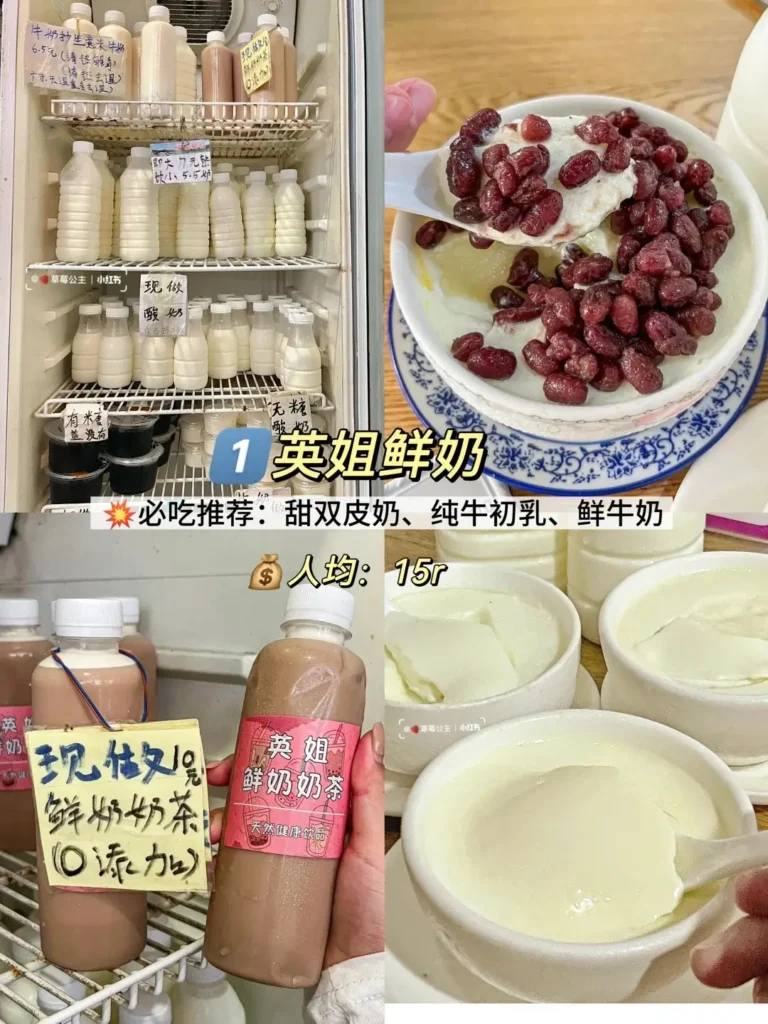
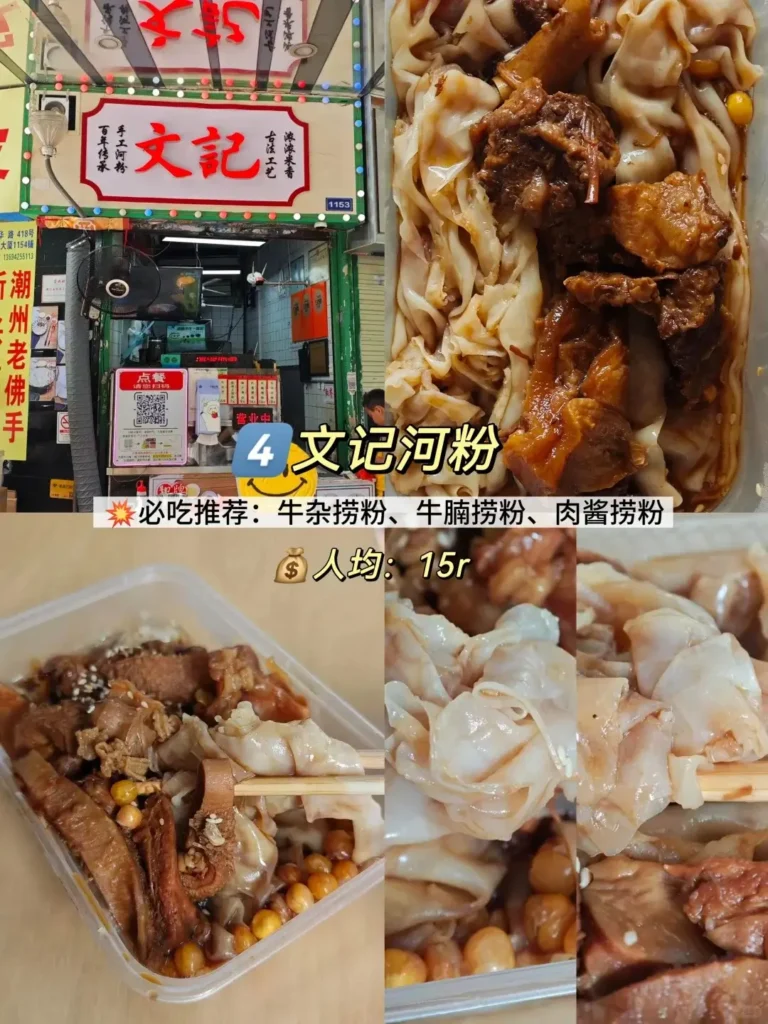
Recommended Restaurants
- Tourist-Friendly & Authentic: Tim Ho Wan, Dian Dou De, Tao Tao Ju (all have English menus, consistent quality, and locations across the city, perfect for first-time visitors)
- Local Time-Honored Gems: Panxi Restaurant (a beautiful garden-style teahouse with a 70-year history), Guangzhou Restaurant (the “godfather of Cantonese cuisine”), Lian Xiang Lou (famous for its lotus paste pastries and classic dim sum)
- ⚠️ Pitfall Avoidance: Never eat dim sum at a restaurant inside a tourist attraction—they are overpriced and the quality is poor. Tea fees are mandatory at all teahouses (5-20 RMB per person), and it’s customary to pour tea for your tablemates before yourself. Visit on a weekday before 10:00 AM to avoid long lines, and experience the authentic local morning vibe.
Classic Cantonese Main Dishes
If you’re looking for a full Cantonese dinner, these are the iconic dishes you absolutely must try:
- Char Siu (Barbecue Pork): Honey-glazed barbecued pork, with a sweet and savory flavor, tender meat, and a crispy caramelized exterior. The best char siu has a perfect balance of fat and lean meat.
- Roast Goose: Guangzhou’s most iconic roast meat, often called “better than Peking duck” by locals. The skin is crispy and golden, the meat is tender and juicy, and it’s served with a tangy plum sauce that cuts through the richness.
- White Cut Chicken: The ultimate test of a Cantonese chef’s skill. The chicken is poached at a low temperature to keep the skin silky smooth and the meat tender and juicy, served with a simple ginger and scallion dipping sauce. It’s all about the freshness of the chicken.
- Claypot Rice: Rice cooked in a clay pot over an open fire, topped with cured meats, chicken, ribs, or sausage, with a crispy, golden layer of rice crust at the bottom of the pot. It’s fragrant, savory, and incredibly comforting.
- Cantonese Congee: Cantonese congee is cooked until the rice is completely broken down, with a silky, smooth texture. The most famous varieties are Ting Zai Zhou (boat congee, with fish, pork, peanuts, and fried dough), century egg and lean pork congee, and Ji Di Zhou (scholar’s congee, with pork liver and kidney).
Recommended Restaurants: Bing Sheng Mansion (high-end Cantonese cuisine with exceptional quality), Tai Hing Restaurant (reliable chain with classic roast meats), and Wenji Chicken Restaurant (famous for its white cut chicken).
Street Food & Hidden Local Snacks
Some of the best food in Guangzhou is found on the street, at tiny family-run stalls that have been open for decades. These are the must-try snacks, and the best places to find them:
- Ginger Milk Pudding: A classic Cantonese dessert made by pouring hot fresh milk into fresh ginger juice, which curdles into a silky, smooth pudding. It has a warm, spicy ginger flavor and sweet milk taste, perfect for cool days.
- Shuang Pi Nai (Double Skin Milk): A silky, creamy milk pudding with two layers of delicate milk skin, made with water buffalo milk. It’s sweet, rich, and incredibly smooth, served hot or cold.
- Steamed Vermicelli Roll: Street-side cheong fun is even more authentic than teahouse versions, made fresh to order, with a silky texture and simple soy sauce. It’s the perfect cheap breakfast, costing just 3-10 RMB.
- Cantonese Fish Skin: Marinated raw fish skin, crispy and refreshing, with sesame oil, soy sauce, chili, and peanuts. It’s a classic local snack, famous at Chen Tian Ji in Shangxiajiu.
- Fried Radish Cake: Pan-fried radish cake, with a crispy exterior and soft, savory interior, filled with shredded radish and cured meat. It’s a classic breakfast and dim sum dish.
Best Food Streets: Xihua Road is the absolute hidden gem of Guangzhou street food—almost no tourists, just local people, and dozens of family-run stalls that have been open for decades, with prices 50% lower than tourist areas. Shangxiajiu and Beijing Road are also good for snacks, but avoid the overpriced tourist traps.
Cantonese Tong Sui (Sugar Water Desserts)
In Guangzhou, no meal is complete without a bowl of tong sui (sweet soup dessert). Locals eat tong sui year-round, for everything from cooling down in the summer to warming up in the winter. Must-try tong sui includes red bean paste with tangerine peel, black sesame paste, mango sago pomelo (yang zhi gan lu), and sweet potato soup with ginger. The best spots are Bai Hua Dessert (a 60-year-old local institution) and Ren Xin Double Skin Milk.
💡 Pro Tips & Pitfalls to Avoid For Your Guangzhou Trip
These are the insider tips I wish I knew before my first trip to Guangzhou, to help you avoid mistakes and have the smoothest, most authentic experience possible:
- Weather Prep: Guangzhou has a subtropical climate, with hot, humid weather from April to October, and frequent sudden rain showers. Always carry a compact umbrella, sunscreen, and breathable, lightweight clothing. Winter (December to February) is mild, with temperatures between 10-20°C, so you won’t need a heavy winter coat.
- Shopping Hacks: Never buy souvenirs or snacks on Beijing Road or Shangxiajiu. Head to Yide Road Wholesale Market, the largest seafood and souvenir wholesale market in Guangzhou, where you can buy everything from dried seafood to tea to Cantonese pastries for 50% less than tourist areas.
- Language Tips: Most elderly locals only speak Cantonese, but almost all young people speak Mandarin, and most staff in tourist spots, hotels, and restaurants speak basic English. Learning a few simple Cantonese phrases will make locals incredibly happy: nei hou (hello), m goi (thank you / excuse me), ho sik (delicious).
- Safety Tips: Guangzhou is an extremely safe city, even for solo travelers, but always keep an eye on your belongings in crowded metro stations and tourist spots, to avoid pickpockets. Never accept free tea, souvenirs, or “free tours” from strangers on the street—they will almost always ask for money or pressure you into buying something later.
- Hotel Booking Tips: Book a hotel within a 5-minute walk of a metro station, even if it’s a little more expensive. Staying too far from the metro will waste hours of your trip on transportation. The best areas to stay are Tianhe CBD (close to modern attractions and the metro), Beijing Road (close to historic downtown), or Shamian Island (quiet, scenic, perfect for a relaxing stay).
❓ FAQ:
What is the best time to visit Guangzhou?
The absolute best time to visit Guangzhou is from October to December, and from March to April. During these months, the weather is mild and comfortable, with temperatures between 15°C and 25°C, low humidity, and minimal rain, perfect for outdoor sightseeing and walking tours. Avoid visiting during the Chinese Spring Festival (Chinese New Year), when most small local restaurants and shops are closed for the holiday, and during the summer months (June to August), when the city is extremely hot and humid, with frequent typhoons and heavy rain. If you’re traveling for the China Guangzhou Fair, it is held annually in April and October, so be sure to book your hotel 2-3 months in advance, as hotel prices can double or triple during the fair period.
Do I need a visa to travel to Guangzhou, China?
Most foreign nationals require a valid Chinese tourist visa to enter Guangzhou, which you must apply for at your local Chinese embassy or consulate before your trip. However, there is a popular visa-free option for transit travelers: if you are transiting through Baiyun International Airport Guangzhou China to a third country (not your country of citizenship), you may be eligible for the 144-hour visa-free transit policy, which allows you to stay in Guangdong Province for up to 6 full days without a visa. Always double-check the latest visa requirements and eligibility rules on the official website of the Chinese embassy in your home country before your trip, as policies can be updated periodically. For more general entry advice, check out our <a href=”/china-travel-tips”>China Travel Tips</a> for first-time international visitors.
Is Guangzhou safe for foreign travelers?
Yes, Guangzhou is an extremely safe city for foreign travelers, even for solo travelers and women traveling alone. It is consistently ranked as one of the safest major cities in China, with an extremely low rate of violent crime, and the local police are very helpful and responsive if you need assistance. That said, you should always take basic travel precautions: keep your valuables in a secure bag or pocket, be aware of pickpockets in crowded tourist spots, metro stations, and busy shopping areas, avoid walking alone in isolated, unlit areas late at night, and only use official taxis or licensed ride-hailing apps like DiDi. The vast majority of local residents are incredibly welcoming and friendly to foreign visitors, and will be happy to help if you get lost or need directions.
How many days do I need to fully explore Guangzhou?
For a classic first-time visit, 3 full days are enough to see all the major iconic landmarks, try the most famous Cantonese food, and get a great feel for the city’s culture and vibe. If you want a deeper, more immersive cultural and foodie experience, 5 days are ideal—this gives you time to explore hidden local neighborhoods, visit off-the-beaten-path spots like Huangpu Ancient Port, take day trips to nearby foodie destinations like Shunde, and spend more time trying different Cantonese dishes and local experiences. If you want to combine your Guangzhou trip with a visit to Chimelong Resort, nearby Hong Kong or Macau, or other Famous Scenic Spots in China across Guangdong Province, 7-10 days are perfect for a full, unforgettable southern China adventure.
💕 Travel Blessings For Your China Trip
To every traveler reading this Guangzhou Travel Guide, I hope this handbook has filled you with excitement, confidence, and wonder for your upcoming trip to China. Traveling to a new country is one of the most magical, transformative experiences life has to offer—it opens your heart, expands your mind, and lets you connect with people, cultures, and flavors you never could have imagined.
Guangzhou is a city that will surprise you at every turn: from the ancient, winding alleyways of Xiguan Old Town to the glittering, modern skyline along the Pearl River, from the first crispy bite of roast goose to the warm, welcoming smile of a local dim sum waiter, every moment here is a gift. It is a city that honors its 2,000-year history, while embracing the future with open arms; a city where tradition and modernity live side by side in perfect harmony.
Whether this is your very first trip to China, or your tenth, I hope you take the time to slow down, wander off the beaten path, and truly immerse yourself in everything this incredible country has to offer. May your journey be filled with endless delicious food, breathtaking sights, wonderful new friends, and happy memories that will last a lifetime. May you feel safe, welcome, and inspired every single step of the way. And may this trip be just the beginning of a lifelong love affair with China, its people, and its rich, beautiful, endlessly fascinating culture.
Welcome to China, welcome to Guangzhou. We can’t wait to see you here.


 English
  Chinese