China Travel Tips
Hey fellow wanderlusters! If you’ve been scrolling through dreamy China travel reels, deep diving into ancient Chinese history, and wondering how to plan the perfect trip across this vast, culturally rich nation, you’re in the absolute right place. This ultimate China travel tips for every province guide breaks down every single corner of China, from the snow-capped mountains of Tibet to the tropical beaches of Hainan, with insider hacks, can’t-miss attractions, and deep cultural insights to make your trip seamless and unforgettable.
If you’ve asked yourself is it safe to travel to china right now, rest assured: China is consistently ranked one of the safest countries in the world for foreign travelers, with extremely low violent crime rates, welcoming locals across every region, and well-developed tourism infrastructure for international visitors. This guide is your go-to China Travel Guide for navigating every province like a local, with up-to-date china travel news and practical tips you won’t find on generic, outdated travel sites. Whether you’re a history buff, a nature lover, a foodie, or a solo traveler, this province-by-province breakdown will help you craft the trip of a lifetime when you travel to china.
Before we dive in, a quick note: For the most official, up-to-date entry requirements and china travel advisory updates, always check the official website of the
Ministry of Culture and Tourism of the People’s Republic of China
File (DoFollow link), which is the leading authority for tourism rules and updates across the country. For seamless cross-province travel, the official
12306 China Railway English Portal
File (DoFollow link) is the safest, most reliable platform to book train tickets, which is the most popular way to travel between Chinese provinces. For more details on cashless payments, the backbone of daily life in China, check out my full guide on
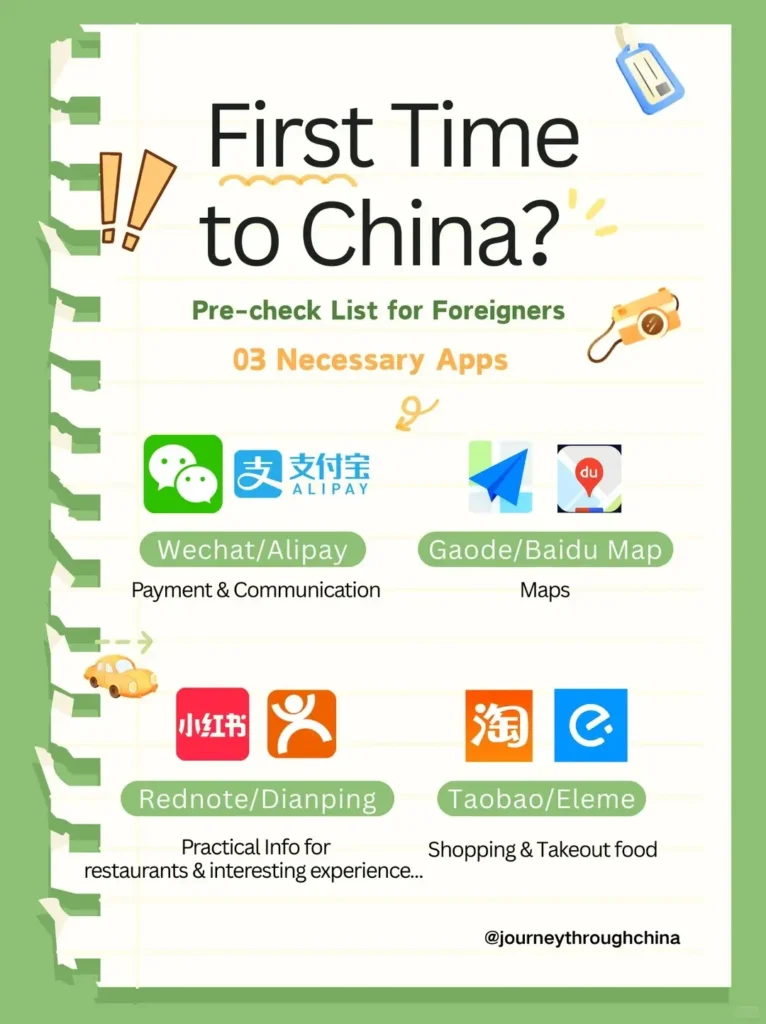
How to Use WeChat Pay & Alipay for Foreign Tourists in China
Your Complete Province-by-Province China Travel Tips & Attraction Guide
China is home to 34 provincial-level administrative regions, each with its own unique history, dialect, cuisine, natural landscapes, and cultural traditions. Below, we break down every single one, with must-see spots, cultural context, and exclusive travel tips for foreign visitors.
North China Region
Beijing Municipality
The heart of Chinese politics, culture, and history, Beijing is the first stop for most foreign travelers when they travel to china.
- Top Can’t-Miss Attractions: The Forbidden City (the world’s largest imperial palace complex, home to 24 Ming and Qing dynasty emperors), the Great Wall of China (Mutianyu and Jinshanling sections are the most foreigner-friendly, with less crowds than Badaling), Temple of Heaven, Summer Palace, and the 798 Art District for contemporary Chinese art.
- Cultural Insights: Beijing is the birthplace of Peking Opera, and the city’s hutongs (narrow traditional alleyways) are the last remaining window into old Beijing’s residential life. The city’s imperial architecture follows strict feng shui principles, with north-south axis alignment that dates back over 600 years.
- Pro Travel Tips: Book Forbidden City tickets at least 7-10 days in advance via the official museum website; tickets sell out fast during peak seasons. Arrive at the Great Wall by 7am to avoid midday crowds and tour buses. When visiting hutongs, ask permission before taking photos of local residents in their homes.
Tianjin Municipality
A bustling port city just 30 minutes from Beijing by high-speed train, Tianjin blends European colonial architecture with traditional Chinese culture.
- Top Can’t-Miss Attractions: Five Great Avenues (home to 2,000+ European-style villas from the early 20th century), Tianjin Eye Ferris wheel, Ancient Culture Street, and Porcelain House.
- Cultural Insights: Tianjin is the birthplace of Xiangsheng (Chinese crosstalk, a traditional comedic performance art), and the city is famous for its northern Chinese street food, including Goubuli steamed buns and Erduoyan fried rice cakes.
- Pro Travel Tips: Take the high-speed train from Beijing South Railway Station for a quick day trip; no need to book overnight unless you want to explore deeper. Bargain politely when shopping at Ancient Culture Street, as vendors expect it for souvenirs.
Hebei Province
Hebei surrounds Beijing and Tianjin, and is home to some of the most well-preserved sections of the Great Wall and imperial summer retreats.
- Top Can’t-Miss Attractions: Chengde Mountain Resort (the imperial summer palace of the Qing dynasty), Shanhaiguan Pass (the “First Pass Under Heaven” where the Great Wall meets the sea), and the grasslands of Zhangbei.
- Cultural Insights: Hebei’s Wuqiao County is known as the “hometown of Chinese acrobatics”, with a 1,500-year history of acrobatic performance that is recognized globally as a UNESCO intangible cultural heritage.
- Pro Travel Tips: Visit Chengde Mountain Resort in summer to escape the Beijing heat, or in autumn for stunning fall foliage. For Great Wall hikes, the Gubeikou section in Hebei offers unspoiled, wild wall sections with minimal crowds.
Shanxi Province
Shanxi is the cradle of Chinese civilization, with over 3,000 years of history and the largest collection of ancient wooden architecture in China.
- Top Can’t-Miss Attractions: Pingyao Ancient City (the best-preserved Ming dynasty walled city in China, a UNESCO World Heritage Site), Yungang Grottoes (ancient Buddhist cave temples with 51,000+ statues), Wutai Mountain (one of China’s four sacred Buddhist mountains), and the Hanging Temple.
- Cultural Insights: Shanxi was the heart of China’s banking industry in the Qing dynasty, with the first draft bank in China founded in Pingyao. The province’s cave dwellings (yaodong) are a unique traditional residential style adapted to the loess plateau landscape.
- Pro Travel Tips: Rent a bike to explore Pingyao Ancient City; it’s the best way to see the entire walled city in a day. Visit the Yungang Grottoes in the morning when the light hits the statues perfectly for photos.
Inner Mongolia Autonomous Region
A land of vast grasslands, nomadic culture, and stunning natural landscapes, Inner Mongolia offers a completely different travel experience from China’s eastern cities.
- Top Can’t-Miss Attractions: Hulunbuir Grasslands (one of the largest and most well-preserved grasslands in the world), Xilingol Grasslands, Genhe Wetland, and the Mausoleum of Genghis Khan.
- Cultural Insights: Inner Mongolia is home to the Mongolian ethnic group, with a nomadic herding culture that dates back thousands of years. Traditional Naadam festivals, held every summer, feature horse racing, wrestling, and archery, the three “manly sports” of Mongolian culture.
- Pro Travel Tips: Visit the grasslands between June and August for the best weather and lush green landscapes. Stay in a traditional yurt for an authentic experience, but bring warm layers even in summer, as temperatures drop sharply at night. Always ask permission before riding horses or taking photos of nomadic families and their livestock.
Northeast China Region
Liaoning Province
The gateway to China’s northeast, Liaoning blends imperial history, coastal scenery, and industrial heritage.
- Top Can’t-Miss Attractions: Shenyang Imperial Palace (the only other imperial palace complex in China besides the Forbidden City), Dalian Coastal Scenic Area, Benxi Water Caves, and Dandong (on the border with North Korea).
- Cultural Insights: Liaoning is the birthplace of the Manchu ethnic group, who founded the Qing dynasty, and Shenyang was the dynasty’s first capital before it moved to Beijing. The province is also famous for its errenzhuan, a traditional folk song and dance performance popular across northeast China.
- Pro Travel Tips: Visit Dalian in summer for beach getaways, or Shenyang in autumn for mild weather and fall foliage. For foreign visitors, Shenyang Imperial Palace offers English audio guides that provide deep context on Manchu history.
Jilin Province
Known for its stunning winter scenery, dense forests, and border culture with Russia and North Korea.
- Top Can’t-Miss Attractions: Changbai Mountain (a sacred volcanic mountain with the crystal-clear Heavenly Lake), Jilin Rime (one of China’s four natural wonders), Jingpo Lake, and the Yanbian Korean Autonomous Prefecture.
- Cultural Insights: Jilin is home to the largest Korean ethnic community in China, with unique food, music, and dance traditions that blend Chinese and Korean culture. Changbai Mountain is considered sacred by both the Manchu and Korean ethnic groups.
- Pro Travel Tips: Visit Changbai Mountain between July and August for the best chance to see Heavenly Lake (fog often blocks the view in other seasons), or December to February for the Jilin Rime and winter sports. Bring waterproof, cold-weather gear for winter visits, as temperatures can drop to -30°C.
Heilongjiang Province
China’s northernmost province, known as the “Ice City”, with stunning winter landscapes and Russian-influenced culture.
- Top Can’t-Miss Attractions: Harbin Ice-Sculpture World (the largest ice and snow festival in the world), Mohe (China’s northernmost city, home to the Northern Lights), Wudalianchi Volcanic Scenic Area, and Zhalong Nature Reserve (home to red-crowned cranes).
- Cultural Insights: Harbin has a rich Russian colonial history, with European-style architecture and a vibrant Russian food scene. The province is also home to the Hezhen ethnic group, one of China’s smallest ethnic minorities, with a traditional fishing and hunting culture along the Heilongjiang River.
- Pro Travel Tips: The Harbin Ice Festival runs from late December to late February; book accommodation 2-3 months in advance for peak dates. For Northern Lights sightings, visit Mohe between December and March, and book a local guide for the best viewing spots.
East China Region
Shanghai Municipality
China’s most international city, a global financial hub that blends ultra-modern skyscrapers with traditional Chinese and colonial European architecture.
- Top Can’t-Miss Attractions: The Bund (the iconic colonial waterfront), Pudong Skyline (including the Oriental Pearl Tower and Shanghai Tower, the world’s 3rd tallest building), Yu Garden, Tianzifang Art District, and Zhujiajiao Water Town.
- Cultural Insights: Shanghai is the birthplace of haipai culture, a unique blend of Chinese and Western traditions that emerged in the 1920s as the city became a global trading port. The city is also famous for Shanghainese cuisine, including xiaolongbao (soup dumplings) and shengjianbao (pan-fried buns).
- Pro Travel Tips: Visit the Bund at sunrise for photos without crowds, or at night for the iconic light show. Book tickets for the Shanghai Tower observation deck in advance to skip long lines. For authentic xiaolongbao, head to local restaurants in the former French Concession, not tourist traps near Yu Garden.
Jiangsu Province
Known as the “Land of Fish and Rice”, Jiangsu is home to China’s most famous water towns, classical gardens, and rich imperial history.
- Top Can’t-Miss Attractions: Suzhou Classical Gardens (UNESCO World Heritage Site, including the Humble Administrator’s Garden), Zhouzhuang and Tongli Water Towns, Nanjing Presidential Palace, Sun Yat-sen Mausoleum, and the Qinhuai River in Nanjing.
- Cultural Insights: Suzhou embroidery is one of China’s four great embroidery styles, with a 2,000-year history of intricate handiwork. Jiangsu is also the birthplace of Kunqu Opera, the oldest form of Chinese opera, recognized as a UNESCO intangible cultural heritage.
- Pro Travel Tips: Visit Suzhou’s gardens in the early morning to avoid crowds and hear the birds in the garden ponds. For water town visits, stay overnight to experience the quiet canals after the day tour buses leave. Nanjing is best visited in spring (March-April) for cherry blossoms at Xuanwu Lake.
Zhejiang Province
A province of stunning natural scenery, ancient water towns, and rich cultural heritage, known as “Heaven on Earth” in Chinese folklore.
- Top Can’t-Miss Attractions: West Lake in Hangzhou (UNESCO World Heritage Site), Wuzhen Water Town, Qiandao Lake, Huangyan Ancient Town, and the Yandang Mountains.
- Cultural Insights: Hangzhou was the capital of the Southern Song dynasty, and West Lake has inspired Chinese poets and painters for over 1,000 years. Zhejiang is also the birthplace of Longjing tea, one of China’s most famous green teas, grown in the hills around Hangzhou.
- Pro Travel Tips: Rent a bike to cycle around West Lake; it’s the best way to explore all the scenic spots. Visit a Longjing tea plantation in March or April during the spring harvest for a tea tasting experience. Wuzhen’s night light show is stunning, so book an overnight stay to see it after day visitors leave.
Anhui Province
Home to some of China’s most stunning mountain scenery and well-preserved ancient Huizhou villages.
- Top Can’t-Miss Attractions: Huangshan Mountain (Yellow Mountain, one of China’s most sacred mountains, a UNESCO World Heritage Site), Hongcun and Xidi Ancient Villages, Jiuhua Mountain, and the Taiji Cave.
- Cultural Insights: Huizhou architecture, with its white walls, black tiles, and intricate carvings, is one of China’s most iconic traditional architectural styles, preserved perfectly in Hongcun and Xidi. Huangshan Mountain has inspired Chinese landscape painting and poetry for over 1,000 years.
- Pro Travel Tips: Visit Huangshan Mountain between April and May for blooming rhododendrons, or October and November for fall foliage. Wake up at 4am to catch the sunrise over the “sea of clouds”, Huangshan’s most iconic natural wonder. Wear comfortable, non-slip hiking shoes for the mountain trails.
Fujian Province
A coastal province with a rich maritime history, unique Hakka culture, and stunning mountain and coastal scenery.
- Top Can’t-Miss Attractions: Gulangyu Island in Xiamen (UNESCO World Heritage Site, known as the “Piano Island”), Fujian Tulou (Hakka earthen roundhouses, UNESCO World Heritage Site), Wuyi Mountain, and Taining Danxia Landform.
- Cultural Insights: The Hakka people, a subgroup of the Han Chinese, built the tulou as fortified communal homes over 1,000 years ago, with some housing up to 800 people. Fujian is also the ancestral home of most overseas Chinese communities in Southeast Asia, with a rich maritime trade history dating back to the Song dynasty.
- Pro Travel Tips: Visit Gulangyu Island on a weekday to avoid massive weekend crowds; no cars are allowed on the island, so wear comfortable walking shoes. For tulou visits, book a local guide to learn about the Hakka culture and history, as many sites have limited English signage.
Jiangxi Province
Known as the “Porcelain Capital of China”, with stunning mountain scenery, ancient villages, and rich revolutionary history.
- Top Can’t-Miss Attractions: Jingdezhen (the world-famous porcelain capital), Lushan Mountain, Wuyuan Ancient Villages (known for rapeseed flower fields in spring), Tengwang Pavilion, and Jinggang Mountain.
- Cultural Insights: Jingdezhen has a 1,700-year history of porcelain making, and its porcelain was traded across the world along the Maritime Silk Road. Wuyuan’s ancient villages preserve the unique Huizhou architectural style, with stunning spring rapeseed blooms that are one of China’s most photographed natural scenes.
- Pro Travel Tips: Visit Wuyuan between March and April for the full bloom of rapeseed flowers, or autumn for red maple leaves. In Jingdezhen, take a porcelain-making workshop to make your own ceramic piece, a perfect souvenir from your trip.
Shandong Province
The birthplace of Confucianism, with a rich cultural history, stunning coastal scenery, and sacred mountains.
- Top Can’t-Miss Attractions: Mount Tai (one of China’s five sacred mountains, a UNESCO World Heritage Site), Temple and Cemetery of Confucius and the Kong Family Mansion in Qufu, Qingdao Coastal Scenic Area, Penglai Pavilion, and the Yellow River Delta.
- Cultural Insights: Shandong is the birthplace of Confucius, the ancient Chinese philosopher whose teachings shaped Chinese culture for over 2,000 years. Mount Tai is the most sacred of China’s five great mountains, with 72 emperors holding imperial worship ceremonies there over the centuries.
- Pro Travel Tips: Hike Mount Tai at night to reach the summit for sunrise; the trail is well-lit and safe, with food and drink stalls along the way. Visit Qufu in September for the annual Confucius Cultural Festival, with traditional ceremonies and performances.
Central China Region
Henan Province
The cradle of Chinese civilization, with over 5,000 years of history and more UNESCO World Heritage Sites than any other province in China.
- Top Can’t-Miss Attractions: Longmen Grottoes (UNESCO World Heritage Site, with 100,000+ Buddhist statues), Shaolin Temple (the birthplace of Kung Fu), Yin Ruins in Anyang (the site of the last capital of the Shang dynasty), White Horse Temple (China’s first Buddhist temple), and the ancient city of Kaifeng.
- Cultural Insights: Henan was home to 20 dynasties’ capitals, making it the heart of ancient Chinese civilization. Shaolin Temple is the birthplace of Chan Buddhism and Chinese martial arts, with a 1,500-year history of Kung Fu training.
- Pro Travel Tips: Book a Kung Fu class at Shaolin Temple for an authentic experience, even if you’re a beginner. Visit the Longmen Grottoes in the morning when the light hits the west-facing grottoes perfectly. For history buffs, the Henan Museum in Zhengzhou has one of the best collections of ancient Chinese cultural relics in the country, with free English audio guides.
Hubei Province
A province of stunning river scenery, ancient history, and rich cultural heritage, known as the “Land of Chu”.
- Top Can’t-Miss Attractions: Three Gorges of the Yangtze River, Yellow Crane Tower in Wuhan, Wudang Mountain (the birthplace of Tai Chi, a UNESCO World Heritage Site), Shennongjia Nature Reserve, and the ancient city of Jingzhou.
- Cultural Insights: Hubei was the center of the ancient Chu State, one of the most powerful states during the Zhou dynasty, with a unique bronze casting and silk weaving culture. Wudang Mountain is the sacred mountain of Taoism, and the birthplace of Tai Chi, one of the most popular martial arts in the world.
- Pro Travel Tips: For the Three Gorges, book a Yangtze River cruise with an English-speaking guide for the best experience; 3-5 day cruises are the most popular. Visit Wudang Mountain to take a Tai Chi class with a local master, even for a single day. Wuhan’s Hubu Lane is the best spot to try authentic Hubei street food, including hot dry noodles, the city’s signature dish.
Hunan Province
Known for its stunning mountain scenery, spicy cuisine, and rich cultural heritage, the birthplace of Mao Zedong.
- Top Can’t-Miss Attractions: Zhangjiajie National Forest Park (the inspiration for Avatar’s floating mountains, a UNESCO World Heritage Site), Fenghuang Ancient Town, Yueyang Tower, Hengshan Mountain, and Shaoshan Village.
- Cultural Insights: Hunan is home to the Xiang ethnic group, with a rich folk culture, and is famous for its spicy Hunan cuisine, one of China’s eight great culinary traditions. The province is also the birthplace of Mao Zedong, the founding father of the People’s Republic of China, with his former home in Shaoshan a popular historical site.
- Pro Travel Tips: Visit Zhangjiajie between March and November for the best weather; book the Bailong Elevator tickets in advance to skip long lines. Fenghuang Ancient Town is best visited overnight, with stunning night views of the Tuojiang River. If you don’t handle spicy food well, always ask for “bu la” (no spice) when ordering at local restaurants.
South China Region
Guangdong Province
China’s most economically dynamic province, known for its Cantonese cuisine, vibrant cities, and rich Lingnan culture.
- Top Can’t-Miss Attractions: Canton Tower in Guangzhou, Chimelong Safari Park, Kaiping Diaolou and Villages (UNESCO World Heritage Site), Danxia Mountain, and the coastal city of Shenzhen.
- Cultural Insights: Guangdong is the birthplace of Cantonese culture, with Cantonese opera, Lingnan architecture, and Cantonese cuisine (one of China’s most famous culinary traditions, known for dim sum). The province is also the ancestral home of most overseas Chinese communities around the world, with a rich maritime trade history.
- Pro Travel Tips: Try dim sum in Guangzhou at local teahouses, not tourist hotels; weekend morning dim sum is a beloved local tradition. Visit Shenzhen’s Dapeng Ancient City to escape the modern skyscrapers and experience the city’s historical roots. For foreign visitors, most major restaurants and hotels in Guangzhou and Shenzhen have English menus, but it’s helpful to have a translation app for smaller local spots.
Guangxi Zhuang Autonomous Region
A province of stunning karst mountain scenery, rich ethnic minority culture, and crystal-clear rivers.
- Top Can’t-Miss Attractions: Guilin and Yangshuo Li River Scenery (one of China’s most iconic natural landscapes), Longji Rice Terraces, Detian Waterfall, and the ancient town of Xingping.
- Cultural Insights: Guangxi is home to the Zhuang ethnic group, China’s largest ethnic minority, with unique folk music, dance, and textile traditions. The Longji Rice Terraces, built by the Zhuang and Yao people over 600 years ago, are a masterpiece of traditional agricultural engineering.
- Pro Travel Tips: Take a Li River cruise from Guilin to Yangshuo for the most iconic karst mountain views; book a private boat for a more intimate experience. Visit the Longji Rice Terraces in June (when the terraces are filled with water) or September (during the harvest) for the most stunning photos. Rent a bike to cycle around Yangshuo’s countryside, the best way to explore the rural karst scenery.
Hainan Province
China’s only tropical island province, known as the “Hawaii of China”, with stunning beaches, tropical rainforests, and luxury resorts.
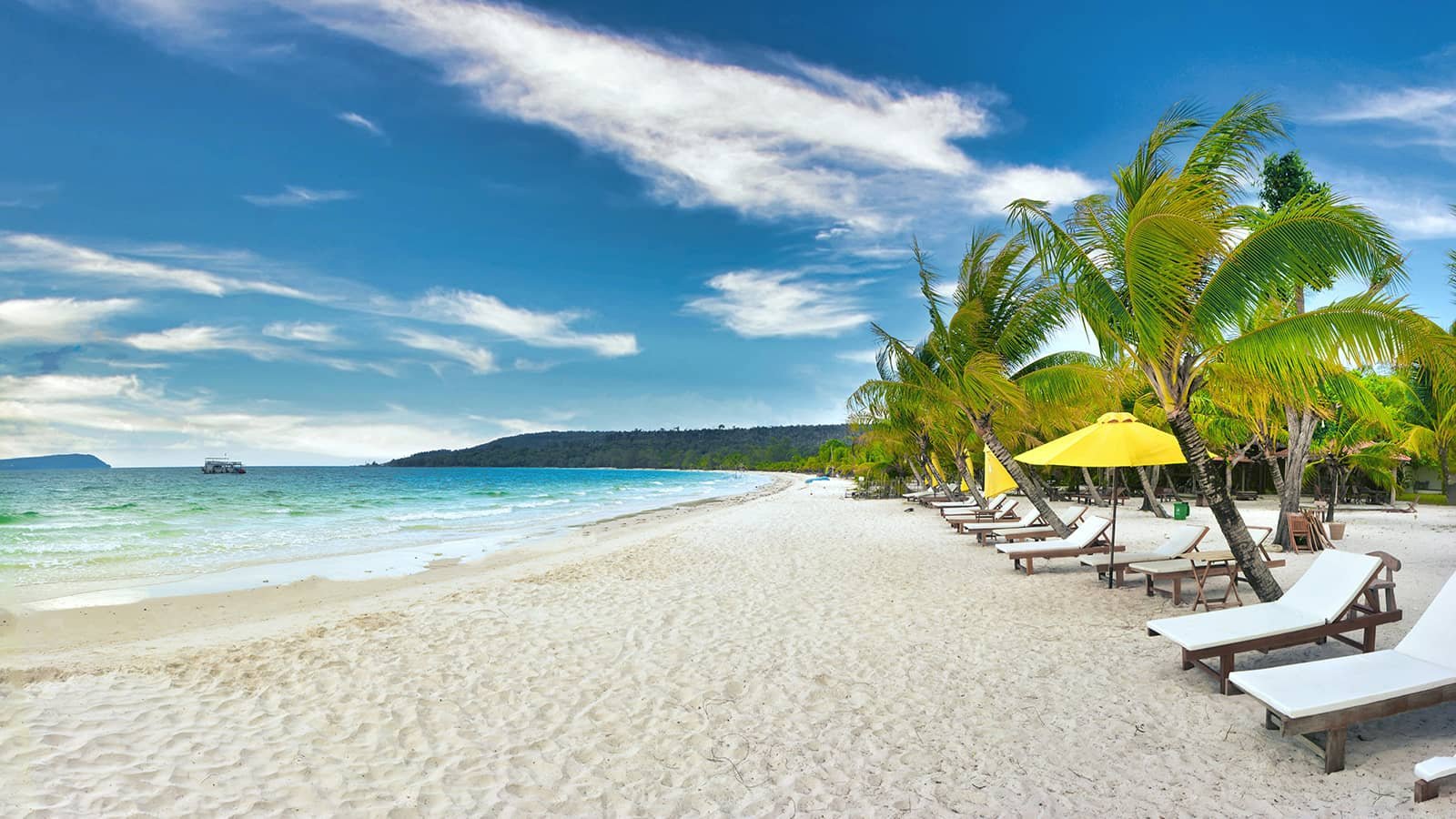
- Top Can’t-Miss Attractions: Sanya’s Yalong Bay and Wuzhizhou Island, Haikou Volcanic Cluster Global Geopark, Yanoda Rainforest Cultural Tourism Zone, and the Boao Forum for Asia permanent site.
- Cultural Insights: Hainan is home to the Li and Miao ethnic groups, with unique tropical island culture, traditional weaving, and folk music. The island has a rich maritime history, as a key stop along the ancient Maritime Silk Road.
- Pro Travel Tips: Visit Hainan between November and April to avoid the hot, rainy summer season and typhoon season. For budget travelers, avoid Sanya’s peak tourist season (Chinese New Year) when hotel prices skyrocket. Always negotiate prices for water sports and taxi rides in Sanya, as vendors often charge foreign tourists higher rates.
Hong Kong Special Administrative Region
A vibrant international metropolis, blending Chinese and Western culture, with stunning skyline views, world-class shopping, and rich culinary traditions.
- Top Can’t-Miss Attractions: Victoria Harbour, Victoria Peak, Hong Kong Disneyland, Ocean Park, Temple Street Night Market, and the Big Buddha on Lantau Island.
- Cultural Insights: Hong Kong has a unique blend of Cantonese Chinese culture and British colonial heritage, with a vibrant film industry, dim sum culture, and traditional Chinese festivals celebrated alongside Western holidays.
- Pro Travel Tips: Use the Octopus Card for seamless travel on Hong Kong’s MTR subway system, buses, and even convenience stores. Visit Victoria Peak at sunset for both day and night views of the skyline. For foreign visitors, Hong Kong uses the Hong Kong Dollar, and most places accept major credit cards, with English widely spoken across the city.
Macao Special Administrative Region
Known as the “Las Vegas of Asia”, with a unique blend of Portuguese colonial culture, world-class casinos, and rich historical heritage.
- Top Can’t-Miss Attractions: Ruins of St. Paul’s, Macao Tower, Senado Square, the Venetian Macao, and the Historic Centre of Macao (UNESCO World Heritage Site).
- Cultural Insights: Macao was a Portuguese colony for over 400 years, with a unique blend of Chinese and Portuguese culture, including Macanese cuisine, which blends Chinese and Portuguese culinary traditions.
- Pro Travel Tips: Macao is easily accessible from Hong Kong via a 1-hour ferry ride. The Historic Centre of Macao is best explored on foot, with most major sites within walking distance. Macao uses the Macanese Pataca, but Hong Kong Dollars are widely accepted across the city.
Southwest China Region
Chongqing Municipality
Known as the “Mountain City” and “Fog City”, with stunning skyline views, spicy hot pot, and unique river scenery.
- Top Can’t-Miss Attractions: Hongyadong (the iconic stilt-house complex that inspired Spirited Away), Ciqikou Ancient Town, the Three Gorges of the Yangtze River, Wulong Karst National Geology Park (UNESCO World Heritage Site), and the Yangtze River Cableway.
- Cultural Insights: Chongqing is the birthplace of Sichuan hot pot (spicy numbing hot pot), with over 20,000 hot pot restaurants across the city. The city’s unique mountainous landscape means it has more bridges than any other city in the world, known as the “Bridge Capital of China”.
- Pro Travel Tips: Try Chongqing hot pot at a local restaurant, not a tourist chain; ask for “yuan yang guo” (split pot) if you want both spicy and non-spicy broth. Visit Hongyadong at night for the iconic light show, but arrive early to avoid massive crowds. Wear comfortable walking shoes, as the city is built on mountains, with lots of stairs and hills.
Sichuan Province
Known as the “Land of Abundance”, with stunning natural scenery, spicy Sichuan cuisine, and the home of the giant panda.
- Top Can’t-Miss Attractions: Chengdu Research Base of Giant Panda Breeding, Jiuzhaigou Valley (UNESCO World Heritage Site, with crystal-clear blue lakes and waterfalls), Huanglong Scenic Area, Leshan Giant Buddha, Mount Emei, and Dujiangyan Irrigation System.
- Cultural Insights: Sichuan is famous for its Sichuan cuisine, one of China’s eight great culinary traditions, known for its spicy and numbing flavor from Sichuan peppercorns. The province is also the birthplace of Sichuan opera, with its iconic face-changing performance art.
- Pro Travel Tips: Visit the Chengdu Panda Base before 8am to see the pandas when they are most active (they sleep during the midday heat). Visit Jiuzhaigou between October and November for the most stunning fall foliage, or spring for blooming flowers. If you’re not used to spicy food, always ask for “less spicy” when ordering, as Sichuan food is very hot by default.
Guizhou Province
A province of stunning karst scenery, rich ethnic minority culture, and unspoiled natural landscapes.
- Top Can’t-Miss Attractions: Huangguoshu Waterfall (China’s largest waterfall), Xijiang Thousand Household Miao Village, Fanjing Mountain (UNESCO World Heritage Site), Zhenyuan Ancient Town, and the Zhijin Cave.
- Cultural Insights: Guizhou is home to 17 ethnic minority groups, including the Miao, Dong, and Buyi, with unique folk traditions, festivals, and handicrafts. The Dong people’s drum towers and wind and rain bridges are iconic traditional architectural styles, recognized as UNESCO intangible cultural heritage.
- Pro Travel Tips: Visit Xijiang Miao Village during a traditional festival, like the Miao New Year (October or November), for traditional dance, music, and dress. Visit Huangguoshu Waterfall between June and August during the rainy season, when the waterfall is at its most powerful. Guizhou’s mountain roads can be winding, so book a private driver or join a guided tour for cross-province travel.
Yunnan Province
Known as the “South of the Clouds”, with stunning natural scenery, rich ethnic minority culture, and a mild climate year-round.
- Top Can’t-Miss Attractions: Old Town of Lijiang (UNESCO World Heritage Site), Shangri-La, Dali Ancient City, Erhai Lake, Jade Dragon Snow Mountain, Stone Forest, and the Yuanyang Rice Terraces.
- Cultural Insights: Yunnan is home to 25 ethnic minority groups, more than any other province in China, including the Naxi, Bai, Tibetan, and Dai people, each with their own unique language, culture, and traditions. The Naxi people’s Dongba script is the only living hieroglyphic script in the world, recognized as UNESCO intangible cultural heritage.
- Pro Travel Tips: Visit the Yuanyang Rice Terraces between November and April, when the terraces are filled with water, for the most stunning sunrise and sunset photos. Altitude sickness is common at Jade Dragon Snow Mountain and Shangri-La, so bring altitude sickness medication and take it slow when you first arrive. Dali is best explored by bike, cycling around Erhai Lake and the surrounding countryside.
Xizang Autonomous Region (Tibet)
A land of sacred mountains, crystal-clear lakes, and rich Tibetan Buddhist culture, known as the “Roof of the World”.
- Top Can’t-Miss Attractions: Potala Palace (UNESCO World Heritage Site, the iconic winter palace of the Dalai Lama), Jokhang Temple, Nam Co Lake, Yamdrok Lake, Mount Everest Base Camp, and the ancient city of Shigatse.
- Cultural Insights: Tibet has a rich Tibetan Buddhist culture, with over 1,300 years of religious history, and is home to the Tibetan ethnic group, with unique traditions, art, and cuisine. The region’s sacred mountains and lakes are central to Tibetan Buddhist beliefs, with thousands of pilgrims visiting every year.
- Pro Travel Tips: Foreign visitors need a Tibet Travel Permit to enter Tibet, which must be arranged through a licensed travel agency before your trip. Altitude sickness is a serious concern in Tibet, as Lhasa is at 3,650m above sea level; spend your first 2-3 days in Lhasa acclimatizing before traveling to higher altitudes. When visiting temples, dress modestly (cover your shoulders and knees), remove your hat, and never take photos of sacred statues unless signs say it’s allowed.
Northwest China Region
Shaanxi Province
The cradle of Chinese civilization, with over 3,000 years of history, and the home of the Terracotta Army.
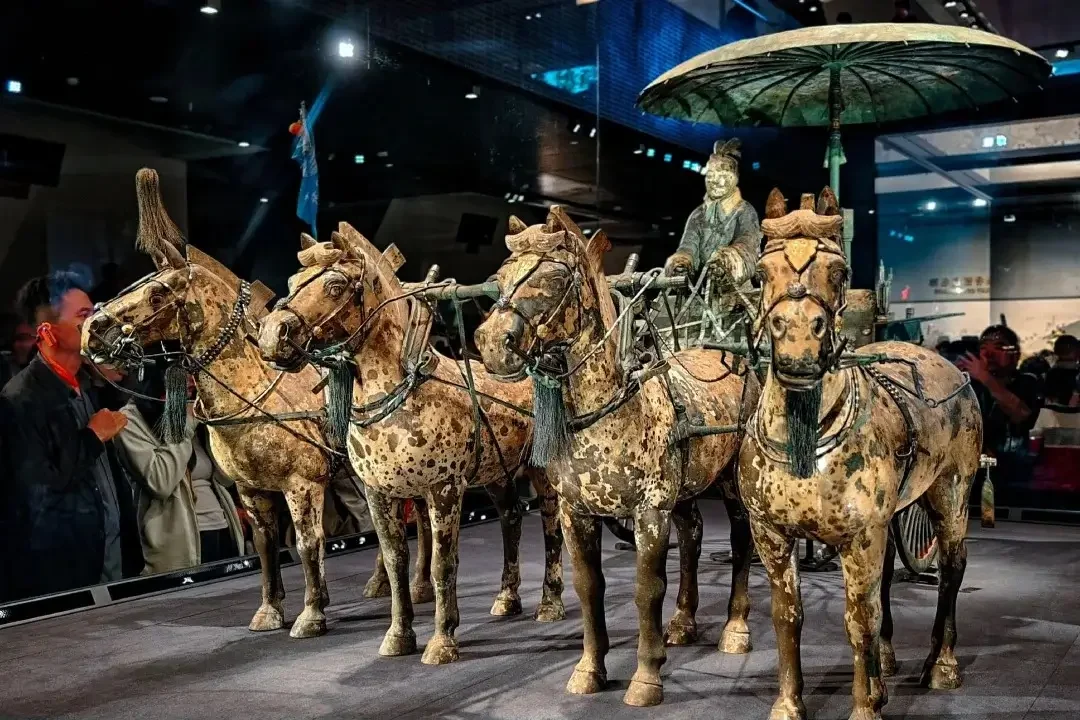
- Top Can’t-Miss Attractions: Terracotta Army of Emperor Qin Shi Huang (UNESCO World Heritage Site, one of the greatest archaeological discoveries in the world), Xi’an City Wall, Giant Wild Goose Pagoda, Huaqing Palace, Mount Hua, and the Shaanxi History Museum.
- Cultural Insights: Xi’an was the capital of 13 dynasties, including the Tang dynasty, China’s most prosperous ancient dynasty, and was the starting point of the ancient Silk Road. The province is also the birthplace of the Qin dynasty, the first unified imperial dynasty in Chinese history.
- Pro Travel Tips: Book a licensed English-speaking guide for the Terracotta Army, as the site’s history is complex and a guide will provide deep context. Rent a bike to cycle around the Xi’an City Wall, the largest and best-preserved ancient city wall in China. Visit Mount Hua for a thrilling hike, but book your tickets in advance, and avoid weekends and holidays to skip crowds.
Gansu Province
A key stop along the ancient Silk Road, with stunning desert scenery, ancient Buddhist grottoes, and rich cultural heritage.
- Top Can’t-Miss Attractions: Mogao Grottoes in Dunhuang (UNESCO World Heritage Site, the largest and most well-preserved Buddhist grotto complex in the world), Zhangye Danxia Landform (the rainbow mountains), Jiayuguan Pass (the western end of the Great Wall), Crescent Lake in Dunhuang, and the Labrang Monastery.
- Cultural Insights: Gansu was the core corridor of the ancient Silk Road, with a 2,000-year history of cultural exchange between China and the West. The Mogao Grottoes have over 492 caves with 2,000+ painted statues and 45,000 square meters of murals, dating back over 1,600 years.
- Pro Travel Tips: Visit the Mogao Grottoes with an official guide, as photography is not allowed inside the caves, and a guide will explain the history of the murals and statues. Visit Zhangye Danxia Landform at sunrise or sunset for the most vibrant colors of the rainbow mountains. Dunhuang is best visited between May and October, as winter temperatures can be very cold in the desert.
Qinghai Province
A land of stunning high-altitude lakes, vast grasslands, and rich Tibetan culture, known as the “Water Tower of China”.
- Top Can’t-Miss Attractions: Qinghai Lake (China’s largest inland saltwater lake), Chaka Salt Lake (the “Sky Mirror”), Kumbum Monastery, Qilian Mountains, and the Sanjiangyuan National Nature Reserve.
- Cultural Insights: Qinghai is home to the Tibetan, Hui, Tu, and Salar ethnic groups, with a rich mix of Tibetan Buddhist and Islamic culture. The province is the source of the Yangtze, Yellow, and Lancang rivers, making it critical to China’s water security.
- Pro Travel Tips: Visit Qinghai Lake between July and August, when the surrounding rapeseed flowers are in full bloom, and the weather is mild. Altitude sickness is common in Qinghai, as most scenic spots are over 3,000m above sea level; bring altitude sickness medication and stay hydrated. Chaka Salt Lake is best visited on a sunny, windless day for the perfect sky mirror reflection photos.
Ningxia Hui Autonomous Region
A small province in the upper reaches of the Yellow River, known as the “Oasis in the Desert”, with rich Islamic culture and stunning desert scenery.
- Top Can’t-Miss Attractions: Shapotou Scenic Area (where the Yellow River meets the Tengger Desert), Western Xia Imperial Tombs, Helan Mountain Rock Paintings, and the Zhenbeipu Western Film Studio.
- Cultural Insights: Ningxia is home to the Hui ethnic group, China’s largest Muslim ethnic minority, with a rich Islamic culture, including unique mosques, halal cuisine, and folk traditions. The province was also the home of the Western Xia dynasty, a powerful kingdom that ruled the region for over 200 years.
- Pro Travel Tips: Visit Shapotou for desert activities like camel riding, sandboarding, and Yellow River rafting. When visiting Hui communities and mosques, dress modestly, and respect local Islamic traditions (do not bring pork or alcohol into halal restaurants or mosques). Ningxia is famous for its wolfberries (goji berries), which make a great souvenir from your trip.
Xinjiang Uygur Autonomous Region
China’s largest province, a land of stunning natural scenery, rich ethnic minority culture, and a key stop along the ancient Silk Road.
- Top Can’t-Miss Attractions: Kanas Lake, Turpan Grape Valley, Heavenly Lake of Tianshan, Taklamakan Desert, Kashgar Old Town, and the Mogao Grottoes’ sister site, the Kizil Grottoes.
- Cultural Insights: Xinjiang is home to 47 ethnic minority groups, including the Uygur, Kazak, Tajik, and Kyrgyz people, with unique folk traditions, music, dance, and cuisine. The region was a core part of the ancient Silk Road, with a 2,000-year history of cultural exchange between China and Central Asia.
- Pro Travel Tips: Foreign visitors need to prepare their travel documents in advance for Xinjiang, and check the latest travel requirements before your trip. Visit Kanas Lake between September and October for stunning fall foliage, or Turpan in summer for fresh grapes and melons. When visiting local ethnic minority communities, ask permission before taking photos of people, and respect local traditions and customs.
Taiwan Province
A beautiful island province with stunning mountain scenery, rich traditional Chinese culture, and vibrant night markets.
- Top Can’t-Miss Attractions: Alishan Mountain, Sun Moon Lake, Taipei 101, Kenting National Park, Taroko Gorge, and the night markets of Taipei.
- Cultural Insights: Taiwan preserves rich traditional Chinese culture, including folk festivals, traditional arts, and religious traditions, alongside a vibrant modern pop culture scene. The island is also home to the indigenous peoples of Taiwan, with 16 recognized ethnic groups with unique traditions and languages.
- Pro Travel Tips: Foreign visitors need a Taiwan Entry Permit to visit Taiwan, which must be applied for in advance. The best way to get around Taiwan is via the high-speed rail, which connects Taipei to Kaohsiung in just 90 minutes. Taipei’s night markets are the best place to try authentic Taiwanese street food, including bubble tea, which was invented in Taiwan.
Essential General China Travel Tips for Cross-Province Trips
Now that you have our province-by-province China travel tips, here are a few universal tips to make your cross-country trip seamless:
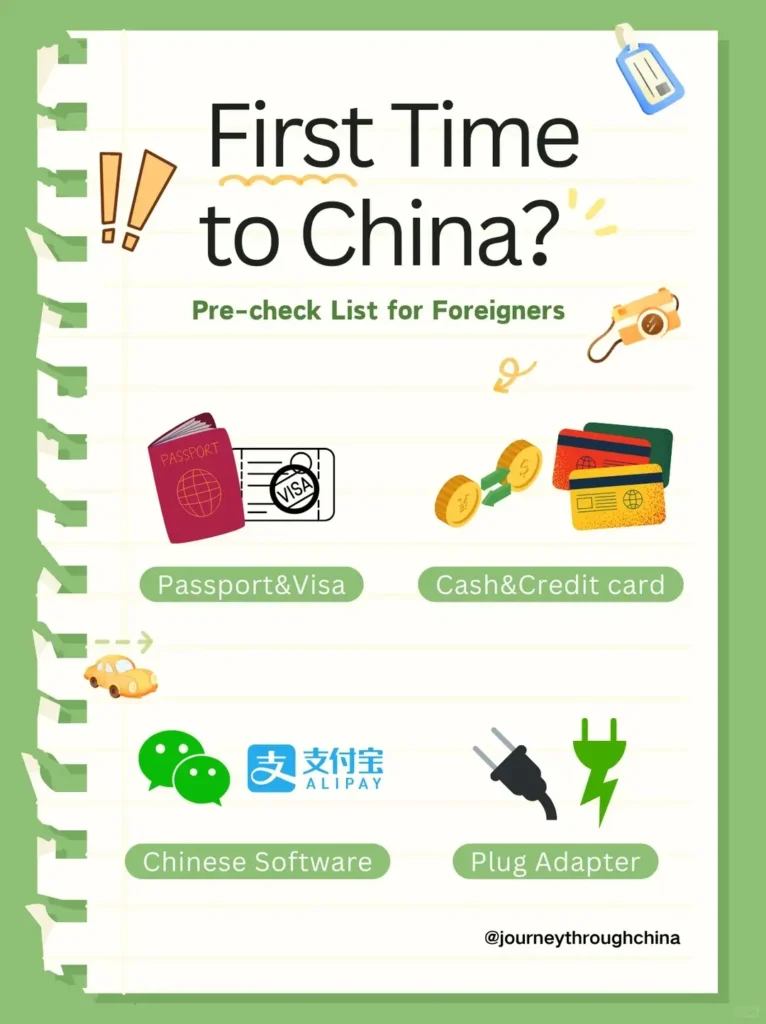
- Visa & Permits: Most foreign visitors need a Chinese tourist visa (L visa) to enter mainland China. Some regions, including Tibet and Xinjiang, require additional travel permits for foreign visitors, so arrange these in advance through a licensed travel agency. Always check the latest china travel advisory from your home country before departure.
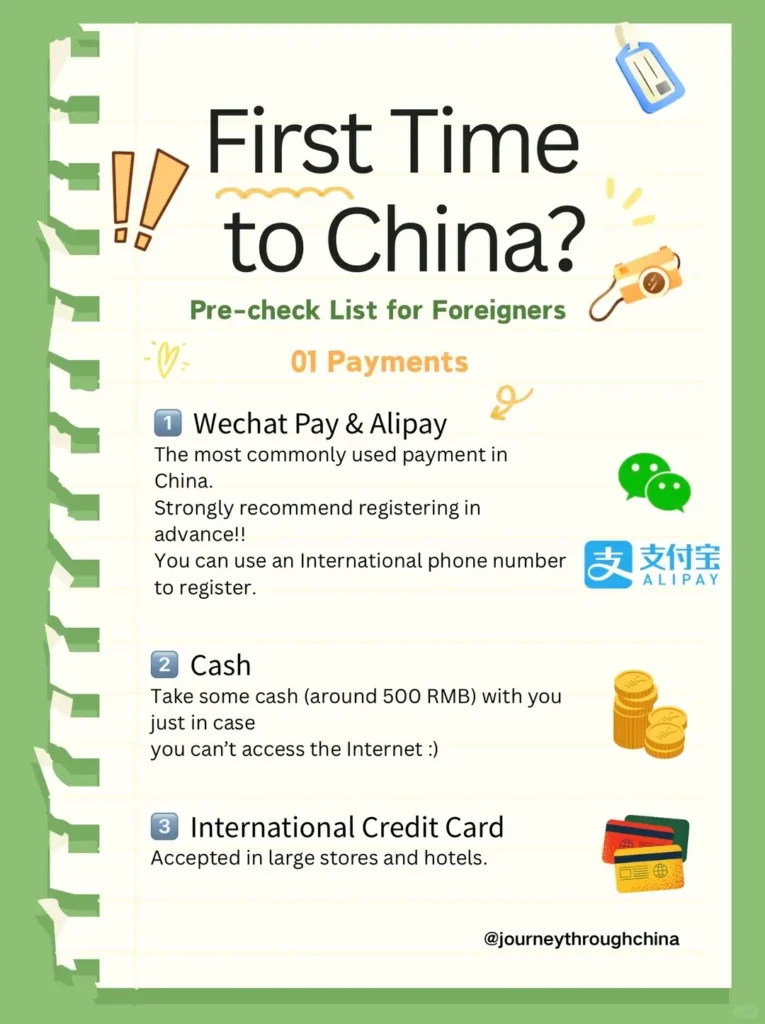
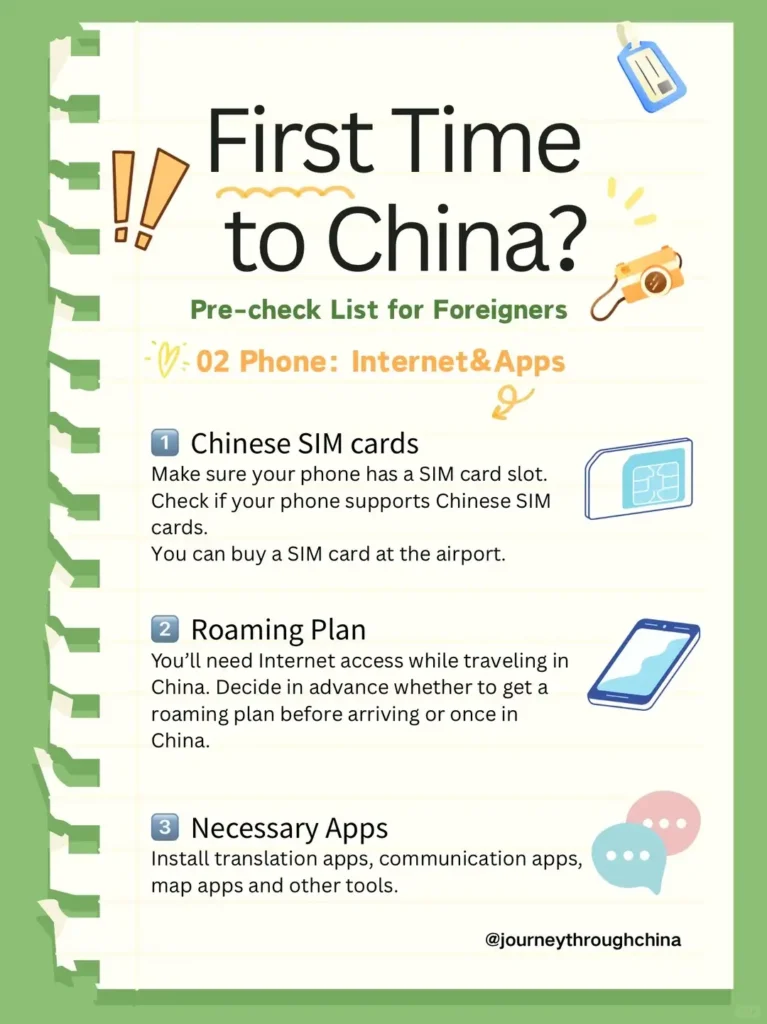
- Cashless Payments: WeChat Pay and Alipay are the primary payment methods in China, accepted almost everywhere. You can now link foreign credit cards to both apps for seamless payments, which is far easier than carrying cash across provinces.
- Transportation: China’s high-speed rail network is the largest in the world, and the most efficient way to travel between provinces. Book tickets in advance via the official 12306 English portal, especially during peak travel seasons.
- Language: Mandarin Chinese is the official language across China, but many provinces have their own dialects. Most major tourist sites and hotels have English-speaking staff, but download a translation app (like Google Translate with offline Chinese packs) for rural areas and smaller towns.
Top FAQs About Traveling Across Chinese Provinces for Foreign Visitors
1. Is it safe to travel to China right now for foreign tourists?
Yes, it is extremely safe to travel to China right now for foreign tourists. China consistently ranks among the top 10 safest countries in the world for international visitors, with an extremely low rate of violent crime against foreigners. Local police are helpful and responsive to foreign visitors, and most tourist areas have dedicated tourist police stations with English-speaking staff. The country’s tourism infrastructure is well-developed, with strict safety standards for transportation, hotels, and tourist attractions. As with any international travel, you should take standard precautions (like keeping your valuables secure in crowded areas), but you can feel confident traveling across every province in China as a foreign visitor.
2. What documents do I need to travel to every province in China?
For most provinces in mainland China, you only need a valid passport with a valid Chinese tourist visa (L visa) to travel freely. However, there are a few exceptions: foreign visitors need a Tibet Travel Permit to enter the Xizang (Tibet) Autonomous Region, which must be arranged through a licensed Chinese travel agency before your arrival in China. For Xinjiang, you will need to carry your valid passport and visa with you at all times, as there are security checks at major tourist sites, transportation hubs, and between cities. For Hong Kong and Macao, most foreign visitors can enter visa-free for short stays (usually 14-90 days, depending on your nationality), and for Taiwan, you need a Taiwan Entry Permit, which must be applied for in advance.
3. What’s the best way to get around different provinces in China?
The best way to travel between provinces in China is via the country’s high-speed rail (HSR) network, which is the largest and most advanced in the world, with trains reaching speeds of up to 350km/h. High-speed trains are comfortable, punctual, affordable, and connect almost every major city in China, making them far more convenient than flying for most cross-province trips (you avoid the hassle of airport security and travel to and from airports on the outskirts of cities). For remote areas with limited rail access, like parts of Tibet, Xinjiang, and Inner Mongolia, domestic flights are the best option, with major airlines offering daily flights between regional hubs. For local travel within a province, you can use high-speed rail, local buses, private drivers, or ride-hailing apps like Didi (which has an English version for foreign users).
4. Are there any cultural rules I need to follow when traveling across Chinese provinces?
Yes, there are a few key cultural rules to follow to respect local traditions and avoid misunderstandings when you travel to china:
- Religious Sites: When visiting Buddhist temples, Taoist shrines, or mosques, dress modestly (cover your shoulders and knees), remove your hat when entering sacred halls, and never take photos of sacred statues or religious ceremonies unless signs explicitly allow it.
- Local Communities: When visiting ethnic minority communities across China, always ask permission before taking photos of local residents, especially elders and children. Respect local traditions and customs, and follow the guidance of your local guide.
- Cultural Etiquette: Do not touch or deface ancient relics or historical sites, as this is a serious offense in China with heavy fines. When dining with locals, wait for the host to start eating before you begin, and avoid sticking your chopsticks upright in a bowl of rice, as this is associated with funeral traditions.
- Public Behavior: Avoid loud talking or disruptive behavior in public spaces, especially in quiet areas like museums, temples, and on public transportation. Littering and spitting in public are heavily fined in most Chinese cities, so always use trash bins.
Closing Travel Wishes for Your China Trip
As you prepare for your journey across this incredible nation, we want to wish you the most magical, unforgettable adventure when you travel to china. May your trip be filled with breathtaking sunrises over Huangshan’s sea of clouds, warm encounters with welcoming locals in remote villages, the rich, bold flavors of Sichuan hot pot and Cantonese dim sum, and moments of wonder as you stand before the Terracotta Army, walk along the Great Wall, and cruise down the Li River.
May every province you visit leave you with a deeper love and understanding of China’s 5,000 years of history, its incredibly diverse cultures, and its stunning natural beauty. May your travels be safe, your trains be on time, your tea be warm, and your camera roll be filled with memories that will last a lifetime. We hope this ultimate China travel tips for every province guide has given you the confidence and inspiration to explore every corner of this amazing country. Welcome to China – we can’t wait for you to fall in love with it, just like we did.


 English
  Chinese