China Travel Scams to Avoid by Province
Hey fellow travelers! If you’re dreaming of travel to China and want to experience its breathtaking landscapes, 5,000 years of uninterrupted history, and incredibly diverse local culture without falling for tourist traps, you’re in the right place. As a China travel blogger with 6 years of experience helping thousands of foreign visitors plan their dream trips, I’ve seen every possible scam, pitfall, and tourist trick across every single province and municipality in this incredible country.
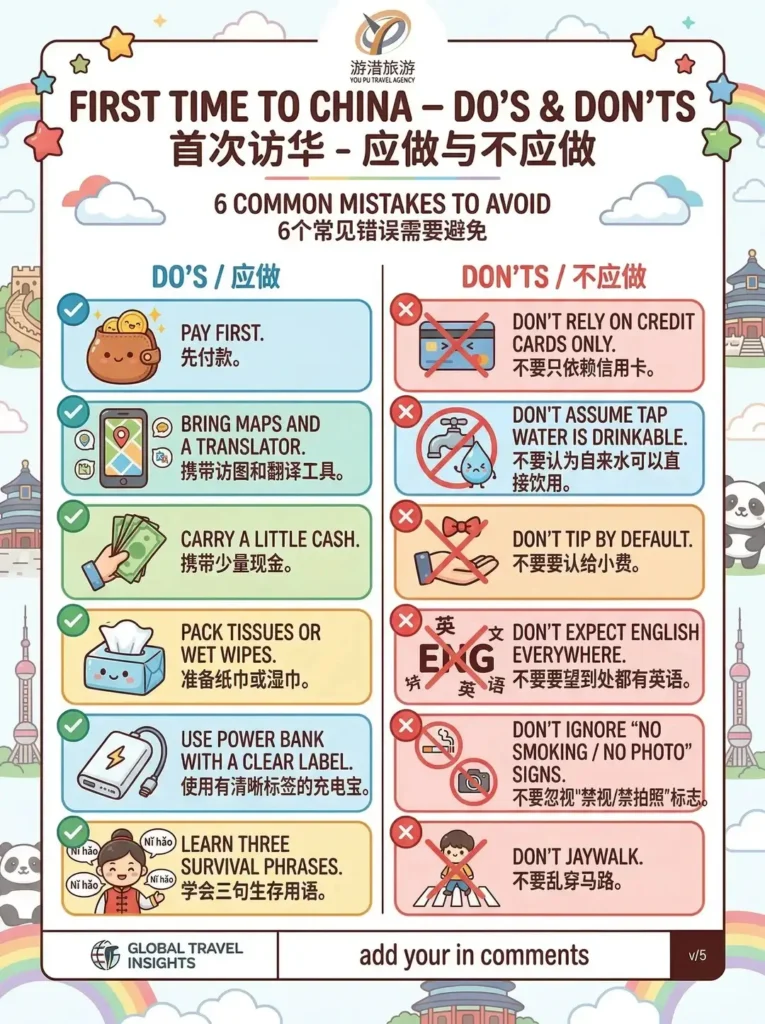
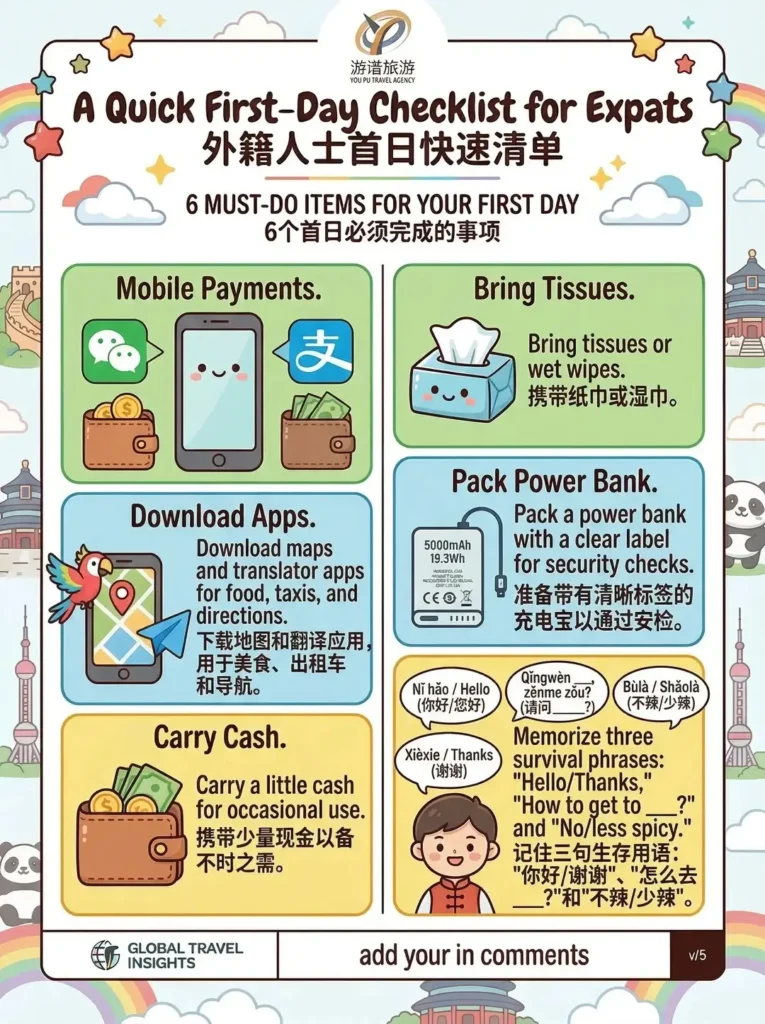
First, let’s answer the question on every traveler’s mind: is it safe to travel to china right now? The short answer is yes. China consistently ranks among the safest countries in the world for international tourists, with extremely low rates of violent crime against visitors. The vast majority of issues you’ll encounter are small-scale consumer scams targeted at tourists, not safety threats. This guide will break down China Travel Scams to Avoid by Province for Foreign Tourists in full detail, with must-see cultural highlights, iconic attractions, and actionable pro tips for every region, so you can explore the real China with total confidence.
This guide is built exclusively for foreign travelers, with insider knowledge you won’t find in generic China Travel Guide content, and updated with the latest china travel news for 2026. We’ll cover all 31 provinces, autonomous regions, and municipalities, split by geographic region for easy navigation.
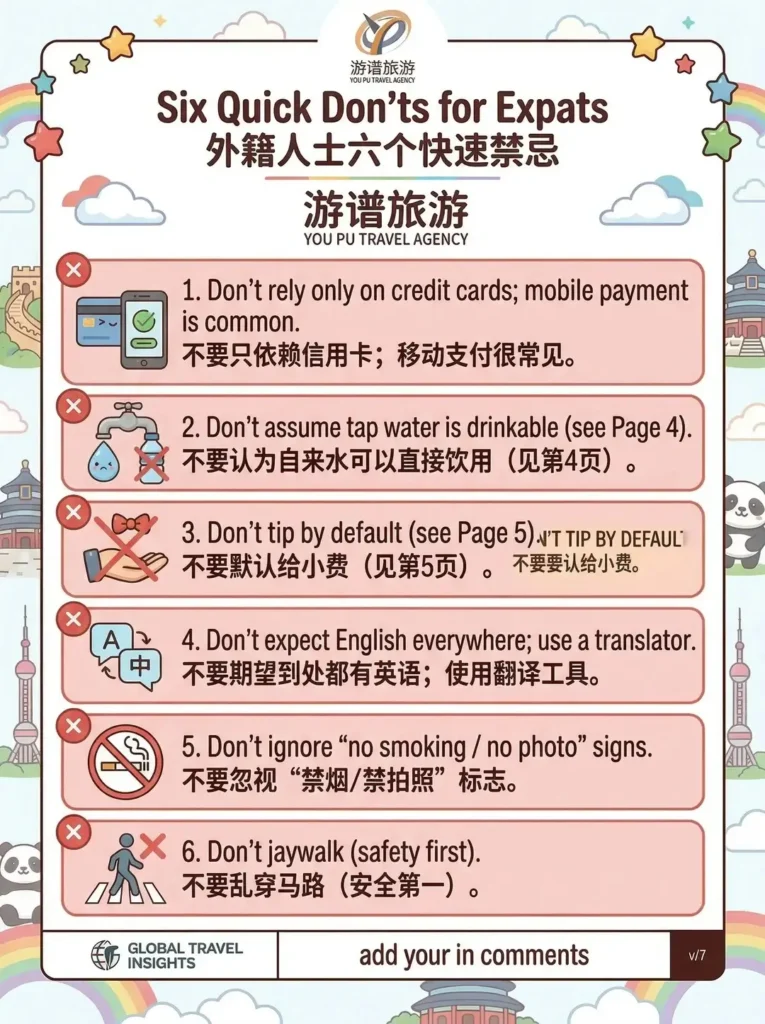
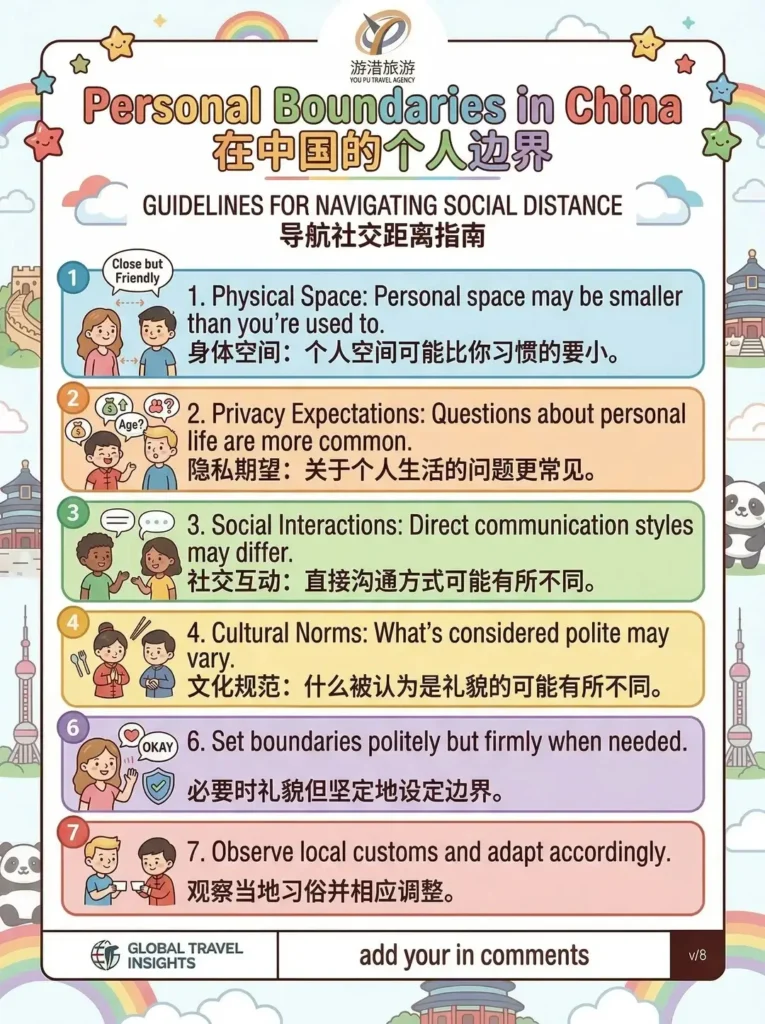
Complete Breakdown of China Travel Scams to Avoid by Province
North China Region: Historic Heartland of China
Home to China’s capital, imperial heritage, and vast grasslands, this region is the most popular first stop for foreign travelers, and also where many common tourist scams originate.
Beijing Municipality
Iconic Attractions & Culture: The heart of imperial China, home to the Forbidden City (Palace Museum), Badaling Great Wall, Temple of Heaven, Summer Palace, and 800+ years of imperial history. It’s the political and cultural center of China, with unmatched access to Ming and Qing dynasty relics.
Key Scams to Avoid:
- Great Wall Day Tour Scams: The most common scam targeting foreign visitors in China. Vendors near Tiananmen Square, Qianmen, and major hotels offer “50 RMB all-inclusive Great Wall day trips” with free lunch and hotel pickup. These tours almost always take you to the fake “Shuiguan Great Wall” (not the official Badaling or Mutianyu sections), force 3+ hours of stops at overpriced jade, silk, and medicine shops, and hit you with hidden fees for parking, entrance tickets, and more.
- Forbidden City Fake Tickets: The Forbidden City only sells tickets 7 days in advance via its official website/WeChat mini-program, with zero same-day tickets sold on-site. Any vendor claiming to have same-day or “skip-the-line” tickets is selling fakes, and you will be turned away at the gate.
- Hutong Tricycle Rip-Offs: Tricycle drivers near Houhai and Nanluoguxiang will quote a low 50 RMB price for a hutong tour, then inflate the price to 500+ RMB at the end, claiming the price was “per person” or “per 10 minutes”.Foreign Traveler Pro Tip: Only book Great Wall tours via official, verified platforms like Trip.com, and always book Forbidden City tickets directly through the official Palace Museum website.
Tianjin Municipality
Iconic Attractions & Culture: A historic port city with European colonial architecture on the 5th Avenue, the iconic Tianjin Eye Ferris wheel, Ancient Culture Street, and world-famous xiangsheng (crosstalk) comedy culture.
Key Scams to Avoid:
- Ancient Culture Street Overpriced Mahua: Vendors sell “authentic Tianjin mahua (fried dough twists)” at 10x the regular price, labeling them as “handmade imperial grade”. The authentic, affordable mahua is sold at the official Goubuli and Guifaxiang stores, not street stalls.
- Crosstalk Teahouse Hidden Fees: Street promoters offer “20 RMB crosstalk show tickets”, but once inside, you’ll be hit with mandatory minimum drink orders of 200+ RMB per person, with no option to leave early.Foreign Traveler Pro Tip: Book teahouse tickets directly through the venue’s official account, and confirm there are no minimum consumption requirements before entering.
Hebei Province
Iconic Attractions & Culture: Home to the Chengde Mountain Resort (imperial summer retreat), Beidaihe beach, Shanhaiguan Pass (the eastern end of the Great Wall), and Baiyangdian Lake.
Key Scams to Avoid:
- Beidaihe Seafood Restaurant Rip-Offs: Restaurants near the beach will use tampered scales to underweight seafood, charge 3-5x the market price, and even swap live seafood for dead ones while you’re not looking.
- Chengde Mountain Resort “Shortcut” Scams: Guides near the entrance claim they can take you through a “secret shortcut” to avoid lines, but they lead you to an illegal, unregulated entrance that will get you fined and removed from the site.Foreign Traveler Pro Tip: For seafood, choose restaurants with fixed, transparent pricing, and always confirm the final price per kilogram before ordering.
Shanxi Province
Iconic Attractions & Culture: The birthplace of Chinese merchant culture, with the UNESCO-listed Pingyao Ancient City, Yungang Grottoes, Wutai Mountain (one of China’s four sacred Buddhist mountains), and the iconic Qiao Family Compound.
Key Scams to Avoid:
- Wutai Mountain Fake Monk Scams: Men dressed as monks will approach you, offer a “free blessing” or fortune reading, then demand hundreds of RMB in “incense donations”, refusing to let you leave until you pay.
- Pingyao “Free Guide” Scams: Locals offering free tours of the ancient city will lead you to overpriced lacquerware, aged vinegar, and souvenir shops, taking 50%+ commission on every purchase you make.Foreign Traveler Pro Tip: Never accept free blessings, fortune readings, or tours from random people on the street. Official guides are only available through the attraction’s visitor center.
Inner Mongolia Autonomous Region
Iconic Attractions & Culture: Vast Mongolian grasslands, the Hulunbuir Prairie, Xiangshawan Desert, Genhe Wetland, and traditional nomadic Mongolian culture, with horse riding, yurt stays, and local dairy cuisine.
Key Scams to Avoid:
- Grassland Horse Riding Price Gouging: Guides will quote a 100 RMB price for a horse ride, but the fine print reveals the price is per minute, not per trip. You could end up with a bill of 1000+ RMB for a 30-minute ride.
- Nomad Home Visit Forced Consumption: “Free” yurt home visits will pressure you to buy overpriced dairy products, cashmere, and local liquor, with hosts refusing to let you leave until you make a purchase.Foreign Traveler Pro Tip: Always confirm the total, all-inclusive price for horse riding and activities in writing before agreeing to anything.
Northeast China Region: Winter Wonderland & Frontier Culture
Famous for its snowy winters, dense forests, and unique Manchurian and Korean ethnic culture, this region is a top destination for winter travel and summer forest getaways.
Liaoning Province
Iconic Attractions & Culture: Shenyang Imperial Palace (the only other imperial palace in China besides the Forbidden City), Dalian’s coastal beaches, Dandong’s Yalu River border with North Korea, and the Benxi Water Caves.
Key Scams to Avoid:
- Dalian Seafood Swaps: Coastal restaurants will show you live seafood for your order, then swap it for frozen, low-quality seafood in the kitchen, while charging you the premium live seafood price.
- North Korea Border Tour Scams: Unlicensed agents offer “secret North Korea day trips” from Dandong, which are illegal. You will be stopped by border police, fined, and potentially banned from future travel to China.Foreign Traveler Pro Tip: Only book border tours through licensed travel agencies, and never agree to any “unofficial” cross-border trips.
Jilin Province
Iconic Attractions & Culture: Changbai Mountain (with the iconic Heavenly Lake), the Museum of the Imperial Palace of Manchukuo, Songhua Lake, and the world-famous Wusong Island rime ice scenery in winter.
Key Scams to Avoid:
- Changbai Mountain “Snowmobile Shortcut” Scams: Vendors near the entrance claim you need a 500+ RMB snowmobile ride to reach the Heavenly Lake, but the official scenic bus takes you directly there for a 20 RMB fee.
- Fake Ginseng & Medicinal Herb Scams: Shops near tourist sites sell “wild Changbai ginseng” for thousands of RMB, but they are almost always farmed ginseng worth less than 50 RMB.Foreign Traveler Pro Tip: Stick to the official scenic bus routes in Changbai Mountain, and never buy high-value medicinal herbs from street-side tourist shops.
Heilongjiang Province
Iconic Attractions & Culture: Harbin Ice-Sculpture World, China’s Snow Town, Wudalianchi Volcanic Scenic Area, and the Siberian Tiger Park. It’s China’s most famous winter travel destination, with Russian-influenced culture in Harbin.
Key Scams to Avoid:
- Snow Town Price Gouging: Accommodation and restaurants in Snow Town will quote a low price when you book over the phone, then double or triple the price when you arrive, claiming the original price was “for a different room” or “off-peak only”.
- Yabuli Ski Resort Forced Tips: Ski instructors will offer “1-on-1 lessons” for a fixed price, then demand a 200-500 RMB tip at the end of the lesson, refusing to return your equipment until you pay.
- Fake Russian Souvenir Scams: Shops on Harbin’s Central Street sell “authentic Russian chocolate, vodka, and matryoshka dolls”, but 99% are mass-produced in China, with no Russian origin.Foreign Traveler Pro Tip: Book all accommodation in Snow Town and Yabuli via verified international platforms, with a written confirmation of the total price, and never agree to unlisted tips.
East China Region: Water Towns, Modern Metropolises & Cultural Heartland
China’s most economically developed region, with a mix of ultra-modern cities, ancient water towns, tea plantations, and UNESCO World Heritage Sites. It’s the most diverse region for tourism in China.
Shanghai Municipality
Iconic Attractions & Culture: China’s global financial hub, with the Bund, Shanghai Disney Resort, Yu Garden, Nanjing Road, and a unique mix of colonial and modern architecture.
Key Scams to Avoid:
- Disney Fake Fast Pass Scams: Vendors near Disney Resort sell “skip-the-line fast passes” for 200+ RMB, but they are completely fake. The only official way to skip lines is via the Shanghai Disney Resort official app’s Premier Access.
- Bund Sightseeing Tunnel Rip-Off: Promoted as a “must-see” attraction, the 50 RMB tunnel ride is a 3-minute trip through a dark tunnel with cheap LED lights, with no actual view of the Bund or Huangpu River. It’s the most overpriced tourist trap in Shanghai.
- “Free Tea Tasting” Scams: Women near Yu Garden and the Bund will invite you to a “free tea tasting” at a local teahouse, then present you with a bill for 500+ RMB for “tea service fees” after the tasting.Foreign Traveler Pro Tip: Only book Disney tickets and add-ons via the official Shanghai Disney Resort website, and never accept free invitations to tea tastings, art shows, or cafes from strangers.
Jiangsu Province
Iconic Attractions & Culture: The home of China’s iconic water towns, with Suzhou’s classical gardens (UNESCO-listed), Nanjing’s Presidential Palace and Sun Yat-sen Mausoleum, Zhouzhuang Water Town, and Yangzhou’s Slender West Lake.
Key Scams to Avoid:
- Suzhou “Private Garden” Scams: Guides near the Humble Administrator’s Garden will claim the official gardens are “too crowded” and offer to take you to a “private, authentic classical garden” for a low fee. These are just small, renovated houses with no historical value, and you’ll be charged 100+ RMB for entry.
- Water Town “Free Photo” Scams: Photographers in Zhouzhuang and Tongli will offer to take your photo for free, then force you to pay 50 RMB per print to get your photos, with no option to decline.Foreign Traveler Pro Tip: Only visit the official, UNESCO-listed Suzhou gardens, and decline all free photo offers from street photographers.
Zhejiang Province
Iconic Attractions & Culture: Home to Hangzhou’s West Lake (UNESCO-listed), Wuzhen and Xitang Water Towns, Hengdian World Studios, Mount Yandang, and the world-famous Longjing tea plantations.
Key Scams to Avoid:
- West Lake Illegal Boat Scams: Unlicensed boat operators offer “private West Lake cruises” for a low price, but these boats are unregulated, unsafe, and will be stopped by lake patrol, with you facing a fine.
- Lingyin Temple Fake Monk Scams: Men dressed as monks near the temple will sell “blessed incense” for 200+ RMB, but the temple provides free incense for all visitors, and these men are not affiliated with the temple at all.
- Longjing Tea Scams: “Local tea farmers” near Meijiawu Village will offer to take you to their family tea plantation, then pressure you to buy Longjing tea for 10x the market price, with most of the money going to the guide.Foreign Traveler Pro Tip: Only take official West Lake cruises from the official ticket booths, and never buy overpriced tea from tour guides or random farmers.
Anhui Province
Iconic Attractions & Culture: Home to Huangshan (Yellow Mountain, one of China’s most famous mountains), Hongcun and Xidi Ancient Villages (UNESCO-listed), Jiuhua Mountain, and Huizhou merchant culture.
Key Scams to Avoid:
- Huangshan “Pure Play” Tour Scams: Agencies near Huangshan offer “100 RMB all-inclusive Huangshan day trips”, but these trips include 4+ hours of mandatory shopping stops at tea and souvenir shops, with hidden fees for cable cars and entrance tickets added on.
- Jiuhua Mountain Fake Taoist Scams: Similar to Buddhist mountain scams, men dressed as Taoist priests offer fortune readings and blessings, then demand high “donations” for their services.Foreign Traveler Pro Tip: Huangshan’s entrance ticket and cable car fees are fixed, so any tour priced lower than the official ticket price is guaranteed to be a scam.
Fujian Province
Iconic Attractions & Culture: Home to Xiamen’s Gulangyu Island, Wuyi Mountain, the Fujian Tulou (UNESCO-listed Hakka earthen roundhouses), and Quanzhou (the start of the Maritime Silk Road).
Key Scams to Avoid:
- Gulangyu Ferry Ticket Scams: The official round-trip ferry ticket to Gulangyu is 35 RMB, but vendors near the port will sell “fast track” or “private ferry” tickets for 200+ RMB, claiming the official tickets are sold out. The official tickets are almost always available on the day via the official website.
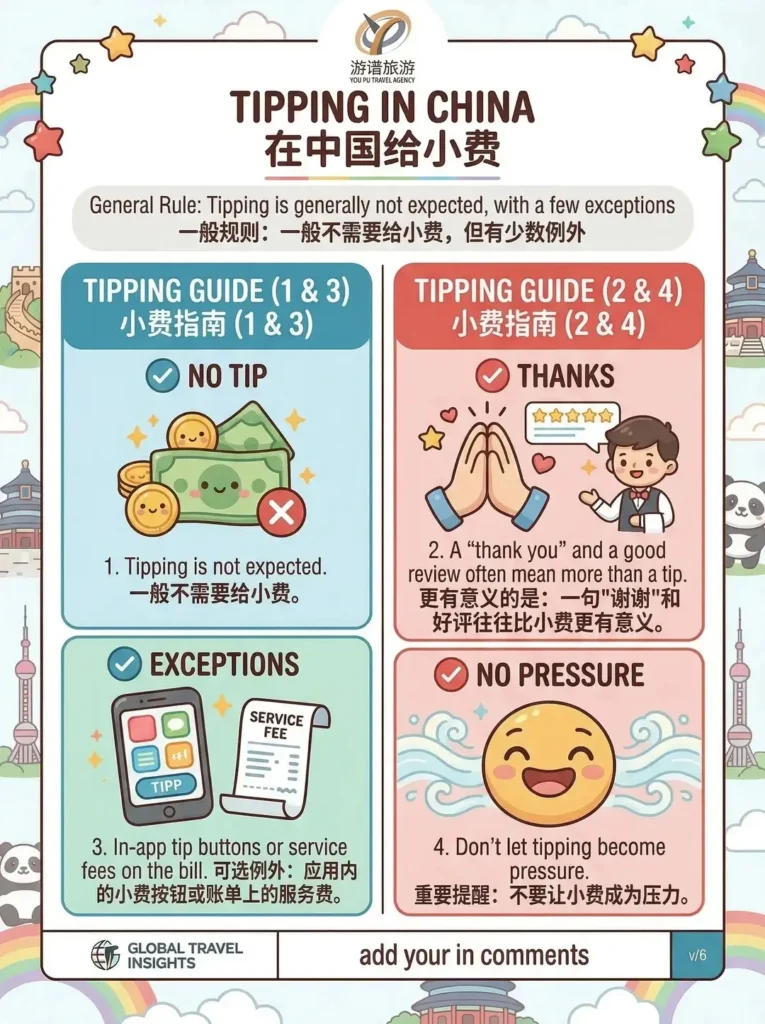
- Wuyi Mountain Bamboo Raft Tip Scams: Raft operators will tell you a 100 RMB tip per person is “mandatory” for them to give you a tour and slow down the raft. Tipping is not mandatory, and the official raft fee includes the full tour.
- Tulou “Free Visit” Scams: Locals will offer to take you to a “free, authentic tulou” off the main tourist route, but once inside, they will charge you an entry fee and pressure you to buy overpriced local tea and souvenirs.Foreign Traveler Pro Tip: Always book Gulangyu ferry tickets via the official Xiamen Ferry Co. website, and never agree to visit unlisted tulou sites.
Jiangxi Province
Iconic Attractions & Culture: Home to Lushan Mountain, Jingdezhen (the “Porcelain Capital of China”), Wuyuan’s rapeseed flower terraces, and the Tengwang Pavilion.
Key Scams to Avoid:
- Jingdezhen Antique Porcelain Scams: Shops near the ancient porcelain kilns sell “antique Ming and Qing dynasty porcelain” for thousands of RMB, but they are all modern replicas worth less than 100 RMB.
- Wuyuan Peak Season Price Gouging: During the March-April rapeseed flower season, local homestays will increase their prices by 5-10x, and cancel pre-booked reservations to rent to higher-paying guests.Foreign Traveler Pro Tip: For Wuyuan travel during peak season, book accommodation 2+ months in advance with a verified platform, and get a written confirmation of the total price.
Shandong Province
Iconic Attractions & Culture: Home to Mount Tai (China’s most sacred mountain), the Temple and Cemetery of Confucius in Qufu, Qingdao’s coastal beaches, and Jinan’s Baotu Spring. It’s the birthplace of Confucian culture.
Key Scams to Avoid:
- Mount Tai “Secret Shortcut” Scams: Locals near the entrance claim they can take you up Mount Tai via a “secret trail” to avoid the entrance fee, but these trails are unmarked, dangerous, and have led to multiple tourist injuries and deaths.
- Qufu Confucius Temple “Free Guide” Scams: Guides offering free tours will lead you to overpriced Confucius-themed souvenirs and “blessed” calligraphy, taking a huge commission on every purchase.
- Qingdao Seafood Rip-Offs: Similar to other coastal cities, restaurants near the beach will overcharge for seafood, use tampered scales, and swap live seafood for dead ones.Foreign Traveler Pro Tip: Never take unmarked trails up Mount Tai, and always use the official, marked hiking paths and scenic bus routes.
Central China Region: Birthplace of Chinese Civilization
The heart of the Yangtze River basin, with ancient history, stunning natural scenery, and iconic cultural sites.
Henan Province
Iconic Attractions & Culture: The birthplace of Chinese civilization, with the Longmen Grottoes (UNESCO-listed), Shaolin Temple (home of Kung Fu), Kaifeng’s Millennium City Park, and Yuntai Mountain.
Key Scams to Avoid:
- Shaolin Temple Fake Monk Scams: Men dressed as Shaolin monks will offer “free Kung Fu lessons” or “blessed prayer beads”, then demand hundreds of RMB in payment. Real Shaolin monks do not solicit money from tourists on the street.
- Longmen Grottoes Fake Tang Dynasty Sancai Scams: Shops near the grottoes sell “authentic Tang dynasty sancai pottery” for thousands of RMB, but they are all modern replicas.Foreign Traveler Pro Tip: Only book Shaolin Temple Kung Fu shows via the official temple website, and never accept free services from people dressed as monks on the street.
Hubei Province
Iconic Attractions & Culture: Home to the Yellow Crane Tower in Wuhan, the Three Gorges Dam, Shennongjia Forest, and Wudang Mountain (the birthplace of Tai Chi).
Key Scams to Avoid:
- Three Gorges Dam “Internal Access” Scams: Agencies offer “private tours of the Three Gorges Dam internal control room” for a high price, but these areas are strictly off-limits to tourists. You will only be taken to the official public viewing platform, which is included in the standard 35 RMB entrance ticket.
- Wudang Mountain Fake Taoist Scams: Men dressed as Taoist priests offer fortune readings and Tai Chi lessons, then demand high “donations” for their services.Foreign Traveler Pro Tip: The only areas of the Three Gorges Dam open to tourists are the official public viewing areas, so any offer of “special access” is a scam.
Hunan Province
Iconic Attractions & Culture: Home to Zhangjiajie National Forest (the inspiration for Avatar’s floating mountains), Fenghuang Ancient Town, Changsha’s Orange Island, and Yueyang Tower.
Key Scams to Avoid:
- Zhangjiajie “Low-Cost Pure Play” Tour Scams: Agencies offer “500 RMB 3-day Zhangjiajie tours”, but these tours include mandatory shopping stops at jade and herbal medicine shops, with hidden fees for cable cars, entrance tickets, and meals added on. Many tourists report being locked in the shopping shops until they make a purchase.
- Fenghuang Ancient Town Bar Rip-Offs: Bars in the ancient town will quote a low price for drinks, then add hidden “service fees” and “table fees” to your bill, with the final price often 3-4x the quoted price. There are also frequent “bar girl” scams, where a local woman invites you for a drink, then leaves you with a 1000+ RMB bill.
- Miao Village Home Visit Forced Consumption: Tours to local Miao villages will include a “free home visit”, where you will be pressured to buy overpriced silver jewelry, with guides taking a 50%+ commission.Foreign Traveler Pro Tip: For Zhangjiajie, only book tours with verified, international travel platforms, and confirm the tour is 100% shopping-free before booking.
South China Region: Tropical Beaches & Ethnic Diversity
Warm weather year-round, tropical beaches, and diverse ethnic minority culture, with some of China’s most popular beach destinations.
Guangdong Province
Iconic Attractions & Culture: Home to Guangzhou’s Canton Tower, Chimelong Resort, Shenzhen’s Window of the World, Danxia Mountain (UNESCO-listed), and world-famous Cantonese cuisine.
Key Scams to Avoid:
- Guangzhou Fake Electronics Scams: Vendors in Huaqiangbei Market sell “unlocked duty-free iPhones and cameras” for 50% less than the market price, but they are either fake, refurbished, or empty boxes. You will be scammed if you buy from unlicensed vendors.
- Chimelong Resort Fake Ticket Scams: Vendors near the resort sell “discounted Chimelong tickets” for a low price, but they are fake, and you will be turned away at the gate. Only buy tickets via the official Chimelong website or verified platforms.Foreign Traveler Pro Tip: Never buy electronics from street vendors in Huaqiangbei, and only buy theme park tickets via official channels.
Guangxi Zhuang Autonomous Region
Iconic Attractions & Culture: Home to Guilin’s Li River (with the iconic karst mountain scenery), Yangshuo’s Yulong River, Longji Rice Terraces, and Detian Waterfall. It’s famous for its Zhuang ethnic minority culture.
Key Scams to Avoid:
- Li River Illegal Boat Scams: Unlicensed boat operators offer “private Li River cruises” for a low price, but these boats are unregulated, unsafe, and do not travel the full official route. You will also be stopped by river patrol and fined.
- Yangshuo Bamboo Raft Scams: Operators will quote a low price for a bamboo raft ride, but the price is only for a 10-minute trip, not the full 1-hour route. You will have to pay extra to continue the ride.Foreign Traveler Pro Tip: Only book Li River cruises via the official Guilin Tourism website, and confirm the full length of the raft ride and total price before booking.
Hainan Province
Iconic Attractions & Culture: China’s only tropical island, with Sanya’s Yalong Bay, Wuzhizhou Island, Haikou’s Qilou Old Street, and tropical rainforests. It’s China’s most popular beach and honeymoon destination.
Key Scams to Avoid:
- Sanya Seafood Restaurant Scams: The most infamous tourist trap in Hainan. Restaurants near the beach will charge 10x the market price for seafood, use tampered scales, swap live seafood for dead ones, and even add items to your bill that you never ordered. Many foreign tourists have reported bills of 5000+ RMB for a simple seafood meal.
- Taxi Driver Commission Scams: Taxi drivers from Sanya Airport and train station will offer to take you to “affordable local restaurants” or “secret beaches”, but they are paid a 50% commission by the restaurants and hotels they take you to, resulting in massively inflated prices.
- Wuzhizhou Island Fake Ticket Scams: Vendors near the island sell “discounted tickets” for a low price, but they are fake, and you will be turned away at the pier.Foreign Traveler Pro Tip: For seafood in Sanya, only eat at restaurants with fixed, transparent pricing, and use the official Didi Chuxing International app for taxis, never accept rides from unlicensed drivers.
Southwest China Region: Ethnic Diversity & Breathtaking Natural Scenery
Home to China’s most diverse ethnic minority cultures, stunning mountain scenery, and unique local customs.
Chongqing Municipality
Iconic Attractions & Culture: The “Mountain City”, home to Hongyadong, the Yangtze River Cruise, Wulong Karst (UNESCO-listed), and world-famous Chongqing hot pot.
Key Scams to Avoid:
- Hongyadong “Fast Track” Scams: Vendors near Hongyadong claim they can take you through a “fast track” to skip the 2+ hour lines, for 50 RMB per person. There is no fast track; they just take you to the public elevator that is free for everyone to use.
- Yangtze River Cableway Fake Tickets: The official one-way ticket for the Yangtze River Cableway is 20 RMB, but vendors sell “skip-the-line” tickets for 100+ RMB, claiming the official tickets are sold out. The official tickets are almost always available via the official mini-program.
- Taxi Driver Overcharging & Detours: Taxi drivers from Chongqing Jiangbei Airport and train station will take long detours to inflate the fare, especially for foreign tourists who don’t know the route.Foreign Traveler Pro Tip: Use the Didi Chuxing International app for all taxi rides in Chongqing, and never pay for a “fast track” to Hongyadong.
Sichuan Province
Iconic Attractions & Culture: Home to Chengdu’s Giant Panda Breeding Base, Jiuzhaigou Valley (UNESCO-listed), Leshan Giant Buddha, Dujiangyan Irrigation System, and world-famous Sichuan spicy cuisine.
Key Scams to Avoid:
- Giant Panda Base Fake Tickets & “Hug a Panda” Scams: The only official way to book tickets is via the base’s official website, with no same-day tickets sold on-site. Vendors also offer “hug a baby panda” experiences for 1000+ RMB, but these are completely fake; the base does not allow tourists to hug pandas.
- Jiuzhaigou Low-Cost Tour Scams: Agencies offer “300 RMB Jiuzhaigou day trips”, but the official entrance ticket alone is 190 RMB, plus a 90 RMB scenic bus fee. These tours include mandatory shopping stops, hidden fees, and often don’t even enter the main Jiuzhaigou scenic area.
- Fake Sichuan Opera Face-Changing Shows: Teahouses near Chengdu’s Jinli and Kuanzhai Alleys offer “authentic Sichuan Opera shows” for a low price, but the shows are 10 minutes long, with low-quality performances, and you’ll be hit with mandatory drink fees.Foreign Traveler Pro Tip: Book Giant Panda Base tickets 3 days in advance via the official website, and only book Jiuzhaigou tours via verified, licensed agencies.
Guizhou Province
Iconic Attractions & Culture: Home to Huangguoshu Waterfall (China’s largest waterfall), Xijiang Thousand Household Miao Village, Libo Small Seven Arches Scenic Area, and Fanjing Mountain (UNESCO-listed). It has the highest concentration of ethnic minority groups in China.
Key Scams to Avoid:
- Xijiang Miao Village Forced Silver Jewelry Sales: “Free” Miao family home visits will pressure you to buy overpriced silver jewelry, claiming it’s “handmade by the Miao family”, but it’s mass-produced in factories, with a 10x markup.
- Huangguoshu Waterfall “Private Viewing Platform” Scams: Guides claim they can take you to a “secret, private viewing platform” for the waterfall, but these are just unregulated areas with no better view, and you’ll be charged a high fee for access.Foreign Traveler Pro Tip: Never buy high-value silver jewelry from tourist villages in Guizhou, and stick to the official viewing platforms in Huangguoshu.
Yunnan Province
Iconic Attractions & Culture: China’s most popular ethnic tourism destination, with Lijiang Ancient Town, Dali’s Erhai Lake, Shangri-La, Xishuangbanna Tropical Rainforest, and the Stone Forest. It’s home to 25+ ethnic minority groups.
Key Scams to Avoid:
- Lijiang Bar “Wine Girl” Scams: Local women will strike up a conversation with you in a bar or on the street, invite you for a drink, then leave you with a bill of 1000+ RMB for overpriced drinks, with bar staff refusing to let you leave until you pay.
- Shangri-La Tibetan Home Visit Forced Consumption: “Free” Tibetan home visits include a dinner and cultural show, then pressure you to buy overpriced cordyceps, saffron, and yak butter products, with hosts refusing to let you leave until you make a purchase.
- Xishuangbanna Jade Scams: Tours include stops at jade factories, where a “manager” will offer you “special discount jade” for thousands of RMB, claiming it’s “Burmese grade A jade”. The jade is almost always low-quality or fake, worth a fraction of the price.Foreign Traveler Pro Tip: Never go for drinks with strangers you meet in Lijiang, and never buy high-value jade or medicinal herbs from tourist shops in Yunnan.
Xizang (Tibet) Autonomous Region
Iconic Attractions & Culture: The roof of the world, home to the Potala Palace, Namtso Lake, Yamdrok Lake, Nyingchi’s peach blossom valleys, and unique Tibetan Buddhist culture.
Key Scams to Avoid:
- Potala Palace Ticket Scalping Scams: The official Potala Palace entrance ticket is 100 RMB, but scalpers sell “skip-the-line” tickets for 500-1000 RMB, claiming the official tickets are sold out. While tickets are limited, you can book them 7 days in advance via the official website for the standard price.
- Fake Tibetan Religious Relic Scams: Shops near the Potala Palace sell “blessed prayer beads, 天珠 (dzi beads), and saffron” for thousands of RMB, but they are almost all fake, mass-produced items with no religious or medicinal value.
- Lake Photo Fee Scams: Locals will let you take photos of yaks or sheep by Namtso or Yamdrok Lake, then demand a 50-100 RMB fee per photo after you’ve taken them.Foreign Traveler Pro Tip: Always confirm the total fee for photos with animals before taking them, and never buy high-value religious relics or medicinal herbs from tourist shops in Tibet.
Northwest China Region: Silk Road History & Vast Landscapes
The historic Silk Road route, with desert scenery, ancient Buddhist grottoes, and diverse ethnic culture.
Shaanxi Province
Iconic Attractions & Culture: The start of the Silk Road, home to Xi’an’s Terracotta Army (UNESCO-listed), Xi’an City Wall, Big Wild Goose Pagoda, and Mount Hua. It’s the ancient capital of 13 Chinese dynasties.
Key Scams to Avoid:
- Terracotta Army Fake Site Scams: The most infamous scam in Xi’an. Drivers and guides near the Xi’an train station will offer to take you to the Terracotta Army, but instead take you to the fake “Terracotta Warrior Exhibition Hall”, a small site with replica statues, charging you 100+ RMB for entry. The real Terracotta Army is the Qin Shi Huang Mausoleum Museum, 40km outside Xi’an.
- Xi’an Muslim Quarter Overpriced Food: While the Muslim Quarter is a must-visit, many stalls near the entrance charge 3-5x the regular price for food, targeting foreign tourists. The authentic, affordable food is in the back alleys of the quarter, not the main street.Foreign Traveler Pro Tip: Only book official Terracotta Army tours via verified platforms, and confirm the tour is going to the official Qin Shi Huang Mausoleum Museum, not a replica site.
Gansu Province
Iconic Attractions & Culture: The heart of the Silk Road, home to Dunhuang’s Mogao Grottoes (UNESCO-listed), Mingsha Mountain and Crescent Lake, Zhangye Danxia Landform, and Jiayuguan Pass.
Key Scams to Avoid:
- Mogao Grottoes Emergency Ticket Scams: The official Mogao Grottoes emergency ticket (for when standard tickets are sold out) is 100 RMB, but scalpers sell them for 500+ RMB, claiming they are the only way to enter. Emergency tickets are available daily via the official Dunhuang Academy website, on a first-come, first-served basis.
- Mingsha Mountain Camel Riding Scams: Operators will quote a low price for a camel ride, then add hidden fees for “photo stops”, “route extensions”, and “guide fees” at the end of the ride, inflating the price by 2-3x.Foreign Traveler Pro Tip: Book Mogao Grottoes tickets 1 month in advance via the official Dunhuang Academy website, and confirm the total all-inclusive price for camel rides before agreeing to the ride.
Qinghai Province
Iconic Attractions & Culture: Home to Qinghai Lake (China’s largest inland lake), Chaka Salt Lake (the “Sky Mirror”), Kumbum Monastery, and the source of the Yellow and Yangtze Rivers.
Key Scams to Avoid:
- Qinghai Lake “Private Shore Access” Scams: Locals will offer to take you to a “private, crowd-free shore of Qinghai Lake” for a low fee, but once you arrive, they will demand a 100+ RMB “environmental fee” and “photo fee”, refusing to let you leave until you pay.
- Chaka Salt Lake Overpriced Shoe Rental: Shoe covers for walking in the salt lake cost 5 RMB at local supermarkets, but rental shops near the lake charge 50 RMB for a single use.Foreign Traveler Pro Tip: Bring your own shoe covers for Chaka Salt Lake, and only access Qinghai Lake via the official, designated scenic areas.
Ningxia Hui Autonomous Region
Iconic Attractions & Culture: Home to Yinchuan’s Western Xia Imperial Tombs, Shapotou Desert Scenic Area, Helan Mountain Rock Art, and unique Hui Islamic culture.
Key Scams to Avoid:
- Shapotou Package Ticket Scams: Vendors sell “all-inclusive package tickets” for Shapotou for 500+ RMB, but most of the included activities are either closed, unavailable, or require additional fees to use. The official basic entrance ticket is 80 RMB, and you can pay for activities individually as you go.
- Fake Wolfberry Scams: Shops near tourist sites sell “premium Ningxia wolfberries” for a high price, but they are low-quality wolfberries from other provinces, with no nutritional value.Foreign Traveler Pro Tip: Buy individual tickets for activities at Shapotou, rather than pre-paid package tickets, to avoid paying for activities you won’t use.
Xinjiang Uygur Autonomous Region
Iconic Attractions & Culture: China’s largest province, home to Urumqi’s Tianchi Lake, Kanas Lake, Ili Grasslands, Turpan’s Grape Valley, Kashgar Ancient City, and unique Uygur ethnic culture. It’s the heart of the Silk Road, with stunning desert and mountain scenery.
Key Scams to Avoid:
- Turpan Grape Valley Home Visit Scams: “Free” Uygur family home visits will offer free grape tastings, then pressure you to buy overpriced raisins, wine, and local products, with a 10x markup.
- Kashgar Hotan Jade Scams: Shops in Kashgar Ancient City sell “authentic Hotan jade” for thousands of RMB, but they are almost all fake, low-quality stone, worth a fraction of the price.
- Peak Season Accommodation Price Gouging: During the summer travel season (June-August), homestays and hotels in Kanas and Ili will increase their prices by 5-10x, and cancel pre-booked reservations to rent to higher-paying guests.Foreign Traveler Pro Tip: For summer travel to Xinjiang, book accommodation 2+ months in advance with a verified platform, and get a written confirmation of the total price. Also, ensure you have all required border permits for restricted areas before your trip.
Essential China Travel Tips to Avoid Scams Nationwide
After covering China Travel Scams to Avoid by Province for Foreign Tourists in full, here are the universal rules to follow for a safe, scam-free trip anywhere in China:
- Book Everything in Advance: All major attraction tickets, accommodation, and tours should be booked via verified, international platforms like Trip.com, or the official attraction website. Never book via street vendors or random promoters.
- If It Sounds Too Good to Be True, It Is: A 50 RMB Great Wall tour, a 100 RMB Jiuzhaigou trip, or a free tea tasting with a stranger is always a scam.
- Use Official Transportation: Use the Didi Chuxing International app for all taxi rides, never accept rides from unlicensed drivers at airports or train stations.
- Never Accept Free Services From Strangers: Free tours, fortune readings, tea tastings, or photo offers from random people on the street always end with a hidden fee or forced purchase.
- Confirm All Prices in Writing: For any activity, tour, or meal, confirm the total, all-inclusive price in writing before agreeing to anything.
- **Check the Latest china travel advisory and china travel news: Always check the official entry requirements and travel updates before your trip, via the Ministry of Culture and Tourism of China’s official website.
FAQs About Travel to China and Scam Prevention
1. Is it safe to travel to china right now for foreign tourists?
Yes, China is an extremely safe destination for foreign tourists. According to the latest international safety data, China has one of the lowest violent crime rates in the world, and incidents of violent crime against foreign tourists are extremely rare. The vast majority of issues you may encounter are small-scale consumer scams targeted at tourists, which this guide is designed to help you avoid. For the latest safety updates, always check the official china travel advisory from your home country and the Ministry of Culture and Tourism of China before your trip.
2. What are the most common China travel scams across all provinces?
The most common scams targeting foreign tourists across China are:
- Fake or low-cost tour packages with mandatory shopping stops and hidden fees
- Fake attraction tickets and “skip-the-line” scams for popular sites
- Seafood restaurant overcharging, tampered scales, and live seafood swaps in coastal cities
- Fake monks, priests, and religious figures offering free blessings then demanding donations
- Forced consumption during ethnic minority home visits and cultural experiences
- Taxi driver detours, overcharging, and commission-based referrals to restaurants and hotelsAll of these scams are avoidable by following the tips in this guide, and booking all services via official, verified channels.
3. How can I book official tickets for China’s top attractions as a foreign tourist?
Most of China’s top tourist attractions have official English-language websites where you can book tickets in advance, using a passport. For attractions without English booking options, you can book via verified international platforms like Trip.com, which offers English-language booking for all major sites across China. A key rule to remember: almost all major attractions in China do not sell same-day tickets on-site, so you must book in advance. Any vendor claiming to have same-day tickets for sold-out sites is selling fakes. For the latest ticket booking information, check the official china travel news updates from the Ministry of Culture and Tourism of China.
4. What is the most important advice for first-time foreign travelers to China to avoid scams?
The single most important advice is to plan ahead and book all core travel services (tickets, accommodation, tours, transportation) in advance via verified, official channels. The vast majority of tourist scams in China target travelers who have not pre-booked their services, and are relying on street vendors, promoters, and random locals to arrange their trip. Additionally, learn a few basic Chinese phrases for common travel needs, download the Didi Chuxing International app for transportation, and keep a digital copy of your passport and visa with you at all times. For a full breakdown of travel basics, check out our ultimate China Travel Guide for first-time visitors via our internal link.
Final Wishes for Your China Trip
China is a country of unparalleled beauty, incredible history, and warm, welcoming people. Every province has its own unique culture, cuisine, and scenery to explore, from the snow-capped mountains of Tibet to the tropical beaches of Hainan, from the ancient water towns of the Yangtze River Delta to the vast grasslands of Inner Mongolia.
We hope this guide to China Travel Scams to Avoid by Province for Foreign Tourists helps you plan a trip that is free of stress and scams, so you can focus on what matters most: experiencing the magic of China, connecting with local people, and creating memories that will last a lifetime.
Whether you’re a first-time visitor or a returning traveler, we wish you a journey filled with breathtaking moments, delicious food, incredible cultural experiences, and safe travels across every corner of this amazing country. Welcome to China, and enjoy every step of your adventure!
This guide is updated regularly with the latest china travel news and scam updates for 2026. For more travel tips, check out our other China Travel Guide content via the internal links in this post.


 English
  Chinese