Qingdao Travel Guide
If you’re scrolling through endless China Travel Guide content looking for a destination that’s not the usual Beijing, Shanghai, or Xi’an, let me introduce you to your new favorite Chinese coastal gem: Qingdao China. As a blogger who’s spent years helping international travelers fall in love with China’s hidden corners, I’ve put together this ultimate Qingdao Travel Guide to give you every single detail you need for an unforgettable trip. From its one-of-a-kind blend of German colonial history and traditional Chinese culture, to its world-famous beer, fresh seafood, and stunning coastal hiking trails, Qingdao is a city that checks every box for travelers looking for an authentic, unique, and incredibly fun China travel experience. Trust me – after spending 6 weeks exploring every inch of this city, I can say with confidence that this is the only Qingdao Travel Guide you’ll ever need.


A Quick Deep Dive into Qingdao’s Unique History & Culture 🏯
To truly appreciate Qingdao, you first need to understand its one-of-a-kind past – a story that’s shaped every part of the city’s identity, from its architecture to its food, and even its world-famous beer. Unlike many other ancient Chinese cities, Qingdao’s modern story begins in the late 19th century. For centuries, it was a small fishing village, but in 1897, German forces occupied the area, signing a 99-year lease with the Qing Dynasty government to turn it into a German naval base and trading port.
Over the next 17 years, the Germans built an entire city from the ground up, bringing over European architects to construct Gothic churches, Bavarian-style villas, wide tree-lined avenues, and even China’s first modern brewery – the Tsingtao Brewery, founded in 1903. This is why, when you walk through the streets of Qingdao’s old town, you’ll feel like you’ve stepped into a small town in southern Germany, not a coastal city in northern China.
After World War I, the city was occupied by Japan, before being returned to Chinese control in 1922. In the decades since, Qingdao has grown into one of China’s most important port cities, a hub for marine science, and the host of the 2008 Beijing Olympics sailing events, earning it the nickname “China’s Sailing Capital”.
What makes Qingdao Culture so special is this perfect fusion of East and West. You’ll find traditional Chinese teahouses sitting right next to German-style beer halls, local seafood markets down the street from European-style cathedrals, and a local population that’s just as proud of their 100-year-old beer brewing tradition as they are of their Chinese heritage. It’s this unique mix that makes Qingdao stand out among all the Famous scenic spots in China, and why it’s a must-visit for any traveler looking to experience a different side of China.
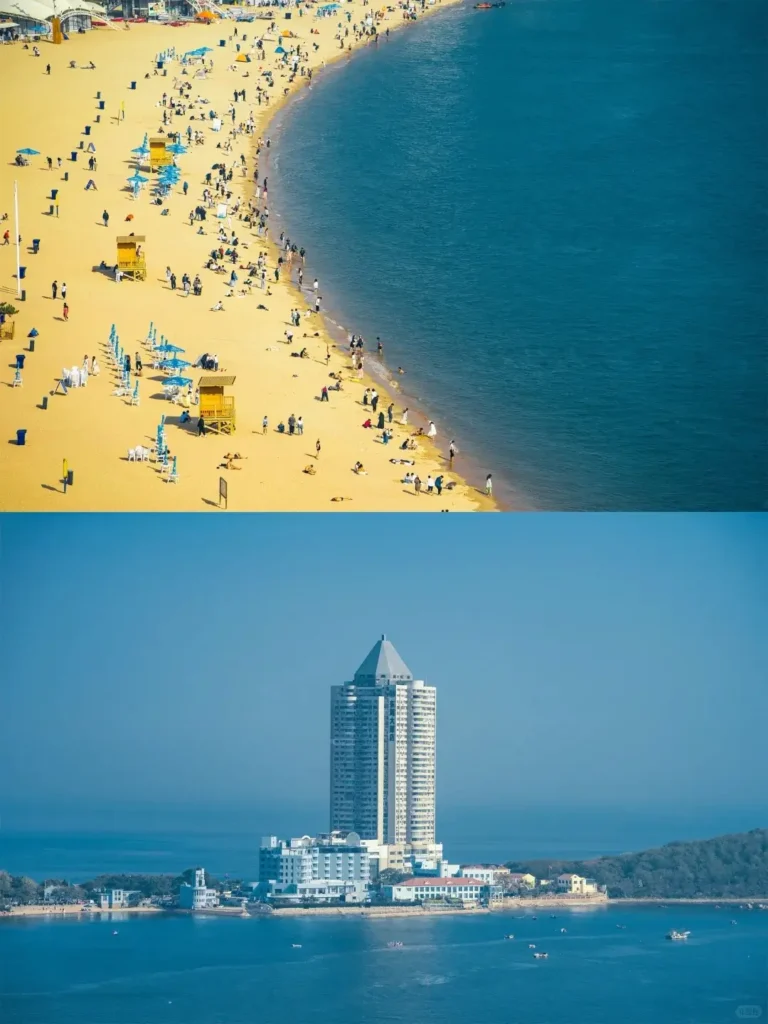
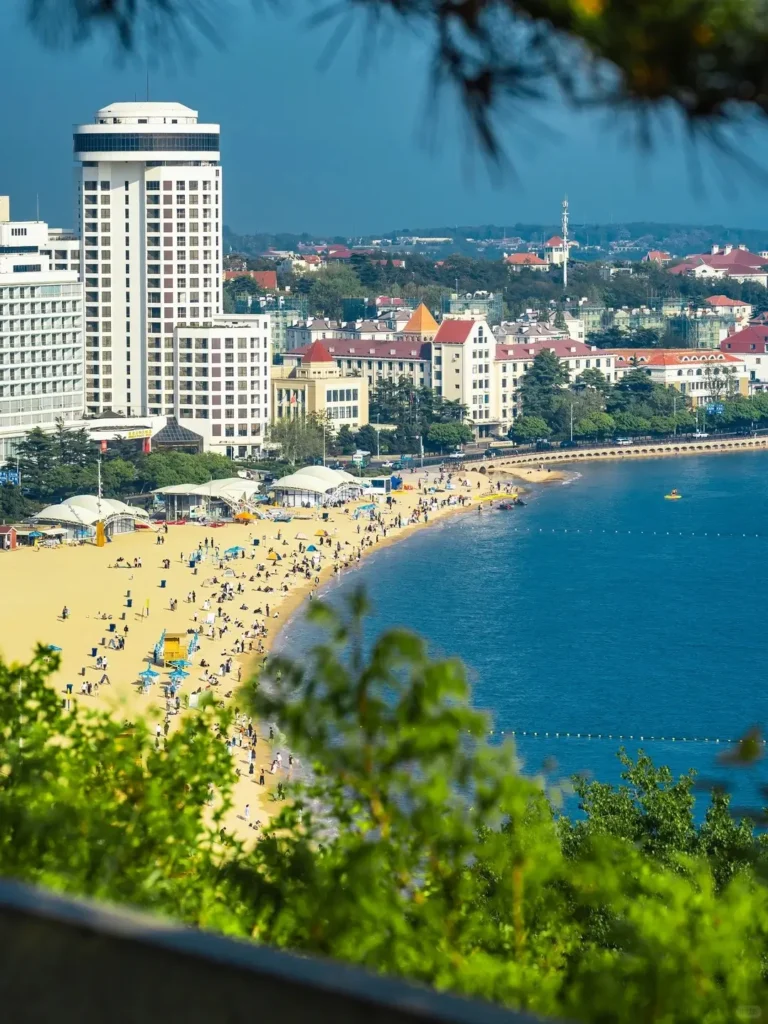
Top Must-Visit Famous Scenic Spots in Qingdao 🌅
First, let’s break down the absolute can’t-miss spots in Qingdao – from iconic landmarks to hidden gems that most tourists miss. I’ve ordered these by how easy they are to fit into your itinerary, plus included my personal pro tips for each spot to help you avoid crowds and get the best experience.
Zhanqiao Pier – The Iconic Symbol of Qingdao 🚢
No trip to Qingdao is complete without a visit to Zhanqiao Pier, the city’s most iconic landmark. Built in 1892, this 440-meter-long pier stretches out into the Yellow Sea, with the beautiful Huilan Pavilion at its end – the image you’ll see on every bottle of Tsingtao Beer.
What to do here: Walk the full length of the pier to get unobstructed views of the Qingdao skyline, watch the local fishermen cast their lines, and visit the small museum inside Huilan Pavilion to learn about the pier’s history. If you visit at high tide, you’ll see waves crashing against the pier’s sides, creating a stunning (and very Instagrammable) spray of water.
My Pro Tips & Pitfalls to Avoid:
- Visit at sunrise (around 5-6 AM in summer, 7-8 AM in winter) to avoid the massive crowds of tour groups that show up after 9 AM. You’ll get the pier almost entirely to yourself, plus perfect golden light for photos.
- DO NOT eat at any of the seafood restaurants or street stalls right next to the pier. They’re wildly overpriced, serve low-quality seafood, and are famous for scamming tourists. Save your seafood feast for later in this guide!
- The pier is completely free to enter – you only need to pay a small fee (around 10 RMB) to enter Huilan Pavilion, which is optional.

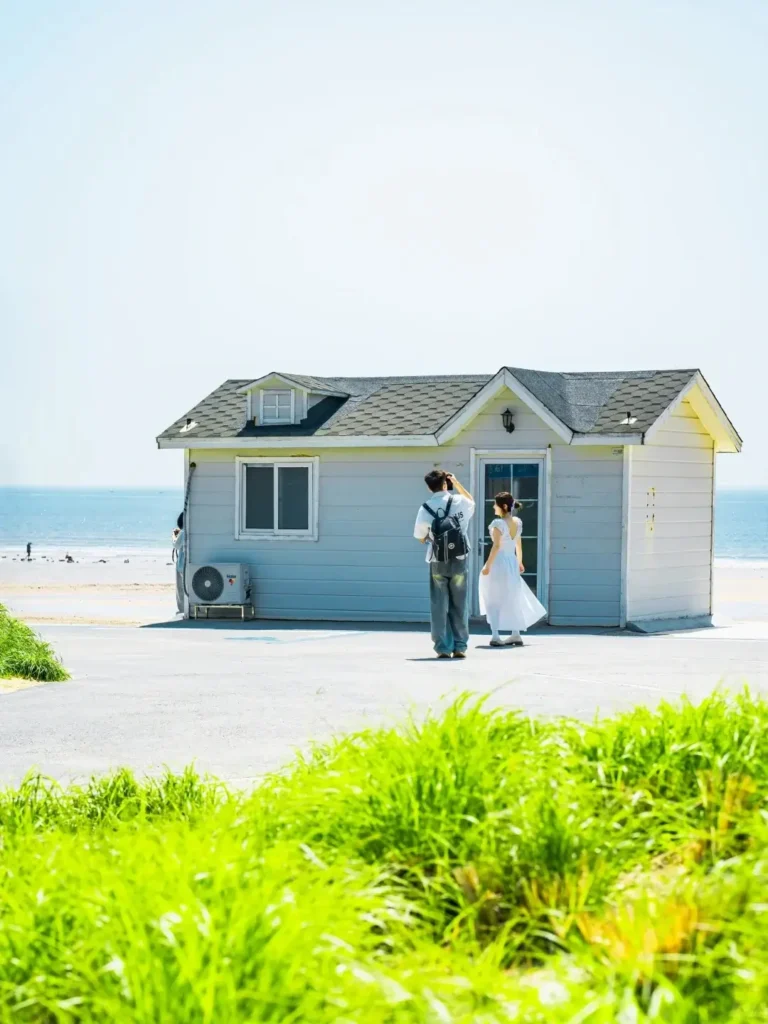
Badaguan Scenic Area – Europe in the Heart of China 🏡
If you’re a fan of stunning architecture, beautiful greenery, and quiet, romantic streets, Badaguan Scenic Area is going to be your favorite spot in Qingdao. Translating to “Eight Passes”, Badaguan is a 70-hectare area made up of 10 tree-lined streets, each lined with a different type of tree, and over 200 villas built in more than 20 different architectural styles – from German and Russian to French, British, and American. It’s often called “the World Architecture Expo”, and for good reason.
What to do here: Spend a few hours wandering the streets, taking photos of the stunning villas, and relaxing in the green spaces. The most famous buildings here are the Huashi Lou (Flower Stone House), a fairy-tale-like castle built in 1932 that was once home to Chiang Kai-shek, and the Princess House, a beautiful Danish-style villa that’s now a small museum. You can also walk down to the No.2 Bathing Beach, which is right next to Badaguan, for a walk along the water.
My Pro Tips & Pitfalls to Avoid:
- The best time to visit Badaguan is in late October to early November, when the maple and sycamore leaves turn golden and red, making the streets look like something out of a movie. Spring (April-May) is also beautiful, with cherry blossoms and peach blossoms in full bloom.
- The entire Badaguan area is free to enter – you only need to pay a small fee (around 8-20 RMB) to enter the few villas that are open to the public. Avoid any street vendors trying to sell you “package tickets” for the area – they’re scams.
- Wear comfortable walking shoes! The best way to experience Badaguan is to wander off the main streets and explore the small side lanes, which have the most beautiful hidden villas.
Laoshan Mountain – China’s Most Famous Coastal Taoist Mountain ⛰️
No Qingdao Travel Guide is complete without a trip to Laoshan Mountain, one of the most famous sacred Taoist mountains in China, and the only mountain in China that rises directly from the sea. Located about 40 kilometers east of downtown Qingdao, Laoshan is a stunning mix of rugged granite peaks, lush green forests, clear streams, ancient Taoist temples, and breathtaking coastal views. It’s the perfect day trip for anyone who loves hiking, nature, or Chinese history and culture.
What to do here: Laoshan is split into 4 main scenic areas, each with its own vibe:
- Taiqing Scenic Area: The most popular and classic route, home to the 2,100-year-old Taiqing Palace (one of the most important Taoist temples in China), and stunning coastal hiking trails with views of the Yellow Sea. This is the best route for first-time visitors.
- Jufeng Scenic Area: The highest peak of Laoshan (1,133 meters), with challenging hiking trails and 360-degree panoramic views of the mountain and the sea. This is for serious hikers.
- Beijiushui Scenic Area: A lush, forested area with clear streams and waterfalls, perfect for a relaxing day trip in the summer, when the weather is hot.
- Yangkou Scenic Area: A quieter area with beautiful beaches, ancient temples, and easier hiking trails, great for families.
My Pro Tips & Pitfalls to Avoid:
- Book your tickets online in advance via the official Laoshan Mountain WeChat account. Tickets include the entry fee and the scenic area shuttle bus, which is mandatory – you can’t drive your own car into the scenic areas.
- DO NOT trust any local people who approach you on the road to Laoshan, offering to take you on a “secret trail” to avoid the entry fee, or to take you to “hidden tea plantations”. These are almost always scams, and will either lead you to overpriced tea shops, or charge you hidden fees once you’re on the trail.
- Bring plenty of water and snacks! There are shops on the mountain, but they’re very overpriced. Wear sturdy hiking shoes, even if you’re taking the easy Taiqing route – there are still a lot of steps.
Qingdao Beer Museum – Sip the World-Famous Tsingtao Beer at Its Birthplace 🍻
Let’s be real – for a lot of travelers, Tsingtao Beer is the first thing they know about Qingdao China. And the best place to learn about (and taste!) this world-famous beer is at the Qingdao Beer Museum, located in the original 1903 Tsingtao Brewery building. This is the first beer museum in China, and it’s an absolute must-visit for any beer lover, or anyone who wants to learn more about Qingdao’s unique history.
What to do here: The museum takes you through the entire 120+ year history of Tsingtao Beer, from its German founding to its growth into one of the biggest beer brands in the world. You’ll see historic brewing equipment, learn about the beer-making process, and even get to walk through the original 1903 brewery cellar. The best part? Your entry ticket includes two free glasses of fresh Tsingtao Beer: a glass of original draft beer (only available in Qingdao, with a 24-hour shelf life) and a glass of pure draft beer, plus a bag of local beer snacks.
My Pro Tips & Pitfalls to Avoid:
- Visit on a weekday afternoon (after 2 PM) to avoid the massive tour groups that show up in the morning and on weekends. You’ll get a much more relaxed experience, and won’t have to wait in line for your beer.
- Don’t waste your money on overpriced beer souvenirs in the museum gift shop. You can buy the exact same Tsingtao Beer glasses, keychains, and other souvenirs at any large supermarket in Qingdao for half the price.
- If you’re a big beer fan, upgrade to the VIP ticket, which includes an extra tasting of limited-edition Tsingtao Beer, and a guided tour of the brewery.
For more hidden gems, don’t miss Xiaoqingdao Island for the city’s most breathtaking sunsets, Signal Hill Park for 360-degree skyline views, St. Michael’s Cathedral for stunning Gothic architecture, and Wheat Island Park for a relaxing coastal picnic. All of these spots are included in the curated itineraries below.
Perfect 3-Day & 5-Day Qingdao Travel Itineraries 🗓️
Now that you know all the top spots, let’s put them together into easy-to-follow itineraries that will help you make the most of your time in Qingdao. I’ve created two options: a 3-day classic itinerary for travelers with limited time, and a 5-day deep dive itinerary for anyone who wants to experience every side of the city. Both itineraries are designed to minimize travel time between spots, avoid crowds, and include plenty of time for food and relaxation – no rushed 6 AM wake-up calls here!
3-Day Classic Qingdao Itinerary (For First-Time Visitors)
This itinerary covers all the iconic spots, the best food, and the most beautiful views, perfect for anyone visiting Qingdao for the first time.
Day 1: Old Town History & Beer Culture
- Morning (8 AM – 12 PM): Start your day at Zhanqiao Pier (arrive early to avoid crowds!), then walk 10 minutes to St. Michael’s Cathedral to see the stunning Gothic architecture and take photos. After that, take a 5-minute taxi to Signal Hill Park to climb to the rotating observation deck for panoramic views of the old town.
- Lunch (12 PM – 1 PM): Walk 10 minutes to the Old Town area to eat at a local Lu cuisine restaurant, where you can try classic dishes like braised prawns and sea cucumber.
- Afternoon (2 PM – 5 PM): Take a 15-minute taxi to the Qingdao Beer Museum to learn about the city’s beer history and enjoy your free beer tastings.
- Evening (6 PM – 9 PM): Take a 10-minute taxi to Taitong Pedestrian Street, one of the busiest night markets in Qingdao, where you can try all kinds of local street food, from spicy fried clams to Qingdao guotie, and wash it down with fresh draft beer.
Day 2: European Charm & Coastal Skyline
- Morning (9 AM – 12 PM): Spend the morning wandering through Badaguan Scenic Area, exploring the beautiful streets and villas, and visiting the Flower Stone House.
- Lunch (12 PM – 1 PM): Eat at a local seafood restaurant near Badaguan, or walk to the nearby Maidao area for fresh seafood.
- Afternoon (2 PM – 5 PM): Walk along the coastal trail from Badaguan to the No.3 Bathing Beach, then take a taxi to May Fourth Square, the iconic modern symbol of Qingdao, to see the “May Wind” sculpture. Then walk to the Olympic Sailing Center, where the 2008 Olympics sailing events were held, to walk along the marina.
- Evening (7 PM – 9 PM): Watch the stunning Fushan Bay Light Show (every night at 7:30 PM and 8:30 PM in summer, 7 PM and 8 PM in winter) from the Olympic Sailing Center, then eat dinner at a nearby beer hall.
Day 3: Laoshan Mountain Day Trip
- Morning (8 AM – 12 PM): Take the metro or a pre-booked taxi to Laoshan Mountain’s Taiqing Scenic Area, explore the ancient Taiqing Palace, and hike the coastal trails.
- Lunch (12 PM – 1 PM): Eat at a local farm restaurant near Laoshan, where you can try fresh local vegetables, Laoshan chicken, and Laoshan green tea.
- Afternoon (2 PM – 4 PM): Visit the nearby Qingshan Fishing Village, a beautiful traditional fishing village with stunning coastal views, before heading back to downtown Qingdao.
- Evening (6 PM – 9 PM): End your trip with a classic Qingdao seafood feast: head to Tuandao Market or Yingkou Road Market to buy fresh seafood, then take it to a nearby beer house to have it cooked for a small processing fee. Wash it down with fresh draft Tsingtao Beer – the perfect end to your Qingdao trip!
5-Day Deep Dive Qingdao Itinerary
If you have more time, this 5-day itinerary adds in hidden gems, local life experiences, and a trip to Huangdao’s famous golden beaches, giving you a full, authentic experience of Qingdao Culture and life.
- Day 1: Old Town History & Beer Culture (same as the 3-day itinerary)
- Day 2: Badaguan & Coastal Slow Travel (same as Day 2 of the 3-day itinerary, with extra time to explore the coastal walking trail and Wheat Island Park sunset)
- Day 3: Laoshan Mountain Deep Dive (spend the full day hiking the Jufeng or Beijiushui Scenic Area, with a local farm dinner)
- Day 4: Huangdao Golden Beach & Tangdao Bay Day Trip (take the metro across the sea to Huangdao, visit the 3-kilometer-long Golden Beach, explore the Tangdao Bay Wetland Park, and eat fresh seafood at a local fishing village)
- Day 5: Local Life & Artistic Qingdao (explore the Daxue Road Literary Block, visit the Qingdao Art Museum, browse the local bookstores and cafes, visit a local market to buy souvenirs, and end the day with a sunset picnic at Wheat Island Park)
For more destination inspiration for your China trip, check out our complete China beach travel guides for more hidden coastal gems across the country.
Ultimate Qingdao Cuisine Guide – What to Eat in Qingdao 🍤
Let’s talk about the best part of any trip to China: the food! Qingdao Cuisine is a branch of Shandong Lu cuisine (one of the eight great cuisines of China), with a heavy focus on fresh, local seafood, paired perfectly with the city’s world-famous Tsingtao Beer. Unlike many other coastal cities in China, Qingdao’s food is simple, fresh, and lets the natural flavor of the seafood shine – no overly complicated sauces or spices here. Below is my list of the absolute must-try dishes in Qingdao, plus my pro tips for where to eat, and how to avoid tourist scams.
Must-Try Qingdao Dishes for Every Traveler
- Spicy Fried Clams (La Chao Ga La)This is the iconic Qingdao dish – every local beer house serves it, and it’s the perfect pairing for fresh draft beer. Fresh local clams are stir-fried with chili, garlic, ginger, and a little soy sauce, resulting in a spicy, savory, and incredibly flavorful dish that’s cheap, delicious, and 100% Qingdao. Trust me, you’ll be ordering a second plate before you finish the first.
- Fresh Draft Tsingtao Beer (Yuan Jiang Pi Jiu)You can buy Tsingtao Beer all over the world, but nothing compares to the fresh draft beer you’ll get in Qingdao. The original draft beer has a shelf life of only 24 hours, so it’s only available in the city, and it’s creamier, maltier, and far more flavorful than the bottled beer you’ll find abroad. Locals buy it in plastic bags to take home, and you’ll see people drinking it on every street corner in the city.
- Spanish Mackerel Dumplings (Ba Yu Jiao Zi)This is Qingdao’s most famous dumpling, and a must-try for any visitor. Fresh Spanish mackerel is minced into a smooth paste, mixed with a little pork fat and chives, and wrapped in a thin dumpling wrapper, resulting in a juicy, tender, and incredibly fresh dumpling that tastes like the sea. It’s a local staple, and you’ll find it at every dumpling restaurant in the city.
- Sea Intestine Rice (Hai Chang Lao Fan)If you’re feeling adventurous, this is the dish to try. Sea intestines are stir-fried with garlic, soy sauce, and a little chili, then poured over a bowl of steaming hot rice, creating a savory, umami-rich dish that locals go crazy for. It’s often called “the best rice dish in Shandong”, and once you try it, you’ll understand why.
- Braised Prawns (You Men Da Xia)This is a classic Lu cuisine dish, and Qingdao does it better than anywhere else. Fresh local prawns are braised in a sweet and savory soy sauce, with ginger and garlic, resulting in a tender, flavorful dish that’s perfect for sharing. The prawns in Qingdao are incredibly fresh, caught that morning from the Yellow Sea, so they have a sweet, clean flavor that you won’t find anywhere else.
- Qingdao Guotie (Pot Stickers)Qingdao’s pot stickers are different from the ones you’ll find in other parts of China – they’re longer, thinner, and filled with fresh seafood (usually shrimp or mackerel) and pork. They’re fried until the bottom is crispy and golden, and the inside is juicy and tender. They’re the perfect breakfast or late-night snack, paired with a cold beer.
My Pro Food Tips & Pitfalls to Avoid
This is the most important part of this Qingdao Travel Guide – follow these tips, and you’ll have an incredible food experience in Qingdao, without getting scammed.
- DO NOT eat seafood at restaurants near tourist spots, train stations, or the pier. These restaurants are famous for overcharging tourists, using dead seafood, and rigging their scales to make your seafood weigh more than it actually does.
- The best way to eat seafood in Qingdao is to buy it fresh at a local market, then take it to a nearby beer house to be cooked. The most popular markets for this are Tuandao Market, Yingkou Road Market, and Shazikou Market. The seafood is incredibly fresh, cheap, and you can pick exactly what you want. The processing fee is usually 5-20 RMB per dish, depending on how it’s cooked, and it’s always clearly marked.
- Always ask for the price before you order anything, whether it’s at a restaurant, a street stall, or a beer house. Make sure the price is clearly marked, and that there are no hidden fees.
- If you’re not used to eating a lot of seafood, go easy on the cold beer. Eating lots of cold seafood with cold beer can upset your stomach – locals often drink a little warm rice wine with their seafood to balance it out.
- The best beer houses are the small, local ones in residential areas, not the big, fancy ones near tourist spots. These small beer houses serve the freshest draft beer, the best local food, and have the most authentic Qingdao vibe.
For more advice on eating your way through China, check out our essential China travel tips for food lovers.
Essential Qingdao Travel Tips & Traffic Hacks for International Visitors 🚦
As someone who’s helped hundreds of international travelers plan their China Travel Guide itineraries, I know that the little details can make or break your trip. Below are all my essential China Travel Tips for visiting Qingdao, including how to get around, how to pay for things, what to pack, and how to avoid common tourist scams.
Getting Around Qingdao: Traffic Hacks
Qingdao has an incredibly convenient public transportation system, so getting around the city is easy, even if you don’t speak Chinese.
- Airport: Qingdao Jiaodong International Airport is located about 40 kilometers north of downtown Qingdao. The easiest and cheapest way to get to downtown is via Metro Line 8, which takes about 1 hour and costs 7 RMB. There are also airport buses that go to all major areas of the city, costing 20-30 RMB, and taxis, which cost around 150-200 RMB to downtown. DO NOT take the unlicensed “black cars” that approach you at the airport – they will charge you 3-4 times the price of a regular taxi.
- Metro: Qingdao has 8 metro lines that cover all the major tourist spots, including the airport, Laoshan Mountain, and Huangdao. It’s the fastest, cheapest, and most convenient way to get around the city. You can use Alipay or WeChat to get a Qingdao Metro electronic card, which works on all metro lines and buses. All metro stations have English signs and announcements, so it’s very easy to use for international travelers.
- Bus: Qingdao’s bus system covers the entire city, and is very cheap (most rides cost 1-2 RMB). Again, you can use your Alipay or WeChat electronic card to pay. Most buses have English announcements for major stops.
- Taxi & Ride-Hailing: The easiest way to get a taxi is via the Didi Chuxing app, which is the Chinese equivalent of Uber. You can input your destination in English, and the app will show you the price upfront, so you don’t have to worry about being scammed. Regular taxis are also available, and most have meters – make sure the driver turns on the meter before you start your trip.
- Walking: The old town area of Qingdao is very walkable, and the best way to experience the city’s charm is to wander the small streets on foot. Wear comfortable walking shoes, as there are a lot of hills in the old town!
Essential Travel Tips for International Visitors
- Payment Methods: Most places in Qingdao accept Alipay and WeChat Pay, which are the most common payment methods in China. You can link your international credit card to Alipay, which is very easy to set up. It’s also a good idea to carry some cash (RMB) with you, as some small street stalls and local beer houses may not accept mobile payments.
- Language: Most major tourist spots, hotels, metro stations, and large restaurants have English signs and staff who speak basic English. However, most small local restaurants and beer houses may not have English menus or staff who speak English. I recommend downloading a translation app like Google Translate or Youdao Translate, and downloading the Chinese offline language pack, so you can translate menus and communicate with locals even without internet.
- Best Time to Visit Qingdao: The best time to visit Qingdao China is from May to June, and from September to October. During these months, the weather is mild and comfortable, the crowds are smaller, and hotel prices are lower. July and August are the peak tourist season, as it’s summer vacation in China, and the weather is hot enough to swim in the sea. However, during these months, the city is very crowded, hotel prices are 2-3 times higher, and the beaches are packed. Winter (December to February) is the off-season, with cold weather, but very few tourists, cheap hotel prices, and a very cozy local vibe.
- Visa Information: Most international travelers will need a Chinese Tourist Visa (L Visa) to visit Qingdao. However, citizens of 53 countries (including the US, UK, Canada, Australia, New Zealand, and most EU countries) are eligible for the 144-Hour Visa-Free Transit policy when entering Qingdao via Jiaodong International Airport. This means you can stay in Shandong Province for up to 144 hours (6 days) without a visa, as long as you have a valid passport, a confirmed onward ticket to a third country, and fill out the arrival card.
- Internet Access: Most hotels, cafes, and tourist spots have free Wi-Fi. However, many international websites and apps (like Google, Facebook, Instagram, and Twitter) are blocked in China. I recommend purchasing a VPN before your trip, so you can access your favorite apps and websites while in China.
- What to Pack: Comfortable walking shoes are a must, as there are a lot of hills and walking involved. Sunscreen, a hat, and sunglasses are essential, even in the winter, as the sun reflects off the sea. If you’re visiting in the summer, bring a swimsuit for the beaches. If you’re visiting in the winter, bring a warm coat, gloves, and a hat, as it can get very cold and windy.
Final Pitfalls to Avoid
- Never follow street vendors or people who approach you offering “free tours”, “cheap massages”, or “secret scenic spots”. These are almost always scams, and will lead you to overpriced shops or hidden fees.
- Always book your tickets for tourist spots via the official WeChat accounts or websites. Never buy tickets from scalpers on the street, as they are often fake or overpriced.
- Be careful with your belongings in crowded areas, like night markets, metro stations, and tourist spots. Pickpocketing can happen in busy areas, so keep your bags closed and your valuables close to you.
- Respect the local culture and customs. Qingdao is a relatively laid-back city, but it’s still important to dress appropriately when visiting temples and religious sites, and to be polite to locals.
Frequently Asked Questions (FAQ) About Qingdao Travel 🤔
I get hundreds of questions from international travelers about visiting Qingdao, so I’ve put together the 4 most common questions and detailed answers to help you plan your trip.
What is the best time to visit Qingdao?
The absolute best time to visit Qingdao is during the spring (May to early June) and autumn (late September to October). During these months, the weather is mild and pleasant, with average temperatures between 15°C and 25°C, very little rain, and clear skies. The crowds are much smaller than in the summer peak season, hotel prices are affordable, and the city is at its most beautiful – with cherry blossoms in the spring and golden foliage in the autumn.
If you want to swim in the sea and enjoy the beach vibe, July and August are the best months, as the water is warm enough for swimming. However, keep in mind that this is the peak tourist season, so the city will be very crowded, hotel prices will be 2-3 times higher than usual, and the popular beaches will be packed with tourists.
Winter (December to February) is the off-season, with cold temperatures (average between -2°C and 5°C) and strong winds. However, if you don’t mind the cold, winter is a great time to visit – there are almost no tourists, hotel prices are incredibly cheap, and you can experience the authentic local life of Qingdao, with cozy beer halls and hot pot meals to keep you warm.
Do I need a visa to visit Qingdao, China?
Most international travelers will need to apply for a Chinese Tourist Visa (L Visa) before arriving in China, which you can get from your local Chinese embassy or consulate. The standard tourist visa allows you to stay in China for up to 30 days, and the application process is relatively straightforward.
However, citizens of 53 countries (including the United States, United Kingdom, Canada, Australia, New Zealand, and most European Union countries) are eligible for the 144-Hour Visa-Free Transit Policy when entering Qingdao via Jiaodong International Airport. To qualify for this policy, you must:
- Have a valid passport with at least 6 months of validity remaining
- Have a confirmed onward flight ticket to a third country or region (not your country of origin) within 144 hours
- Fill out the arrival/departure card and inform the immigration officer of your intention to use the visa-free transit policy
- Stay only within Shandong Province during your 144-hour stay
This is a great option for travelers who want to add Qingdao to a larger Asia trip, without having to apply for a full Chinese visa.
Is it easy to get around Qingdao without speaking Chinese?
Yes, it’s absolutely possible to travel around Qingdao without speaking Chinese, especially if you’re sticking to the main tourist areas. All metro stations, major tourist spots, large hotels, and chain restaurants have English signs and announcements, and most young people in the city speak basic English.
The Didi Chuxing app allows you to input your destination in English, and shows you the price upfront, so you don’t have to communicate with the driver at all. Alipay and WeChat Pay make paying for things easy, without having to exchange cash or ask for prices.
That said, it’s a good idea to prepare a few things to make your trip easier:
- Download a translation app like Google Translate or Youdao Translate, and download the Chinese offline language pack, so you can translate menus, signs, and communicate with locals even without internet.
- Save the addresses of your hotel and the main tourist spots in Chinese, so you can show them to taxi drivers or locals if you get lost.
- Learn a few basic Chinese phrases, like “hello” (ni hao), “thank you” (xie xie), “how much?” (duo shao qian?), and “I don’t speak Chinese” (wo bu hui shuo zhong wen), which will go a long way with locals.
What are the must-try dishes in Qingdao for first-time visitors?
If you’re visiting Qingdao for the first time, these are the non-negotiable dishes you have to try, to get the full Qingdao Cuisine experience:
- Spicy Fried Clams: The iconic Qingdao dish, perfect with fresh draft beer.
- Spanish Mackerel Dumplings: The city’s most famous dumpling, fresh, juicy, and full of flavor.
- Fresh Draft Tsingtao Beer: The original 24-hour draft beer, only available in Qingdao.
- Braised Prawns: A classic Lu cuisine dish, made with fresh local prawns from the Yellow Sea.
- Qingdao Guotie: Crispy, juicy pot stickers, perfect for breakfast or a late-night snack.
- Sea Intestine Rice: For adventurous eaters, this umami-rich rice dish is a local favorite.
The best way to try all of these dishes is to visit a local market to buy fresh seafood, then head to a nearby beer house to have it cooked, paired with fresh draft beer. This is the most authentic Qingdao food experience you can have.
Closing & Heartfelt Wishes for Your China Travel 🧧
At the end of the day, Qingdao is a city that surprises every traveler who visits. It’s not just a coastal beach city, or a beer lover’s paradise – it’s a place where East and West meet in the most beautiful way, where you can wander through German-style streets in the morning, hike a sacred Taoist mountain in the afternoon, and eat fresh seafood with locals in a cozy beer house at night. It’s a city that’s full of warmth, charm, and authentic Chinese culture, and it’s a must-visit for anyone looking to experience a different side of China.
As you plan your trip to Qingdao China, and to China as a whole, I want to wish you nothing but the most incredible, unforgettable travel experience. May your days be filled with stunning sunsets over the Yellow Sea, delicious fresh seafood, cold glasses of Tsingtao Beer, and meaningful connections with the kind, welcoming locals of Qingdao. May your travels be safe, your adventures be bold, and your heart be full of the joy that only travel can bring.
China is a country full of incredible beauty, rich history, and warm, welcoming people, and I hope that your trip to Qingdao is just the start of your journey exploring this amazing country. Whether you’re here for 3 days or 3 weeks, I hope this Qingdao Travel Guide helps you create memories that will last a lifetime.
Welcome to China, welcome to Qingdao – we can’t wait for you to fall in love with this incredible coastal gem.