Nanning Travel Guide
✨ Welcome to your ultimate, no-fluff Nanning Travel Guide – your one-stop resource for exploring the most underrated gem in southern Nanning China! If you’re tired of the overcrowded tourist hubs on most China Travel Guide lists and craving a destination that blends lush greenery, rich ethnic culture, mind-blowing local food, and laid-back city vibes, Nanning is exactly where you need to be.
After spending 12 days living like a local in this “Green City of China”, I’ve mapped out every single must-see spot, hidden food alley, perfect itinerary, and critical China Travel Tips to make your trip seamless, unforgettable, and 100% authentic. No generic tourist traps, no overpriced restaurants – just real, tested advice to help you fall in love with Nanning, just like I did. Whether you’re a solo traveler, family explorer, foodie, or culture lover, this guide has everything you need to plan the perfect trip to one of the most charming cities in southern China.
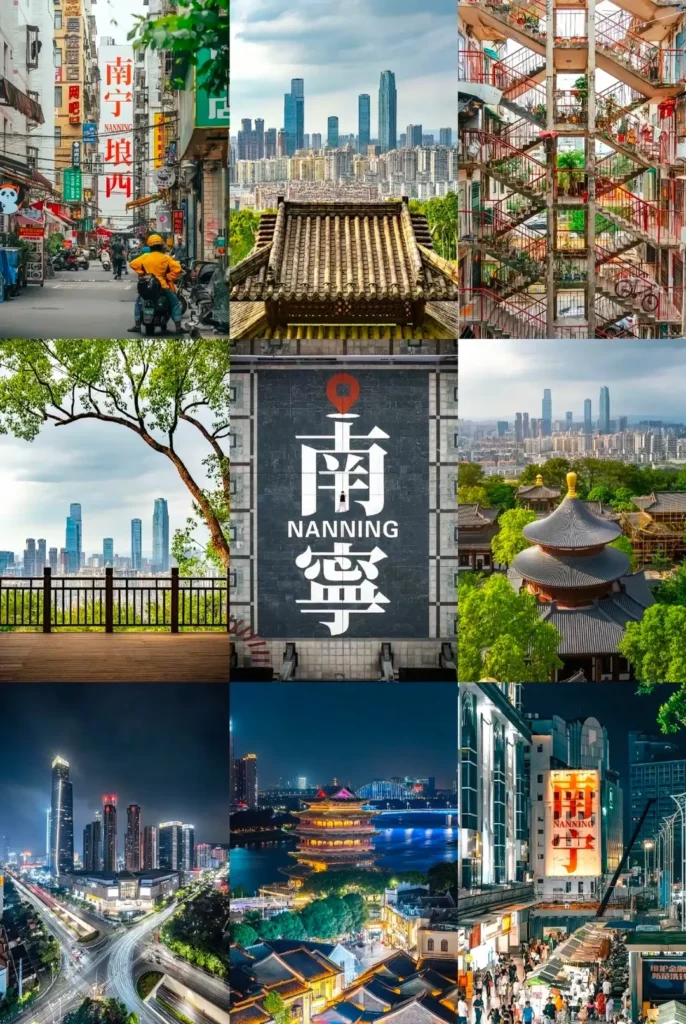
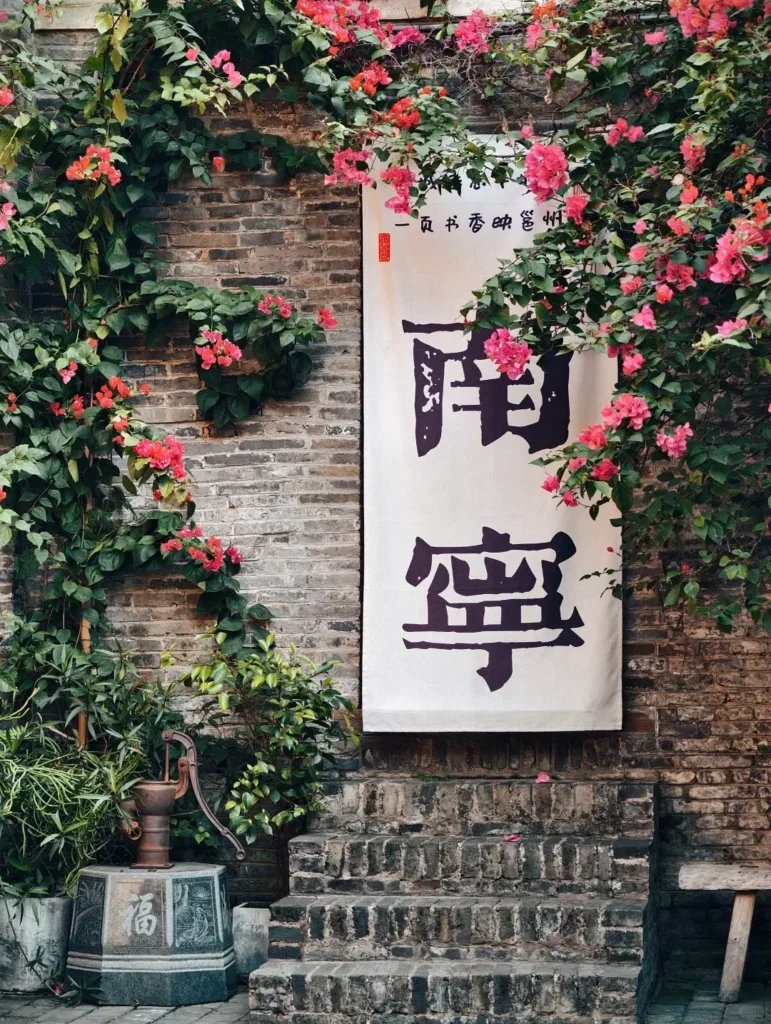
🏯 A Quick Deep Dive into Nanning Culture & History
Before we jump into the fun stuff, let’s unpack the rich history that makes Nanning Culture so unique and special for international visitors. Nanning, the capital of Guangxi Zhuang Autonomous Region, boasts a recorded history stretching back over 1,700 years, with roots deeply tied to the ancient Baiyue ethnic groups that have inhabited southern China for millennia.
First established as a formal county during the Eastern Jin Dynasty in 318 AD, Nanning quickly grew into a vital trading port along the Yongjiang River, serving as a critical commercial link between inland China and Southeast Asia – a role it still holds today. For centuries, it has been a melting pot of cultures, home to the Zhuang, Yao, Miao, Dong, and 10 other ethnic minority groups that make up Guangxi’s diverse population.
Today, Nanning is globally recognized as the permanent host city of the China-ASEAN Expo, further cementing its status as a bridge between Chinese and Southeast Asian culture. Unlike many major Chinese cities that have traded their heritage for skyscrapers, Nanning has carefully preserved its ethnic traditions, from ancient Zhuang bronze drum ceremonies and folk song festivals to traditional handicrafts like batik and silver embroidery. This perfect blend of ancient heritage, modern vibrancy, and cross-cultural charm is what makes Nanning a must-visit on any China Travel Guide itinerary.

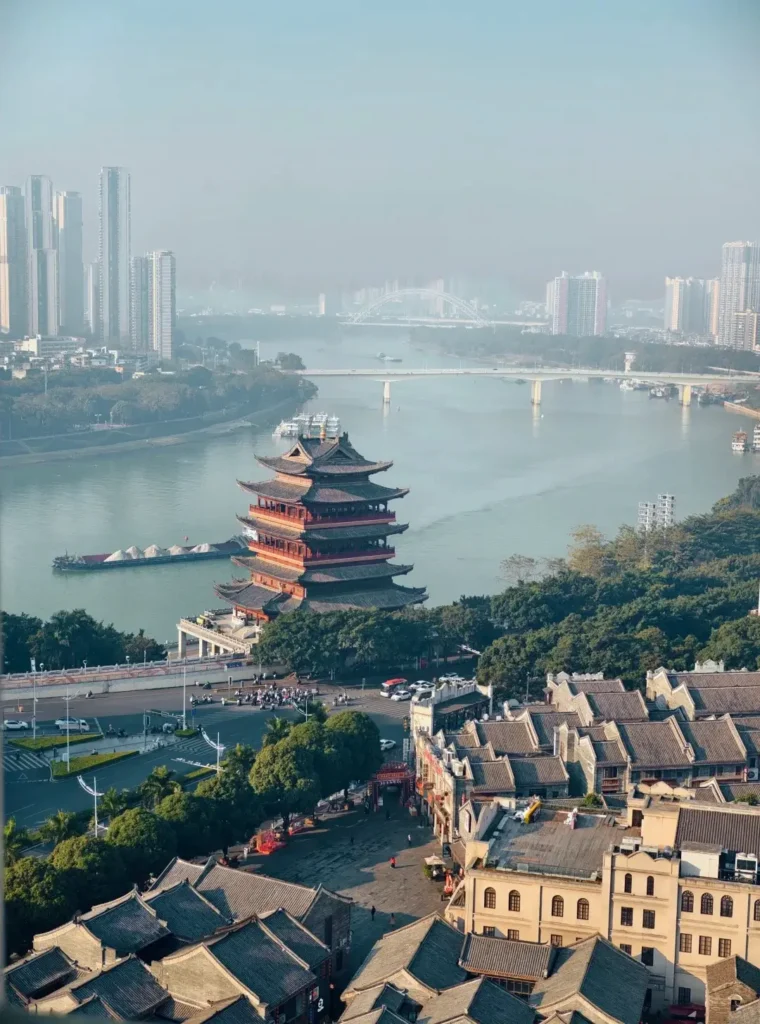
🌿 Top Famous Scenic Spots in Nanning China
No Nanning Travel Guide is complete without a curated list of the best spots to explore, from lush natural landscapes to preserved historical sites. These are the must-visit locations that showcase the very best of Nanning, including some of the most underrated Famous scenic spots in China for international travelers.
1. Qingxiu Mountain (The Green Heart of Nanning) ✨
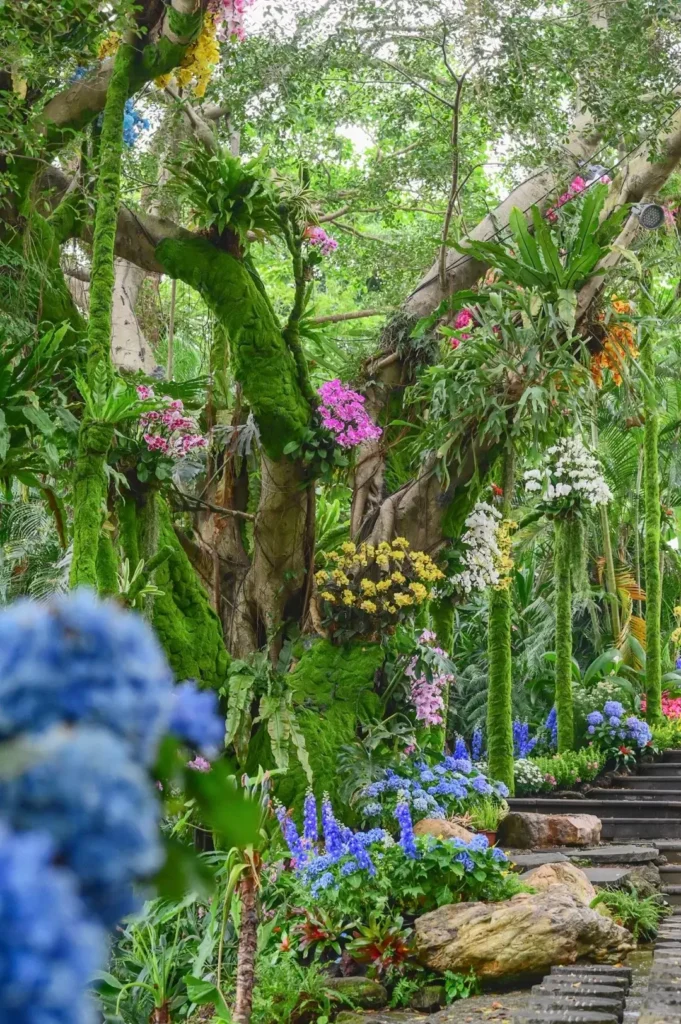
Qingxiu Mountain is the crown jewel of Nanning, and the first stop on every visitor’s itinerary. Spanning over 781 hectares of lush tropical and subtropical forest, this national 5A scenic spot is the reason Nanning is known as the “Green City of China”, with over 5,000 plant species, ancient banyan trees, rare orchids, and blooming floral gardens year-round.
What to Do Here:
- Hike or take the sightseeing bus to the mountain’s summit for breathtaking panoramic views of the entire Nanning skyline and the winding Yongjiang River – the perfect photo spot for your travel memories.
- Visit the 1,000-year-old Longxiang Temple, one of the most important Buddhist temples in Guangxi, with stunning traditional architecture, serene lotus ponds, and peaceful meditation gardens.
- Explore the Guangxi Medicinal Botanical Garden, where you can learn about traditional Chinese medicine and see rare medicinal plants used for centuries by local Zhuang ethnic communities.
- Wander through the Peach Blossom Island, Orchid Garden, and Bamboo Forest – each offers a quiet escape from the city, with endless photo opportunities and fresh, clean air.
Practical Info:
- Ticket Price: 20 RMB per person (sightseeing bus full-day pass: additional 50 RMB)
- Opening Hours: 7:00 AM – 6:00 PM daily
- 💡 Insider Tip: Visit before 9:00 AM to avoid weekend crowds and the intense midday heat, especially in summer. Wear comfortable walking shoes, as there is plenty of ground to cover, and bring a reusable water bottle – free refill stations are available throughout the park.
- ⚠️ Pitfall to Avoid: Skip the overpriced snacks and souvenirs at the summit – prices are 2-3 times higher than in downtown Nanning. Bring your own snacks, or wait until you return to the city to eat.
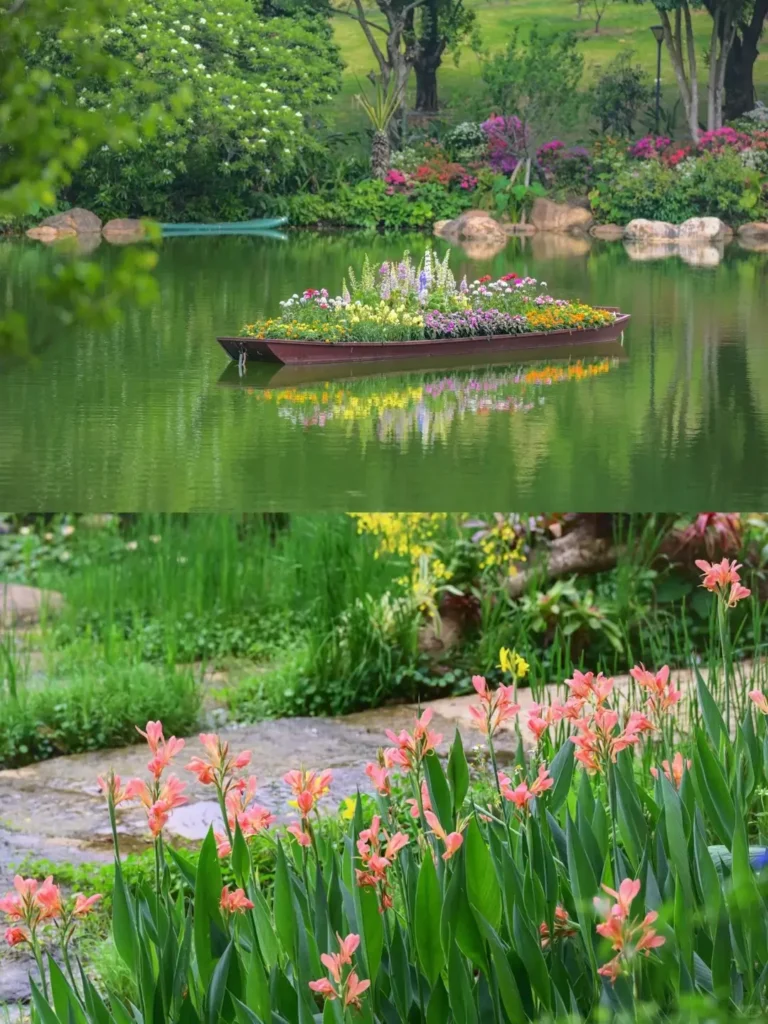
2. Guangxi Museum of Ethnic Cultures 🏺
If you want to truly understand Nanning Culture and the diverse ethnic heritage of Guangxi, this museum is non-negotiable. It is the largest ethnic museum in China, housing over 30,000 cultural relics that showcase the history, traditions, art, and daily life of the 12 ethnic minority groups that call Guangxi home. For international visitors, it’s the best place to gain context for the culture you’ll experience throughout your trip.
What to See Here:
- The world-famous bronze drum exhibition: Guangxi is the birthplace of ancient bronze drum culture, and the museum houses the largest preserved bronze drum ever discovered, dating back over 2,000 years to the Western Han Dynasty.
- Full-scale replicas of traditional ethnic architecture: Walk through life-size models of Zhuang stilt houses, Yao wooden villages, and Dong wind-and-rain bridges, giving you a firsthand look at how these communities have lived for centuries.
- Handicraft and costume exhibitions: Marvel at stunning hand-embroidered ethnic clothing, intricate silver jewelry, traditional batik art, and ancient musical instruments that highlight the incredible craftsmanship of local ethnic groups.
Practical Info:
- Ticket Price: FREE for all visitors (simply present your passport for registration)
- Opening Hours: 9:00 AM – 5:00 PM (last entry at 4:00 PM), closed every Monday
- 💡 Insider Tip: Join the free English guided tour, available daily at 10:00 AM and 2:00 PM, to gain a deeper understanding of the exhibits. The museum also hosts interactive batik and embroidery workshops on weekends for a small fee, perfect for a hands-on cultural experience.
3. Three Streets and Two Lanes (Sanjie & Liangxiang Lane) 🛍️
For a taste of old Nanning, head to Three Streets and Two Lanes, the city’s best-preserved historical and cultural block, dating back to the Song Dynasty. This pedestrian-only area is a magical blend of ancient Ming and Qing Dynasty architecture, cozy modern cafes, independent boutique shops, and local food stalls, making it the perfect place to wander, take photos, and soak up the blend of old and new Nanning Culture.
What to Do Here:
- Visit the former residence of Deng Yingchao, a prominent figure in modern Chinese history, to learn about Nanning’s revolutionary past and the role the city played in 20th-century China.
- Wander through the narrow alleyways lined with blue brick houses, intricately carved wooden windows, and preserved ancient courtyards – every corner is a perfect photo spot, especially in the evening when the red lanterns are lit.
- Try local snacks at family-run street stalls, or relax in a traditional tea house with a cup of Guangxi’s famous Liubao tea, a fermented black tea with a rich, smooth flavor.
- Browse independent boutiques selling handcrafted ethnic jewelry, batik art, and locally made souvenirs – far more authentic than the mass-produced trinkets sold at tourist traps across the country.
Practical Info:
- Ticket Price: FREE to enter
- Opening Hours: 24 hours daily (shops and cafes are generally open 10:00 AM – 10:00 PM)
- 💡 Insider Tip: Visit after 6:00 PM, when the lanterns are lit and the area is filled with a warm, magical atmosphere. It’s far less crowded than during the day, and you can enjoy a leisurely dinner at one of the local family-run restaurants.
4. Yangmei Ancient Town 🏡
If you want to escape the city for a day, Yangmei Ancient Town is the perfect day trip from Nanning. Located just 36 km west of downtown, this 1,000-year-old town was once a bustling trading port on the Yongjiang River, and it has preserved over 200 ancient buildings from the Ming and Qing dynasties, including old merchant houses, temples, and historic wharves. Unlike many over-commercialized ancient towns in China, Yangmei still retains its authentic, small-town charm, with most residents being local elderly families who have lived there for generations.
What to Do Here:
- Wander through the 7 ancient streets and 8 ancient lanes, lined with well-preserved stone houses, traditional courtyards, and old temples that have stood for centuries.
- Visit the famous Mingshi Academy, the former home of a Qing Dynasty scholar, with stunning classical Chinese gardens and preserved ancient calligraphy and paintings.
- Take a leisurely boat ride on the Yongjiang River to see the town from the water, and watch local fishermen use traditional methods to catch fish in the river.
- Try the town’s famous local snacks, including Yangmei fried rice noodles and handmade sesame cakes, at family-run restaurants along the riverfront.
Practical Info:
- Ticket Price: 10 RMB per person
- Opening Hours: 8:30 AM – 5:00 PM daily
- Transportation: Take bus 305 from Nanning Jiangnan Bus Station, or hire a private car for the day (around 200 RMB round trip) for a more flexible experience.
- 💡 Insider Tip: Visit on a weekday to avoid weekend crowds. Most local residents are elderly, so always ask for permission before taking photos of their homes or themselves.
- ⚠️ Pitfall to Avoid: Ignore the “private tour guides” at the town entrance – they will charge you exorbitant fees for a tour you can easily do yourself with a free map from the ticket office.
5. Nanning Zoo 🐒
For family travelers or animal lovers, Nanning Zoo is an absolute must-visit, and it’s famous across China for its adorable, incredibly playful gibbons that have become a viral sensation online. The zoo is home to over 2,000 animals from 200 different species, including giant pandas, white tigers, Asian elephants, and rare primates native to Guangxi’s tropical forests.
What to Do Here:
- Visit the panda pavilion to see the zoo’s two resident giant pandas, Jixiang and Ruyi, who are always a hit with visitors of all ages.
- Watch the daily animal shows, including sea lion performances and elephant shows, which are included in your ticket price and run multiple times a day.
- Head to the primate pavilion to see the famous viral gibbons, known for their playful antics and loud, expressive calls – they are most active in the morning, so arrive early for the best views.
- Cool off in the zoo’s water park during the summer months, which is included in the summer ticket price and perfect for beating the southern China heat.
Practical Info:
- Ticket Price: 50 RMB per person (off-season), 70 RMB per person (summer, includes water park access)
- Opening Hours: 7:30 AM – 5:30 PM daily
- 💡 Insider Tip: Arrive at the primate pavilion before 10:00 AM, when the gibbons are most active and playful. Get to the animal shows 15 minutes early to secure a good seat, as they fill up quickly on weekends and holidays.
[Image: Authentic bowl of Laoyou Rice Noodles, alt=”Nanning Travel Guide – Famous Nanning Cuisine Local Dishes”]
🗺️ Perfect Nanning Travel Itineraries for Every Trip Length
Whether you’re spending a long weekend or a full week exploring, this Nanning Travel Guide has the perfect itinerary for you. I’ve tested these routes myself, so they’re optimized for minimal travel time, maximum fun, and no rushed sightseeing – perfect for foreign travelers who want to experience the best of Nanning China without the stress.
3-Day Classic Nanning Itinerary (First-Time Visitors)
This itinerary is perfect for first-time visitors who want to see all of Nanning’s major highlights, immerse themselves in the local culture, and taste the best of Nanning cuisine in a short amount of time.
Day 1: City Highlights & Cultural Immersion
- Morning: Start your trip at Qingxiu Mountain, arriving before 9:00 AM to beat the crowds. Spend 3-4 hours exploring the park, visiting Longxiang Temple, and taking in the panoramic views of the city from the summit.
- Lunch: Head to a local family-run restaurant near the mountain to try your first bowl of authentic Laoyou Rice Noodles, the signature dish of Nanning cuisine.
- Afternoon: Visit the Guangxi Museum of Ethnic Cultures to dive deep into Nanning Culture and Guangxi’s rich ethnic heritage. Don’t miss the iconic bronze drum exhibition!
- Evening: Wander through Three Streets and Two Lanes as the lanterns light up for the night. Enjoy a dinner of authentic Guangxi lemon duck at a local restaurant, then relax with a cup of Liubao tea at a traditional tea house.
Day 2: Food Adventure & Local Life
- Morning: Explore the Zhongshan Road Morning Market to see how locals shop for fresh produce, meat, and snacks. Try fresh sugar cane juice and handmade rice cakes for a classic Nanning breakfast.
- Afternoon: Visit Nanning Zoo to see the giant pandas and the famous playful gibbons. Spend 2-3 hours exploring the zoo and watching the daily animal shows.
- Evening: Head to the iconic Zhongshan Road Night Market, the most famous food street in Nanning. Try dozens of local snacks, from suanye (sour pickled fruits) to grilled seafood, and soak up the lively, vibrant night market atmosphere.
Day 3: Day Trip to Yangmei Ancient Town
- Morning: Take the bus or a private car to Yangmei Ancient Town. Spend 3-4 hours wandering through the ancient streets, visiting the historical sites, and taking photos of the well-preserved Ming and Qing architecture.
- Lunch: Try the town’s famous Yangmei fried rice noodles at a local family-run restaurant along the riverfront.
- Afternoon: Take a leisurely boat ride on the Yongjiang River, then head back to downtown Nanning.
- Evening: End your trip with a relaxing walk around Nanhu Lake Park to watch the sunset over the lake, followed by a bowl of traditional tangshui (sweet soup) for dessert.
5-Day Deep Dive Nanning Itinerary (For Culture & Nature Lovers)
If you have more time to explore, this 5-day itinerary adds in more off-the-beaten-path experiences, deeper cultural immersion, and a stunning day trip to one of the most beautiful waterfalls in Asia, perfect for travelers who want to go beyond the tourist trail.
Days 1-3: Follow the 3-Day Classic Itinerary (at a slower pace)
Take your time to explore each spot, with extra time to try more local dishes, join a handicraft workshop at the ethnic museum, and relax in the city’s many parks and tea houses.
Day 4: Local Life & Art Exploration
- Morning: Take a leisurely walk or bike ride around Nanhu Lake Park, a 93-hectare lake in the heart of the city with beautiful walking trails, lotus ponds, and lush gardens.
- Afternoon: Visit the Guangxi Art Museum to see contemporary art from Guangxi’s ethnic minority artists, as well as traditional Chinese painting and calligraphy exhibits.
- Evening: Head to Shuijie Food Street, a local favorite food street that’s far less touristy than Zhongshan Road, to try authentic raw pressed rice noodles and other local snacks.
Day 5: Day Trip to Detian Transnational Waterfall
- Take a day trip to Detian Transnational Waterfall, the largest transnational waterfall in Asia, located on the border between China and Vietnam. The waterfall is 2.5 hours from Nanning by car, and it’s one of the most stunning Famous scenic spots in China for nature lovers. Spend the day exploring the waterfall, taking a boat ride to the base of the falls, and walking along the border with Vietnam. Head back to Nanning in the evening, and end your trip with a farewell dinner of classic Guangxi dishes.
🍜 Ultimate Nanning Cuisine Guide for Food Lovers
No Nanning Travel Guide is complete without a deep dive into Nanning cuisine – one of the most underrated, flavorful, and underappreciated regional cuisines in all of China. Nanning’s food is a beautiful blend of Cantonese, Zhuang, and Southeast Asian flavors, with a focus on sour, spicy, umami, and fresh, local ingredients. As a self-proclaimed foodie who tried over 30 local dishes during my 12-day stay, I’m here to tell you exactly what to eat, where to eat it, and how to order like a local.
1. Laoyou Rice Noodles (The Signature Dish of Nanning) 🍜
Laoyou Rice Noodles, which translates to “Old Friend Rice Noodles”, is the undisputed king of Nanning cuisine, and it’s a non-negotiable must-try for every visitor. The dish originated in the 1930s, when a local tea house owner made a spicy, sour noodle soup for a regular customer who was sick with a cold. The dish cured his cold, and he gifted the tea house a plaque that read “Old Friend”, giving the dish its iconic name.
The dish is made with wide, chewy rice noodles, simmered in a rich, fragrant broth made from fermented black beans, pickled bamboo shoots, fresh chili, garlic, and pork, topped with fresh greens and a crispy fried egg. It’s sour, spicy, savory, and incredibly comforting – perfect for a hot summer day or a cool winter evening.
Where to Eat:
- Shuguang Laoyou Fen: A local institution that’s been around for over 60 years, serving the most authentic Laoyou Rice Noodles in the city.
- Fuxing Laoyou Fen: A beloved local spot open 24 hours a day, perfect for a late-night snack after exploring the night markets.
- ⚠️ Pitfall to Avoid: Don’t order Laoyou Rice Noodles at tourist restaurants, the airport, or train stations – they’re often overpriced and inauthentic. Stick to small, family-run shops where you see lots of locals eating.
2. Guangxi Lemon Duck 🦆
Lemon Duck is the most famous non-noodle dish in Nanning cuisine, and it’s a staple of Guangxi family dinners, festivals, and special occasions. The dish is made with tender, free-range duck meat, braised in a bright, tangy sauce made from year-old pickled sour lemons, pickled chili, fresh ginger, and garlic. The long-pickled lemons give the sauce a deep, complex tang that’s not bitter, balancing perfectly with the rich duck meat for a flavor unlike anything you’ve tried before.
It’s almost always served with steamed white rice, and it’s perfect for sharing with a group of travel companions.
Where to Eat:
- Nanning Lemon Duck Restaurant: A famous local chain that’s been making authentic lemon duck for over 30 years, with multiple locations around the city.
- Family-Run Restaurants in Three Streets and Two Lanes: Many of the small, hidden restaurants in the ancient block serve excellent homemade lemon duck, passed down through generations.
3. Nanning Suanye (Sour Pickled Fruits & Vegetables) 🥭
Suanye, which translates to “sour wild things”, is the most iconic street food in Nanning, and you’ll find it at every night market, street corner, and local market in the city. It’s made with fresh, seasonal fruits and vegetables (like green mango, pineapple, radish, cucumber, lotus root, and jicama), pickled in a bright brine of rice vinegar, sugar, salt, and fresh chili, giving it a perfect balance of sweet, sour, spicy, and crunchy that’s incredibly addictive.
Locals love to eat suanye as a snack between meals, or as a palate cleanser after a rich, spicy meal. It’s also the perfect snack for a hot day, as it’s refreshing and hydrating.
Where to Eat:
- Zhongshan Road Night Market: Dozens of suanye stalls line the night market, with a huge variety of fruits and vegetables to choose from.
- Shuijie Suanye: A local institution that’s been making authentic suanye for over 40 years, with the most classic flavors in the city.
- ⚠️ Pitfall to Avoid: When ordering suanye, you can pick exactly which fruits and vegetables you want, and ask for “less spicy” or “no spicy” if you don’t handle heat well. Many stalls charge by weight, so ask for the price per 500g before ordering to avoid overpaying.
4. Raw Pressed Rice Noodles (Shengzha Mifen) 🍝
Raw Pressed Rice Noodles is another iconic staple of Nanning cuisine, and it’s the go-to breakfast for millions of locals in Nanning. The noodles are made fresh every morning by pressing fermented rice dough through a sieve directly into boiling water, giving them a soft, slightly chewy texture and a subtle, pleasant sour flavor from the natural fermentation.
The noodles are almost always served in a light, savory broth with minced pork, pickled vegetables, fresh greens, and a crispy fried egg. It’s light, flavorful, and the perfect way to start your day of sightseeing.
Where to Eat:
- Shuijie Shengzha Mifen: A famous breakfast spot in the old town, with fresh, handmade noodles made every single morning.
- Laotang Shengzha Mifen: A beloved local chain with multiple locations around the city, open 24 hours a day for breakfast, lunch, or a late-night snack.
5. Nanning Tangshui (Sweet Soups & Desserts) 🍧
No meal in Nanning is complete without a bowl of tangshui, the traditional Chinese sweet soup that’s a beloved staple in southern China. Nanning’s tangshui is a beautiful blend of traditional Chinese and Southeast Asian flavors, with ingredients like fresh coconut milk, taro, sago, red beans, mung beans, and lotus seeds.
The most popular tangshui dishes in Nanning include coconut sago with taro, red bean soup with lotus seeds, and mung bean soup with seaweed. It’s almost always served cold, making it the perfect way to cool down after a day of exploring in the southern China heat.
Where to Eat:
- Zhongshan Road Night Market: Dozens of tangshui stalls line the market, with a huge variety of sweet soups and desserts to choose from.
- Shuangqian Tangshui: A local chain with multiple locations around the city, famous for their authentic Cantonese and Guangxi-style sweet soups.
🚇 Essential Nanning Travel Tips & Transportation Guide
To make your trip to Nanning China as seamless and stress-free as possible, I’ve compiled all my essential China Travel Tips and transportation advice, tested firsthand during my 12-day stay. These tips will help you avoid common tourist pitfalls, save money, and travel like a local.
Transportation in Nanning
Getting to Nanning
- By Air: Nanning Wuxu International Airport (NNG) is the city’s main international airport, with direct international flights from major Southeast Asian cities including Bangkok, Singapore, Kuala Lumpur, Hanoi, and Ho Chi Minh City, as well as daily domestic flights from all major Chinese cities including Beijing, Shanghai, Guangzhou, Chengdu, and Xi’an. The airport is 32 km from downtown Nanning, and you can reach the city center via:
- Airport Shuttle Bus: 20 RMB per person, 1 hour to downtown
- Metro Line 5: 5 RMB per person, 45 minutes to downtown
- Taxi/Private Car: Around 100 RMB, 30 minutes to downtown
- By Train: Nanning has two main train stations: Nanning Railway Station (located downtown, serving domestic trains and international trains to Hanoi, Vietnam) and Nanning East Railway Station (the city’s high-speed rail hub, with daily high-speed trains to all major Chinese cities). Both stations are directly connected to the city’s metro system, making it easy to reach downtown.
Getting Around Nanning
- Metro: Nanning has 5 fully operational metro lines that cover all major tourist spots, including Qingxiu Mountain, Three Streets and Two Lanes, Nanning Zoo, and both main train stations. It’s the cheapest, fastest, and most convenient way to get around the city. A single ticket costs 2-7 RMB, and you can purchase tickets at the station with a foreign bank card, or use Alipay/WeChat Pay for mobile payments. All metro signs and announcements are in both Chinese and English, making it perfect for foreign travelers.
- Bus: Nanning has an extensive bus network that covers the entire city, with a single ticket costing just 2 RMB. It’s cheaper than the metro, but slower during rush hour (7:00-9:00 AM and 5:00-7:00 PM). Most buses have English announcements at major tourist stops.
- Taxi & Ride-Hailing: Taxis are widely available around the city, with a starting fare of 10 RMB for the first 3 km, then 2 RMB per km after that. For a more reliable experience, use the Didi Chuxing app (the Chinese equivalent of Uber), which allows you to enter your destination in English, see the price upfront, and pay with a foreign bank card. It’s also cheaper than hailing a taxi on the street.
- Bike Sharing: Nanning has a huge number of shared bikes (Meituan and Hello Bike) that you can rent for 1-2 RMB per hour. It’s the perfect way to explore the old town, Nanhu Lake Park, and other areas with dedicated bike lanes. You can rent the bikes using the Meituan app, which has an English version available.
Essential Travel Tips & Pitfalls to Avoid
- Best Time to Visit: The best time to visit Nanning China is from October to April, during the cool, dry season. During these months, temperatures range from 15°C to 25°C, with very little rain, making it perfect for sightseeing, hiking, and exploring the city. The spring months (March to April) are especially beautiful, as the peach blossoms and other flowers are in full bloom at Qingxiu Mountain. Avoid visiting from May to September, which is the rainy season, with high humidity, temperatures up to 35°C, and frequent heavy rainstorms that can disrupt outdoor activities.
- Payment Methods: Most restaurants, shops, and tourist spots accept Alipay and WeChat Pay, the most common payment methods in China. However, it’s essential to carry some cash (Chinese RMB) with you, as many small street food stalls and local family-run shops don’t accept mobile payments from foreign bank cards. You can exchange foreign currency at the airport, major banks, or large international hotels in Nanning.
- Language: Mandarin Chinese is the official language, and the local Zhuang language is also spoken by many residents. Most young people and staff at tourist spots, international hotels, and large restaurants speak basic English, but it’s a good idea to download a translation app (like Google Translate or Baidu Translate) with offline Chinese language packs to help you communicate with locals at smaller restaurants, street food stalls, and shops. It’s also helpful to save the address of your hotel in Chinese, so you can show it to taxi drivers or locals if you get lost.
- Health & Safety: Nanning is an extremely safe city for foreign travelers, with very low violent crime rates. However, you should still take basic precautions, like keeping your valuables close to you in crowded areas, night markets, and train stations. Tap water is not drinkable in China, so always drink bottled water, which is widely available at convenience stores and supermarkets for just 1-2 RMB per bottle. Nanning has a tropical climate, so bring strong mosquito repellent, high-SPF sunscreen, a hat, and sunglasses to protect yourself from the sun and mosquitoes, especially during the summer months.
- Fake Tourist Guides: Be wary of people who approach you at tourist spots, train stations, or the airport offering “private tours” or “discount tickets”. They will often charge you exorbitant fees, or take you to overpriced souvenir shops and restaurants where they get a commission. Always book tours through your hotel or a reputable travel agency.
- Overpriced Souvenirs: Don’t buy souvenirs at tourist spots or night markets without negotiating the price. Many vendors will charge foreign tourists 2-3 times the local price. If you want to buy authentic ethnic handicrafts, head to the Guangxi Museum of Ethnic Cultures gift shop, or the independent boutiques in Three Streets and Two Lanes, where the prices are fixed and the products are authentic and high-quality.
- Food Safety: When eating at street food stalls, always choose stalls that are busy with locals, as this means the food is fresh and safe to eat. Avoid stalls that have food sitting out in the sun for long periods of time. If you have a sensitive stomach, avoid raw or undercooked food, and ask for “less spicy” when ordering local dishes, as many Nanning cuisine dishes are very spicy by default.
For more insider China Travel Tips, don’t miss our detailed guide to solo travel in China, and check out our ultimate China Travel Guide for more hidden gems across the country.
❓ FAQs About Nanning Travel
1. Is Nanning worth visiting for foreign travelers?
Absolutely! Nanning is one of the most underrated travel destinations in China, and it’s perfect for foreign travelers who want to experience authentic Chinese culture, stunning nature, and incredible local food without the huge crowds of more popular tourist hubs like Beijing, Shanghai, or Guilin. Unlike many overcrowded Famous scenic spots in China, Nanning’s attractions are well-preserved, affordable, and offer a unique blend of Chinese and Southeast Asian culture that you won’t find anywhere else in the country. Whether you’re a nature lover, foodie, history buff, or family traveler, Nanning has something for everyone, and it’s the perfect addition to any southern China travel itinerary.
2. What’s the best time to visit Nanning China?
The best time to visit Nanning China is from October to April, during the dry and cool season. During these months, the temperatures range from 15°C to 25°C, with very little rain, making it perfect for sightseeing, hiking, and exploring the city. The spring months (March to April) are especially beautiful, as the peach blossoms and other flowers are in full bloom at Qingxiu Mountain, and the city is alive with vibrant greenery. Avoid visiting from May to September, which is the rainy season, with high humidity, temperatures up to 35°C, and frequent heavy rainstorms that can disrupt outdoor activities and make sightseeing uncomfortable.
3. How many days do I need for a complete Nanning Travel Guide itinerary?
For a classic first-time visit, 3 days is enough to see all the major highlights of Nanning, including Qingxiu Mountain, the Guangxi Museum of Ethnic Cultures, Three Streets and Two Lanes, Yangmei Ancient Town, and the famous night markets. If you want to have a more relaxed, deep-dive experience, including day trips to nearby attractions like Detian Transnational Waterfall, more time to explore the local food scene, and hands-on cultural experiences, 5-7 days is ideal. This gives you plenty of time to explore without rushing, and to experience life like a local in Nanning, rather than just checking off tourist spots.
4. Is it easy to get around Nanning without speaking Chinese?
Yes, it’s relatively easy to get around Nanning without speaking Chinese. The city’s metro system has full English signage and announcements, all major tourist spots have English information boards and maps, and most international hotels, large restaurants, and tourist attractions have staff who speak basic English. Ride-hailing apps like Didi Chuxing allow you to enter your destination in English, with upfront pricing, so you don’t have to worry about language barriers with drivers. Translation apps like Google Translate or Baidu Translate will help you communicate with locals at smaller restaurants, street food stalls, and shops, and it’s always helpful to save the address of your hotel in Chinese to show to locals if you need help.
Travel Blessings for Your China Journey
To every traveler reading this Nanning Travel Guide, I hope this guide has inspired you to pack your bags and explore this incredible, underrated gem in southern China. Traveling through China is about so much more than just visiting famous landmarks – it’s about connecting with the warm, welcoming locals, tasting the incredible flavors of regional cuisine, and immersing yourself in the rich, diverse culture that makes this country so endlessly fascinating.
Whether you’re traveling solo, with your family, or with friends, I hope your trip to Nanning China is filled with unforgettable moments, delicious food, new friendships, and endless adventures. May your journey through China be safe, joyful, and full of wonder. May every sunrise bring you new sights to explore, every meal bring you new flavors to love, and every conversation bring you a deeper connection to the people and culture of this beautiful country.
Welcome to China, welcome to Nanning – your next great adventure awaits.