Jinan Travel Guide
If you’re scrolling through endless lists of Famous scenic spots in China and craving a destination that blends thousands of years of history, breathtaking natural beauty, and mouthwatering local cuisine without the overwhelming crowds of Beijing or Shanghai, this Jinan Travel Guide is exactly what you need. Welcome to Jinan, the magical “Spring City” of Jinan China, a hidden gem in Shandong Province that has captured the hearts of poets, emperors, and travelers for over 2,600 years. When I wandered through the old alleyways of Jinan city last spring, I was blown away by how the city balances ancient traditions with cozy, modern local life — every turn brings a new spring, a centuries-old pavilion, or a street stall selling snacks that have been perfected for generations. Whether you’re a history buff, a food lover, a nature enthusiast, or just a traveler looking for an authentic Chinese experience, this guide will walk you through everything you need to plan an unforgettable trip.
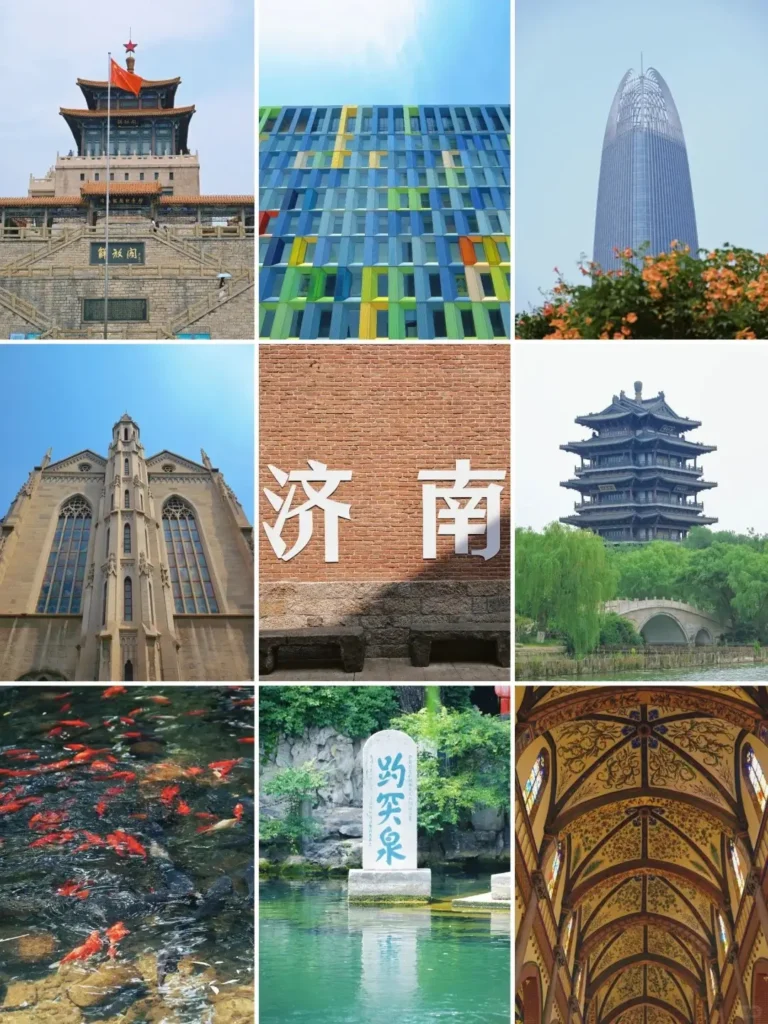
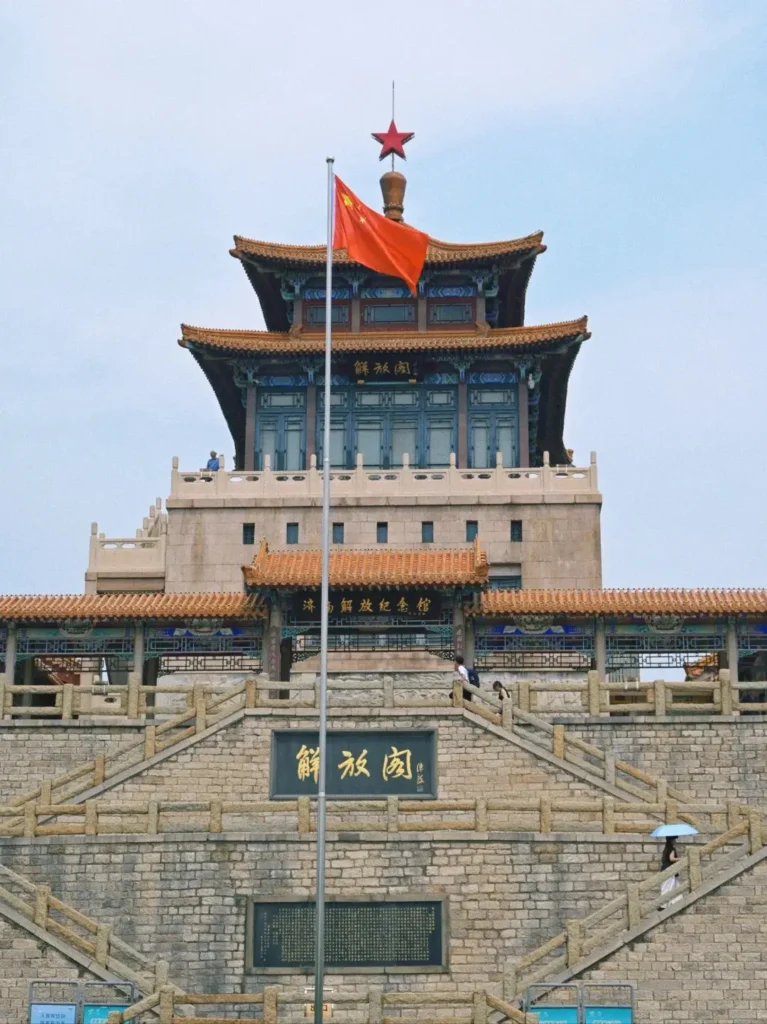
🏯 A Brief History of Jinan City: The 2,600-Year-Old Spring Capital of China
Jinan’s story stretches all the way back to the Spring and Autumn Period (770–476 BCE), when it was a strategic city-state known as “Li Xia”. For over two millennia, it has served as the political, cultural, and economic heart of Shandong Province, famed across China for its 72 legendary natural springs that bubble up from the earth year-round. Emperors of the Han, Tang, and Song dynasties made pilgrimages to Jinan to marvel at its springs, while iconic Chinese poets like Li Bai and Du Fu wrote hundreds of verses praising its ethereal beauty.
Even today, walking through Jinan city feels like stepping into a living classical Chinese poem. Ancient cypress trees line spring-fed lakes, traditional grey-brick courtyard homes sit beside bustling night markets, and every corner holds a piece of China’s rich cultural heritage. Unlike many fast-developing Chinese cities that have lost their historical roots, Jinan has carefully preserved its ancient identity while offering all the modern comforts international travelers need, making it the perfect, underrated stop on your China Travel Guide itinerary. For travelers interested in Chinese higher education and campus culture alongside your trip, you can also find detailed resources about academic programs and campus visits for international students at Jinan University — one of China’s most welcoming universities for overseas learners

📍 Top Must-Visit Attractions in Jinan China | The Heart of This Jinan Travel Guide
No trip to the Spring City is complete without exploring these iconic spots, each offering a unique window into Jinan’s history, nature, and local culture. We’ve included hidden gems, pro photo tips, and pitfalls to avoid for every stop, so you can make the most of your visit.
1. Baotu Spring Park: The “Number One Spring Under Heaven” 📸
No Jinan Travel Guide is complete without a visit to Baotu Spring Park, the crown jewel of Jinan’s 72 famous springs and one of the most iconic Famous scenic spots in China. Located in the heart of the city, this 4A-level scenic spot is home to not just the legendary Baotu Spring, but over 20 other natural springs, ancient pavilions, classical Chinese gardens, and cultural relics dating back over 1,000 years.
The star of the park is the three main spring vents of Baotu Spring, which have gushed continuously for thousands of years — even through severe droughts. The water bubbles up in three perfect, steady columns, reaching up to 26 centimeters high at its peak, creating a mesmerizing sight that has been celebrated since the Song Dynasty. Inside the park, you’ll also find the Luoyuan Hall, a 1,000-year-old temple dedicated to the god of springs, the Wanzhu Garden (a stunning Suzhou-style classical garden with 13 interconnected courtyards), and the Li Qingzhao Memorial Hall, which honors China’s most famous female poet, who lived and wrote in Jinan during the Song Dynasty.
💡 Pro Tip: Visit the park early in the morning (between 6:30 AM and 8:00 AM) to avoid the massive tourist crowds that arrive after 9 AM. Not only will you get quiet, unobstructed photos of the springs, but you’ll also get to watch local seniors practice tai chi, brush calligraphy on the pavement with water, and perform traditional opera in the park — a magical cultural experience you won’t find in any guidebook.
❌ Pitfall to Avoid: Don’t waste money on the overpriced souvenir shops right inside the park entrance. The same traditional handicrafts and spring-themed souvenirs are available for half the price at the Furong Street Night Market, which we’ll cover later in this Jinan Travel Guide.
2. Daming Lake: The Spring-Fed Lake That Inspired Countless Chinese Legends 🌸
If Baotu Spring is the heart of Jinan, Daming Lake is its soul. This 46-hectare freshwater lake is fed entirely by Jinan’s natural springs, making it one of the only spring-fed lakes in China that never dries up or floods. It’s also one of the most beloved spots in Jinan city, featured in countless Chinese novels, poems, and the iconic TV drama My Fair Princess, which is known to nearly every Chinese person.
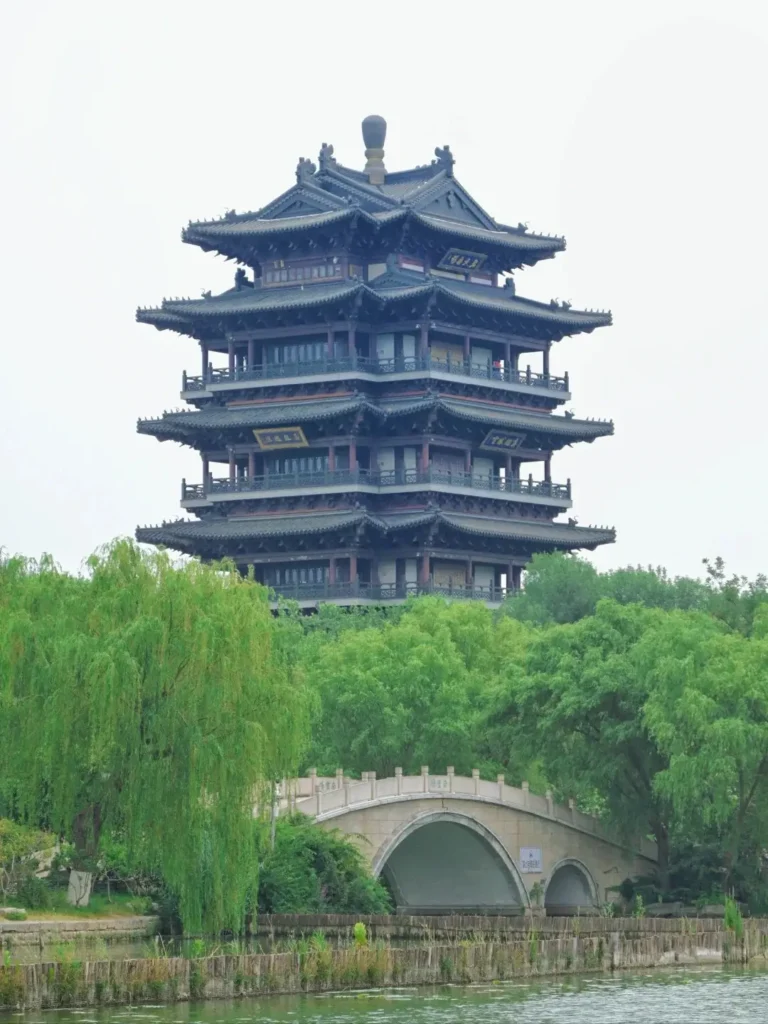
Daming Lake Scenic Area is split into two parts: a free public area and a low-cost paid historical core area. The paid area (only 30 RMB per person) is absolutely worth it, as it gives you access to the 1,500-year-old Daming Lake Temple, the Tiexuan Temple (honoring a loyal Ming Dynasty hero), the Xiaocanglang Pavilion, and the historic Lixia Pavilion, which sits on a small island in the middle of the lake and offers panoramic views of the entire scenic area. You can also take a traditional wooden boat ride across the lake (50 RMB per person) for stunning photos of the willow-lined shores, lotus ponds, and ancient pavilions. If you visit in the summer (June to August), the lake is covered in blooming pink lotus flowers, creating one of the most breathtaking sights in all of Jinan China.
💡 Pro Tip: Rent a shared bike to cycle around the lake’s perimeter (the full loop is about 6 kilometers) for a relaxed, scenic ride that lets you stop at hidden viewpoints and local snack stalls along the way. The best time to visit is at sunset, when the golden light hits the lake and the ancient buildings, creating the perfect golden-hour photo opportunities.
3. Qianfo Mountain: The Sacred Buddhist Mountain With Panoramic Views of Jinan 🛕
Rounding out Jinan’s “big three” iconic attractions is Qianfo Mountain (also known as Thousand Buddha Mountain), a 285-meter tall sacred Buddhist mountain that offers unbeatable panoramic views of the entire Jinan city skyline. It’s one of the most popular spots for both locals and tourists, and a must-add to your Jinan Travel Guide itinerary.
The mountain gets its name from the thousands of Buddha statues carved into its limestone cliffs during the Sui Dynasty (581–618 CE), many of which are still perfectly preserved today. As you hike up the mountain (the full hike takes about 45 minutes to an hour, with smooth, paved paths the entire way), you’ll pass by ancient temples, including the 1,400-year-old Xingguochan Temple — the largest Buddhist temple in Jinan, which houses a giant golden Buddha statue and beautiful prayer halls. You’ll also find the Confucius Temple, the Shandong Provincial Museum’s stone carving branch, and countless viewing platforms that offer increasingly stunning views of the city below. At the top of the mountain, you’ll be able to see all of Jinan: from Baotu Spring Park to Daming Lake, and even the Yellow River in the distance on clear days.
💡 Pro Tip: If you don’t want to hike, there’s a cable car that takes you to the top (35 RMB one way, 60 RMB round trip) and a fun slide that takes you back down (30 RMB per person), which is a fun, fast way to descend the mountain. Visit in the late afternoon, about 2 hours before sunset, so you can hike up, explore the temples, and watch the sunset paint the city skyline in golden and orange hues.
❌ Pitfall to Avoid: Don’t fall for the “private tour guides” that approach you at the base of the mountain offering to show you “hidden Buddha caves”. Most of these are unlicensed guides that will charge you exorbitant fees for spots that are clearly marked on the free park maps available at the entrance.
4. Qushuiting Street & Furong Ancient Street: Step Into Old Jinan’s Water Town Charm 🚶♀️
If you want to experience what Jinan was like hundreds of years ago, you have to visit Qushuiting Street and Furong Ancient Street, two adjacent pedestrian streets that are the beating heart of old Jinan. These streets are often called the “Venice of Jinan”, and they’re one of the most underrated hidden gems in this Jinan Travel Guide.
Qushuiting Street is a quiet, cobblestone lane lined with willow trees, traditional courtyard homes, and a clear spring-fed stream that runs right down the middle of the street. When I visited, I spent an entire morning sitting on a stone bench by the stream, watching local residents wash vegetables in the spring water, sit outside their homes drinking tea, and kids chase each other along the water’s edge. It’s an authentic, unfiltered glimpse into everyday life in old Jinan, and the perfect spot for photos: the combination of the flowing stream, willow trees, grey brick courtyard homes, and red lanterns looks like it’s straight out of a Chinese period drama.
Right next to Qushuiting Street is Furong Ancient Street, Jinan’s most famous food street. This 430-meter long street has been a bustling commercial hub since the Qing Dynasty, and today it’s lined with over 100 food stalls and shops selling everything from traditional Jinan snacks to trendy modern treats. While it can get very crowded on weekends and holidays, it’s the perfect place to sample local food and immerse yourself in the lively atmosphere of Jinan’s street food culture.
💡 Pro Tip: Visit Qushuiting Street in the morning, when it’s quiet and the soft morning light is perfect for photos, then head to Furong Street in the evening, when the food stalls are in full swing and the street is lit up with glowing red lanterns.
❌ Pitfall to Avoid: Some of the food stalls on Furong Street sell generic Chinese street food that you can find anywhere in the country. Stick to the stalls that specialize in traditional Jinan snacks, which we’ll cover in detail in the food section of this Jinan Travel Guide.
5. Shandong Provincial Museum: Dive Into 5,000 Years of Chinese History 🏺
For history buffs, no trip to Jinan China is complete without a visit to the Shandong Provincial Museum, the largest provincial museum in China and home to over 100,000 cultural relics that span over 5,000 years of Chinese history. It’s one of the best museums in China, and a must-add to your <a href=”/china-travel-guide”>China Travel Guide</a> if you want to learn more about the rich history of Shandong Province — the birthplace of Confucius and Mencius, two of the most influential philosophers in Chinese history.
The museum’s most famous exhibits include the relics from the Longshan Culture (a Neolithic culture that existed in Shandong over 4,000 years ago), the intricate bronze artifacts from the Shang and Zhou dynasties, the detailed Han Dynasty stone carvings, and the complete collection of Ming Dynasty tomb relics from the tomb of Zhu Tan, the tenth son of the Ming Dynasty founder Zhu Yuanzhang. The museum also has a dedicated, interactive exhibit on Jinan’s spring culture, which gives you a deeper understanding of why the springs are so central to the city’s history and identity.
💡 Pro Tip: Entry to the museum is completely free, but you need to book your ticket online in advance on the museum’s official WeChat account. The museum has free English audio guides available at the entrance, which are incredibly helpful for international travelers. Allocate at least 3 hours to explore the museum properly, as there’s so much to see and learn.
🚶♀️ Perfect Itineraries for Your Jinan Travel Guide | 1-Day, 2-Day & 3-Day Routes
Whether you’re stopping in Jinan for a quick layover or planning a longer deep dive into the Spring City, these customizable itineraries will help you make the most of your time without feeling rushed.
1-Day Jinan Itinerary: The Best of the Spring City in a Single Day
If you only have one day in Jinan city, this itinerary will let you hit all the iconic spots while still leaving time to soak up the local atmosphere.
- 6:30 AM – 8:30 AM: Start your day at Baotu Spring Park (arrive early to avoid crowds). Explore the iconic springs, visit the Li Qingzhao Memorial Hall, and watch local seniors practice tai chi and traditional arts.
- 8:30 AM – 10:00 AM: Walk 10 minutes from Baotu Spring to Qushuiting Street. Wander the quiet cobblestone lane, take photos of the spring-fed stream and traditional courtyard homes, and soak up the old Jinan charm.
- 10:00 AM – 12:30 PM: Walk 5 minutes from Qushuiting Street to Daming Lake Scenic Area. Explore the paid historical core area, visit the Lixia Pavilion on the lake island, and take a short traditional boat ride across the lake.
- 12:30 PM – 2:00 PM: Head to Furong Street for lunch, sampling traditional Jinan snacks from the local food stalls.
- 2:00 PM – 5:30 PM: Take a 15-minute taxi ride to Qianfo Mountain. Hike (or take the cable car) to the top, explore the ancient Buddhist temples and cliff carvings, and watch the sunset over the Jinan city skyline.
- 5:30 PM – 8:00 PM: Head to Kuanhouli Pedestrian Street for dinner and evening entertainment. This trendy pedestrian street is lined with traditional Jinan restaurants, craft beer bars, and live music venues, perfect for ending your day.
2-Day Jinan Itinerary: Iconic Spots + Deep Cultural Dive
If you have two days in Jinan China, you can add a deeper cultural experience to your itinerary, exploring the city’s history and local life beyond the main tourist spots.
- Day 1: Follow the full 1-day itinerary above to hit all of Jinan’s iconic attractions.
- Day 2:
- 9:00 AM – 12:30 PM: Spend the morning at the Shandong Provincial Museum, exploring 5,000 years of Chinese history and cultural relics. Don’t miss the Ming Dynasty tomb exhibit and the interactive spring culture gallery.
- 12:30 PM – 2:00 PM: Have lunch at a local restaurant near the museum, trying classic Jinan Lu Cuisine dishes.
- 2:00 PM – 4:30 PM: Visit Lingyan Temple, one of the four most famous Buddhist temples in China, located about 50 kilometers outside of Jinan. This 1,600-year-old temple is home to the famous 40 painted clay arhat statues (national treasures of China) and beautiful ancient architecture set against lush green mountains.
- 4:30 PM – 6:30 PM: Head back to Jinan city, and stop at the Yellow River Scenic Area on the way. Walk along the banks of the Yellow River, known as the “Mother River of China”, and visit the Yellow River Museum to learn about the river’s pivotal role in Chinese history.
- 6:30 PM – 9:00 PM: End your day at the Hongjialou Night Market, one of the largest local night markets in Jinan. This market is popular with local university students, so it’s affordable, lively, and full of authentic local snacks that you won’t find in the tourist areas.
3-Day Jinan Itinerary: Complete Spring City Experience + Cultural Day Trip
If you have three days in Jinan city, you can add a life-changing day trip to the nearby city of Qufu, the birthplace of Confucius — one of the most important cultural sites in all of China and a must-visit for anyone following a China Travel Guide focused on history and culture.
- Day 1 & 2: Follow the full 2-day itinerary above to explore all of Jinan’s best spots.
- Day 3: Day Trip to Qufu, the Hometown of Confucius
- 7:30 AM: Take the high-speed train from Jinan West Railway Station to Qufu East Railway Station (the trip takes only 30 minutes, with tickets starting at around 60 RMB).
- 9:00 AM – 12:00 PM: Explore the Temple of Confucius, one of the largest and oldest Confucian temples in the world, a UNESCO World Heritage Site with over 100 ancient buildings and 2,000 years of history.
- 12:00 PM – 1:30 PM: Have lunch at a local restaurant in Qufu, trying traditional Confucian family dishes that have been passed down for generations.
- 1:30 PM – 3:30 PM: Visit the Kong Family Mansion, the historic home of Confucius’ direct descendants, and the Cemetery of Confucius, the largest family cemetery in the world, where Confucius and over 100,000 of his descendants are buried.
- 4:00 PM: Take the high-speed train back to Jinan, arriving back in the city by 5:00 PM.
- 6:00 PM – 8:00 PM: Celebrate the end of your trip with a farewell dinner at a classic Jinan Lu Cuisine restaurant, trying the city’s most famous signature dishes.
🍜 Ultimate Food Guide for Jinan China | Must-Try Dishes & Where to Eat
<img src=”jinan-lu-cuisine-sweet-sour-carp.jpg” alt=”Jinan Travel Guide: Sweet and Sour Yellow River Carp, the signature dish of Jinan China”>
Jinan is the birthplace of Lu Cuisine (Shandong Cuisine), the number one of China’s eight major culinary traditions, and a staple of Chinese imperial cuisine for over 2,000 years. Unlike the spicy food of Sichuan or the sweet food of Jiangsu, Lu Cuisine focuses on fresh, high-quality ingredients, delicate cooking techniques, and balanced, savory flavors that highlight the natural taste of each ingredient. This section of our Jinan Travel Guide will cover all the must-try dishes and hidden food spots that you won’t want to miss.
Classic Jinan Lu Cuisine Dishes You Have to Try
These are the iconic, historic dishes that put Jinan on the Chinese culinary map, and you can only get the most authentic versions right here in the Spring City.
- Sweet and Sour Carp of the Yellow River: The most iconic dish of Jinan, and the signature dish of Lu Cuisine. This dish uses fresh carp caught directly from the Yellow River, which is carefully scored, deep-fried until crispy on the outside and tender on the inside, then coated in a perfectly balanced sweet and sour sauce that’s never too sweet or too sour. The fish is served upright, with its tail and head held high — a presentation that has been famous for over 1,000 years. It’s a non-negotiable must-order at any classic Jinan restaurant.
- Braised Sea Cucumber with Scallions: Another iconic Lu Cuisine dish, this was a staple of imperial cuisine in the Qing Dynasty. It uses tender, high-quality sea cucumber braised in a rich, savory sauce with fresh Shandong green onions, which infuses the dish with a deep, umami flavor that’s unlike anything else. It’s considered a luxury dish in China, and Jinan’s restaurants make it better than anywhere else in the country.
- Jiuzhuan Dachang (Nine-Turned Large Intestine): A classic Jinan dish that’s been around for over 100 years. It’s made with pork intestine that’s meticulously cleaned, braised for hours, and cooked with a complex blend of sweet, sour, savory, spicy, and umami flavors. It’s a bold, flavorful dish that’s beloved by locals, and a must-try for adventurous eaters looking to experience authentic local flavors.
- Stir-Fried Mutton with Scallions: A simple but perfect classic from Jinan. It uses tender local mutton, stir-fried quickly over high heat with fresh Shandong green onions, resulting in a dish that’s savory, tender, and full of bright, fresh flavor. It’s a staple in local homes and restaurants alike, and a great option for travelers who prefer familiar, comforting flavors.
Traditional Jinan Street Snacks You Can’t Miss
These affordable, delicious snacks are the heart and soul of Jinan’s food culture, and you’ll find them at street stalls, night markets, and breakfast shops all over the city.
- You Xuan (Oil Spinach): Jinan’s most famous breakfast snack, a crispy, flaky pastry that’s shaped like a spiral, fried until golden brown, and sprinkled with white sesame seeds. It’s crispy on the outside, soft and layered on the inside, with a savory, slightly salty flavor. You can find it at breakfast stalls all over the city, but the most famous shop is the family-run You Xuan Shop on Furong Street, which has been perfecting the recipe for over 50 years.
- Tang Su Li (Candied Crispy Pear): A classic Jinan dessert, made with fresh local pears that are sliced, coated in a light batter, deep-fried until crispy, then tossed in a hot sugar syrup. It’s served with a bowl of cold water, so you can dip the pear in the water to harden the sugar, creating a crispy, sweet shell around the tender, juicy pear inside. It’s the perfect sweet treat after a savory meal.
- Lao Jinan Mian Cha (Old Jinan Millet Porridge): A traditional Jinan breakfast drink, made with ground millet that’s slow-cooked into a thick, creamy porridge, then topped with sesame paste, a pinch of salt, and crushed roasted sesame seeds. It’s warm, savory, and deeply comforting — the perfect way to start a cold morning of sightseeing in Jinan China.
- Guan Tang Baozi (Soup Dumplings): While soup dumplings are famous across China, Jinan’s version has its own unique, beloved style. Jinan’s guan tang baozi are larger than the Shanghai version, with a thick, soft wrapper and a juicy, savory pork filling that’s packed with hot, flavorful soup inside. They’re a popular breakfast and lunch snack all over the city, and best eaten fresh, with a splash of black vinegar.
Best Places to Eat in Jinan for International Travelers
- Yanxi Lou Restaurant: One of the oldest and most famous Lu Cuisine restaurants in Jinan, founded in 1875. It’s the go-to spot for classic Jinan dishes, with a menu that features all the iconic Lu Cuisine dishes, made with traditional, time-honored techniques. The restaurant has an official English menu, and the staff are experienced in serving international travelers. It’s a bit pricey, but absolutely worth it for the authentic, high-quality food.
- Jinan Restaurant: Another iconic Lu Cuisine restaurant in Jinan, founded in 1947. It’s known for its perfectly executed classic Jinan dishes, especially the Sweet and Sour Carp of the Yellow River and Braised Sea Cucumber with Scallions. The restaurant has a casual, family-friendly atmosphere, affordable prices, and an English menu available on request.
- Furong Street & Hongjialou Night Market: For street food, these two markets are the best spots in Jinan. Furong Street is perfect for trying snacks in the central tourist area, while Hongjialou Night Market is the best spot for authentic, affordable local snacks that are popular with locals, not just tourists.
💡 Pro Tip: Most small local restaurants in Jinan don’t have English menus, but you can use translation apps to scan the menu, or show the Chinese names of the dishes to the staff, who will be happy to help you order. Most locals are friendly and welcoming to international travelers, so don’t be afraid to ask for recommendations.
❌ Pitfall to Avoid: Don’t order the Sweet and Sour Carp at tourist trap restaurants near the main attractions. Many of these restaurants use frozen fish instead of fresh Yellow River carp, and the sauce is overly sweet and low quality. Stick to the well-known, established restaurants we’ve recommended above.
💡 Pro Tips & Pitfalls to Avoid for Your Jinan Travel Guide Trip
To make your trip to Jinan China as smooth, enjoyable, and affordable as possible, we’ve put together these expert tips and pitfalls to avoid, based on our personal experience traveling in the city.
Essential Travel Tips for Jinan
- Best Time to Visit: The best time to visit Jinan is in the spring (April to May) and autumn (September to October). The weather is mild and pleasant, with temperatures between 15°C and 25°C, and the city is in full bloom in the spring, with beautiful fall foliage in the autumn. Summer (June to August) can be hot and humid, with temperatures up to 35°C, but it’s the best time to see the lotus flowers in Daming Lake. Winter (December to February) is cold and dry, with temperatures below freezing, but the city is much less crowded, and the springs look magical when steam rises from the warm water into the cold air.
- Getting Around Jinan: Jinan has an excellent public transportation system, including a metro system with 4 lines that covers all the main tourist attractions, buses, taxis, and ride-hailing apps. The metro is the fastest and most affordable way to get around the city, with tickets starting at 2 RMB, and all stations have English signage and announcements. Didi Chuxing, China’s most popular ride-hailing app, has an official English version available for download, making it easy to book rides even if you don’t speak Chinese. For short distances, you can rent a shared bike (Meituan Bike or Hello Bike are the most popular), which is perfect for cycling around Daming Lake or the old town.
- Language Tips: While Mandarin Chinese is the official language in Jinan, most staff at major tourist attractions, hotels, and large restaurants speak basic English. However, most small local restaurants, street vendors, and taxi drivers don’t speak English, so it’s a good idea to download a translation app (like Google Translate or DeepL) with offline Chinese language packs, and to save the Chinese names and addresses of your hotel and the attractions you want to visit, so you can show them to drivers or locals.
- Payment Tips: Most places in Jinan accept mobile payments (Alipay and WeChat Pay), which are the most common payment methods in China. However, it’s a good idea to carry some cash (RMB) with you, as some small street vendors and local shops don’t accept mobile payments from foreign bank cards. You can exchange foreign currency at major banks in Jinan, or at the Jinan Yaoqiang International Airport upon arrival. Most major hotels and restaurants also accept credit cards (Visa and Mastercard), but mobile payments are far more widely accepted.
Critical Pitfalls to Avoid
- ❌ Don’t buy overpriced “spring water” from vendors near Baotu Spring Park. The tap water in Jinan is safe to drink, and you can fill up your water bottle for free at the public water fountains inside the park, which use fresh, natural spring water directly from the source.
- ❌ Don’t take unlicensed “black taxis” that approach you at the train station or airport. These drivers will charge you 2-3 times the normal fare. Always use official taxis with working meters, or book a ride through the Didi app.
- ❌ Don’t visit the main attractions during Chinese national holidays (like Spring Festival, May Day, or National Day). The attractions are extremely crowded, and hotel prices are 2-3 times higher than normal. If you have to visit during a holiday, book your hotel and attraction tickets well in advance.
- ❌ Don’t miss the free cultural performances in the parks. Many parks in Jinan have free traditional opera, tai chi, and folk music performances by local residents, which are a wonderful cultural experience that many tourists overlook.
❓ Frequently Asked Questions (FAQ) About Jinan Travel Guide
1. What is the best time to visit Jinan China?
The best time to visit Jinan China is during the spring (April to May) and autumn (September to October). During these seasons, the weather is mild and comfortable, with average temperatures ranging from 15°C to 25°C, making it perfect for outdoor sightseeing, hiking, and exploring the city’s parks and ancient streets. Spring brings blooming flowers and lush greenery across the city, while autumn offers clear skies, beautiful fall foliage, and the most stable water flow for Jinan’s famous springs. If you want to see the iconic lotus flowers in Daming Lake, visit in the summer (June to August), though be prepared for hot and humid weather. Winter (December to February) is the least crowded time to visit, with significantly lower hotel prices, and you can see the magical steam rising from the warm spring water into the cold winter air.
2. How many days do I need for a complete Jinan Travel Guide itinerary?
For a complete, well-rounded trip to Jinan city, we recommend spending at least 3 days in the city. This gives you enough time to visit all the iconic attractions (Baotu Spring, Daming Lake, Qianfo Mountain), explore the old town and local food scene, dive into the city’s history at the Shandong Provincial Museum, and even take a short day trip to the nearby city of Qufu, the birthplace of Confucius. If you only have 1 or 2 days, you can still hit all the main tourist spots, but you’ll have a more rushed experience with less time to soak up the local culture. For travelers who want to take a slower pace and explore more hidden gems in the surrounding Shandong Province, 5 days is the perfect amount of time.
3. Is Jinan city easy to navigate for English-speaking travelers?
Yes, Jinan city is relatively easy to navigate for English-speaking travelers, especially compared to many smaller Chinese cities. All the major tourist attractions have English signage and English audio guides available for rent, most large international hotels and chain restaurants have English-speaking staff and English menus, and the city’s metro system has English announcements and English signage at every station. The ride-hailing app Didi Chuxing has an official English version, which makes it easy to book safe, affordable rides around the city without speaking Chinese. That said, most small local restaurants, street vendors, and independent taxi drivers don’t speak English, so we recommend downloading a translation app with offline Chinese language packs, and saving the Chinese names and addresses of your hotel and destinations to make your trip smoother. The locals in Jinan are incredibly friendly and welcoming to international travelers, and most will be happy to help you if you need assistance.
4. What is the must-try local food in Jinan China?
The must-try local food in Jinan China falls into two core categories: classic Lu Cuisine (Shandong Cuisine) dishes, and traditional Jinan street snacks. The absolute non-negotiable must-try classic Lu Cuisine dish is the Sweet and Sour Carp of the Yellow River, the iconic signature dish of Jinan, which features fresh Yellow River carp deep-fried until crispy and coated in a perfectly balanced sweet and sour sauce. Other must-try classic dishes include Braised Sea Cucumber with Scallions, a historic imperial dish with rich, deep umami flavor, and Stir-Fried Mutton with Scallions, a simple but delicious local staple that highlights the fresh, high-quality ingredients Jinan is known for. For street snacks, you can’t miss You Xuan, Jinan’s famous crispy flaky breakfast pastry, Guan Tang Baozi, Jinan’s juicy, soup-filled dumplings, and Tang Su Li, the classic candied crispy pear dessert that’s the perfect end to any meal. The best place to try these snacks is at Furong Street, Hongjialou Night Market, or local family-run breakfast stalls across the city.
🌟 Final Thoughts & Wishes for Your China Travel Adventure
At the end of the day, Jinan is so much more than just a stop on your China Travel Guide itinerary. It’s a city that wraps you in thousands of years of history, surprises you with its quiet natural beauty, and delights you with its warm, welcoming locals and incredible, time-honored food. Whether you’re a history buff, a food lover, a nature enthusiast, or just a traveler looking for an authentic Chinese experience away from the overcrowded tourist hotspots, this Jinan Travel Guide has everything you need to plan the trip of a lifetime.
We wish you nothing but smooth travels, incredible memories, and endless joy as you explore the beautiful country of China. May your journey be filled with breathtaking sunsets over ancient temples, delicious meals shared with new friends, quiet moments of wonder by Jinan’s magical springs, and a deep, lasting love for the rich culture and history of this incredible country. No matter where your China Travel Guide takes you next, we hope the Spring City of Jinan holds a special place in your heart, and that you’ll come back to visit again soon.
Safe travels, and happy exploring! ✨


 English
  Chinese