Hangzhou Travel Guide
🥰 Hi my fellow wanderlusters! If you’ve ever daydreamed about a Chinese city that feels like it’s straight out of a traditional ink wash painting—with glistening lakes, ancient temples, lush tea plantations, and street food that will make your taste buds sing—this Hangzhou Travel Guide is exactly what you need for your upcoming adventure. I’ve visited Hangzhou 6 times over the past 4 years, both for quick weekend getaways and week-long deep dives, and I’m still uncovering hidden gems every single trip. I’ve made all the rookie mistakes so you don’t have to: from overpacking my itinerary to falling for tourist traps, from missing the best sunrise spots to eating overpriced, inauthentic food near the lake. In this guide, I’m spilling every single one of my insider tips to help you have the most magical, stress-free trip to Hangzhou, whether it’s your first time visiting China or you’re a seasoned China traveler.
🏮 The Rich History Behind Hangzhou: China’s Ancient Capital of Poetry & Prosperity
Before we dive into all the amazing things to do and eat, let’s talk about why Hangzhou is such a special place—because understanding its history will make every step of your trip feel even more meaningful. Hangzhou is one of China’s Seven Great Ancient Capitals, with a history stretching back over 2,200 years. It rose to global fame during the Southern Song Dynasty (1127-1279), when it served as the imperial capital, becoming one of the wealthiest and most populous cities in the world at the time. Even the famous Venetian explorer Marco Polo was blown away by Hangzhou during his travels, calling it “the most splendid and luxurious city in the world.”
What makes Hangzhou’s history so unique is how deeply it’s tied to nature, especially West Lake, Hangzhou. For over a thousand years, poets, artists, and emperors have been inspired by the lake’s beauty. Famous poets Bai Juyi and Su Shi even served as local officials here, and they’re the ones who built the iconic Bai Causeway and Su Causeway that still line the lake today. Hangzhou has also long been known as the “Home of Silk” and the “Tea Capital of China,” with its Longjing (Dragon Well) tea being one of the most famous and prized green teas in the world. It’s also home to a section of the Grand Canal, the longest man-made waterway in the world, which is still a UNESCO World Heritage Site today. This blend of imperial history, artistic heritage, and natural beauty is what makes Hangzhou stand out among all the Famous scenic spots in China, and why it’s a must-visit on any China itinerary.
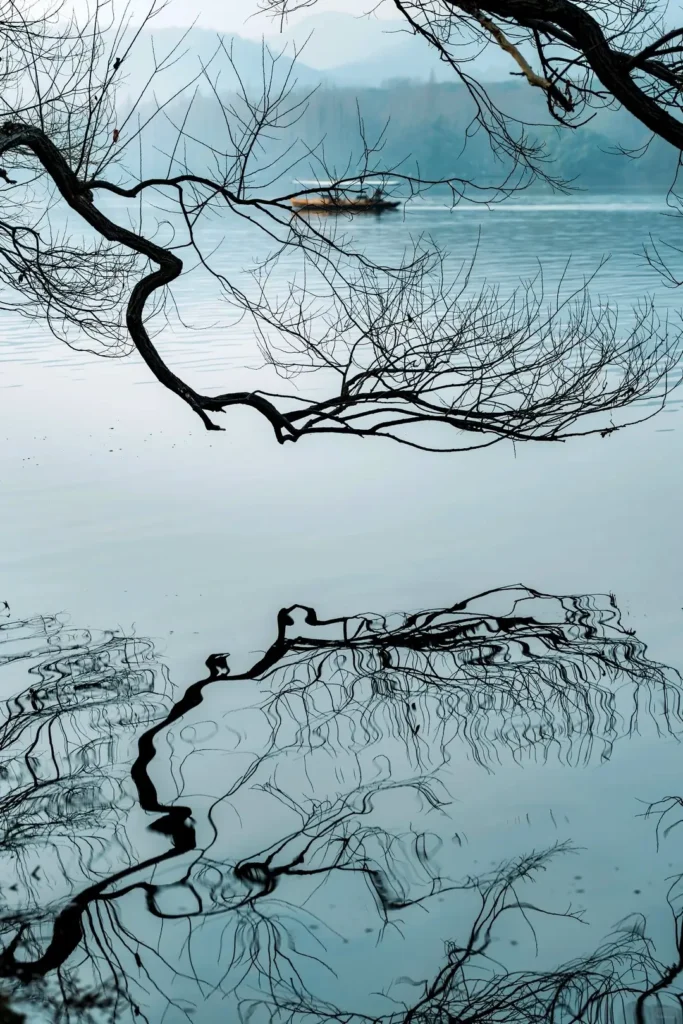
✨ Top Must-Visit Attractions in Hangzhou: From Iconic Landmarks to Hidden Gems
No Hangzhou Travel Guide would be complete without breaking down the absolute best spots to visit, starting with the crown jewel of the city: West Lake, Hangzhou.
West Lake, Hangzhou: The Heart and Soul of the City
West Lake isn’t just a lake—it’s a sprawling 6.5 square kilometer scenic area that’s been the muse of Chinese artists for over a millennium, and it’s the number one reason most travelers visit Hangzhou. The best part? The main lake area is completely free to enter! You can walk, bike, or take a boat around the lake, and spend hours exploring its countless hidden corners. Here are my absolute can’t-miss spots around West Lake, plus my top tips to avoid the crowds:
- Su Causeway (Su Di) 🌸: This 2.8km causeway is lined with willow trees, peach blossoms, and six stone bridges, and it’s widely considered the most beautiful spot in West Lake. It’s the first of the “Ten Scenes of West Lake,” known as “Su Causeway Spring Dawn.”⚠️ Pro Tip: Arrive here at 6:30 AM if you want to catch the sunrise and have the causeway almost entirely to yourself. By 9 AM, it’s packed with tour groups, so early morning is non-negotiable for the best experience. This is one of my top China Travel Tips for any popular scenic spot—beat the crowds by waking up early!
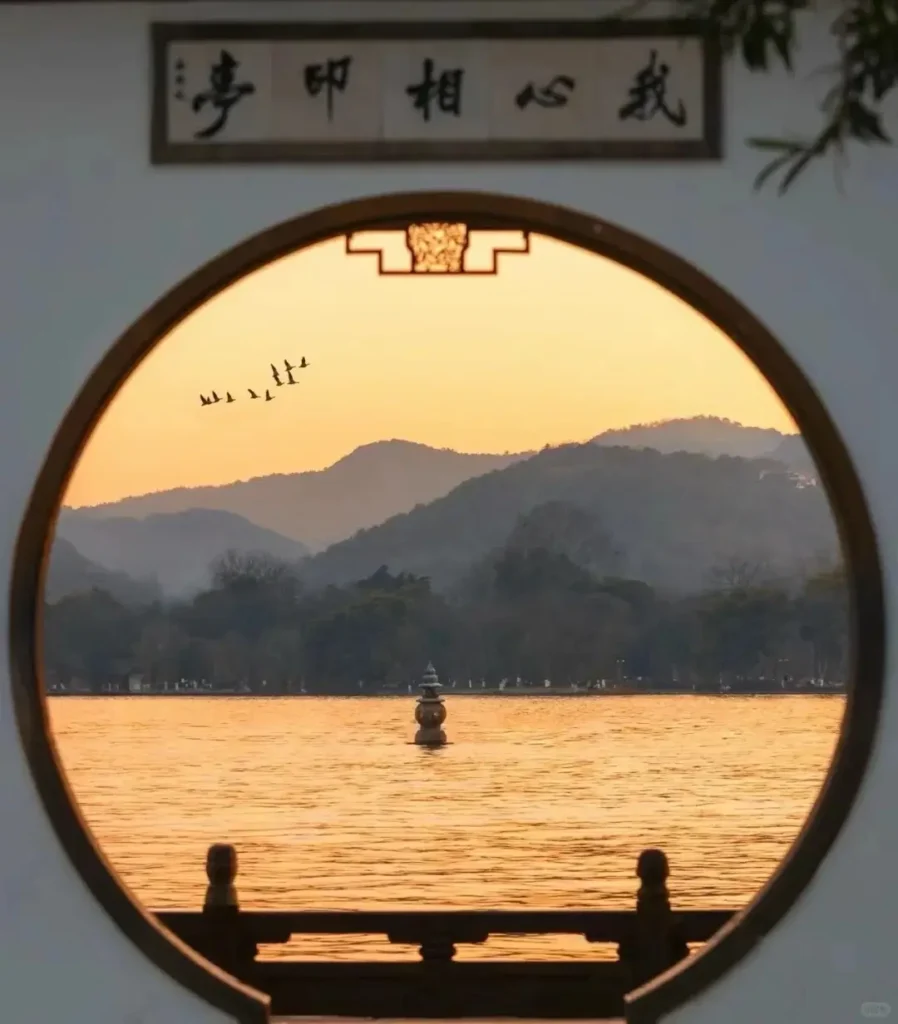
- Three Pools Mirroring the Moon (San Tan Yin Yue) 🪙: This is the iconic spot you see on the back of China’s 1 yuan banknote! It’s a small island in the middle of the lake, with three stone pagodas that date back to the Ming Dynasty. On a full moon night, the pagodas reflect on the water, creating the illusion of 33 moons (it’s as magical as it sounds).⚠️ Pro Tip: You can only reach this island by official West Lake cruise boats. Avoid the random boat vendors that approach you on the shore—they charge 2-3x the official price, and many don’t even stop at the island. Always buy tickets from the official ticket booths around the lake, which cost around 55 RMB per person for the round-trip cruise and island entry.
- Broken Bridge (Duan Qiao) ❄️: This is one of the most famous spots in West Lake, known as “Broken Bridge Remnant Snow,” one of the Ten Scenes of West Lake. The bridge got its name because when it snows in winter, the snow on the sunny side melts first, making the bridge look like it’s broken from a distance. Even if you don’t visit in winter, it’s a beautiful spot for photos, especially at sunrise.⚠️ Pro Tip: Don’t spend more than 20 minutes here. It’s almost always packed with tourists, and there are far quieter, more beautiful spots along the lake. It’s great for a quick photo op, but not worth lingering for hours.
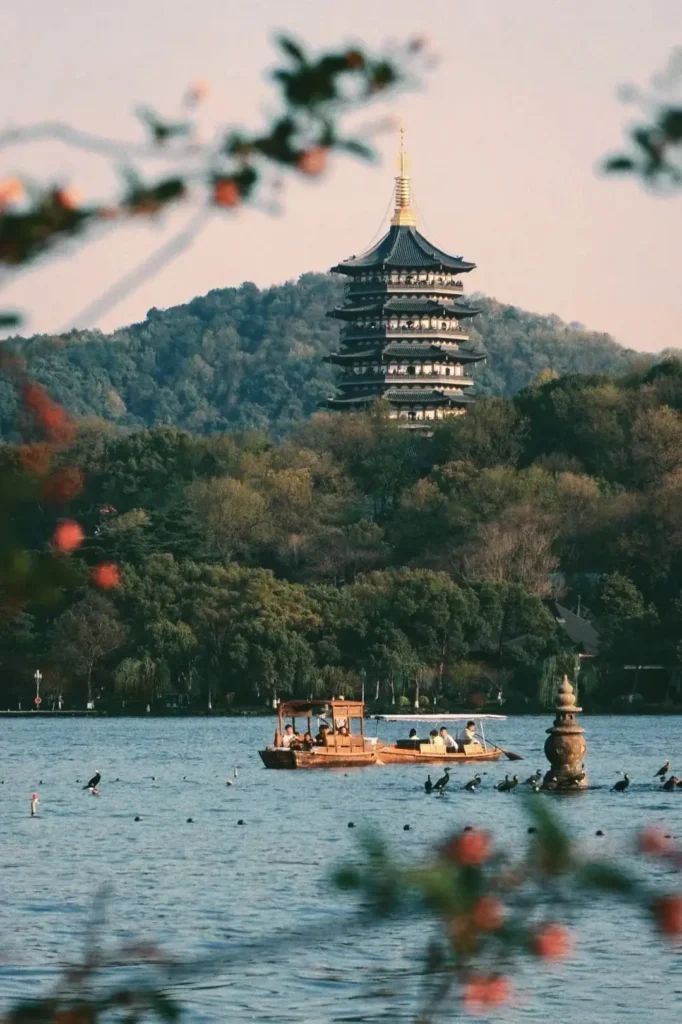
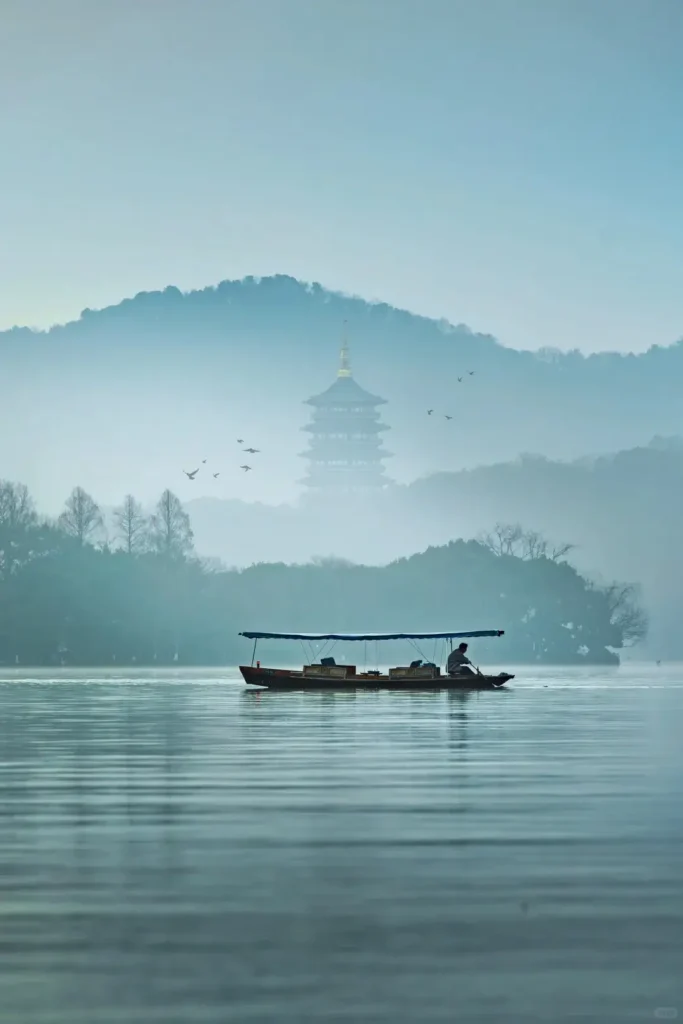
- Leifeng Pagoda 🏯: This iconic pagoda sits on the southern shore of West Lake, and it’s famous for its role in the classic Chinese legend “The Legend of the White Snake.” The original pagoda was built in 975 AD, but it collapsed in 1924; the current pagoda was rebuilt in 2002, with an elevator to the top for panoramic views of the entire lake.⚠️ Pro Tip: If you’re on a budget, you can skip the entry ticket (around 40 RMB) and still get great views of the pagoda from the lake shore. The best time to visit is 30 minutes before sunset, when the pagoda lights up and the sky turns pink and orange.
- Guo Zhuang (Guo’s Villa) 🌿: This is my hidden gem secret for West Lake! It’s a tiny, exquisite traditional Chinese garden built in 1907, often called “the number one garden in West Lake.” It’s almost always empty compared to the main tourist spots, and it has the most stunning framed views of the lake and Leifeng Pagoda. It’s perfect for photos, or just sitting and drinking tea while looking out at the water. Entry is only 10 RMB, and it’s worth every penny.
Beyond West Lake: More Unmissable Hangzhou Attractions


While West Lake is the star of the show, Hangzhou has so much more to offer! Here are the other spots I always recommend in every Hangzhou Travel Guide I put together:
- Lingyin Temple & Feilai Feng Grottoes 🛕: This is one of the oldest and most important Buddhist temples in China, built in 326 AD, and it’s a must-visit for anyone interested in Chinese history and religion. The temple complex is surrounded by lush green mountains, and the Feilai Feng Grottoes are home to over 470 ancient Buddhist stone carvings dating back to the 10th century.⚠️ Pro Tip: You need two tickets to enter: one for the Feilai Feng scenic area (45 RMB) and one for the temple itself (30 RMB). Book your tickets online in advance, especially on weekends and holidays, to avoid waiting in long lines. Also, dress modestly (cover your shoulders and knees) out of respect for the temple.
- Longjing Village & Meijiawu Tea Plantations 🍵: No trip to Hangzhou is complete without experiencing its world-famous Longjing tea! Longjing Village is the birthplace of Dragon Well tea, and it’s surrounded by rolling green tea plantations that are absolutely stunning to walk through. You can visit a local tea farm, watch a tea roasting demonstration, and sit down for a tea tasting with local farmers.⚠️ Pro Tip: Avoid buying overpriced tea from tourist shops near West Lake. The best, most authentic tea is sold directly by farmers in Longjing Village or Meijiawu. Don’t be afraid to ask for a tasting before you buy, and don’t feel pressured to purchase anything if you don’t want to. Spring (March-April) is the best time to visit, when the first spring tea harvest is happening.
- Xixi National Wetland Park 🦆: This is the first national wetland park in China, a sprawling 11.5 square kilometer area of lakes, rivers, reed marshes, and ancient water villages. It’s the perfect place to escape the crowds of the city, and you can take a wooden boat through the wetlands, spot birds and wildlife, and visit the old water towns within the park. It’s a great spot for nature lovers, and it’s only a 30-minute drive from West Lake.
- Hefang Ancient Street & Southern Song Imperial Street 🏮: If you want to experience traditional Hangzhou street life, shop for souvenirs, and eat endless local snacks, this is the place to be! Hefang Street is a pedestrian-only ancient street lined with old shops, teahouses, snack stalls, and museums. It’s a great place to try local snacks like Cong Bao Hui (scallion pancake rolls), Ding Sheng Gao (victory rice cakes), and more.⚠️ Pro Tip: The main Hefang Street is very touristy, so for more authentic food and less crowds, walk down the side alleys, or visit the Southern Song Imperial Street, which is just a few minutes away. It’s less crowded, with more local shops and restaurants.


📸 Perfect Hangzhou Itineraries for Every Travel Style
One of the most common questions I get is “how many days do I need in Hangzhou?” The answer depends on what kind of trip you want! In this Hangzhou Travel Guide, I’ve put together three different itineraries, from a quick 1-day trip to a 5-day deep dive, so you can pick the one that fits your travel plans.
1-Day Hangzhou Essential Itinerary (For Quick Trips)
If you only have one day in Hangzhou, this itinerary will let you hit all the iconic spots without feeling rushed:
- 6:30 AM: Arrive at Su Causeway for sunrise, walk the first 1km of the causeway for the best views
- 8:00 AM: Take an official cruise boat to Three Pools Mirroring the Moon island
- 9:30 AM: Walk along Bai Causeway to Broken Bridge for a quick photo op
- 11:30 AM: Head to Hefang Street for lunch and local snacks
- 1:30 PM: Visit Lingyin Temple and Feilai Feng Grottoes
- 4:30 PM: Head back to West Lake, visit Guo’s Villa for sunset views
- 6:30 PM: Watch the sunset over Leifeng Pagoda, then have dinner at a local restaurant near the lake
3-Day Hangzhou In-Depth Itinerary (For First-Time Visitors)
This is the itinerary I recommend for most first-time visitors, as it lets you see all the highlights without rushing, and even includes some hidden gems:
- Day 1: West Lake Deep DiveMorning: Sunrise at Su Causeway, cruise to Three Pools Mirroring the Moon, visit Guo’s VillaAfternoon: Walk Bai Causeway, visit the Zhejiang Provincial Museum (free entry, amazing ancient Chinese art)Evening: Sunset at Leifeng Pagoda, dinner at a lakeside teahouse
- Day 2: History & CultureMorning: Full visit to Lingyin Temple and Feilai Feng Grottoes, including the smaller temples in the complexAfternoon: Visit Longjing Village for a tea tasting and walk through the tea plantationsEvening: Explore Hefang Street and Southern Song Imperial Street, eat street food for dinner
- Day 3: Nature & Local LifeMorning: Day trip to Xixi National Wetland Park, take a boat ride through the wetlandsAfternoon: Visit the Grand Canal Cultural Park, walk along the ancient canalEvening: Have dinner at a local restaurant in the old town, try authentic Hangzhou cuisine
5-Day Hangzhou Complete Itinerary (For Slow Travelers)
If you want to really immerse yourself in Hangzhou, and even take a couple of day trips, this is the perfect itinerary:
- Days 1-3: Follow the 3-day itinerary above, but take it slower—spend more time sitting by the lake, having tea, and exploring hidden alleys
- Day 4: Day trip to Wuzhen Water Town (one of the most beautiful ancient water towns in China, only 1 hour from Hangzhou)
- Day 5: Day trip to Mogan Mountain (a lush mountain retreat with stunning views, perfect for hiking and relaxing, only 1.5 hours from Hangzhou)
🍜 Ultimate Hangzhou Food Guide: Must-Try Dishes & Where to Eat Them
Hangzhou is the home of Zhejiang cuisine, one of the eight great cuisines of China, known for its fresh, delicate flavors, use of local ingredients (especially fish from West Lake and bamboo shoots from the nearby mountains), and beautiful presentation. I’ve eaten my way through Hangzhou countless times, so this Hangzhou Travel Guide includes all my absolute must-try dishes, plus my top tips for where to eat them, and how to avoid tourist traps.
Must-Try Classic Hangzhou Dishes
- Dongpo Pork (Dongpo Rou) 🥩: This is the most famous Hangzhou dish, named after the poet Su Shi (Su Dongpo), who invented it when he was an official in Hangzhou. It’s a chunk of pork belly braised for hours in yellow wine, soy sauce, and sugar, until it’s melt-in-your-mouth tender, with a sweet and savory flavor. It’s rich, but absolutely delicious, and a must-try.Where to eat: Lou Wai Lou (the iconic 170-year-old lakeside restaurant, perfect for a splurge), or Zhi Wei Guan (a more affordable, casual chain with authentic flavors)
- Longjing Shrimp (Longjing Xiaren) 🍤: This is a classic spring dish, made with fresh, tender river shrimp stir-fried with freshly picked Longjing tea leaves. It’s light, fresh, and fragrant, with a subtle tea flavor that pairs perfectly with the sweet shrimp. It’s one of my all-time favorite Hangzhou dishes.Where to eat: Longjing Manor (in Longjing Village, they use fresh tea leaves from their own plantation), or Kui Yuan Guan
- West Lake Vinegar Fish (Xi Hu Cu Yu) 🐟: This is another iconic Hangzhou dish, made with fresh grass carp from West Lake, cooked in a sweet and sour vinegar sauce. It’s a classic dish that’s been around for over 900 years.⚠️ Pro Tip: This is the dish that most tourist traps get wrong! Many restaurants near the lake use frozen fish, and make the sauce too sweet or too sour. Most local residents only eat this dish at trusted, old restaurants. If you want to try it, go to Lou Wai Lou, which is famous for this dish, or skip it if you’re on a budget.
- Beggar’s Chicken (Jiao Hua Ji) 🍗: This dish has a fun history! It’s a whole chicken stuffed with mushrooms and ham, wrapped in lotus leaves and clay, then baked for hours. The legend says it was invented by a beggar who stole a chicken, and baked it in clay to hide the smell from the police. When he opened it, the chicken was incredibly tender and flavorful. The meat falls off the bone, and it’s infused with the fragrance of the lotus leaves.Where to eat: Zhi Wei Guan, or Grandma’s Home (a popular local chain with affordable, authentic food)
Must-Try Hangzhou Street Snacks
- Pian’er Chuan 🍜: This is Hangzhou’s signature noodle dish, a simple but delicious soup noodle with pork slices, bamboo shoots, and pickled Chinese cabbage. It’s the ultimate comfort food for Hangzhou locals, and you can find it at almost every noodle shop in the city.Where to eat: Kui Yuan Guan (a 150-year-old restaurant that’s famous for this dish), or any local noodle shop near a residential area
- Cong Bao Hui 🥞: This is a classic Hangzhou street snack, made with a crispy fried dough stick and scallions, wrapped in a thin pancake, then pan-fried until crispy. It’s usually served with a sweet and spicy sauce, and it’s the perfect on-the-go snack.Where to eat: Street stalls on Hefang Street, or the side alleys near Southern Song Imperial Street
- Ding Sheng Gao 🍡: This is a sweet rice cake, made with glutinous rice flour, filled with red bean paste, and steamed in a wooden mold. It’s soft, sweet, and fragrant, and it has a fun history: it was invented during the Southern Song Dynasty to give to soldiers before battle, to wish them victory (ding sheng means “certain victory”).Where to eat: Traditional pastry shops on Hefang Street, or Zhi Wei Guan
💡 Pro China Travel Tips & Hangzhou-Specific Hacks to Avoid Mistakes
After 6 trips to Hangzhou, I’ve learned a ton of tips that will make your trip so much easier, and help you avoid common tourist mistakes. These are non-negotiable tips for any Hangzhou Travel Guide, so make sure to save them for your trip!
- Getting Around Hangzhou 🚇: Hangzhou has an excellent subway system that covers almost all the major tourist spots, including West Lake, Lingyin Temple, Hefang Street, and the train station. All subway signs have English translations, and you can use the Alipay app to pay for subway rides (you can download the app and set up a tourist card before your trip). Taxis and Didi (China’s version of Uber) are also very affordable, and Didi has an English version of the app. For West Lake, the best way to get around is by bike! You can rent a public bike for just 1 RMB per hour, and ride along the lake shore at your own pace.
- Payment in Hangzhou 💳: Almost every shop, restaurant, and tourist spot in Hangzhou accepts Alipay and WeChat Pay. Very few places accept foreign credit cards, and cash is becoming less and less common. Make sure to set up Alipay’s tourist card before your trip, so you can pay for everything easily. It’s also a good idea to carry a small amount of cash (100-200 RMB) just in case, especially for small street stalls.
- Language Tips 🗣️: Most people working in tourist spots, hotels, and subway stations speak basic English, but many local restaurant workers and street vendors don’t. Download a translation app like Google Translate or DeepL before your trip, and make sure to download the Chinese language pack for offline use. It’s also a good idea to learn a few basic Chinese phrases, like “hello” (ni hao), “thank you” (xie xie), and “how much” (duo shao qian).
- Ticket Booking Tips 🎟️: For popular attractions like Lingyin Temple, Leifeng Pagoda, and Xixi Wetland Park, book your tickets online in advance. You can book tickets through the official WeChat accounts, or through travel apps like Ctrip, which has an English version. During Chinese national holidays (like Spring Festival, May Day, and National Day), tickets sell out fast, so book at least 3-5 days in advance.
- Biggest Tourist Traps to Avoid ⚠️:
- Don’t buy “antiques” or “rare tea” from random street vendors near West Lake—they’re almost always fake or overpriced.
- Don’t take unlicensed taxi rides from the train station or airport—they’ll overcharge you by 2-3x the normal price. Always use Didi or official taxi stands.
- Don’t eat at restaurants that have menus only in English with photos—they’re almost always tourist traps with overpriced, inauthentic food. Look for restaurants with mostly Chinese customers, and menus in Chinese (you can use your translation app to read them).
- Don’t book private “West Lake tours” from people who approach you on the street—they’re overpriced, and they’ll take you to souvenir shops where they get a commission.


🤔 FAQ: About Traveling to Hangzhou
- What is the best time of year to visit Hangzhou?
- The absolute best time to visit Hangzhou is spring (March to May) and autumn (September to November). In spring, the peach blossoms and cherry blossoms around West Lake are in full bloom, the weather is mild (around 15-25°C), and it’s the perfect time for the first Longjing tea harvest. In autumn, the city is filled with the sweet fragrance of osmanthus flowers, the sky is clear and blue, and the weather is perfect for hiking and walking around the lake. Summer (June to August) is very hot and humid in Hangzhou, with temperatures often reaching 35°C or higher, and it’s also the rainy season. Winter (December to February) is cold and damp, with temperatures around 0-10°C, but if you’re lucky enough to get snow, the Broken Bridge Remnant Snow scene is absolutely magical. Just avoid traveling during Chinese national holidays, when the city is packed with domestic tourists, and hotel prices skyrocket.
- How many days do I need to fully explore Hangzhou?
- For a first-time visitor, I recommend a minimum of 3 full days in Hangzhou. This will give you enough time to explore West Lake thoroughly, visit Lingyin Temple and Longjing Village, and experience the local food and culture without rushing. If you only have 1 day, you can hit the main highlights, but you’ll be rushing from spot to spot, and you won’t get to experience the slow, peaceful vibe that makes Hangzhou so special. If you want to take day trips to nearby water towns or mountains, or really immerse yourself in the local culture, 5-7 days is perfect.
- Is Hangzhou easy to navigate for foreign travelers who don’t speak Chinese?
- Yes! Hangzhou is one of the most tourist-friendly cities in China for foreign travelers. The subway system has full English signage and announcements, all major tourist attractions have English maps and information boards, most hotels have English-speaking staff, and ride-hailing apps like Didi have an English version. The Alipay app also has an English version for tourists, so you can pay for everything easily without cash. While many local restaurant workers don’t speak English, you can use a translation app to read menus and order food, and most people are very friendly and willing to help.
- Do I need to pay to enter West Lake, Hangzhou?
- The main West Lake scenic area is completely free to enter and explore! You can walk, bike, or sit by the lake for as long as you want, without paying a cent. However, some of the specific attractions within the West Lake area require an entry ticket, including Leifeng Pagoda (40 RMB), Guo’s Villa (10 RMB), the Yue Fei Temple (25 RMB), and the official cruise boats to Three Pools Mirroring the Moon (around 55 RMB per person). You can pick and choose which attractions you want to visit, and you don’t need to buy a ticket to enjoy the beauty of the lake itself.
💌 A Heartfelt Travel Blessing for Your China Trip
To every wonderful traveler reading this Hangzhou Travel Guide, I want to wish you the most extraordinary, unforgettable journey through China. May your trip to Hangzhou be filled with breathtaking sunrises over Su Causeway, golden sunsets painting the waters of West Lake, Hangzhou pink and orange, and quiet moments of peace sitting by the lake with a cup of fresh Longjing tea in your hand. May you taste the most delicious Dongpo pork and crispy street snacks, and have your heart warmed by the kindness of local Hangzhou residents.
May your travels across China be smooth and joyful, whether you’re exploring the Famous scenic spots in China like the Great Wall and the Terracotta Army, or uncovering hidden gems in small towns and villages. May every step of your journey bring you wonder, curiosity, and beautiful memories that will stay with you for a lifetime. May you leave China with a full heart, a camera roll full of amazing photos, and a deep love for this incredible country and its rich culture.
Welcome to China, welcome to Hangzhou. Your dream adventure is waiting for you, and I can’t wait for you to fall in love with this magical city, just like I did.
If you loved this guide, be sure to check out our comprehensive [China Travel Guide] for more insider tips on traveling across China, and our curated [China Travel Tips] for first-time visitors to help you plan the perfect trip.


 English
  Chinese