When international tourists map out their first China travel plans, a comprehensive Qiqihar travel guide is rarely the first search query they type into Google. Their sights naturally gravitate toward the ancient UNESCO heritage sites of Beijing, the terra-cotta armies of Xi’an, or the towering modern skylines of Shanghai.
However, if you are seeking a destination that offers a dramatic clash of sub-arctic wetland ecology and deep nomadic history, you must cast your gaze to the frigid northern frontier. You need to explore the magnificent “Crane City” of Heilongjiang Province. Reading a thorough Qiqihar travel guide is your first step into a world that few international travelers ever get to witness.
Planning a proper trip here is like stepping into a sprawling, frozen canvas of ecological preservation and multicultural architecture. Once the political and economic capital of Heilongjiang Province for over 250 years during the Qing Dynasty, this city stands as a striking metropolis where history and nature collide. It is a place where massive, untouched wetlands harbor the world’s most endangered red-crowned cranes, and where century-old Islamic mosques sit just miles away from heavy industrial zones and Russian colonial railway stations.
From the gravity-defying flights of wild cranes over endless reed marshes to the solemn history of its ancient northern frontiers, the city boasts an unparalleled cultural tension that demands deep exploration. This meticulously crafted plan is your definitive Qiqihar travel guide. It is designed to take you off the conventional tourist trail, navigating you through local barbecue joints, historical temples, and vast natural reserves.
Prepare to embark on an epic expedition as we dive deeply into the ultimate Qiqihar travel guide and outline your perfect Qiqihar itinerary.
📋 TL;DR: Your Ultimate Qiqihar Travel Guide Essentials
Short on time? Navigating the far north of China requires precise planning. To help you structure your adventure before booking your tickets, here is the rapid-fire overview of your Qiqihar travel guide essentials:
- ⏱️ Duration: 7 Days / 6 Nights. This is the perfect allocation to fully experience the expansive wetland reserves, historical Islamic mosques, Russian architecture, and the legendary culinary scene without feeling rushed.
- 🏆 Best For: Avian photographers, wildlife conservationists, deep-history explorers, and culinary adventurers looking for the best barbecue in China.
- 🌤️ Best Time to Visit: This Qiqihar travel guide strongly recommends two distinct windows. June to August is perfect for exploring lush, green wetlands and observing baby cranes. December to February offers surreal, snow-covered landscapes, though you must prepare for extreme cold.
- 🚄 Transit Hubs: Highly accessible via Qiqihar Sanjiazi Airport for domestic flights or Qiqihar South Railway Station (a major high-speed rail hub linking directly to Harbin, Daqing, and Beijing).
- 🥾 Physical Level: Moderate to High. Exploring massive nature reserves like Zhalong requires walking up to 12,000–15,000 steps per day on elevated wooden boardwalks.
- 📱 Essential Apps: To survive the digital landscape, you must download 12306 (Train Logistics) for rail tickets, Alipay or WeChat Pay (cashless setups) for payments, Amap (Gaode mandatory navigation) for accurate mapping, and Trip.com for your hotel bookings.
🌟 Top Attractions: Why Read This Qiqihar Travel Guide?
This city offers a striking masterclass in wildlife conservation and multicultural history. When researching the absolute best Things to do in Qiqihar, any professional overview or Qiqihar travel guide must highlight these foundational attractions that define the region’s unique identity:
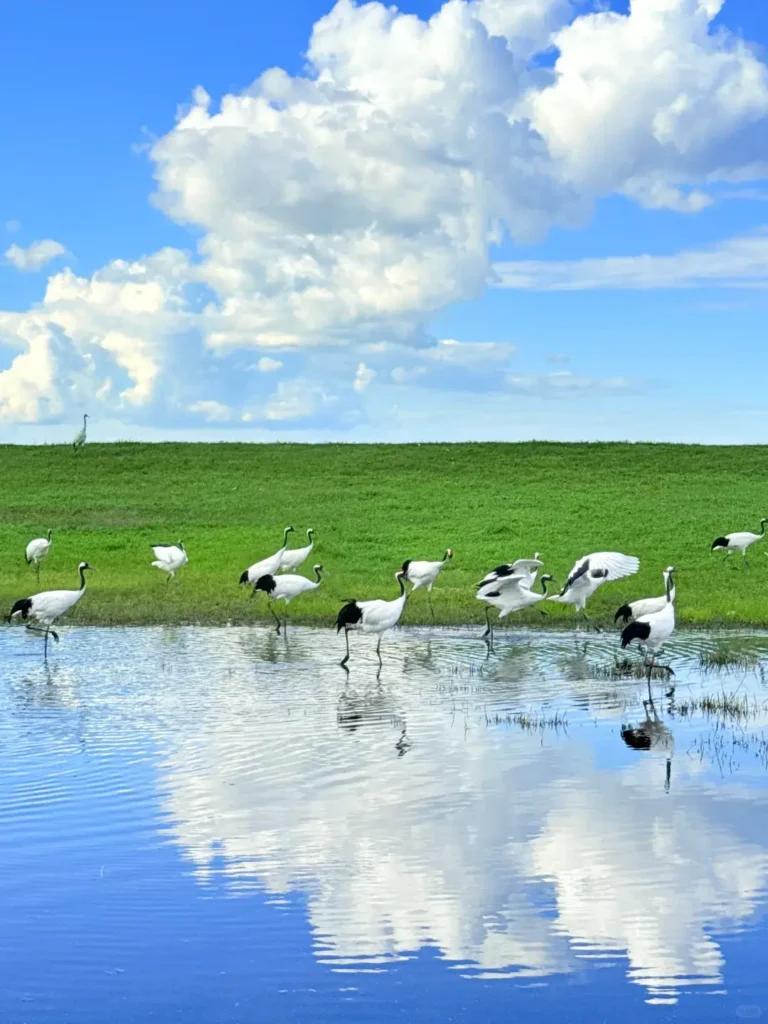
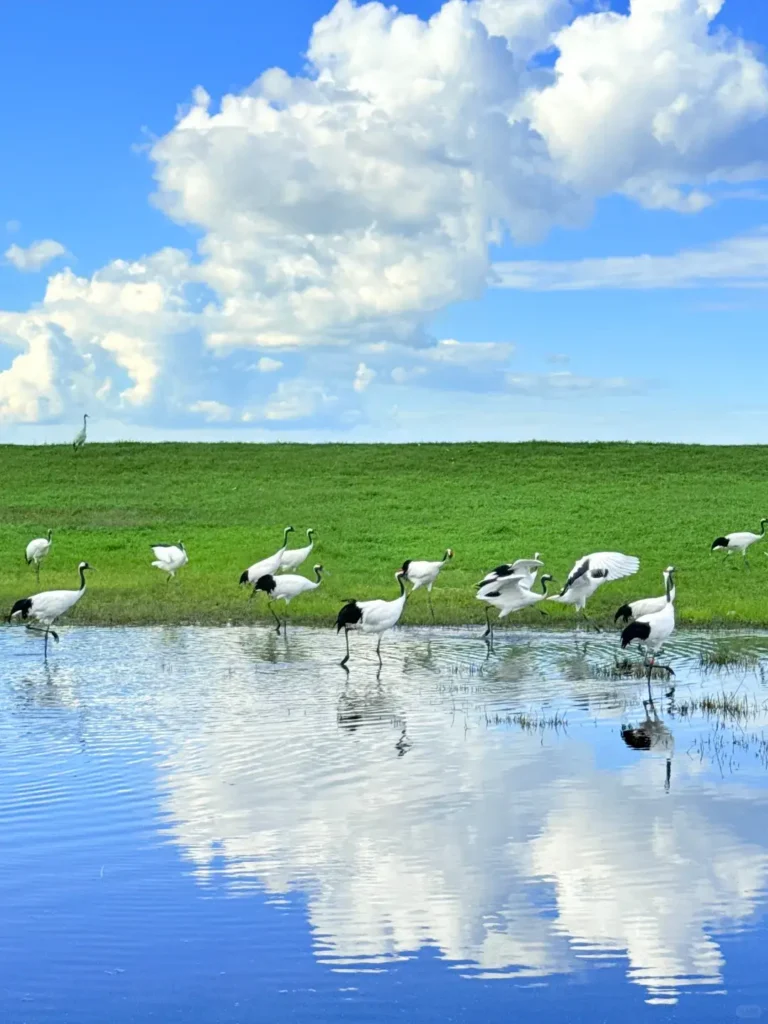
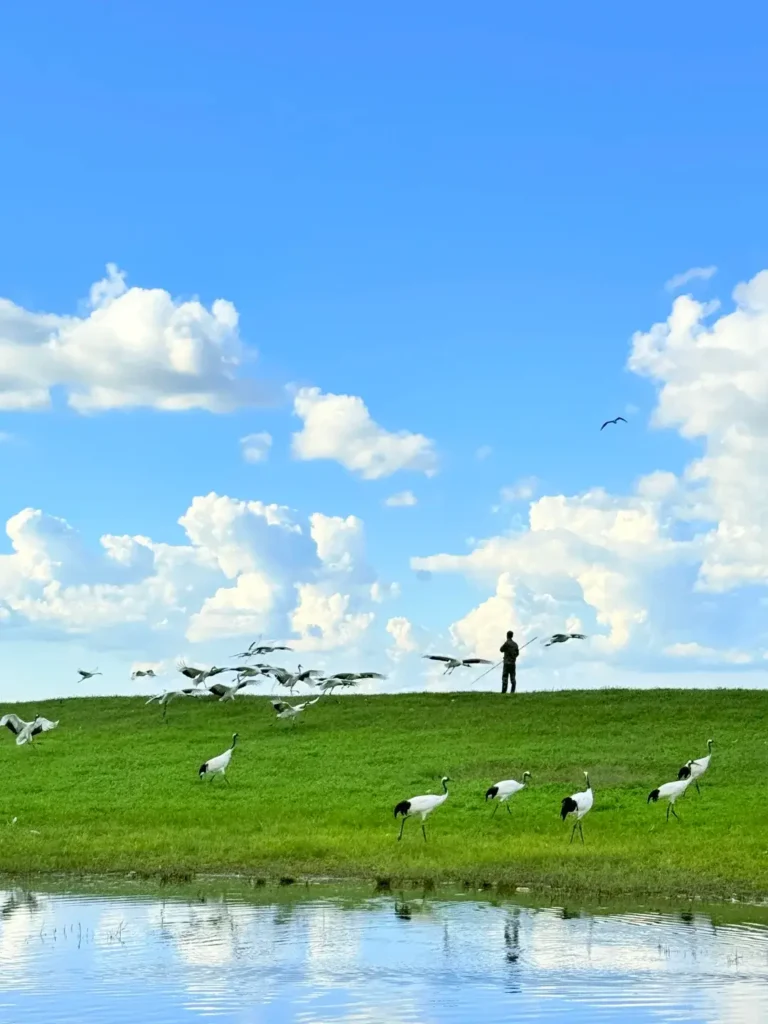
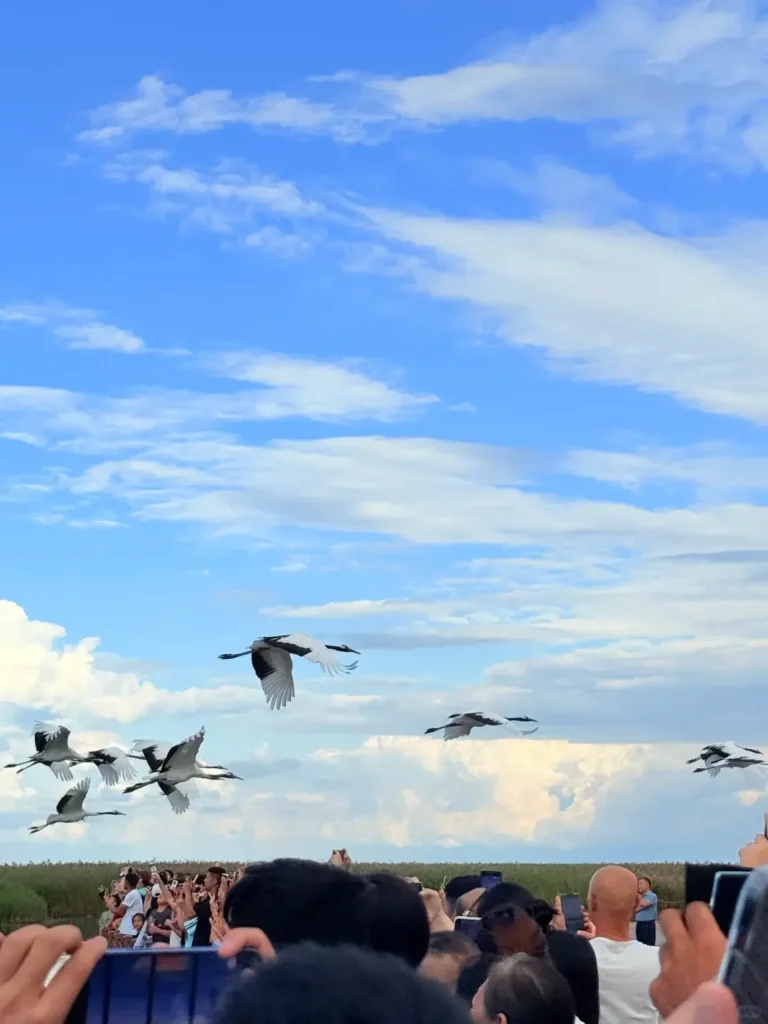
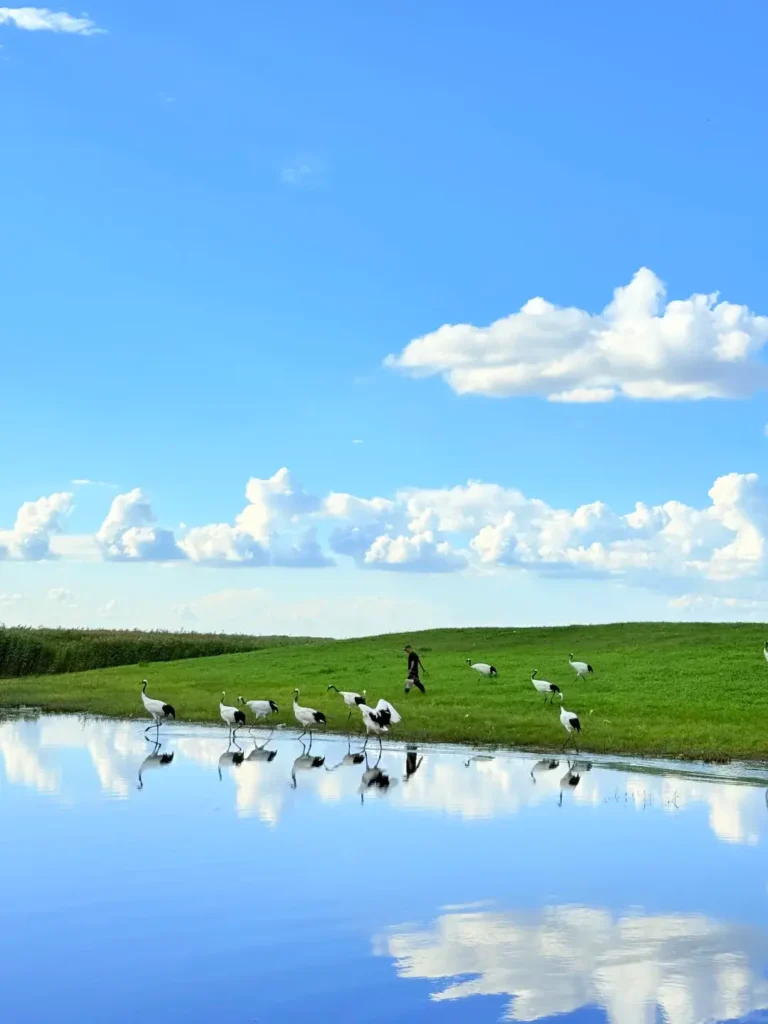
1. The Crown Jewel of Ecology: Zhalong Nature Reserve This is the undisputed highlight of the region and the centerpiece of any Qiqihar travel guide. Covering an astonishing 210,000 hectares, the Zhalong Nature Reserve is the world’s largest habitat for wild red-crowned cranes. Watching these majestic, highly endangered birds gracefully take flight over the vast reeds is an ecological miracle. The reserve acts as a crucial global breeding ground, making it a paradise for bird-watchers and nature photographers.
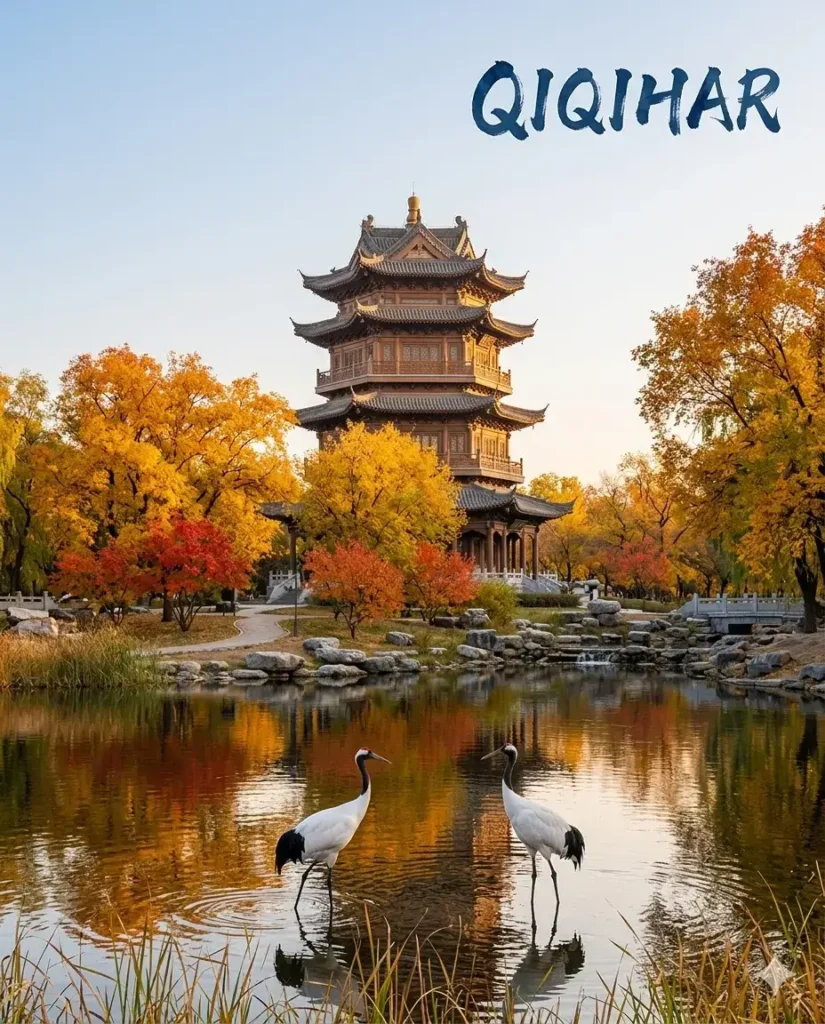
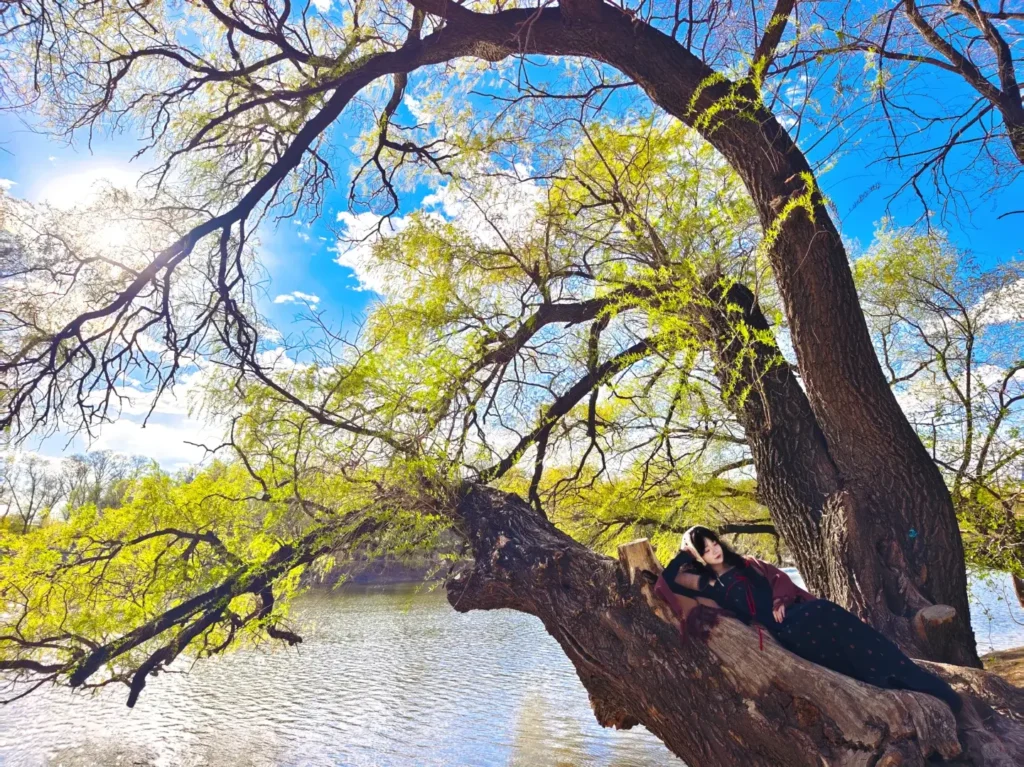
2. The Historic Heart of the City: Longsha Park As the largest comprehensive park in Northeast China, Longsha Park has served as the city’s green lung for over a century. Any comprehensive Qiqihar travel guide will direct you here to see its classical Chinese pavilions, ancient libraries, and stunning seasonal exhibitions, including incredible ice lantern festivals in the deep winter. It is the perfect place to observe local residents practicing Tai Chi or playing traditional instruments.
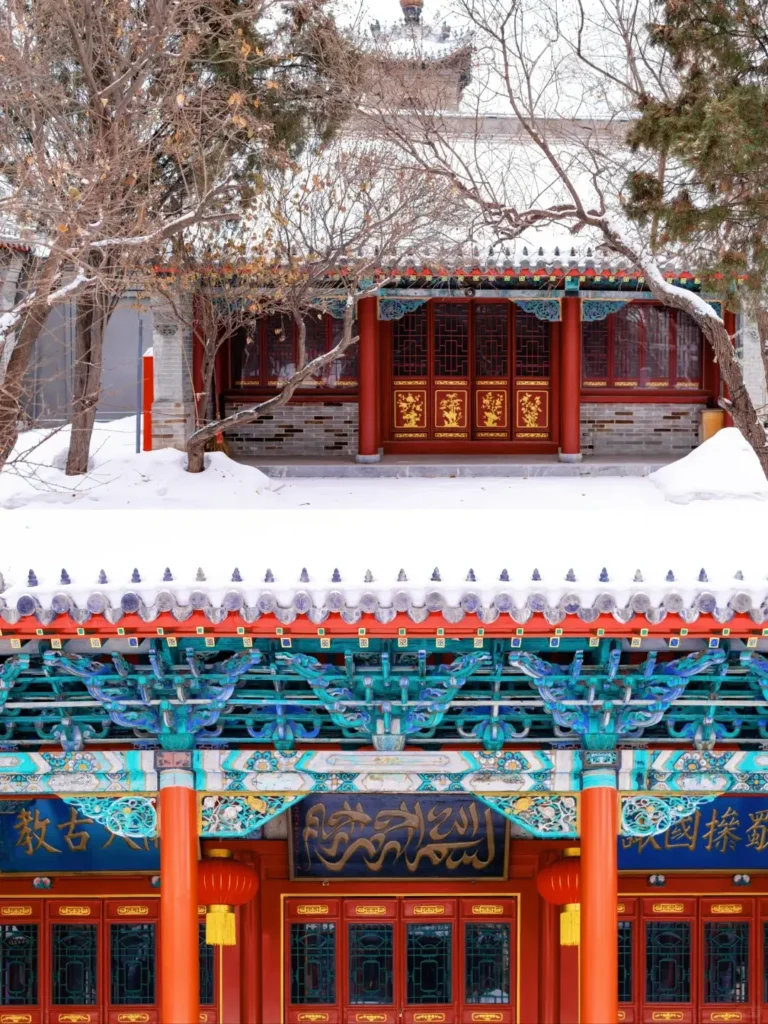
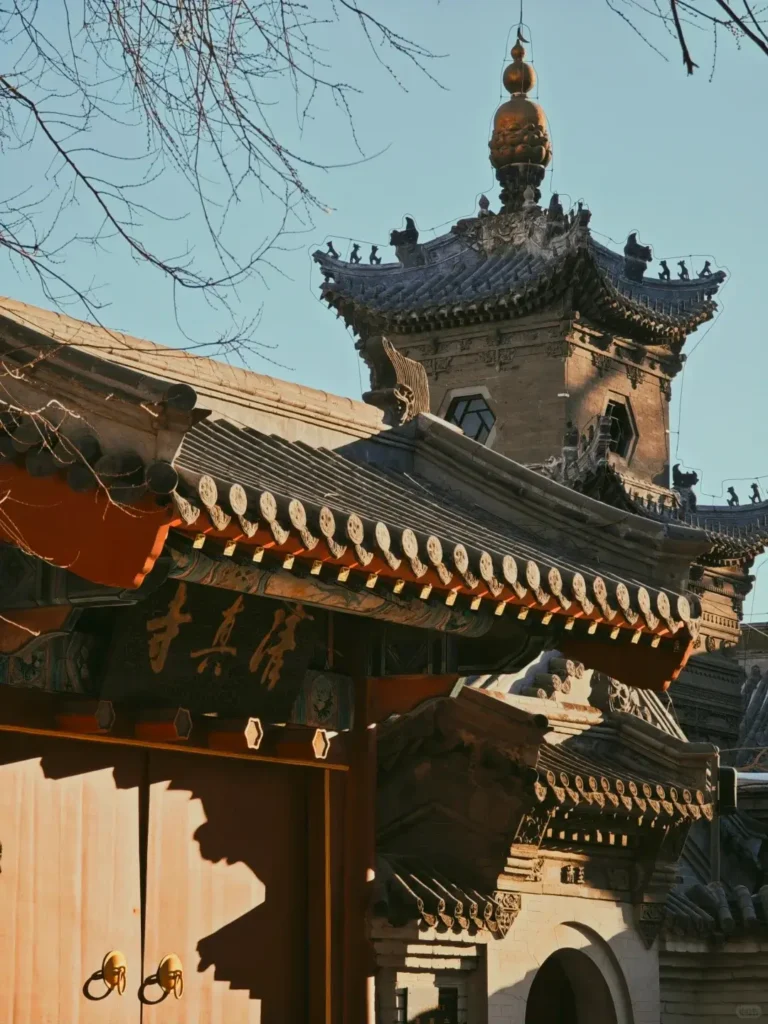
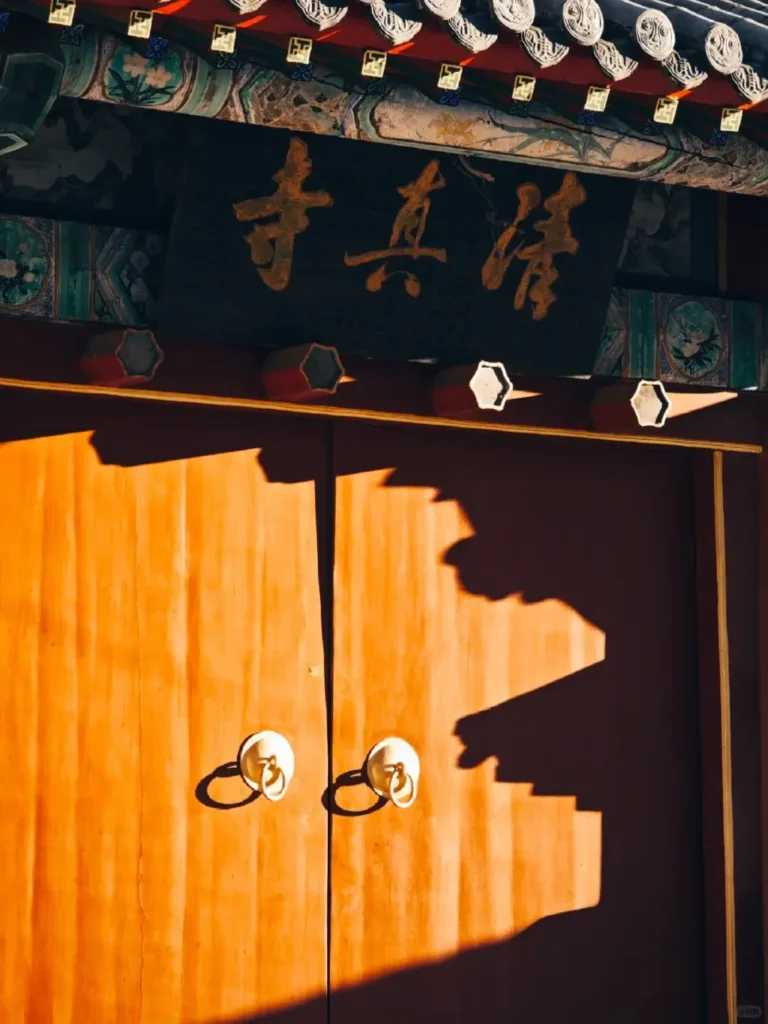
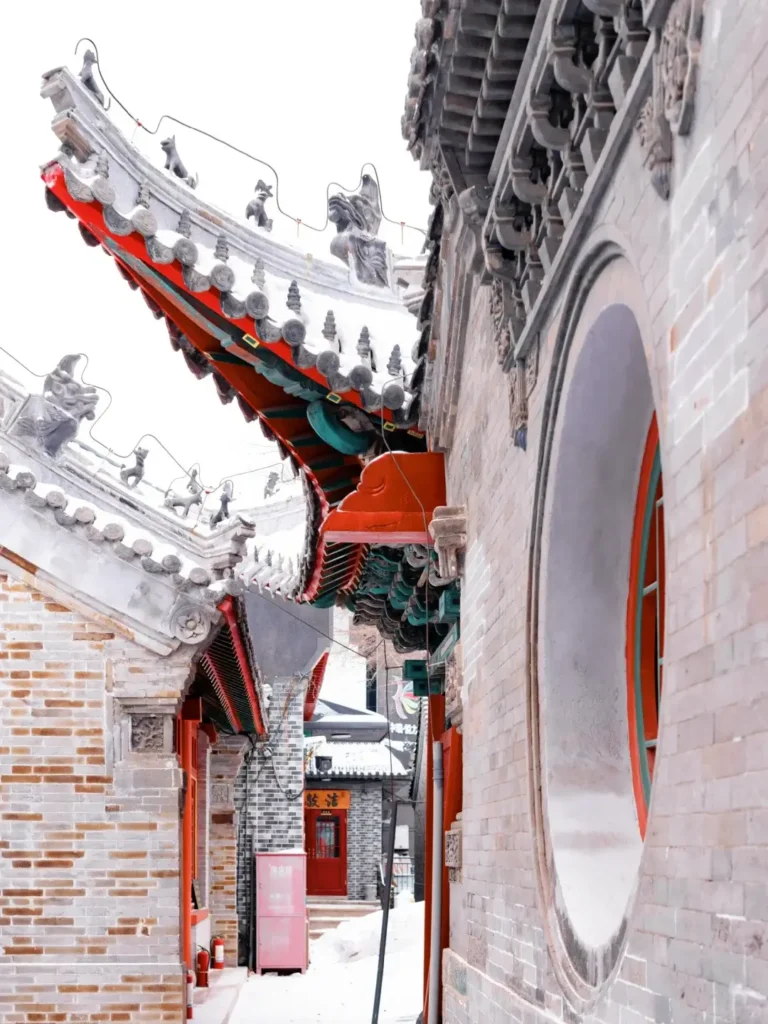
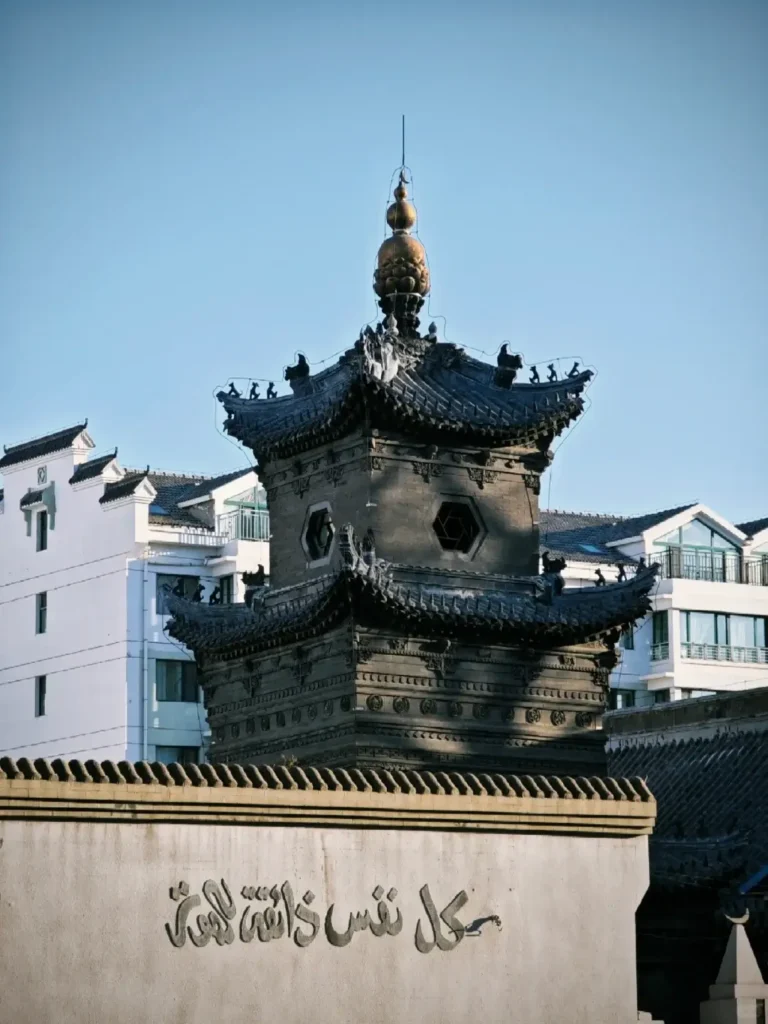
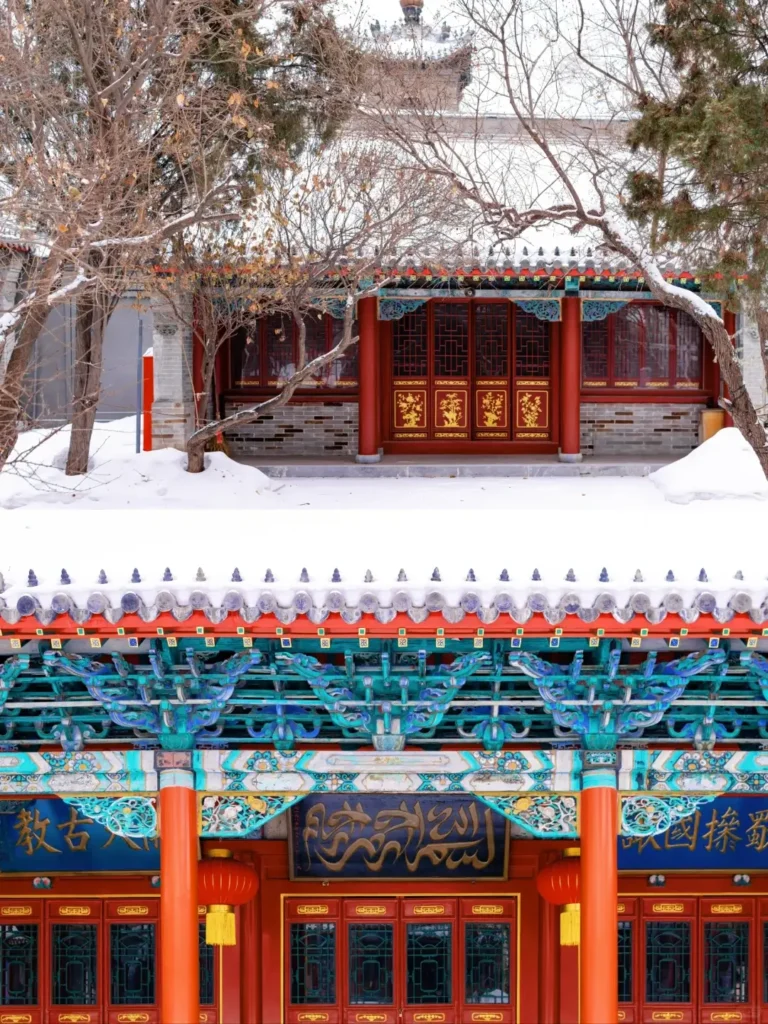
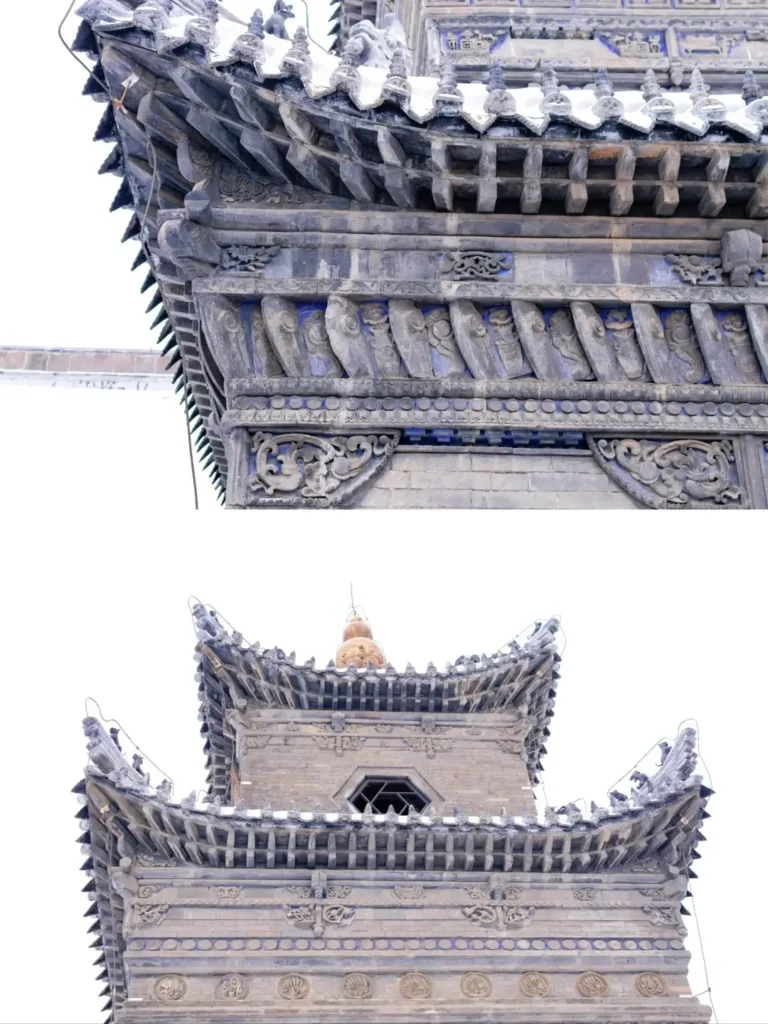
3. Multicultural Architecture: Bukui Mosque A testament to the region’s diverse and complex history, the Bukui Mosque is a 300-year-old architectural marvel. Built during the Qing Dynasty to serve the Muslim soldiers stationed on the frontier, it beautifully fuses traditional Chinese palace architecture with deep Islamic artistic motifs. It is the largest and best-preserved ancient wooden structure in the city, an essential stop in this Qiqihar travel guide.
🍜 A Local Food Guide: Tastes of the Crane City
You cannot read a Qiqihar travel guide without dedicating serious time to its culinary scene. The food here is legendary across China, heavily influenced by nomadic Mongolian traditions, rich black-soil agriculture, and premium local beef. You must try these staples:
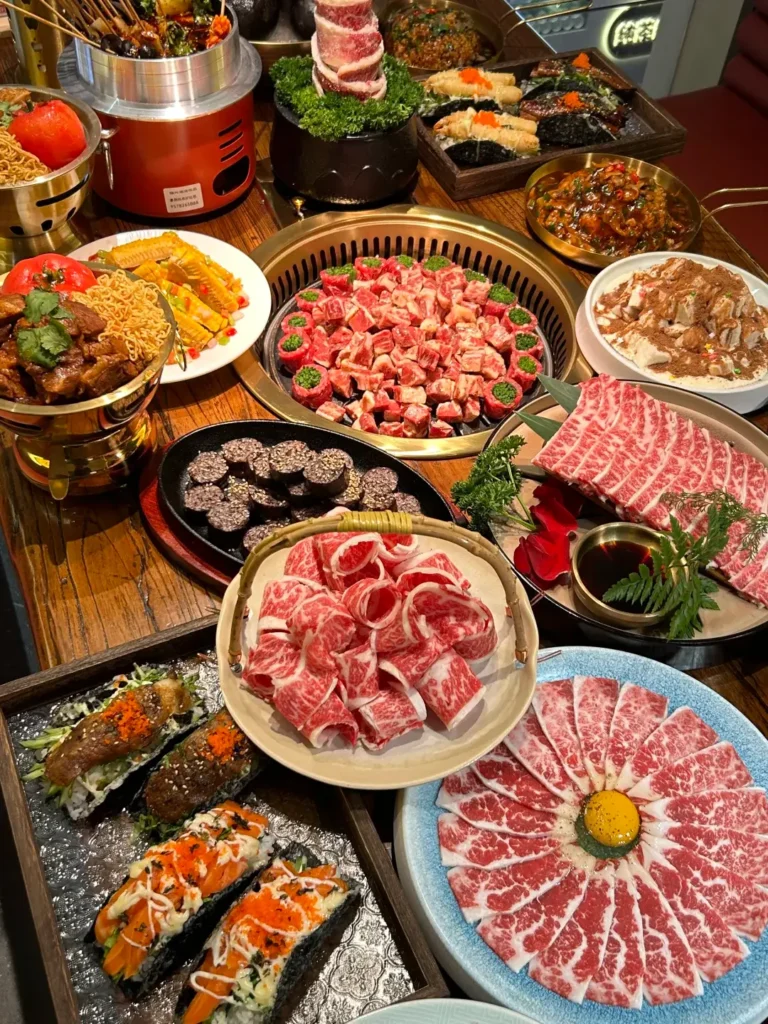
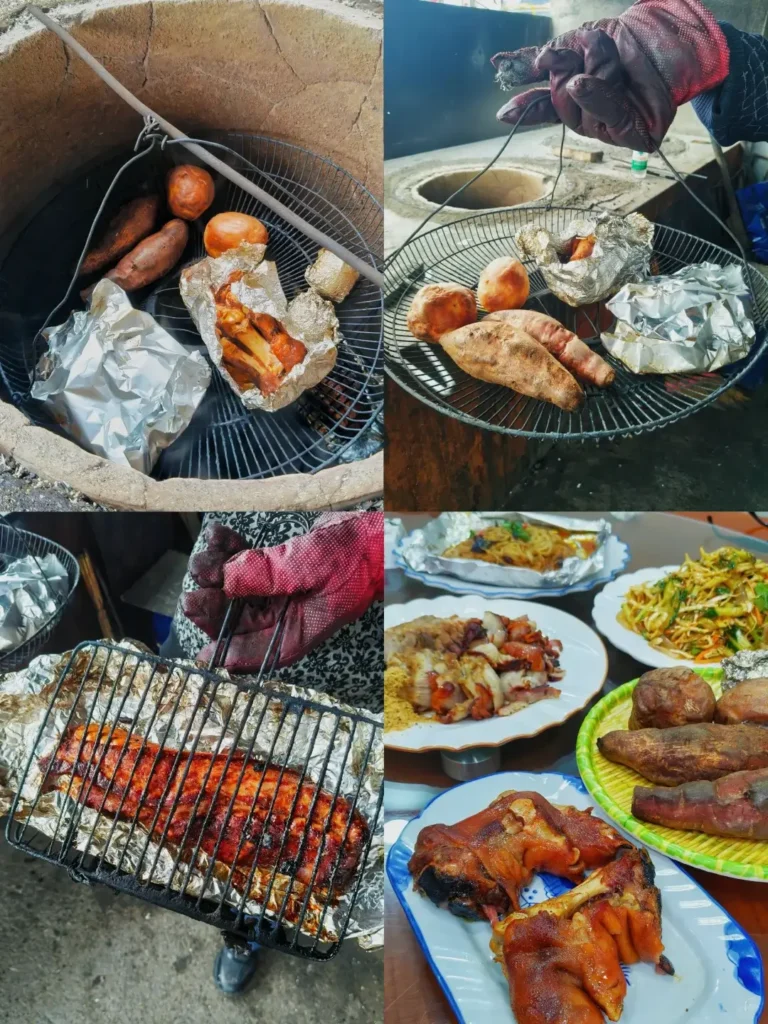
- Qiqihar BBQ (Kao Rou): The absolute soul of the city and the number one recommendation in this Qiqihar travel guide. Premium local beef, often sourced from the nearby Mongolian grasslands, is expertly sliced, marinated with a secret blend of onions, cilantro, spices, and fresh soybean oil. It is then grilled by you at your table over an open charcoal flame using a custom iron griddle.
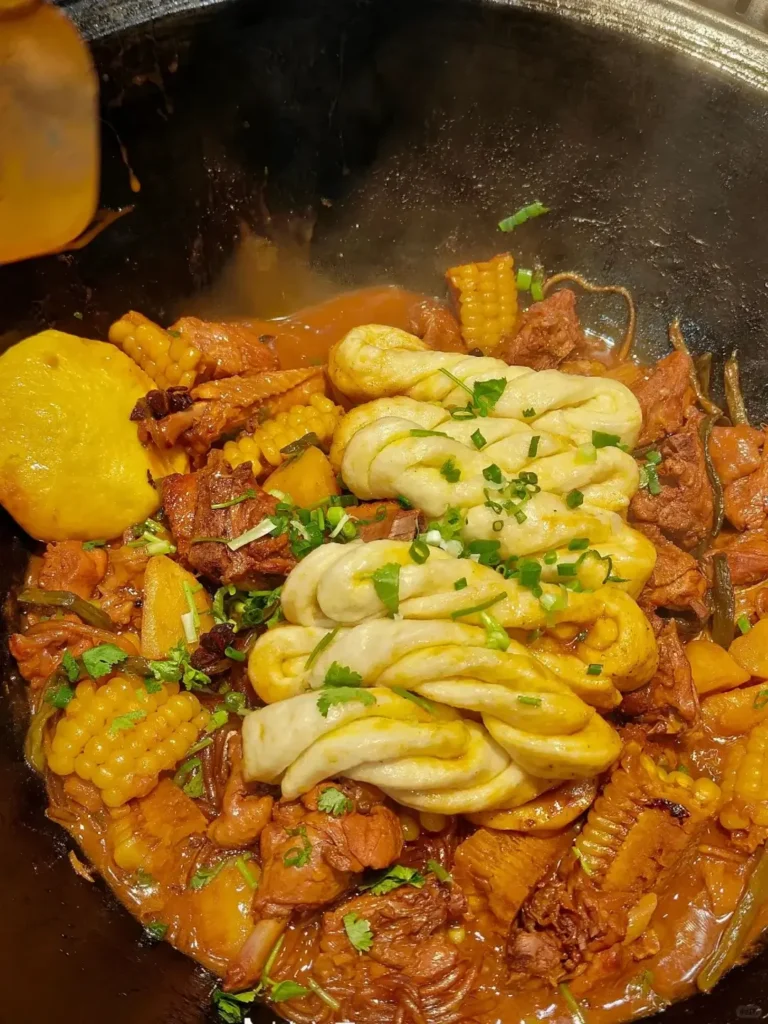
- Northeastern Iron Pot Stew (Tieguo Dun): A rustic, communal dining experience perfect for the freezing winters. A massive iron wok is built into the center of the table, stewing rich broths of local Nenjiang River fish, free-range goose, or pork ribs.
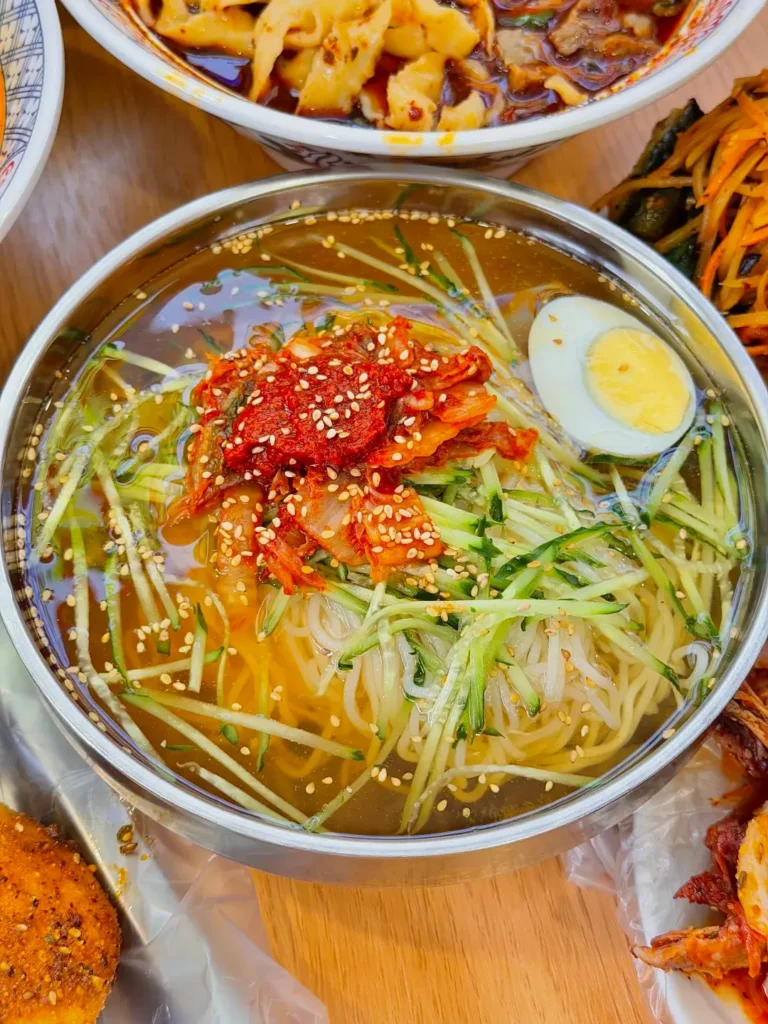
- Korean-Style Cold Noodles (Leng Mian): A refreshing, sweet and sour iced noodle soup heavily influenced by nearby Korean-Chinese communities. It is the perfect, cooling counter-balance after a heavy meal of hot barbecue.
🗺️ The Ultimate Qiqihar Travel Guide: 7-Day Itinerary Route Breakdown
To truly understand this complex city, you need time. This definitive Qiqihar travel guide breaks down a 7-day exploration, ensuring your Qiqihar itinerary delivers the perfect balance of urban history, culinary excess, and deep wetland ecology.
🏛️ Phase 1 (Days 1-2): Urban History and Legendary Barbecue
Your journey begins by establishing a base in the city center, absorbing the historical context before venturing out into the wild.
Day 1: Arrival and The Green Heart of the City
- Morning Logistics: Arrive at Qiqihar South Station via high-speed rail. Use your ride-hailing app to take a taxi directly to your downtown hotel in the Jianhua or Longsha district.
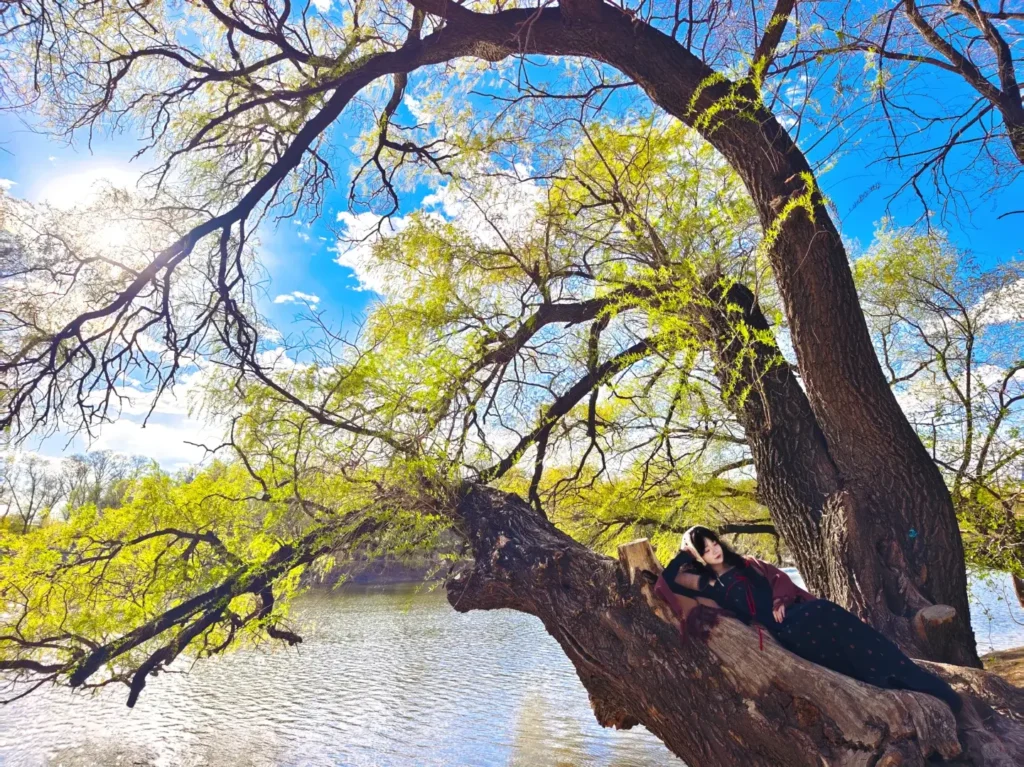
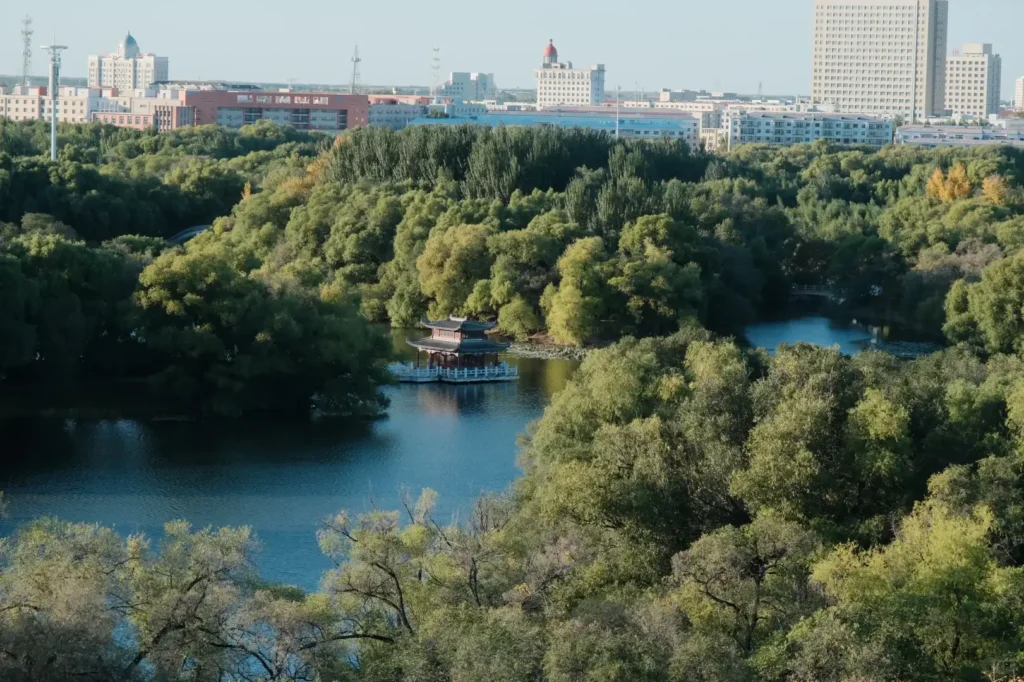
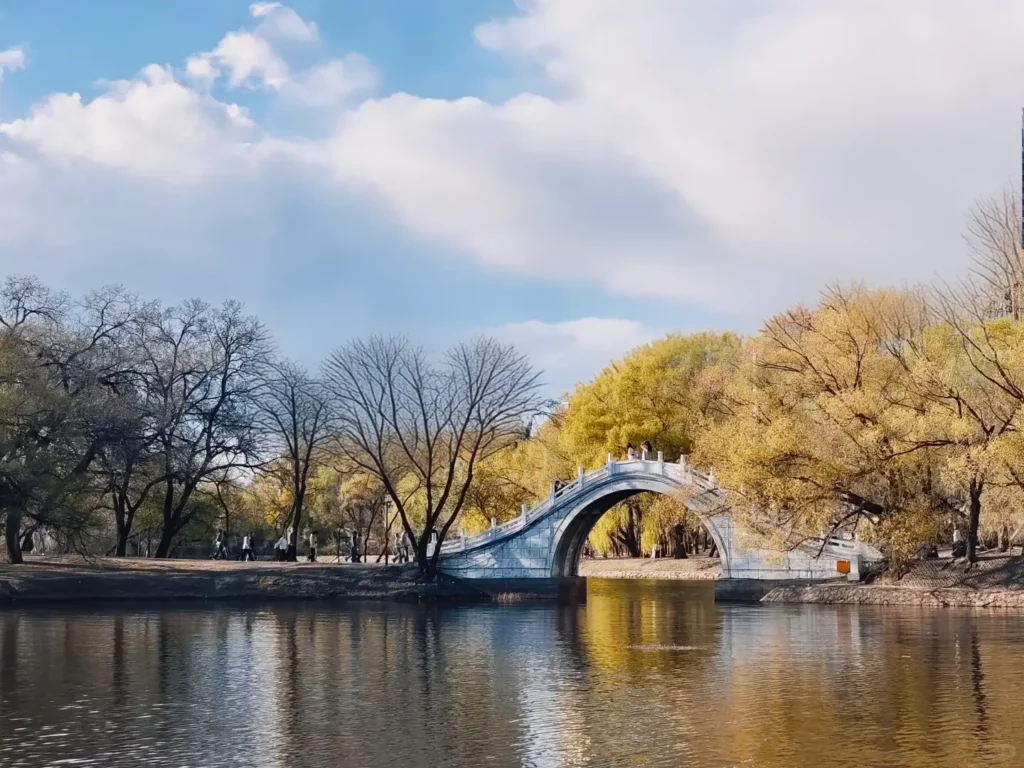
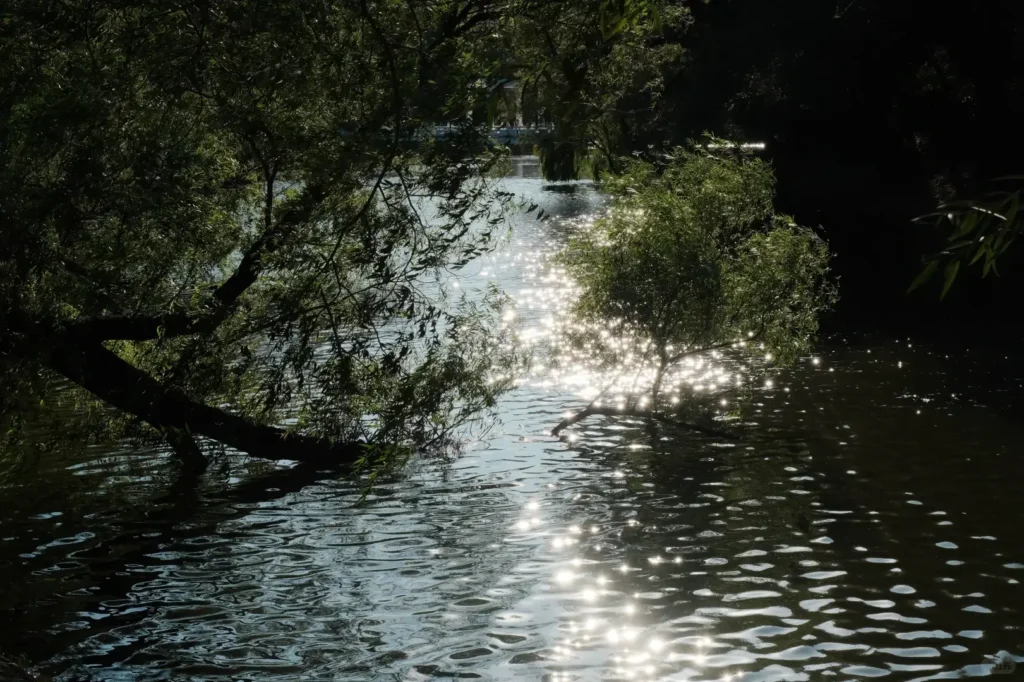
- Afternoon Experience: According to this Qiqihar travel guide, your first stop should be the iconic Longsha Park. Walk through the classical pavilions, climb the Watchtower (Wangjiang Lou) for a panoramic view of the city, and absorb the relaxed local atmosphere.
- Evening Experience: Kick off your trip with the most important culinary event: an authentic Qiqihar BBQ feast. Follow the smoke to any bustling local restaurant. The locals take their barbecue incredibly seriously, and so should you.
Day 2: Multicultural Echoes and Museums
- Morning Experience: Start your day early and visit the Bukui Mosque. Marvel at the intricate wooden carvings that blend Chinese dragon motifs with Islamic calligraphy.
- Afternoon Experience: Explore the Qiqihar Museum. This is a crucial stop in our Qiqihar travel guide to help you understand the deep nomadic history, the Daur ethnic minority culture, and the military history of the Heilongjiang borders during the Qing Dynasty.
- Evening Logistics: Rest at your hotel and prepare your camera gear. Make sure all your batteries are fully charged for tomorrow’s wildlife expedition into the wetlands.
🦢 Phase 2 (Days 3-5): Deep Wetlands and Endangered Cranes
The middle phase of this Qiqihar travel guide takes you far outside the urban center and into one of the most important ecological zones in Asia.
Day 3: The Zhalong Expedition
- Morning Logistics: Hire a private car or take the dedicated tourist bus from the city center to the Zhalong Nature Reserve (approximately a 45-minute drive).
- Afternoon Experience: Walk the expansive, elevated wooden boardwalks through the endless marshes. The highlight of this Qiqihar travel guide is witnessing the scheduled flight release of the red-crowned cranes. Watching hundreds of these massive birds soar directly over your head is an unforgettable spectacle.
- Evening Experience: Return to the city center as the sun sets. Warm up your body with a hearty, steaming Northeastern Iron Pot Stew.
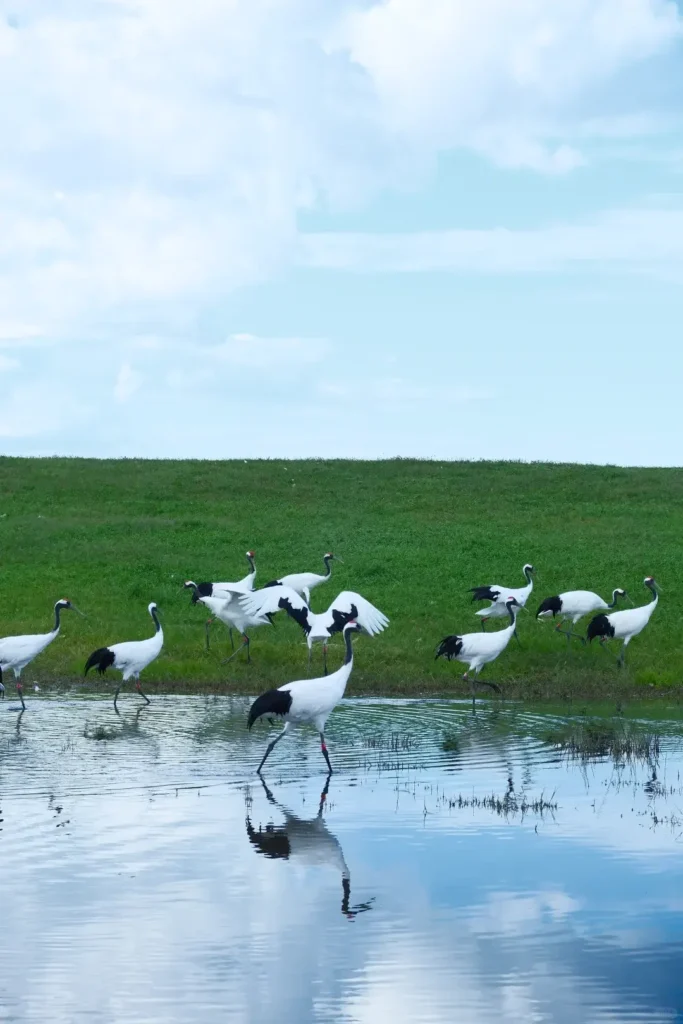
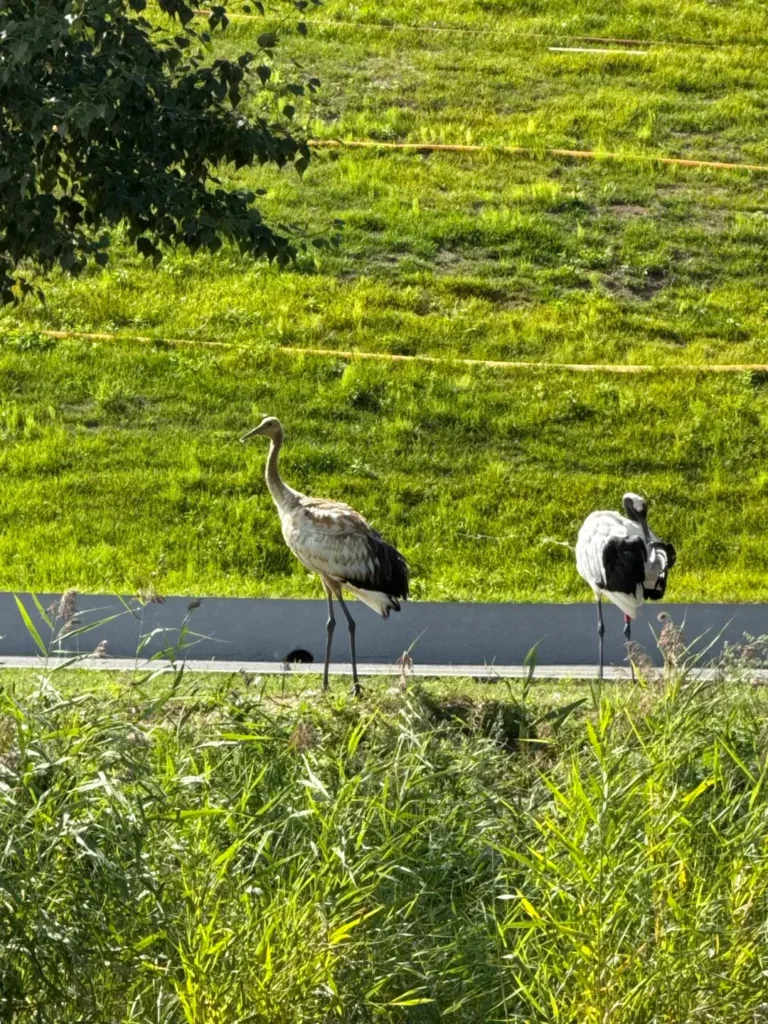
Day 4: Deep Wetland Ecology
- Morning Experience: Return to Zhalong for a quiet morning boat tour deep into the reed mazes. The boats will take you to isolated islands where you can spot wild waterfowl, rare storks, and even wetland deer.
- Afternoon Experience: Visit the local crane breeding and research center within the park to learn about their global conservation efforts to save the Grus japonensis species from extinction.
- Evening Logistics: Enjoy a relaxed evening walking along the Nenjiang River promenade, joining locals in their evening strolls.
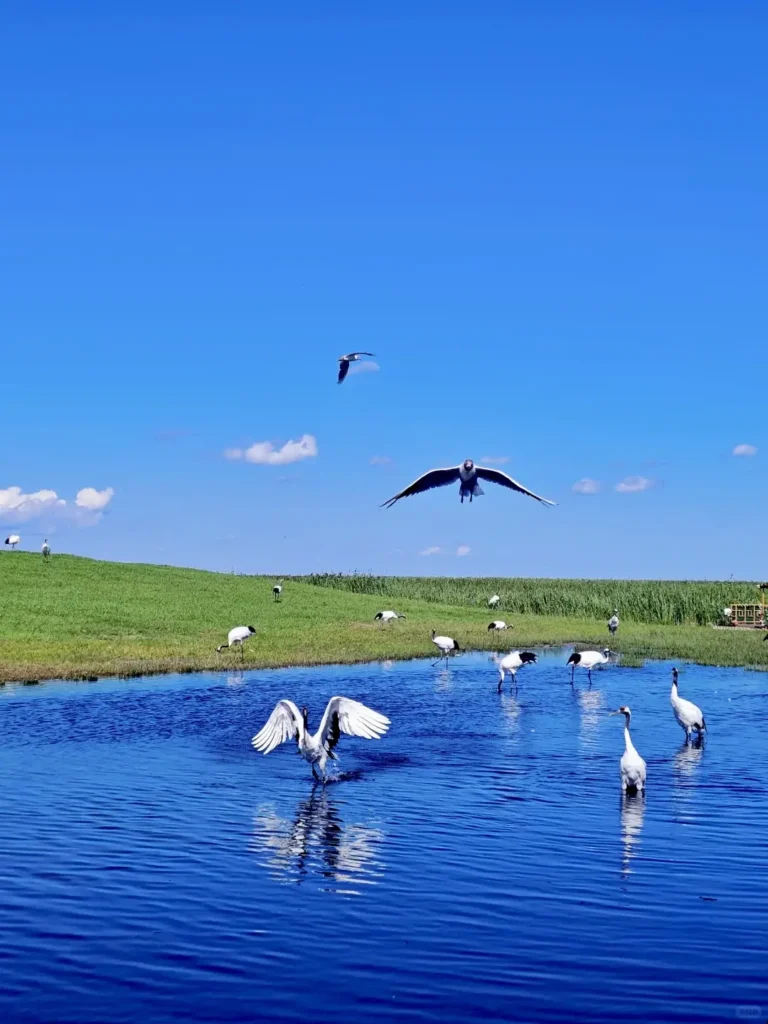
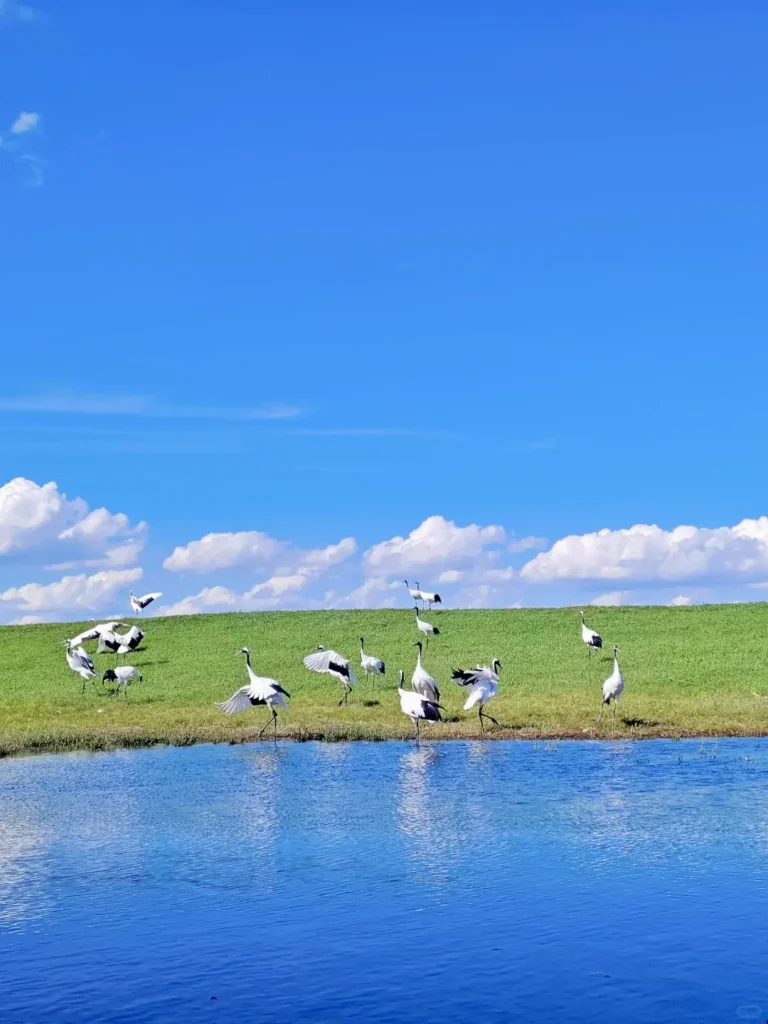
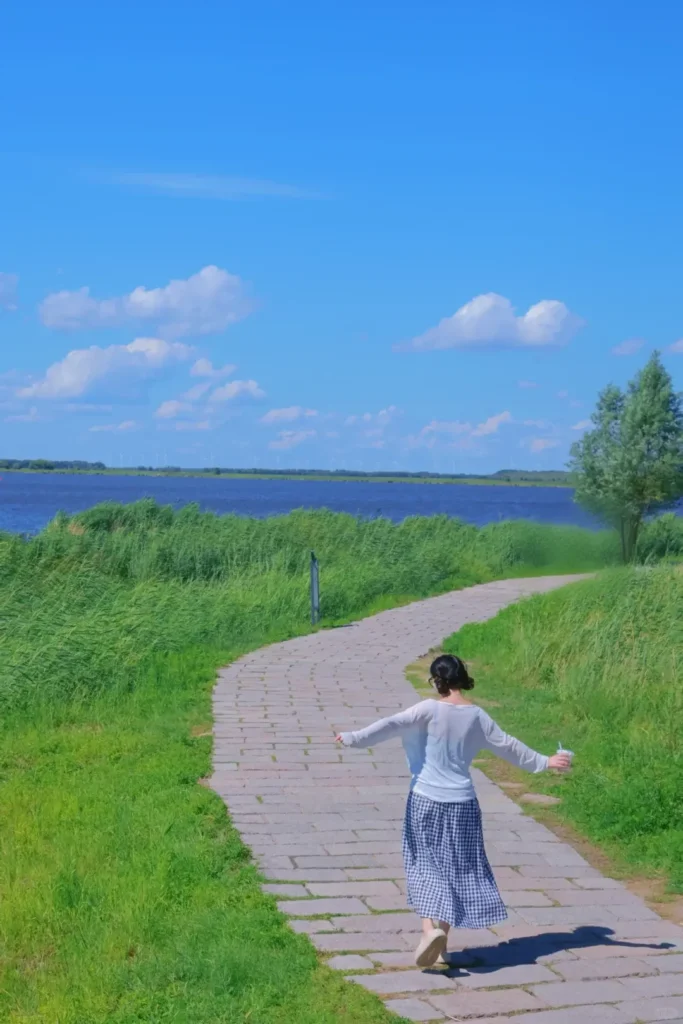
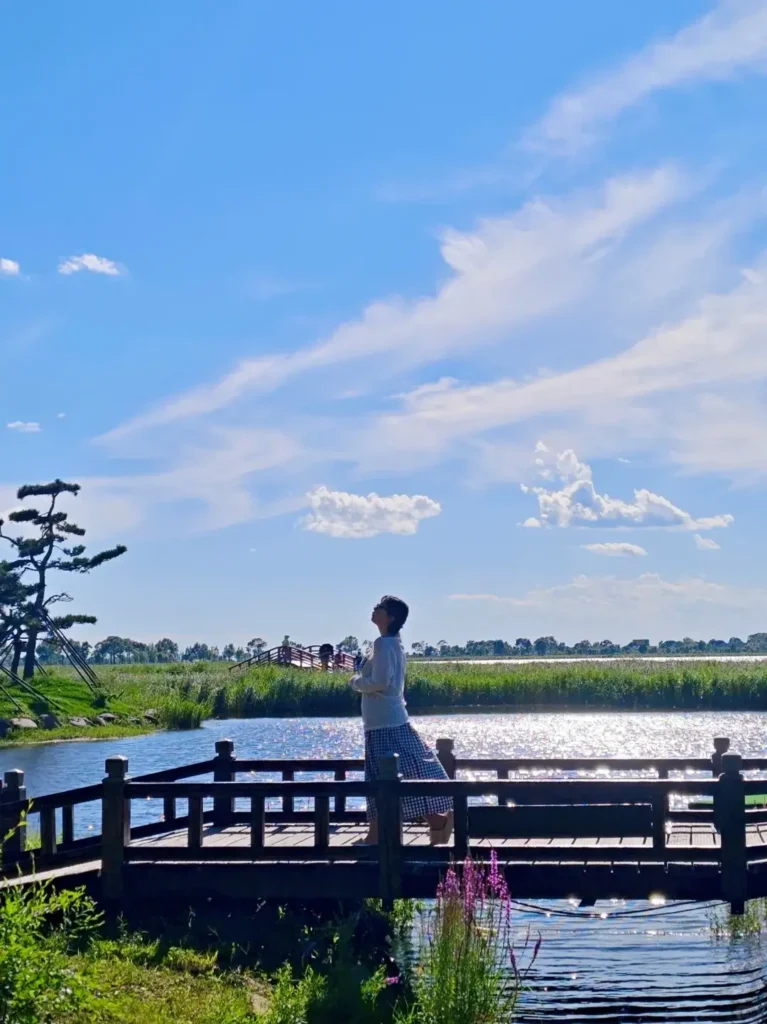
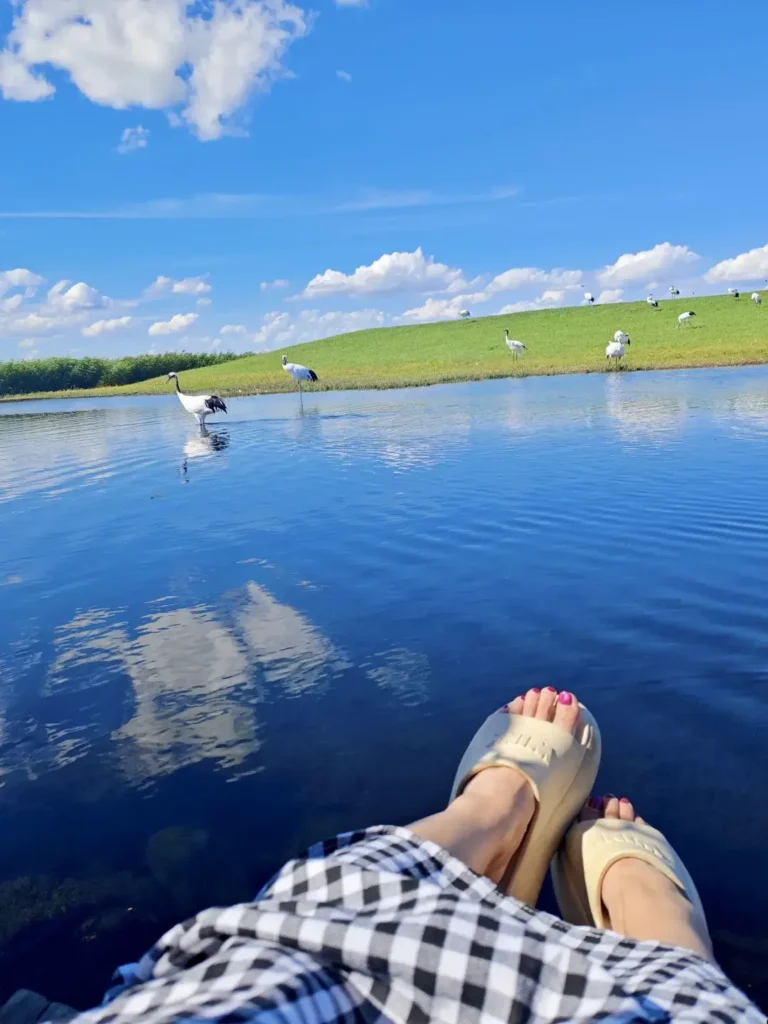
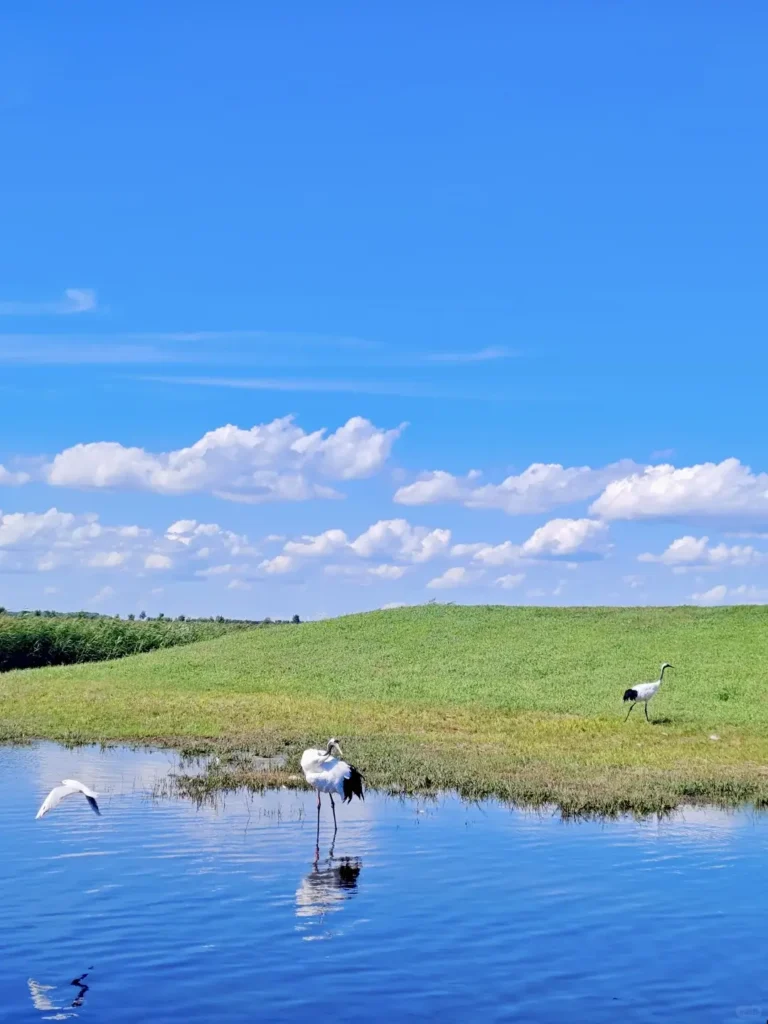
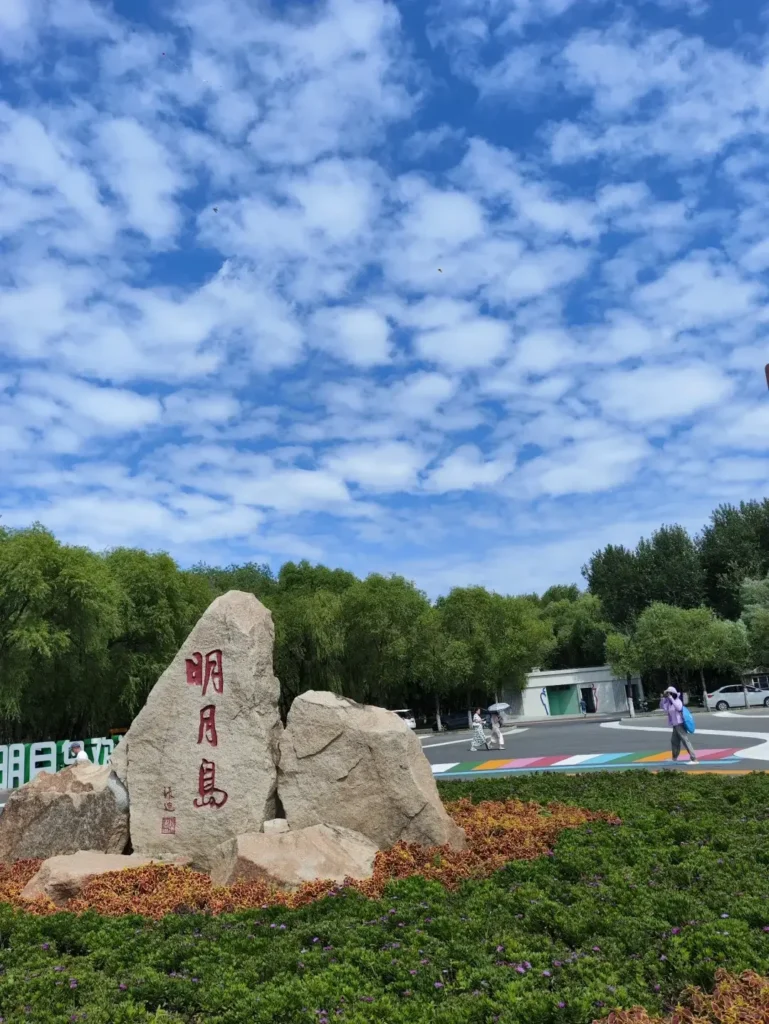
Day 5: Mingyue Island Retreat
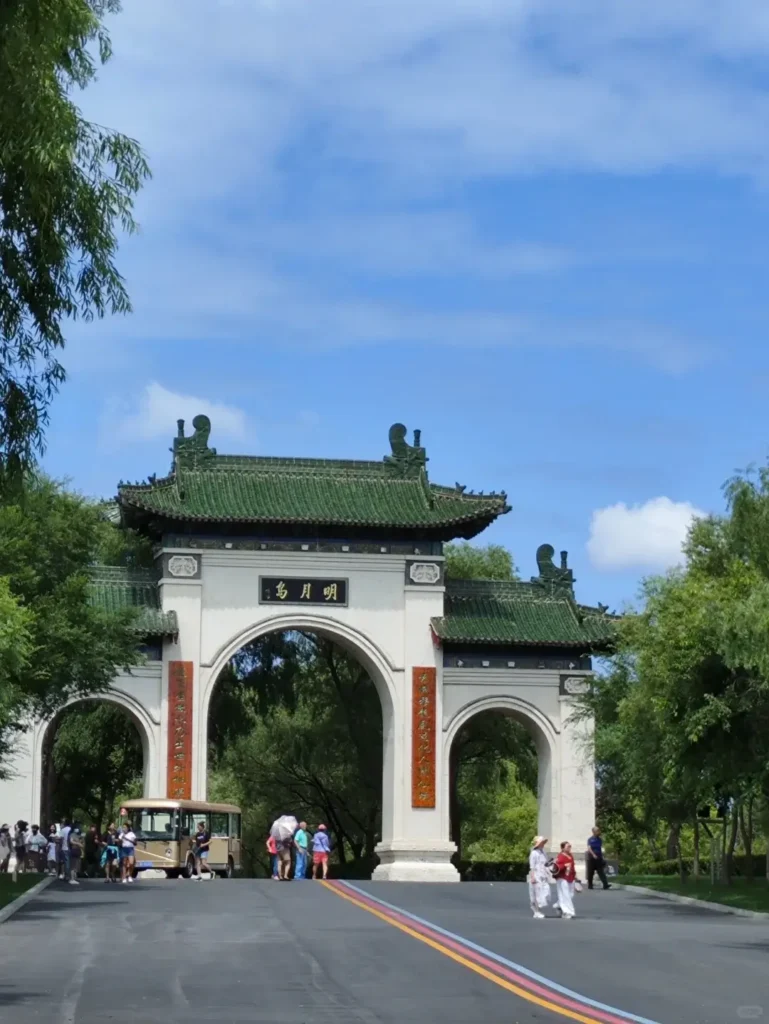
- Morning Logistics: Take a ferry across the Nenjiang River to Mingyue Island (Bright Moon Island), a massive, natural river island.
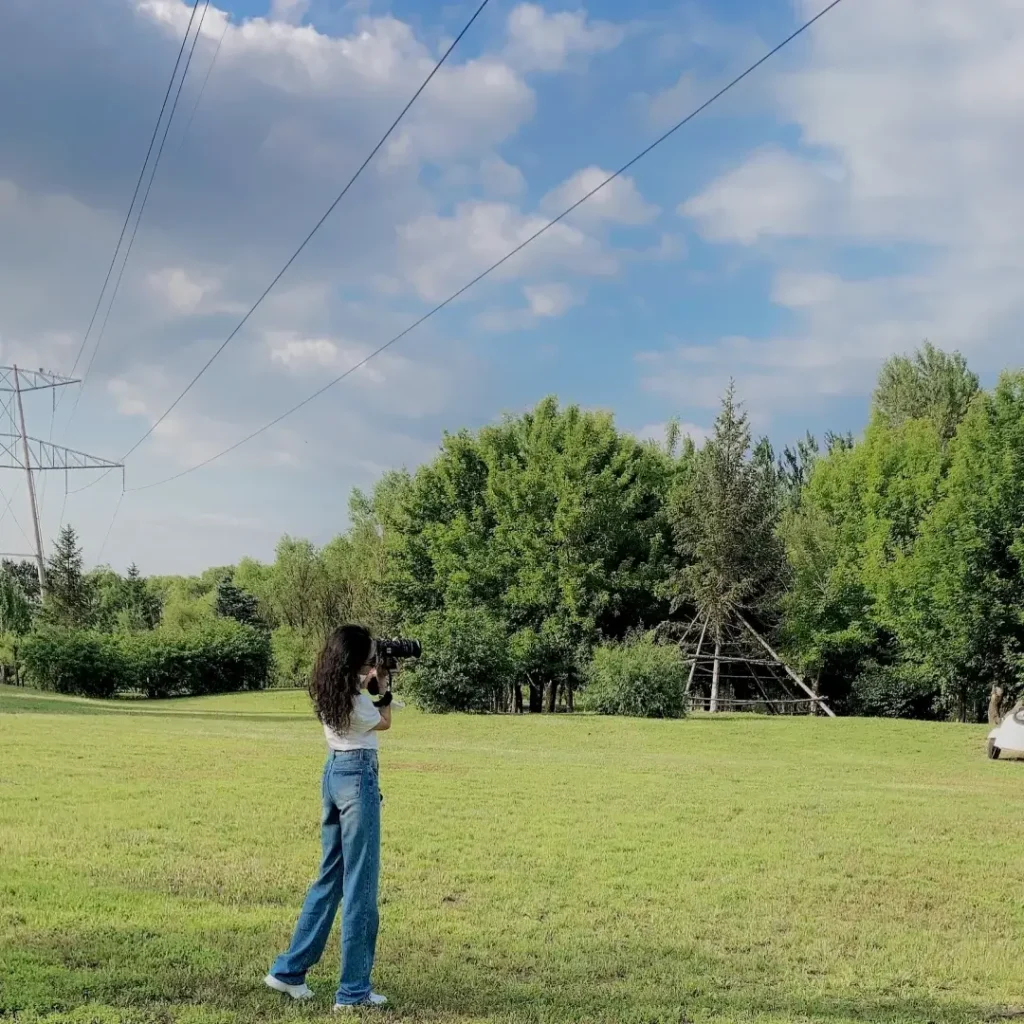
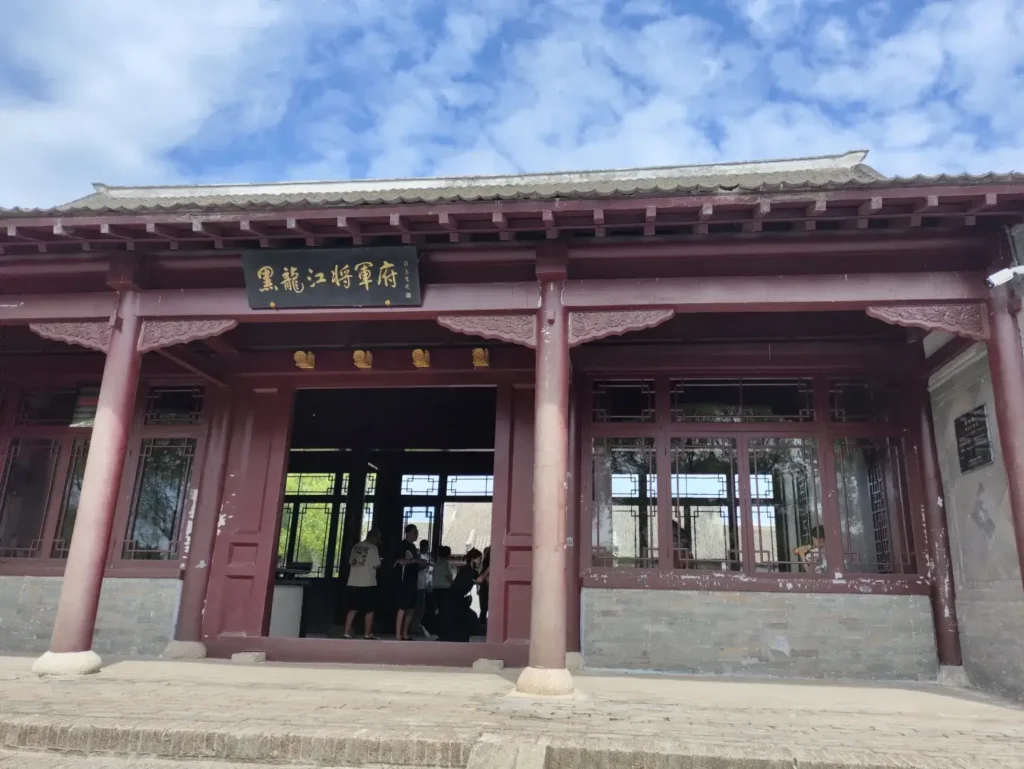
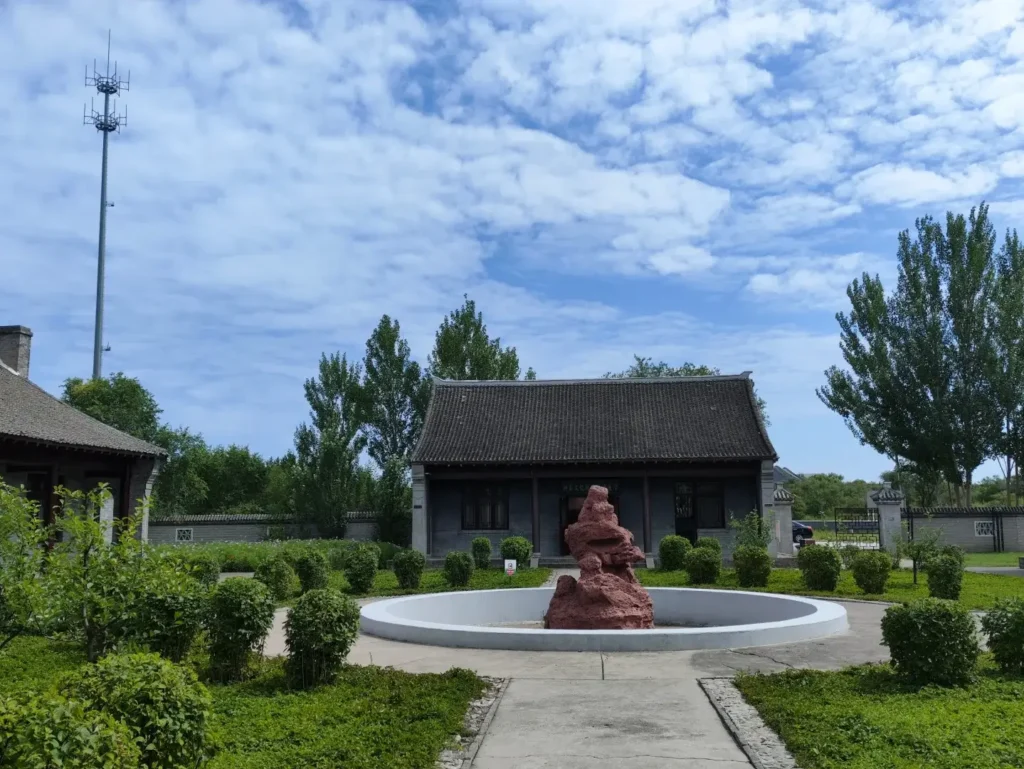
- Afternoon Experience: Rent a bicycle and explore this peaceful, forested island. A unique feature highlighted in this Qiqihar travel guide is the island’s collection of ancient temples and abandoned Russian-style villas built during the railway expansion era.
- Evening Experience: Enjoy local river fish cuisine at a riverside tavern on the island before taking the ferry back to the mainland.

🚄 Phase 3 (Days 6-7): Industrial Heritage and Departure
The final phase of this Qiqihar travel guide focuses on the architectural remnants of the 20th century and collecting final memories.
Day 6: Russian Heritage and Markets
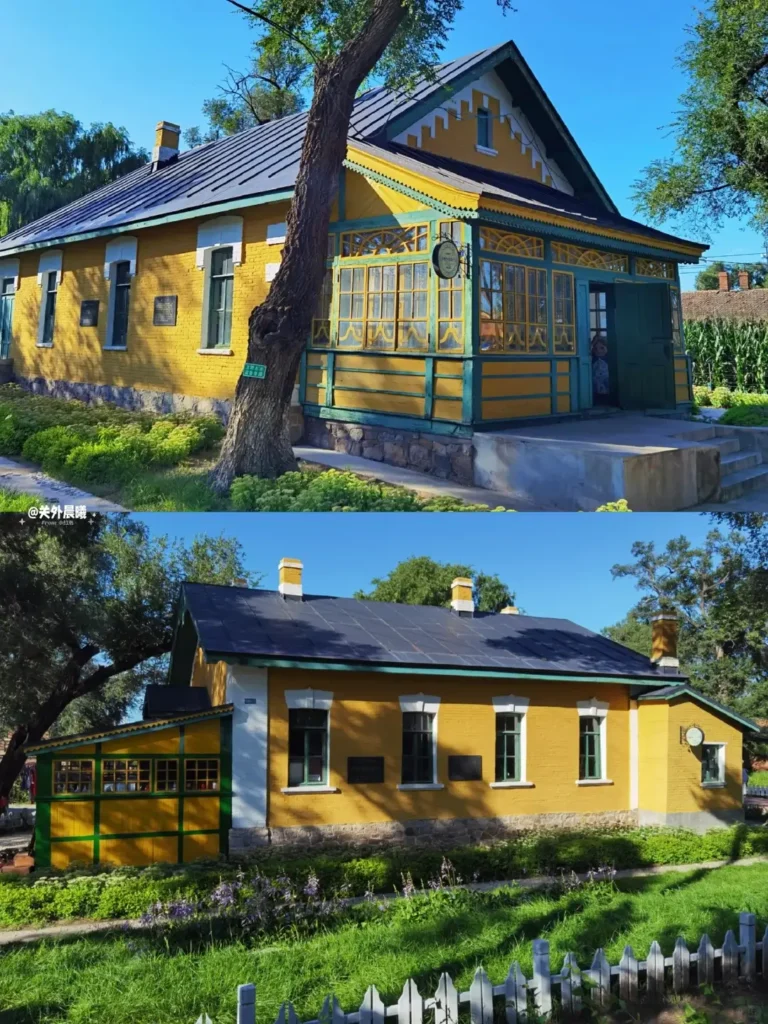
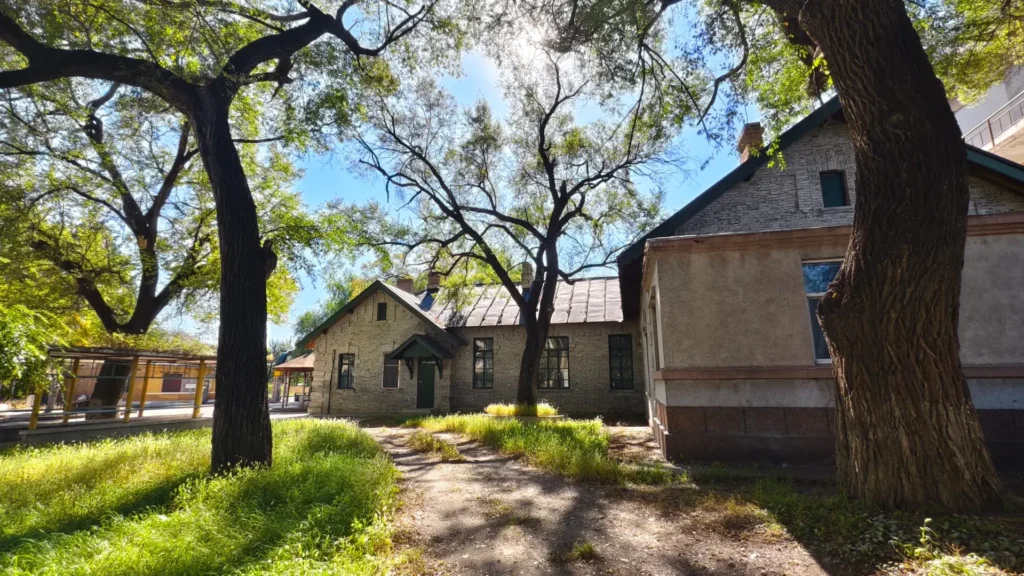
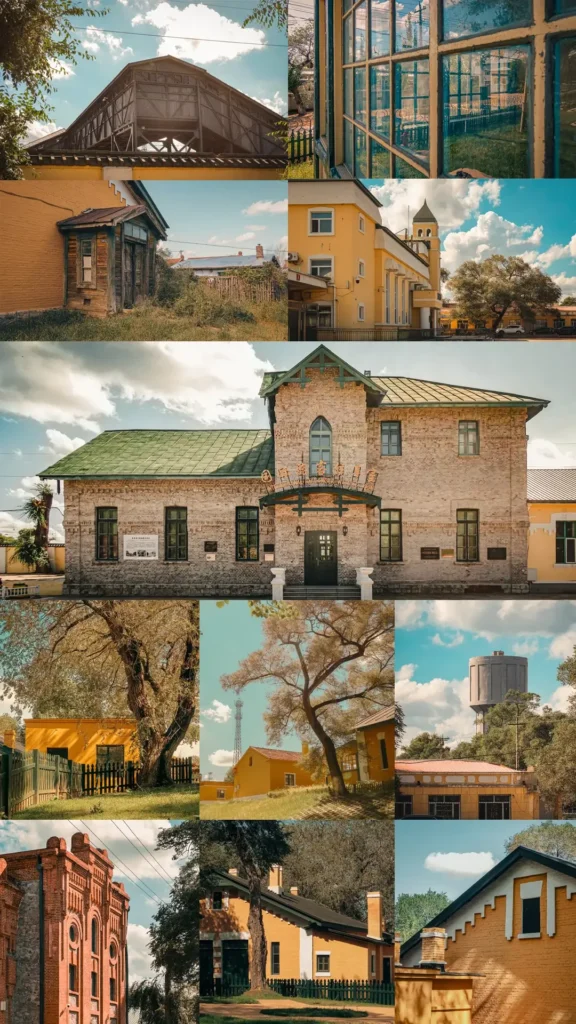
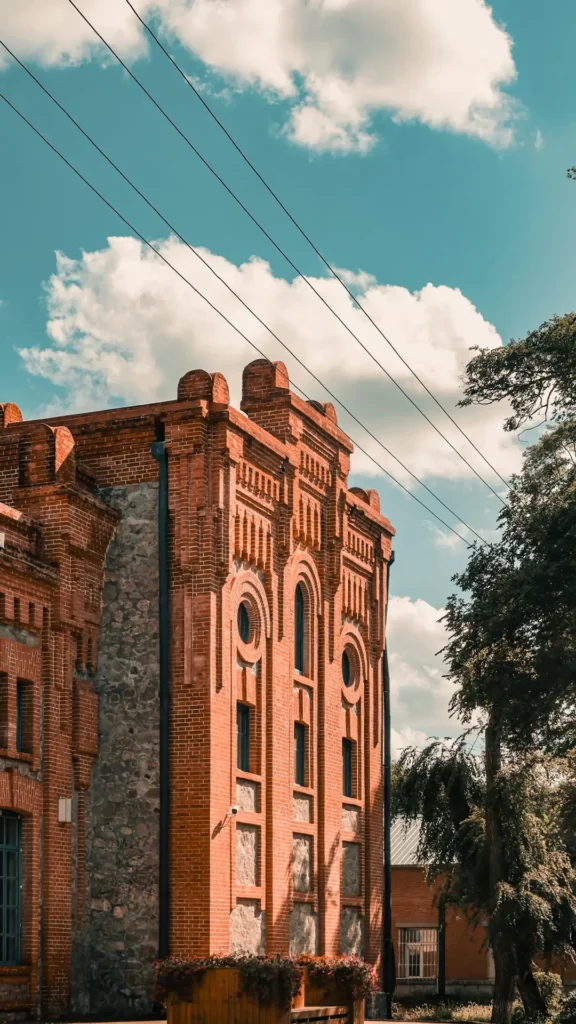
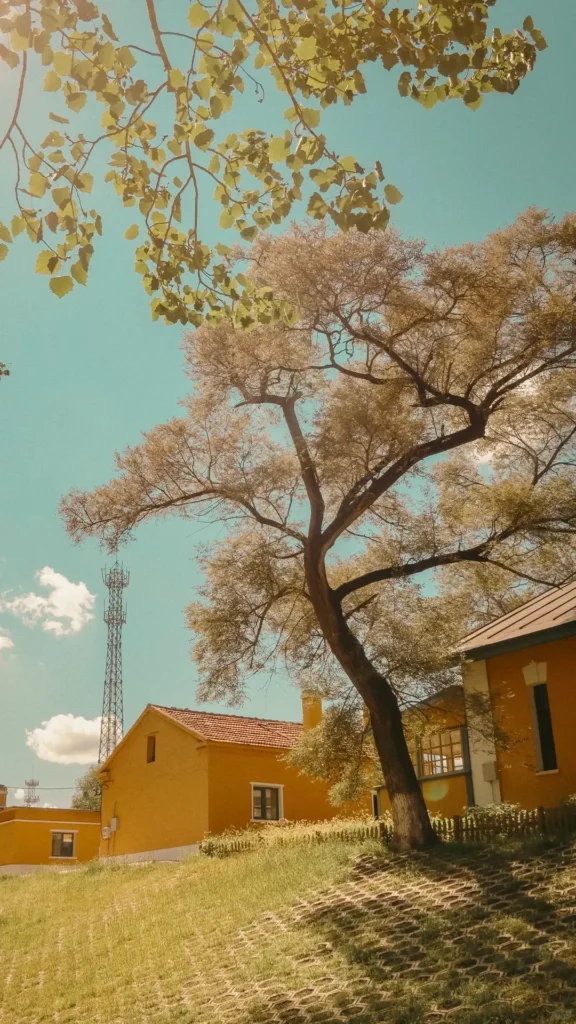
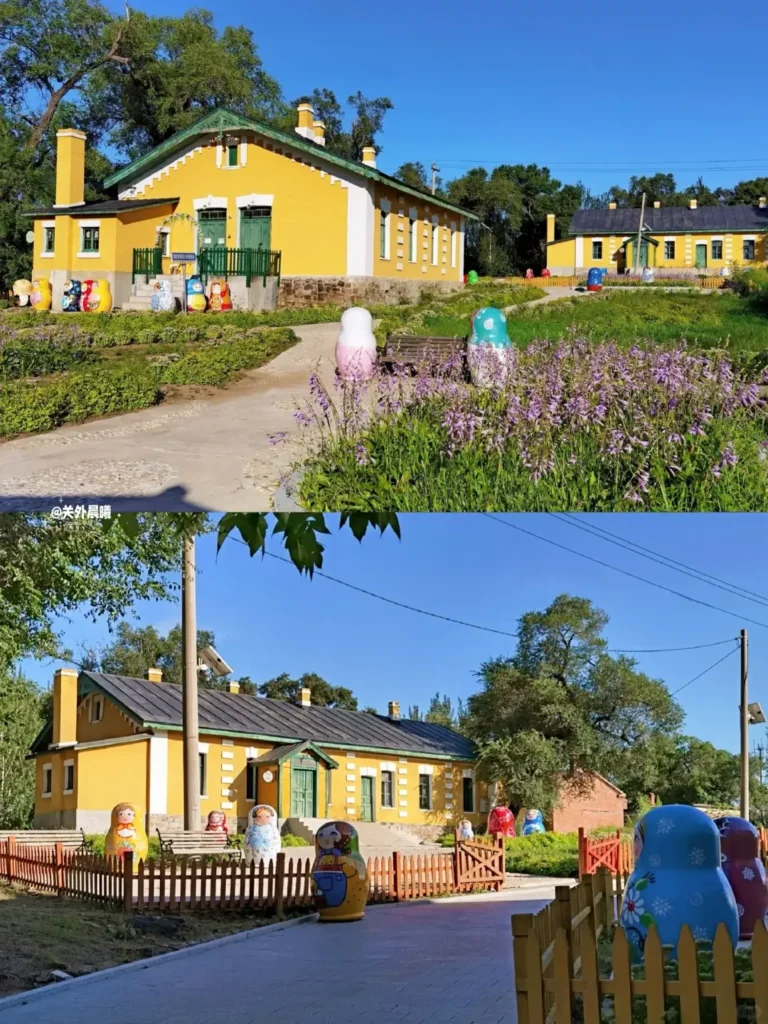
- Morning Experience: Take a taxi to the Ang’angxi District. This area is famous for its beautifully preserved Russian wooden houses, built during the construction of the Chinese Eastern Railway over a century ago. It feels like stepping into a remote Siberian village.
- Afternoon Experience: Explore the bustling local agricultural wholesale markets. This is the best place in our Qiqihar travel guide to buy premium local beef jerky, wild mushrooms, and dairy products.
- Evening Logistics: You cannot leave the city without one last celebratory Qiqihar Barbecue. Revisit your favorite spot or ask a local for a hidden gem recommendation.
Day 7: Final Souvenirs and Departure
- Morning Experience: Enjoy a leisurely morning coffee. Pack your bags and ensure your travel documents are ready.
- Departure Logistics: Retrieve your luggage and head to the airport or railway station to continue your journey. This concludes your epic adventure with our ultimate Qiqihar travel guide.


🎒 Essential Packing & Logistics for the Far North
To ensure your trip is a success, this Qiqihar travel guide provides a deep dive into the mandatory logistics and survival gear required for this extreme northern environment.
🚂 Mastering the High-Speed Railway Network
Navigating to this northern outpost requires tactical use of the official transit apps:
- Advance Booking Rules: High-speed rail tickets to Qiqihar drop exactly 15 days prior to travel. During summer holidays and winter festivals, seats sell out incredibly fast. You must use 12306 (Train Logistics) to lock in your seats immediately when the window opens.
- Ticketless Turnstiles: China operates completely on electronic tickets. At Qiqihar South Station, bypass the paper ticket lines and simply press your original physical passport flat against the automated biometric reader at the turnstiles.
📱 Digital Connectivity & Navigating the Firewall
- Cashless Navigation: Cash is heavily discouraged by local vendors. Link your international Visa or Mastercard directly to Alipay or WeChat Pay (cashless setups) before landing. Complete the identity verification to ensure your transactions flow smoothly when buying barbecue.
- Local Mapping: Google Maps is highly inaccurate and blocked by the firewall. You MUST use Amap (Gaode mandatory navigation) for precise bus routes and real-time taxi hailing. Use Trip.com for all your hotel reservations, ensuring they accept foreign guests.
🥾 Extreme Weather Survival Gear
As emphasized throughout this Qiqihar travel guide, the weather here is extreme.
- Summer Protocol: The wetlands of Zhalong in July are beautiful but heavily populated with mosquitoes. You must bring heavy-duty DEET repellent, sun hats, and long-sleeved, breathable trekking shirts.
- Winter Protocol: The temperature routinely drops to -30°C (-22°F) in January. You must utilize a three-layer system: a heavy-duty moisture-wicking base layer, a thick fleece mid-layer, and a massive, windproof down parka. Purchase adhesive heat packs (Nuantie) and stick them directly to the back of your phone case, as sub-zero environments will instantly kill lithium batteries in minutes.
🗺️ Where to Go Next? Keep Your China Adventure Going!
Concluding this comprehensive Qiqihar travel guide, it is clear that the region provides a monumental window into China’s wetland ecology and northern history. Executing this itinerary ensures you have experienced the absolute best the city has to offer.
Because of Qiqihar’s unique geographic location in the northwest of Heilongjiang, it serves as the perfect jumping-off point to explore the oil fields to the east or the vast grasslands and wetlands to the south in neighboring Jilin Province. Based on your geographic location, where will your adventure take you next?
- 🏙️ The Oil Capital (Daqing Extension): Travel just an hour east via high-speed rail to explore China’s largest oilfield and soak in luxurious sub-arctic hot springs.
- 🌆 The Provincial Capital (Harbin Extension): Continue east to the “Moscow of the East” to witness the world’s largest ice and snow festival and explore stunning Russian architecture.
- 🗺️ The Frontier Expedition (Heilongjiang Extension): Expand your journey across the entire province. Explore the Wudalianchi volcanic craters or head to Mohe to stand at the absolute northernmost point of China.
- 🦢 The Wetland Connection (Baicheng Extension): Travel south into Jilin Province to explore the Momoge wetlands, continuing your deep-dive into the migratory paths of the Siberian cranes.
- 🎣 Winter Fishing Rituals (Songyuan Extension): Travel south to witness the ancient Chagan Lake winter fishing festival and explore Mongolian yurt culture.
- ❄️ The Rime Ice Wonder (Jilin City Extension): Travel further south to witness the magical rime ice phenomena along the Songhua River and ski world-class Olympic resorts.
- 🌆 The Industrial History (Changchun Extension): Take a high-speed train south to explore the imposing Puppet Emperor’s Palace and the birthplace of Chinese cinema.
- 🏠 Discover More with China Travel Bites: From the snowy peaks of the north to the tropical borderlands of the south, we have your entire journey mapped out with expert precision.