Echoes of Chang’An: An Introduction to Xi’an’s Cultural Heritage
Xi’An, known in ancient times as Chang’An, is the cradle of Chinese civilization. Serving as the capital for 13 different dynasties—including the golden eras of the Han and Tang dynasties—it was once the largest and most cosmopolitan city in the world. As the eastern terminus of the Silk Road, Xi’an’s heritage sites are a testament to millennia of imperial power, religious evolution, and cross-cultural exchange.
Key Cultural Heritage Sites:
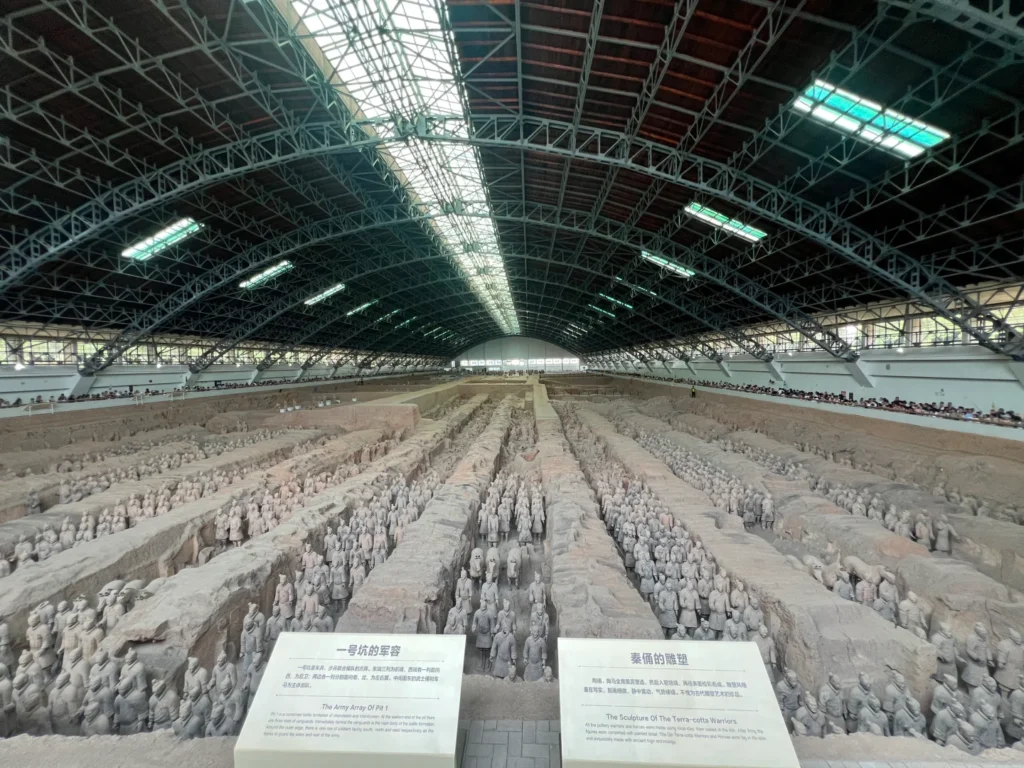
- The Terracotta Army (UNESCO World Heritage Site): Unearthed in 1974, this vast subterranean army was built to protect Qin Shi Huang, China’s first emperor, in the afterlife. The site features thousands of life-sized, uniquely sculpted warriors, horses, and chariots, representing one of the most significant archaeological discoveries of the 20th century.
- The Ancient City Wall: Xi’an boasts the most complete and best-preserved ancient city wall in China. Built during the Ming Dynasty on the foundations of the Tang Forbidden City, this massive defensive structure surrounds the old city center, offering a tangible link to ancient military architecture.
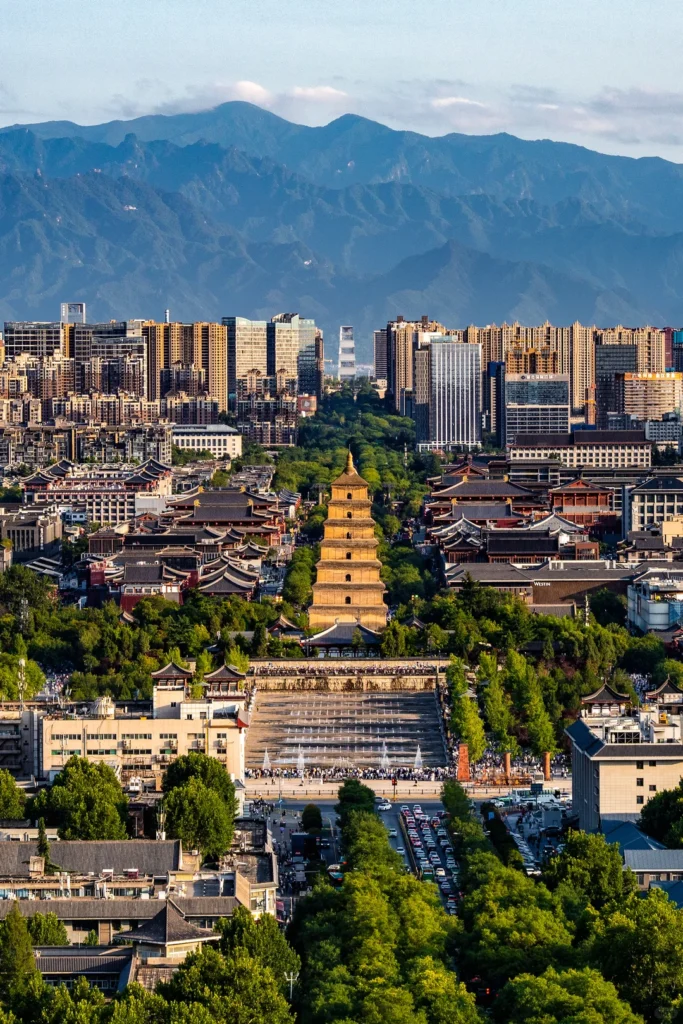
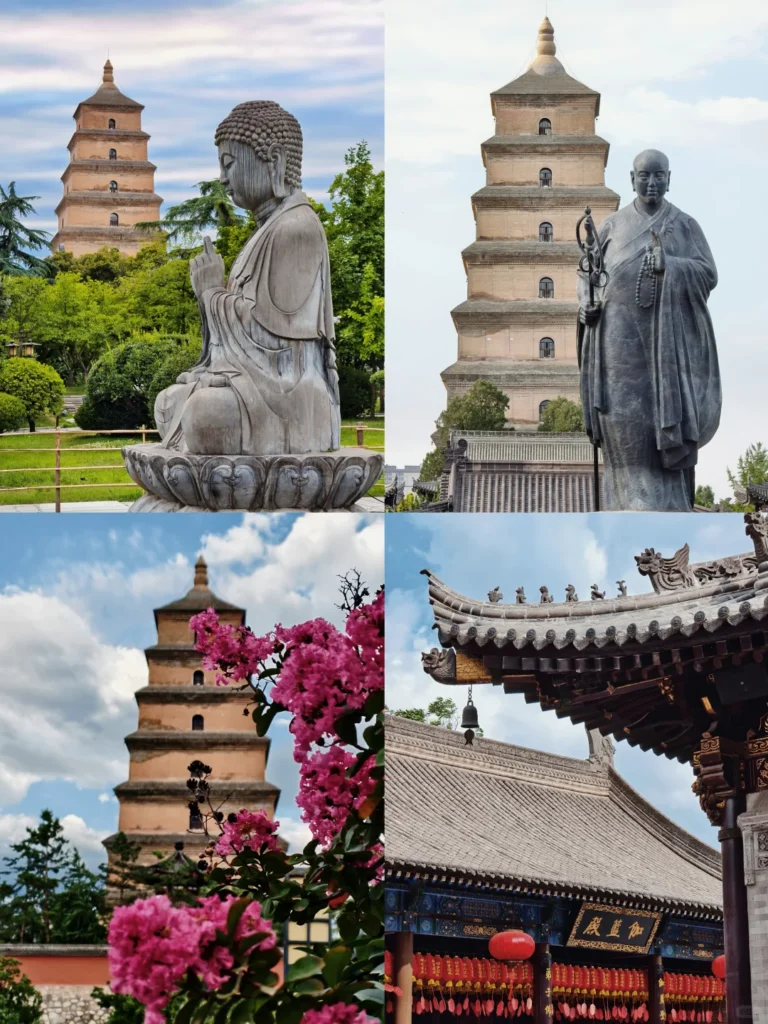
- The Big and Small Wild Goose Pagodas: These striking architectural masterpieces are enduring symbols of the Tang Dynasty and the spread of Buddhism in China. The Big Wild Goose Pagoda was built in 652 AD to house Buddhist sutras brought back from India by the famous monk Xuanzang.
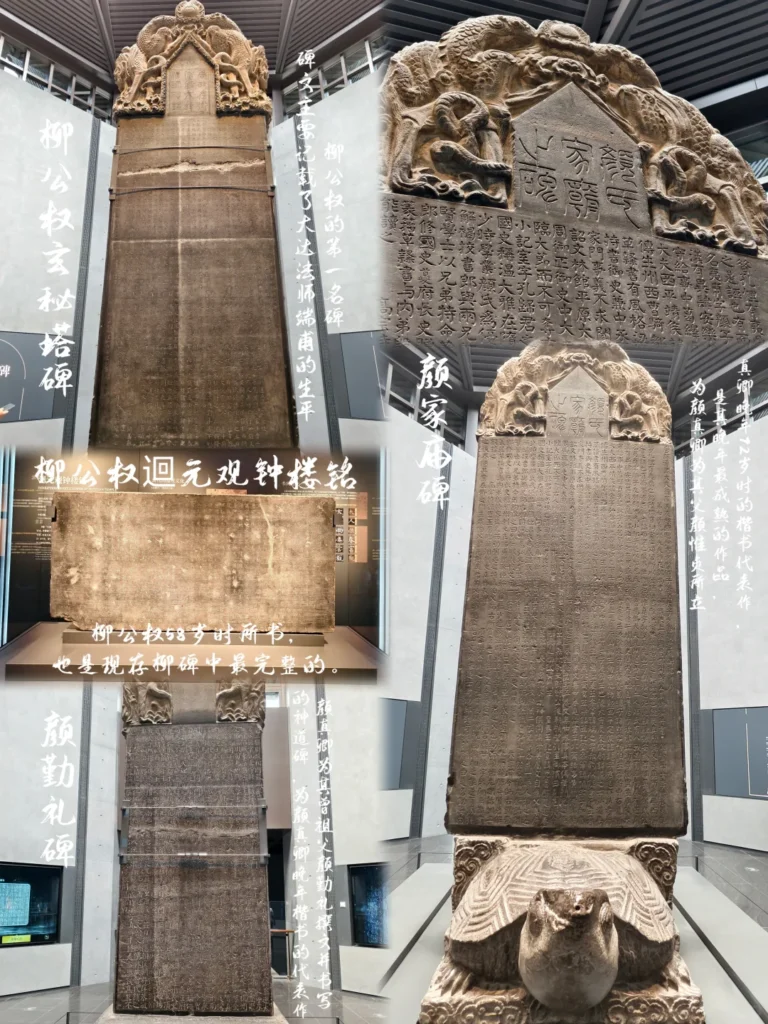
- The Stele Forest (Beilin Museum): A treasure trove for calligraphy and history enthusiasts, this site houses over 3,000 ancient stone steles. It serves as a library of stone, preserving ancient texts, historical records, and the brushstrokes of master calligraphers.
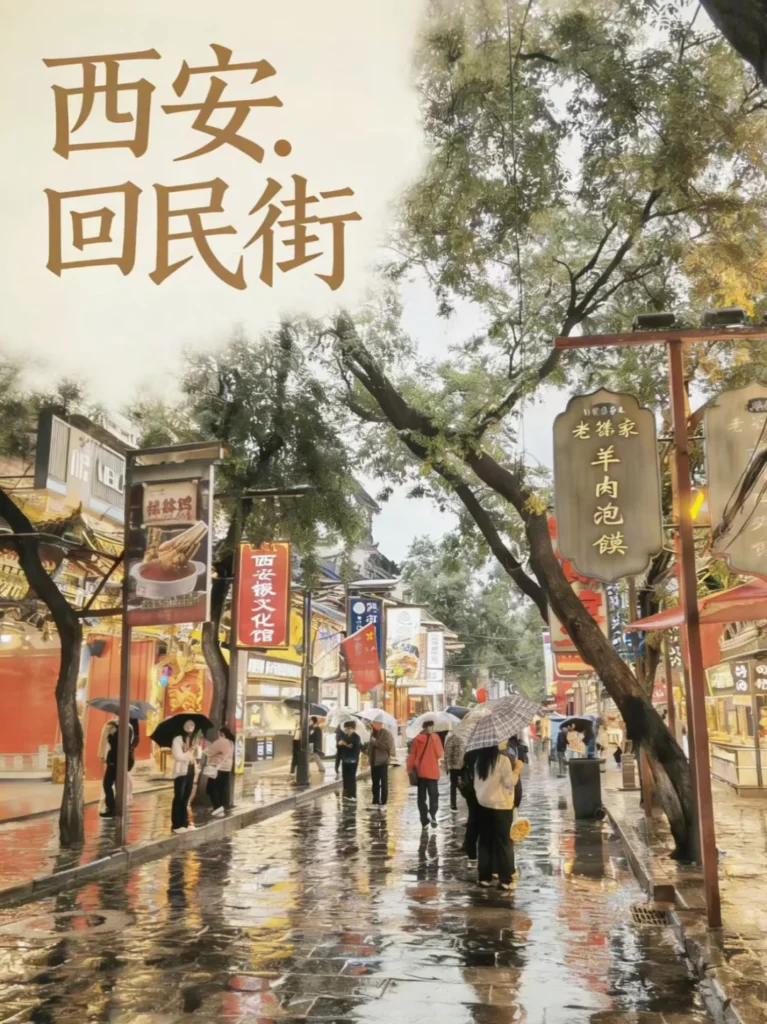
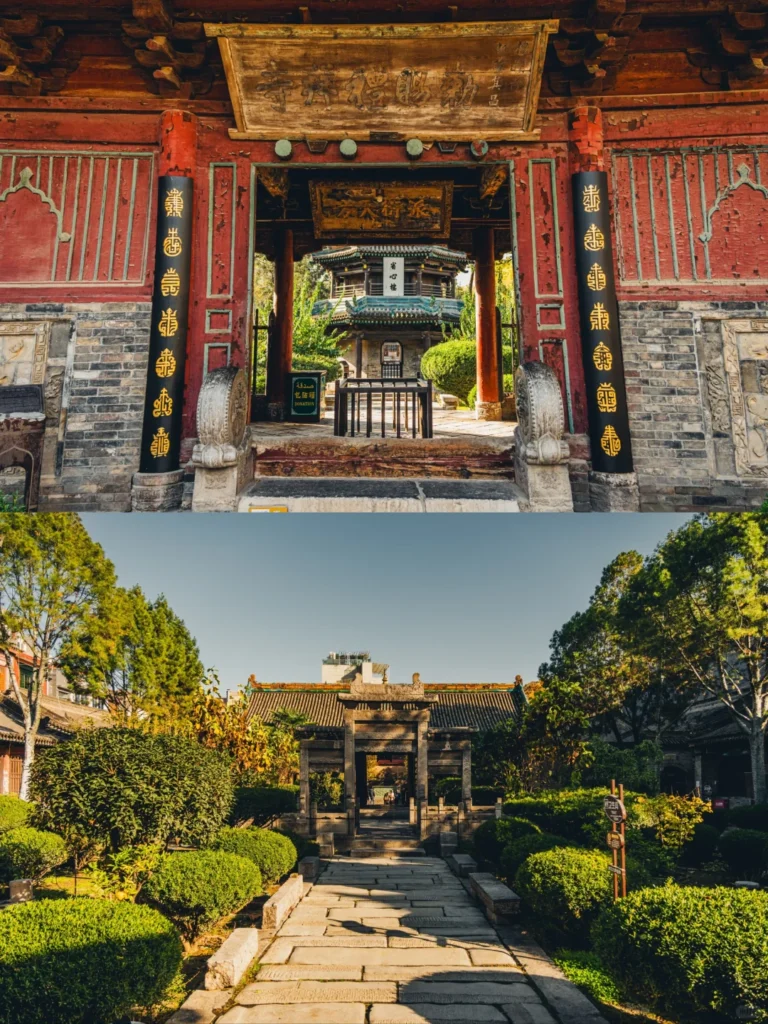
- The Great Mosque and the Muslim Quarter: Founded in 742 AD, the Great Mosque perfectly illustrates the fusion of Islamic function and traditional Chinese architectural form. The surrounding Muslim Quarter is a vibrant living heritage site, reflecting centuries of settlement by Silk Road merchants.
7-Day Xi’an Cultural Exploration Itinerary
Day 1: Arrival and The Heart of the Ancient City
- Morning: Arrive in Xi’an and check into a hotel near the city center (inside the City Wall is ideal).
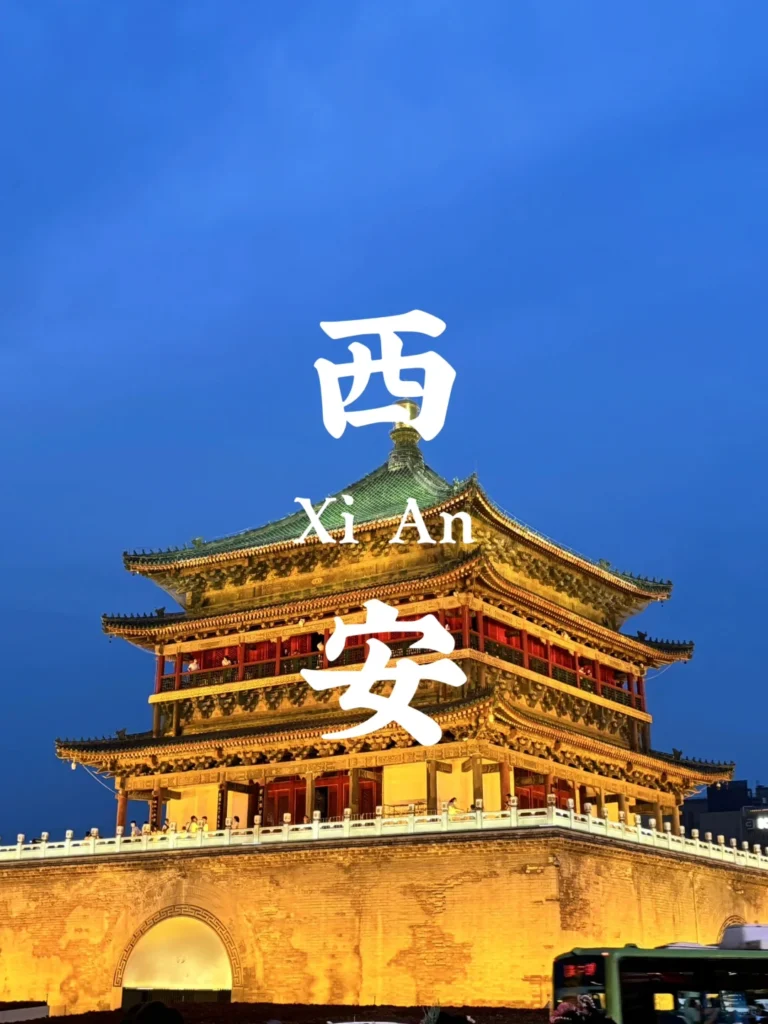
- Afternoon: Visit the iconic Bell Tower and Drum Tower, which once kept time for the entire ancient capital.
- Evening: Dive into the Muslim Quarter (HuiMin Jie). Wander the bustling streets, admire the traditional architecture, and sample northwestern Chinese street food like RouJiaMo (meat burger) and YangRou PaoMo (crumbled flatbread in mutton broth).
Day 2: The Imperial Army and Royal Springs
- Morning: Travel to the outskirts of the city to witness the Museum of Qin Terracotta Warriors and Horses. Dedicate at least 3-4 hours to explore the three main pits and the exhibition hall.
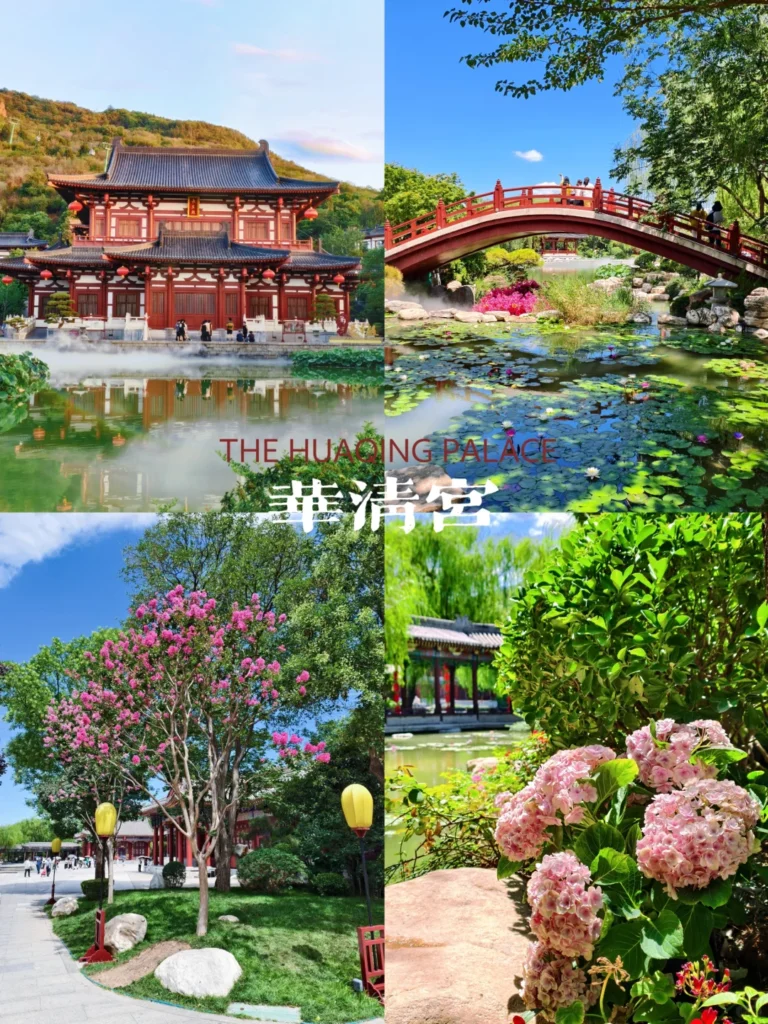
- Afternoon: Visit the nearby HuaQing Palace, an ancient imperial winter resort famous for its hot springs and its role in the legendary romance between Emperor XuanZong and Yang GuiFei.
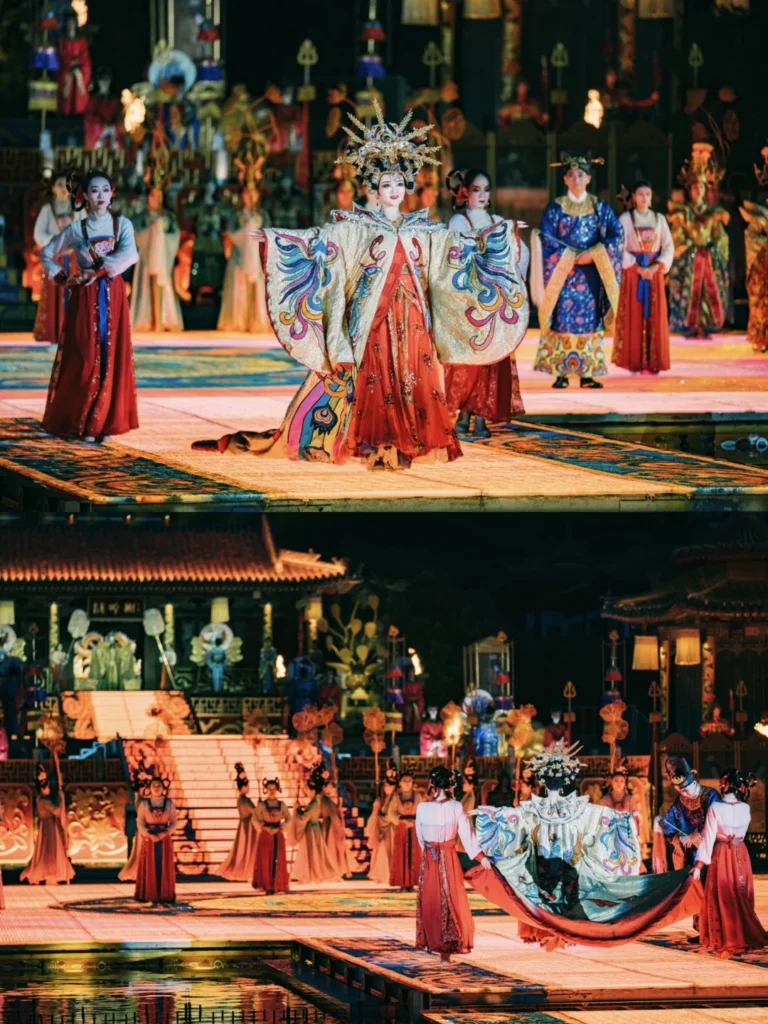
- Evening: Attend the Song of Everlasting Sorrow outdoor performance at Huaqing Pool, or return to the city for a traditional Tang Dynasty Music and Dance Show accompanied by a dumpling banquet.
Day 3: Artifacts and Buddhist Legacy
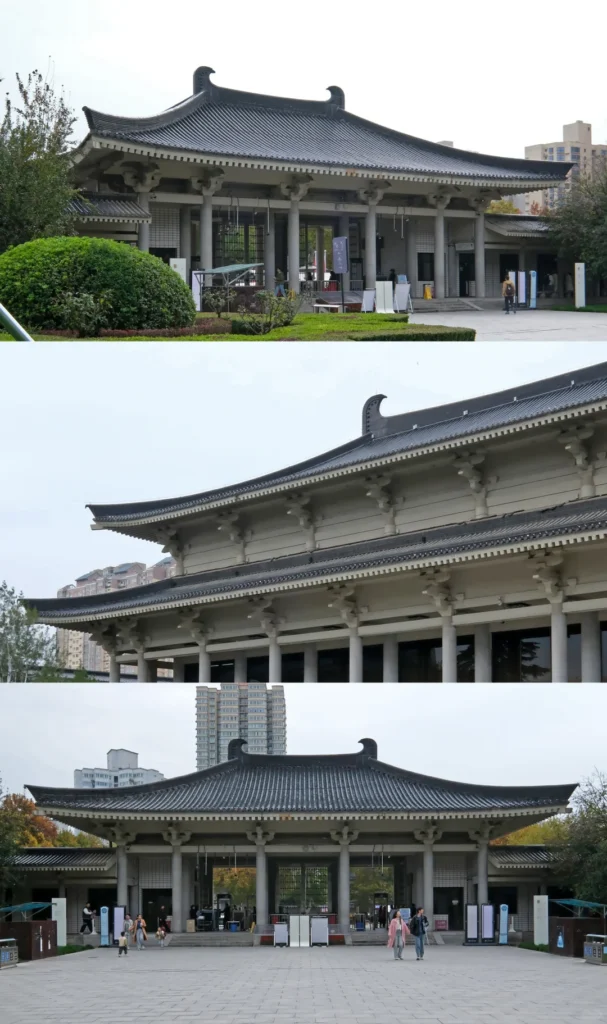
- Morning: Visit the Shaanxi History Museum (book tickets well in advance). This museum offers a chronological journey through Chinese history, housing spectacular bronze, jade, and gold artifacts from the Zhou, Qin, Han, and Tang dynasties.
- Afternoon: Explore the Big Wild Goose Pagoda and its surrounding Da Ci’en Temple complex.
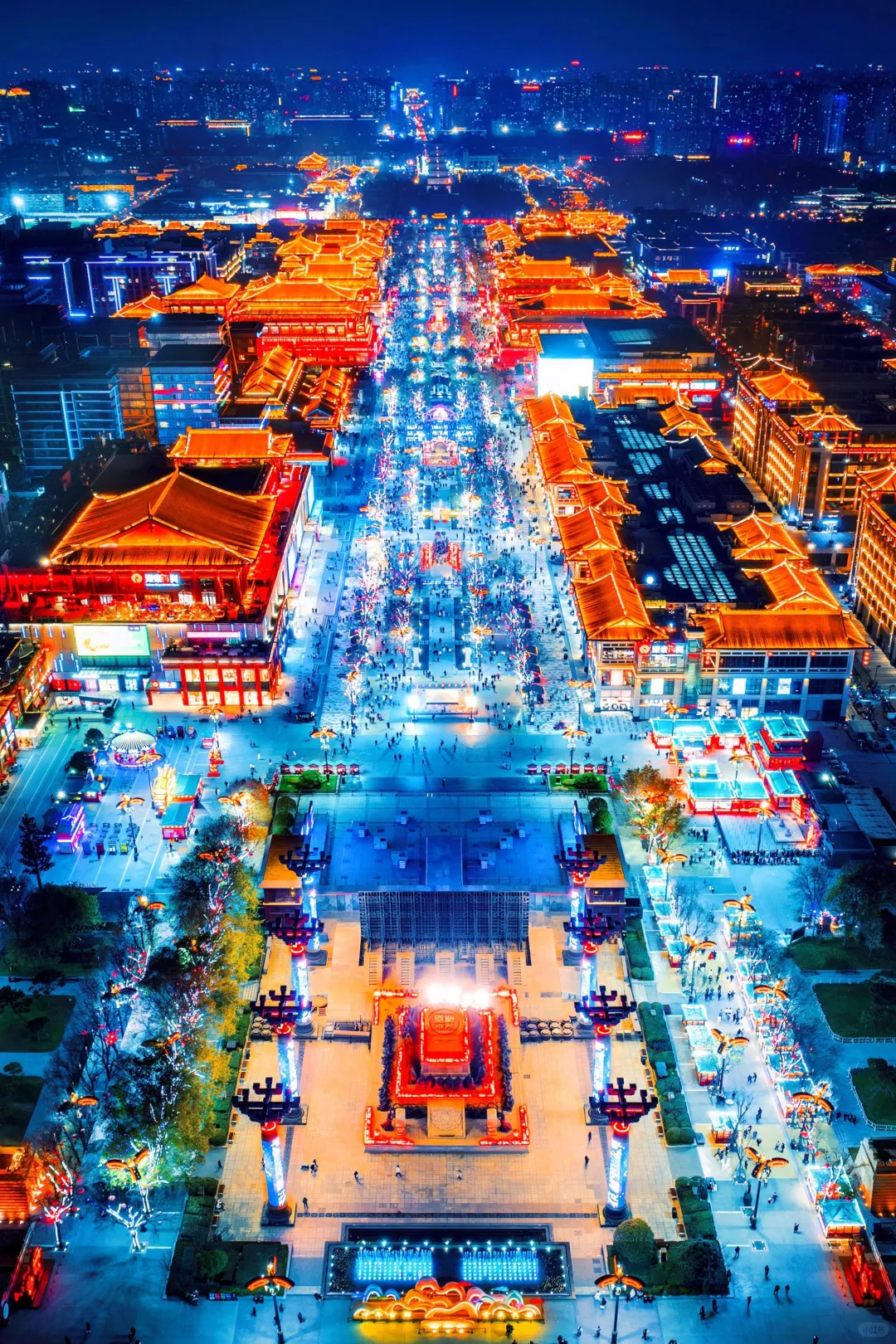
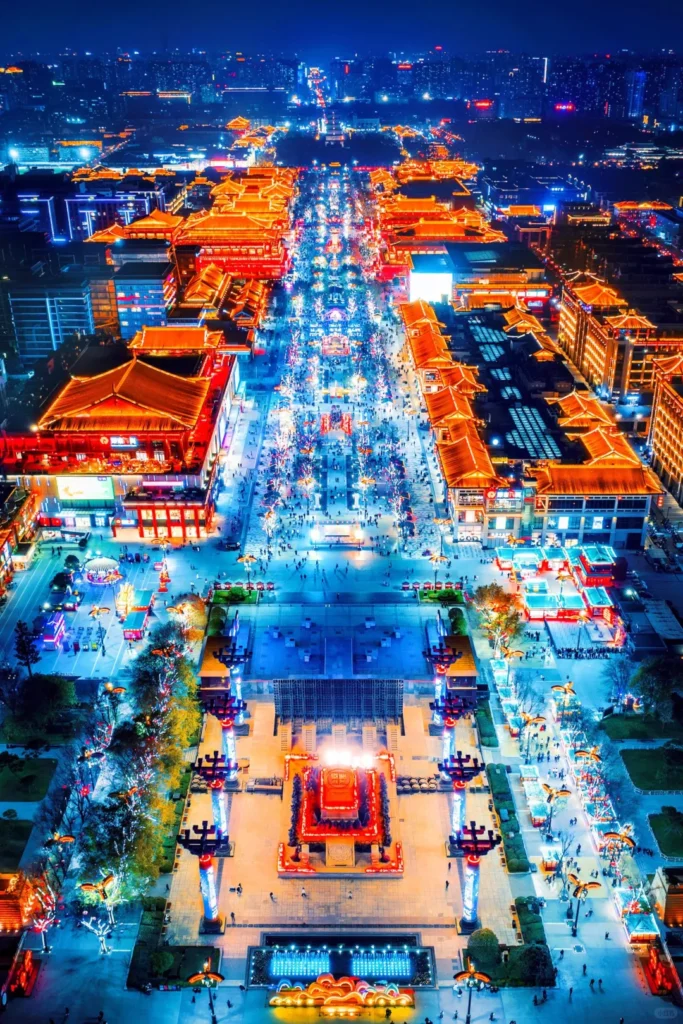
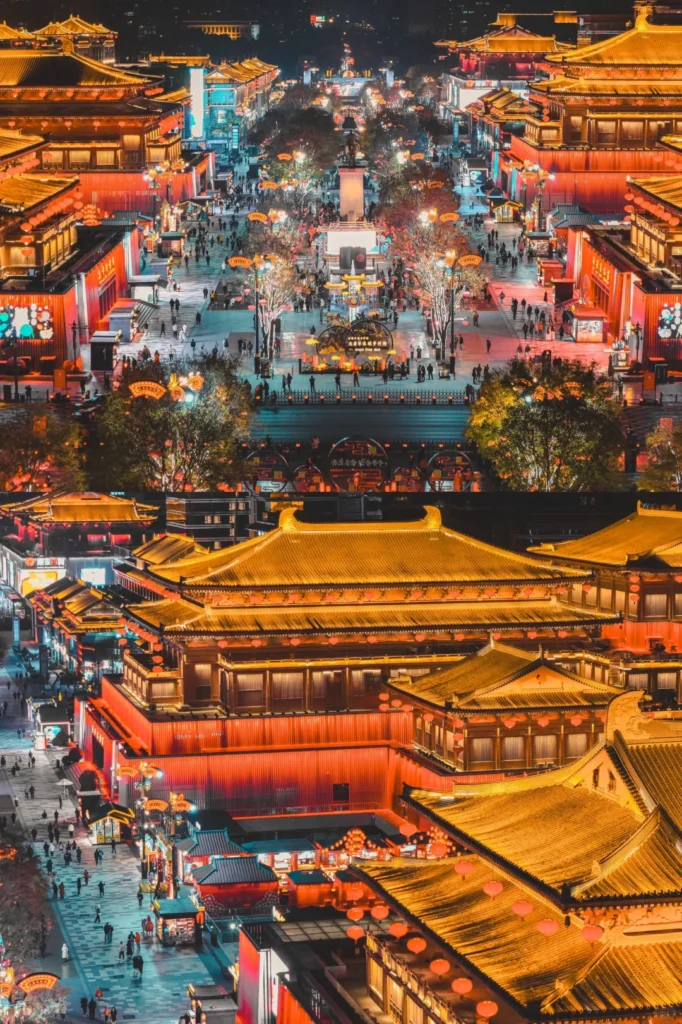
- Evening: Walk through the Grand Tang Dynasty Ever-bright City, a sprawling pedestrian street near the pagoda that recreates the prosperity of the Tang Dynasty with stunning lights, architecture, and street performances.
Day 4: Ascent of Mount Hua (Huashan)
- Full Day: Take a high-speed train (approx. 30-40 minutes) to Mount Hua, one of China’s Five Great Mountains. Famous for its steep, dramatic granite peaks and Taoist temples.
- Suggested Route: Take the cable car up the West Peak, hike the scenic ridge to the South and East Peaks, and descend via the North Peak cable car.
- Evening: Return to Xi’an to rest and recover.

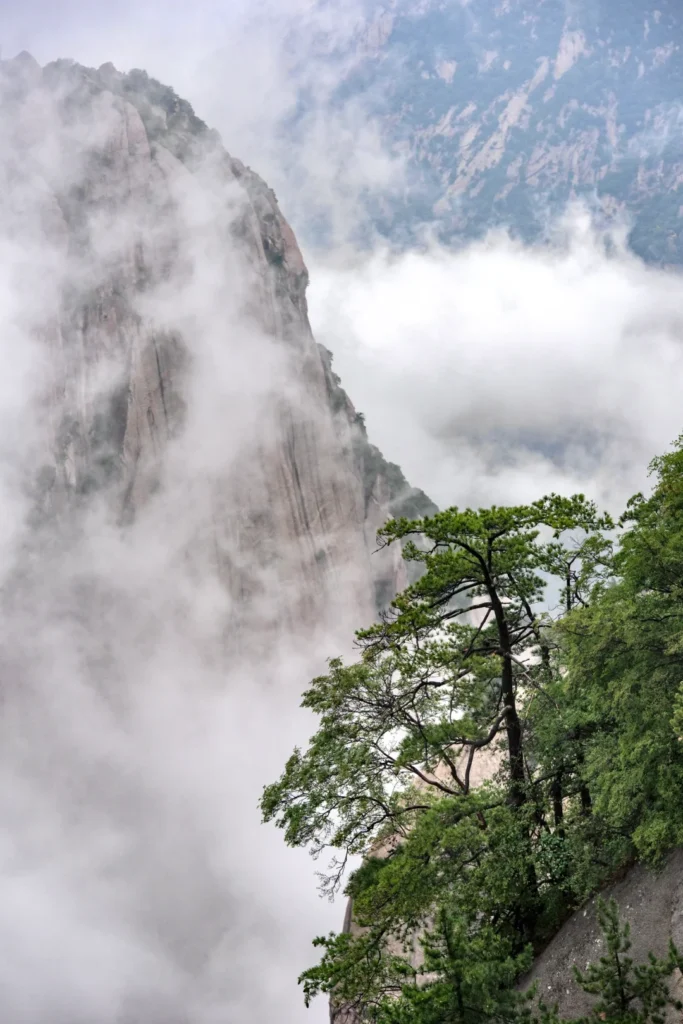

Day 5: Defenses, Calligraphy, and Architecture
- Morning: Head to the South Gate (YongNing Gate) of the Ancient City Wall. Rent a bicycle and spend 1.5 to 2 hours riding the entire 13.7-kilometer perimeter.
- Afternoon: Stroll down ShuYuan Men (Calligraphy Street) to browse traditional art supplies and antiques. Then, visit the nearby Stele Forest Museum to see the ancient stone carvings.
- Evening: Visit the Great Mosque of Xi’an. Experiencing its peaceful courtyards at dusk offers a stark, beautiful contrast to the busy Muslim Quarter just outside its walls.
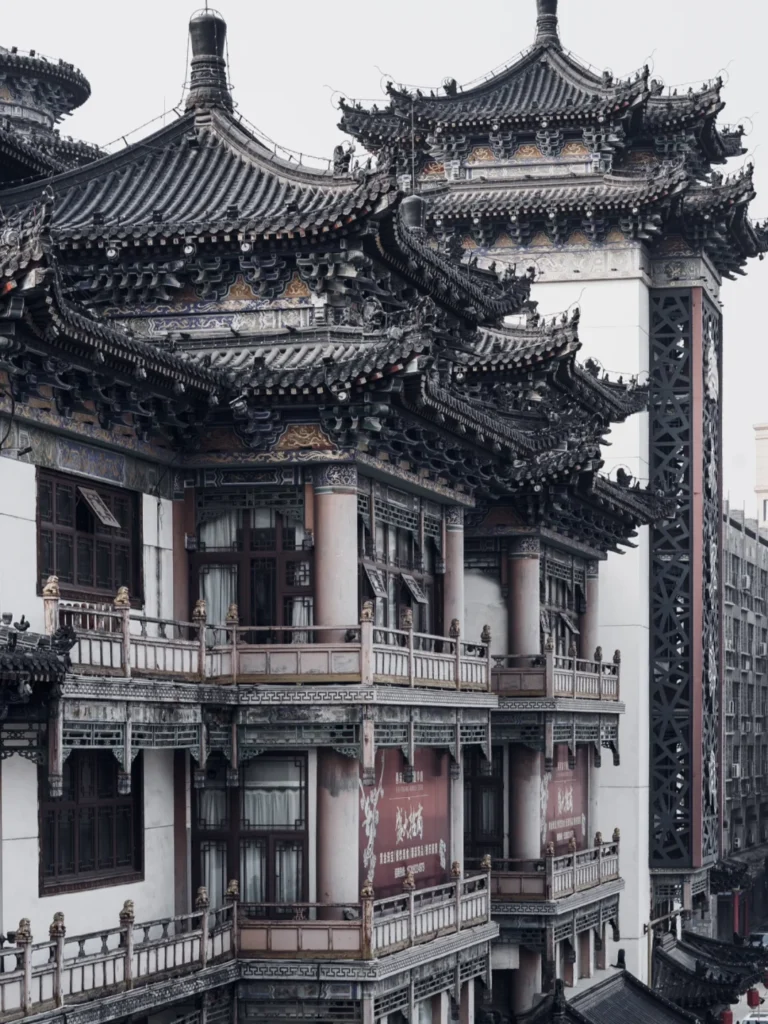
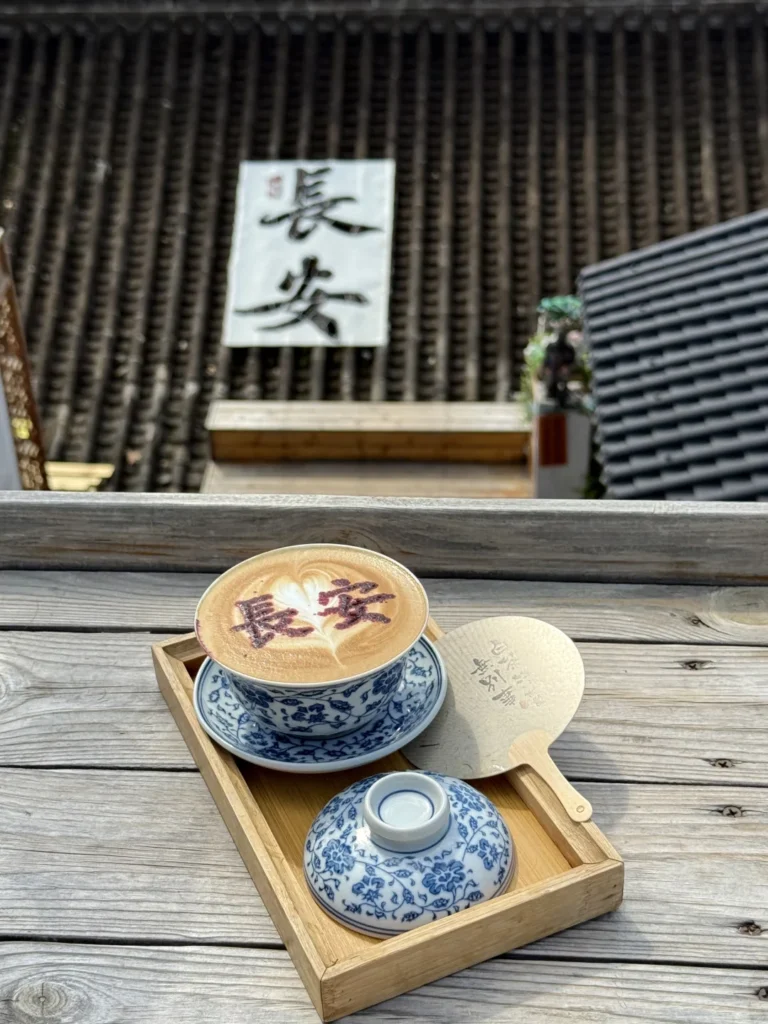
Day 6: Palaces and Parks
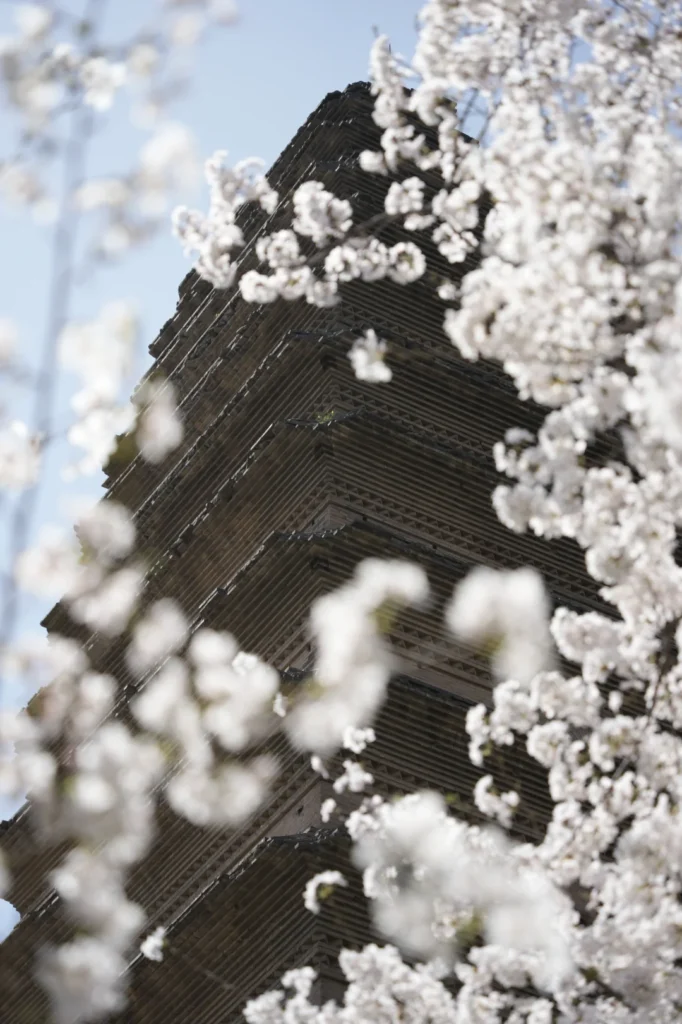
- Morning: Visit the Small Wild Goose Pagoda and the Xi’an Museum located within the same park. This area is less crowded and offers a highly authentic historical atmosphere.
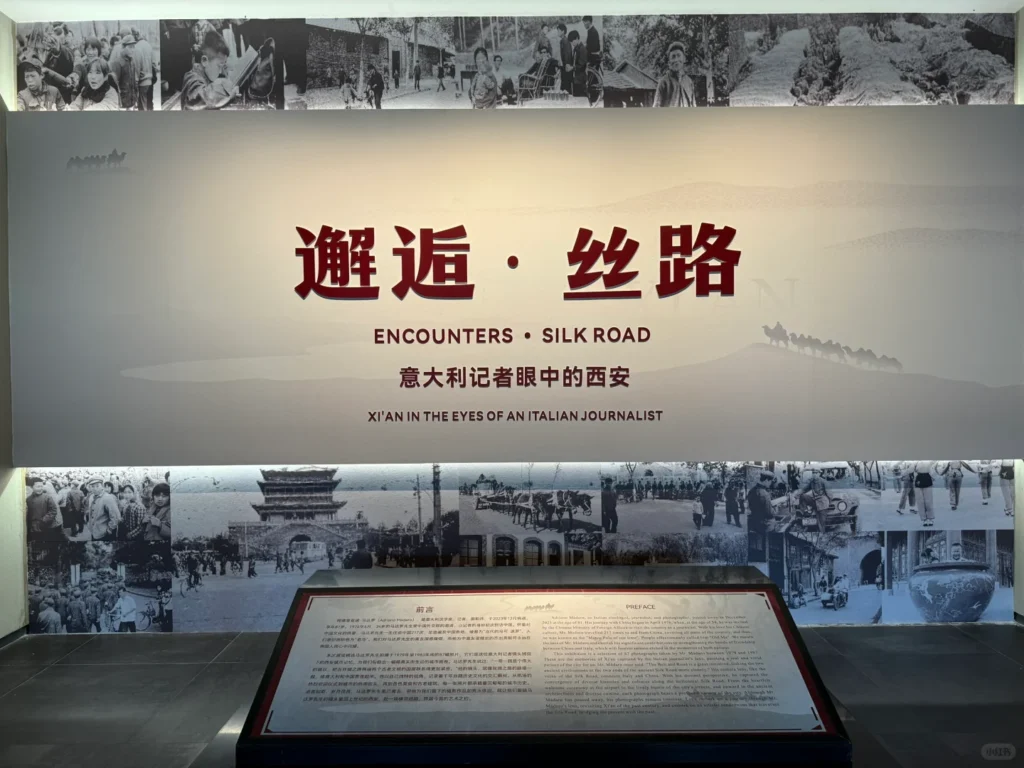
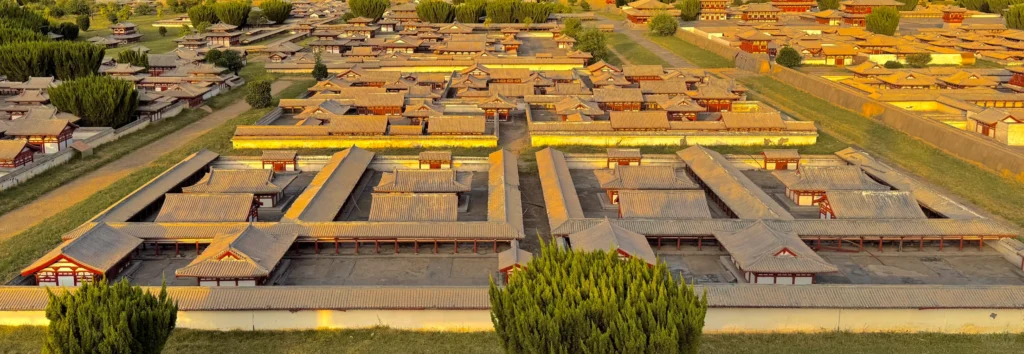
- Afternoon: Explore the DaMing Palace National Heritage Park. Once the most magnificent palace complex of the Tang Dynasty, it is now an expansive archaeological park with scaled models and remaining foundations.
- Evening: Visit Tang Paradise, a sprawling cultural theme park with lakes and pavilions, to enjoy its nighttime water, light, and laser show.

Day 7: The Underground Empire and Departure
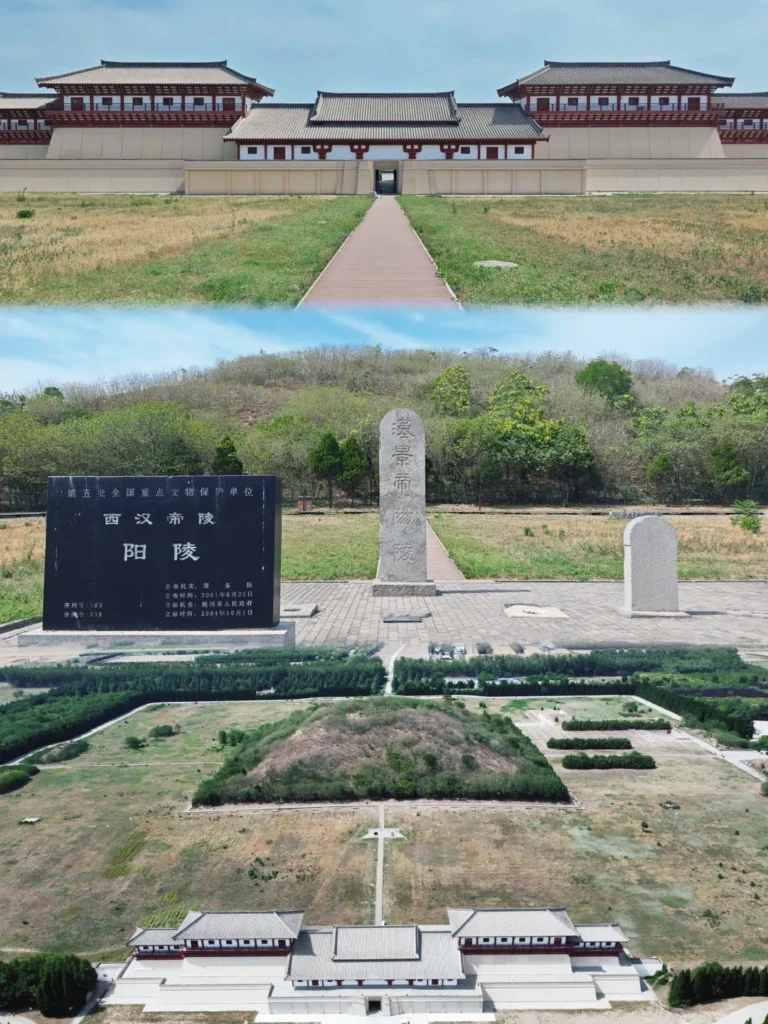
- Morning: En route to the airport, visit the Han Yang Ling Museum (Tomb of Emperor JingDi). This unique underground museum features glass floors allowing you to walk directly over excavation pits filled with miniature terracotta figures, animals, and chariots from the Han Dynasty.
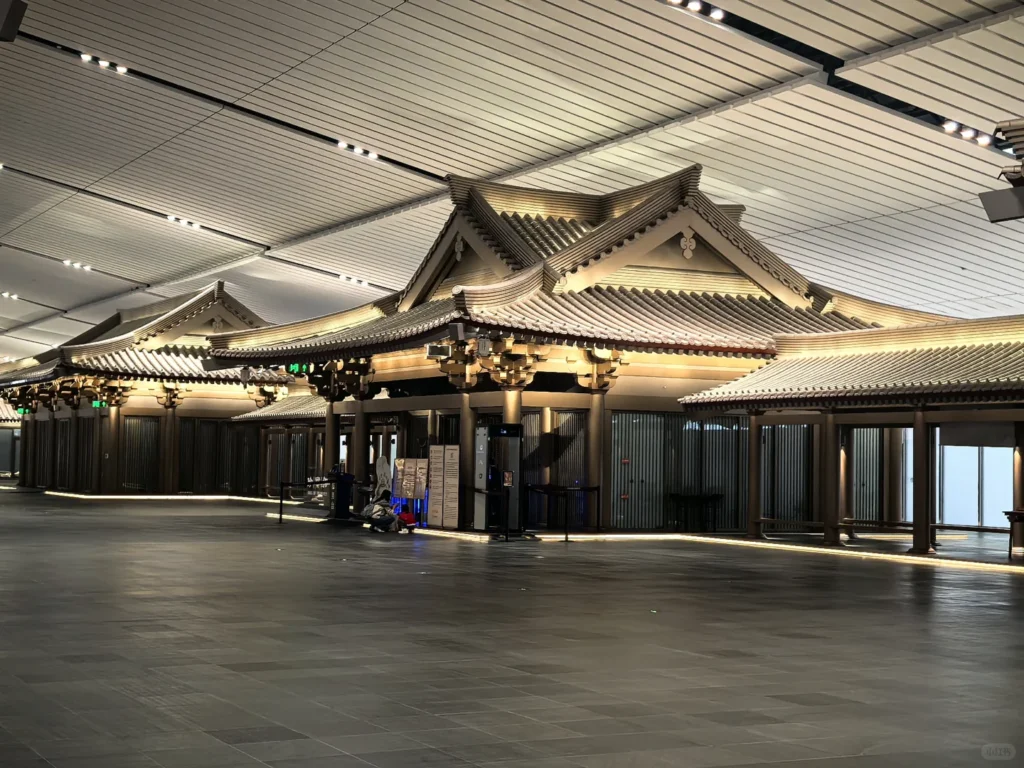
- Afternoon: Proceed to Xi’an Xianyang International Airport or the high-speed railway station for your onward journey.
“As your 7-day journey in Xi’an comes to a close, you are leaving behind a city that has stood as the proud heart of China for millennia. From the silent, watchful eyes of the Terracotta Warriors to the bustling, aromatic alleys of the Muslim Quarter, Xi’an offers a rare and immersive glimpse into the soul of ancient civilizations. May the echoes of the Tang Dynasty and the unforgettable memories of this timeless capital stay with you long after your departure.”


《Xi’An Latest Travel Guide 2026》有1条评论