Fuzhou Travel Guide
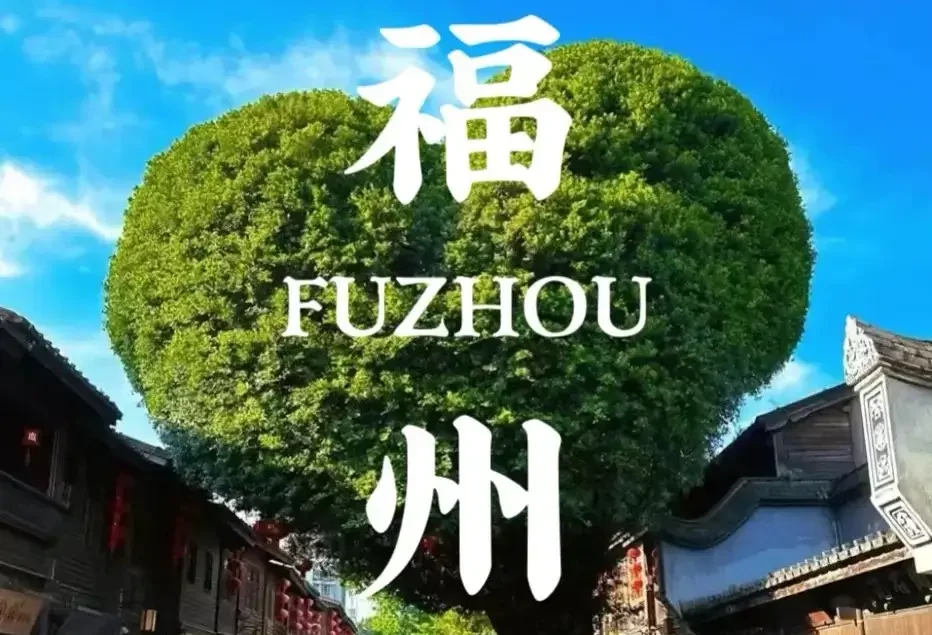
If you’re tired of the overcrowded tourist hotspots on most China Travel Guide lists and craving an authentic, unfiltered Chinese city experience, this Fuzhou China Travel Guide is exactly what you need. As the capital of Fujian Province, a core starting point of the ancient Maritime Silk Road, and a coastal gem with over 2,200 years of history, Fuzhou (affectionately called the “Banyan City” for its tens of thousands of ancient banyan trees) is one of China’s most underrated travel destinations. Unlike the bustling metropolises of Shanghai or Beijing, or the overly commercialized spots on many Famous scenic spots in China roundups, Fuzhou offers a perfect blend of well-preserved ancient architecture, stunning mountain and coastal landscapes, mouthwatering local cuisine, and warm, welcoming locals who are eager to share their city’s stories.
After spending 14 days exploring every hidden alley, mountain trail, street food stall, and historical landmark in this incredible city, I’ve put together this comprehensive Fuzhou Travel Guide to help you plan an unforgettable trip to Fuzhou China, with zero stress and maximum joy. Whether you’re a history buff, a foodie, a nature lover, or a casual traveler looking for a unique Chinese adventure, this guide has everything you need to make the most of your time in Fuzhou. I promise you’ll leave this city with a full stomach, a camera roll full of stunning photos, and a heart full of beautiful memories of real, unfiltered Chinese life.
The Rich 2,200+ Year History of Fuzhou China 🏯
To truly fall in love with Fuzhou, you first need to understand its deep, layered history – a story that’s not locked away in museums, but alive in every alley, every local dish, and every gnarled banyan tree that’s stood here for centuries.
Fuzhou’s story begins over 5,000 years ago, with the Neolithic Tanshishan Culture, one of the earliest coastal civilizations in southeast China. The city’s official founding dates back to 202 BCE, when the Minyue King Wuzhu built the city of Yecheng here, establishing Fuzhou as the political and cultural center of the Minyue people. This makes Fuzhou one of the oldest continuously inhabited cities in southeast China, with a history far longer than many more famous Chinese tourist destinations.
In the 4th century CE, during the Jin Dynasty, a wave of 中原 aristocrats fled northern China’s wars and migrated south to Fuzhou – an event known as the “Yiguan Nandu” (Clothing and Crown Southward Crossing). These migrants brought with them advanced Central Chinese culture, technology, and architecture, merging it with the local Minyue culture to form Fuzhou’s unique cultural identity. It was during this period that the layout of Sanfang Qixiang (Three Lanes and Seven Alleys) was first established, a residential district that would go on to become one of China’s most important historical landmarks.
By the Tang Dynasty (618-907 CE), Fuzhou had grown into one of China’s four major maritime ports, a core hub of the ancient Maritime Silk Road. Merchant ships from Southeast Asia, the Middle East, and even East Africa sailed into Fuzhou’s ports, bringing spices, textiles, and foreign culture, and carrying Chinese silk, tea, and porcelain to the rest of the world. This maritime trade shaped Fuzhou’s identity as an open, cosmopolitan city, a legacy that still lives on today in its status as a major overseas Chinese hometown.
The Song Dynasty (960-1279 CE) marked Fuzhou’s golden age of culture and education. Known as the “Haibin Zoulu” (Coastal Homeland of Confucianism), Fuzhou produced over 2,200 jinshi (imperial exam scholars) during the Song Dynasty, more than almost any other city in China. Great Confucian scholars like Zhu Xi gave lectures here, and the city became a center of philosophy, literature, and art. It was also during this period that Fuzhou’s famous tea culture began to flourish, with Fujian oolong tea becoming a prized tribute to the imperial court.
In the Ming Dynasty (1368-1644 CE), Fuzhou played a pivotal role in China’s maritime history. Zheng He, the great Chinese explorer, launched 6 of his 7 legendary voyages to the Western Ocean from Fuzhou’s Changle Port. Fuzhou’s shipyards became some of the most advanced in the world, building the massive treasure ships that sailed as far as East Africa. This period solidified Fuzhou’s reputation as a global maritime power, a legacy that would continue into the modern era.
The late Qing Dynasty (1644-1912 CE) saw Fuzhou become the birthplace of China’s modern navy and industrial revolution. In 1866, the Fuzhou Mawei Shipyard was established, the first modern naval shipyard in China. Known as the “Cradle of China’s Modern Navy”, the shipyard and its affiliated naval academy produced some of China’s most important modern thinkers and leaders, including Yan Fu (the translator of Western philosophical works into Chinese), Zhan Tianyou (the father of China’s railways), and many of China’s first naval admirals.
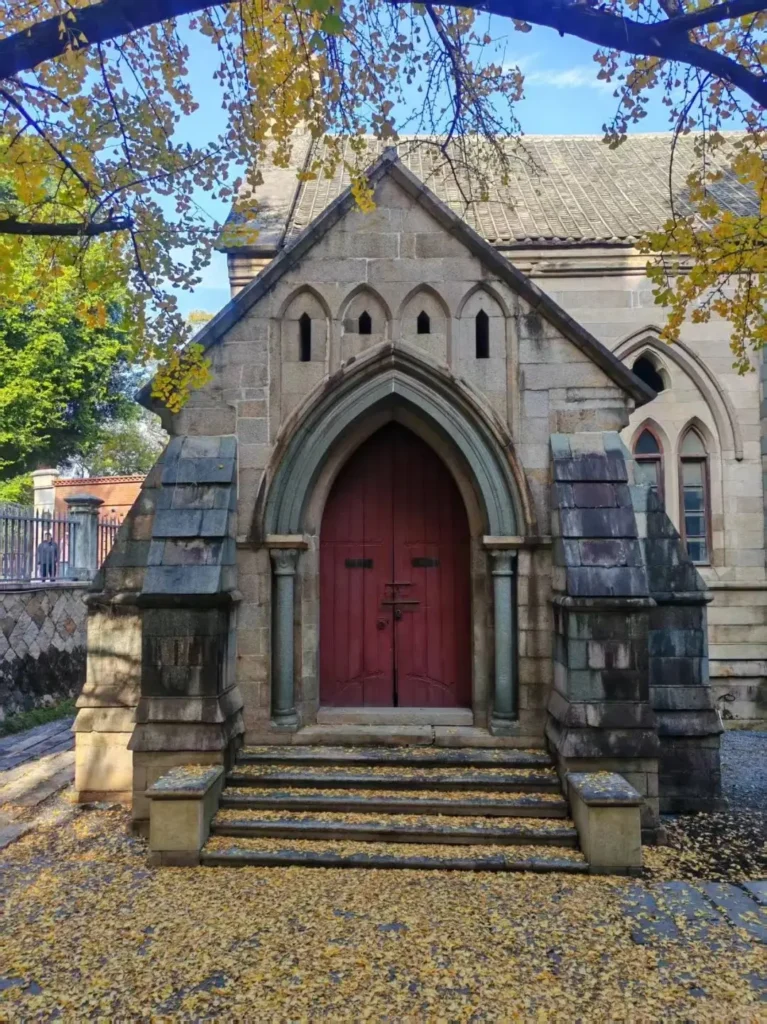
In the 1840s, after the First Opium War, Fuzhou became one of China’s five treaty ports, opening it up to foreign trade and influence. This led to the construction of the iconic foreign consulates, churches, and mansions on Yantaishan (Yantai Mountain), creating a unique blend of Chinese and Western architecture that still stands today. Throughout the 20th century, Fuzhou continued to grow as a cultural and economic center, while carefully preserving its ancient history and traditions – a balance that makes it so special to visit today.
Must-Visit Famous Scenic Spots in Fuzhou China 📸
Fuzhou is full of incredible landmarks, from ancient alleys to stunning mountain vistas, from colonial-era architecture to breathtaking coastal scenery. Here are the unmissable spots that should be on every Fuzhou Travel Guide itinerary, with my personal pro tips and pitfalls to avoid.
Sanfang Qixiang (Three Lanes and Seven Alleys)
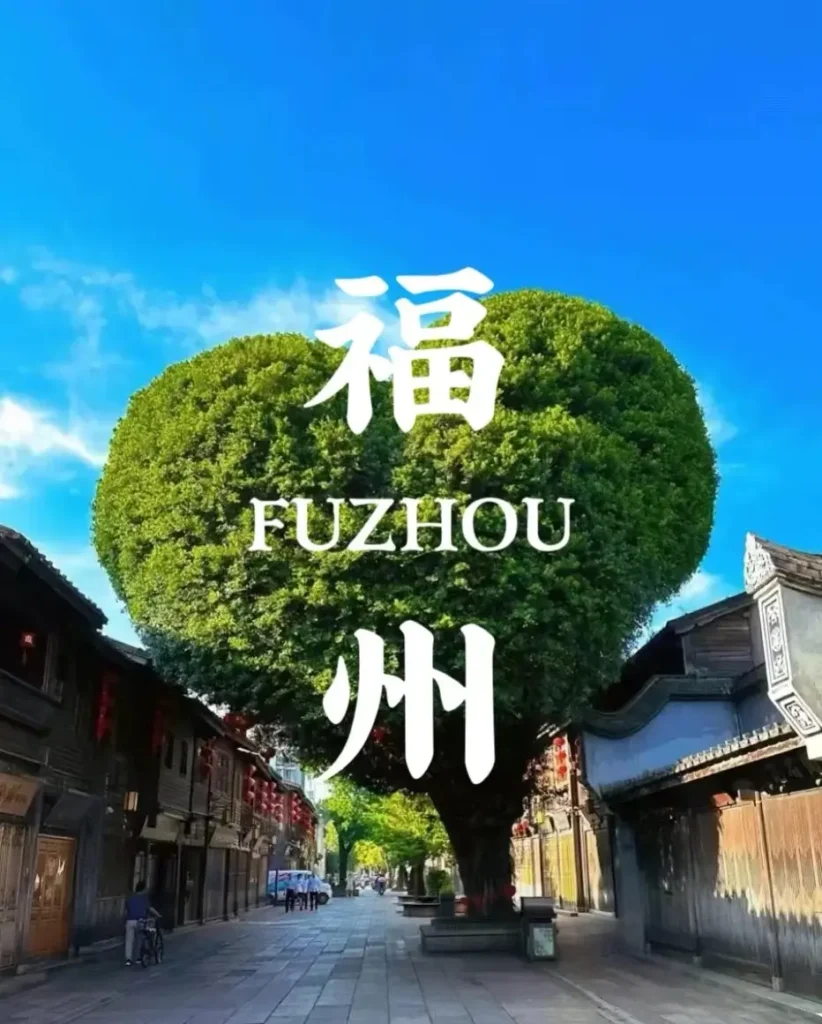
Widely regarded as one of the most well-preserved ancient residential blocks in China, and a must-visit on any list of Famous scenic spots in China for history lovers, Sanfang Qixiang is the heart and soul of Fuzhou. Known as the “Museum of Ming and Qing Architecture”, this 40-hectare district is home to over 200 well-preserved ancient courtyard houses, built between the 14th and 20th centuries. It’s also the former home of over 400 of China’s most famous historical figures, including Lin Zexu (the anti-opium national hero), Yan Fu, Bing Xin (one of China’s most beloved female writers), and Lin Juemin (the revolutionary martyr).
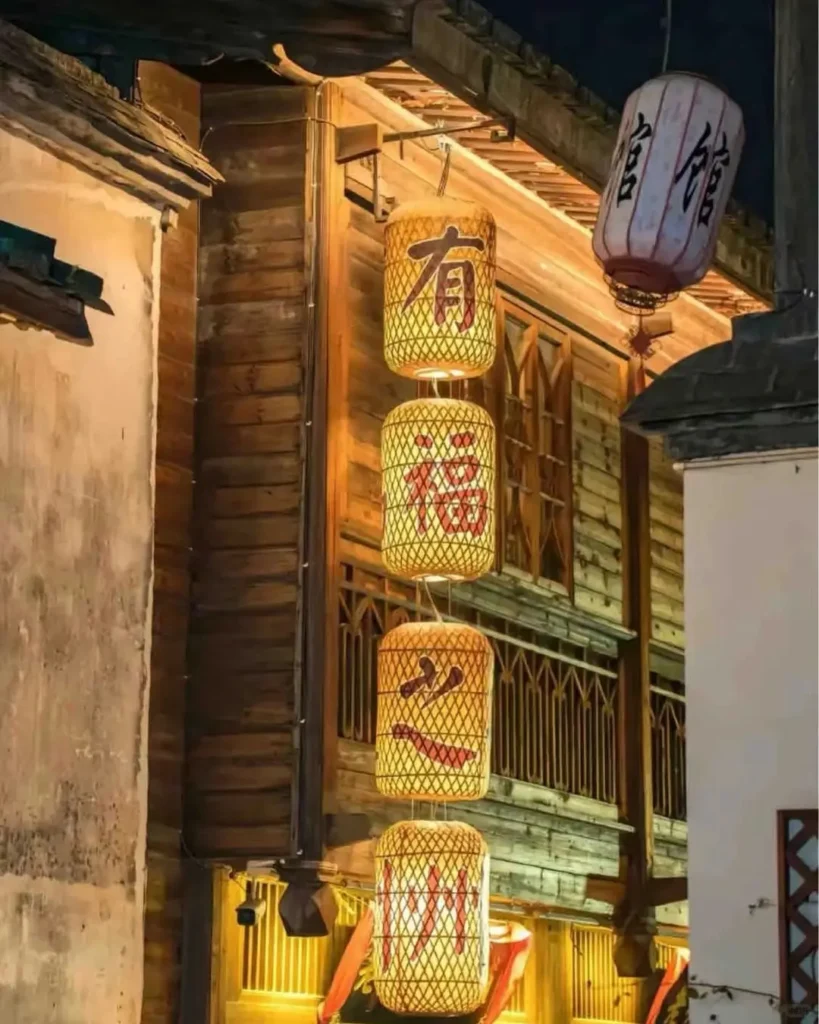
The district is made up of three main lanes (Yijin Fang, Wenru Fang, Guanglu Fang) and seven main alleys (Yangqiao Xiang, Langguan Xiang, Ta Xiang, Huang Xiang, Anmin Xiang, Gong Xiang, Jibi Xiang), all branching off the main Nanhou Street. Here’s my pro tip: the main Nanhou Street is busy and commercialized, but the real magic is in the side lanes and alleys. Arrive at 8am, when the crowds haven’t arrived yet, and you’ll find quiet alleys lined with white walls and black tiled roofs, local elders drinking tea under ancient banyan trees, and soft morning light filtering through the old wooden windows – it’s absolutely magical.
Must-see spots inside Sanfang Qixiang:
- Lin Zexu Memorial Hall: A comprehensive museum dedicated to the life and legacy of Fuzhou’s most famous son, with free entry.
- Yan Fu Former Residence: The beautifully preserved home of China’s most influential modern translator, with original furniture and exhibits about his life.
- Lin Juemin & Bing Xin Former Residence: A shared courtyard home that tells the stories of two of Fuzhou’s most iconic 20th-century figures.
- Anmin Xiang and Huang Xiang: The quietest, most photogenic alleys, with stunning traditional architecture and very few tourists.
Pro Tips & Pitfalls to Avoid:
- Do NOT buy souvenirs or food on the main Nanhou Street – it’s overpriced, inauthentic, and the same stuff you’ll find in every tourist spot in China. Head to the side alleys or local supermarkets for better quality and prices.
- Do NOT accept “free tour guides” from random people near the entrance – they will take you to overpriced souvenir shops and pressure you to buy things.
- Wear comfortable shoes – the alleys are paved with old stone, and you’ll be walking a lot.
- Plan to spend 3-4 hours here to explore properly, and go early to avoid the midday crowds.
Shangxiahang Historical and Cultural Block
If Sanfang Qixiang is the home of Fuzhou’s aristocrats and scholars, Shangxiahang is the birthplace of Fuzhou’s merchants and traders. Known as Fuzhou’s “Bund”, this 300-year-old district was the commercial heart of Fuzhou from the Ming Dynasty to the early 20th century, a bustling hub where Min merchants traded tea, silk, and seafood with the rest of China and the world.
Today, Shangxiahang has been carefully restored, preserving its iconic arcade architecture, traditional Chinese courtyard houses, and Western-style merchant mansions, without the over-commercialization of Sanfang Qixiang. The streets are lined with cozy cafes, independent bookstores, local teahouses, and small art galleries, making it the perfect place to slow down, wander, and experience Fuzhou’s laid-back vibe. The district is especially beautiful at dusk, when the old street lights turn on, casting a warm glow over the stone streets and the Min River in the distance.
Pro Tips:
- Most of the old merchant mansions here are free to enter, with small exhibits about Fuzhou’s commercial history – don’t miss the Fuzhou Commercial Museum on the main street.
- Plan to spend 2-3 hours here, and visit in the late afternoon to watch the sunset over the Min River.
- There are plenty of authentic local restaurants here, much cheaper than Sanfang Qixiang – it’s a great place to stop for lunch or dinner.
Yantaishan Historical Scenic Area
Often called Fuzhou’s “Little Gulangyu”, Yantaishan (Yantai Mountain) is a hidden gem that offers a glimpse into Fuzhou’s colonial past. Perched on a hill overlooking the Min River, this district was home to 17 foreign consulates, dozens of foreign banks, churches, and merchant mansions in the late 19th and early 20th centuries, after Fuzhou became a treaty port.
Today, Yantaishan is a beautifully preserved “International Architecture Expo”, with over 100 well-preserved Western-style buildings, from Gothic churches to Art Deco mansions, all set along tree-lined cobblestone streets. The hill also offers the best panoramic views of Fuzhou’s skyline and the Min River, especially at sunset. The district is now a trendy hub for young locals, with independent cafes, vintage shops, art galleries, and boutique hotels, making it the perfect place to wander, take photos, and soak up the unique blend of Chinese and Western culture.
Pro Tips & Pitfalls to Avoid:
- Yantaishan has a lot of hills and steep streets – wear comfortable shoes, and avoid high heels.
- The best sunset spot is at the top of the hill, near the old consulate buildings – get there 30 minutes before sunset for the best views.
- Plan to spend 3 hours here, and combine it with a visit to Shangxiahang, which is just a 10-minute walk away.
Gushan Mountain Scenic Area
No Fuzhou China Travel Guide is complete without a visit to Gushan Mountain (Drum Mountain), Fuzhou’s beloved urban backyard. A national-level scenic area, Gushan rises 925 meters above the city, offering stunning panoramic views of Fuzhou, the Min River, and the East China Sea. The mountain is famous for its lush forests, fresh air, ancient Buddhist temples, and incredible collection of cliff inscriptions.
The star attraction of Gushan is Yongquan Temple, known as the “Top Buddhist Temple in Fujian”. Founded in 783 CE during the Tang Dynasty, this 1,200-year-old temple is one of the most important Buddhist monasteries in southeast China, with a stunning layout that blends perfectly with the mountain landscape. The temple is home to incredible national treasures, including two 900-year-old ceramic pagodas, a pair of 1,000-year-old iron trees that still bloom every year, and a huge collection of ancient Buddhist scriptures.
Gushan is also home to over 2,000 ancient cliff inscriptions, carved into the mountain’s rocks from the Song Dynasty to the modern era. This is the largest collection of cliff inscriptions in southeast China, with works from famous calligraphers, scholars, and government officials, making it a living museum of Chinese calligraphy and history.
Pro Tips & Pitfalls to Avoid:
- If you’re not a keen hiker, take the cable car up the mountain – it’s cheap, fast, and offers stunning views of the city. You can hike down if you want to see the cliff inscriptions along the path.
- The temple’s vegetarian restaurant is famous across Fujian – don’t miss the chance to try authentic Buddhist vegetarian food here for lunch.
- Do NOT take unlicensed “black cars” up the mountain from the entrance – they will overcharge you by 2-3 times. Stick to the official cable car or tourist bus.
- Plan to spend half a day here, and go early in the morning for the best air and the least crowds.
Pingtan Island
If you love the sea, you can’t miss Pingtan Island, the largest island in Fujian Province, and the closest point in mainland China to Taiwan (just 68 nautical miles away). Administered as part of Fuzhou China, Pingtan is a stunning coastal paradise, with crystal-clear blue waters, white sand beaches, towering windmills, and the famous “Blue Tears” natural phenomenon.
Known as China’s “Maldives of the East”, Pingtan is home to some of the most beautiful beaches in China, including Tannan Bay, Changjiang’ao Windmill Field, Xiangbi Bay (Elephant Trunk Bay), and Beigang Stone Village. The island is also famous for the Blue Tears – a bioluminescent algae that glows bright blue in the water at night, creating a magical, starry sea effect. The Blue Tears are most common from April to August, with the peak season in May and June.
Pro Tips & Pitfalls to Avoid:
- Pingtan is just a 30-minute high-speed train ride from Fuzhou city center, making it an easy day trip or overnight trip.
- To see the Blue Tears, check the local weather and tide forecasts in advance, and go with a local guide – they know the best spots and times to see them.
- Do NOT eat at beachfront seafood restaurants without checking the price first – some will overcharge tourists. Always confirm the price per kilogram before ordering.
- Plan to spend 1-2 days here to explore the island properly, and stay overnight if you want to see the Blue Tears.
Iconic Fuzhou Food You Can’t Miss 🍜
Fuzhou is the heart of Min cuisine, one of China’s eight great culinary traditions, and food is one of the biggest reasons to visit this incredible city. Min cuisine is known for its focus on fresh, local ingredients, especially seafood, its delicate, sweet and umami flavors, and its mastery of soup-making. Fuzhou’s food is unlike any other Chinese cuisine you’ll try, and this section of the Fuzhou Travel Guide will walk you through the must-try dishes, with my personal tips for finding the most authentic versions.
Chinese Pork Bun Fuzhou Style (Fuzhou Rou Bao)
If there’s one street food that defines Fuzhou’s morning culture, it’s the Chinese pork bun Fuzhou style. Unlike the sweet Cantonese char siu bao or the soupy Shanghai xiaolongbao, Fuzhou’s pork buns have a unique, distinctly local flavor that you won’t find anywhere else in China.
The perfect Chinese pork bun Fuzhou style has a soft, fluffy, slightly sweet steamed wrapper, hand-kneaded and steamed fresh in bamboo baskets every morning. The filling is where the magic happens: it’s made with fresh, fatty local pork, chopped shiitake mushrooms, dried local shrimp, tender bamboo shoots, and a splash of Fuzhou’s famous red rice wine, creating a rich, juicy, umami-packed filling that bursts with flavor in every bite. Unlike other Chinese pork buns, Fuzhou’s version balances savory and sweet perfectly, with the dried shrimp adding a unique coastal depth that’s pure Fuzhou.
Pro Tips:
- The best Chinese pork bun Fuzhou style is found in local morning markets and tiny street stalls in residential areas, not on the main tourist streets. I recommend the stalls near Daqing Morning Market, or the tiny family-run shops in the side alleys of Sanfang Qixiang.
- Always get them fresh from the steamer – they’re best eaten hot, right out of the basket.
- Avoid pre-packaged buns in tourist shops – they’re dry, flavorless, and nothing like the real thing.
Buddha Jumps Over the Wall (Fo Tiao Qiang)
No discussion of Fuzhou food is complete without Buddha Jumps Over the Wall, the most famous dish in Min cuisine, and a staple of Chinese state banquets. This legendary dish was invented in Fuzhou over 100 years ago, and its name comes from a famous poem that says the dish is so delicious that even a Buddhist monk would jump over a wall to taste it.
Authentic Buddha Jumps Over the Wall is a labor of love, made with over 30 premium ingredients, including abalone, sea cucumber, fish maw, shark fin, scallops, pigeon eggs, shiitake mushrooms, and bamboo shoots. All the ingredients are layered in a ceramic jar, with aged Shaoxing rice wine, and slow-steamed over a low fire for over 12 hours, creating a rich, golden, umami-packed soup that’s deeply flavorful, but never heavy.
Pro Tips & Pitfalls to Avoid:
- The most authentic Buddha Jumps Over the Wall is served at Juchunyuan Restaurant, the Fuzhou time-honored brand that invented the dish.
- Authentic Buddha Jumps Over the Wall is not cheap – expect to pay 200-500 RMB per person for a genuine serving. Avoid any restaurant selling it for less than 100 RMB – it will be a low-quality, inauthentic version with none of the premium ingredients.
- It’s best to order it in advance, as it takes over 12 hours to prepare.
Fuzhou Fish Balls (Fu Zhou Yu Wan)
Fuzhou fish balls are the city’s most iconic street food, and a staple of local life for over 100 years. Unlike the solid fish balls you’ll find in other parts of China, Fuzhou fish balls are hollow, with a juicy pork filling inside – a perfect blend of the sea and the land.
Authentic Fuzhou fish balls are made with fresh, wild eel or mackerel from the East China Sea. The fish is deboned, pounded into a smooth, elastic paste by hand, then wrapped around a savory pork filling, and boiled in a rich seafood broth. The result is a fish ball with a springy, bouncy texture, a fresh, briny flavor, and a burst of juicy pork filling when you bite into it. They’re served in a simple broth with a splash of vinegar, chopped scallions, and white pepper, letting the fresh flavor of the fish shine through.
Pro Tips:
- The most famous fish ball shop in Fuzhou is Yonghe Fish Balls, a time-honored brand with multiple locations across the city. For a more local experience, try the small family-run stalls in the morning markets.
- They’re cheap, usually 10-15 RMB for a bowl, making them the perfect cheap snack or light meal.
Rou Yan (Meat Swallow)
Rou Yan, or “Meat Swallow”, is Fuzhou’s most unique dish, and a must-try for any foodie. At first glance, it looks like a wonton, but it’s completely different – the wrapper is made from meat, not flour.
Authentic Rou Yan wrappers are made by pounding lean pork leg meat with a wooden mallet for hours, until it becomes a smooth, elastic paste, then mixed with a small amount of sweet potato starch, and rolled into paper-thin wrappers. The wrappers are then filled with a savory pork and shrimp filling, folded into a swallow shape, and boiled in a rich broth. The result is a wrapper that’s incredibly springy and tender, with a deep pork flavor, and a juicy filling that’s pure Fuzhou.
Rou Yan is so important to Fuzhou culture that there’s a local saying: “No yan, no feast; no yan, no new year”. It’s served at every wedding, festival, and family gathering in Fuzhou, and it’s a symbol of good luck and prosperity.
Guo Bian Hu (Pot Side Paste)
Guo Bian Hu is the heart of Fuzhou’s breakfast culture, and the perfect way to start your day like a local. This simple, comforting dish is made by pouring a thin rice batter onto the side of a hot iron wok, where it cooks into a thin, crispy sheet. The sheet is then scraped off into a simmering seafood broth, made with dried shrimp, seaweed, shiitake mushrooms, and green vegetables, creating a smooth, silky, umami-packed soup.
Guo Bian Hu is almost always eaten with youtiao (fried dough sticks) or guang bing (Fuzhou’s traditional baked buns), and it’s the ultimate comfort food for Fuzhou locals. It’s cheap, filling, and full of flavor, and you’ll find it in every morning market and breakfast stall across the city.
Yu Ni (Taro Paste)
No Fuzhou meal is complete without Yu Ni, the city’s beloved traditional dessert. Made with Fuzhou’s famous betel nut taro, this dessert is simple but absolutely divine. The taro is steamed until soft, mashed into a smooth paste, then mixed with lard, sugar, osmanthus honey, and toasted sesame seeds, and steamed again until it’s rich and creamy.
The result is a dessert with a velvety, melt-in-your-mouth texture, a deep, nutty taro flavor, and a perfect balance of sweet and savory. It’s served hot in the winter, and cold in the summer, and it’s the perfect end to any Fuzhou meal.
Pro Foodie Tips for Fuzhou:
- The most authentic Fuzhou food is never in the tourist areas. Head to residential neighborhoods, morning markets, and old side streets, where locals eat every day. It’s not only more authentic, but also 50-70% cheaper.
- Fuzhou cuisine is generally lighter and sweeter than other Chinese cuisines. If you prefer spicy food, most restaurants will provide chili sauce on the side if you ask.
- Don’t be afraid to try street food – Fuzhou’s street stalls are clean, and the food is fresh and delicious. It’s the best way to experience local life.
Perfect Fuzhou Travel Itineraries for Every Traveler 🚶♀️
Whether you have 3 days for a quick trip, 5 days for an in-depth experience, or 7 days for a full mountain and sea adventure, this Fuzhou Travel Guide has the perfect itinerary for you. All itineraries are designed to avoid rushing, hit all the best spots, and give you plenty of time to eat, explore, and experience local life.
3-Day Classic Fuzhou Itinerary (First-Time Visitors)
This itinerary is perfect for first-time visitors to Fuzhou China, hitting all the must-see highlights, with plenty of time for food and relaxation.
Day 1: Ancient Fuzhou Deep Dive
- 8:00am: Arrive at Sanfang Qixiang to avoid crowds, explore the side alleys, visit the Lin Zexu Memorial Hall and Yan Fu Former Residence
- 12:00pm: Lunch at a local restaurant in the side alleys of Sanfang Qixiang, try Chinese pork bun Fuzhou style, fish balls, and rou yan
- 2:00pm: Explore Shangxiahang Historical and Cultural Block, wander the old merchant streets, and visit the Fuzhou Commercial Museum
- 6:00pm: Watch the sunset over the Min River from Shangxiahang
- 7:00pm: Min River Night Cruise, enjoy the stunning light show along the river
- 9:00pm: Dinner at a local seafood restaurant near Taijiang Wharf
Day 2: Culture and Nature
- 8:30am: Head to Gushan Mountain Scenic Area, take the cable car up the mountain
- 10:00am: Explore Yongquan Temple, see the ancient ceramic pagodas and iron trees
- 12:30pm: Lunch at the Yongquan Temple vegetarian restaurant
- 2:30pm: Hike down the mountain, see the ancient cliff inscriptions along the way
- 4:30pm: Visit Xichan Temple, explore Fuzhou’s largest Buddhist temple, and see the thousand-hand Guanyin statue
- 6:30pm: Head to Yantaishan Historical Scenic Area for sunset
- 8:00pm: Dinner at a trendy local restaurant in Yantaishan, explore the night vibe of the district
Day 3: Food and Local Life
- 8:00am: Visit Daqing Morning Market, experience local Fuzhou life, try guo bian hu, guang bing, and other classic breakfast foods
- 10:30am: Visit Fujian Provincial Museum, learn about Fuzhou’s history, Minyue culture, and Maritime Silk Road heritage
- 1:00pm: Lunch at a classic Min cuisine restaurant, try Buddha Jumps Over the Wall and other iconic Min dishes
- 3:00pm: Explore the old city center, visit a local tea shop to try Fujian oolong tea
- 6:00pm: Final food tour of the old city, try all the street food you haven’t tasted yet
- 8:00pm: Pick up souvenirs from a local supermarket (avoid tourist shops!)
5-Day In-Depth Fuzhou Itinerary (History & Food Lovers)
Build on the 3-day itinerary with these extra days for a deeper dive into Fuzhou’s history, culture, and food.
Day 4: Maritime and Modern History
- 9:00am: Visit Mawei Shipyard Cultural Scenic Area, explore the China Shipyard Museum, and learn about Fuzhou’s role as the cradle of China’s modern navy
- 12:30pm: Lunch in Mawei, try fresh local seafood
- 2:30pm: Head to Changle District, visit Zheng He’s Voyage Memorial Hall, and see the site of the starting port of Zheng He’s legendary voyages
- 5:30pm: Return to Fuzhou city center
- 7:00pm: Dinner at a time-honored Fuzhou restaurant, try more rare Min cuisine dishes
Day 5: Local Culture and Hidden Gems
- 9:00am: Visit Fuzhou National Forest Park, see the 1,000-year-old Banyan Tree King, and hike through the lush forest
- 12:30pm: Lunch at a local farm restaurant near the park
- 2:30pm: Take a professional tea tasting class, learn about Fujian’s famous tea culture, and try premium oolong teas like Tieguanyin and Da Hong Pao
- 5:00pm: Visit a local Shoushan stone carving workshop, learn about Fuzhou’s traditional carving art
- 7:30pm: Watch a live Min opera performance, experience Fuzhou’s traditional performing arts
7-Day Mountain & Sea Full Itinerary (Nature Lovers)
Build on the 5-day itinerary with 2 days in Pingtan Island for the ultimate Fuzhou mountain and sea adventure.
Day 6: Pingtan Island Coastal Adventure
- 8:00am: Take the high-speed train from Fuzhou to Pingtan (30 minutes)
- 9:30am: Explore Beigang Stone Village, the beautiful traditional stone house village with stunning sea views
- 12:00pm: Lunch at a local seafood restaurant in Beigang Village
- 1:30pm: Visit Changjiang’ao Windmill Field, the largest windmill field in Fujian, take photos with the windmills and the white sand beach
- 4:00pm: Head to Tannan Bay, relax on the beach, and prepare for the Blue Tears (April-August)
- 7:00pm: Dinner at a local seafood restaurant in Pingtan
- 9:00pm: Search for the Blue Tears with a local guide
Day 7: Pingtan Island Exploration & Return
- 9:00am: Visit Xiangbi Bay (Elephant Trunk Bay), the most beautiful beach in Pingtan, with a stunning curved white sand beach
- 12:00pm: Lunch at a local restaurant near the beach
- 1:30pm: Go beachcombing, take a boat ride, or relax on the beach
- 4:00pm: Take the high-speed train back to Fuzhou city center
- 7:00pm: Farewell dinner in Fuzhou, with all your favorite local dishes
Essential Fuzhou Travel Tips & Pitfalls to Avoid 📝
These essential China Travel Tips and Fuzhou-specific hacks will help you avoid common tourist pitfalls, save money, and have a smooth, stress-free trip to Fuzhou China.
Best Time to Visit Fuzhou China
The best time to visit Fuzhou is from October to early April. During this period, the weather is mild and pleasant, with average temperatures between 15°C and 25°C (59°F to 77°F), very little rainfall, and low humidity. This is the perfect time to explore the ancient alleys, hike the mountains, and enjoy the coastal scenery. The only exception is during the Chinese Spring Festival (usually in late January or early February), when many small shops and restaurants are closed, and hotel prices are 2-3 times higher.
Avoid visiting Fuzhou from June to September, as this is typhoon season, with heavy rain, strong winds, and very hot, humid weather (temperatures often reach 35°C/95°F or higher). Typhoons can cancel flights, trains, and ferry services, and can ruin your travel plans.
Transportation Tips
- Flights: Fuzhou Changle International Airport has direct flights to major Chinese cities (Beijing, Shanghai, Guangzhou, Shenzhen) and many Southeast Asian cities (Singapore, Kuala Lumpur, Bangkok, Jakarta). The airport is about 50 minutes from the city center by taxi or airport bus.
- Trains: Fuzhou has two major train stations: Fuzhou Railway Station (city center) and Fuzhou South Railway Station (for high-speed trains to Xiamen, Shenzhen, Shanghai, and Pingtan Island). High-speed trains are the fastest and most convenient way to travel around Fujian.
- Local Transportation: Fuzhou has a well-developed metro system with 5 lines, covering almost all major tourist spots. It’s cheap (2-10 RMB per ride), clean, and convenient, with English signs and announcements. Didi (China’s ride-hailing app) has an English version, accepts international credit cards, and is the best way to get around if you don’t speak Chinese. Avoid unlicensed black cars near tourist spots and the airport – they will overcharge you by 2-3 times.
Payment & Language Tips
- Payment: Most hotels, restaurants, and large shops in Fuzhou accept Alipay and WeChat Pay, which are the most common payment methods in China. You can link international credit cards to both apps. It’s also a good idea to carry some cash (RMB) for small street stalls, markets, and small shops that don’t accept mobile payments. Major credit cards (Visa, Mastercard) are accepted in most 4-5 star hotels and large international restaurants, but not in small local shops.
- Language: Most young people in Fuzhou speak basic English, especially in hotels, tourist spots, and trendy cafes. However, most older locals only speak Mandarin or the local Fuzhou dialect. I recommend downloading Google Translate or DeepL, with offline Chinese language packs, to help you communicate. It’s also a good idea to save the address of your hotel and the tourist spots you want to visit in Chinese, to show to taxi drivers.
Other Essential Tips & Pitfalls to Avoid
- Tickets: Most of Fuzhou’s top tourist spots (Sanfang Qixiang, Shangxiahang, Yantaishan) are free to enter. Only a few spots charge a small entrance fee (Xichan Temple: 20 RMB, Yongquan Temple: 40 RMB). You can book tickets for the Min River Night Cruise, Gushan cable car, and high-speed trains online in advance, which is cheaper and saves you time waiting in line.
- Accommodation: The best areas to stay in Fuzhou are the Gulou District (near Sanfang Qixiang, close to all the historical spots) or Taijiang District (near the Min River, close to Shangxiahang and Yantaishan). Both areas have plenty of hotels, from budget hostels to luxury 5-star hotels, and are well-connected to public transport.
- Dress Code: Fuzhou is a casual city, and there’s no strict dress code for most places. However, when visiting Buddhist temples, you should dress modestly, covering your shoulders and knees. Comfortable walking shoes are an absolute must – Fuzhou has a lot of hills and stone alleys, and you’ll be walking a lot.
- Safety: Fuzhou is a very safe city, even for solo travelers, even at night. Violent crime against tourists is extremely rare. However, you should still take normal precautions: keep your valuables close in crowded tourist spots, don’t leave your bags unattended, and be careful of pickpockets on the metro and in busy markets.
FAQ: About Fuzhou China Travel ❓
1. Is Fuzhou worth visiting for first-time travelers to China?
Absolutely yes! Fuzhou is the perfect destination for first-time travelers to China, especially if you want to experience authentic Chinese culture without the huge crowds of Beijing, Shanghai, or Xi’an. It’s one of the most underrated cities in China, with a rich 2,200-year history, stunning natural landscapes, delicious local cuisine, and warm locals who are very welcoming to foreign visitors. It’s also a great addition to any China Travel Guide itinerary, as it’s easy to combine with trips to Xiamen, Wuyi Mountain, or other Fujian destinations. Whether you’re a history buff, foodie, or nature lover, Fuzhou has something for everyone, and it will give you a unique, unfiltered look at real Chinese life that you won’t find in the overcrowded tourist hotspots.
2. What is the best time to visit Fuzhou China?
The best time to visit Fuzhou China is from October to early April. During this period, the weather is mild and pleasant, with average temperatures between 15°C and 25°C (59°F to 77°F), very little rainfall, and low humidity. This is the perfect time to explore the ancient alleys, hike the mountains, and enjoy the coastal scenery. The only exception is during the Chinese Spring Festival (usually in late January or early February), when many small shops and restaurants are closed, and hotel prices are very high. You should avoid visiting Fuzhou from June to September, as this is the typhoon season, with heavy rain, strong winds, and very hot, humid weather (temperatures often reach 35°C/95°F or higher), which can ruin your travel plans.
3. How many days do I need to explore Fuzhou fully?
For a classic first-time trip to Fuzhou, 3 full days are enough to see all the main highlights, including Sanfang Qixiang, Shangxiahang, Yantaishan, Gushan Mountain, and the city’s main cultural landmarks. If you want a more in-depth experience, including learning about Fuzhou’s shipyard history, tea culture, and local life, 5 days are ideal. If you want to combine the city experience with coastal and island exploration (like Pingtan Island), you’ll need 7 days to explore everything fully without rushing. This Fuzhou Travel Guide has itineraries for all these time frames, so you can choose the one that fits your travel schedule.
4. What is the absolute must-try food in Fuzhou?
If you only try one food in Fuzhou, it has to be the Chinese pork bun Fuzhou style – it’s the heart of Fuzhou’s street food culture, and you won’t find anything quite like it anywhere else in China. Beyond that, you must try Fuzhou fish balls (the city’s most iconic snack), meat yan (the unique pork-skin wonton), Buddha Jumps Over the Wall (the famous Min cuisine masterpiece), Guo Bian Hu (the classic Fuzhou breakfast), and taro paste (the beloved local dessert). For the most authentic experience, head to the local morning markets and residential side streets, where locals eat every day – this is where you’ll find the best, most flavorful Fuzhou food.
Warm Wishes for Your China Travel Adventure 🎑
As you prepare for your journey to China, I hope this Fuzhou China Travel Guide has given you all the tools, inspiration, and insider tips you need to plan an unforgettable trip to this incredible city. China is a country full of endless wonders, from ancient history and rich, diverse culture to stunning natural landscapes and warm, welcoming people who are eager to share their home with you.
Whether you’re wandering the quiet ancient alleys of Fuzhou at sunrise, hiking through the lush forests of Gushan Mountain, tasting the fresh, flavorful local cuisine, watching the magical Blue Tears glow in the waters of Pingtan Island, or making new friends with local elders over a cup of Fujian oolong tea, I hope every moment of your trip is filled with joy, wonder, and beautiful, lifelong memories.
May your travels be safe and smooth, your heart be open to new experiences, and your journey be full of unexpected magic. May you discover the hidden gems of China, taste the diverse flavors of its many cuisines, and learn the incredible stories of its long and rich history. No matter where your travels take you in this beautiful country, may you always feel welcome, and may you leave with a heart full of love for China and its people.
We can’t wait for you to come and explore all that China has to offer. Happy travels, and we’ll see you in Fuzhou!