Hong Kong Travel Guide
Hi my lovely wanderlusters! ✨ If you’re dreaming of a destination that blends glittering skyscrapers, ancient cultural treasures, world-class theme parks, and mind-blowing street food all in one compact, easy-to-navigate city, this Hong Kong Travel Guide is exactly what you need for your upcoming adventure! As someone who’s spent years crafting the most authentic Complete China Travel Guide for my international readers, I can promise you Hong Kong is one of the most magical, unmissable stops on any China itinerary. After visiting this vibrant city over 15 times, testing every hidden food spot, and learning all the local hacks to skip lines and avoid tourist traps, I’m here to break down every single detail to make your trip seamless, unforgettable, and 100% stress-free. Whether you’re here for a quick layover, a weekend getaway, or a full week of deep cultural exploration, this guide has you covered!


A Quick Deep Dive Into Hong Kong’s Rich History & Cultural Heart 📜
Before we jump into all the fun stuff, let’s talk about what makes Hong Kong so uniquely special – because understanding its history will make every moment of your trip feel even more meaningful. What started as a small fishing village and salt production hub in southern China transformed into a major trading port during the Qing Dynasty. In 1842, Hong Kong became a British colony, and for over 150 years, it evolved into a global financial center, blending traditional Cantonese culture with British colonial influences in every corner – from its architecture and food to its social customs.
On July 1st, 1997, Hong Kong returned to Chinese sovereignty under the “one country, two systems” principle, which preserves its unique legal system, economic structure, and cultural identity while being an integral part of China. Today, it’s a city where you can sip a traditional Cantonese milk tea in a 70-year-old cha chaan teng (local diner) in the morning, hike a lush mountain trail with panoramic skyline views at noon, watch a world-class light show over the harbor in the evening, and dance the night away in a trendy rooftop bar in Central – all in one day! It’s no wonder Hong Kong is home to some of the most beloved Famous scenic spots in China, drawing millions of international visitors every year.


Top Must-Visit Famous Scenic Spots in Hong Kong (Bucket List Picks!) 📸
This section of our Hong Kong Travel Guide breaks down the absolute unmissable spots, from iconic landmarks to hidden local gems, so you don’t waste a single minute of your trip. I’ve included my personal pro tips for every spot to help you beat the crowds, get the best photos, and have the most authentic experience possible.
1. Victoria Harbor & Avenue of Stars 🌃
No trip to Hong Kong is complete without experiencing the magic of Victoria Harbor, the iconic waterway that separates Hong Kong Island from the Kowloon Peninsula. This is the heart of the city’s skyline, home to the famous Symphony of Lights – a nightly multimedia light show (8:00 PM every day, hong kong time) that syncs up music, laser lights, and projections across over 40 skyscrapers on both sides of the harbor. It’s the largest permanent light and sound show in the world, and trust me, it’s absolutely breathtaking.
My pro tips:
- The best free viewing spot is the Tsim Sha Tsui Promenade on the Kowloon side, right along the Avenue of Stars.
- For a more intimate experience, take the historic Star Ferry across the harbor during the light show – a 10-minute ride costs less than 5 HKD, and it’s the most iconic way to see the skyline.
- The Avenue of Stars is Hong Kong’s version of the Hollywood Walk of Fame, honoring legends of Cantonese cinema and music, including Bruce Lee and Jackie Chan – perfect for photo ops!
2. Victoria Peak (The Peak) 🏔️
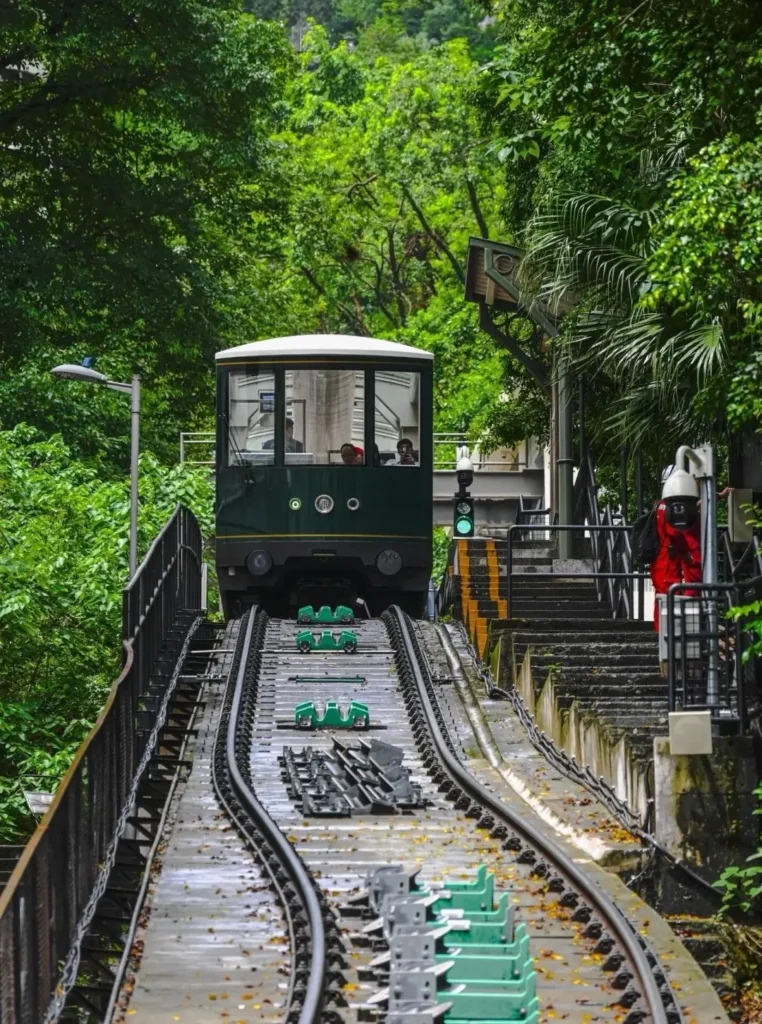
The Peak is the highest point on Hong Kong Island, and it’s the most popular spot to get a panoramic view of the entire city, Victoria Harbor, and the surrounding mountains. The best way to get here is on the historic Peak Tram, a 135-year-old funicular railway that climbs 373 meters up the mountain at a steep 27-degree angle – it’s a thrilling ride that’s an attraction in itself!
My pro tips:
- Wake up early and catch the first tram at 7:30 AM! You’ll skip 2+ hours of waiting in line, get soft morning light for perfect photos, and have the viewing platform almost all to yourself.
- Skip the overpriced restaurants at the top – bring a snack and a water bottle, and spend your time exploring the free Peak Circle Walk, a 3.5 km flat trail around the mountain with even more stunning hidden viewpoints.
- If you’re on a budget, the free Lion’s Pavilion Viewing Deck has just as good views as the paid Sky Terrace 428.
3. Hong Kong Disneyland 🏰
If you’re traveling with family, a partner, or just love all things magical, Hong Kong Disneyland is an absolute must-add to your itinerary. Tucked away on Lantau Island, this Disney park is smaller than its counterparts in Tokyo and Shanghai, which means shorter wait times for rides, and it has exclusive attractions you won’t find anywhere else in the world!
My pro tips for Hong Kong Disneyland:
- Stay at one of the three Disney resort hotels to get early entry (30 minutes before the park opens to the public) – this is the best way to ride the most popular attractions like the Iron Man Experience, Mystic Manor, and Frozen Ever After without waiting in line for hours.
- Don’t miss the daily parade and the nighttime fireworks show over the Castle of Magical Dreams – check the park schedule for times when you arrive, as they change seasonally.
- The park is fully accessible via the MTR (Hong Kong’s subway system) – the Disneyland Resort Line takes just 30 minutes from Central Hong Kong, so you don’t need to stay on-site if you’re on a budget.

4. Ngong Ping 360 & Tian Tan Buddha 🕉️
Another iconic spot on Lantau Island, Ngong Ping 360 is a 5.7 km cable car ride that takes you from Tung Chung up to the Ngong Ping Plateau, home to the Tian Tan Buddha (also known as the Big Buddha) – one of the largest seated bronze Buddha statues in the world, standing 34 meters tall. This is the perfect spot to experience Hong Kong’s spiritual side, with lush mountain views, quiet temples, and a peaceful vibe that feels a million miles away from the busy city.
My pro tips:
- Book a “Crystal Cabin” for the cable car ride – the glass floor gives you a stunning bird’s-eye view of the ocean, mountains, and even the hong kong airport runway below! It’s a little more expensive, but 100% worth it.
- Wear comfortable shoes – you’ll need to climb 268 steps to reach the top of the Buddha statue, but the view from the top is incredible.
- Stop at Po Lin Monastery next to the Buddha for a delicious vegetarian lunch – the monastery has been serving traditional Buddhist vegetarian meals for over 100 years, and it’s a great way to support the local community.
5. Temple Street Night Market 🛍️
If you want to experience the chaotic, vibrant energy of local Hong Kong nightlife, Temple Street Night Market in Yau Ma Tei is the place to be. Open from 2:00 PM to midnight every day (but it really comes alive after 6:00 PM), this is the most famous night market in Hong Kong, lined with hundreds of stalls selling everything from cheap souvenirs and clothing to fake designer goods, traditional Chinese handicrafts, and street food.
My pro tips:
- Bargaining is expected here! Don’t pay the first price a vendor quotes you – start at 50% of the asking price and negotiate from there.
- Don’t miss the street food stalls at the northern end of the market – you’ll find some of the best curry fish balls, egg waffles, and siu mai in the city for just a few HKD.
- Avoid the fortune tellers and street performers that pull you in for a “free reading” – they will almost always demand a large tip after, and it’s a common tourist trap.
6. Mong Kok & Tsim Sha Tsui 🛒
For the ultimate Hong Kong shopping and street culture experience, you have to spend an afternoon in Mong Kok and Tsim Sha Tsui, the busiest districts in Kowloon. Mong Kok is the most densely populated neighborhood in the world, and it’s home to iconic spots like Sneaker Street (Fa Yuen Street), Ladies’ Market, and Langham Place Mall – you’ll find everything from high-end luxury brands to cheap streetwear, vintage stores, and local boutiques. Tsim Sha Tsui, just a short MTR ride away, is home to luxury malls like Harbour City, the K11 Musea art and culture mall, and some of the city’s best museums, including the Hong Kong Museum of Art.
Perfect Hong Kong Itineraries for Every Travel Style & Trip Length 🗓️
This part of our Hong Kong Travel Guide gives you fully planned itineraries for every trip length, so you don’t have to spend hours planning your days. All itineraries are aligned with hong kong time (GMT+8), so you can easily plan your days without confusion, and they’re designed to minimize travel time between spots, so you spend less time on transport and more time exploring!
1-Day Hong Kong Itinerary (Quick Layover/Short Visit)
Perfect if you’re passing through hong kong airport and have 24 hours to explore the city, or if you’re here for a quick weekend trip.
- 8:00 AM – 10:00 AM: Arrive at hong kong airport, take the Airport Express to Central Hong Kong (24 minutes), drop your luggage at your hotel or left luggage counter.
- 10:30 AM – 12:30 PM: Ride the Peak Tram up to Victoria Peak, explore the viewing platforms and the Peak Circle Walk.
- 1:00 PM – 2:30 PM: Take the Star Ferry across Victoria Harbor to Tsim Sha Tsui, stop for a classic dim sum lunch at a local restaurant.
- 3:00 PM – 5:00 PM: Walk along the Avenue of Stars and Tsim Sha Tsui Promenade, visit the Hong Kong Museum of Art if you have time.
- 6:00 PM – 8:00 PM: Explore Temple Street Night Market, try local street food for dinner.
- 8:00 PM – 9:00 PM: Watch the Symphony of Lights show along the Tsim Sha Tsui Promenade.
- 9:30 PM onwards: Head back to the airport or your hotel, or explore the rooftop bars in Tsim Sha Tsui for a nightcap.
3-Day Hong Kong Itinerary (First-Time Visitor Classic Route)
This is the most popular itinerary in our Hong Kong Travel Guide, perfect for first-time visitors who want to see all the iconic spots, eat amazing food, and get a taste of both the city’s modern and cultural sides.
- Day 1: Hong Kong Island Highlights
- Morning: Peak Tram & Victoria Peak, with a classic cha chaan teng breakfast in Central.
- Afternoon: Explore Central and Sheung Wan – visit the Man Mo Temple, walk the historic Hollywood Road, and browse the art galleries in SoHo.
- Evening: Star Ferry ride across Victoria Harbor, Symphony of Lights show, and a Cantonese BBQ dinner in Tsim Sha Tsui.
- Day 2: Lantau Island & Theme Park Fun
- Morning: Ngong Ping 360 cable car, Tian Tan Buddha, and Po Lin Monastery.
- Afternoon & Evening: Hong Kong Disneyland – ride the iconic attractions, watch the parade, and end the night with the fireworks show.
- Day 3: Local Culture & Street Food Deep Dive
- Morning: Traditional yum cha (dim sum) breakfast at a local tea house in Mong Kok.
- Afternoon: Explore Mong Kok’s markets and street culture, visit the Ladies’ Market and Sneaker Street.
- Evening: Temple Street Night Market, try all the classic street food, and end the trip with a rooftop bar drink in Central with skyline views.
5-Day Hong Kong Itinerary (Deep Dive Cultural & Leisure Trip)
If you have more time to explore, this itinerary adds in hidden gems, outdoor adventures, and more authentic local experiences, perfect for travelers who want to go beyond the tourist spots. It includes all the spots from the 3-day itinerary, plus:
- Day 4: Coastal & Beach Day
- Morning: Take a bus to Stanley Market, a charming coastal market with European-style architecture, boutique shops, and waterfront restaurants.
- Afternoon: Relax at Repulse Bay, Hong Kong’s most famous beach, with soft sand and calm water – perfect for a swim or a picnic.
- Evening: Head to Deep Water Bay for a sunset seafood dinner at a waterfront restaurant.
- Day 5: Outdoor Adventure & Local Life
- Morning: Hike the Dragon’s Back Trail, one of the most beautiful hiking trails in Hong Kong, with stunning coastal views (it’s an easy 2-3 hour hike, perfect for beginners!).
- Afternoon: Explore the fishing village of Sai Kung, browse the fresh seafood market, and take a boat ride to nearby hidden beaches.
- Evening: Fresh seafood dinner in Sai Kung, with fish and shellfish you pick right from the market tanks.
Ultimate Hong Kong Food Guide: Must-Try Dishes & Hidden Food Spots 🍜
Let’s be real – one of the biggest reasons to visit Hong Kong is the food! This city is a UNESCO Creative City of Gastronomy, and it has more Michelin-starred restaurants than any other city in the world, but some of the best food you’ll ever eat is from street stalls and tiny local diners for less than 10 HKD. This section of our Hong Kong Travel Guide breaks down the non-negotiable dishes you have to try, and exactly where to find the best versions.
<img src="”hong-kong-dim-sum-spread-2026.jpg”" alt="”Hong" kong travel guide: authentic cantonese dim sum spread for yum cha”>
1. Dim Sum (Yum Cha) 🥟
Yum cha (which translates to “drink tea”) is the traditional Cantonese brunch ritual of eating small steamed and fried dumplings and dishes with family and friends, and it’s an absolute must-do in Hong Kong. The classic dim sum dishes you have to order:
- Har gow: Crystal shrimp dumplings with tender, fresh shrimp inside a thin, translucent wrapper.
- Siu mai: Pork and shrimp steamed dumplings, topped with a fish roe.
- Char siu bao: Fluffy steamed buns filled with sweet, savory barbecued pork.
- Cheong fun: Silky rice noodle rolls filled with shrimp, beef, or char siu, drizzled with sweet soy sauce.
- Egg tarts: Flaky pastry shells filled with smooth, creamy egg custard – the perfect sweet ending to your meal.
Where to eat:
- Tim Ho Wan: The cheapest Michelin-starred restaurant in the world, with locations all over Hong Kong – their baked pork buns are legendary.
- Lin Heung Kui: A historic 100-year-old tea house in Sheung Wan, perfect for an authentic traditional yum cha experience with push carts.
- Luk Yu Tea House: A classic upscale tea house in Central, popular with locals and celebrities since 1933.
2. Hong Kong Style Milk Tea & Pineapple Bun 🧋
No Hong Kong Travel Guide is complete without talking about the city’s most iconic snack and drink! Hong Kong style milk tea is made with strong black tea brewed in a silk stocking (hence its nickname “silk stocking milk tea”), blended with evaporated milk and sugar – it’s rich, creamy, and has a strong, bold flavor that’s nothing like the milk tea you’ll find elsewhere.
The pineapple bun (bo lo bao) is a sweet, fluffy bun with a crispy, crumbly top that looks like a pineapple (it has no pineapple in it, I promise!). The absolute best way to eat it is as a bo lo yau – the warm bun is split open and filled with a thick slice of cold butter, which melts into the warm bread. It’s sweet, salty, crispy, and soft all at once – absolute heaven.
Where to eat:
- Lan Fong Yuen: The birthplace of Hong Kong style milk tea, with a historic location in Central that’s been open since 1952.
- Kam Wah Cafe: A local institution in Mong Kok, famous for its crispy pineapple buns and creamy milk tea.
- Australia Dairy Company: A busy cha chaan teng in Jordan, famous for its silky scrambled eggs and milk tea.
3. Wonton Noodles 🍜
Wonton noodles are a classic Cantonese comfort food, and Hong Kong does it better than anywhere else in the world. The dish is made with thin, springy bamboo noodles (made by beating the dough with a bamboo pole for hours!), served in a rich, savory pork and shrimp broth, topped with plump wontons filled with fresh shrimp and pork. The best wontons have a thin wrapper that doesn’t break, and a juicy, flavorful filling.
Where to eat:
- Mak’s Noodle: A legendary wonton noodle shop with locations all over Hong Kong, serving the classic recipe since 1960.
- Tsim Chai Kee: A Michelin-recommended shop in Central, famous for its springy noodles and rich broth.
4. Cantonese Roast Meats (Siu Mei) 🍗
Cantonese roast meats are a staple of Hong Kong cuisine, and you’ll find roast meat shops on almost every street in the city. The must-try dishes:
- Char siu: Barbecued pork marinated in a sweet honey and soy sauce, roasted until tender and caramelized.
- Roast goose: Hong Kong’s most famous roast meat, with crispy, golden skin and tender, juicy meat, served with a sweet plum sauce.
- Siu yuk: Crispy roast pork, with a crackling crispy skin and tender, fatty meat.
Where to eat:
- Yung Kee Restaurant: A world-famous restaurant in Central, famous for its roast goose – it’s been a Hong Kong institution since 1942.
- Joy Hing’s Roasted Meat: A tiny roast meat shop in Wan Chai, with lines out the door every day for their crispy siu yuk and char siu.
5. Iconic Hong Kong Street Food 🥡
The street food in Hong Kong is some of the best in the world, and you can find delicious snacks on almost every corner for just a few HKD. The must-try street food dishes:
- Curry fish balls: Springy fish balls cooked in a spicy, fragrant curry sauce – the most iconic Hong Kong street food.
- Egg waffles: Crispy, fluffy waffles cooked in a honeycomb mold, served plain or with chocolate, matcha, or ice cream.
- Put chai ko: Sweet, jiggly rice pudding cakes cooked in small porcelain bowls, a classic Hong Kong dessert.
- Yin jian fa gao: Fried stuffed three treasures – fried eggplant, bell pepper, and tofu stuffed with fish paste, deep fried and drizzled with sweet soy sauce.
Where to eat: Temple Street Night Market, Mong Kok’s Fa Yuen Street, and Causeway Bay’s Jardine’s Crescent are the best spots for street food.
Essential Hong Kong Travel Tips & Pitfalls to Avoid ⚠️
After years of traveling to Hong Kong and helping thousands of readers plan their trips with my <a href="/zh/”/china-travel-tips”/">Essential China Travel Tips</a>, I’ve learned all the hacks to make your trip smooth, and all the common tourist traps to avoid. This section of our Hong Kong Travel Guide is the most important part – read it carefully to save time, money, and stress on your trip!
1. Transport Tips
- Buy an Octopus Card immediately: This is the most important thing you’ll do when you arrive in Hong Kong. The Octopus Card is a reusable contactless card that works on all MTR subway lines, buses, trams, ferries, and even in most convenience stores, restaurants, and vending machines. You can buy one at the hong kong airport MTR station, any MTR station, or most convenience stores, with a 50 HKD deposit that you get back when you return the card.
- Ride the Ding Ding Tram: The historic double-decker trams (affectionately called “Ding Dings” by locals) run along the north side of Hong Kong Island, and they’re the cheapest way to get around – a ride costs just 3 HKD, no matter how far you go. It’s also a great way to see the city!
- Avoid taxis during rush hour: Hong Kong taxis are cheap and safe, but during morning and evening rush hour (8:00-10:00 AM and 6:00-8:00 PM), traffic is terrible, and the MTR is always faster.
2. Money & Payment Tips
- Carry cash: While most large restaurants, malls, and hotels accept credit cards, Alipay, and WeChat Pay, many small street food stalls, local cha chaan tengs, and market vendors only accept cash (Hong Kong Dollars, HKD).
- Don’t exchange money at the airport: The exchange rate at hong kong airport is terrible. Exchange a small amount for the train to the city, then exchange the rest at a licensed money changer in Mong Kok, Causeway Bay, or Central – they have much better rates.
- No need to tip: Most restaurants add a 10% service charge to your bill automatically, so you don’t need to leave an extra tip. For small cafes and street food stalls, tipping is not expected at all.
3. Visa & Travel Document Tips
- Check your visa requirements: Most nationalities (including the US, UK, Canada, Australia, and most EU countries) can visit Hong Kong visa-free for 7-180 days, depending on your nationality. If you’re traveling to mainland China after Hong Kong, you’ll need to apply for a Chinese visa before your trip.
- Keep your passport with you: Hong Kong law requires you to carry your passport with you at all times, so keep a copy in your bag and the original in a safe place.
4. Common Tourist Traps to Avoid
- Don’t buy fake designer goods: Street vendors in Temple Street and Mong Kok sell fake designer bags, watches, and clothing, but buying them is illegal, and you could face fines or have them confiscated at customs when you leave.
- Don’t take random “free tours”: People on the street offering free tours or discounted tickets are almost always scammers, who will take you to overpriced shops and pressure you to buy things.
- Don’t eat at tourist trap restaurants along the Tsim Sha Tsui Promenade: The restaurants right along the harbor are overpriced and have low-quality food. Walk a few blocks inland to find local restaurants with better food and lower prices.
- Don’t book peak time tickets for the Peak Tram: As I mentioned earlier, the lines for the Peak Tram after 10:00 AM can be 2+ hours long. Wake up early, or go late at night after 9:00 PM to avoid the crowds.
FAQs About Hong Kong Travel 🤔
Q1: Do I need a visa to visit Hong Kong?
A: Most international visitors do not need a visa to visit Hong Kong for tourism purposes. Citizens of over 170 countries and territories, including the United States, United Kingdom, Canada, Australia, New Zealand, and all European Union member states, can enter Hong Kong visa-free for stays ranging from 7 days to 180 days, depending on your nationality. If you plan to travel to mainland China before or after your Hong Kong trip, you will need to apply for a separate Chinese visa in advance, unless you qualify for a visa-free transit policy. Always check the latest visa requirements with the Hong Kong Immigration Department before your trip to avoid any issues at the border.
Q2: What is the best time of year to visit Hong Kong?
A: The best time to visit Hong Kong is from October to early April, during the city’s autumn and winter seasons. During these months, the weather is cool and dry, with average temperatures between 15°C and 25°C (59°F to 77°F), perfect for sightseeing, hiking, and exploring the city. The summer months (May to September) are hot, humid, and rainy, with frequent typhoons and heavy downpours, which can disrupt outdoor plans. The busiest (and most expensive) times to visit are during Chinese Lunar New Year (January/February), Christmas, and New Year’s Eve, so book your accommodation well in advance if you’re traveling during these peak periods.
Q3: How do I get from Hong Kong Airport to the city center?
A: There are several easy, affordable ways to get from hong kong airport to the city center, depending on your budget and where you’re staying:
- Airport Express: This is the fastest option, with high-speed trains running from the airport to Central Hong Kong in just 24 minutes, with stops at Tsing Yi and Kowloon. A one-way ticket costs 115 HKD to Kowloon and 115 HKD to Central, and trains run every 10 minutes from 5:50 AM to 1:15 AM daily.
- Airport Buses: The most affordable option, with the A-series airport buses running to all major districts in Hong Kong, including Tsim Sha Tsui, Mong Kok, Causeway Bay, and Central. A one-way ticket costs between 30 HKD and 50 HKD, and the journey takes 45-60 minutes, depending on your destination.
- Taxis: Red urban taxis are available right outside the airport terminal, and a ride to Central Hong Kong costs around 350-400 HKD, with a journey time of 30-40 minutes (depending on traffic). This is a great option if you’re traveling with a group or have lots of luggage.
Q4: Is Hong Kong safe for solo travelers and families?
A: Yes! Hong Kong is consistently ranked as one of the safest cities in the world, with an extremely low violent crime rate, making it perfect for solo travelers (including solo female travelers) and families. The city has excellent public safety infrastructure, 24-hour convenience stores, well-lit streets, and a reliable police force that is quick to respond to any issues. As with any major city, you should take basic precautions: keep an eye on your belongings in crowded markets and on public transport, don’t leave your bags unattended, and avoid walking alone in quiet, unlit areas late at night. The vast majority of locals are friendly and helpful, and most people in tourist areas speak English, so you’ll never feel lost or unsafe.
Heartfelt Wishes for Your China Travel Adventure 💖
To every wonderful traveler embarking on your journey through China, whether you’re starting your adventure in the vibrant streets of Hong Kong, exploring the ancient majesty of the Great Wall, wandering the serene karst mountains of Guilin, or falling in love with the cute giant pandas in Chengdu, I wish you a trip filled with endless magic, joy, and unforgettable moments.
May every step you take bring you closer to the rich, 5,000-year history of China, the breathtaking natural beauty that stretches from the snow-capped mountains of Tibet to the tropical beaches of Hainan, and the warm, incredible hospitality of the Chinese people. May your days be filled with delicious, mouthwatering food that makes your heart sing, stunning views that take your breath away, and chance encounters with kind people that turn into lifelong friendships.
May your travels be safe, your heart be full, and your mind be open to all the wonderful surprises that this incredible country has to offer. Whether you’re here for a quick trip or a long adventure, may China feel like a home away from home, and may every memory you make here be a treasure you carry with you for the rest of your life. Welcome to China, and may your adventure be everything you’ve ever dreamed of, and so much more.


 Chinese
  English