Hohhot Travel Guide 2026
Hey fellow wanderlusters! 🌍 If you’re craving an off-the-beaten-path China adventure that blends epic nomadic culture, jaw-dropping grasslands, centuries-old history, and mind-blowing comfort food, this Hohhot Travel Guide is exactly what you need. As someone who’s spent years crafting authentic China Travel Guide content for international visitors, I’m spilling all my insider secrets for Hohhot, the vibrant capital of Inner Mongolia Autonomous Region in northern China. Whether you’re flying in via Hohhot Airport, planning a weekend getaway from Beijing, or adding this hidden gem to your cross-country China Travel Tips bucket list, this guide has every single detail you need to have an unforgettable, stress-free trip.
Too many travelers stick to Beijing, Shanghai, or Xi’an when visiting China, but Hohhot China is where you’ll find the heart and soul of northern China’s nomadic heritage. It’s a city where modern skyscrapers stand beside 400-year-old Tibetan Buddhist temples, where you can sip salty milk tea with local herders in the morning and explore a world-class museum in the afternoon, and where you can escape to endless grasslands just an hour outside the city center. This Hohhot Travel Guide is designed to help you skip the tourist traps, connect with local culture, and make the most of every single minute in this incredible destination.
📜 A Quick Deep Dive Into Hohhot China’s Rich History & Culture
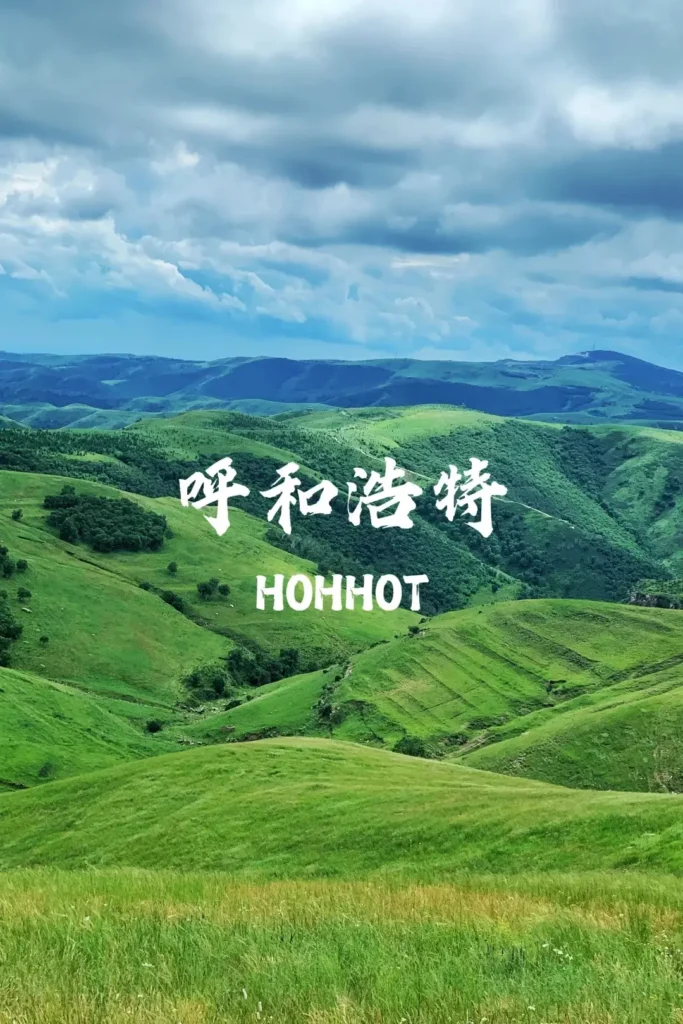
Before we jump into the fun stuff, let’s talk about why Hohhot China is such a unique and important city. Unlike many Chinese cities that grew from agricultural roots, Hohhot was born as a meeting point between nomadic Mongolian culture and Han Chinese civilization. Its name comes from the Mongolian phrase “Khökh Khot”, which literally translates to “Blue City” – a nod to the clear, bright skies that stretch over the city and surrounding grasslands year-round.
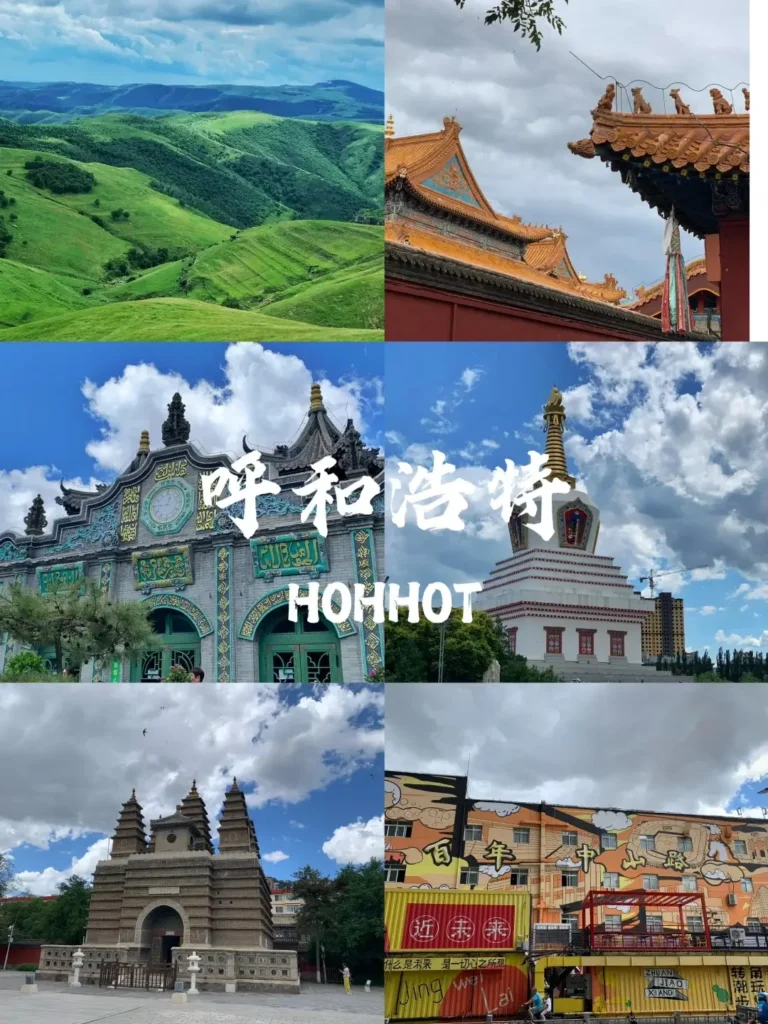
Hohhot was officially founded in 1575 during the Ming Dynasty by Altan Khan, the powerful leader of the Tümed Mongol tribe. Altan Khan was a pivotal figure in Mongolian history, responsible for reviving Tibetan Buddhism in Inner Mongolia and forging peaceful relations with the Ming Dynasty. He built the city’s first and most famous temple, Dazhao Temple, which still stands today as a symbol of Hohhot’s spiritual and cultural heritage.
Over the centuries, Hohhot earned the nickname “The City of Temples”, with over 50 Tibetan Buddhist monasteries built within its borders during the Qing Dynasty. It also became a critical trading hub along the northern Tea Horse Road, connecting Chinese tea merchants with Mongolian and Russian nomadic tribes. Today, Hohhot China is the political, cultural, and economic center of Inner Mongolia, and it’s the perfect starting point for anyone looking to explore the region’s nomadic culture, stunning natural landscapes, and rich history. For more deep dives into China’s diverse cultural heritage, check out our Complete Guide to China’s Ethnic Minority Cultures.
🏞️ Top Famous Scenic Spots in China: Must-Visit Places in Hohhot
This Hohhot Travel Guide splits the best spots into two categories: unmissable urban attractions in the city center, and breathtaking natural getaways just a short drive away. Whether you have 1 day or 1 week, these spots will give you the full Hohhot experience.
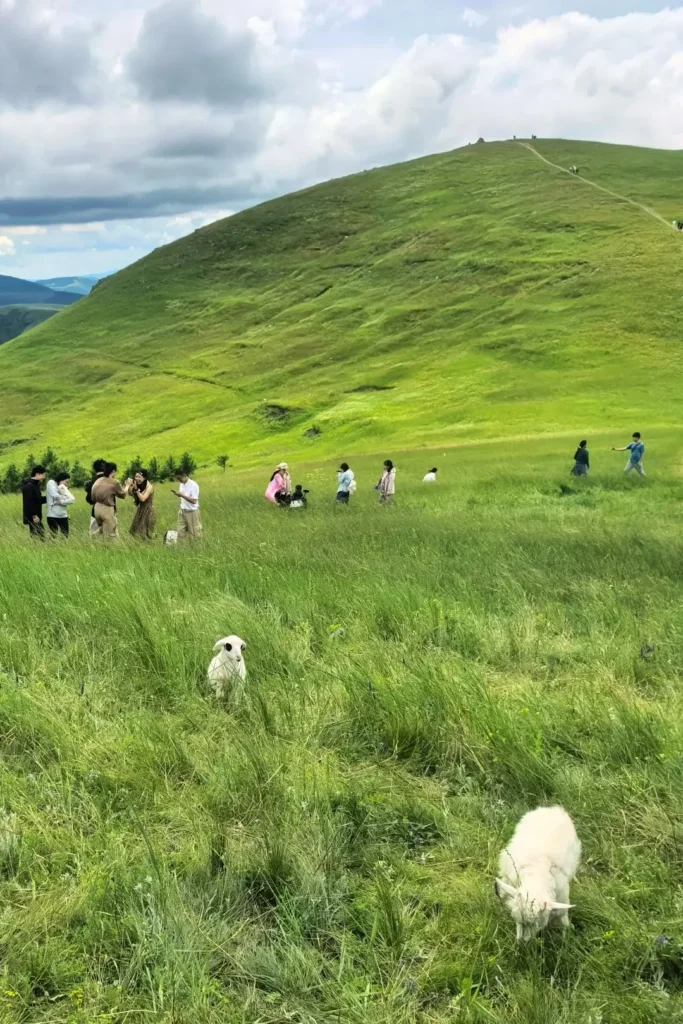
Urban Attractions in Hohhot China
1. Dazhao Temple (Wuliang Temple)
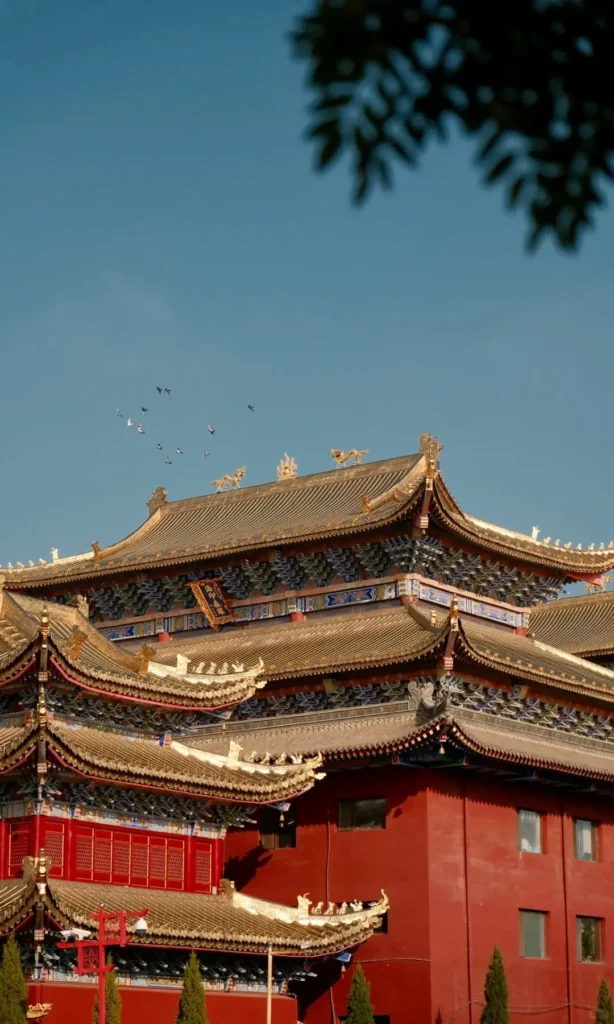
No Hohhot Travel Guide is complete without a visit to Dazhao Temple, the oldest and most important Tibetan Buddhist monastery in Hohhot. Built in 1579 by Altan Khan, this Gelugpa (Yellow Hat) sect temple is home to the famous “Three Treasures of Dazhao”: a 2.5-meter-tall pure silver statue of Sakyamuni Buddha, intricate golden dragon carvings wrapped around the temple’s pillars, and stunning 400-year-old murals depicting Buddhist stories and Mongolian daily life.
What I love most about Dazhao Temple is that it’s not just a tourist attraction – it’s a working monastery. On my last visit, I arrived at 8 am on a weekday and got to watch local devotees spin prayer wheels, light butter lamps, and prostrate in the courtyard, which was an incredibly authentic and peaceful experience. The temple is also connected to Saishang Old Street, a charming pedestrian street lined with traditional Qing Dynasty architecture, souvenir shops, and local snack stalls – perfect for a post-temple wander.
- Ticket Price: ~35 RMB
- Opening Hours: 8:00 AM – 6:00 PM daily
- Insider Tip: Dress modestly (cover your shoulders and knees) to enter the temple halls, and avoid taking photos of the Buddha statues unless signs say it’s allowed.
Alt Text: Hohhot Travel Guide: Historic Dazhao Temple, one of the most Famous scenic spots in China
2. Inner Mongolia Museum
If you want to understand the full history and culture of Inner Mongolia before heading out to the grasslands, the Inner Mongolia Museum is an absolute must-visit. It’s the largest museum in Inner Mongolia, with over 150,000 cultural relics spread across 7 themed exhibition halls, covering everything from prehistoric dinosaur fossils (Inner Mongolia is one of the world’s top dinosaur fossil sites!) to ancient Mongolian nomadic artifacts, Tibetan Buddhist art, and modern Inner Mongolian history.
My favorite halls are the Nomadic Culture Hall, which has incredible displays of traditional Mongolian yurts, clothing, horse gear, and hunting tools, and the Paleontology Hall, which has a full-size skeleton of a Saurolophus dinosaur found in the Gobi Desert. The best part? Admission is 100% free for all visitors – you just need to make a reservation online in advance (we cover this in our China Travel Tips guide for museum visits China Museum Reservation Guide).
- Ticket Price: Free (reservation required)
- Opening Hours: 9:00 AM – 5:00 PM (last entry 4:00 PM), closed Mondays
- Insider Tip: All exhibits have English labels, and you can rent an English audio guide for ~20 RMB at the entrance. Allocate at least 2-3 hours here – there’s so much to see!
3. Saihan Tara Urban Grassland
Ever dreamed of stepping out of a city center and into a vast, rolling grassland? Saihan Tara Urban Grassland makes that dream a reality. It’s the largest urban grassland in Asia, spanning over 10 square kilometers right in the heart of Hohhot. This is the perfect spot to get a taste of grassland life without having to drive hours outside the city – you can ride horses, feed sika deer, rent a bicycle to cycle around the grassland, or just spread out a picnic blanket and watch the sunset over the rolling hills.
I love coming here in the early evening, when the temperature cools down and local families come out to walk, fly kites, and play. It’s also completely free to enter, which is a huge bonus!
- Ticket Price: Free (some activities like horse riding cost extra)
- Opening Hours: 24/7 daily
- Insider Tip: The deer park is open from 9:00 AM – 5:00 PM, and you can buy deer food for ~10 RMB at the entrance. Go early to avoid crowds!
4. Xilituzhao Temple (Small Zhao Temple)
Just a 10-minute walk from Dazhao Temple, Xilituzhao Temple is often overlooked by tourists, but it’s one of my favorite spots in Hohhot China. Built in the late 16th century, it’s the highest-ranking Gelugpa monastery in Inner Mongolia, and it was once the residence of the Living Buddha of Inner Mongolia. The temple’s architecture is a stunning blend of Mongolian, Tibetan, and Han Chinese styles, with a gorgeous golden-roofed main hall, beautiful courtyards, and intricate murals.
Unlike Dazhao Temple, Xilituzhao is usually very quiet, so you can take your time exploring and soak in the peaceful atmosphere. It’s also much cheaper to visit, making it perfect for budget travelers.
- Ticket Price: ~30 RMB
- Opening Hours: 8:00 AM – 6:00 PM daily
- Insider Tip: The temple’s rooftop offers incredible views of the surrounding old town and Dazhao Temple – don’t miss it!
Natural Getaways Near Hohhot China
No Hohhot Travel Guide is complete without a trip to the iconic Inner Mongolian grasslands. Here are the best spots within a 3-hour drive of the city, perfect for day trips or overnight stays.
1. Xilamuren Grassland
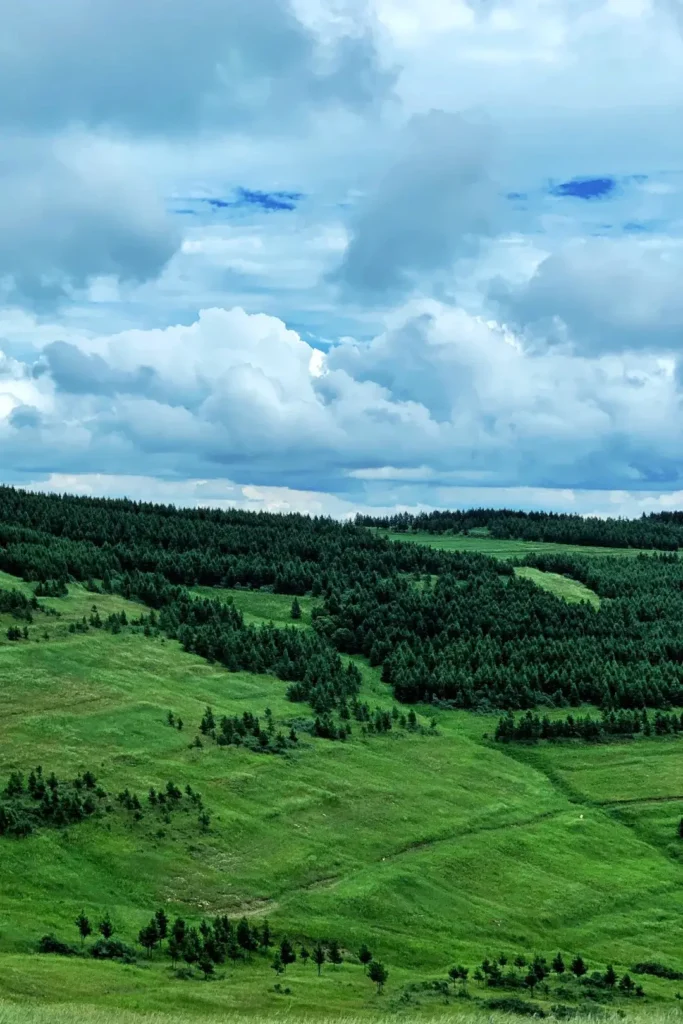
Xilamuren Grassland is the closest major grassland to Hohhot China, just 90 kilometers north of the city (1.5-hour drive). It’s the most popular grassland for first-time visitors, with a wide range of nomadic experiences available: you can stay in a traditional Mongolian yurt, ride horses across the rolling hills, watch a traditional naadam festival performance (wrestling, horse racing, archery), join a bonfire party at night, and eat authentic hand-grasped mutton with local herders.
While it’s more touristy than some other grasslands, it’s the most convenient option for travelers with limited time, and there are still plenty of ways to have an authentic experience. For more advice on choosing the right grassland for your trip, check out our Inner Mongolia Grassland Comparison Guide.
- Best Time to Visit: June to September, when the grass is green and the wildflowers are in bloom
- Insider Tip: If you’re staying overnight, book a yurt with heating – even in summer, the temperature drops to 10-15°C at night!
2. Huitengxile Grassland (Yellow Flower Valley)
If you’re looking for a more pristine, less touristy grassland experience, Huitengxile Grassland is the perfect choice. Located 130 kilometers northeast of Hohhot (2-hour drive), it’s a high-altitude alpine meadow sitting at 1800 meters above sea level, with rolling hills covered in wildflowers, dozens of natural lakes, and hundreds of giant wind turbines that stretch across the horizon – it’s like something out of a fairy tale!
The main attraction here is Yellow Flower Valley, a scenic canyon with waterfalls, hiking trails, and stunning views of the grassland. Huitengxile is much cooler than Hohhot in summer, making it the perfect escape from the heat.
- Best Time to Visit: July to August, when the wildflowers are in full bloom
- Insider Tip: Wear sturdy hiking shoes if you’re planning to explore Yellow Flower Valley – the trails can be rocky!
3. Kubuqi Desert (Xiangshawan Scenic Area)
Want to add a desert adventure to your Hohhot Travel Guide itinerary? Kubuqi Desert, the 7th largest desert in China, is just 200 kilometers southwest of Hohhot (3-hour drive). The most popular spot here is Xiangshawan (Singing Sand Bay), a 5A-rated scenic area where the sand dunes “sing” when the wind blows – a natural phenomenon caused by the friction of sand grains.
At Xiangshawan, you can ride camels across the dunes, go sand sledding, ride a desert ATV, watch a traditional Mongolian desert performance, or even stay in a luxury desert resort. It’s the perfect spot for adventure seekers and families alike!
- Best Time to Visit: May to June or September to October, when the temperature is mild (summer can be extremely hot)
- Insider Tip: Bring plenty of water, sunscreen, and a hat – the desert sun is intense!
🗺️ Perfect Hohhot Travel Itineraries For Every Travel Style
Now that you know all the best spots, this Hohhot Travel Guide has curated two perfect itineraries to help you plan your trip: a 3-day classic itinerary for first-time visitors, and a 5-day deep dive itinerary for travelers who want to experience everything Hohhot and the surrounding area has to offer.
3-Day Classic Hohhot Itinerary (Perfect for First-Time Visitors)
This itinerary hits all the highlights of Hohhot China, with a mix of culture, history, nature, and food – perfect for a weekend getaway or a short stop on your China trip.
Day 1: Arrival & Urban Culture Exploration
- Morning: Land at Hohhot Airport, take the metro Line 1 or airport bus to your hotel in the city center. Drop off your bags and head straight to the Inner Mongolia Museum to learn about the region’s history and culture.
- Afternoon: Explore Saihan Tara Urban Grassland – rent a bike, feed the deer, or just relax and take in the views.
- Evening: Wander Saishang Old Street and the surrounding old town, then head to Kuanxiangzi Food Street for your first taste of authentic Hohhot cuisine.
Day 2: Grassland Adventure Day Trip
- Morning: Leave Hohhot early and drive to Xilamuren Grassland. Arrive and check out the grassland, take a horse ride, and visit a local herder’s family to learn about nomadic life.
- Afternoon: Watch a traditional naadam performance, try archery, and explore the grassland’s hills and lakes.
- Evening: Enjoy a dinner of authentic hand-grasped mutton, join a bonfire party with local performers, then either drive back to Hohhot or stay overnight in a traditional yurt.
Day 3: Historic Temples & Food Tour
- Morning: Visit Dazhao Temple to explore the iconic monastery and its three treasures. Afterward, walk to Xilituzhao Temple for a quieter, more peaceful temple experience.
- Afternoon: Go on a Hohhot food tour – try classic shaomai for lunch, sample local dairy snacks, and sip traditional Mongolian milk tea. Pick up souvenirs (like authentic milk candy or Inner Mongolian wine) from local supermarkets.
- Evening: Head to Hohhot Airport for your departure, or continue your journey to other parts of China. For more cross-country travel ideas, check out our ultimate China Travel Guide Ultimate China Travel Itinerary 2026.
5-Day Deep Dive Hohhot Itinerary
If you have more time, this itinerary adds a desert adventure and a more authentic grassland experience, giving you a complete taste of Inner Mongolia’s diverse landscapes.
- Day 1: Arrival & Inner Mongolia Museum + Saihan Tara Urban Grassland
- Day 2: Full day trip to Huitengxile Grassland (Yellow Flower Valley) for hiking, wildflower viewing, and a more pristine grassland experience
- Day 3: Overnight trip to Xilamuren Grassland – stay in a yurt, join a herder family for a day of nomadic life, watch the sunrise over the grassland
- Day 4: Day trip to Kubuqi Desert (Xiangshawan) for camel riding, sand sledding, and desert adventures
- Day 5: Temple tour (Dazhao + Xilituzhao), food tour, and departure
🍜 Ultimate Hohhot Food Guide: Must-Try Local Dishes You Can’t Miss
One of the best parts of any trip to Hohhot China is the food – it’s hearty, flavorful, and deeply rooted in Mongolian nomadic culture. This Hohhot Travel Guide is spilling all the must-try dishes, where to eat them, and the pitfalls to avoid.
1. Hand-Grasped Mutton (Shouba Rou)
This is the most iconic dish of Inner Mongolia, and no trip to Hohhot is complete without trying it. Hand-grasped mutton is made by boiling fresh, high-quality local lamb in water with just a little salt – no other spices, so you can taste the pure, tender flavor of the meat. It’s called “hand-grasped” because you eat it with your hands, pulling the tender meat off the bone.
- Where to Try: Local herder families on the grassland, or authentic Inner Mongolian restaurants in the city center (avoid tourist traps on Saishang Old Street)
- Insider Tip: The best hand-grasped mutton is made with lamb from the grasslands – it’s much more tender and less gamey than regular lamb.
2. Hohhot Shaomai
Shaomai is the iconic breakfast food of Hohhot China, and it’s completely different from the shaomai you’ll find in southern China. Hohhot shaomai is made with a paper-thin wrapper filled with juicy, seasoned lamb and scallions, steamed to perfection. They’re crispy on the edges, juicy in the middle, and absolutely addictive.
- Critical Pitfall to Avoid: Hohhot shaomai is sold by the “liang” (50 grams), which refers to the weight of the wrapper, not the whole dumpling. 1 liang = 8 large shaomai, which is more than enough for most adults. On my first visit, I ordered 3 liang and ended up with 24 dumplings – I couldn’t even finish a quarter of them! Trust me, 1 liang per person is plenty.
- Where to Try: Old brand shaomai restaurants like “Duyichu” or “Mai Xiangcun”, or local breakfast shops in Kuanxiangzi Food Street.
[Image: Steamed Hohhot shaomai with lamb filling, served with vinegar]
Alt Text: Hohhot Travel Guide: Must-try local shaomai in Hohhot China
3. Mongolian Milk Tea (Su Cha)
Mongolian milk tea is the staple drink of Inner Mongolia, and it’s very different from the sweet milk tea you’re probably used to. Traditional Mongolian milk tea is salty, made by boiling black tea with fresh milk, butter, and a little salt. It’s creamy, savory, and perfect for warming up on cold days, and it’s always served with meals in Mongolian families.
- Insider Tip: If you don’t like salty drinks, most restaurants also offer sweet milk tea – just ask when you order! You can also buy milk tea powder to take home as a souvenir.
4. Inner Mongolian Dairy Snacks
Inner Mongolia is famous for its dairy products, which are a core part of nomadic culture. There are so many delicious snacks to try, including:
- Nai Pi Zi (Milk Skin): A thin, crispy layer of cream skimmed from boiled milk, either sweet or savory. It’s rich, creamy, and absolutely delicious.
- Nai Dou Fu (Milk Tofu): A firm, cheese-like dairy product made from fermented milk. It comes in sweet and sour varieties, and it’s perfect for snacking.
- Suan Nai (Yogurt): Traditional Inner Mongolian yogurt is thick, tangy, and usually served with a little sugar or honey. It’s way better than the yogurt you’ll find in supermarkets!
- Where to Try: Local herder families on the grassland, or large supermarkets in Hohhot (they’re much cheaper and more authentic than souvenir shops)
5. Lamb Offal Soup (Yang Za Sui)
Another iconic breakfast food of Hohhot, lamb offal soup is a hearty, flavorful soup made with lamb offal, spices, and herbs. It’s usually served with a baked flatbread called “Bei Zi”, which you can dip into the soup. It’s the perfect way to start a cold morning in Hohhot.
- Where to Try: Local breakfast shops in Kuanxiangzi Food Street, or old town restaurants near Dazhao Temple.
6. Roast Whole Lamb (Kao Quan Yang)
Roast whole lamb is the most luxurious dish in Mongolian culture, usually served for special occasions and celebrations. A whole lamb is roasted over an open fire for hours, until the skin is crispy and the meat is tender and juicy. It’s an incredible experience, but it’s very large – it’s only suitable for groups of 6 or more people.
- Pitfall to Avoid: Never order a roast whole lamb if you’re traveling alone or with 1-2 people – it’s extremely expensive, and you’ll never finish it. Most restaurants also require 24 hours advance notice to prepare it.
💡 Insider Hohhot Travel Tips & Pitfalls to Avoid
After multiple visits to Hohhot China, I’ve learned all the tips and tricks to make your trip smooth, affordable, and authentic – and all the pitfalls to avoid. This Hohhot Travel Guide is sharing all my insider secrets:
- Transport Tips from Hohhot Airport
- Hohhot Baita International Airport is connected to the city center via Metro Line 1, which runs directly from the airport to the downtown area in 30 minutes for just 5 RMB – it’s the cheapest and most reliable option.
- Airport buses run every 30 minutes to the city center for 15 RMB, and taxis/ride-hailing cars cost around 50-60 RMB.
- Pitfall to Avoid: Never take unmarked “black cars” outside the airport – they will overcharge you by 2-3 times the regular price. Always use official taxis or ride-hailing apps like Didi.
- Grassland Travel Pitfalls
- Always agree on the price of horse riding in advance – confirm if it’s per hour or per route, and make sure there are no hidden fees. Some unscrupulous vendors will quote a low price, then charge you extra for “guiding fees” or longer routes.
- If you’re staying in a yurt, confirm exactly what’s included in the price before booking – some yurts charge extra for breakfast, hot water, heating, or bonfire parties.
- Insider Tip: Book grassland experiences through reputable travel agencies or your hotel, not random street vendors – they’re much more reliable.
- Climate & Packing Tips
- Hohhot has a continental climate, with huge temperature differences between day and night – even in summer, the temperature can drop by 15°C at night. Always bring a warm jacket, long pants, and closed-toe shoes, no matter what time of year you visit.
- The best time to visit Hohhot China is from June to September, when the grasslands are green and the weather is mild. Winter (December to February) is extremely cold, with temperatures dropping to -20°C, but it’s perfect for winter naadam festivals and ice activities.
- Critical Tip: The UV radiation in Hohhot and the grasslands is extremely strong, even on cloudy days. Always wear high-SPF sunscreen, a hat, and sunglasses – I got sunburned on a cloudy day on my first visit!
- Cultural Etiquette Tips
- When visiting Buddhist temples, dress modestly (cover your shoulders and knees), remove your hat when entering temple halls, and don’t touch Buddha statues or religious artifacts.
- When visiting a Mongolian herder’s family, accept the milk tea they offer with both hands – it’s a sign of respect. Don’t step on the threshold of the yurt, and don’t waste food.
- For more detailed etiquette advice, check out our Mongolian Nomadic Culture Etiquette Guide, part of our China Travel Tips series.
- Consumption & Shopping Pitfalls
- Avoid buying souvenirs and snacks at tourist attractions – they’re 2-3 times more expensive than in local supermarkets. For dairy snacks, wine, and other souvenirs, head to large local supermarkets like Yonghui or RT-Mart.
- Don’t buy “rare” animal products or antiques from street vendors – they’re almost always fake, and many are illegal to bring out of China.
- Insider Tip: Most restaurants in the city center have English menus, but if you’re traveling to the grasslands, download a translation app like Google Translate or Baidu Translate to help with ordering.
❓ FAQ: Most Popular Questions About Hohhot Travel
Here are the 4 most frequently asked questions about traveling to Hohhot China, with all the details you need to plan your trip:
- Q: What is the best time to visit Hohhot China?
- A: The best time to visit Hohhot China is from June to early September. During these months, the temperature is mild (15-28°C during the day), the grasslands are lush and green, wildflowers are in full bloom, and most traditional naadam festivals and nomadic events are held. If you prefer fewer crowds and beautiful autumn foliage, late September to mid-October is also a great time, though the grasslands will start to turn brown. Winter (December to February) is extremely cold, with temperatures dropping to -20°C, but it’s perfect for travelers who want to experience winter naadam festivals, ice skating, and snowy grassland views.
- Q: How do I get from Hohhot Airport to the city center?
- A: There are 3 reliable ways to get from Hohhot Baita International Airport to the city center, all of which are covered in this Hohhot Travel Guide. The first and most affordable option is Metro Line 1, which runs directly from the airport terminal to downtown Hohhot every 5-10 minutes, taking 30 minutes and costing just 5 RMB. The second option is the official airport bus, which runs every 30 minutes to major downtown hotels and landmarks, costing 15 RMB and taking 40 minutes. The third option is a taxi or ride-hailing car (via Didi), which costs 50-60 RMB and takes 25-30 minutes, depending on traffic. We strongly recommend avoiding unmarked “black cars” outside the airport, as they will drastically overcharge you.
- Q: Is Hohhot suitable for family travel with kids?
- A: Absolutely! Hohhot is one of the most family-friendly destinations in northern China, with a huge range of activities for kids of all ages. The Inner Mongolia Museum has incredible dinosaur fossil exhibits that kids will love, Saihan Tara Urban Grassland has a deer park, bike rentals, and wide open spaces for kids to run and play, the grasslands offer gentle horse rides and sheep feeding experiences, and Xiangshawan Desert has sand sledding, camel rides, and kid-friendly desert activities. Most hotels and grassland resorts offer family rooms and kid-friendly amenities, and the local food is mild and kid-friendly (most restaurants can make dishes less spicy or gamey for kids). Just make sure to bring warm clothes, sunscreen, and hats for your kids, as the temperature and UV radiation can be extreme.
- Q: How many days do I need for a complete Hohhot Travel Guide itinerary?
- A: The ideal length for a Hohhot trip depends on what you want to experience. For a classic itinerary that covers the city’s top temples, museum, urban grassland, and a day trip to the nearby grasslands, 3 full days is perfect. If you want to add a desert trip to Kubuqi Desert and a more in-depth grassland experience with an overnight yurt stay, 5 full days is ideal. If you only have 1-2 days, you can still see the highlights of downtown Hohhot, including the museums, temples, and urban grassland, but you won’t have time to visit the outer grasslands or desert. For travelers adding Hohhot to a longer China trip, we recommend allocating 3-5 days to get the full experience.
Wishes for Your China Travel Journey
As you prepare for your adventure to Hohhot and beyond, I hope this Hohhot Travel Guide has given you all the tools, tips, and inspiration to have an incredible, authentic trip to China. Whether you’re wandering the ancient temple courtyards of Hohhot, riding horses across the endless Inner Mongolian grasslands, sipping salty milk tea with local herders, or exploring the countless other incredible destinations across this vast, diverse country, may your journey be filled with joy, wonder, and unforgettable moments.
China is a country of incredible beauty, rich history, and warm, welcoming people – every corner has a new story to tell, a new flavor to try, and a new adventure to be had. May your travels be safe, your heart be open, and your memories last a lifetime. We can’t wait to hear all about your adventures in Hohhot China and beyond!


 Chinese
  English