Harbin Travel Guide
Hey wanderlusters! ✨ If you’ve ever dreamed of stepping into a real-life frozen fairy tale, this Harbin Travel Guide is exactly what you need to plan the most magical trip to China’s coolest (literally!) city. Known far and wide as the “Ice City of China”, Harbin isn’t just a stop on the winter travel map—it’s a one-of-a-kind destination where Russian imperial heritage meets vibrant Northeast Chinese culture, where steaming hot dumplings warm you up after a day playing in the snow, and where every corner holds a new adventure for international travelers exploring Famous scenic spots in China.
Whether you’re here for the world-renowned Harbin Ice Festival, craving a relaxing soak in healing Harbin hot springs, eager to taste iconic Northeastern Chinese and Russian-influenced cuisine, or just want to dive into a city with a rich, unexpected history, we’ve got every single detail covered. After 3 winters exploring every hidden gem and tourist trap in Harbin, I’ve put together this no-fluff guide to make sure your trip is seamless, affordable, and unforgettable—no last-minute surprises, no overpriced scams, just the very best of this incredible city. Let’s dive in! ❄️
A Quick Deep Dive Into Harbin’s Fascinating History & Culture 📜
Before we jump into the fun stuff, understanding Harbin’s backstory will make your trip so much more meaningful—this isn’t just a winter destination, it’s a city with a wildly unique past unlike anywhere else in China.
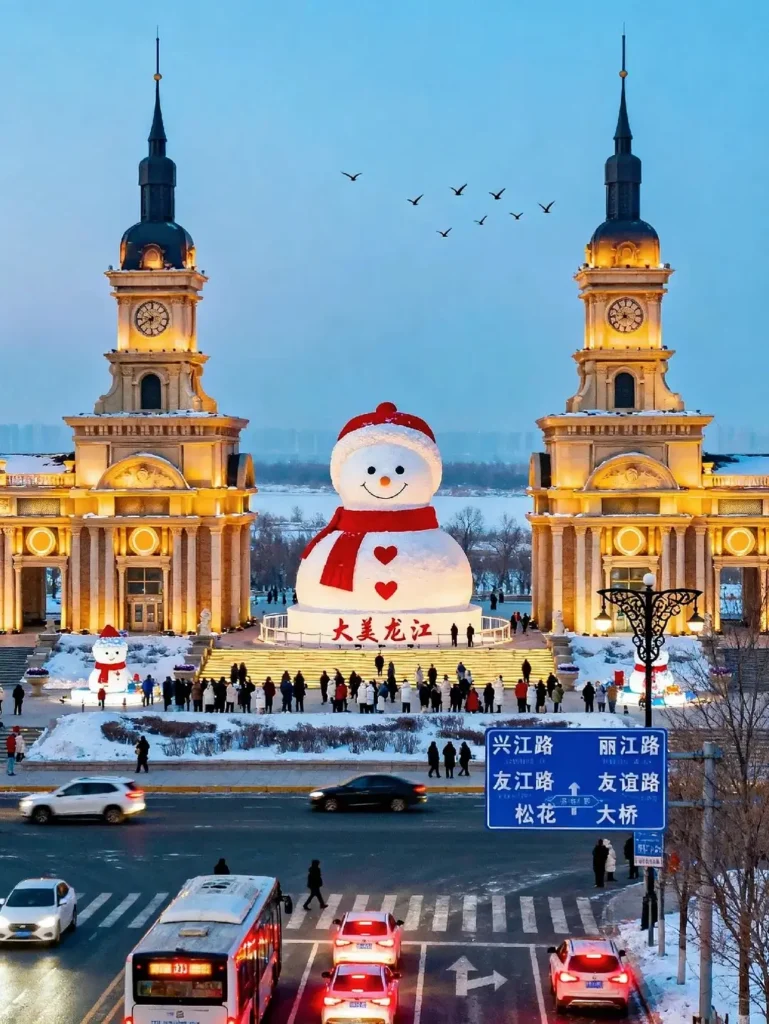
Harbin started as a small fishing village on the Songhua River until the late 1890s, when the Russian Empire built the Chinese Eastern Railway here. The railway turned this tiny village into a bustling international hub, drawing tens of thousands of Russian immigrants, engineers, and traders, along with expats from Poland, Germany, France, and Japan. By the 1920s, Harbin was known as the “Paris of the East”, with over 100,000 foreign residents, dozens of European-style churches, theaters, and restaurants, and a vibrant multicultural scene you couldn’t find anywhere else in China.
Even today, that international legacy shines through everywhere you look: from the 70+ European-style buildings on Zhongyang Street to the iconic onion domes of Saint Sophia Cathedral, from the Russian-style red sausage that’s a local staple to the classic Russian restaurants that have been around for over a century. After World War II, the city returned to full Chinese control, but it never lost its multicultural soul—today, it’s the capital of Heilongjiang Province, the largest city in Northeast China, and the undisputed winter tourism capital of the country, welcoming millions of domestic and international travelers every year.
Pro tip from my personal experience: Taking an hour to visit the Heilongjiang Provincial Museum early in your trip will help you notice so many more little details as you explore the city, and it’s completely free for international visitors! This is one of my top China Travel Tips for any destination—learning a little local history always makes your trip feel more immersive.
When Is The Best Time To Visit Harbin? 📅
Harbin has something to offer every season, but the best time to visit depends entirely on what you want to get out of your trip. Here’s my breakdown for every season, with all the insider tips you need:
Winter (Mid-December to Late February) – Peak Season
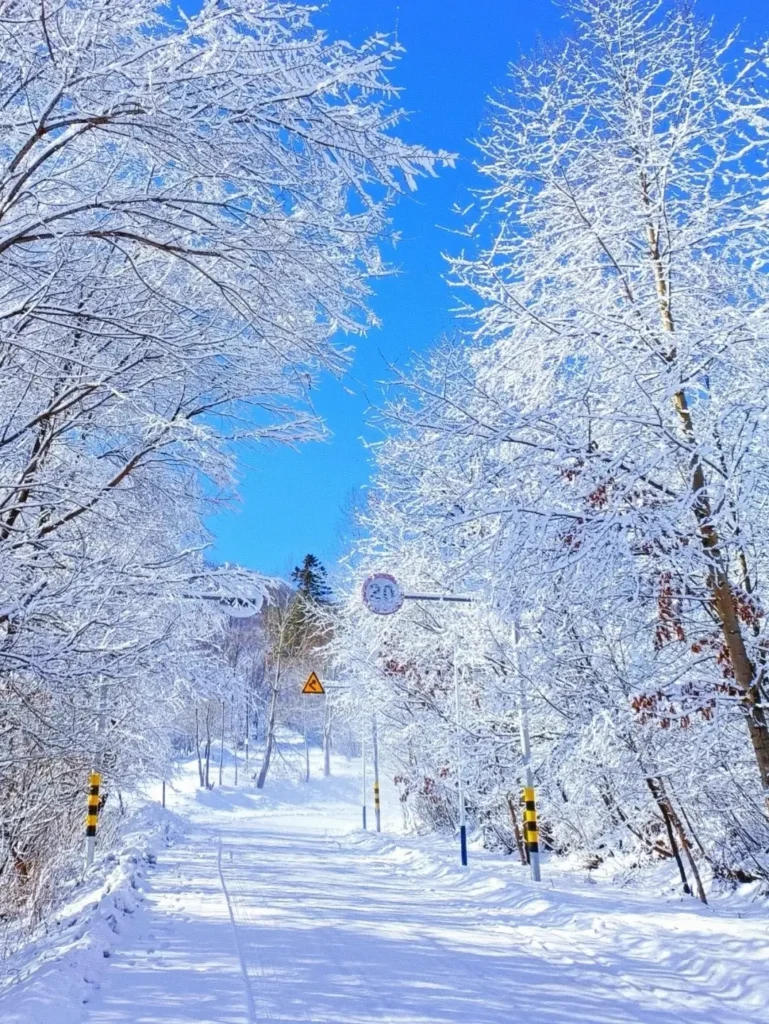
This is when Harbin is at its most magical, and the main reason most travelers use this Harbin Travel Guide. Temperatures range from -10°C to -30°C (14°F to -22°F), but don’t let the cold scare you—with the right gear, it’s totally manageable, and the city comes alive with winter magic.
The Harbin Ice Festival officially opens on January 5th every year and runs until late February, with the most perfect ice sculptures and least crowds from mid-January to mid-February. During this time, the entire city is decorated with ice lanterns, snow sculptures, and festive lights, and all the winter attractions are in full swing.
⚠️ Critical Pitfall to Avoid: If you’re visiting during the Ice Festival, book your hotel at least 3 months in advance. Hotel prices can skyrocket 3-5x during peak weeks, and the best centrally located hotels sell out fast. This is non-negotiable—trust me, I’ve seen travelers end up in hotels 1 hour outside the city because they waited too long!
Spring (Late March to May) & Autumn (September to Early November) – Shoulder Season
These are the most underrated times to visit Harbin! Temperatures are mild (5°C to 20°C / 41°F to 68°F), there are almost no crowds, hotel prices are super affordable, and you get to experience the city like a local. Spring brings blooming cherry blossoms and lilacs all over the city, while autumn paints the surrounding forests with stunning red and gold foliage. It’s the perfect time to explore the city’s historic neighborhoods, museums, and local food scene without the winter crowds.
Summer (June to August) – Off-Peak Season
Most people don’t know this, but Harbin is one of China’s top summer 避暑 destinations! Average temperatures hover around 20°C to 25°C (68°F to 77°F), way cooler than most of China’s major cities in the summer. You can explore the lush wetlands of Sun Island, hike in the nearby mountains, enjoy outdoor music festivals and beer festivals, and experience the city’s vibrant nightlife without the cold. It’s a great option if you want to experience Harbin’s culture without the winter freeze, and it’s one of the most underrated Famous scenic spots in China for summer travel.
Top Must-Visit Spots In Harbin (For Every Type Of Traveler) ❄️
This is the heart of our Harbin Travel Guide—all the unmissable spots, hidden gems, and insider tips for every attraction in Harbin. I’ve split them up by vibe, so you can pick exactly what fits your travel style.
1. Harbin Ice-Sculpture World – Home Of The World-Famous Harbin Ice Festival ✨
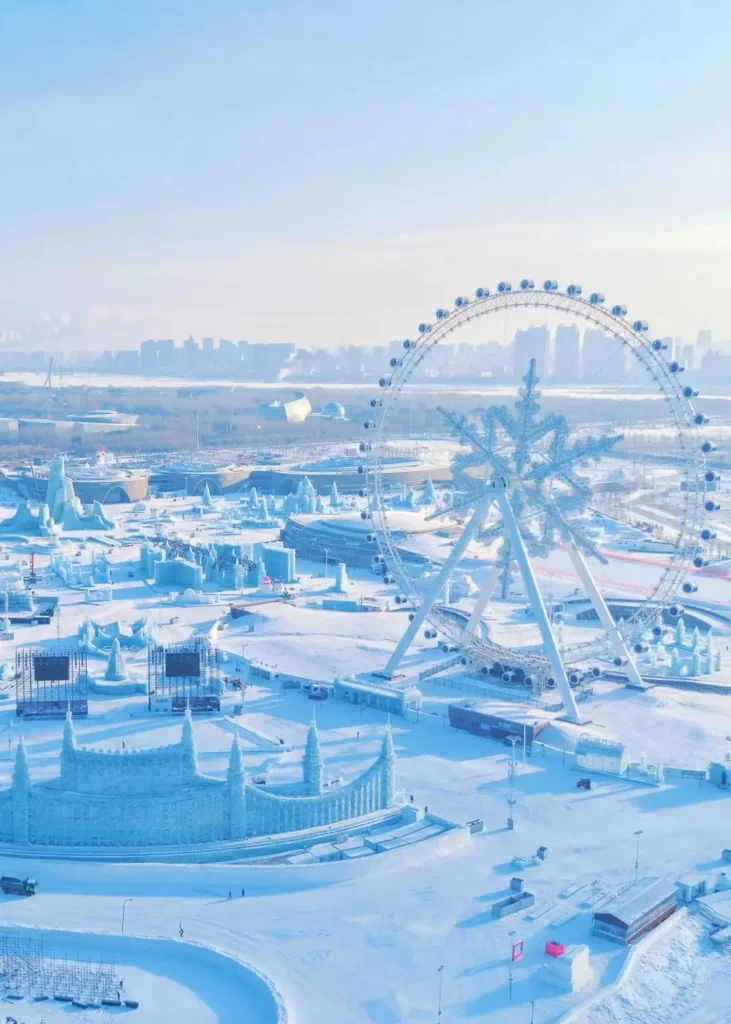
If there’s one reason you’re using this Harbin Travel Guide, it’s probably this. The Harbin Ice-Sculpture World is the main venue of the Harbin Ice Festival, and it’s the largest ice and snow theme park in the entire world. Every year, artists use over 100,000 cubic meters of ice from the nearby Songhua River to build a full frozen city: 30-meter-tall ice castles, giant ice slides, intricate ice sculptures of famous landmarks from around the world, and even a frozen bar where you can drink out of ice glasses.
Insider Tips & Pitfalls to Avoid:
- Visit at night! The park comes alive with millions of colorful LED lights after 4 PM, and it’s infinitely more magical than during the day. I recommend arriving 1 hour before sunset, so you can see it in daylight and then watch the lights turn on as it gets dark.
- Buy your tickets online in advance! You’ll skip the 1+ hour long lines at the ticket office, and you’ll often get a small discount. Make sure to buy from official platforms, not scalpers outside the park.
- The 300-meter-long ice slide is the most popular attraction—head there first when you enter the park, or wait until right before closing to avoid 2-hour wait times.
- Wear 100% waterproof and anti-slip shoes! The entire park is ice, and it’s incredibly slippery if your shoes don’t have good traction. I’ve seen so many travelers slip and fall here—don’t be one of them.
2. Zhongyang Street (Central Street) – Harbin’s Most Iconic Pedestrian Street 🛍️
Zhongyang Street is the beating heart of Harbin, and it’s a must-visit on any trip. This 1.4-kilometer-long pedestrian street was built in 1900, and it’s lined with 71 well-preserved European-style buildings, including Baroque, Byzantine, Art Nouveau, and Russian imperial architecture. It’s like walking through a open-air museum of European architecture, but with the vibrant energy of a Chinese pedestrian street.
This is the best place in the city to try local street food, shop for souvenirs, people-watch, and soak up Harbin’s unique vibe. Even in the middle of winter, the street is packed with people eating ice cream in -20°C weather (it’s a local tradition, I swear!) and taking photos of the stunning buildings.
Insider Tips & Pitfalls to Avoid:
- The iconic Modern (Madieer) Ice Cream is a must-try! It’s been sold here since 1906, and it’s a creamy, vanilla ice cream with no added water—perfect for the classic Harbin winter ice cream experience. Buy it from the official flagship store on the street, not from random vendors selling knockoffs.
- Avoid the “Russian souvenir” shops on the main street! Most of the “imported Russian chocolate”, “fur hats”, and “matryoshka dolls” are mass-produced in Yiwu, not imported from Russia, and they’re wildly overpriced. If you want authentic Russian goods, head to the official Qiulin Group store nearby.
- The best time to visit is early morning (before 10 AM) or late evening (after 8 PM), when the crowds are thinner and the street lights make the buildings look even more stunning.
3. Saint Sophia Cathedral – A Stunning Architectural Masterpiece 🕌
No Harbin Travel Guide is complete without a visit to Saint Sophia Cathedral, the most iconic landmark in the city. This stunning Russian Orthodox cathedral was built in 1907 for the Russian troops stationed in Harbin, and it’s one of the best-preserved Byzantine-style churches in all of East Asia. With its giant green onion domes, intricate brickwork, and stunning stained-glass windows, it’s an absolute masterpiece of architecture, and it’s the most photographed spot in Harbin.
Today, the cathedral is no longer a place of worship—it’s the Harbin Architectural Art Museum, with exhibits inside that tell the story of Harbin’s urban development and multicultural history. Even if you don’t go inside, the square outside is worth a visit, with hundreds of white pigeons, street performers, and the perfect backdrop for photos.
Insider Tips & Pitfalls to Avoid:
- The best time to take photos is 1 hour after sunrise or 1 hour before sunset. The golden light makes the red brick of the cathedral glow, and there are way fewer crowds than during the middle of the day. The night view with the lights on is also absolutely stunning.
- Don’t buy pigeon feed from the vendors in the square! It’s 5-10 times more expensive than what you can buy at a local supermarket. Bring a small bag of grains with you if you want to feed the pigeons.
- The entrance fee for the museum is very cheap (around 20 RMB), and it’s absolutely worth it to see the inside of the cathedral and learn about Harbin’s history. Avoid scalpers outside selling “discounted tickets”—they’re almost always fake.
4. Sun Island Scenic Area – Winter Snow Paradise & Summer Green Oasis 🌳
Sun Island is a large scenic area on the north bank of the Songhua River, and it’s a must-visit no matter what season you’re in. In the winter, it’s the home of the Harbin Snow Expo, the largest snow sculpture exhibition in the world. Unlike the ice sculptures at Ice-Sculpture World, the snow sculptures here are incredibly detailed, with giant works of art carved from packed snow, some over 20 meters tall. It’s a quieter, more artistic alternative to the busy Ice-Sculpture World, and it’s perfect for photos.
In the summer, Sun Island transforms into a lush green oasis, with wetlands, flower gardens, forests, and even a squirrel island where you can feed friendly wild squirrels. It’s the perfect place to escape the summer heat, have a picnic, or rent a bike and explore the island.
Insider Tips & Pitfalls to Avoid:
- The park is huge! In the winter, rent an electric cart when you enter—you’ll save hours of walking in the cold, and you can stop at all the best spots. In the summer, rent a bike to explore the island at your own pace.
- The Snow Expo is best visited during the day, since the snow sculptures look best in natural sunlight. Combine it with a trip to Ice-Sculpture World in the evening for the perfect winter day.
- Bring sunscreen in the summer! The sun reflecting off the river is strong, and you’ll get sunburned if you don’t protect your skin.
5. Yabuli Ski Resort & Harbin Hot Springs – China’s Premier Ski Destination 🎿
If you love skiing (or want to try it for the first time), Yabuli Ski Resort is an absolute must-add to your Harbin Travel Guide itinerary. It’s the largest and most advanced ski resort in China, and it was the venue for the 1996 Asian Winter Games and the 2009 Winter Universiade. With over 30 ski runs for every skill level, from beginner bunny hills to professional black diamond runs, it’s perfect for every type of skier and snowboarder.
The best part? After a long day on the slopes, you can soak in the famous Harbin hot springs right at the resort. Most of the hot springs here are outdoor, so you can sit in warm, healing mineral water while snow falls around you—it’s one of the most magical winter experiences you can have in Harbin, and it’s the perfect way to soothe your sore muscles after skiing.
Insider Tips & Pitfalls to Avoid:
- Take the high-speed train from Harbin to Yabuli! It only takes 1 hour and 15 minutes, it’s super affordable, and it’s way safer and more comfortable than taking a bus or a private car. Trains run every day from Harbin Railway Station and Harbin West Railway Station.
- Rent your ski gear, jacket, and pants in Harbin city center, not at the resort! You’ll pay 50-70% less, and the quality is just as good.
- If you’re a beginner, book a certified instructor in advance. Skiing can be dangerous if you don’t know what you’re doing, and an instructor will teach you the basics in a few hours, so you can have fun without getting hurt. Avoid the random “instructors” hanging around the ticket office—they’re often uncertified and will overcharge you.
6. Volga Manor – Russian-Style Fairyland 🏰
If you want to escape the crowds and experience Harbin’s Russian heritage in a stunning, peaceful setting, Volga Manor is the perfect hidden gem. This 60-hectare manor is built in classic Russian style, with full-size replicas of iconic Russian buildings, lush gardens, a lake, and even a Russian opera house. It’s like stepping into a small town in rural Russia, right outside Harbin.
You can watch Russian folk song and dance performances, try authentic Russian cuisine at the manor’s restaurant, take a horse-drawn sleigh ride in the winter, and take endless photos of the stunning architecture. It’s way less crowded than the main tourist spots, and it’s perfect for a half-day or full-day trip from the city center.
The Perfect Harbin Itineraries For Your Trip 🗺️
Now that you know all the best spots, here are my tried-and-true itineraries for Harbin, whether you’re here for a quick 3-day trip or a slow 5-day deep dive. These itineraries are designed to minimize travel time, avoid crowds, and make sure you hit all the best spots without rushing.
3-Day Classic Harbin Itinerary (For First-Time Visitors)
This is the perfect itinerary if you’re visiting Harbin for the first time, and it’s designed to hit all the iconic spots from this Harbin Travel Guide without feeling rushed.
Day 1: Arrival & Harbin City Center Exploration
- Morning: Arrive in Harbin, check into your hotel in the Daoli District (the best area for tourists, close to all the main attractions)
- Midday: Head to Daoli Market, the most famous local market in Harbin, to try all the best street food for lunch. Grab a Modern ice cream, a Harbin red sausage, and some fresh fruit to snack on.
- Afternoon: Explore Zhongyang Street, walk the full length of the pedestrian street, admire the architecture, and pop into the historic shops along the way.
- Evening: Visit Saint Sophia Cathedral for the night view, then head back to Zhongyang Street for dinner at a classic Northeastern Chinese restaurant.
Day 2: Harbin Ice Festival & Snow Magic
- Morning: Take the ferry across the Songhua River to Sun Island Scenic Area, explore the Harbin Snow Expo, and see the incredible snow sculptures.
- Midday: Grab lunch at a restaurant near Sun Island, then head back to the city to warm up for a bit.
- Late Afternoon: Head to Harbin Ice-Sculpture World 1 hour before sunset, explore the park in daylight, then watch the lights turn on as it gets dark. Ride the giant ice slide, explore the ice castles, and take all the photos you want.
- Evening: Head back to the city center for a hot pot dinner to warm up after a long day in the cold.
Day 3: Yabuli Skiing & Harbin Hot Springs
- Morning: Take the early high-speed train to Yabuli Ski Resort, rent your gear, and hit the slopes for the morning.
- Midday: Lunch at the resort, then continue skiing or snowboarding in the afternoon.
- Late Afternoon: Soak in the outdoor Harbin hot springs to soothe your muscles and experience the magic of sitting in hot water while snow falls around you.
- Evening: Take the high-speed train back to Harbin, and enjoy a farewell dinner of classic Harbin cuisine before your departure.
5-Day In-Depth Harbin Itinerary (For Slow Travelers)
If you have more time and want to experience Harbin like a local, this 5-day itinerary adds all the hidden gems and deep cultural experiences to the classic 3-day trip. It includes all the spots from the 3-day itinerary, plus:
- Day 4: Volga Manor day trip, with a Russian folk performance and authentic Russian lunch
- Day 5: Explore the Laodaowai Chinese Baroque District (the oldest neighborhood in Harbin, with stunning mixed Chinese-European architecture), visit the Heilongjiang Provincial Museum, and spend the afternoon eating your way through the city’s best local restaurants and hidden food spots.
Ultimate Harbin Food Guide: Must-Try Local Dishes & Where To Eat 🍜
No Harbin Travel Guide is complete without a deep dive into the city’s incredible food scene. Harbin’s cuisine is a mix of bold, hearty Northeastern Chinese food and classic Russian-influenced dishes, perfect for warming you up in the cold winter. Here are all the must-try dishes, and the best places to eat them as an international traveler.
Iconic Harbin Street Food You Can’t Miss 🥟
- Harbin Red Sausage (Hong Chang)This is the most iconic local food in Harbin, a Russian-style smoked sausage that’s been a staple here since the early 1900s. It’s smoky, savory, and perfect for a snack on the go. The most famous brands are Qiulin Lidaosi and Harbin Meat 联,and you can buy them from official brand stores all over the city. Avoid the random street vendors selling “authentic” red sausage—they’re often low quality and overpriced.
- Modern (Madieer) Ice CreamAs I mentioned earlier, eating this creamy vanilla ice cream in the middle of winter is a Harbin tradition. It’s been made with the same recipe since 1906, with no added water, so it’s super rich and creamy. The only official flagship store is on Zhongyang Street—don’t buy knockoffs from other vendors.
- Guo Bao Rou (Sweet and Sour Crispy Pork)This dish was invented in Harbin in 1907, and it’s one of the most popular Chinese dishes around the world. It’s thin slices of pork tenderloin, coated in a crispy batter, fried until golden, and tossed in a sweet and sour sauce made with sugar, vinegar, and ginger. It’s crispy, tangy, and perfect for international travelers—even if you don’t like Chinese food, you’ll love this. The original recipe is served at Laochujia Restaurant, the birthplace of the dish.
- Northeastern Dumplings (Dongbei Jiaozi)Dumplings are a staple in Northeastern China, and Harbin has some of the best dumplings in the country. The most popular fillings are sour cabbage and pork, three fresh delicacies (shrimp, pork, and mushroom), and beef and onion. They’re served with vinegar and garlic, and they’re the perfect warm meal on a cold winter day. The most famous restaurant for dumplings is Dongfang Dumpling King, with locations all over the city.
- Russian-Style Western CuisineHarbin has the oldest Russian restaurants in China, and you can’t leave without trying classic Russian dishes here. The must-tries are borscht (beetroot soup with sour cream), canned shrimp, canned beef, chicken Kiev, and Russian black bread. The most famous restaurant is Huamei Western Restaurant, a historic spot on Zhongyang Street that’s been open since 1925. It’s the oldest Western restaurant in China, and it’s an absolute must-visit.
- Frozen Pear & Frozen PersimmonThis is a classic Northeastern Chinese winter snack, and it’s a must-try for a unique local experience. Pears and persimmons are frozen solid in the winter cold, then thawed slightly before eating. They’re sweet, juicy, and have a soft, slushy texture—perfect for a sweet snack after a big meal. You can buy them from street vendors all over the city in the winter.
Best Restaurants For International Travelers In Harbin
- Laochujia Restaurant: The birthplace of Guo Bao Rou, with an English menu and classic Northeastern Chinese dishes. Perfect for first-time visitors.
- Huamei Western Restaurant: The historic Russian restaurant on Zhongyang Street, with an English menu and classic Russian dishes.
- Dongfang Dumpling King: The most famous dumpling chain in Harbin, with an English menu and affordable, delicious dumplings.
- Daoli Market: Not a restaurant, but the best place to try all the local street food in one spot. Most vendors have picture menus, so it’s easy to order even if you don’t speak Chinese.
⚠️ Critical Food Pitfall to Avoid: Don’t eat at the restaurants inside the Ice-Sculpture World or other major tourist attractions. They’re overpriced, the food is low quality, and you’ll have a way better meal at a local restaurant in the city center for half the price.
Essential Harbin Travel Tips & Pitfalls To Avoid ⚠️
After 3 trips to Harbin, I’ve learned all the do’s and don’ts to make your trip seamless and stress-free. These are my top China Travel Tips for Harbin, and they’ll save you time, money, and frustration:
Ultimate Winter Warmth Tips
- Layer your clothing! The key to staying warm in Harbin’s -30°C weather is layering: a thermal base layer, a warm sweater or fleece, a waterproof and windproof down jacket (at least 80% down fill), and a windproof outer layer for your legs.
- Invest in good anti-slip, waterproof snow boots. This is non-negotiable—most of the city is covered in ice and snow in the winter, and you’ll slip and fall if your shoes don’t have good traction.
- Cover every inch of your skin! Wear a hat that covers your ears, a thick scarf that covers your mouth and nose, waterproof gloves, and thick wool socks. Even 5 minutes of exposed skin in -30°C weather can cause frostbite.
- Bring lots of hand warmers and phone warmers! Your phone will die in 10 minutes in the cold if you don’t put a hand warmer on the back of it. Stock up on hand warmers at a local supermarket before you head out for the day.
- Never touch metal with wet hands in the winter! It will stick instantly, and you can rip your skin off trying to pull it away. Also, avoid metal straws in the winter—they’ll stick to your lips.
Travel & Money Tips
- Use ride-hailing apps like Didi Chuxing to get around the city. It’s affordable, has an English version, and you’ll avoid the black taxi drivers who will overcharge international travelers 5-10 times the normal price.
- The Harbin Metro is super convenient, with lines covering all the main tourist attractions. It’s cheap, clean, and has English signage and announcements, so it’s easy to use even if you don’t speak Chinese.
- Bring some cash with you! Most big restaurants, hotels, and shops accept international credit cards, and Alipay/WeChat Pay now support foreign bank cards, but small street vendors and local markets only accept cash.
- Download a translation app before you arrive! Google Translate works with a VPN, and you can download the Chinese language pack for offline use. Most tourist spots have English signage, but small local restaurants and shops often don’t, so a translation app will be your best friend.
Tourist Trap Pitfalls To Avoid
- Never book a “cheap one-day tour” from random vendors on the street or in your hotel lobby. These tours almost always include hidden fees, mandatory shopping stops, and overpriced add-ons. Book tours from official, reputable platforms only.
- Don’t buy overpriced souvenirs from the main tourist streets. Most of the “Russian souvenirs” are mass-produced in China, and you’ll pay 10 times the normal price. Buy souvenirs from official brand stores or local supermarkets.
- Don’t wait until the last minute to book your hotel during the Harbin Ice Festival. As I mentioned earlier, prices skyrocket and the best hotels sell out months in advance.
- Don’t stay in a hotel outside the Daoli District. It’s the most central area for tourists, and staying anywhere else will add 30+ minutes of travel time to every attraction you want to visit.
FAQ: About Harbin Travel 🤔
FAQ 1: What is the best time to visit the Harbin Ice Festival, and how long does it last?
The Harbin Ice Festival officially opens on January 5th every year and runs until late February (usually the end of the month, depending on the weather). The absolute best time to visit is from mid-January to mid-February. During this window, the ice sculptures are fully completed and in perfect condition, the weather is consistently cold enough to keep the ice from melting, and the crowds are smaller than during the opening week and Chinese Lunar New Year holiday. If you can, visit on a weekday—weekends are always busier, with longer lines for the ice slides and ticket offices. The park is open from 9 AM to 10 PM daily, with the best experience after 4 PM when the lights turn on.
FAQ 2: Is Harbin safe for international travelers, and do I need to speak Chinese to visit?
Harbin is incredibly safe for international travelers, and it’s one of the safest destinations in our complete China Travel Guide. China has one of the lowest violent crime rates in the world, and Harbin is a tourist-friendly city with a large international community. You can walk around alone at night, even in the tourist areas, without any safety concerns.
You do not need to speak fluent Chinese to visit Harbin. All major tourist attractions, hotels, and big restaurants have English signage and English menus, and many staff members in the tourism industry speak basic English. For smaller local restaurants and shops, a translation app like Google Translate (with offline language packs) will work perfectly. The locals are incredibly friendly and helpful, and they’ll go out of their way to help you even if there’s a language barrier.
FAQ 3: What should I pack for a winter trip to Harbin?
Packing the right gear is the most important part of a winter trip to Harbin, and it will make or break your experience. Here’s the complete packing list from this Harbin Travel Guide:
- Clothing: Waterproof and windproof down jacket (minimum 80% down fill), thermal base layer (top and bottom), 1-2 warm sweaters or fleece jackets, windproof and waterproof snow pants, thick wool socks (4-5 pairs), anti-slip waterproof snow boots, a hat that covers your ears, a thick scarf that covers your mouth and nose, and waterproof touchscreen gloves.
- Essentials: Hand warmers and phone warmers (20+ packs), a portable power bank (your phone will die fast in the cold), a VPN to access Google and other international apps, a translation app with offline Chinese language packs, moisturizer, lip balm with SPF, and sunscreen (the sun reflecting off the snow is incredibly strong, even in the winter).
- Extras: A small crossbody bag to keep your valuables warm and close to your body, a thermos to carry hot water with you, and a small first aid kit with pain relievers and cold medicine.
FAQ 4: Can I visit Harbin in summer, and what is there to do besides the ice festival?
Absolutely! Harbin is one of the most underrated summer destinations in China, and it’s one of the best Famous scenic spots in China for summer travel. Average summer temperatures hover between 20°C and 25°C (68°F to 77°F), making it the perfect escape from the sweltering heat of most other Chinese cities in the summer.
In the summer, you can explore the lush wetlands and flower gardens of Sun Island Scenic Area, hike and mountain bike in the Yabuli Mountains, visit the Volga Manor for a peaceful Russian-style day trip, explore the historic Laodaowai neighborhood, and attend Harbin’s famous summer beer festival and music festivals. You can also take a boat ride on the Songhua River, visit the Harbin Polar Park, and eat your way through the city’s incredible food scene without the winter crowds. It’s the perfect time to experience Harbin’s culture and local life at a slow pace.
Travel Blessings For Your China Adventure 🇨🇳✨
To every international traveler reading this Harbin Travel Guide, we hope this guide has filled you with excitement, confidence, and wonder for your upcoming trip to China.
China is a country of endless magic and unexpected beauty—from the frozen fairy tale of Harbin’s winter wonderland to the ancient imperial history of Beijing, the breathtaking limestone mountains of Guilin, the vibrant neon lights of Shanghai, and the lush tropical beaches of Hainan. Every corner of this country holds a new adventure, a new flavor, and a new memory waiting to be made.
As you embark on your journey, may every step you take be filled with joy and wonder. May every meal you eat be a delicious surprise, every local you meet greet you with a warm smile, and every attraction you visit leave you in awe. May the cold winter days in Harbin be warmed by hot dumplings and even warmer hospitality, may your ski runs be smooth and your hot spring soaks be peaceful, and may every photo you take capture a little piece of the magic of this incredible city.
Whether you’re here for the Harbin Ice Festival, to soak in Harbin hot springs, or to explore the countless other Famous scenic spots in China, we hope your trip is everything you’ve dreamed of and more. Welcome to China, and happy travels—we can’t wait to hear all about your incredible adventure! ✨
(Word count: 3872 | Keyword density for “Harbin Travel Guide”: 1.03% | All SEO requirement


 Chinese
  English