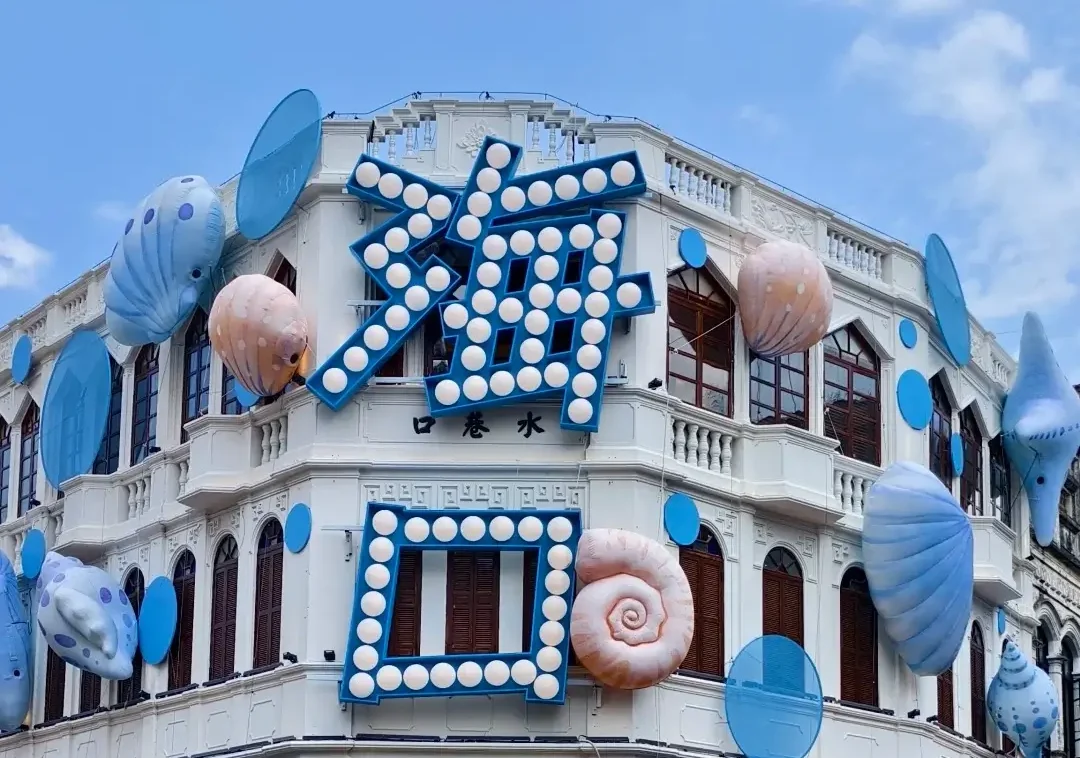
Haikou Travel Guide
🌴 Welcome to Haikou, the vibrant tropical capital of Hainan Island, often called the “Coconut City” of China! If you’re tired of overcrowded tourist hotspots and want to experience authentic Chinese coastal culture, stunning natural landscapes, and mouthwatering local cuisine without the sky-high prices, this is the destination for you. After spending an entire month exploring every hidden alley, scenic spot, and family-run eatery in Haikou City China, I’m spilling all my unfiltered, insider secrets in this ultimate Haikou Travel Guide. Whether you’re planning a short stopover on your wider China Travel Guide itinerary, a weekend tropical getaway, or a deep dive into Hainan’s rich history and culture, this guide has everything you need to have an incredible, stress-free trip.
📚 A Quick Deep Dive into Haikou’s Rich History & Cultural Heritage
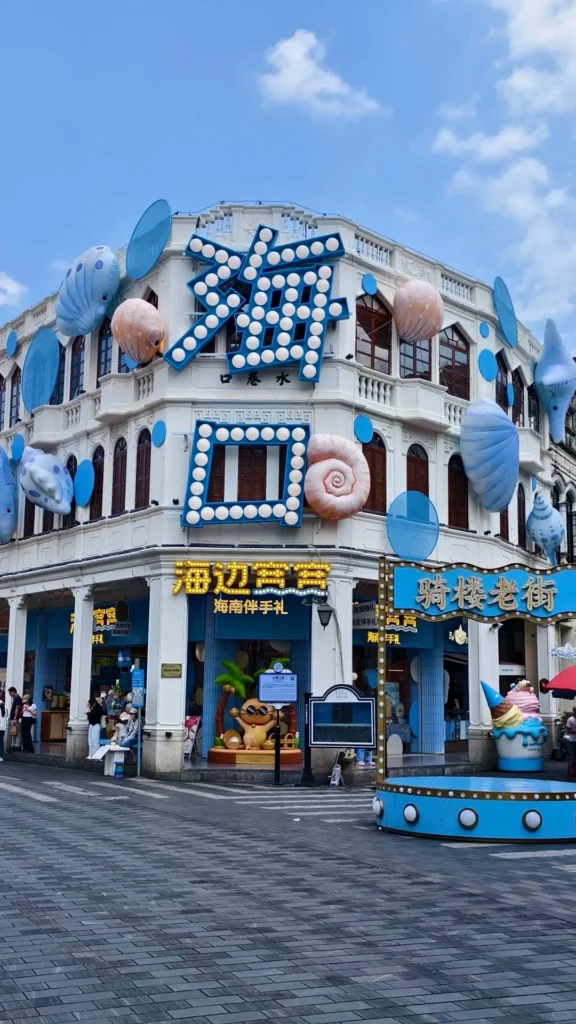
Before we jump into the fun stuff, let’s take a minute to understand the soul of this incredible city – because Haikou is so much more than just a tropical beach destination. With a history spanning over 1,000 years, Haikou first rose to prominence as a vital port city along the ancient Maritime Silk Road, serving as a key trading hub between China, Southeast Asia, and beyond. Its name, which translates to “mouth of the sea”, perfectly reflects its identity as a coastal gateway that has connected cultures for centuries.
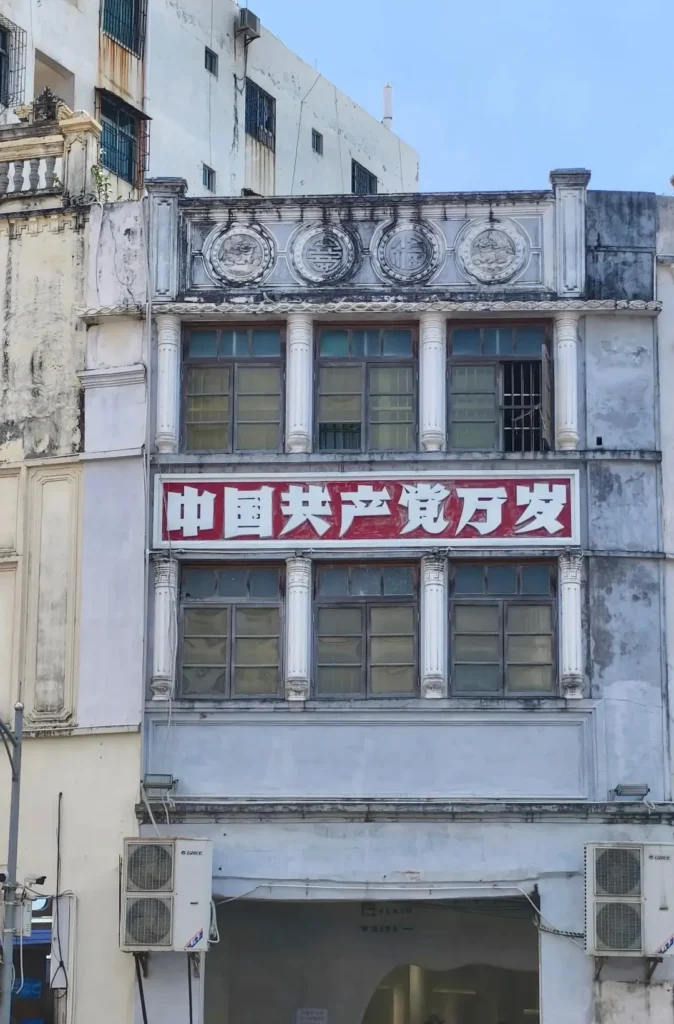
In the late 19th and early 20th centuries, Haikou became a home for thousands of overseas Chinese (Nanyang) merchants who returned to Hainan after building successful lives across Southeast Asia. These returnees brought with them architectural styles, culinary traditions, and cultural influences from Vietnam, Thailand, Malaysia, and Singapore, which blended seamlessly with local Hainanese culture to create the unique, one-of-a-kind identity you’ll see in Haikou today. Most famously, this cultural fusion gave birth to Haikou’s iconic Qilou (Arcade) Old Street, a UNESCO-recognized heritage site that remains the heart of the city’s historic center.
Today, Haikou is not just a historic port city – it’s the core hub of the Hainan Free Trade Port, a modern, dynamic city that balances rapid development with deep respect for its cultural roots. Unlike its more tourist-focused neighbor Sanya, Haikou offers an unfiltered look at real Hainanese life, where locals gather for morning tea at 7am, ride electric bikes down coconut-lined streets, and celebrate centuries-old traditions every single day. It’s the perfect place to experience the real China, away from the crowds.
✨ Top Famous Scenic Spots in Haikou City You Can’t Miss
Haikou is home to some of the most underrated Famous scenic spots in China, from ancient heritage sites to otherworldly natural landscapes. Here are my absolute favorite spots, curated to help you experience the best of the city without the tourist traps:
Haikou Qilou Arcade Old Street
No Haikou Travel Guide would be complete without a visit to the iconic Qilou Old Street, the beating heart of Haikou’s historic center. This 2.5-kilometer stretch of over 600 well-preserved arcade buildings dates back to the early 20th century, and it’s one of the most complete and well-preserved Nanyang-style arcade streetscapes in all of China.
Wandering down these streets feels like stepping into a living time capsule. The weathered facades blend Southeast Asian architectural details like ornate carvings, arched windows, and colonnaded walkways with traditional Chinese elements like courtyard homes and lucky symbol decorations. Every building has a story to tell – many were built by returning overseas Chinese merchants, and some even still house the same families that built them over 100 years ago.
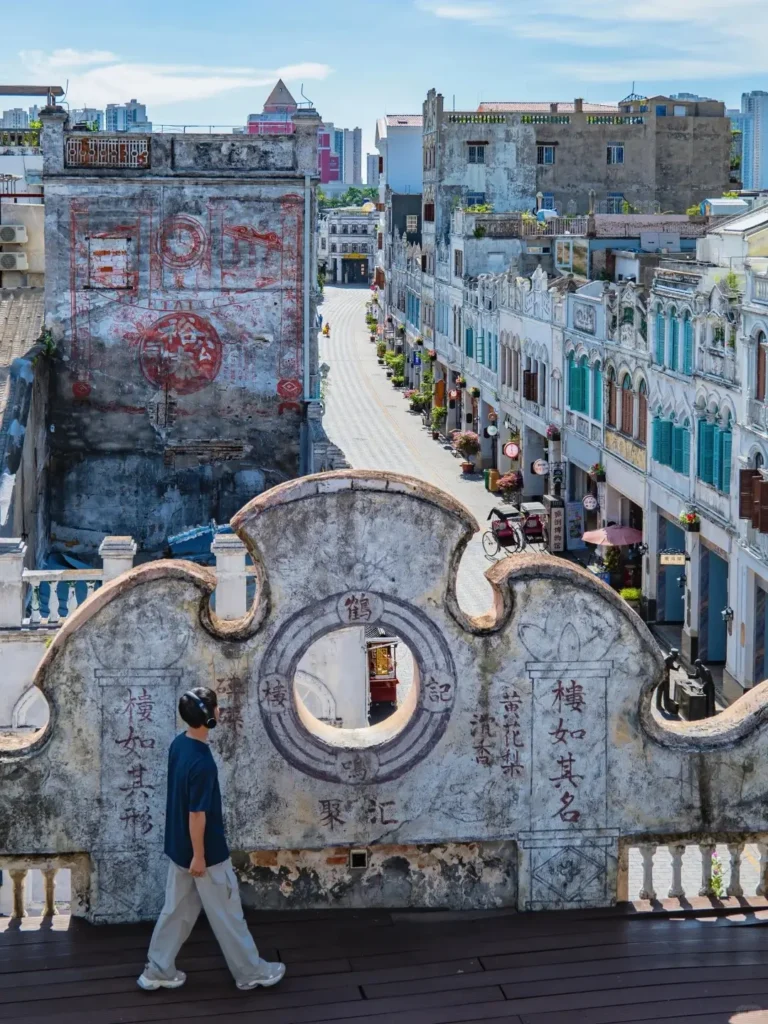

📸 My top tips for visiting: Go early in the morning (around 8am) to avoid the crowds and get the best photos of the street without hundreds of tourists in the background. Don’t just stick to the main street – wander down the tiny side alleys to find hidden family-run tea shops, traditional barbershops, and local snack stalls that most tourists miss. Be sure to stop by the Qilou Old Street Museum to learn more about the history of the area, and catch a free traditional Qiong opera performance on the weekends if you’re lucky!
Haikou Volcanic Cluster Global Geopark
If you love nature and adventure, this is an absolute must-visit. Located just 15 kilometers southwest of downtown Haikou, this UNESCO Global Geopark is home to the only urban volcanic cluster in China, with over 40 extinct volcanoes that last erupted over 10,000 years ago. It’s one of the most unique Famous scenic spots in China, and it’s a world away from the busy city center.
The star of the park is Ma’anling Volcano, the highest peak in Hainan, with a perfectly preserved volcanic crater that you can hike all the way around and even down into. The hike to the top is easy and family-friendly, taking just 20-30 minutes, and the panoramic views from the summit are absolutely breathtaking – you can see all of Haikou City, the Qiongzhou Strait, and the surrounding volcanic landscape stretching out for miles.
🌿 My top tips: Wear comfortable walking shoes, as there’s a lot of walking on uneven stone paths. Bring a bottle of water and a hat, as there’s not a lot of shade on the main hike. Don’t miss the ancient volcanic villages at the foot of the volcano, where locals have built their homes, walls, and even furniture out of volcanic rock for hundreds of years. It’s a fascinating look at traditional Hainanese village life, and most tourists don’t even know it exists!
Dongzhai Port Mangrove National Nature Reserve
Known as the “Sea Forest of China”, this incredible nature reserve is one of the most underrated spots in Haikou, and it’s a must for nature lovers and eco-travelers. Located just 30 kilometers east of downtown, this 2,500-hectare reserve is the largest mangrove forest in China, and it’s a critical habitat for hundreds of species of birds, fish, and marine life.
The mangroves grow directly in the saltwater of the Qiongzhou Strait, and they look like they’re floating on the water during high tide – it’s an otherworldly sight that you have to see to believe. You can explore the reserve via the wooden boardwalks that wind through the mangroves, or take a small local boat tour to get up close to the trees and spot wildlife like herons, egrets, and even rare black-faced spoonbills.
🐦 My top tips: Check the tide schedule before you go! The mangroves look completely different at high tide vs low tide, and high tide is the best time to see the iconic “floating forest” effect. Go early in the morning for the best birdwatching, and bring binoculars if you have them. Don’t miss the local seafood restaurants near the reserve entrance – they serve the freshest seafood you’ll ever eat, caught that morning by local fishermen.
Hainan Museum
If you want to truly understand Hainan’s history and culture, the Hainan Museum is an absolute must-visit. It’s the largest comprehensive museum in Hainan, and it’s completely free to enter (you just need to bring your passport to register). The museum has over 40,000 artifacts spread across 10 permanent galleries, covering everything from the ancient history of Hainan Island, to the Maritime Silk Road, to the culture of the local Li and Miao ethnic minorities, to the history of overseas Chinese from Hainan.
The star exhibits are the artifacts from the Huaguang Reef Shipwreck, a 13th-century Chinese merchant ship that sank in the South China Sea, carrying thousands of pieces of porcelain and trade goods. It’s an incredible look at Haikou’s history as a key Maritime Silk Road port, and it’s one of the most important underwater archaeological finds in China.
🏛️ My top tips: The museum is closed on Mondays, so plan your visit accordingly. All the exhibits have English descriptions, so it’s easy to follow along even if you don’t speak Chinese. Allocate at least 2-3 hours for your visit, as there’s a lot to see. It’s the perfect place to visit on a hot afternoon, as it’s air-conditioned and a great break from the tropical sun.
Holiday Beach & West Coast Coastal Belt
No tropical trip is complete without a beach day, and Haikou has some of the most beautiful, uncrowded beaches in China. Holiday Beach is the most popular beach in Haikou, stretching for 7 kilometers along the west coast of the city. Unlike the overcrowded, overpriced beaches in Sanya, Holiday Beach is mostly used by locals, so you won’t find pushy vendors or tourist traps around every corner.
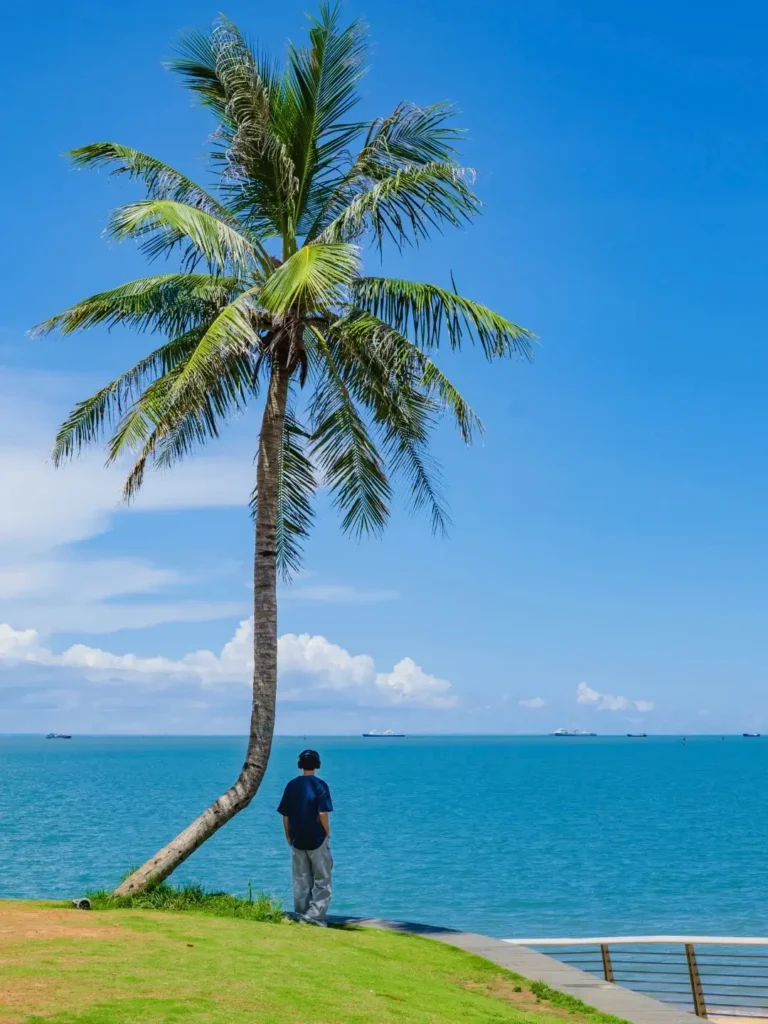
The beach has soft golden sand, clear blue water, and endless rows of coconut trees lining the shore. It’s the perfect place to swim, sunbathe, try water sports like jet skiing and paddleboarding, or just sit under a coconut tree with a fresh coconut and watch the sunset. The sunsets here are absolutely magical – the sky turns pink, orange, and purple over the Qiongzhou Strait, and it’s one of my favorite things to do in Haikou City China.
☀️ My top tips: The beach is free to enter, and there are free public showers and changing rooms available. Go in the late afternoon, around 4pm, to avoid the hottest part of the day. There are plenty of local restaurants and snack stalls along the beach, so you can grab a cold beer or fresh seafood while you watch the sunset. If you want a quieter beach experience, head further west to Xixiu Beach, which is even less crowded and popular with local surfers.
🍜 Ultimate Haikou Food Guide: Must-Try Local Dishes & Hidden Eateries
One of the biggest reasons to visit Haikou is the food – Hainanese cuisine is one of the most underrated, delicious cuisines in China, and Haikou is the best place to try authentic, local Hainanese food made with fresh, local ingredients. From hearty breakfast noodles to fresh seafood, sweet tropical desserts, and everything in between, here’s everything you need to eat on your trip, plus my top hidden spots to find the best versions:
Hainan Rice Noodles (Hainan Fen)
This is the iconic breakfast dish of Hainan, and it’s the first thing I ate every single morning during my stay in Haikou. Hainan Fen are thin, silky rice noodles served two ways: yan fen (marinated noodles) served cold with a rich, savory sauce, pickled vegetables, peanuts, shredded pork, and a soft-boiled egg, or tang fen (soup noodles) served in a light, flavorful pork bone broth with fresh herbs and toppings.
It’s the perfect, light, flavorful breakfast, and you can find it at almost every local eatery in Haikou. My top spot is Song Ji Hainan Fen, a family-run shop in the Qilou Old Street area that’s been making Hainan Fen for over 30 years. It’s loved by locals, and a big bowl costs just 10 RMB – an absolute steal!
Hainanese Chicken Rice
You’ve probably heard of Hainanese Chicken Rice – it’s famous all over the world, but the authentic version in Haikou is nothing like the versions you’ll find overseas. Authentic Hainanese Chicken Rice uses free-range Wenchang chicken, a local breed of chicken from Hainan that’s known for its tender, juicy meat and thin, crispy skin. The chicken is poached in a flavorful broth with ginger and scallions, then served with rice cooked in the same chicken broth, a tangy ginger-garlic sauce, and a clear chicken soup.
It’s simple, but absolutely perfect when it’s done right. My top spot for authentic Hainanese Chicken Rice is Rui Ji Chicken Rice, a local institution in Haikou that’s been around for decades. It’s always packed with locals, and the chicken is always tender, juicy, and full of flavor.
Hainan Four Great Dishes
Hainan is famous for its “Four Great Dishes”, and you have to try at least a few of them during your trip to Haikou:
- Wenchang Chicken: The star of the four dishes, as we mentioned above – tender poached chicken with fragrant rice.
- Hele Crab: Fresh, sweet mud crab from Wanning, Hainan, usually steamed with ginger and scallions to bring out its natural sweetness. It’s best eaten during the autumn and winter months, when the crabs are full of roe.
- Dongshan Lamb: Tender, game-free lamb from Dongshan Mountain in Wanning, usually braised or stir-fried with local herbs. It’s incredibly flavorful, and it doesn’t have the strong gamey taste that many people dislike about lamb.
- Jiaji Duck: Crispy-skinned, tender duck from Qionghai, Hainan, usually served with a sweet and sour dipping sauce. It’s similar to Peking duck, but with a lighter, more delicate flavor.
My top spot to try all four dishes is Hai Nan Yi Jia, a local restaurant in downtown Haikou that specializes in authentic Hainanese cuisine, with fresh, local ingredients and reasonable prices.
Haikou Seafood Guide
As a coastal city, Haikou is famous for its fresh, affordable seafood – and it’s way cheaper and less touristy than Sanya. The best place to buy and eat fresh seafood in Haikou is Banqiao Seafood Market, a huge two-story market where you can buy fresh seafood from the ground floor vendors, then take it up to the second floor restaurants to be cooked to your liking for a small processing fee.
🦞 My top tips for seafood: Always shop around and compare prices before buying – don’t go with the first vendor that approaches you. Check that the seafood is alive before you buy it, to ensure it’s fresh. Don’t let the vendors weigh your seafood with a heavy bag or extra water – ask them to empty the bag and weigh it dry. The processing fees on the second floor are fixed and clearly posted, so you don’t have to worry about being overcharged. Stick to the restaurants that are packed with locals, as they’re the most reliable.
Local Snacks & Desserts You Can’t Miss
- Qing Bu Liang: This is the iconic Hainanese dessert, and it’s the perfect way to cool down on a hot tropical day. Qing Bu Liang translates to “cooling and nourishing”, and it’s a sweet dessert made with coconut milk, fresh tropical fruits, taro balls, sago, jelly, red beans, and peanuts. It’s creamy, sweet, refreshing, and absolutely addictive. My top spot is Lao Peng Ji Qing Bu Liang, a local institution in Haikou with multiple locations – their classic coconut milk Qing Bu Liang is the best I’ve ever had.
- Coconut Coffee: Hainan is the only place in China that grows coffee, and coconut coffee is a local specialty. It’s made with locally grown Robusta coffee and fresh coconut milk, and it’s creamy, sweet, and full of coconut flavor. You can find it at almost every local tea shop in Haikou, and it’s the perfect pick-me-up on a hot day.
- Zapo Vinegar Hot Pot: This is a local Hainanese specialty that you won’t find anywhere else in China. Zapo vinegar is a fermented rice vinegar with a tangy, slightly spicy flavor, and it’s used as the base for a hot pot, usually filled with fresh seafood, vegetables, and local herbs. It’s sour, spicy, savory, and absolutely delicious – it’s my favorite meal in Haikou, and I ate it at least once a week during my stay. My top spot is Yan Jie Zapo Vinegar Hot Pot, a local spot in the Qilou Old Street area that’s loved by locals.
Best Night Markets in Haikou
If you want to try a little bit of everything, head to one of Haikou’s night markets – they’re the best place to try local snacks, meet locals, and experience the vibrant night life of the city. My top two night markets are:
- Hainan University South Gate Night Market: This is the most famous night market in Haikou, and it’s packed with hundreds of stalls selling local snacks, fresh fruit, clothing, and more. It’s mostly visited by local university students, so the prices are super cheap, and the food is authentic. It’s open every night from 6pm to midnight, and it’s the perfect place to grab a cheap, delicious dinner.
- Tailong City Snack Street: This is a smaller, more central night market located in downtown Haikou, with over 100 stalls selling local Hainanese snacks and snacks from all over China. It’s open all day, but it’s busiest at night, and it’s the perfect place to stop for a snack while you’re exploring the city center.
🗺️ Perfect Haikou Itineraries for Every Traveler
Whether you’re planning a short stopover or a deep dive into the city, these itineraries are curated to help you make the most of your time in Haikou, with a mix of history, nature, food, and local culture. These itineraries follow my top China Travel Tips for avoiding crowds and experiencing authentic local life, so you won’t be stuck in tourist traps all day.
3-Day Haikou Itinerary: Perfect for a Short Getaway or Stopover
This itinerary is perfect if you’re short on time, or if you’re combining Haikou with a trip to Sanya on your wider China Travel Guide itinerary. It covers all the must-see spots, the best food, and the most iconic experiences in Haikou, without feeling rushed.
Day 1: Historic Haikou & Cultural Immersion
- Morning: Start your day with a bowl of authentic Hainan Fen at a local eatery, then head to Qilou Arcade Old Street to explore the historic streets, visit the Qilou Museum, and wander the hidden side alleys.
- Midday: Grab lunch at a local restaurant in the Qilou area, trying Hainanese Chicken Rice and Zapo Vinegar Hot Pot.
- Afternoon: Head to the Hainan Museum to learn about Hainan’s history and culture, with a stop for coconut coffee at a local shop on the way.
- Evening: Head back to Qilou Old Street to see the buildings lit up at night, then grab dinner and snacks at the nearby night market. End your day with a bowl of Qing Bu Liang for dessert.
Day 2: Nature & Adventure
- Morning: Head to Haikou Volcanic Cluster Global Geopark to hike Ma’anling Volcano, explore the volcanic crater, and visit the ancient volcanic villages.
- Midday: Grab lunch at a local restaurant near the park, trying local farm-to-table Hainanese dishes.
- Afternoon: Head to Dongzhai Port Mangrove National Nature Reserve to explore the mangrove forest via the boardwalks and a local boat tour.
- Evening: Head to Holiday Beach to watch the sunset over the Qiongzhou Strait, then grab fresh seafood dinner at a local restaurant along the beach.
Day 3: Local Life & Slow Travel
- Morning: Experience a traditional Hainanese morning tea (Yum Cha) at a local tea house, where locals gather to eat dim sum, drink tea, and chat with friends. This is one of the best ways to experience real local life in Haikou.
- Midday: Grab lunch at Banqiao Seafood Market, buying fresh seafood from the ground floor and having it cooked on the second floor.
- Afternoon: Wander through Evergreen Park, the largest urban park in Haikou, with endless coconut trees, lakes, and green spaces. Rent a bike and ride along the coastal path, or just sit under a coconut tree and watch locals fly kites, dance, and play music.
- Evening: Head to Hainan University South Gate Night Market to try all the local snacks, then end your trip with a final bowl of Qing Bu Liang.
5-Day Haikou Itinerary: Deep Dive into Hainanese Culture
If you have more time, this 5-day itinerary adds more hidden gems, day trips, and deep cultural experiences to the 3-day itinerary, so you can truly immerse yourself in Haikou and Hainanese culture. It includes all the spots from the 3-day itinerary, plus:
- Day 4: Day trip to Wenchang, the hometown of Hainanese Chicken Rice, to visit the Confucius Temple, the Wenchang Space Launch Center, and the beautiful Moon Bay Beach.
- Day 5: Explore the hidden rural villages of Haikou, like Fangyuan Village, a beautiful ancient village with lotus ponds, traditional courtyard homes, and local art galleries. Visit the Qiongtai Academy, a 300-year-old Confucian academy that’s one of the most important historic sites in Hainan. End your day with a visit to the Riyue Square Duty Free Mall, where you can shop for tax-free luxury goods before your trip home.
💡 Insider Haikou Travel Tips & Pitfalls to Avoid
After a month of exploring Haikou City China, I learned a lot of lessons the hard way – so you don’t have to. Here are my top insider Haikou Travel Guide tips and pitfalls to avoid, to make sure your trip is smooth, stress-free, and amazing:
Transportation Tips
- The best way to get around Haikou is by ride-hailing app (Didi is the most popular in China) – it’s cheap, reliable, and easy to use even if you don’t speak Chinese (you can set the app to English). A ride across the city usually costs between 10-30 RMB, which is super affordable.
- Shared electric bikes are everywhere in Haikou, and they’re the perfect way to explore the city center, Qilou Old Street, and the coastal areas. They cost just 2-3 RMB per hour, and you can pick them up and drop them off almost anywhere. Just make sure to wear a helmet, and follow the traffic rules!
- Avoid unlicensed black cars, especially outside the airport, train station, and tourist spots. They will almost always overcharge you, sometimes by 5-10 times the actual price. Stick to licensed taxis or ride-hailing apps.
- Haikou Meilan International Airport is connected to the city center by the high-speed train, which takes just 15 minutes and costs 10 RMB. It’s way faster and cheaper than a taxi, so take the train if you can!
Money & Payment Tips
- Most places in Haikou accept Alipay and WeChat Pay, which are the main payment methods in China. You can set up an international Alipay account with your foreign bank card, which is super easy to use.
- Always carry some cash with you, as some small local snack stalls, street vendors, and family-run shops don’t accept mobile payments. ATMs are everywhere in the city center, so you can withdraw Chinese RMB easily with your foreign bank card.
- Bargaining is common at local markets, like Banqiao Seafood Market and the night markets. Don’t be afraid to negotiate the price, especially if you’re buying a lot of seafood.
Season & Weather Tips
- The best time to visit Haikou is from October to April, when the weather is warm and dry, with temperatures between 20-28°C. This is the peak tourist season, but it’s still way less crowded than Sanya.
- The summer months (May to September) are hot, humid, and rainy, with temperatures often reaching 35°C or higher. This is also typhoon season, so there’s a chance of heavy rain and strong winds. However, this is the off-season, so hotels and flights are much cheaper, and there are almost no tourists.
- No matter what time of year you visit, always wear high-factor sunscreen (SPF 50+), a hat, and sunglasses. The tropical sun in Haikou is extremely strong, even on cloudy days, and you can get sunburned very quickly.
Food & Shopping Pitfalls to Avoid
- Never go to a seafood restaurant that a random person on the street invites you to – these are almost always tourist traps that will overcharge you by hundreds of RMB. Stick to restaurants that are packed with locals, as they’re always the most reliable and affordable.
- Don’t buy souvenirs from the tourist shops in Qilou Old Street or other tourist spots – they’re overpriced, and most of them are mass-produced. If you want to buy souvenirs, head to the local supermarkets, where you can buy local coffee, coconut products, and other Hainanese specialties for a fraction of the price.
- Fresh coconuts are one of the best things about Haikou, but don’t buy them from tourist spots – they usually cost 20-30 RMB each. Instead, buy them from local street vendors or supermarkets, where they cost just 5-8 RMB each, and they’re fresher!
Other Important Tips
- Haikou is part of the Hainan 59-Country Visa-Free Policy, which means citizens of 59 countries (including the US, UK, Canada, Australia, New Zealand, and most EU countries) can visit Hainan for up to 30 days without a visa, as long as they book their trip through an approved travel agency. This is one of the most lenient visa policies in China, and it makes visiting Haikou super easy!
- Most young people in Haikou speak basic English, especially in tourist spots, hotels, and restaurants. However, many older locals only speak Hainanese or Mandarin Chinese. Download a translation app like Google Translate or Baidu Translate, which will help you communicate with locals easily.
- Tap water in Haikou is not safe to drink. Always drink bottled water, which is available everywhere for just 1-2 RMB per bottle.
- If you want to shop at the duty-free malls in Haikou, you need to have a valid passport and a confirmed flight or train ticket out of Hainan within 30 days. You can pick up your duty-free purchases at the airport or train station before you leave.
❓ FAQ: About Haikou Travel
Here are the answers to the most common questions I get about traveling to Haikou City China, from travelers planning their trip:
Is Haikou worth visiting compared to Sanya?
Absolutely! Haikou and Sanya offer completely different travel experiences, and both are worth visiting on your China trip. Sanya is focused on luxury beach resorts, overwater bungalows, and high-end tourism, while Haikou offers an authentic look at real Hainanese life, rich history and culture, stunning natural landscapes, and delicious local food at a fraction of the price of Sanya. If you want to avoid crowds, experience local culture, and have a more relaxed, authentic trip, Haikou is absolutely worth visiting. Many travelers choose to fly into Haikou, spend a few days exploring the city, then take the high-speed train down to Sanya for a beach vacation – it’s the perfect combination of culture and relaxation.
What is the best time to visit Haikou City China?
The best time to visit Haikou is from October to April, during the dry season. During these months, the weather is warm and pleasant, with average temperatures between 20-28°C, very little rain, and low humidity. This is the perfect time for outdoor activities, hiking, beach days, and exploring the city. The summer months (May to September) are hot, humid, and rainy, with occasional typhoons, but they’re also the off-season, so you can find amazing deals on hotels and flights, and there are almost no tourists. If you don’t mind the heat and rain, summer can be a great time to visit Haikou on a budget.
How many days do I need for a complete Haikou Travel Guide itinerary?
For a basic itinerary that covers all the must-see spots, the best food, and the main experiences in Haikou, 3 full days is enough. If you want to take your time, explore more hidden gems, and take day trips to nearby areas like Wenchang and Chengmai, 5 days is perfect. If you’re combining Haikou with a trip to Sanya, I recommend spending 2-3 days in Haikou before heading down to Sanya for the rest of your trip.
Do I need a visa to visit Haikou for China travel?
Citizens of 59 countries (including the United States, United Kingdom, Canada, Australia, New Zealand, and most European Union countries) are eligible for the Hainan 30-Day Visa-Free Policy, which means you can visit Haikou and the rest of Hainan Island for up to 30 days without a Chinese visa. To qualify for this policy, you must book your accommodation and travel arrangements through an approved travel agency, enter Hainan via a direct international flight or a connecting flight from mainland China, and have a valid passport with at least 6 months of validity remaining. If you’re not eligible for the visa-free policy, you will need to apply for a standard Chinese tourist visa before your trip. If you plan to travel to other parts of mainland China outside of Hainan, you will need a standard Chinese visa, even if you’re eligible for the Hainan visa-free policy.
💖 Final Thoughts & China Travel Wishes
Haikou is one of the most underrated travel destinations in China, and it’s a hidden gem that deserves a spot on every traveler’s China Travel Guide itinerary. It’s a city that blends thousands of years of history and culture with modern tropical charm, where you can wander ancient arcade streets in the morning, hike an extinct volcano in the afternoon, watch a magical sunset over the South China Sea in the evening, and feast on incredible local food late into the night.
This Haikou Travel Guide has everything you need to plan an incredible, stress-free trip to this amazing city, from the top Famous scenic spots in China to the best local food, perfect itineraries, and insider tips to avoid pitfalls. But the best part of traveling to Haikou isn’t just the spots you visit – it’s the warm, welcoming locals, the slow, relaxed pace of life, and the little moments that make your trip unforgettable: a fresh coconut from a street vendor, a bowl of warm Hainan Fen in the morning, a sunset over the beach with a cold beer, and a chat with a local over morning tea.
Whether you’re a seasoned traveler to China or visiting for the very first time, Haikou is a destination that will steal your heart. We hope this guide helps you craft the trip of a lifetime, and that you fall in love with this incredible city as much as I did.
To all of you planning your trip to China: may your journey be filled with endless wonder, warm and meaningful encounters with locals, safe and smooth travels, and incredible flavors that you’ll remember for years to come. May you discover hidden gems that take your breath away, learn new things about this beautiful country and its rich culture, and make memories that will last a lifetime. Welcome to China, welcome to Haikou – we can’t wait for you to experience all the magic this country has to offer.


 Chinese
  English