
Dali Travel Guide
Hey fellow wanderlusters! If you’ve been scrolling through dreamy China travel reels and stumbled upon crystal-clear alpine lakes, snow-capped mountain backdrops, ancient cobblestone streets lined with traditional ethnic architecture, and a laid-back vibe that feels a million miles away from the hustle of big-city life, you’ve definitely found Dali – the crown jewel of Yunnan Province in southwest China. In this ultimate Dali Yunnan China Travel Guide, I’m spilling every single detail I learned from my 10-day immersive trip here, from the unmissable iconic attractions and deep, fascinating history to perfectly curated itineraries, local food recommendations, no-BS pitfall avoidance hacks, and everything in between to make your trip to Dali smooth, authentic, and absolutely unforgettable. Whether you’re a solo backpacker, a couple on a romantic getaway, a family looking for cultural adventures, or a group of friends chasing stunning landscapes, this Dali Travel Guide for First-Time Foreign Visitors has everything you need to plan the trip of a lifetime to one of the most magical corners of China.
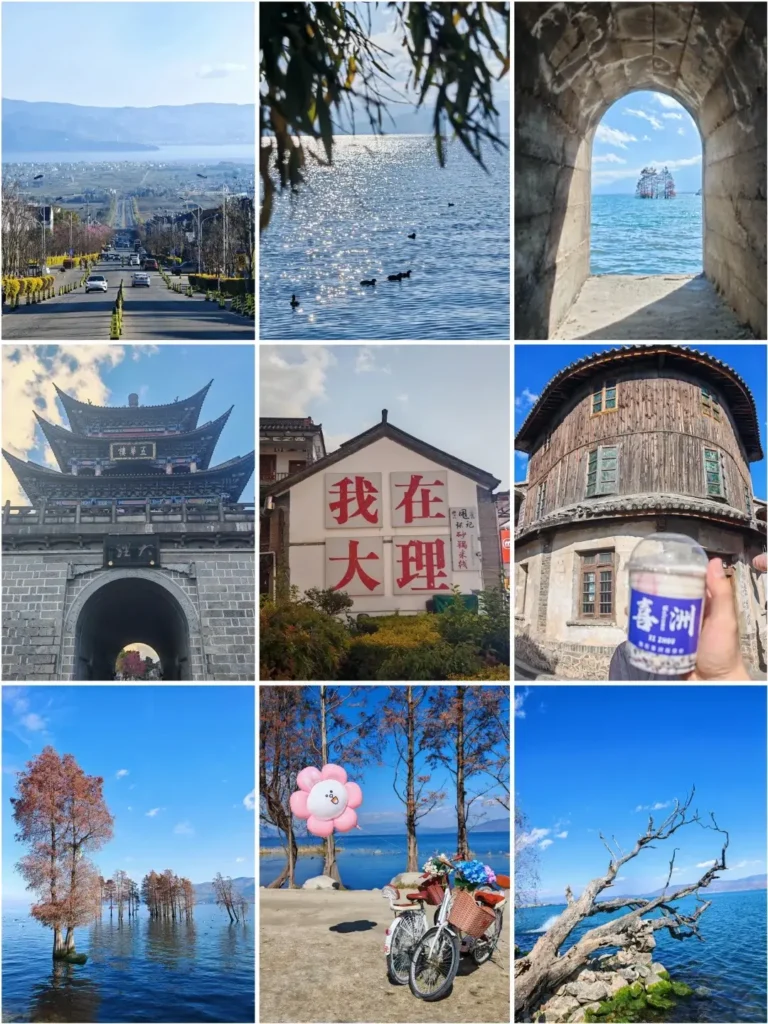

Why Dali Should Be At The Top Of Your China Travel Bucket List
Nestled 350 kilometers northwest of Kunming, the capital of Yunnan Province, Dali City is the administrative heart of the Dali Bai Autonomous Prefecture, and it’s long been a must-visit destination on every Yunnan Travel Guide for Southwest China Trips. Home to a population of around 679,100 residents, Dali spans 1,815 square kilometers of breathtaking, diverse landscape, ranging from the glistening waters of Erhai Lake to the towering peaks of Cangshan Mountain, and from well-preserved ancient towns to quiet ethnic villages that have kept their traditions alive for thousands of years.
What makes Dali truly stand out from other Famous scenic spots in China is its perfect blend of natural beauty, rich history, and vibrant ethnic culture. Over 65% of Dali’s local population belongs to the Bai ethnic minority, one of China’s most distinctive ethnic groups with a unique language, architectural style, culinary traditions, and festive customs. Unlike overcrowded tourist hotspots that have lost their local charm, Dali balances modern convenience for international travelers with authentic, unspoiled cultural experiences. It’s the kind of place where you can spend your morning hiking through ancient pine forests on Cangshan Mountain, your afternoon cycling along the shores of Erhai Lake, your evening wandering the lantern-lit streets of the ancient city, and finish your day sipping local Yunnan coffee while listening to live music in a cozy courtyard bar. For any traveler looking to escape the rush of busy city life and connect with the real heart of southwest China, Dali is an absolute must-visit.
The Rich History & Fascinating Stories Behind Dali
Before we dive into the best things to do in Dali, it’s important to understand the deep historical roots that make this city so unique – because Dali isn’t just a pretty travel destination; it’s a place with over 4,000 years of history, and it once stood as the political, economic, and cultural center of ancient Yunnan for more than 500 years.
As early as 4,000 years ago, the ancestors of the Bai ethnic minority settled in the Dali area, building thriving communities along the shores of Erhai Lake and developing advanced agricultural and handicraft techniques. In the 2nd century AD, during the Han Dynasty, the area was officially incorporated into the territory of China’s central government, becoming a key hub on the ancient Southern Silk Road and Tea Horse Road, linking central China with Southeast Asia, India, and beyond. For centuries, Dali served as a critical intermediary for economic and cultural exchange between China and the rest of Asia, leaving behind a wealth of historical relics and cultural heritage that you can still see today.
The most iconic chapters of Dali’s history began in the 8th century, with the rise of two powerful ethnic kingdoms: the Nanzhao State (738-937 AD) during the Tang Dynasty, and the Dali Kingdom (937-1253 AD) during the Song Dynasty. For over 500 years, Dali served as the capital of both kingdoms, ruling over most of modern-day Yunnan, parts of Sichuan, Guizhou, and even northern Myanmar and Laos. The remains of Tai He City, the first capital of the Nanzhao State, still stand on the outskirts of modern Dali, offering a fascinating glimpse into the grandeur of this ancient kingdom.
One of the most enduring legacies of the Nanzhao and Dali Kingdoms is their deep connection to Buddhism, which is still visible across Dali today. The most famous example is the Three Pagodas of Chongsheng Temple, built during the Nanzhao era as a royal temple complex, and it remains one of the best-preserved Buddhist structures in southwest China. Local legends tell that the pagodas were built to ward off natural disasters, particularly floods from Erhai Lake, and miraculously, the main Qianxun Pagoda has survived multiple major earthquakes over the past 1,200 years, standing strong as a symbol of Dali’s resilience and history.
In 1253 AD, the Mongol army led by Kublai Khan conquered the Dali Kingdom, incorporating the area into the Yuan Dynasty’s territory, and later, it became part of the Ming and Qing Dynasties. Even after the fall of the Dali Kingdom, the area remained a key cultural and economic hub in southwest China, with the Bai people preserving their unique traditions, language, and way of life through the centuries. Today, ancient towns like Xizhou, Zhoucheng, and Shaxi still showcase the traditional daily life, architecture, and customs of the Bai minority, making Dali one of the best places in China to experience authentic ethnic culture. For a deeper dive into Dali’s official historical records, you can visit this authoritative


Unmissable Famous Attractions in Dali
No Dali Yunnan China Travel Guide would be complete without breaking down the absolute best attractions to visit during your trip. From iconic landmarks to hidden local gems, here’s everything you need to know about Dali’s top spots, including what to expect, how to visit, and my personal pro tips for each one.
Dali Ancient City
At the heart of any trip to Dali is the Dali Ancient City, a well-preserved ancient walled city built during the Ming Dynasty, with roots stretching back to the Dali Kingdom era. Surrounded by a 6-kilometer-long ancient city wall and a traditional moat, the ancient city is crisscrossed with cobblestone streets, traditional Bai courtyard architecture, bustling markets, cozy cafes, boutique hotels, and endless street food stalls.
The most famous streets in the ancient city include Fuxing Road, the main pedestrian thoroughfare lined with shops and restaurants, Renmin Road, known for its bohemian vibe, live music bars, and backpacker hostels, and Foreigner Street (Yangren Street), which first became popular with international travelers in the 1980s and still offers a great mix of handicraft shops, international restaurants, and local cultural experiences.
My pro tips for visiting Dali Ancient City:
- There is no entrance fee to enter the ancient city, though you will need to pay a small fee to climb the city wall.
- Visit early in the morning (before 9 AM) or late in the evening (after 7 PM) to avoid the huge crowds of day-trippers.
- Skip the overpriced souvenir shops on the main streets – head to the smaller side alleys to find authentic local handicrafts, handmade tie-dye, and affordable local snacks.
- Don’t miss the night market on Renmin Road, which comes alive after dark with street food, handmade crafts, and live music.
Three Pagodas of Chongsheng Temple
The Three Pagodas of Chongsheng Temple are the iconic symbol of Dali, and one of the most famous Buddhist structures in all of China. Located just 1.5 kilometers north of Dali Ancient City, this UNESCO-listed complex was built in the 9th century during the Nanzhao Kingdom, and it was once the royal temple of the Nanzhao and Dali Kingdoms.
The complex is dominated by three towering pagodas: the main Qianxun Pagoda, which stands 69.13 meters tall with 16 tiers, making it one of the tallest ancient pagodas in China, and two smaller 10-tier pagodas on either side, each standing 42.17 meters tall. The three pagodas are perfectly aligned, and their reflection in the nearby Mirror Pool is one of the most photographed spots in Dali. Behind the pagodas, you’ll find the restored Chongsheng Temple, a grand Buddhist temple complex with beautiful halls, statues, and gardens, as well as a small museum showcasing relics from the Nanzhao and Dali Kingdoms.
My pro tips for visiting the Three Pagodas:
- The entrance fee is around 75 CNY per person, and it’s open from 8 AM to 6 PM daily.
- Allocate at least 2-3 hours for your visit to fully explore the complex.
- The best time to visit is early morning, when the light is perfect for photos and the crowds are minimal.
- There is a direct tourist bus line from Dali Ancient City to the Three Pagodas, with a ticket price of just 3 CNY per person – perfect for travelers who don’t speak Chinese and want a direct, hassle-free ride.
Erhai Lake
No trip to Dali is complete without experiencing Erhai Lake, the second-largest freshwater lake in Yunnan Province, and the crown jewel of Dali’s natural landscape. Stretching 42 kilometers long and 8 kilometers wide, this crystal-clear alpine lake is surrounded by the snow-capped peaks of Cangshan Mountain to the west, and rolling green hills to the east, creating one of the most stunning natural landscapes in southwest China.
Erhai Lake is more than just a pretty view – it’s the heart and soul of Dali, with local Bai communities living along its shores for thousands of years, relying on the lake for fishing, agriculture, and transportation. There are endless ways to experience Erhai Lake, from cycling along the 130-kilometer lake ring road to taking a leisurely boat cruise, exploring the small fishing villages along the shore, or watching the sunrise and sunset from one of the many scenic viewpoints.
The most popular spots along Erhai Lake include:
- Caicun Wharf: Just 3 kilometers from Dali Ancient City, this is the closest access point to the lake, with bike rentals, boat cruises, and beautiful lakeside paths.
- Xizhou Ancient Town: A well-preserved Bai ancient town on the western shore of Erhai, famous for its traditional courtyard architecture, local snacks (especially Xizhou Baba, a flaky savory or sweet pastry), and rice paddy views.
- Shuanglang Ancient Town: A charming fishing village on the northeastern shore of Erhai, famous for its stunning lake views, boutique hotels, and the iconic Sun and Moon Palaces.
- Wase Town: A quiet fishing town on the eastern shore, perfect for watching the sunset over the lake, with minimal crowds and authentic local life.
- Ideal Bond: A modern, Mediterranean-style complex on the eastern shore, known for its stunning photo spots and panoramic lake views.
My pro tips for visiting Erhai Lake:
- The best way to explore Erhai Lake is to rent an electric bike, which costs between 50-80 CNY per day, and gives you the freedom to stop wherever you want along the shore. Make sure to rent from a reputable shop with a fully charged battery, and always wear a helmet.
- Avoid the overpriced, touristy boat cruises from the main wharves – many of them include mandatory stops at shopping centers and have hidden fees. If you want to take a boat ride, ask a local fisherman for a small, private ride along the shore, which is much cheaper and more authentic.
- The western shore (Haixi) is perfect for cycling, with flat, car-free paths along the lake, while the eastern shore (Haidong) has better panoramic viewpoints for photos and sunsets.
- Critical pitfall to avoid: Be wary of people approaching you on the street offering “cheap lake view photo shoots” – many of them have hidden fees, charge exorbitant prices for edited photos, and will pressure you into buying more packages than you agreed to.
Cangshan Mountain
Towering over the western side of Dali Ancient City and Erhai Lake, Cangshan Mountain is the other iconic natural landmark of Dali, and a must-visit for any nature lover or hiker. Known as the “Jade Green Mountain”, Cangshan is made up of 19 peaks, each standing over 3,500 meters tall, with the highest peak, Malong Peak, reaching 4,122 meters above sea level. The mountain is famous for its snow-capped peaks in winter, lush pine forests, crystal-clear streams and waterfalls, blooming azaleas in spring, and breathtaking panoramic views of Dali and Erhai Lake below.
The most popular way to explore Cangshan Mountain is via one of the three cable cars, each offering a different experience:
- Ximatan Cable Car: The longest and highest cable car in China, taking you all the way to the top of Cangshan Mountain at 3,966 meters, with stunning views of the entire Erhai Lake and Dali area. This is the best option for travelers who want to see the snow-capped peaks and alpine landscape.
- Gantong Cable Car: A mid-level cable car that takes you to the southern end of the famous Jade Belt Cloud Road, a 18-kilometer flat hiking path that winds along the side of Cangshan Mountain, with beautiful views of waterfalls, forests, and the lake below. This is perfect for casual hikers and nature lovers.
- Zhonghe Cable Car: The oldest cable car, taking you to the northern end of the Jade Belt Cloud Road, with easy access to the ancient Zhonghe Temple and panoramic views of Dali Ancient City.
My pro tips for visiting Cangshan Mountain:
- Cable car tickets range from 80-140 CNY per person, depending on which one you choose, and the mountain is open from 8:30 AM to 5 PM daily.
- Allocate at least 4-6 hours for your visit, especially if you plan to hike along the Jade Belt Cloud Road.
- Critical pitfall to avoid: Never follow local people offering “shortcut hiking paths” up the mountain – these are unmarked, dangerous trails that can lead to you getting lost or injured, and many of them charge hidden fees. Always stick to the official marked trails and cable car routes.
- The temperature at the top of Cangshan is 5-10 degrees Celsius colder than the city, even in summer, so always bring a warm jacket. The altitude is also high, so bring a small bottle of oxygen if you are prone to altitude sickness, and take it slow when hiking.
- The best time to visit is spring (March-May) when the azaleas are in full bloom, or autumn (September-November) when the weather is clear and the views are unbeatable.
Hidden Gems & Cultural Experiences
Beyond the main iconic attractions, Dali is full of hidden gems that offer a deeper, more authentic experience of local culture. These are the spots that most tourist guides miss, and they’re the places that made my trip to Dali truly unforgettable:
- Zhoucheng Village: Known as the “hometown of Bai tie-dye”, this ancient village just 10 kilometers north of Dali Ancient City is the best place in China to learn about and experience the traditional Bai tie-dye craft, which has a history of over 1,000 years. You can take a hands-on workshop with local Bai artisans, create your own tie-dye scarf or bag, and learn about the traditional techniques that have been passed down through generations.
- Shaxi Ancient Town: A well-preserved ancient town on the Tea Horse Road, located about 2 hours from Dali Ancient City. Often called “the last surviving ancient market town on the Tea Horse Road”, Shaxi has barely changed in hundreds of years, with a beautiful ancient market square, traditional Bai architecture, quiet cobblestone streets, and a laid-back vibe that feels like Dali did 30 years ago. It’s the perfect day trip or overnight trip for travelers looking to escape the crowds.
- Yan’s Compound: Located in Xizhou Ancient Town, this is one of the best-preserved traditional Bai courtyard compounds in Dali, built by a wealthy Bai merchant in the early 20th century. The compound showcases the classic Bai architectural style of “three houses and a screen wall, four courtyards and five skylights”, with beautiful carvings, paintings, and gardens. You can also watch a traditional Bai “Three Course Tea” performance here, a ceremonial tea experience that represents the three stages of life: bitter, sweet, and aftertaste.
- Butterfly Spring: A beautiful natural spring located 25 kilometers north of Dali Ancient City, famous for its crystal-clear water and the thousands of butterflies that gather here every spring. The spring is also the setting of the most famous Bai ethnic love story, about a young couple who sacrificed themselves for love and turned into butterflies, making it a symbol of love and romance for the Bai people.
Perfect Dali Travel Itineraries for Foreign Visitors
One of the most common questions I get from travelers planning their trip is how to structure their time in Dali to see the best of the city without feeling rushed. In this Dali Yunnan China Travel Guide, I’ve curated three perfectly balanced itineraries for different trip lengths, so you can pick the one that fits your travel style and schedule.
3-Day Classic Dali Itinerary (Perfect for First-Time Visitors)
This itinerary is perfect for travelers with limited time, who want to see all the iconic highlights of Dali without rushing.
- Day 1: Arrival in Dali + Dali Ancient CityMorning/Afternoon: Arrive at Dali Fengyi Airport or Dali Railway Station, transfer to your accommodation in Dali Ancient City. Check in, drop off your bags, and take some time to rest after your journey.Evening: Wander through Dali Ancient City, explore Fuxing Road, Renmin Road, and Foreigner Street, try local street food for dinner, and experience the vibrant night market.
- Day 2: Three Pagodas + Erhai Lake West Shore CyclingMorning: Visit the Three Pagodas of Chongsheng Temple, explore the temple complex, and take photos of the iconic pagodas.Afternoon: Head to Caicun Wharf, rent an electric bike, and cycle along the western shore of Erhai Lake, stopping at Xizhou Ancient Town to try Xizhou Baba and explore the traditional courtyards.Evening: Watch the sunset over Erhai Lake, then return to Dali Ancient City for dinner.
- Day 3: Cangshan Mountain + Zhoucheng Village Tie-Dye ExperienceMorning: Take the Gantong Cable Car up Cangshan Mountain, hike along the Jade Belt Cloud Road, and enjoy the stunning views of Dali and Erhai Lake.Afternoon: Visit Zhoucheng Village, take a hands-on Bai tie-dye workshop with local artisans, and create your own souvenir to take home.Evening: Enjoy a farewell dinner of traditional Bai cuisine in Dali Ancient City, before departing Dali the next day.


5-Day In-Depth Dali Itinerary (For Cultural & Nature Lovers)
This itinerary builds on the classic 3-day trip, adding more cultural experiences, hidden gems, and time to slow down and soak in Dali’s laid-back vibe.
- Days 1-3: Follow the classic 3-day itinerary above, but take more time to explore each spot – for example, spend a full morning hiking on Cangshan Mountain, or take a longer bike ride along Erhai Lake.
- Day 4: Shaxi Ancient Town Day TripMorning: Take a bus or private transfer from Dali Ancient City to Shaxi Ancient Town (about 2 hours).Afternoon: Explore the ancient market square, Sideng Market, visit the ancient Xingjiao Temple, wander the cobblestone streets, and hike to the nearby Shibaoshan Mountain Grottoes to see ancient Buddhist carvings.Evening: Enjoy a dinner of local Yunnan cuisine in a family-run restaurant in Shaxi, before returning to Dali (or stay overnight in Shaxi for an even more immersive experience).
- Day 5: Erhai Lake East Shore Full Loop + Local Food TourMorning: Rent an electric bike or car, and drive along the eastern shore of Erhai Lake, stopping at Wase Town, Ideal Bond, and Shuanglang Ancient Town for photos and exploration.Afternoon: Join a local food tour in Dali Ancient City and the surrounding villages, to try authentic Bai cuisine that you won’t find in tourist restaurants, including Rushan cheese, Bai sour fish, raw pork skin (if you’re adventurous), and Yunnan coffee.Evening: Relax with a drink in a cozy courtyard bar in Dali Ancient City, reflecting on your amazing trip.
7-Day Yunnan Panorama Itinerary (Dali + Kunming + Lijiang)
If you’re planning a longer trip to Yunnan, this itinerary links Dali with the other top destinations in the province, for the ultimate southwest China adventure. For more details on planning your Yunnan trip, check out our complete <a href="/zh/”/kunming-yunnan-travel-guide”/">Kunming Yunnan Travel Guide</a> for all the tips and information you need.
- Days 1-2: Kunming Arrival & ExplorationArrive in Kunming Changshui International Airport, explore the “Spring City” of Kunming, visit the Stone Forest, Green Lake Park, and the Yunnan Provincial Museum.
- Days 3-6: Dali Exploration (Follow the 5-day in-depth itinerary above, condensed into 4 days)
- Days 7-8: Lijiang ExplorationTake the high-speed train from Dali to Lijiang (about 1.5 hours), explore Lijiang Ancient City, Jade Dragon Snow Mountain, and Tiger Leaping Gorge, before departing Yunnan.
Essential China Travel Tips & Dali Pitfall Avoidance Hacks
After spending 10 days exploring Dali and making my fair share of mistakes, I’ve put together this list of essential China Travel Tips for Foreign Visitors and no-BS pitfall avoidance hacks, to make sure your trip to Dali is smooth, stress-free, and authentic.
How to Get to & Around Dali
First, let’s break down the logistics of getting to and around Dali, one of the most common questions from foreign travelers.
- By Air: Dali Fengyi Airport is located in the southeast of Dali City, about 13 kilometers from downtown Xiaguan, 5 kilometers from Erhai Lake, and 30 kilometers from Dali Ancient City. The airport has direct flights to major Chinese cities including Beijing, Shanghai, Guangzhou, Chengdu, and Kunming. There is an airport shuttle bus that runs from the airport to downtown Xiaguan and Dali Ancient City, with a ticket price of 25 CNY per person. You can also take a taxi or Didi (China’s ride-hailing app) from the airport to Dali Ancient City, which costs around 80-100 CNY and takes about 40 minutes.
- By High-Speed Train: This is the most convenient and popular way to get to Dali for most travelers. Dali Railway Station is located in downtown Xiaguan, with daily high-speed trains to Kunming (2 hours, 145 CNY), Chengdu (8 hours, 645-660 CNY), Lijiang (1.5 hours, 80 CNY), and other major Chinese cities. Foreign travelers can book train tickets online via the Trip.com app, which is available in English and accepts foreign passports for booking. From Dali Railway Station, you can take the Santa Line public bus to Dali Ancient City for 3 CNY per person, or take a taxi for 50-60 CNY.
- Getting Around Dali: The most convenient way to get around Dali is by electric bike, which you can rent from almost any hotel or shop in Dali Ancient City for 50-80 CNY per day. For longer distances, you can take a taxi or use Didi, which is widely available in Dali and has an English version of the app. There are also public buses that run between all the major attractions, including the direct tourist line from Dali Ancient City to the Three Pagodas, which is perfect for travelers who don’t speak Chinese.
Critical Pitfalls to Avoid in Dali
These are the most common scams and pitfalls that catch foreign travelers off guard in Dali – I’ve listed them here so you don’t make the same mistakes I did:
- Bar & Nightclub Scams in Dali Ancient City: Be wary of people approaching you on the street offering “free drinks” or “cheap bar entry” in the ancient city. Many of these bars have hidden minimum spends, mandatory service charges, and will pressure you into buying overpriced drinks once you’re inside. Stick to well-reviewed bars with clear pricing, and never agree to go to a bar with a stranger you just met.
- Fake Handicraft & Overpriced Souvenir Scams: Many shops in the main tourist areas sell mass-produced “handmade” tie-dye, silver jewelry, and handicrafts at exorbitant prices. If you want to buy authentic local handicrafts, go directly to the artisans in Zhoucheng Village or Xizhou Ancient Town, where you can watch them make the products and buy directly from the maker at a fair price.
- Fake Tour Guides & Unofficial Hiking Trails: Never follow local people offering to be your “private tour guide” for Cangshan Mountain, or offering to take you on a “secret shortcut” up the mountain. These guides are often unlicensed, will charge you hidden fees, and will take you on dangerous, unmarked trails where you can easily get lost or injured. Always stick to the official marked trails and use licensed tour guides if you need one.
- Overpriced Lake Cruises & Boat Scams: Many of the large, touristy boat cruises on Erhai Lake have hidden fees, mandatory stops at shopping centers, and will not take you to the spots they promised. If you want to take a boat ride on the lake, ask a local fisherman for a small, private ride, and agree on a price and route before you get on the boat.
- Peak Season Price Gouging: Dali gets extremely busy during Chinese national holidays, including Spring Festival (January-February), Labor Day (May 1-5), and National Day (October 1-7). During these times, hotel prices can increase by 3-5 times, and restaurants and shops will often raise their prices significantly. If possible, avoid visiting Dali during these peak times, and always book your accommodation well in advance if you do.
Practical Travel Tips for Dali
- Best Time to Visit Dali: The best time to visit Dali is spring (March-May) and autumn (September-November). During these times, the weather is mild and sunny, the skies are clear for perfect views of Cangshan and Erhai, and the crowds are smaller than in peak season. Avoid visiting during the rainy season (June-August), when there are frequent heavy rains that can ruin your outdoor plans, and during Chinese national holidays when the crowds are overwhelming.
- What to Pack for Dali: Dali is located at a high altitude, so the UV radiation is extremely strong all year round. Make sure to pack high-SPF sunscreen, a wide-brimmed hat, UV-protective sunglasses, and long-sleeved shirts to protect yourself from the sun. The temperature also changes drastically between day and night, even in summer, so always pack a warm jacket or sweater. Comfortable walking shoes are a must for hiking on Cangshan Mountain and wandering the cobblestone streets of the ancient city.
- Payment & Connectivity: Almost all hotels, restaurants, shops, and tourist attractions in Dali accept WeChat Pay and Alipay, the two main mobile payment apps in China. However, it’s a good idea to carry a small amount of cash (Chinese Yuan, CNY) with you for small purchases at street stalls or in remote villages. Most hotels and cafes in Dali have free Wi-Fi, and you can buy a Chinese SIM card at the airport or a local phone shop for data during your trip.
- Language & Communication: Most people working in hotels, restaurants, and tourist attractions in Dali speak basic English, and many signs have English translations. However, in smaller villages and more remote areas, very few people speak English. It’s a good idea to download a translation app like Google Translate or Baidu Translate, with offline Chinese language packs, to help you communicate with locals.
- Food & Water Safety: Dali has an amazing culinary scene, with delicious local Bai cuisine and Yunnan specialties. Street food is generally safe to eat, but make sure to choose stalls that are busy with locals, as this means the food is fresh. Always drink bottled water, not tap water, during your trip to avoid getting sick.
FAQ for Dali Travel
Q: How can I get to Dali from Kunming, and what’s the most convenient way for foreign travelers?
A: The most convenient and recommended way to get to Dali from Kunming is by high-speed train. There are dozens of daily high-speed trains departing from both Kunming Railway Station and Kunming South Railway Station to Dali Railway Station, with the fastest journey taking just 2 hours, and ticket prices starting at around 145 CNY for a second-class seat. This is far more convenient than flying, as the train takes you directly to downtown Dali, without the hassle of getting to and from the airport, going through security, and waiting for your flight. For foreign travelers, you can easily book train tickets in advance via the Trip.com app, which is fully available in English, accepts foreign passport numbers for booking, and has reliable customer service. If you prefer to fly, there are daily flights from Kunming Changshui International Airport to Dali Fengyi Airport, which take about 30 minutes, but you will need to factor in travel time to and from the airports, which makes the total journey longer than the train. Long-distance buses are also available, but they take around 4 hours and are far less comfortable and convenient than the high-speed train, so they are not recommended for foreign travelers.
Q: Is there direct transportation from Dali Ancient City to Erhai Lake and the Three Pagodas?
A: Yes, there is plenty of direct, affordable transportation from Dali Ancient City to both Erhai Lake and the Three Pagodas, even for travelers who don’t speak Chinese. For the Three Pagodas of Chongsheng Temple, there is a dedicated tourist bus line (the Chongsheng Temple Three Pagodas Special Line) that departs directly from the south gate of Dali Ancient City, stops at the entrance of the Three Pagodas complex, and costs just 3 CNY per person. The bus has clear Chinese characters for the destination, which you can show to the driver if needed, and it runs every 15 minutes from 8 AM to 6 PM daily. For Erhai Lake, the closest access point is Caicun Wharf, which is just 3 kilometers from the south gate of Dali Ancient City. You can take the Dali Ancient City C2 Line public bus directly to Caicun Wharf for 2 CNY per person, or take a taxi/Didi for around 15 CNY, which takes just 10 minutes. If you want to explore the full length of Erhai Lake, the best option is to rent an electric bike from a shop in Dali Ancient City, which gives you the freedom to travel directly from the ancient city to any spot along the lake shore, with no need to rely on public transportation. Taxis and private transfers are also widely available, with a one-way trip from Dali Ancient City to Shuanglang Ancient Town on the north shore of Erhai Lake costing around 150-200 CNY.
Q: Do I need a visa to visit Dali, and are there any travel restrictions for foreign tourists?
A: To visit Dali, you will need a valid passport and the appropriate Chinese visa, unless you are a citizen of a country that qualifies for visa-free entry to China. Currently, citizens of Singapore, Brunei, and Japan can enter China visa-free for up to 15 days for tourism purposes. Citizens of many other countries can also take advantage of China’s 144-hour visa-free transit policy, which allows you to stay in Yunnan Province (including Dali, Kunming, and Lijiang) for up to 144 hours (6 days) without a visa, if you are transiting through China to a third country. For longer trips, you will need to apply for a Chinese L (Tourism) Visa at your nearest Chinese embassy or consulate before your trip. There are no special travel restrictions for foreign tourists visiting Dali – as long as you have a valid passport and visa, you can freely visit all the tourist attractions, stay in any hotel that is licensed to receive foreign guests (almost all major hotels and many boutique guesthouses in Dali are licensed), and travel around the area without any permits. The only exception is some remote mountainous areas near the China-Myanmar border, which are far from Dali and require special permits to visit, but these are not part of any standard Dali travel itinerary.
Q: What’s the best way to experience authentic Bai ethnic culture in Dali as a foreign visitor?
A: The best way to experience authentic Bai ethnic culture in Dali is to get out of the main tourist areas of Dali Ancient City, and visit the traditional Bai villages and towns around Erhai Lake, where the local people still live according to their traditional customs and way of life. The first must-visit spot is Zhoucheng Village, the ancient Bai village just 10 kilometers north of Dali Ancient City, which is the best place in China to experience the traditional Bai tie-dye craft. You can take a hands-on workshop with local Bai artisans, who are mostly women from the village that have learned the craft from their mothers and grandmothers, and create your own tie-dye product while learning about the 1,000-year history of the craft. Another great spot is Xizhou Ancient Town, a well-preserved Bai town on the shore of Erhai Lake, where you can visit traditional Bai courtyard compounds like Yan’s Compound, watch a traditional Bai Three Course Tea ceremony, and stay in a boutique hotel in a restored Bai courtyard. If you want to experience a traditional Bai festival, plan your trip to coincide with the March Street Festival, the biggest annual festival for the Bai people, which takes place in Dali every year in the third lunar month (usually April). The festival features traditional singing and dancing, horse racing, handicraft markets, and local food, and it’s the perfect opportunity to experience the vibrant festive culture of the Bai people. For a more immersive experience, you can also book a homestay with a local Bai family in a small village along Erhai Lake, where you can learn to cook traditional Bai food, help with daily farm work, and experience what life is really like for the Bai people in Dali.
Closing Travel Blessing for Your China Journey
To every traveler who is preparing to embark on a journey to China, may your adventure be filled with endless wonder, breathtaking beauty, and heartwarming connections with the people and cultures of this incredible land. May your days in Dali be blessed with clear blue skies over Erhai Lake, soft breezes through the pine forests of Cangshan Mountain, and the warm smiles of the local Bai people as you wander the ancient streets and villages. May every step of your journey be safe, every meal be a delicious discovery, every sunset be a memory to cherish, and every encounter leave you with a deeper love and understanding of China’s rich history, diverse culture, and stunning natural beauty. Whether you’re exploring the ancient kingdoms of Dali, hiking the majestic mountains of Yunnan, or wandering the vast and wonderful landscapes across China, may your trip be everything you’ve dreamed of and more. China is waiting for you with open arms, and we can’t wait to hear all about your amazing adventures.

_5_咬一口绘梨_来自小红书网页版-150x150.jpg)
 Chinese
  English