Great Wall of China
If you’re planning a trip to China, there’s one landmark that sits at the very top of every traveler’s bucket list: the Great Wall of China. As one of the Seven Wonders of the Medieval World and the largest man-made structure on the planet, it’s more than just a tourist attraction—it’s a living piece of 2,700 years of Chinese history, a symbol of ancient ingenuity, and an experience that will stay with you long after you leave China. This Great Wall of China Travel Guide is built from 5 years of firsthand experience leading international tours, talking to local historians, and exploring every major (and hidden) section of the wall. Whether you’re a first-time visitor following our China Travel Guide, a history buff chasing ancient stories, a hiking enthusiast looking for a challenge, or a photographer chasing the perfect sunrise shot, this guide has everything you need to plan an unforgettable, stress-free visit. We’ll break down its fascinating origin and original purpose, the legendary stories that shaped its legacy, the absolute best sections to visit based on your travel style, step-by-step logistics, and the most important China Travel Tips to avoid common pitfalls and make the most of your time at one of the most iconic famous scenic spots in China.

The Full History & Origin of the Great Wall of China: What It Was, Why It Was Built
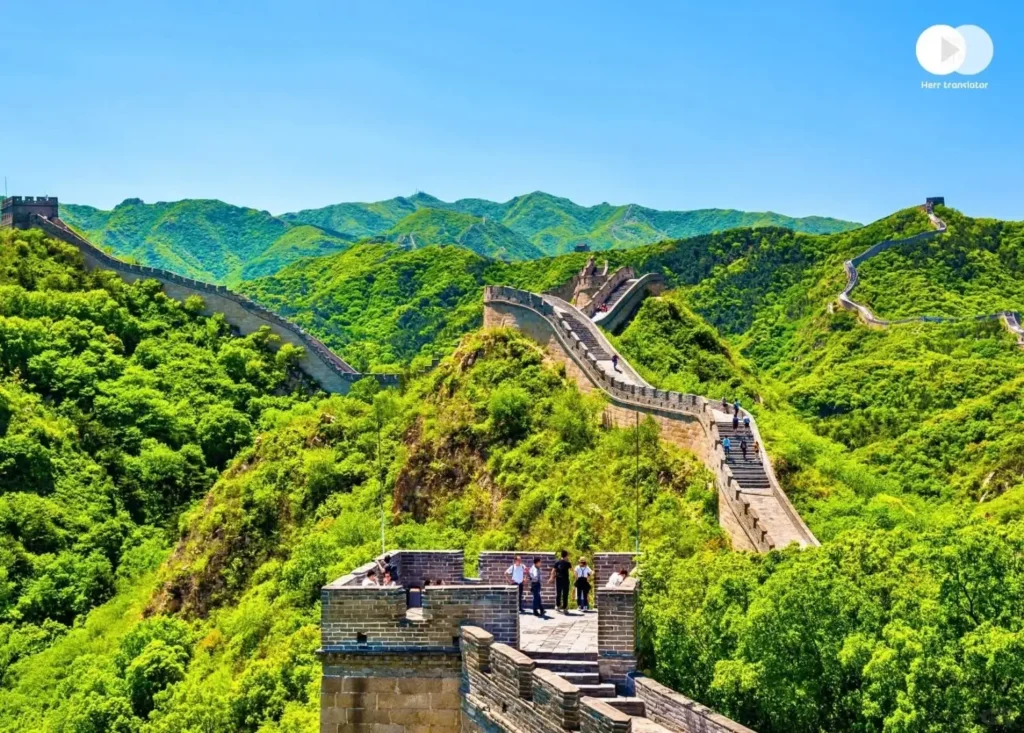
Most international travelers hear the name “Great Wall” and immediately picture a single, continuous structure built by Emperor Qin Shi Huang. But the truth is, the Great Wall of China is not one single wall—it’s a vast network of fortifications, watchtowers, and defensive systems built, rebuilt, and expanded across 9 dynasties over more than 2,700 years. To truly appreciate what you’re walking on when you visit, you need to understand its origin, its original purpose, and how it evolved over centuries.
The Earliest Origins: Western Zhou Dynasty (1046–771 BCE)
The very roots of the Great Wall of China stretch back to the Western Zhou Dynasty, long before the first emperor unified China. At this time, there was no continuous wall, but a system of beacon towers and small fortifications built along the northern border of the Zhou kingdom. Their sole purpose was early warning: soldiers would light fires on top of the towers during the day and smoke at night to send alerts of incoming raids from nomadic tribes like the Quanrong, who lived on the steppes north of the kingdom. This beacon system would remain the core of the wall’s defensive function for over 2,000 years, and it’s the focus of one of the wall’s most famous legends, which we’ll dive into later.
The First Fragmented Walls: Spring and Autumn & Warring States Periods (770–221 BCE)
As the Zhou Dynasty collapsed, China split into dozens of warring kingdoms, each fighting for control of the land. This era saw the birth of the first true “great walls”: each major kingdom, including Qi, Chu, Yan, Zhao, and Qin, built long, fortified walls along their borders. Critically, these walls weren’t just built to defend against northern nomads—many were built to defend against rival Chinese kingdoms. For example, the Qi Wall (one of the oldest surviving sections) was built to protect the Qi kingdom from attacks by the Chu and Jin states, while the Yan and Zhao walls focused heavily on northern border defense. These walls were mostly built with rammed earth, a technique where soil is compressed layer by layer to create a solid, durable structure, and they laid the foundation for the unified wall that would come later.
The First Unified Great Wall: Qin Dynasty (221–207 BCE)
In 221 BCE, Emperor Qin Shi Huang became the first ruler to unify all of China into a single empire. To protect his new empire from the powerful Xiongnu nomadic tribes on the northern steppes, he ordered one of the largest engineering projects in human history: the connection and expansion of the existing northern walls from the Yan, Zhao, and Qin kingdoms into a single, continuous defensive system. General Meng Tian, one of the Qin Dynasty’s most celebrated military leaders, was put in charge of the project, leading over 300,000 soldiers and hundreds of thousands of laborers—many of them conscripted peasants, prisoners, and political dissidents—to complete the work.
The resulting Qin Great Wall stretched more than 5,000 kilometers (3,100 miles) from modern-day Gansu Province in the west to the Liaodong Peninsula in the east, creating an unbroken barrier along the empire’s northern border. Its core purpose was twofold: first, to block raids from the Xiongnu, whose fast-moving cavalry struggled to breach the high, fortified wall; and second, to control border trade and migration, creating a clear boundary between the settled agricultural civilization of central China and the nomadic steppe cultures to the north. Very little of the Qin Wall survives today, but it created the blueprint for every iteration of the Great Wall of China that followed.
Expansion & Refinement: Han Dynasty (206 BCE–220 CE)
After the fall of the Qin Dynasty, the Han Dynasty took control of China and expanded the wall even further, driven by two key goals: protecting the emerging Silk Road, and defending against the still-powerful Xiongnu confederation. Under Emperor Wu of Han, the wall was extended westward all the way to the Jade Gate and Yang Pass in modern-day Gansu Province, creating a defensive corridor that protected the trade routes that connected China to Central Asia, the Middle East, and Europe.
At its peak, the Han Great Wall stretched more than 10,000 kilometers (6,200 miles), making it the longest version of the wall ever built. Beyond defense, it took on new roles: it housed military garrisons, served as a series of postal stations and rest stops for Silk Road travelers, and acted as a customs checkpoint for traders moving goods in and out of the empire. Many of the surviving sections of the Han Wall are in the Gobi Desert, built with compacted earth and local stone, and they stand as a testament to the Han Dynasty’s ambition and the critical role the wall played in the rise of the Silk Road.
The Final & Most Well-Preserved Version: Ming Dynasty (1368–1644 CE)
Nearly every section of the Great Wall of China that you’ll visit today was built during the Ming Dynasty, the final imperial dynasty to expand and maintain the wall as a working military defense system. After overthrowing the Mongol-led Yuan Dynasty, the Ming emperors faced constant threats from Mongol tribes to the north, and later from the Manchu people in the northeast. To counter these threats, they launched a 200-year project to rebuild and reinforce the wall, using far more durable materials than earlier dynasties.
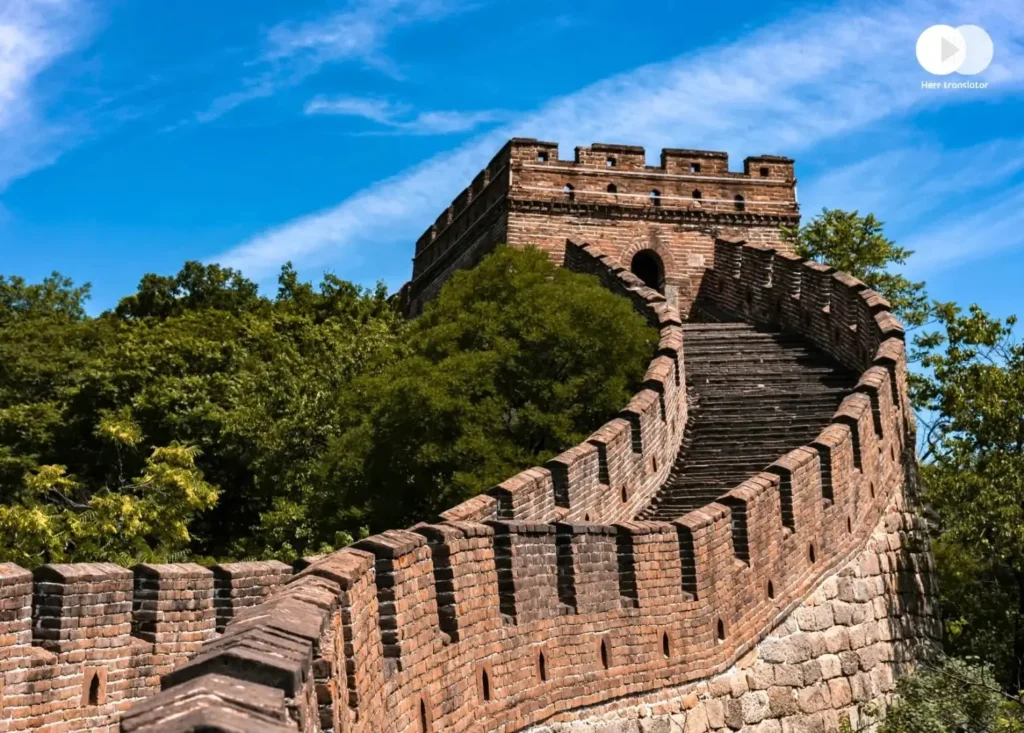
Unlike the rammed earth walls of the Qin and Han dynasties, the Ming Great Wall was built with brick and stone, with a solid stone foundation, brick facing, and a rammed earth core. This made it far stronger, more weather-resistant, and better able to withstand attacks from gunpowder weapons, which were becoming more common in the late medieval period. The Ming Wall also featured a sophisticated defensive system: it included over 25,000 watchtowers, hollow enemy garrison towers (designed by the famous general Qi Jiguang), beacon fire stations, moats, and fortified passes. At its full length, the Ming Great Wall stretches 8,851.8 kilometers (5,500 miles) from the Hushan Wall on the North Korean border in the east to the Jiayu Pass in the Gobi Desert in the west.
After the Manchu-led Qing Dynasty took power in 1644, the wall lost its military purpose: the Qing empire expanded far beyond the wall into Mongolia and Tibet, eliminating the northern border threat that had driven its construction for millennia. For the next 300 years, the wall fell into disrepair in many areas, with local villagers using its bricks for building materials. It wasn’t until the 20th century that the wall was recognized as a national symbol of China, and in 1987, it was named a UNESCO World Heritage Site. Today, it stands as the most famous symbol of Chinese civilization, and one of the most visited famous scenic spots in China for international travelers.
Legends & Iconic Stories of the Great Wall of China
The Great Wall of China isn’t just made of brick and stone—it’s built on centuries of stories, legends, and human drama that have been passed down for over 2,000 years. These stories aren’t just fairy tales; they’re a window into the lives of the people who built the wall, defended it, and lost loved ones to its construction. Here are the three most iconic legends you need to know before you visit.
The Legend of Meng Jiangnu: The Woman Who Cried Down a Section of the Wall
This is the most famous and enduring legend of the Great Wall of China, a story that has been told in operas, books, and films for over 2,000 years. It takes place during the Qin Dynasty, at the height of the wall’s construction. Meng Jiangnu was a young woman who had just married Fan Qiliang, a scholar. Just three days after their wedding, Fan was conscripted by imperial soldiers and sent north to work on the Great Wall.
For a year, Meng Jiangnu heard nothing from her husband. As winter approached, she sewed warm clothes for him and set off on a thousand-mile journey to the wall to find him. When she finally reached the construction site, she was devastated to learn that Fan had died months earlier from exhaustion and hunger, and his body had been buried inside the wall, along with thousands of other laborers who had died during the build.
Overcome with grief, Meng Jiangnu knelt at the foot of the wall and cried for three days and three nights. Her grief was so profound that the heavens opened, and a 400-meter section of the wall collapsed, revealing the bones of her husband and the other laborers buried there. She buried her husband properly, and then, heartbroken, threw herself into the nearby sea and drowned.
Today, there is a Meng Jiangnu Temple built near the Shanhai Pass (the eastern end of the Ming Great Wall) to honor her memory. The story is more than just a legend: it’s a powerful reminder that the Great Wall wasn’t just built by emperors and generals, but by millions of ordinary people, whose labor and sacrifice created this iconic structure.
The Beacon Fire That Toppled a Dynasty: The War of the Beacon Fire
This legend, set during the Western Zhou Dynasty, tells the story of the very first beacon tower system that would become the heart of the Great Wall of China’s defensive function. King You of Zhou was a cruel and foolish ruler who had fallen deeply in love with his concubine, Bao Si, a beautiful woman who never smiled or laughed. No matter what the king did—put on performances, gave her precious gifts, even threw lavish banquets—she never showed a hint of joy.
Desperate to make her smile, the king’s advisor suggested a cruel trick: light the beacon towers along the northern border, the system that was used to warn of incoming nomad raids. The king agreed, and ordered the beacons lit. One by one, the towers lit up across the kingdom, and the feudal lords and their armies rushed to the capital to defend the king, only to find no enemy, just the king and Bao Si laughing at their confusion. Bao Si finally laughed, and the king was delighted—so he repeated the trick again and again, each time losing the trust of his lords.
Months later, the Quanrong nomads really did invade the capital. The king ordered the beacons lit, but the lords, tired of being tricked, ignored the warnings. No army came to defend the king, who was killed by the invaders, and the Western Zhou Dynasty collapsed. The story is a timeless lesson about the cost of deception, and it’s the earliest story we have of the beacon system that would define the Great Wall’s purpose for millennia.
The General Who Perfected the Wall: Qi Jiguang & the Ming Dynasty Fortifications
Unlike the first two legends, this is a true story about a man whose genius shaped the Great Wall of China we see today. Qi Jiguang was one of the Ming Dynasty’s greatest military generals, a man famous for defeating Japanese pirates along China’s eastern coast in the 1560s. After his success against the pirates, he was sent north to defend the empire’s northern border against Mongol raids, and put in charge of rebuilding and fortifying 1,200 kilometers of the Great Wall from Shanhai Pass to Juyong Pass.
Qi Jiguang saw that the existing wall was poorly designed for defense: it was thin, with no place for soldiers to shelter, store weapons, or launch counterattacks. So he designed a revolutionary new structure: the hollow watchtower, or “enemy tower.” These two- or three-story towers were built into the wall, with arrow slits on all sides, storage space for food and weapons, and living quarters for soldiers. They allowed soldiers to defend the wall from all directions, even if enemies reached the base of the wall, and they could communicate with each other via smoke signals and flags.
Over 10 years, Qi Jiguang oversaw the construction of over 1,000 of these hollow towers, along with reinforcing the wall’s foundation, adding moats and barriers, and creating a layered defensive system that made the border nearly impenetrable. The sections of the wall he built—including Mutianyu, Jinshanling, and Gubeikou—are the best-preserved and most iconic sections of the Great Wall of China today. His work didn’t just build a stronger wall; it brought decades of peace to the northern border, allowing trade and culture to flourish along the frontier.
Top Must-Visit Sections of the Great Wall of China: Which One Is Right For You?
With dozens of sections spread across northern China, choosing which part of the Great Wall of China to visit can feel overwhelming for first-time travelers. Most sections are within 2-3 hours of Beijing, making them easy day trips, but each has a completely different vibe, crowd level, and difficulty level. As part of our China Travel Guide, we’ve broken down the absolute best sections, sorted by what you’re looking for from your visit.
Mutianyu Great Wall: Best for First-Time Visitors, Families & Low-Stress Travel
If you’re following our Great Wall of China Travel Guide for your first visit, Mutianyu is the perfect choice. It’s widely regarded as the most well-balanced section of the wall, striking the perfect mix of preservation, accessibility, and low crowd levels. Built by General Qi Jiguang during the Ming Dynasty, Mutianyu stretches 5.4 kilometers (3.3 miles) with 23 fully restored watchtowers, winding through lush, forested mountains that offer stunning views year-round.
What makes Mutianyu ideal for first-timers is its range of accessibility options. You can take a fully enclosed cable car directly to the top of the wall for a relaxed, no-hike visit, or take a chairlift up if you want a more open-air experience. For a fun thrill on the way down, you can ride the alpine slide—a winding, 1,580-meter track that takes you from the wall back to the base, a favorite for kids and adults alike. The wall itself has gentle slopes in most sections, making it easy to walk even for travelers with limited fitness, and it has clear English signage, basic English-speaking staff, and clean facilities throughout.
Unlike the overcrowded Badaling section, Mutianyu rarely feels packed, even on weekends, and it has far less aggressive commercialization. It’s the perfect place to take your time, walk the wall, take photos, and soak in the experience without fighting through crowds.
Badaling Great Wall: Most Iconic & Accessible for Quick Visits
Badaling is the most famous and most visited section of the Great Wall of China, and for good reason: it’s the most accessible section from Beijing, and it’s the section that most world leaders and celebrities visit when they come to China. Built during the Ming Dynasty, Badaling was the first section of the wall to be opened to tourists, and it’s the most heavily restored, with wide, even walkways, full accessibility for wheelchairs and strollers, and extensive facilities.
The biggest draw of Badaling is its unbeatable accessibility. You can take a high-speed train from Beijing North Station directly to Badaling Great Wall Station in just 20 minutes, making it the fastest way to get to the wall from central Beijing. If you’re short on time, or if you have limited mobility, Badaling is the best option: you can see the most iconic part of the wall, take photos, and experience the landmark in just a few hours.
That said, Badaling has some major downsides: it’s almost always crowded, especially on weekends, holidays, and during peak tourist season. During China’s national holidays, it’s not uncommon for the wall to be so packed you can barely walk. It’s also extremely commercialized, with hundreds of souvenir shops, restaurants, and vendors lining the entrance and the wall itself. Many international visitors look for great wall chinese cultural experiences beyond just hiking, and while Badaling offers convenience, it lacks the quiet, authentic feel of other sections. If you do visit Badaling, arrive at opening time (7:30 AM) to beat the crowds, and avoid national holidays at all costs.
Jinshanling Great Wall: Best for Photography & Sunrise/Sunset Views
If you’re a photographer, or if you want to experience the Great Wall of China in its most breathtaking, unspoiled form, Jinshanling is the section for you. Widely regarded as the most beautiful section of the wall, Jinshanling was also built by General Qi Jiguang, and it stretches 10.5 kilometers (6.5 miles) with 67 watchtowers, winding through rolling mountains with unobstructed panoramic views in every direction.
What makes Jinshanling special is its balance of preservation and authenticity. Unlike Mutianyu and Badaling, which are fully restored, Jinshanling has a mix of fully restored sections and partially restored “wild” sections, giving you a sense of what the wall looked like centuries ago. It’s almost entirely free of crowds: even on weekends, you’ll often have entire sections of the wall to yourself, making it perfect for photography. The sunrise and sunset views here are legendary: the golden light hits the brick watchtowers and the winding wall, creating stunning shots that you’ll never get in the crowded sections.
The only downside of Jinshanling is its accessibility: it’s a 2.5-3 hour drive from central Beijing, so it requires a full day trip, or an overnight stay in a nearby guesthouse if you want to shoot sunrise. There’s no cable car to the top, so you’ll need a moderate level of fitness to hike the wall, and there are very few shops or facilities on the wall itself, so you’ll need to bring your own water and snacks. For photographers and travelers who want to avoid crowds and experience the wall’s natural beauty, it’s absolutely worth the trip.
Simatai Great Wall: Best for Adventure & Night Tours
If you’re looking for a unique, adventurous experience at the Great Wall of China, Simatai is the only section of the wall that offers official night tours, and it’s one of the most authentic, unspoiled sections in the country. Recognized by UNESCO as one of the best-preserved original sections of the Ming Great Wall, Simatai stretches 5.4 kilometers (3.3 miles) with 35 watchtowers, built along a steep, rocky ridge above the Yuanyang Lake Reservoir.
Simatai is famous for its wild, rugged beauty: unlike the fully restored sections, much of Simatai is in its original Ming Dynasty form, with uneven steps, steep climbs, and unmodified watchtowers that give you a true sense of the wall’s original defensive design. It’s also the only section of the wall that’s officially open for night visits: every evening, the eastern section of the wall is lit up with soft, warm lights, creating a magical, otherworldly experience that you can’t get anywhere else. The night tour is gentle, with a well-lit path, and it’s perfect for travelers who want to avoid the daytime heat and crowds.
For adventure seekers, Simatai offers a range of hiking options: the eastern section is open to all visitors, with a cable car to the top for easy access, while the western section is more rugged and challenging, perfect for experienced hikers. The only thing to note is that Simatai is strictly protected: you can’t hike the wall without a guide, and there are strict rules to protect the original structure. It’s a 2-hour drive from central Beijing, and it’s often combined with a visit to the nearby Gubei Water Town, a beautiful traditional Chinese water town that offers accommodation, restaurants, and cultural performances.
Jiankou Great Wall: Best for Experienced Hikers & Wild Wall Enthusiasts
For experienced hikers who want to experience the “wild wall”—the completely unmodified, unrestored sections of the Great Wall of China—Jiankou is the most famous and most breathtaking option. Shaped like a bow and arrow (Jiankou translates to “Arrow Nock”), this section of the wall winds along a steep, jagged mountain ridge, with iconic features like the “Eagle Flies Upside Down” cliff, the “Sky Ladder” vertical climb, and the “Beijing Knot” where three separate sections of the wall meet.
Jiankou is completely uncommercialized and unrestored: there are no ticket booths, no cable cars, no shops, and no safety barriers. It’s just you, the 400-year-old Ming Dynasty wall, and the mountains. The views here are absolutely stunning, and it’s the perfect place to experience the wall in its most raw, authentic form, with almost no other people around.
That said, Jiankou is not for beginners. It’s extremely dangerous: the wall is crumbling in many places, with loose bricks, steep drops, and uneven steps. Every year, hikers get injured or lost here, so it’s absolutely critical that you hire a local, licensed guide who knows the area well. You’ll need proper hiking gear: non-slip hiking boots, a backpack with plenty of water and snacks, a first aid kit, and appropriate clothing for the weather. Many sections of Jiankou are protected, and some areas are closed to visitors, so you must follow your guide’s instructions and respect the rules to protect this cultural relic.
Your Complete Step-by-Step Great Wall Travel Guide for Foreign Visitors
Now that you’ve picked which section of the Great Wall of China you want to visit, it’s time to plan the logistics. After years of helping international travelers avoid mistakes and have a smooth trip, we’ve put together this step-by-step guide to cover every detail.
Best Time to Visit the Great Wall of China
The best time to visit the Great Wall of China is during the spring (April to May) and autumn (September to early October). During these months, the weather is mild, with temperatures between 15-25°C (59-77°F), low rainfall, and clear skies. Spring brings blooming flowers and green foliage across the mountains, while autumn brings vibrant red and orange leaves, making it the perfect time for photography. These seasons also have smaller crowds than the peak summer months, so you’ll have more space to enjoy the wall.
Summer (June to August) is the peak tourist season, with hot, humid weather (temperatures often reach 35°C/95°F or higher) and strong UV radiation on the wall, which has no shade. The wall is also the most crowded during these months, especially on weekends. If you do visit in summer, arrive at opening time to beat the heat and the crowds, and bring plenty of water, sunscreen, and a hat.
Winter (November to March) is the least crowded time to visit the wall, and it can be absolutely magical when it’s covered in snow. The temperatures are cold, often dropping below freezing, and the wind on the wall is strong, so you’ll need to dress in warm, layered clothing. The steps can be slippery when icy, so wear non-slip boots. That said, if you want to have entire sections of the wall to yourself, winter is the perfect time, and the snow-covered views are some of the most beautiful you’ll ever see.
The most important rule for timing your visit: never visit the Great Wall during China’s national holidays. These include Chinese New Year (January/February), Labor Day (May 1-5), and National Day (October 1-7). During these holidays, the wall is so crowded that you can barely walk, tickets sell out weeks in advance, and travel times from Beijing can double or triple.
How to Get to the Great Wall from Beijing
There are four main ways to get to the Great Wall of China from central Beijing, each with its own pros and cons. Here’s our breakdown of each option, with critical tips to avoid scams.
High-Speed Train
The high-speed train is the fastest, cheapest, and most reliable way to get to the Badaling Great Wall. Trains depart from Beijing North Station (Xizhimen) every 30 minutes, and the journey takes just 20 minutes, with tickets costing as little as 25 RMB ($3.50 USD). The train station is a 5-minute walk from the Badaling Great Wall entrance, and the trains are clean, comfortable, and always on time. This is the best option for travelers visiting Badaling on a budget.
Official Tourist Buses
For sections like Mutianyu and Badaling, official tourist buses are a cheap, reliable option. The official 877 bus runs from Deshengmen Bus Station to Badaling, with a journey time of 1 hour and a ticket price of 12 RMB ($1.70 USD). The official 916 express bus runs from Dongzhimen Bus Station to Huairou, where you can transfer to a local bus to Mutianyu, with a total journey time of 1.5-2 hours and a total cost of around 20 RMB ($2.80 USD).
Critical tip: avoid the “black buses” that hang around the bus stations, offering cheap tickets to the wall. These are unlicensed buses that will take you to overpriced souvenir shops and force you to spend money, or charge you hidden fees once you’re on the bus. Only take buses with official government branding, and buy tickets from the official ticket windows, not from people on the street.
Private Car or Charter
A private car or charter is the most convenient and flexible way to visit the Great Wall of China, especially if you’re visiting a more remote section like Jinshanling or Simatai, or if you’re traveling with a family or group. You can hire a car and driver for the day for between 500-1000 RMB ($70-140 USD), depending on the car size and the section you’re visiting. The driver will pick you up from your hotel, take you directly to the wall, wait for you while you explore, and take you back to Beijing whenever you’re ready. This option gives you complete control over your schedule, and it’s well worth the cost for a stress-free trip.
Critical tip: Always book your private car through a reputable company or your hotel, not from random drivers on the street. Agree on the total price upfront, including tolls, parking fees, and waiting time, to avoid hidden charges.
Guided Tours
For first-time travelers who want a completely stress-free experience, a guided tour is a great option. A good English-speaking guided tour will include round-trip transportation from your hotel, entry tickets to the wall, a professional guide who can explain the history and stories of the wall, and sometimes lunch. This is the best way to learn about the Great Wall of China’s history, and it takes all the stress out of planning logistics.
Critical tip: avoid the “cheap tour” scam at all costs. You’ll see ads for “Great Wall Day Tours” for 50 RMB ($7 USD) or less, and these are almost always scams. These tours will spend 1-2 hours at the wall at most, and the rest of the day will be spent at forced shopping stops, where the guide will pressure you to buy overpriced jade, silk, or traditional medicine. A legitimate, high-quality English-speaking day tour should cost between 200-400 RMB ($28-56 USD) per person. Always read reviews before booking, and make sure the tour explicitly says “no forced shopping.”
Ticket Booking & Opening Hours
Nearly all sections of the Great Wall of China require you to book tickets in advance, especially during peak season and weekends. For most sections, you can book tickets online through the official WeChat account, or through reputable third-party booking platforms. Foreign travelers can use their passports to book tickets, and you’ll need to show your passport at the entrance to get in.
Ticket prices vary by section:
- Badaling: 40 RMB ($5.60 USD) for a standard ticket
- Mutianyu: 40 RMB ($5.60 USD) for a standard ticket
- Jinshanling: 65 RMB ($9 USD) for a standard ticket
- Simatai: 40 RMB ($5.60 USD) for a standard ticket, plus an extra 80 RMB ($11 USD) for the night tour
Cable cars, chairlifts, and slides are not included in the standard ticket, and cost between 60-140 RMB ($8-20 USD) per person.
Standard opening hours for most sections are 7:30 AM to 5:30 PM, with last entry at 4:30 PM. During summer (June to August), opening hours are often extended to 6:30 PM. The Simatai night tour runs from 5:30 PM to 10:00 PM, with last entry at 9:00 PM, and requires a separate booking.
Essential Items to Bring for Your Great Wall Visit
After hundreds of visits to the Great Wall of China, we’ve compiled a list of non-negotiable items to bring with you to make your trip comfortable and stress-free:
- Comfortable, non-slip walking shoes: The wall’s steps are uneven, steep, and often slippery, even in dry weather. Never wear high heels, sandals, or flip-flops—sturdy, non-slip sneakers or hiking boots are an absolute must.
- Sunscreen, a wide-brimmed hat, and sunglasses: There is almost no shade on the wall, and the UV radiation is extremely strong, even on cloudy days. Bring SPF 50+ sunscreen, and reapply it every 2 hours.
- Plenty of water and snacks: The shops on the wall charge 3-5 times the normal price for water and snacks. Bring at least 1-2 liters of water per person, and high-energy snacks like nuts, granola bars, and fruit to keep you going during your hike. After your visit, you’ll likely be hungry, and we recommend heading back to central Beijing for authentic, affordable meals, rather than the overpriced great wall chinese restaurant options right at the entrance, which often serve low-quality food at 2-3 times the normal price.
- Portable charger: You’ll be taking hundreds of photos, and your phone battery will drain quickly. Bring a portable charger to make sure your phone doesn’t die mid-trip.
- Your passport: You’ll need your passport to book tickets and enter the scenic area, especially as a foreign traveler. Always keep it with you in a secure bag.
- Warm layers and a windproof jacket: The temperature on the wall is 3-5°C (5-9°F) lower than in central Beijing, and the wind is almost always strong, even in summer. Bring a light jacket or windbreaker, even on warm days. In winter, dress in thick, warm layers, including a hat, gloves, and a scarf.
- Rain jacket or umbrella: The weather in the mountains can change quickly, with sudden rain showers. Bring a compact rain jacket or umbrella to stay dry.
- Offline translation app: Most staff at the major sections speak basic English, but at more remote sections, very few people speak English. Download an offline translation app like DeepL or Baidu Translate, and download the Chinese language pack before your trip, so you can communicate even without internet.

Pro China Travel Tips & Critical Pitfalls to Avoid at the Great Wall
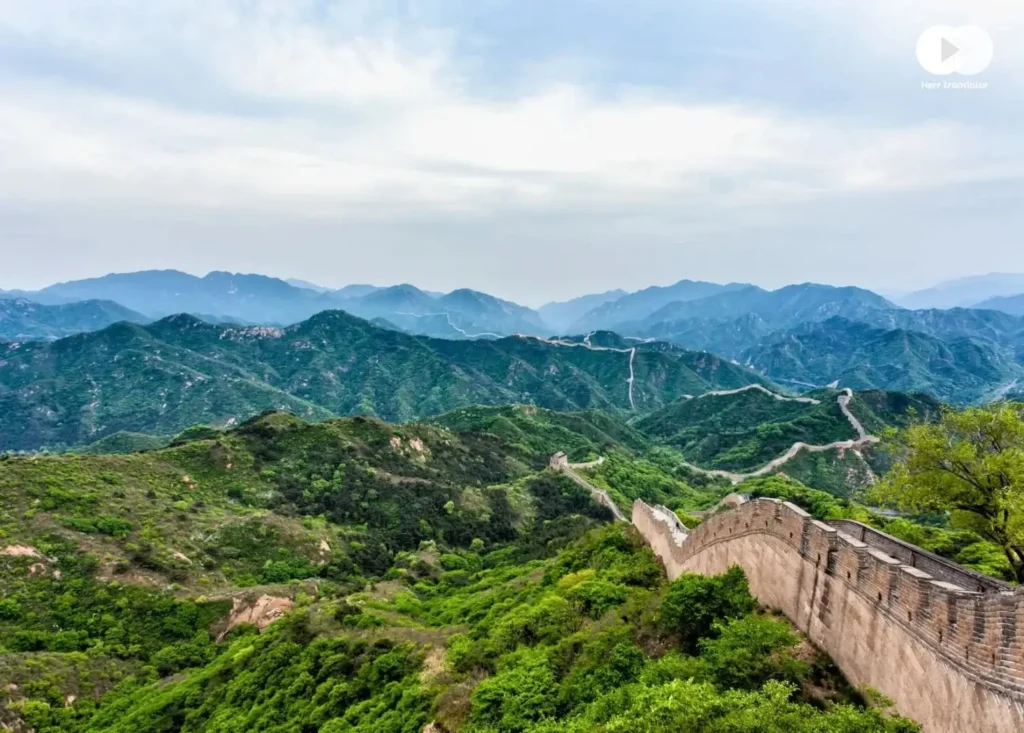
After 5 years of visiting the Great Wall of China and helping hundreds of international travelers avoid costly, stressful mistakes, here are the most important China Travel Tips and pitfalls you need to know before you go.
- Arrive Early to Beat the Crowds and HeatThe single best thing you can do to improve your Great Wall experience is to arrive at the scenic area when it opens at 7:30 AM. The wall is almost empty for the first 2 hours after opening, so you’ll have unobstructed views, plenty of space to walk and take photos, and you’ll avoid the midday heat and the crowds that start arriving after 10:00 AM. This is especially important if you’re visiting Badaling or Mutianyu during peak season.
- Don’t Climb on Unrestored Wild Sections Without a Licensed GuideMany travelers are tempted to explore the wild, unrestored sections of the wall to avoid crowds, but this can be extremely dangerous. The unrestored sections have crumbling bricks, loose stones, steep drops, and no safety barriers, and it’s very easy to get lost or injured. Every year, international hikers have to be rescued from the wild wall, and some have even died. If you want to explore the wild wall, always hire a licensed local guide who knows the area well, and never go alone. Also, respect the rules: some sections of the wild wall are closed to visitors to protect the cultural relic, and you should never enter these areas.
- Don’t Engage With Scammers at the EntranceThe entrance to every major Great Wall section is full of scammers looking to take advantage of international travelers. You’ll encounter people offering “cheap tickets,” “shortcut rides to the top,” “official tours,” and “authentic souvenirs.” Almost all of these are scams: the cheap tickets are fake, the shortcut rides will take you to the wrong place and charge you exorbitant fees, and the authentic souvenirs are mass-produced fakes. The best way to avoid these scammers is to ignore them completely, don’t make eye contact, and don’t engage in conversation. Only buy tickets from the official ticket office, and only use official transportation.
- Respect the Cultural RelicThe Great Wall of China is a UNESCO World Heritage Site, and it’s one of the most important cultural relics in the world. Unfortunately, many visitors damage the wall by carving their names into the bricks, littering, or breaking off pieces of the wall as souvenirs. These actions are illegal in China, and you can be fined or even arrested for damaging the wall. Always stay on the marked paths, don’t carve or write on the wall, take your trash with you, and treat this ancient structure with the respect it deserves.
- Don’t Overestimate Your Fitness LevelMany travelers think that visiting the Great Wall is just a casual walk, but even the restored sections have steep, uneven steps that can be very tiring, especially at high altitude. Don’t push yourself too hard: take breaks often, drink plenty of water, and turn back if you start to feel tired or dizzy. There’s no need to hike the entire length of the section—even walking 1-2 kilometers of the wall will give you an incredible experience. If you have limited fitness, take the cable car to the top, and stick to the flat, gentle sections of the wall.
- Check the Weather Before You GoThe weather on the Great Wall can be very different from the weather in central Beijing. It’s often windier, colder, and wetter, with sudden fog or rain that can ruin your visit. Always check the local weather forecast for the section you’re visiting the night before your trip, and pack accordingly. If there’s heavy rain, strong wind, or fog, consider rescheduling your trip: the wall can be very slippery in the rain, and fog will block all the views.
FAQs About Visiting the Great Wall of China
We’ve compiled the 4 most frequently asked questions about visiting the Great Wall of China from international travelers, with clear, up-to-date answers for your 2026 trip.
Is the Great Wall of China visible from space?
This is the most common question we get from international travelers, and the short answer is no. The Great Wall of China is not visible to the naked eye from low Earth orbit, let alone from the moon. This myth originated in the 19th century, long before human space travel, when European writers claimed the wall was the only man-made structure visible from the moon. This has been repeatedly debunked by astronauts, including Chinese astronauts who have flown to space. The wall is only 6-8 meters wide, and its brick and stone color blends in almost perfectly with the surrounding soil and vegetation, making it impossible to see with the naked eye from space. While you can see the wall from low orbit with high-powered telescopic cameras, the naked eye myth is just that: a myth. That said, the wall is still one of the most incredible engineering feats in human history, even if it can’t be seen from space.
What’s the best section of the Great Wall of China for first-time visitors?
For first-time international travelers following our China Travel Guide, the absolute best section is the Mutianyu Great Wall. It strikes the perfect balance between accessibility, preservation, and crowd levels, making it ideal for your first visit. Unlike the overcrowded Badaling, Mutianyu has far fewer tourists, even on weekends, and it offers a range of options for all fitness levels: you can take a cable car to the top for a relaxed, no-hike visit, hike the gentle sections with your family, or take the thrilling alpine slide down from the wall. It’s also one of the best-preserved sections of the Ming Dynasty wall, with stunning views of the surrounding forested mountains, and it has clear English signage and basic English-speaking staff to help international visitors. For first-timers, it’s the most stress-free, enjoyable way to experience the Great Wall of China.
How much time do I need to visit the Great Wall of China?
For a standard day trip from Beijing, you should plan for a full day (8-10 hours total) for your Great Wall visit. This includes 2-3 hours of travel time each way from central Beijing, 3-4 hours of hiking and exploring on the wall, and extra time for ticket checks, lunch, and breaks. If you’re visiting a more remote section like Jinshanling or Simatai, you’ll need to add an extra 1-2 hours of travel time each way, so plan accordingly. If you want to do a multi-day hike along the wall, there are options for 2-5 day treks between sections like Jinshanling and Simatai, but these are only recommended for experienced hikers with a licensed local guide. For most travelers, a full day trip is more than enough to experience the wall, take photos, and soak in the history without feeling rushed.
Do I need a visa to visit the Great Wall of China?
Yes, most international travelers will need a valid Chinese visa to visit the Great Wall of China, as it is located within mainland China. However, there is a key exception for short-term visits: if you are transiting through Beijing, Shanghai, Guangzhou, or 20 other major Chinese cities, you may be eligible for the 144-hour visa-free transit policy. This policy allows citizens of 53 countries (including the US, UK, Canada, Australia, New Zealand, and most EU countries) to stay in the city and its surrounding provinces for up to 6 days without a visa, as long as you have a valid passport, a confirmed onward ticket to a third country (not your country of origin), and you enter and exit through the same port. For travelers transiting through Beijing, this means you can visit any section of the Great Wall near Beijing during your 6-day visa-free stay. For the latest official visa and entry requirements, we recommend checking the official website of the
Ministry of Culture and Tourism of the People’s Republic of China
File before your trip.
Travel Wishes for Your China Journey
As you prepare for your journey to China and your visit to the Great Wall of China, we want to leave you with our warmest wishes for an incredible, life-changing trip. China is a country of endless wonder, where ancient history meets cutting-edge modernity, where every corner holds a new story, a new flavor, and a new memory waiting to be made. The Great Wall isn’t just a landmark to check off your bucket list—it’s a place to stand in awe of human ambition, to walk in the footsteps of emperors, soldiers, and storytellers who came before you, and to connect with a culture that has shaped the world for thousands of years.
We hope this guide helps you plan a trip that’s free of stress, full of joy, and filled with moments you’ll treasure forever. Whether you’re watching the sunrise paint the mountains and the wall in golden light, hiking through a quiet section with only the wind and the sound of your footsteps, laughing with your loved ones as you ride the slide down from the wall, or listening to a local guide share the centuries-old stories of the people who built it, we hope every second of your visit is magical.
May your travels through China be filled with warm welcomes from local people, delicious food that makes your taste buds sing, breathtaking views that take your breath away, and stories that you’ll tell for years to come. May you leave China with a full heart, a camera full of photos, and a deep love for this incredible country and its people. Welcome to China, and enjoy every step of your journey along the Great Wall.


 Chinese
  English