Chinese Tea Culture
Hello, world travelers! When exploring the deep roots of Chinese culture, there is one warm, soothing element you simply cannot skip: a steaming cup of traditional tea. But did you know that the leaf in your cup has a history spanning thousands of years? Today, we are going to explore the fascinating Origins of Chinese Tea Culture. Grab your favorite mug, and let’s time-travel through the dynasties!
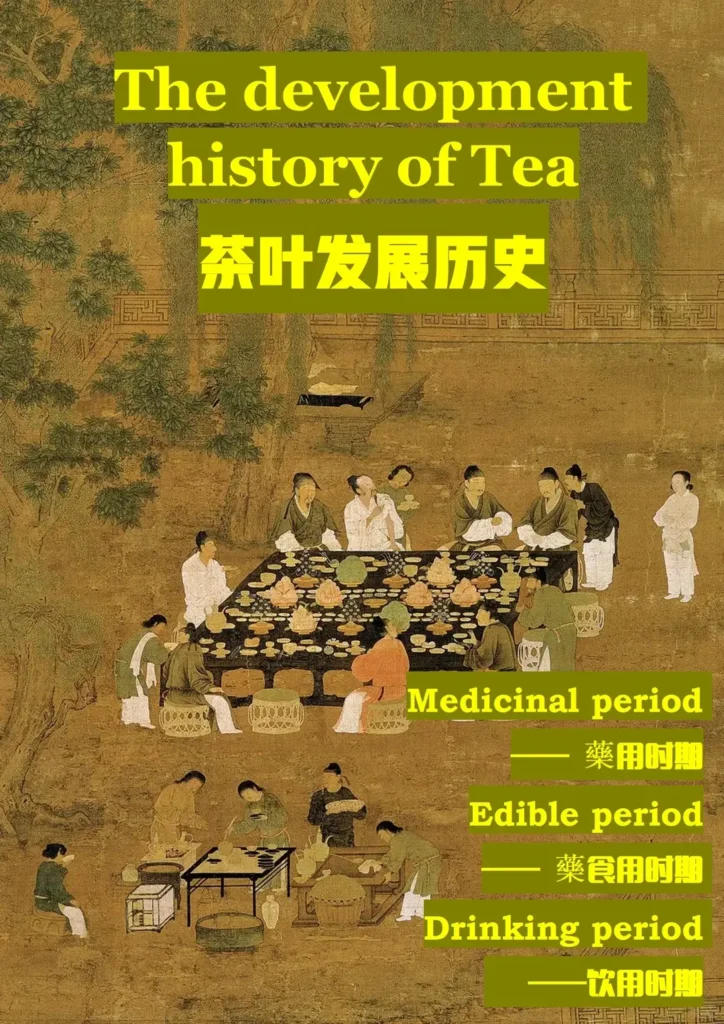
🌱 Part 1: The Ancient Era – Tea as Medicine (Medicinal Period)
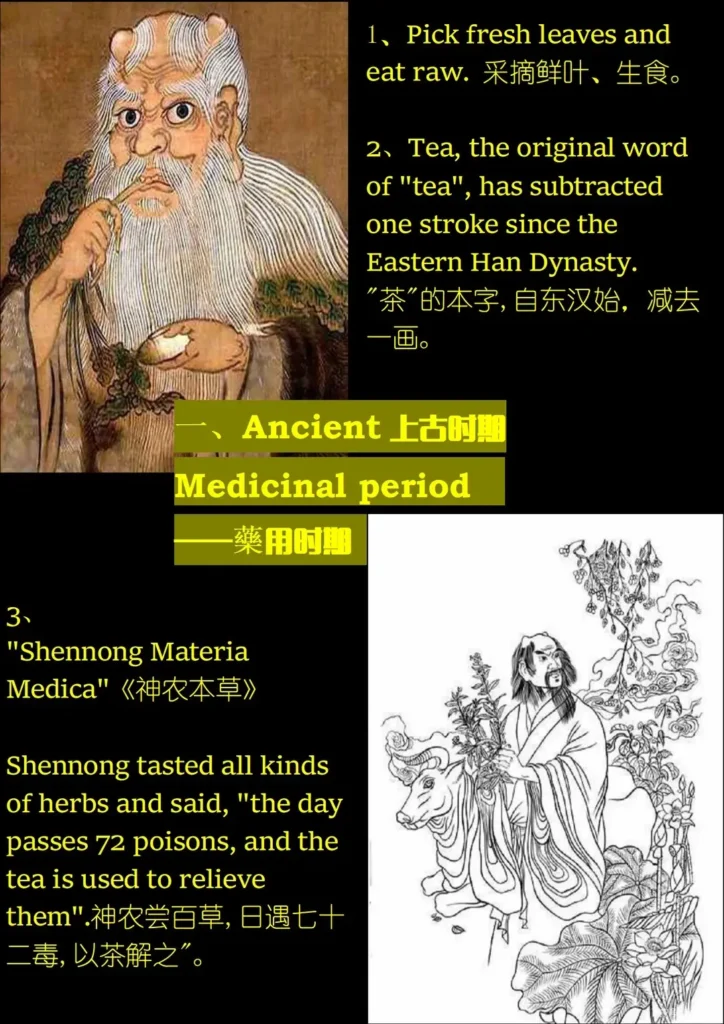
The Origins of Chinese Tea Culture actually begin in the medicine cabinet! According to legend, the mythical figure Shennong (the Divine Farmer) tasted hundreds of herbs. The ancient text “Shennong Materia Medica” claims he encountered 72 poisons in a single day, and used tea to relieve them! Back then, people simply picked fresh leaves and chewed them raw for their healing properties.
🍲 Part 2: Han to Sui Dynasty – Tea as Food (Edible Period)
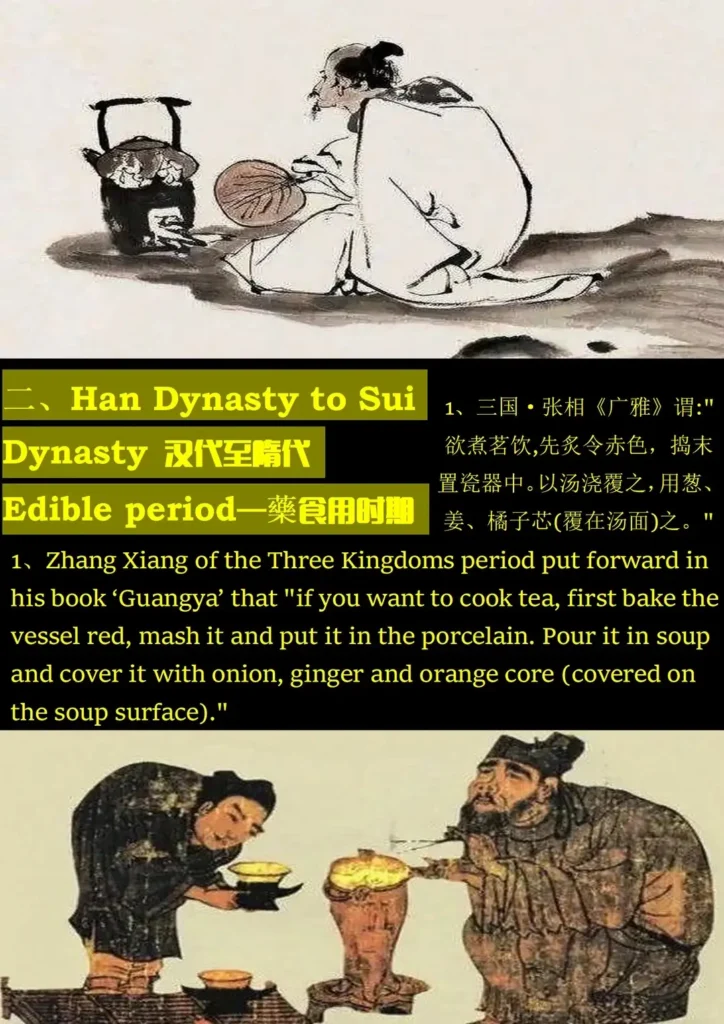
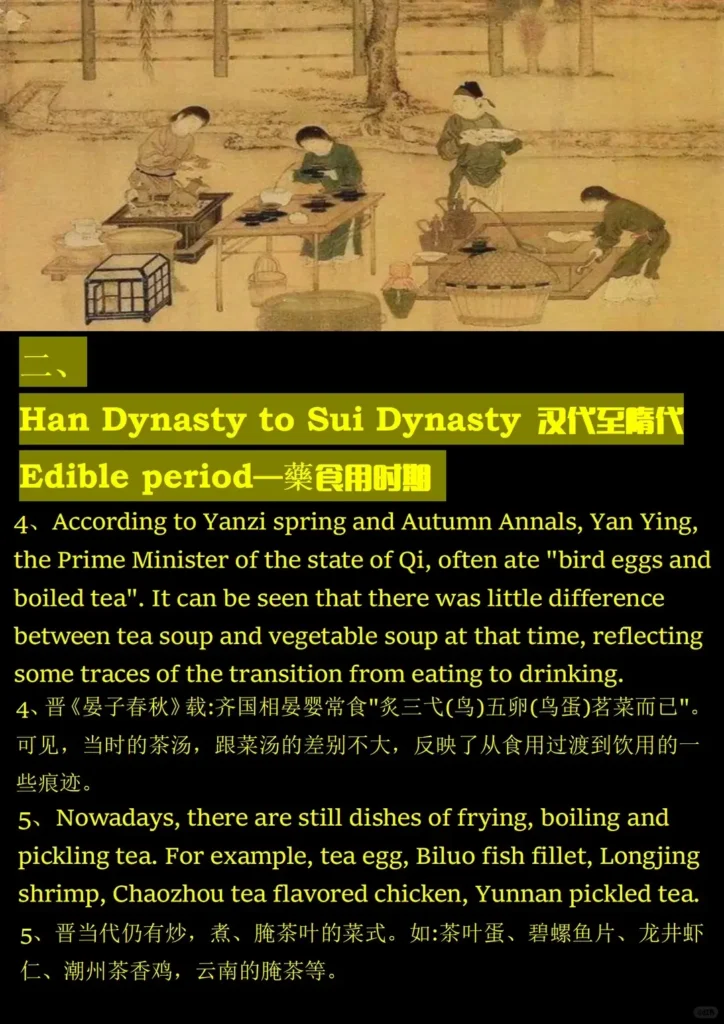
Imagine eating a bowl of tea soup! During this era, tea transitioned into the kitchen. Ancient texts like the “Guangya” by Zhang Xiang from the Three Kingdoms period reveal that people would bake the tea vessel red, mash the leaves, and pour soup over them. They even added ingredients like onion, ginger, and orange core. It was essentially a savory broth!
🧂 Part 3: Tang Dynasty – The Art of Brewing (Drinking Period)
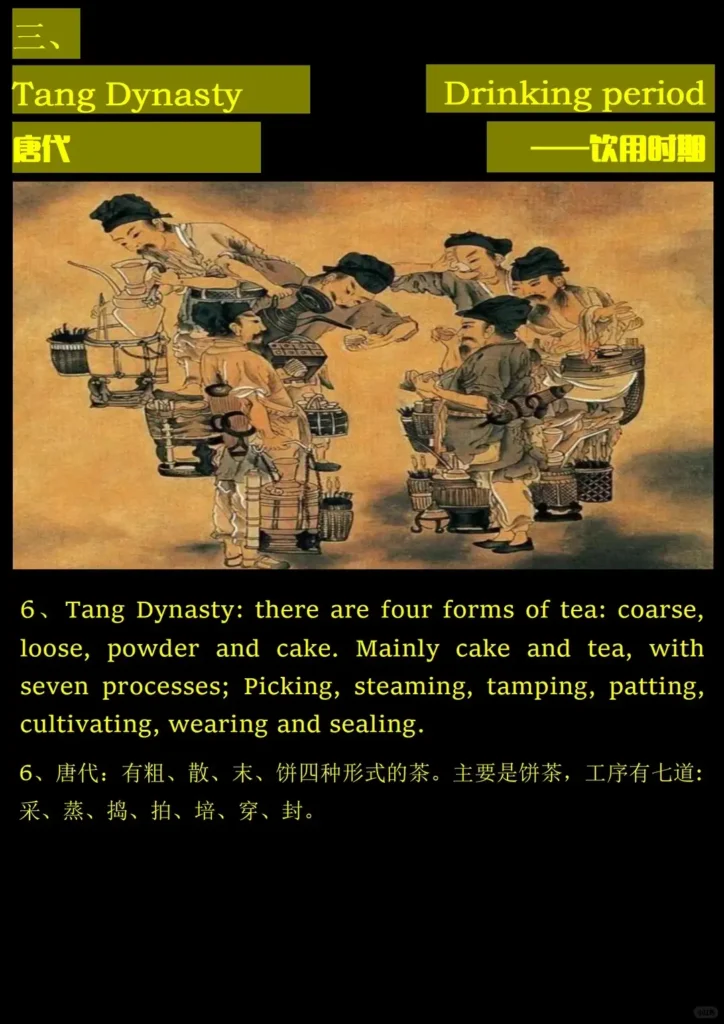
This is when tea truly became a lifestyle. The Tang Dynasty introduced four forms of tea: coarse, loose, powder, and cake. Cake tea was the star, requiring seven meticulous steps: picking, steaming, tamping, patting, cultivating, wearing, and sealing.
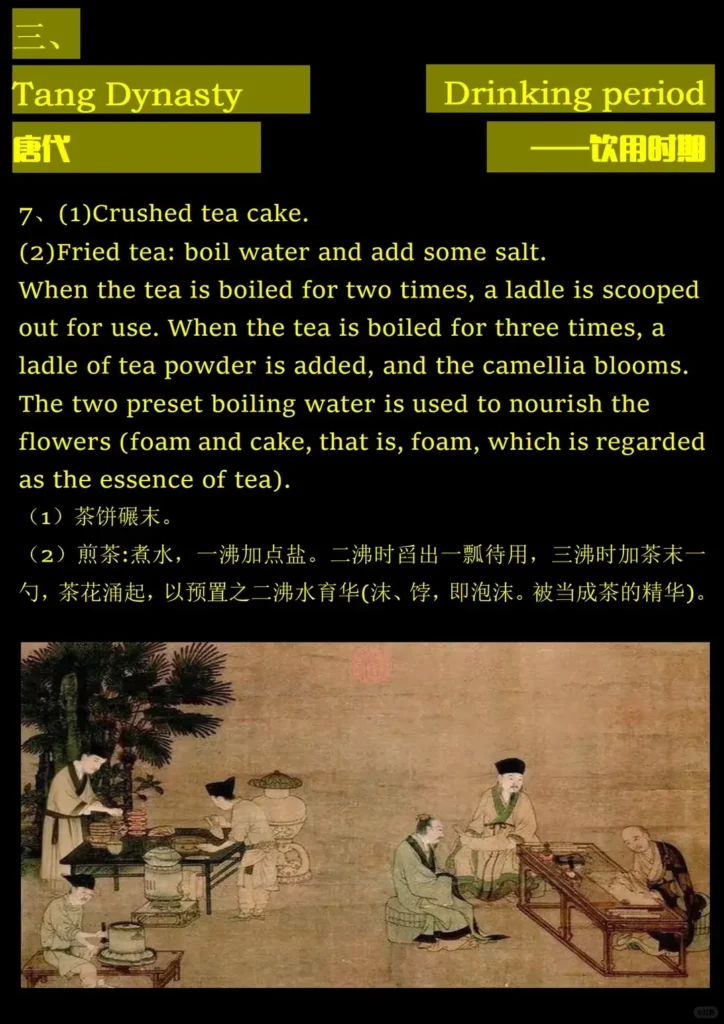
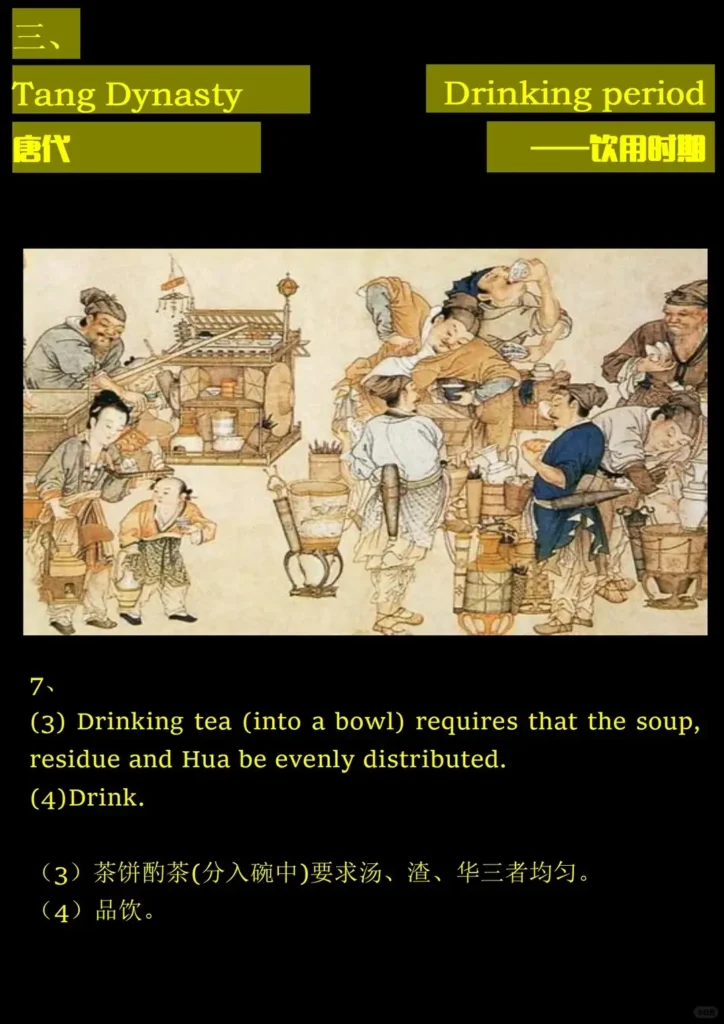
When preparing it, they would boil water, add a pinch of salt during the first boil, and add tea powder during the third boil. The resulting foam on top was highly prized and considered the absolute essence of the drink.
🍵 Part 4: Song Dynasty – Peak Elegance (Drinking Period)
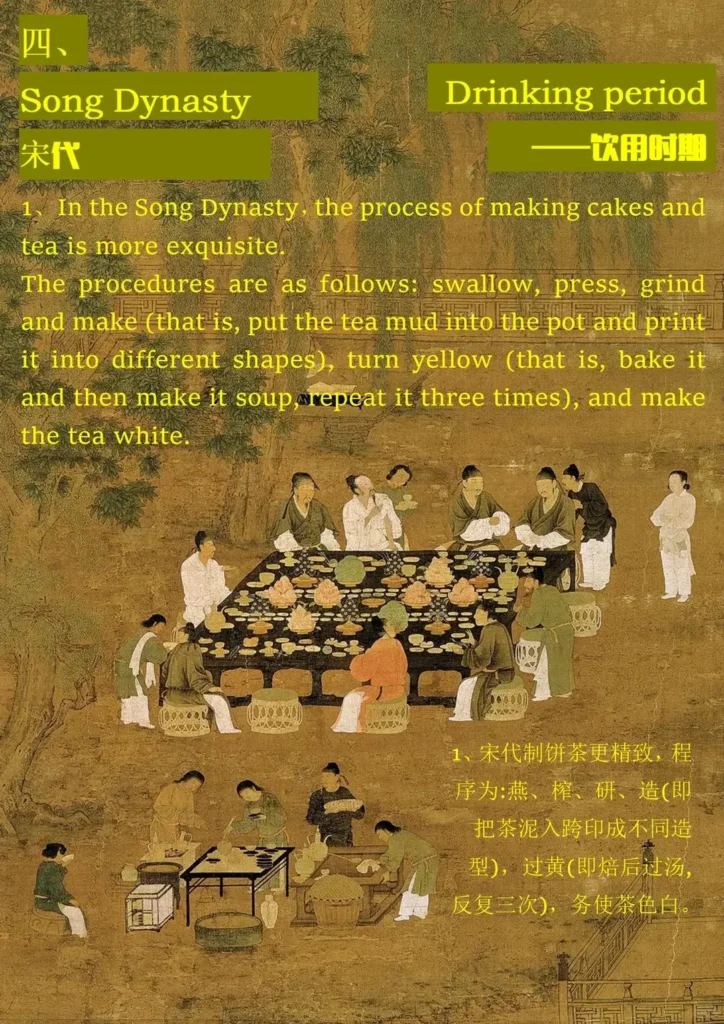
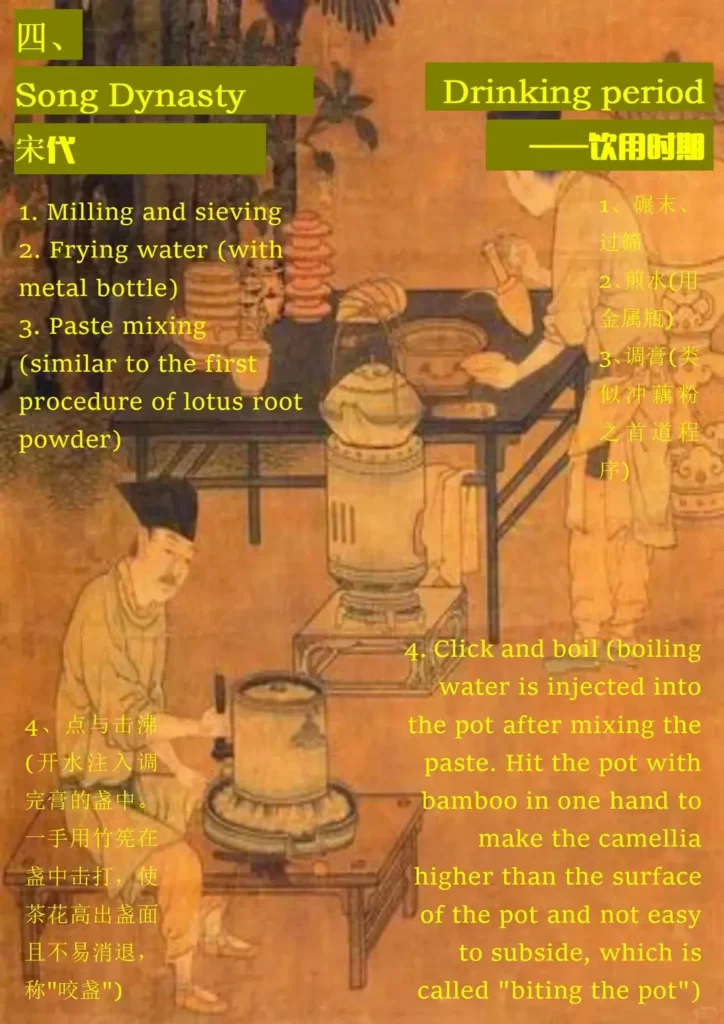
The Song Dynasty took the Origins of Chinese Tea Culture to its most exquisite level. Making cake tea became an art form involving pressing and grinding the tea mud into beautiful shapes. They practiced “biting the pot,” where they would inject boiling water into powdered tea and rapidly hit it with a bamboo whisk until a thick, lingering white foam appeared on the surface.
🍃 Part 5: Ming Dynasty – The Birth of Loose Leaf (Drinking Period)
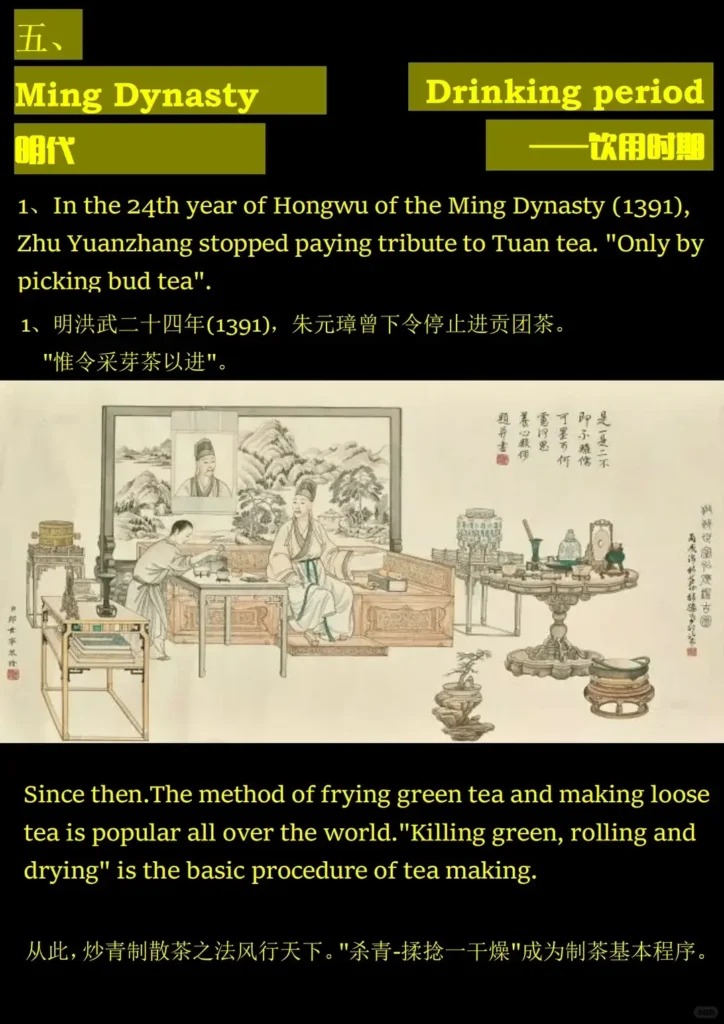
Everything changed in the 24th year of Hongwu (1391). Emperor Zhu Yuanzhang officially ordered an end to the complex tribute of cake tea, stating: “Only pick bud tea to present.”
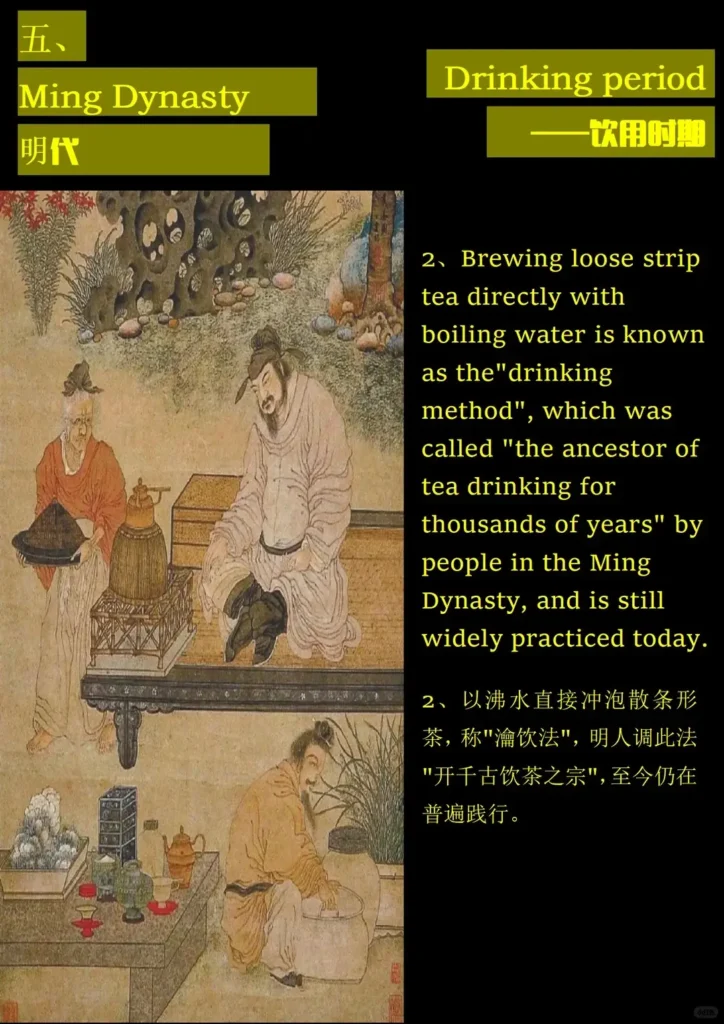
This single decree popularized the method of frying green tea and brewing loose leaves directly with boiling water. Ming Dynasty people called this direct brewing the “ancestor of tea drinking for thousands of years,” and it is the exact method we still universally practice today!
🌍 Part 6: Qing Dynasty to Modern Day – A Global Phenomenon
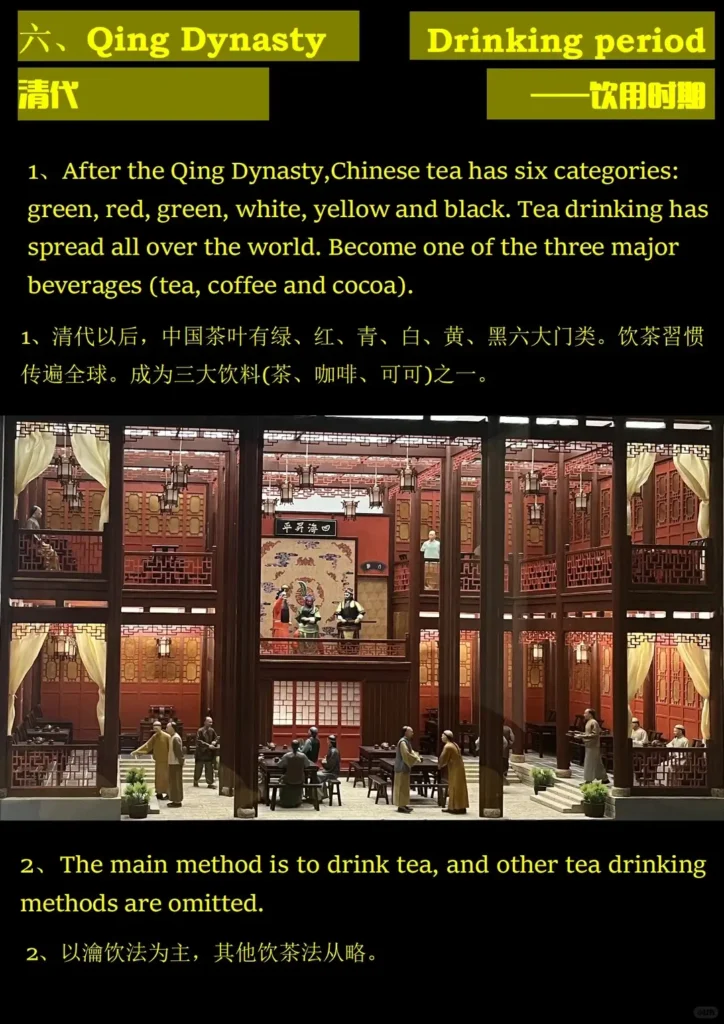
By the Qing Dynasty, China had officially categorized tea into the six major types we know today: Green, Black, Oolong (Cyan), White, Yellow, and Dark tea. This vibrant Chinese tea culture soon spread across the globe, cementing tea alongside coffee and cocoa as one of the world’s top three beverages.
💡 Traveler Tips: Common Misconceptions Foreigners Have About Traditional Chinese Tea Drinking
As a travel blogger, I see my foreign friends make these harmless (but funny) mistakes all the time when first experiencing Chinese tea culture:
- “Boiling water goes on everything!” ❌ Reality: While boiling water was used in the Ming Dynasty, today, delicate green teas (like Longjing) will burn and turn bitter if the water is too hot. We use cooler water (around 80°C) for greens and whites!
- “Where is the milk and sugar?” ❌ Reality: Traditional Tea Culture in China focuses entirely on the natural aroma and aftertaste (Hui Gan) of the leaf. Adding milk or sugar to a high-quality Oolong is considered a major faux pas!
- “Gulp it down like a shot of espresso!” ❌ Reality: Small tasting cups are meant for slow sipping. You are supposed to admire the color, smell the aroma from the empty cup, and let the liquid roll over your tongue.
📍 FAQ: Experiencing Tea Culture on Your China Trip
Q1: Where is the best geographical region to experience authentic Chinese tea culture?
A: If you want the ultimate experience, head to Hangzhou in Zhejiang Province to see the terraced Longjing (Dragon Well) tea fields. Alternatively, the traditional bamboo teahouses in Chengdu, Sichuan Province, offer an incredibly relaxed, local vibe where you can sip tea while getting your ears cleaned!
Q2: Can I easily buy authentic, traditional tea in modern Chinese megacities like Shanghai or Beijing?
A: Absolutely! While these cities are very modern, they house massive wholesale tea markets (like the Maliandao Tea Street in Beijing). You can sit down with local vendors, taste multiple varieties for free, and purchase incredibly fresh leaves directly.
Q3: What specific type of tea from China is best suited for foreigners who are beginners to Tea Culture?
A: I highly recommend starting with a light Tieguanyin (Oolong) from Fujian Province, or a floral Jasmine Green Tea from Guangxi. They have naturally sweet, highly aromatic profiles that are very welcoming to palates not yet used to the strong, earthy flavors of aged Pu’er.
Q4: How does the local geography affect the taste of Chinese tea?
A: Geography is everything! In Chinese culture, we call this “Terroir.” High-altitude mountains in Yunnan with heavy mist produce thick, rich, and sweet leaves. Meanwhile, the rocky, mineral-rich soil of the Wuyi Mountains gives their Oolong teas a famous “rock bone and floral rhythm” (Yanyun) taste that cannot be replicated anywhere else.
🌟 A Warm Blessing for Your Journey: May your travels through China be as soothing and deeply rewarding as a perfectly brewed cup of aged tea. May every sip bring you closer to the history, the people, and the beautiful landscapes of this ancient land. Safe travels, open hearts, and happy sipping on your magnificent eastern adventure!