Chinese Zodiac Snake
Ever wandered through a bustling Beijing night market, spotted a delicate jade snake pendant at a Shanghai antique shop, or had a warm local elder ask your birth year to instantly reveal your personality and fortune through the Chinese Zodiac Snake? If you’re a traveler diving headfirst into authentic Chinese culture during your trip to China, the 12 Chinese Zodiac signs aren’t just fun party tricks—they’re a window into 5,000 years of history, mythology, and the core values that shape Chinese life to this day.
During my 7 years of living across China, leading cultural tours for international visitors, and writing about off-the-beaten-path Chinese traditional culture for travelers, I’ve watched hundreds of foreign friends fall completely in love with the Chinese Zodiac. And no sign sparks more curiosity, more questions, and more delightful surprise than the Snake. For most Western travelers, snakes carry heavy, often negative connotations from childhood stories and religious texts. But in China? The Snake is one of the most revered, lucky, and deeply symbolic signs in the entire zodiac. It’s tied to emperors, creation myths, wealth, wisdom, and even the very origins of Chinese civilization.
In this complete guide, we’re unpacking everything you need to know about the Chinese Zodiac Snake: its ancient historical origins, the legendary stories that shaped its place in the zodiac, its rich cultural symbolism, how it differs from Western portrayals of snakes, what it means if you were born in the Year of the Snake, and exactly how you can experience this incredible part of Chinese history during your travels across China. By the end of this post, you’ll not only understand the Snake’s place in Chinese culture—you’ll be able to spot its symbolism in temples, palaces, market stalls, and everyday conversations, making your China trip infinitely more meaningful.
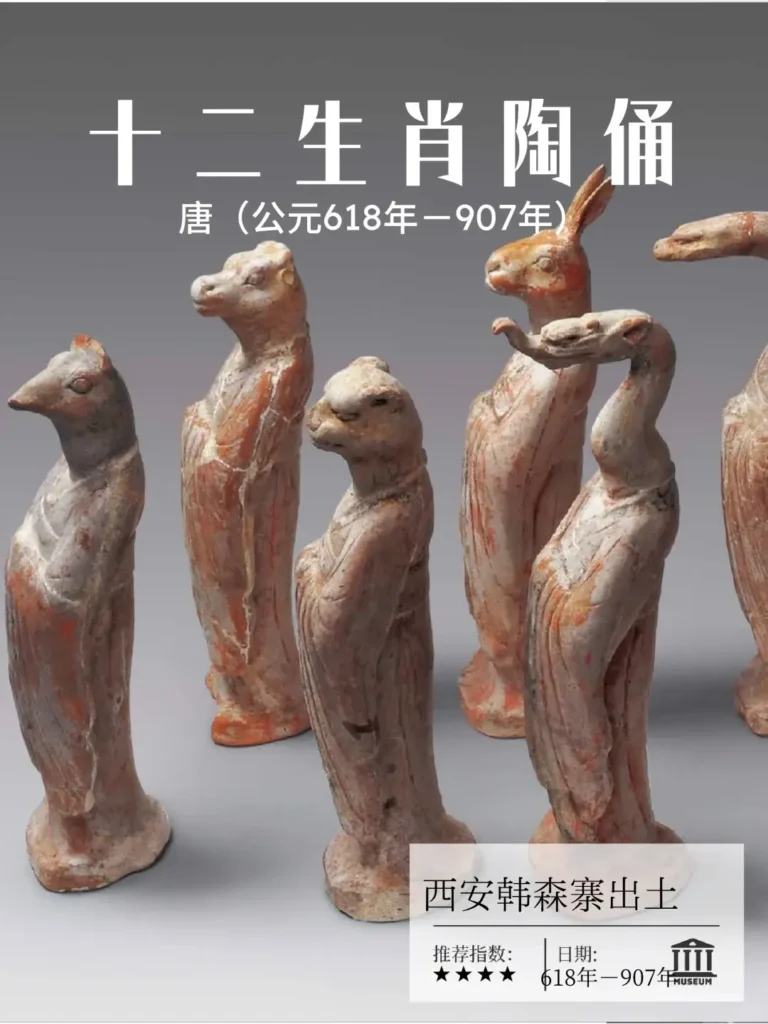
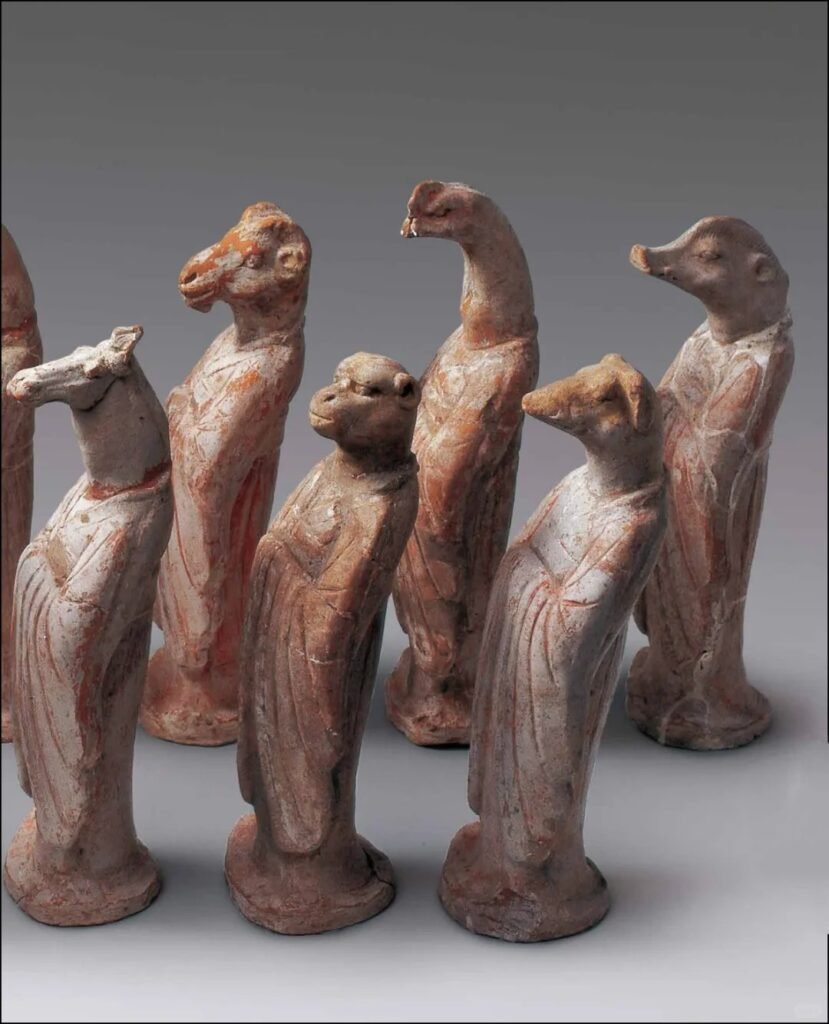
What Is the Chinese Zodiac, and Where Does the Snake Fit In?
Before we dive deep into the Chinese Zodiac Snake, it’s important to ground ourselves in what the Chinese Zodiac (called Shengxiao 生肖 in Mandarin) actually is, and why it matters so much in Chinese life. Unlike Western astrology, which is tied to the month of your birth, the Chinese Zodiac is a 12-year cycle, with each year represented by a unique animal. Each animal carries distinct personality traits, fortunes, and cultural meanings, and it’s one of the most universal parts of Chinese culture—you’ll find it everywhere, from rural villages in Yunnan to the skyscraper-lined streets of Shenzhen, from 2,000-year-old tomb carvings to modern-day social media trends.
The 12 animals of the Chinese Zodiac follow a fixed order: Rat, Ox, Tiger, Rabbit, Dragon, Snake, Horse, Goat, Monkey, Rooster, Dog, and Pig. The Snake sits in 6th place in the cycle, directly after the Dragon—China’s most sacred and powerful mythical creature. This placement isn’t random; it’s tied to thousands of years of mythology, astronomy, and traditional Chinese philosophy, which we’ll unpack in detail in the next section.
The origins of the Chinese Zodiac stretch back thousands of years, with the earliest surviving written records of the full 12-animal cycle found in the Eastern Han Dynasty text Lunheng (Balanced Inquiries), written by scholar Wang Chong between 27 and 100 CE. But archaeological evidence, including snake-shaped pottery and jade carvings from the Yangshao Culture (5000–3000 BCE), proves that animal worship—especially of the snake—was central to Chinese civilization long before written records. For travelers, this means that when you look at a Snake zodiac charm today, you’re holding a piece of a cultural tradition that’s been continuously passed down for over 7,000 years.
If you want to learn more about the full 12-sign cycle and how it shapes Chinese daily life, check out our complete guide to the Chinese Zodiac for first-time China travelers
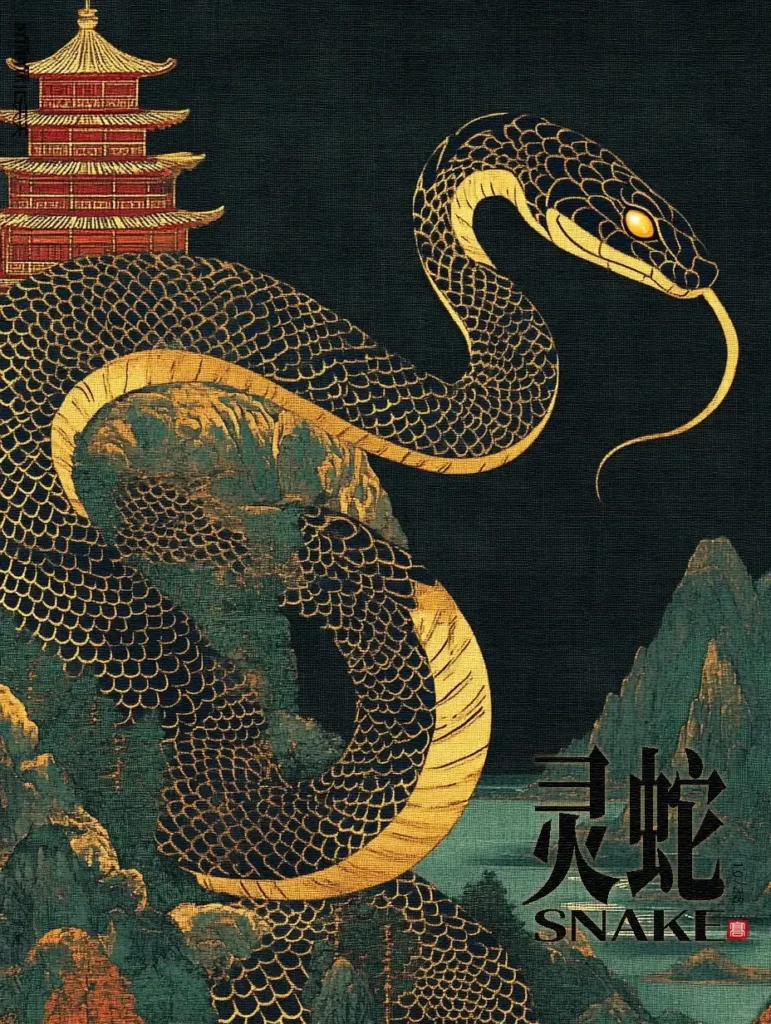
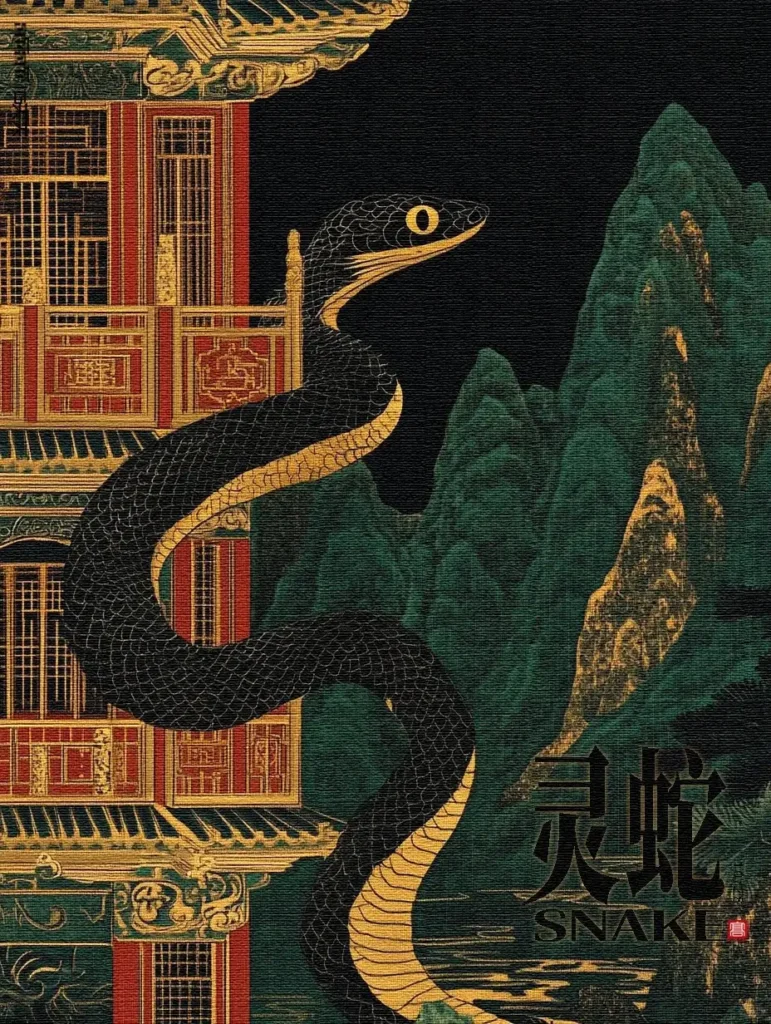
The Ancient Origins & Historical Legends of the Chinese Zodiac Snake
To truly understand the Chinese Zodiac Snake, you have to go back to the very beginning of Chinese mythology and Chinese history—because the Snake isn’t just a zodiac animal; it’s tied to the creation of the world itself in Chinese traditional stories.
The Snake in Chinese Creation Myth: Nuwa and Fuxi
The most foundational story of the Snake in Chinese traditional culture is the myth of Nuwa and Fuxi, the twin creator deities of Chinese civilization. In nearly every ancient Chinese creation story, Nuwa and Fuxi are depicted as half-human, half-snake—with human upper bodies and coiled snake lower bodies, often shown with their tails intertwined. This imagery is found on thousands of Han Dynasty (202 BCE–220 CE) stone carvings and silk paintings, which you can still see today in museums across China, including the National Museum of China in Beijing and the Shaanxi History Museum in Xi’an.
What’s the story behind these snake-bodied creators? According to legend, Nuwa and Fuxi were brother and sister, the only survivors of a great flood that destroyed the world. They married to repopulate the earth, and Nuwa is also credited with molding the first humans from clay, mending the broken heavens with five-colored stones to stop the flood, and creating the basic rules of human society. Fuxi is credited with inventing writing, fishing, hunting, and the I Ching (Book of Changes)—the foundation of Chinese philosophy and astrology.
For ancient Chinese people, the snake’s body wasn’t a symbol of evil here; it was a symbol of divine power, fertility, and eternal life. Snakes shed their skin and appear to be “reborn” every year, a trait that made them a perfect symbol for the cycle of life, death, and rebirth, as well as the endless cycle of the seasons and the 12-year zodiac calendar. This creation myth is the root of the Snake’s sacred status in Chinese culture, long before it became a fixed part of the Chinese Zodiac.
How the Snake Earned Its 6th Place in the Chinese Zodiac Race
The most famous story about the Chinese Zodiac Snake is the legendary Great Zodiac Race, a tale that every Chinese child grows up hearing. According to the legend, the Jade Emperor (the supreme ruler of heaven in Chinese mythology) announced that he would name the 12 zodiac animals based on the order in which they crossed a great river and reached his palace.
Most Western travelers who hear this story are surprised to learn that the Snake and the Dragon were close allies in the race—and that the Snake’s help is the only reason the Dragon finished in 5th place, with the Snake right behind in 6th. Here’s the full story, as it’s been told in China for over 2,000 years:
The Dragon was the most powerful creature in the race, able to fly and control the rain and rivers. But as he flew toward the finish line, he saw a village suffering from a terrible drought. The villagers were crying out for water, so the Dragon stopped to summon a great rainstorm to fill their rivers and save their crops. This act of kindness delayed him, but it also showed his noble heart.
Meanwhile, the Snake, who was small and couldn’t swim across the wide river, had hidden herself in the Dragon’s claw without him noticing. She’d watched the Dragon stop to help the villagers, and she was deeply moved by his compassion. When the Dragon finally reached the Jade Emperor’s palace, the Snake jumped out of his claw and crossed the finish line right after him, earning 6th place.
But there’s a deeper layer to this story that most foreign travelers never hear: in Chinese traditional culture, the Snake is known as the “Little Dragon” (Xiao Long 小龙). For thousands of years, Chinese people have believed that the Dragon, the most sacred creature in Chinese mythology, originated from the Snake. Ancient texts say that a snake that lives for 500 years grows horns and becomes a jiao (a flood dragon), and after another 1,000 years, it grows wings and becomes a full celestial Dragon, the symbol of the emperor.
This is why the Snake is placed directly after the Dragon in the zodiac: it’s not just a race result—it’s a recognition of the Snake’s sacred connection to the Dragon, the very symbol of Chinese imperial power and national identity. You’ll see this connection everywhere during your China travels: in temple carvings, palace decorations, and even traditional art, where the Snake and Dragon are often depicted side by side as symbols of good fortune and divine power.
The Snake in Chinese Historical Records and Imperial Mythology
Beyond creation myths and zodiac legends, the Snake plays a central role in some of the most important events in Chinese history. The most famous example is the story of Liu Bang, the founder of the Han Dynasty—one of the most powerful and influential dynasties in Chinese history, which gave its name to the Han ethnic group, the largest ethnic group in the world today.
According to the Records of the Grand Historian (Shiji), written by Sima Qian in the 1st century BCE (often called the “Chinese Herodotus”), Liu Bang was a low-ranking official in the Qin Dynasty when he was leading a group of laborers to the imperial capital. One night, a huge white snake blocked the road, and the other laborers were too afraid to pass. Liu Bang, who had been drinking, drew his sword and cut the snake in half with a single stroke.
Later that night, a traveler found an old woman crying beside the dead snake. When he asked her why she was crying, she said, “My son is the White Emperor’s son, who was transformed into a snake. He was killed by the Red Emperor’s son, who is destined to become the emperor of China.” The woman vanished before the traveler’s eyes, and when he told Liu Bang the story, Liu Bang knew he was the Red Emperor’s son, destined to overthrow the Qin Dynasty and found a new empire.
This story, known as “Liu Bang Slays the White Snake,” is one of the most famous in Chinese history, and it cemented the Snake’s status as a symbol of imperial power, destiny, and the mandate of heaven. For 2,000 years after this story was written, Chinese emperors and scholars used snake imagery to symbolize legitimate rule, divine right, and the power to change the course of history. You can see depictions of this story in the Han Dynasty stone carvings at the Wu Family Shrines in Shandong Province, a must-visit for any traveler interested in Chinese history and traditional art.
The Core Cultural Symbolism of the Snake in Chinese Traditional Culture
For most Western travelers, the word “snake” brings to mind images of deception, danger, and evil—rooted in the biblical story of the Garden of Eden, where the snake tempts Eve to eat the forbidden fruit. But in Chinese traditional culture, the Snake’s symbolism is almost the exact opposite. It’s a symbol of luck, wisdom, wealth, fertility, and protection. Let’s break down the core meanings of the Snake in Chinese culture, so you can recognize and understand them during your travels.
Wisdom and Intellectual Power
First and foremost, the Chinese Zodiac Snake is the symbol of wisdom, intuition, and intellectual power in Chinese culture. Snakes are quiet, observant creatures; they move slowly, watch their surroundings carefully, and strike only when the moment is perfect. For Chinese people, this is the ultimate model of wisdom: not loud, boastful intelligence, but quiet, thoughtful, strategic thinking.
People born in the Year of the Snake are traditionally believed to be deeply intelligent, intuitive, and good at planning for the future. They’re often seen as natural scholars, artists, and leaders, because they can see the big picture and make careful, thoughtful decisions. During your travels, you’ll often see snake imagery in traditional study rooms, libraries, and academies—including the famous Yuelu Academy in Changsha, one of the oldest academies in China—where it’s used to symbolize academic success and intellectual growth.
Wealth, Good Fortune, and Prosperity
Another core meaning of the Snake in Chinese traditional culture is wealth, good fortune, and prosperity. Why? Because snakes are often found in homes that have a lot of grain and food—they come to eat the mice and rats that would otherwise destroy the harvest. For ancient Chinese farmers, a snake in the house was a sign that the family would have a good harvest, plenty of food, and financial security for the year.
Over time, this evolved into the belief that the Snake is a symbol of wealth and good fortune. Today, many Chinese people keep snake-shaped jade pendants, statues, and charms in their homes or businesses to attract money and prosperity. During the Year of the Snake, you’ll see snake imagery everywhere in Chinese New Year decorations, from red envelopes to window stickers, all designed to bring good fortune for the year ahead. If you’re shopping for souvenirs during your China trip, a jade snake pendant is one of the most meaningful, lucky gifts you can buy for yourself or a loved one.
Fertility, Rebirth, and Longevity
As we mentioned earlier, snakes shed their skin every year, which ancient Chinese people saw as a powerful symbol of rebirth, renewal, and eternal life. This made the Snake a core symbol of fertility, longevity, and healing in Chinese traditional culture.
In ancient China, women who wanted to have children would often pray to snake deities or wear snake-shaped jewelry to bring fertility and a safe pregnancy. The snake’s ability to be “reborn” through shedding its skin also made it a symbol of longevity, and you’ll often see snake imagery alongside other longevity symbols (like cranes and peaches) in traditional Chinese art and temple carvings. Even today, many traditional Chinese medicine practices use snake-derived ingredients for healing and anti-aging treatments, a tradition that stretches back over 2,000 years.
Protection and Warding Off Evil
Finally, the Snake is a powerful symbol of protection in Chinese traditional culture. Ancient Chinese people believed that snakes were the guardians of the home, the earth, and the underworld. They would carve snake images into the doors of their homes, the walls of temples, and the lids of coffins to ward off evil spirits, bad luck, and harm.
During your travels across China, you’ll often see snake carvings at the entrance of temples, on the bases of Buddha statues, and even on the famous Terracotta Army pits in Xi’an. These carvings aren’t just decorative—they’re meant to protect the sacred space and the people inside from harm. For travelers, this is one of the most fascinating ways to see the Snake’s sacred status in action, far beyond the zodiac charms you’ll find in market stalls.
The Year of the Snake: Traits, Fortune, and What It Means for You
If you were born in the Year of the Snake, this section is for you! The Year of the Snake occurs every 12 years, following the Chinese Lunar Calendar (not the Western Gregorian Calendar). The most recent Year of the Snake years are: 1929, 1941, 1953, 1965, 1977, 1989, 2001, 2013, and 2025. The next Year of the Snake will be 2037.
Important note for travelers: If you were born in January or February, double-check the exact date of Chinese Lunar New Year for your birth year. The Chinese Zodiac year starts on Lunar New Year, not January 1, so if you were born before Lunar New Year in your birth year, you actually belong to the zodiac animal of the previous year.
Core Personality Traits of the Chinese Zodiac Snake
People born in the Year of the Snake are widely regarded as the most intuitive, wise, and charismatic of all the zodiac signs. Here are the core traits that define the Snake in Chinese culture:
- Deeply Intelligent & Intuitive: Snakes are natural thinkers, with a gift for seeing through lies and understanding the true motivations of the people around them. They trust their gut, and their intuition is almost always correct.
- Charming & Charismatic: Snake people are naturally charming, with a quiet magnetism that draws people to them. They’re excellent conversationalists, but they also know when to listen—making them incredibly popular in both personal and professional settings.
- Strategic & Ambitious: Snakes are natural planners. They don’t rush into decisions; instead, they carefully map out their goals and take slow, steady steps to achieve them. They’re incredibly ambitious, and they almost always succeed at what they set their minds to.
- Loyal & Protective: While Snakes can be private and slow to trust new people, once they let someone into their inner circle, they’re fiercely loyal and protective of the people they love. They’ll go to the ends of the earth for their family and close friends.
- Elegant & Refined: Snake people have a natural sense of style and elegance. They appreciate the finer things in life, from art and music to good food and travel, and they have a knack for creating beautiful, comfortable spaces.
Of course, like all zodiac signs, Snakes have their challenges. They can be overly private, suspicious, and stubborn at times, and they hate feeling rushed or pressured into making decisions. But overall, the Snake is one of the most respected and admired signs in the Chinese Zodiac.
Fortune and Compatibility for the Year of the Snake
In Chinese traditional culture, your zodiac sign doesn’t just define your personality—it also shapes your fortune, career, love life, and compatibility with other signs.
For Snake people, the most compatible zodiac signs are the Ox, the Rooster, and the Dragon. These signs complement the Snake’s personality perfectly: the Ox is steady and reliable, the Rooster is ambitious and hardworking, and the Dragon shares the Snake’s charisma and power. The least compatible signs for Snakes are the Pig, the Tiger, and the Monkey, whose personalities often clash with the Snake’s quiet, strategic nature.
In terms of career, Snakes excel in roles that require intelligence, strategy, and creativity. They make excellent scholars, writers, artists, designers, lawyers, doctors, and business leaders. They’re also natural entrepreneurs, with a gift for spotting opportunities and making smart financial decisions.
In terms of fortune, Snake people are traditionally believed to have good luck with money and finances. They’re careful with their spending, good at saving, and have a knack for making smart investments—so they almost always have financial security throughout their lives.
How to Experience the Chinese Zodiac Snake Culture During Your China Travel
Now that you understand the history, mythology, and symbolism of the Chinese Zodiac Snake, you’re probably wondering: how can I experience this incredible part of Chinese traditional culture during my trip to China? Here are my top tips, curated from 7 years of leading cultural tours across the country, to help you dive deep into Snake culture, no matter where you’re traveling in China.
Visit Museums to See Ancient Snake Art and Artifacts
The best place to start your journey into Chinese Zodiac Snake culture is in China’s world-class museums, where you can see thousands of years of snake-related artifacts up close. My top recommendations are:
- National Museum of China (Beijing): Home to dozens of Han Dynasty Nuwa and Fuxi silk paintings and stone carvings, as well as imperial jade snake artifacts from the Ming and Qing Dynasties.
- Shaanxi History Museum (Xi’an): Has an incredible collection of Han Dynasty stone carvings of the Liu Bang Slays the White Snake story, as well as Tang Dynasty zodiac snake statues.
- Shanghai Museum: Features a stunning collection of jade snake pendants and bronze snake vessels from the Zhou Dynasty, as well as traditional Chinese paintings of the zodiac snake.
Spot Snake Symbolism in China’s Imperial Palaces and Temples
You don’t have to go to a museum to see the Chinese Zodiac Snake in action—you’ll find it everywhere in China’s imperial palaces and temples. Here’s what to look for:
- Forbidden City (Beijing): Look for the snake-shaped stone drainage spouts on the base of the Hall of Supreme Harmony (Taihe Dian), the most important building in the Forbidden City. There are 1142 of these spouts, and during heavy rain, they create the famous “thousand dragons spitting water” spectacle—many of which are snake-shaped, honoring the Snake’s connection to the Dragon.
- Temple of Heaven (Beijing): You’ll find snake carvings on the walls of the Circular Mound Altar, where the emperor prayed for a good harvest. These carvings are meant to protect the altar and bring fertility and prosperity to the country.
- Longmen Grottoes (Luoyang): The famous Buddhist grottoes feature dozens of snake carvings at the entrance of the main caves, meant to ward off evil spirits and protect the sacred Buddha statues inside.
Shop for Authentic Snake Zodiac Souvenirs
No trip to China is complete without picking up a meaningful souvenir, and a Chinese Zodiac Snake charm is one of the most special souvenirs you can buy. Here are my top tips for shopping for authentic, high-quality snake zodiac items:
- Jade Snake Pendants: Jade is the most sacred stone in Chinese culture, and a jade snake pendant is the ultimate lucky charm. Shop for jade at reputable stores like Beijing’s Caishikou Department Store or Shanghai’s Lao Feng Xiang, to avoid buying fake jade.
- Snake Zodiac Paper Cuts: Paper cutting is a traditional Chinese folk art, and snake zodiac paper cuts are a beautiful, affordable souvenir. You can find them at night markets across China, including Beijing’s Wangfujing Night Market and Xi’an’s Muslim Quarter.
- Snake Zodiac Ink Paintings: Traditional Chinese ink paintings of the zodiac snake are a stunning piece of art to bring home. You can find them at antique markets across China, including Shanghai’s Dongtai Road Antique Market and Chengdu’s Songxianqiao Antique Market.
Experience Snake Culture During Chinese Lunar New Year
If you’re traveling to China during the Year of the Snake, or any Chinese Lunar New Year, you’ll get to experience Snake culture at its most vibrant. During Lunar New Year, you’ll find snake imagery everywhere: in red envelopes, window decorations, temple fairs, and even traditional lion and dragon dances. My top recommendation is to visit a local temple fair, like Beijing’s Ditan Temple Fair or Shanghai’s Yu Garden Temple Fair, where you can watch folk artists make snake-shaped sugar paintings, dough figurines, and paper cuts, and even have a local fortune teller read your zodiac fortune.
If you want to learn more about celebrating Chinese Lunar New Year like a local, check out our complete guide to Lunar New Year traditions for travelers [internal link: yourwebsite.com/chinese-lunar-new-year-travel-guide].
Debunking Myths: The Snake in Chinese Culture vs. Western Narratives
Before we wrap up, it’s important to address the biggest misconception that Western travelers have about the Chinese Zodiac Snake: the idea that snakes are universally negative symbols. As we’ve explored throughout this guide, the Snake in Chinese traditional culture is almost the exact opposite of its portrayal in Western culture.
In Western culture, snakes are most often associated with deception, temptation, evil, and danger. This narrative is rooted in the biblical story of the Garden of Eden, where the snake tempts Eve to eat the forbidden fruit, leading to the fall of man. This story has shaped Western perceptions of snakes for over 2,000 years, making it hard for many Western travelers to understand why the Snake is such a revered symbol in China.
In Chinese culture, there is no universal negative association with snakes. Instead, snakes are seen as sacred, lucky, and wise creatures, tied to the very creation of the world, imperial power, wealth, and protection. The few negative portrayals of snakes in Chinese mythology are rare, and they’re almost always balanced by positive, sacred portrayals.
This difference is one of the most beautiful things about travel: it challenges our pre-conceived notions and helps us see the world through a new lens. When you understand the Snake’s place in Chinese culture, you don’t just learn about a zodiac sign—you learn to see a creature that you’ve always thought of as dangerous in a completely new way. That’s the magic of cultural travel.
FAQ:About the Chinese Zodiac Snake
What years are the Year of the Snake in the Chinese Zodiac?
The Year of the Snake follows the 12-year Chinese Lunar Calendar cycle, with each year starting on Chinese Lunar New Year (usually between January 21 and February 20 on the Western Gregorian Calendar). The recent and upcoming Year of the Snake dates are:
- 10 February 1929 – 29 January 1930
- 27 January 1941 – 14 February 1942
- 14 February 1953 – 2 February 1954
- 2 February 1965 – 20 January 1966
- 18 February 1977 – 6 February 1978
- 6 February 1989 – 26 January 1990
- 24 January 2001 – 11 February 2002
- 10 February 2013 – 30 January 2014
- 29 January 2025 – 16 February 2026
- 15 February 2037 – 3 February 2038
If you were born in January or early February, always cross-reference your birth date with the Lunar New Year date for your birth year to confirm your zodiac sign.
Is the Snake a lucky sign in Chinese traditional culture?
Absolutely—yes! The Snake is one of the most lucky and revered signs in the Chinese Zodiac, and it’s associated with wealth, wisdom, protection, and good fortune in Chinese traditional culture. Unlike Western culture, where snakes are often seen as negative, Chinese culture views the Snake as a sacred creature tied to creation myths, imperial power, and prosperity.
Many Chinese people believe that being born in the Year of the Snake is a sign of good fortune, and snake imagery is widely used in homes, businesses, and temples to attract luck, ward off evil, and bring prosperity. Even during the Year of the Snake, it’s considered a lucky year to start a business, get married, or have a child.
What’s the relationship between the Snake and the Dragon in Chinese mythology?
In Chinese traditional culture, the Snake is known as the “Little Dragon” (Xiao Long), and it’s deeply tied to the Dragon—China’s most sacred mythical creature. For thousands of years, Chinese mythology has held that the Dragon originated from the Snake: ancient texts say that a snake that lives for 500 years grows horns and becomes a flood dragon (jiao), and after another 1,000 years, it grows wings and becomes a full celestial Dragon, the symbol of the emperor and imperial power.
This is why the Snake is placed directly after the Dragon in the Chinese Zodiac cycle: it’s a recognition of the Snake’s sacred connection to the Dragon. You’ll see this connection everywhere in Chinese art, architecture, and mythology, where the Snake and Dragon are often depicted side by side as symbols of good fortune, divine power, and prosperity.
How can I respectfully engage with Chinese Zodiac Snake culture as a foreign traveler?
Engaging with the Chinese Zodiac Snake culture respectfully is easy, and it’s a wonderful way to connect with local people during your China trip. Here are my top tips for respectful engagement:
- Learn the basics before you go: Understanding the core symbolism of the Snake in Chinese culture (instead of bringing Western negative associations) is the first step to respectful engagement. This guide is a great starting point!
- Ask questions politely: Local people will be delighted to share their zodiac culture with you. If you see snake imagery or have questions about the zodiac, ask politely—most people will be happy to tell you stories and share their knowledge.
- Buy authentic souvenirs from local artisans: When shopping for snake zodiac souvenirs, buy from local folk artists and small businesses, instead of mass-produced items from big chain stores. This supports local communities and helps preserve traditional Chinese folk art.
- Avoid mocking or dismissing the culture: The Chinese Zodiac is a deeply meaningful part of Chinese traditional culture and Chinese history, not just a “fun myth.” Even if you don’t believe in astrology, treat it with the same respect you’d give to any other culture’s sacred traditions.
Closing Blessing for Your Journey Through Chinese History & Culture
As you wrap up this guide to the Chinese Zodiac Snake, I hope you’re leaving with not just a deeper understanding of this incredible zodiac sign, but also a new lens through which to experience China. The 12 Chinese Zodiac signs aren’t just a fun cultural quirk—they’re a thread that weaves through 5,000 years of Chinese history, mythology, art, and daily life. When you learn to see the Snake in the temple carvings, the market pendants, the ancient stories, and the conversations with local people, you’re not just traveling through China—you’re connecting with the heart and soul of Chinese culture.
My greatest wish for you is that your journey through China is filled with wonder, curiosity, and deep, meaningful connections with the people and the culture of this incredible country. May every temple you visit, every market you wander, every conversation you have, and every piece of art you see open your heart to the beauty and richness of Chinese traditional culture. May you leave China with not just photos and souvenirs, but with a lifelong love and appreciation for the 5,000 years of history and wisdom that make this country so extraordinary.
And if you were born in the Year of the Snake? May your journey through China be filled with all the wisdom, good fortune, and prosperity that your sign is known for. Safe travels, and may your China adventure be everything you’ve dreamed of—and more.