Chinese Zodiac Rabbit
When I first walked with my group of international travelers through the vibrant Lunar New Year flower market in Guangzhou, I watched their faces light up as they spotted rows of intricate red paper-cuts, hand-painted clay figurines, and silk lanterns all featuring the same soft, gentle creature: the rabbit. Every stall holder we stopped to chat with asked the same question: “Do you know your Chinese Zodiac animal?” For many first-time visitors to China, the Chinese Zodiac Rabbit is more than just a cute symbol on a souvenir – it’s a gateway to understanding the heart of Chinese culture, a tradition that has shaped daily life, festivals, and family bonds for over two thousand years. If you’ve ever found yourself curious about the 12 Chinese Zodiac signs, wondered why the rabbit holds the fourth spot in the cycle, or want to know exactly what the Year of the Rabbit means for your travels in China, this guide is for you. We’re diving deep into the ancient history, timeless legends, and living traditions of the Chinese Zodiac Rabbit, so you can walk into any temple, market, or family home in China and connect with this beloved cultural icon like a local.
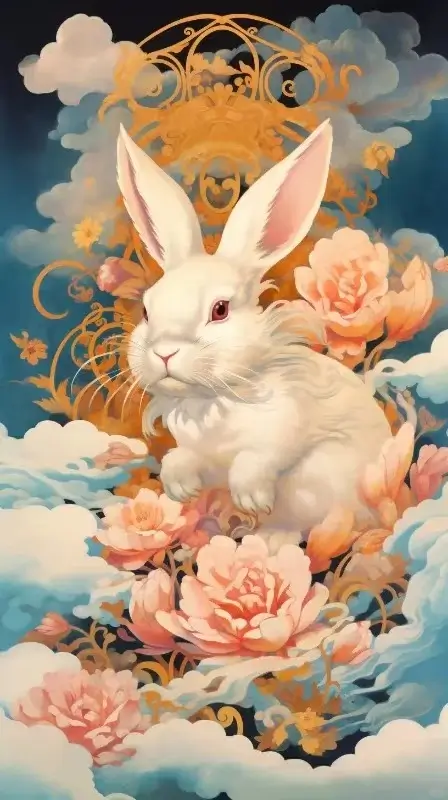
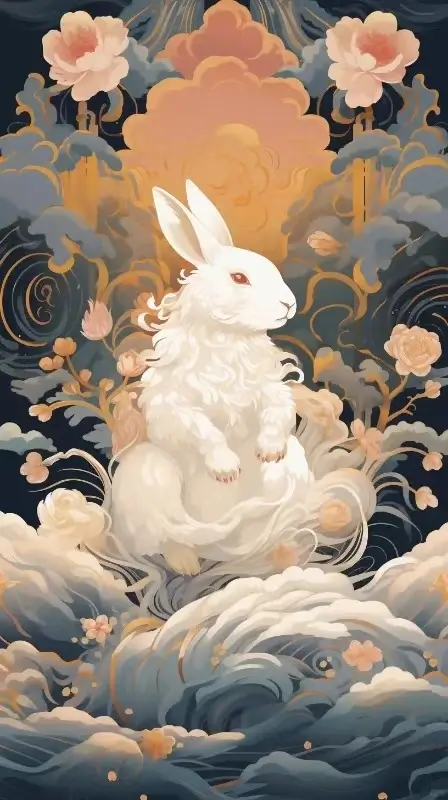
What Is the Chinese Zodiac Rabbit, and Where Does It Fit in the 12 Chinese Zodiac Cycle?
To understand the Chinese Zodiac Rabbit, you first need to grasp the foundational system it lives within: the 12 Chinese Zodiac signs, a core part of Chinese history tied to the ancient Tian Gan Di Zhi (Heavenly Stems and Earthly Branches) calendar system. Unlike Western astrology, which is tied to the sun’s position across 12 months, the Chinese Zodiac follows a 12-year lunar cycle, with each year represented by a unique animal with distinct symbolic traits, cultural meaning, and mythological backstory.
The 12 animals follow a fixed, unchanging order that has been consistent for nearly two millennia: Rat, Ox, Tiger, Rabbit, Dragon, Snake, Horse, Goat, Monkey, Rooster, Dog, Pig. The Chinese Zodiac Rabbit sits in the fourth position, paired with the fourth Earthly Branch: Mao (卯). This pairing is why the rabbit is often called Mao Tu (卯兔) in traditional Chinese culture, and it is directly tied to the animal’s natural behavior and place in ancient Chinese daily life.
In the traditional Chinese 12-hour time system (each hour equals two modern hours), the Mao period falls between 5:00 AM and 7:00 AM – the early dawn hours, when the sky begins to lighten, dew covers the grass, and wild rabbits emerge from their burrows to feed on fresh, dewy vegetation. Unlike nocturnal rats or hardworking oxen that labor through the night, the rabbit is at its most active and vital during the Mao hours, creating an unbreakable link between the animal, the Earthly Branch, and the rhythm of ancient Chinese agricultural life. This pairing is not a random myth; it is a reflection of how ancient Chinese people observed the natural world and wove it into their calendar, culture, and spiritual beliefs.
If you’re new to the full 12-sign system, be sure to check out our comprehensive beginner’s guide to the 12 Chinese Zodiac signs to understand how this ancient astrological system works in modern Chinese life.
The Deep Historical Origins of the Chinese Zodiac Rabbit: Tracing 2000+ Years of Chinese History
Many travelers assume the Chinese Zodiac Rabbit is a simple folk tale, but its roots stretch back to the earliest days of Chinese civilization, with archaeological and written evidence that confirms its place in Chinese history for over 2200 years. To truly understand its significance, we need to trace its evolution from ancient calendar systems to the beloved cultural icon it is today.
The Earliest Written Records: Qin Dynasty Bamboo Slips
The first confirmed link between the Mao Earthly Branch and the rabbit comes from one of the most important archaeological discoveries of 20th century China: the Shuihudi Qin Bamboo Slips, unearthed in Hubei Province in 1975. Dating back to the late Warring States Period (around 221 BCE, the dawn of the Qin Dynasty), these slips contain a text called the Rishu (Day Book), an ancient almanac that guided daily decisions, fortune-telling, and ritual practices. Within its pages, the text explicitly pairs the Mao branch with the rabbit – the earliest known written record of this pairing, proving that the link between the rabbit and the zodiac was already established over 2000 years ago.
The Full System Is Formalized: Han Dynasty and the Lunheng
While the Qin Dynasty slips established the Mao-rabbit pairing, the full 12-animal zodiac cycle as we know it today was formalized during the Eastern Han Dynasty (25–220 CE). The most definitive written record comes from philosopher Wang Chong’s Lunheng (Balanced Inquiries), a landmark text of ancient Chinese rationalism. In this book, Wang Chong explicitly lists the full 12 Earthly Branches and their corresponding animals, writing clearly: “Mao corresponds to the rabbit.”
This text was not a folk tale; it was a scholarly work that codified the zodiac system, cementing the Chinese Zodiac Rabbit’s fourth place in the cycle for all subsequent generations. By the Han Dynasty, the rabbit was already more than just a calendar symbol; it had become a spiritual and cultural icon, with images of the rabbit appearing on tomb carvings, bronze mirrors, and silk textiles across China. The most famous of these images is the Jade Rabbit (Yu Tu), a figure that would become inseparable from the Chinese Zodiac Rabbit and Chinese festival culture for centuries to come.
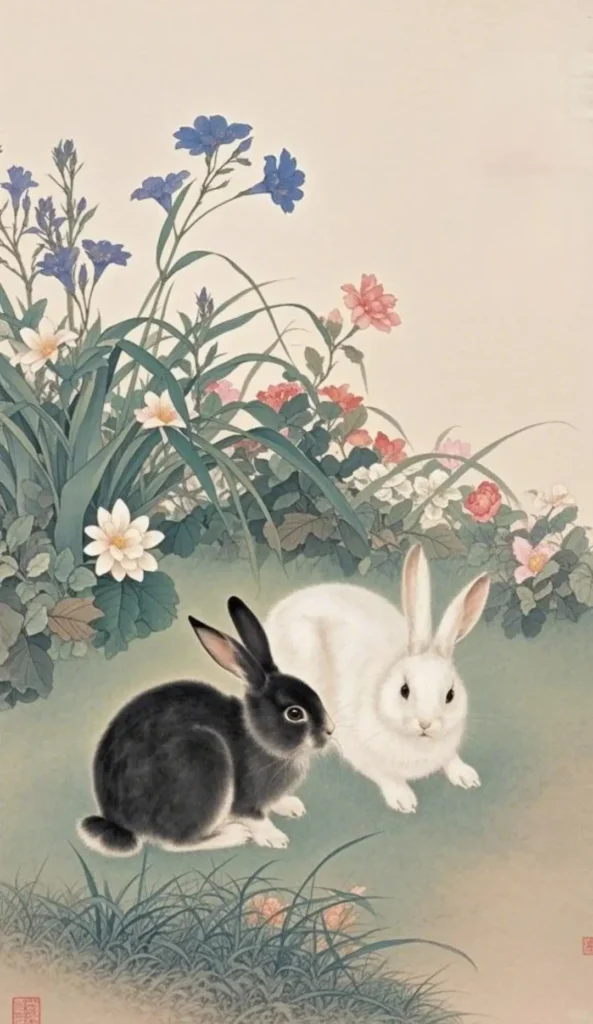
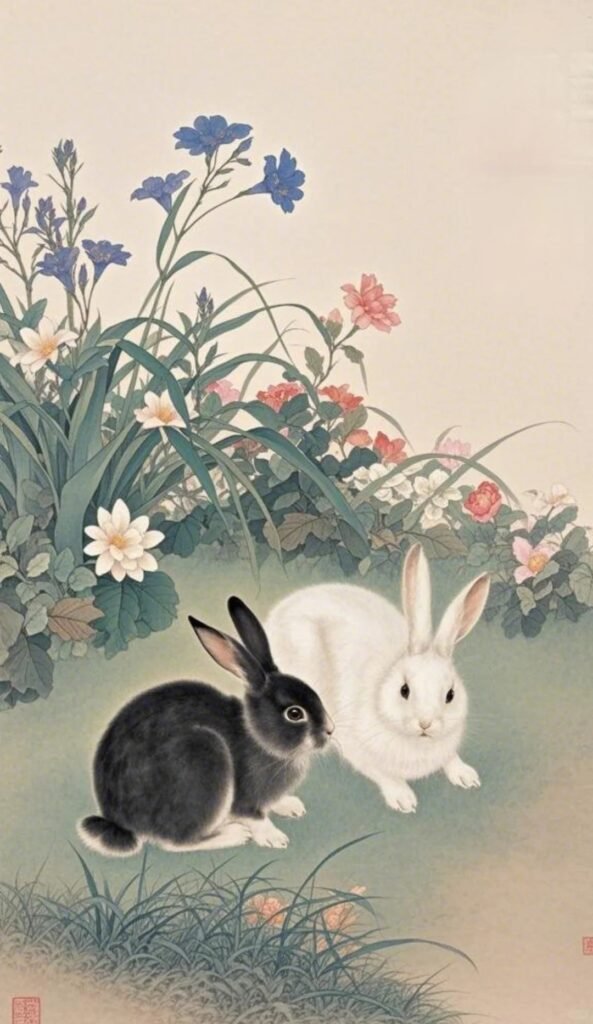
The Folk Legend That Defined Its Place: The Jade Emperor’s Great Race
While the archaeological record tells the factual history of the Chinese Zodiac Rabbit, the story that has captured the hearts of Chinese people (and curious travelers) for generations is the folk legend of the Jade Emperor’s Great Race. This tale, passed down orally from parent to child for over 1500 years, explains not just the rabbit’s place in the zodiac, but core values of Chinese culture that still hold true today.
The legend goes like this: Thousands of years ago, the Jade Emperor, the supreme ruler of heaven in Chinese mythology, announced that he would select 12 animals to serve as the guardians of the lunar calendar, with their order in the cycle decided by a race to the Heavenly Gate. The first 12 animals to cross the finish line would earn a permanent spot in the zodiac, with great honor and spiritual power for themselves and the years they would govern.
The rabbit, known across the animal kingdom for its incredible speed, agility, and sharp senses, was immediately seen as a favorite to win. On the day of the race, it sprinted ahead of the pack within minutes, leaving even the powerful tiger and steady ox far behind. As it neared the Heavenly Gate, it glanced back and saw no sign of the other animals. Confident in its lead, it decided to take a quick nap under a lush tree, figuring it would wake up long before the others arrived and still cross the finish line first.
But while the rabbit slept, the ox – slow but unwavering in its pace – plodded steadily forward, with the clever rat hidden on its back. When the ox reached the Heavenly Gate, the rat jumped off and crossed the line first, followed by the ox, then the tiger, who had woken the rabbit with its loud roar as it sprinted past. The rabbit jolted awake, sprinted to the gate, and arrived just in time to claim fourth place – a position it has held ever since.
This legend is far more than a children’s story in Chinese culture. It teaches a timeless lesson: raw talent and natural ability are never a match for consistency, humility, and hard work. It also shapes the core traits associated with the Chinese Zodiac Rabbit – its sharp intelligence, but also its tendency to be overly cautious, and its preference for peace and rest over unnecessary competition.
The Rich Cultural Symbolism of the Chinese Zodiac Rabbit in Chinese Tradition
Unlike Western culture, where rabbits are often associated with Easter, fertility, or whimsy, the Chinese Zodiac Rabbit carries a complex, multi-layered set of symbolic meanings that have evolved over 2000 years. It is one of the most beloved animals in Chinese culture, seen as a symbol of everything from good fortune to longevity, and its image appears in every corner of Chinese art, literature, and daily life.
1. Auspicious Luck and Prosperity
First and foremost, the Chinese Zodiac Rabbit is a powerful symbol of good luck and prosperity in Chinese tradition. This symbolism comes in part from Chinese homophones, a core part of Chinese cultural symbolism: the Chinese word for rabbit, tu (兔), sounds nearly identical to the word tu (途), meaning “path” or “journey.” This has led to the popular auspicious phrase qian cheng si jin (前程似锦), often paired with rabbit imagery, meaning “your future path is as bright as brocade.” It also sounds similar to tu (吐), meaning “to emit” or “to bestow,” leading to the belief that the rabbit can bestow good fortune and blessings on a household.
During the Year of the Rabbit, families across China hang rabbit-themed paper-cuts on their windows, paste rabbit-themed couplets on their doors, and display rabbit figurines in their homes to welcome luck, wealth, and prosperity for the coming year. This tradition is not just limited to the rabbit’s own year; you’ll see rabbit imagery in homes and businesses across China every Lunar New Year, as it is seen as a universal symbol of good fortune.
2. Longevity, Health, and Spiritual Protection
The Chinese Zodiac Rabbit’s most enduring spiritual symbolism comes from the legend of the Jade Rabbit, the immortal rabbit that lives on the moon, pounding the elixir of immortality in a mortar and pestle for the gods. This legend dates back to the Warring States Period, with the earliest written reference appearing in the Chu Ci (Songs of Chu), one of the oldest collections of Chinese poetry. In the poem Tian Wen (Heavenly Questions), the poet Qu Yuan asks: “What virtue does the moon have, that it can die and be reborn? What is the purpose of the rabbit that dwells in its belly?”
By the Han Dynasty, this legend had evolved into the story we know today: the Jade Rabbit is a loyal companion to the moon goddess Chang’e, and spends eternity pounding the herbs of immortality, bringing health, longevity, and protection to those who honor it. This is why the rabbit is closely associated with traditional Chinese medicine; even today, many traditional Chinese medicine pharmacies and herbal shops use the Jade Rabbit as their logo, a symbol of healing, health, and purity.
In traditional Chinese folk belief, the Chinese Zodiac Rabbit is also seen as a protector against evil spirits and illness. During the Dragon Boat Festival, many families in southern China hang rabbit-themed sachets filled with medicinal herbs on their doors and around their children’s necks, believing the rabbit’s gentle but powerful spiritual energy will ward off bad luck and disease.
3. Kindness, Elegance, and Harmonious Virtue
In Chinese culture, the Chinese Zodiac Rabbit is the ultimate symbol of Confucian virtues: kindness, humility, elegance, and a commitment to harmony. Unlike the tiger, which symbolizes power and courage, or the dragon, which symbolizes ambition and authority, the rabbit represents the quiet strength of gentleness. It is seen as a creature that avoids conflict, values peace above all else, and treats others with kindness and empathy – traits that are highly prized in Chinese society.
This symbolism directly shapes the personality traits associated with people born in the Year of the Rabbit, who are seen as the most diplomatic, empathetic, and well-mannered of all the 12 zodiac signs. In traditional Chinese literature and art, the rabbit is almost always depicted as a graceful, gentle creature, often paired with flowers, the moon, or other symbols of beauty and peace. Even in modern Chinese media, the rabbit is almost always cast as a kind, loyal character, reflecting its centuries-old symbolic role as a model of virtuous behavior.
4. Family Prosperity and Fertility
Finally, the Chinese Zodiac Rabbit is a powerful symbol of family prosperity, fertility, and generational happiness. Rabbits are known for their high reproductive rate, and for ancient Chinese agricultural societies, this made them a natural symbol of abundance, large families, and thriving households.
In traditional Chinese wedding ceremonies, rabbit imagery was often included in dowries, wedding decorations, and gifts to the newlyweds, to bless them with a happy marriage, healthy children, and a prosperous family. Even today, many Chinese couples who are trying to start a family will place rabbit figurines in their homes, believing the rabbit’s fertility symbolism will bring them good fortune. This symbolism also ties back to the rabbit’s link to the moon, which in Chinese culture is closely associated with women, fertility, and maternal love.
The Year of the Rabbit: Traditions, Traits, and What It Means for Your Travels in China
For travelers visiting China, understanding the Year of the Rabbit is key to connecting with local culture, whether you’re visiting during a rabbit year, or simply want to understand the traits of the rabbit-born friends and hosts you’ll meet on your journey.
Key Year of the Rabbit Dates
The Year of the Rabbit follows a strict 12-year cycle in the Chinese Lunar Calendar, with each rabbit year beginning on the Lunar New Year (between January 21 and February 20) and ending the following year. It’s critical to note that if you were born in January or early February, you’ll need to check the exact Lunar New Year date for your birth year to confirm your zodiac sign – many Western-born travelers incorrectly assume their zodiac sign is based on the Gregorian calendar, but it is tied exclusively to the lunar calendar.
Recent and upcoming Year of the Rabbit dates include:
- 1951: February 6, 1951 – January 26, 1952
- 1963: January 25, 1963 – February 12, 1964
- 1975: February 11, 1975 – January 30, 1976
- 1987: January 29, 1987 – February 16, 1988
- 1999: February 16, 1999 – February 4, 2000
- 2011: February 3, 2011 – January 22, 2012
- 2023: January 22, 2023 – February 9, 2024
- Next Year of the Rabbit: February 8, 2035 – January 27, 2036
Core Personality Traits of People Born in the Year of the Rabbit
People born in the Year of the Rabbit are widely regarded as the kindest, most elegant, and diplomatic of all the 12 Chinese Zodiac signs, with traits directly shaped by the rabbit’s symbolic meaning in Chinese culture.
Key Strengths
Rabbits are natural empaths, with an unparalleled ability to listen and understand the feelings of others. They are highly intelligent, with a sharp eye for detail and a natural talent for creative and artistic pursuits. Their diplomatic nature makes them excellent mediators, able to resolve conflicts with grace and fairness, and they value harmony above all else in their relationships and work. Rabbits are also fiercely loyal to their friends and family, and will go out of their way to support the people they love. They are cautious and thoughtful, rarely making impulsive decisions, which helps them avoid unnecessary risks and build stable, fulfilling lives.
Potential Weaknesses
Their deep love of harmony can sometimes lead rabbits to avoid conflict, even when standing up for themselves is necessary. They can be overly sensitive to criticism, and may retreat into their shell when faced with confrontation or high-pressure situations. Their cautious nature can also hold them back from taking bold risks that could lead to great rewards, and they may struggle with assertiveness in competitive environments.
In modern China, many people still use these traits to guide career choices, relationship decisions, and even travel plans. For example, rabbits are said to thrive in calm, scenic destinations like Hangzhou’s West Lake or Guilin’s Li River, where they can connect with nature and find peace, rather than busy, chaotic cities. If you’re traveling with a rabbit-born friend or partner, keeping these traits in mind can help you plan a trip that they’ll love.
What to Expect When Traveling China During the Year of the Rabbit
If you’re lucky enough to visit China during the Year of the Rabbit, you’ll be treated to a once-in-12-year celebration of the Chinese Zodiac Rabbit across every corner of the country. From the moment you arrive, you’ll see rabbit imagery everywhere: on billboards, in shop windows, on subway ads, and in every temple and market you visit.
The biggest celebrations happen during the Spring Festival (Chinese Lunar New Year), when cities across China host rabbit-themed temple fairs, lantern shows, and cultural performances. Shanghai’s Yu Garden Lantern Festival, one of the most famous in China, features massive, elaborate rabbit lanterns that light up the historic gardens, while Xi’an’s Tang Dynasty Everbright City hosts nightly rabbit-themed parades and performances that bring ancient Tang Dynasty culture to life. Even small towns and villages will host rabbit-themed craft workshops, lion dances, and family gatherings, giving you a unique opportunity to join in the celebrations with local people.
If you’re planning to visit China during the Lunar New Year, don’t miss our in-depth guide to Chinese Lunar New Year temple fairs to find the best events near your travel destination.
How to Experience Chinese Zodiac Rabbit Culture Firsthand When Traveling in China
One of the best parts of learning about the Chinese Zodiac Rabbit is getting to experience it firsthand during your travels in China. This isn’t just a tradition locked in museums and history books; it’s a living, breathing part of modern Chinese life, and there are countless ways to connect with it, learn from local artisans, and take home meaningful memories and souvenirs.
1. Visit Cultural Sites With Deep Rabbit Heritage
China is filled with museums, historic sites, and cultural landmarks that tell the story of the Chinese Zodiac Rabbit and its place in Chinese history.
- The Palace Museum (Forbidden City), Beijing: The Forbidden City houses an incredible collection of rabbit-themed artifacts, from Qing Dynasty Tu’er Ye (Rabbit Lord) clay figurines to Ming Dynasty porcelain with rabbit motifs, and ancient paintings of the Jade Rabbit. Don’t miss the imperial jewelry collection, which features stunning rabbit-themed hairpins and pendants worn by Qing Dynasty empresses.
- Shaanxi History Museum, Xi’an: This museum houses some of the most important Han Dynasty artifacts in China, including stone carvings and tomb murals featuring the Jade Rabbit pounding the elixir of immortality, dating back over 2000 years. It’s the perfect place to see the earliest physical evidence of the rabbit’s place in Chinese culture.
- Yangliuqing Woodblock Print Museum, Tianjin: Yangliuqing is the home of China’s most famous traditional New Year woodblock prints, and the museum houses a stunning collection of rabbit-themed prints dating back to the Ming Dynasty. You can also watch master artisans print the woodblocks by hand, using the same techniques they’ve used for centuries.
2. Join a Traditional Craft Workshop
The best way to connect with the Chinese Zodiac Rabbit is to create something with your own two hands, under the guidance of a local master artisan. Across China, you’ll find workshops teaching traditional crafts that feature the rabbit, giving you a unique souvenir you made yourself, and a deeper understanding of Chinese intangible cultural heritage.
- Paper-Cutting Workshops: Paper-cutting is one of China’s oldest crafts, and rabbit paper-cuts are one of the most popular designs. You’ll find workshops in Beijing’s Nanluoguxiang Hutong, Shanghai’s Tianzifang, and Guangzhou’s Yongqing Fang, where master artisans will teach you to cut your own rabbit paper-cut using traditional techniques.
- Tu’er Ye Clay Figurine Workshops: In Beijing’s Hutongs, you’ll find workshops run by families that have been making Tu’er Ye figurines for generations. They’ll teach you to mold and paint your own Rabbit Lord figurine, using the same clay and paint techniques that have been passed down for over 300 years.
- Woodblock Printing Workshops: In Yangliuqing, Suzhou, and Yangzhou, you can join workshops to print your own rabbit-themed New Year woodblock print, using hand-carved wooden blocks and traditional ink and paper.
3. Try Rabbit-Themed Traditional Chinese Foods
Chinese culinary culture is deeply tied to the zodiac and Chinese festivals, and there are countless delicious rabbit-themed treats to try during your travels.
- Rabbit-Shaped Mooncakes: During the Mid-Autumn Festival, bakeries across China sell rabbit-shaped mooncakes, filled with lotus seed paste, red bean paste, or salted egg yolk. They’re not just delicious; they’re a tribute to the Jade Rabbit of the moon.
- Rabbit-Shaped Mantou: During the Spring Festival, families across northern China make rabbit-shaped steamed buns (mantou), often with red dates for eyes and carrot slices for ears. They’re a staple of Lunar New Year family dinners, symbolizing good luck and prosperity for the coming year.
- Tu’er Ye Pastries: In Beijing, you’ll find traditional pastry shops selling Tu’er Ye-shaped pastries, filled with sweet bean paste or jujube paste. They’ve been a popular Mid-Autumn Festival treat for over 200 years, and are the perfect sweet snack to enjoy while admiring the full moon.
FAQ:About the Chinese Zodiac Rabbit for Travelers
1. What years are the Year of the Rabbit in the Chinese Zodiac?
The Year of the Rabbit follows a 12-year cycle in the Chinese Lunar Calendar, tied to the fourth Earthly Branch Mao. Unlike the Gregorian calendar, each rabbit year begins on the Chinese Lunar New Year, which falls between January 21 and February 20 annually. If you were born in January or early February, always cross-reference your birth year with the exact Lunar New Year date to confirm your zodiac sign. Recent and upcoming rabbit years include: 1951 (Feb 6–Jan 26 1952), 1963 (Jan 25–Feb 12 1964), 1975 (Feb 11–Jan 30 1976), 1987 (Jan 29–Feb 16 1988), 1999 (Feb 16–Feb 4 2000), 2011 (Feb 3–Jan 22 2012), 2023 (Jan 22–Feb 9 2024), and the next Year of the Rabbit in 2035 (Feb 8–Jan 27 2036). This cycle has remained unbroken for over 2000 years, making it one of the oldest continuously used astrological systems in the world.
2. What are the core personality traits of people born in the Year of the Rabbit?
People born in the Year of the Rabbit are celebrated as the most diplomatic, empathetic, and elegant of the 12 Chinese Zodiac signs, with traits rooted in centuries of Chinese culture. Their core strengths include exceptional emotional intelligence, a natural talent for listening and mediating conflict, sharp creative and artistic instincts, and unwavering loyalty to loved ones. They are cautious, thoughtful decision-makers who prioritize harmony and stability, rarely taking unnecessary risks. Their key challenges include a tendency to avoid confrontation even when it is necessary, heightened sensitivity to criticism, and a hesitation to take bold, career-changing risks due to their preference for safety. In modern China, these traits are still used to guide career choices, relationship compatibility, and even travel planning, with rabbits said to thrive in calm, nature-rich destinations.
3. How is the Chinese Zodiac Rabbit celebrated in traditional Chinese festivals?
The Chinese Zodiac Rabbit is deeply woven into China’s most important Chinese festivals, with traditions that have been passed down for centuries. The most prominent celebrations happen during the Chinese Lunar New Year, especially during the Year of the Rabbit, when families hang rabbit-themed paper-cuts, paste auspicious rabbit couplets, and display rabbit figurines to welcome good fortune. Temple fairs across the country host rabbit-themed performances, craft workshops, and lantern displays throughout the 15-day New Year period. The Mid-Autumn Festival is the holiday most closely tied to the rabbit, thanks to the Jade Rabbit legend; families gather to admire the full moon, eat mooncakes, and display Tu’er Ye (Rabbit Lord) clay figurines, especially in northern China. Even the Dragon Boat Festival features rabbit traditions, with many southern Chinese families hanging rabbit-shaped herbal sachets to ward off illness and evil spirits.
4. What are the best authentic Chinese Zodiac Rabbit souvenirs to buy in China, and where can I find them?
For meaningful, authentic souvenirs that honor Chinese culture and support local artisans, skip mass-produced tourist trinkets and opt for these handcrafted Chinese Zodiac Rabbit pieces:
- Hand-Cut Rabbit Paper-Cuts: Lightweight, affordable, and rich with auspicious meaning, hand-cut red paper-cuts are the perfect souvenir. Find authentic pieces at artisan stalls in Beijing’s Nanluoguxiang, Shanghai’s Tianzifang, and Guangzhou’s Yongqing Fang, or make your own at a local workshop.
- Handmade Tu’er Ye Clay Figurines: These iconic, hand-painted clay Rabbit Lord statues are a beloved piece of Beijing’s cultural heritage. Find authentic, artisan-made pieces at Beijing’s Panjiayuan Antique Market, Forbidden City souvenir shops, and family-run workshops in the city’s hutongs.
- Rabbit-Themed Hangzhou Silk Products: Luxurious silk scarves, handkerchiefs, and tapestries featuring traditional rabbit motifs are a timeless souvenir. Shop authentic Hangzhou silk at the Hangzhou Silk City, Shanghai’s Silk Market, and official Palace Museum gift shops.
- Hand-Painted Rabbit Woodblock Prints: Traditional New Year woodblock prints from Yangliuqing (Tianjin) are a piece of living Chinese history, printed by hand using centuries-old techniques. Find authentic prints at the Yangliuqing Woodblock Print Museum and certified intangible cultural heritage shops across China.
A Closing Wish for Your Chinese Cultural Journey
As you prepare for your travels through China, we hope this guide has helped you see the Chinese Zodiac Rabbit not just as a cute symbol on a souvenir, but as a window into the soul of Chinese history and culture. For over two thousand years, this gentle creature has been woven into the stories, traditions, and daily lives of the Chinese people – from the ancient bamboo slips of the Qin Dynasty to the bustling Lunar New Year markets of modern-day Guangzhou, from the myth of the Jade Rabbit on the moon to the quiet wisdom of the zodiac’s timeless personality traits.
China is a country of endless cultural depth, and every zodiac sign, every festival, every handcrafted souvenir tells a story that stretches back centuries. We wish you nothing but joy, wonder, and deep connection as you explore this incredible country. May your travels be filled with meaningful encounters with local artisans, heartfelt moments with Chinese families, and a newfound love for the rich, timeless traditions that make China so unique. May the gentle wisdom of the Chinese Zodiac Rabbit guide you on your journey, bringing you peace, good luck, and endless beautiful memories in the land of ancient culture and warm hospitality.
Learn more about travel guides for Chinese cities( https://chinatravelbites.com )