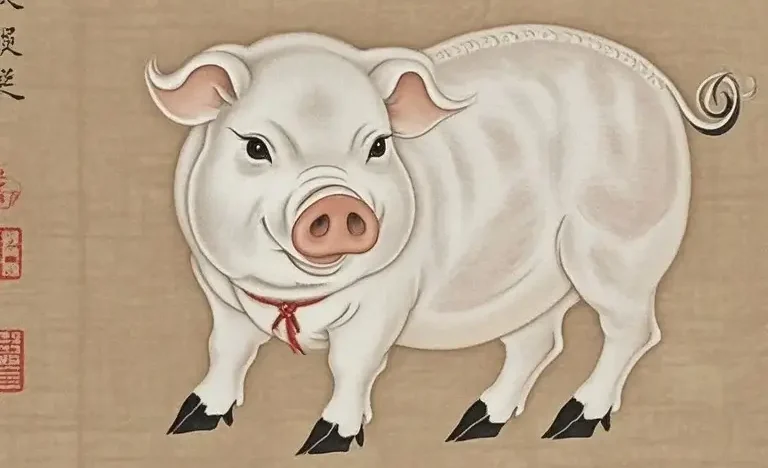
Chinese Zodiac Pig
Hey fellow China travelers! If you’ve wandered through a bustling Lunar New Year temple fair in Guangzhou, stared up at the intricate zodiac carvings at the Forbidden City, or chatted with a local vendor who asked “What’s your Chinese zodiac animal?”, you’ve already dipped your toes into one of the most beloved pillars of Chinese culture. Today, we’re diving deep into one of the most misunderstood, warm-hearted, and culturally rich signs of the Chinese Zodiac: the Zodiac Pig. For anyone traveling to China, understanding this iconic sign isn’t just a fun cultural lesson—it’s your key to connecting with locals, decoding ancient traditions, and seeing the heart of Chinese festivals and daily life in a whole new light.
If you’re brand new to the 12 zodiac animals, I recommend starting with our complete beginner’s guide to the full Chinese Zodiac system here (internal link: /12-chinese-zodiac-animals-explained-for-travelers) to get the full context before we dive in. But even if you’re just here to learn about the Year of the Pig specifically, this guide will give you everything you need to know: from its 2000+ year ancient history, to the folklore that shaped its place in Chinese culture, to exactly where you’ll see it during your China trip, and how to use it to make meaningful connections with locals.
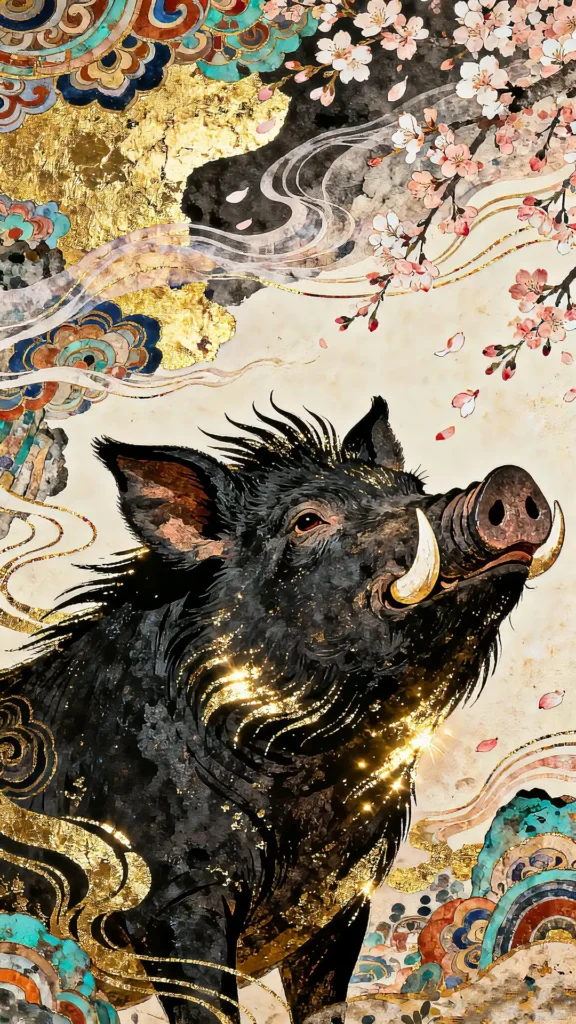
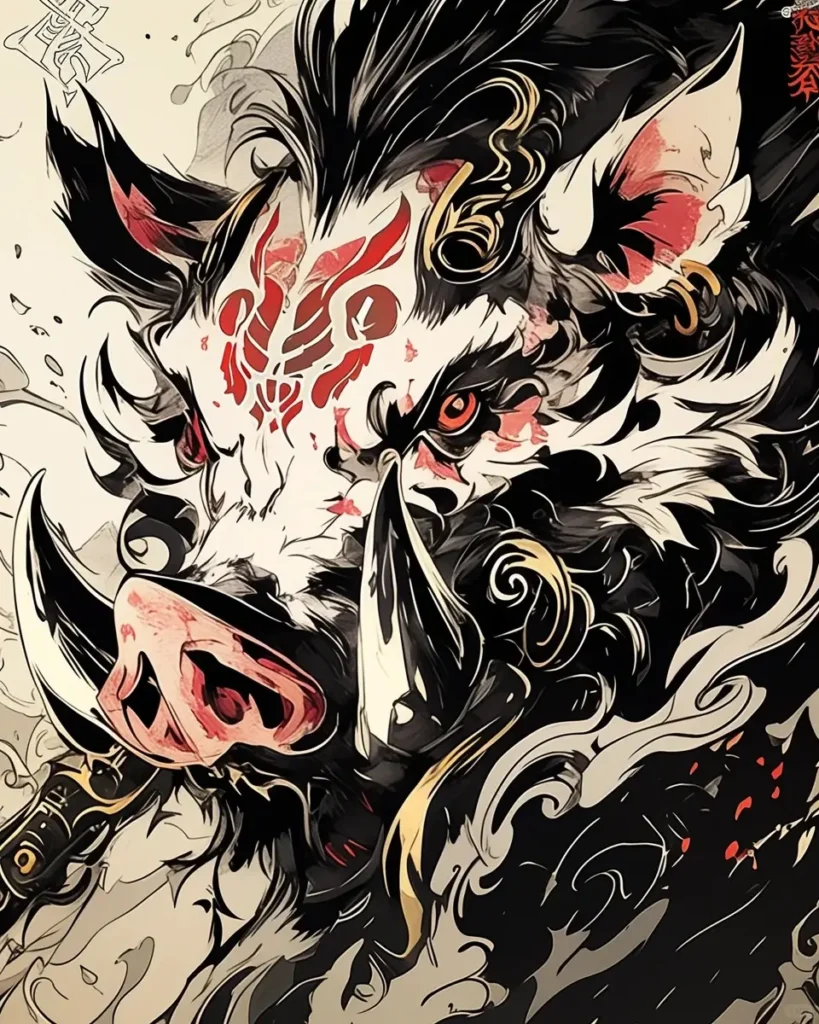
What Is the Chinese Zodiac Pig, and Why Does It Matter for Your China Trip?
First, let’s start with the basics for anyone new to the system. The Chinese Zodiac (called shengxiao in Mandarin) is a 12-year cycle that assigns an animal and its legendary traits to each year, rooted in ancient Chinese astronomy, lunar calendar traditions, and folk religion. Unlike Western astrology, which is tied to birth months, the Chinese zodiac is tied to birth years, with each animal repeating every 12 years. The Zodiac Pig is the 12th and final animal in the cycle, paired with the 12th earthly branch, Hai, and corresponding to the hours of 9pm to 11pm in the ancient Chinese timekeeping system.
For travelers, this isn’t just a fun cultural factoid. The Chinese Zodiac is woven into every corner of life in China: it’s how locals introduce themselves, how they celebrate Chinese festivals, how they choose wedding dates, even how they pick lucky numbers for travel or business. When you understand the Zodiac Pig, you’ll be able to decode the red paper-cuts in shop windows during Chinese Lunar New Year, strike up a friendly conversation with a taxi driver about your birth year, and understand why a local restaurant has a plump pig statue by the front door. It’s not just a symbol—it’s a window into the values, hopes, and traditions that have shaped Chinese culture for millennia.
The Ancient History & Origin of the Zodiac Pig: 2000+ Years of Folklore
To truly understand the Zodiac Pig, you have to go back to its roots in ancient Chinese history. Unlike many Western misconceptions that the Chinese zodiac is a “myth for children,” it’s a system with deep, documented historical roots stretching back more than 2200 years, to the Warring States Period of ancient China.
The Earliest Historical Records of the Zodiac Pig
The oldest surviving written evidence of the Chinese zodiac system comes from the Shuihudi Qin Bamboo Slips, discovered in 1975 in Hubei Province, China. These slips, which date back to the 3rd century BCE (late Warring States Period to early Qin Dynasty), include a complete list of the 12 earthly branches paired with animals, and the 12th branch, Hai, is explicitly paired with the pig (called shi in ancient Chinese, now zhu in modern Mandarin). This proves that the link between the pig and the final position in the zodiac cycle was already established more than 2000 years ago.
Later, in the Eastern Han Dynasty (1st century CE), the famous philosopher Wang Chong wrote about the full 12 zodiac animals in his landmark text Lunheng (Balanced Inquiries). In this text, Wang Chong formally documented the order of the zodiac, confirming the pig as the 12th animal, and solidified the system’s place in mainstream Chinese thought. By the Tang Dynasty (618-907 CE), the zodiac had become a core part of daily life: archaeologists have found countless Tang Dynasty tomb figurines of the 12 zodiac animals, including beautifully carved pig statues, placed in tombs to bring protection and good fortune to the deceased in the afterlife. By the Song Dynasty (960-1279 CE), the Zodiac Pig had fully entered folk culture, with stories, traditions, and lucky customs surrounding the sign that are still practiced today.
The Ancient Cultural Significance of Pigs in China: Why the Pig Made the Zodiac
What many Western travelers don’t realize is that pigs have been central to Chinese culture long before the zodiac was formalized. The most iconic example of this is the Chinese character for “home” or “family”: jia (家). In its ancient oracle bone form, the character is a pictogram of a roof (the “bao gai tou” radical, representing a house) with a pig (shi, the ancient character for pig, now 豕) underneath it. For ancient Chinese people, a house was not a home unless it had a pig inside. This single character tells you everything you need to know about the pig’s place in ancient Chinese society: it was a symbol of family, stability, food security, and wealth.
In ancient China’s agrarian society, pigs were the most valuable domestic animal a family could own. Unlike cows or oxen, which were used for farming, or horses, which were used for war and travel, pigs were raised almost exclusively for food, ritual, and financial security. They were easy to feed on household scraps, they reproduced quickly, and their meat was the centerpiece of every important family celebration, from weddings to festivals to ancestor worship ceremonies. Pigs were also a core part of ancient Chinese religious rituals: the highest form of sacrifice to the gods and ancestors, called tai lao, included a pig, a cow, and a sheep, and only the most important ceremonies could use a pig as an offering. To give a pig in sacrifice was to give the most valuable thing you owned, a sign of deep respect for the gods and your ancestors.
This is the foundation of the Zodiac Pig’s meaning in Chinese culture: it is not a symbol of laziness or greed, as it is often stereotyped in the West. It is a symbol of abundance, prosperity, family, and gratitude. It represents the hard work of agrarian life, the joy of providing for your family, and the blessings of a full, happy home.
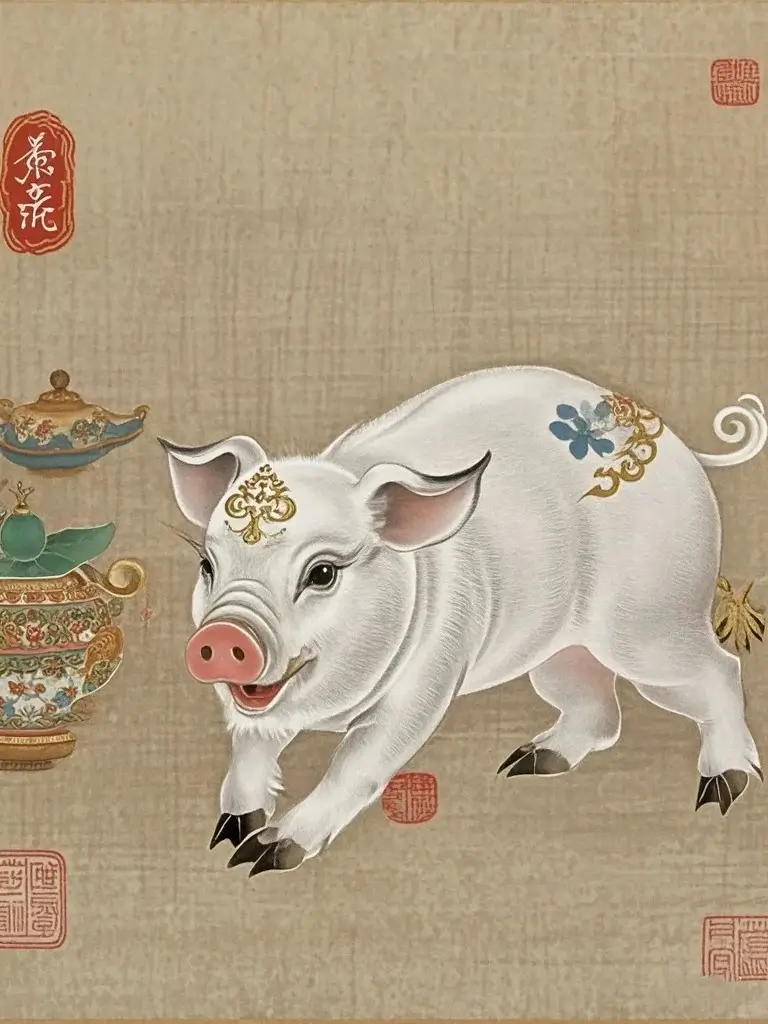
The Legend of the Zodiac Race: Why the Pig Is 12th
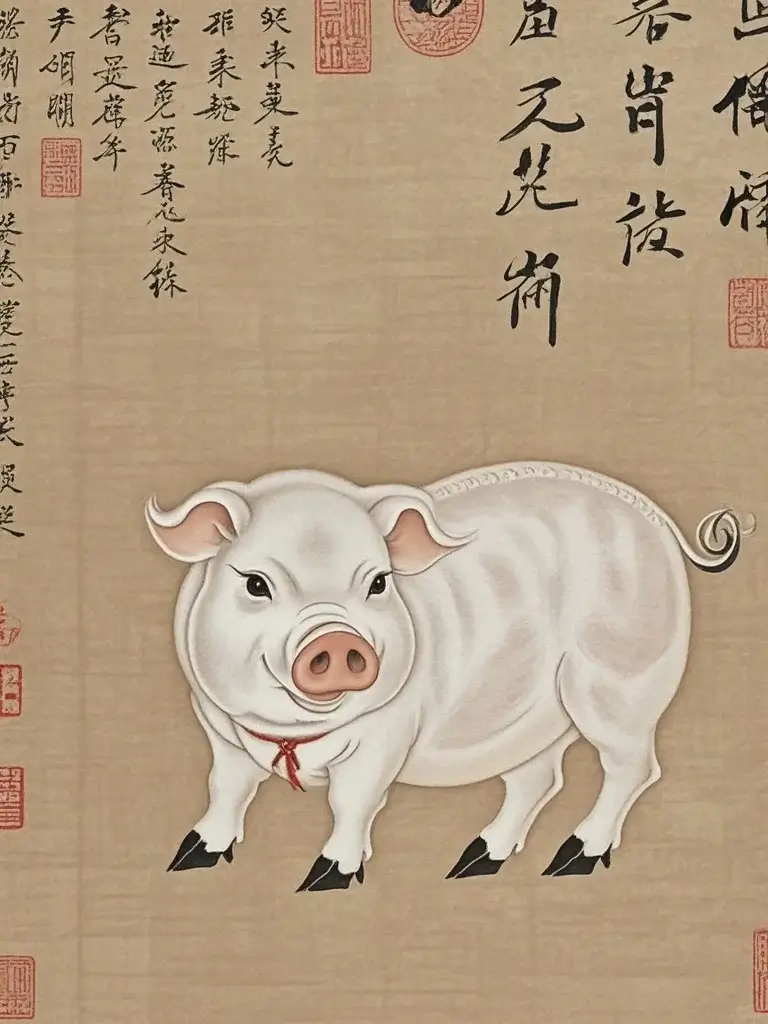
No guide to the Chinese Zodiac would be complete without the most famous folk story of all: the Great Zodiac Race. This legend, told to every Chinese child growing up, explains how the 12 animals got their order in the zodiac cycle, and it’s a story you’ll hear everywhere from temple tours to local dinner conversations during your China trip.
The legend goes that the Jade Emperor, the supreme ruler of heaven in Chinese folk religion, announced that he would hold a race across a great river, and the first 12 animals to reach the finish line would be honored as the 12 zodiac animals, with a year named after each one in the order they finished. Animals from all over China came to compete, including the pig.
Now, each animal used their own skills to cross the river: the rat cheated by riding on the ox’s back, the tiger used its strength to swim through the current, the rabbit hopped across stones in the river. The pig, however, had a very different journey. He started the race with enthusiasm, but halfway through, he got hungry. He spotted a field of delicious crops, stopped to eat his fill, and then, feeling full and sleepy, he laid down in the grass and took a long nap. When he finally woke up, he realized he was far behind the other animals, and he rushed to the finish line as fast as he could.
By the time he arrived, 11 animals had already crossed the finish line. But just as the Jade Emperor was about to close the race, the pig huffed and puffed across the line, taking the 12th and final spot. The Jade Emperor laughed at the pig’s journey, but he also admired his honesty and his willingness to keep going even when he was behind. So he honored the pig as the 12th animal in the zodiac, with the final year of the cycle named after him.
This story is beloved in Chinese culture because it perfectly captures the core traits of the Zodiac Pig: he is not competitive, not ruthless, not obsessed with winning. He enjoys the simple pleasures of life, he is honest about his flaws, and he shows up even when he’s at a disadvantage. It’s a story that teaches children that kindness and consistency matter more than winning at all costs, and it’s a big part of why the Zodiac Pig is such a beloved sign in China to this day.
Core Personality Traits of the Year of the Pig Natives: What Locals Believe
If you were born in the Year of the Pig, locals in China will immediately have a warm, positive impression of you—because the Zodiac Pig is widely considered one of the kindest, most generous, and most lucky signs in the entire Chinese Zodiac. Unlike some of the more ambitious signs, like the Dragon or the Tiger, Pig natives are not driven by fame, power, or wealth for wealth’s sake. They are driven by a desire for a happy, stable life, surrounded by the people they love, and they will go out of their way to help the people around them.
Here are the core personality traits that locals associate with the Year of the Pig natives:
- Unmatched Generosity & Kindness: Pig natives are famous for putting others’ needs before their own. They will give their time, money, and support to friends and family without a second thought, and they hate to see anyone around them suffering. Locals will often say that if you have a Pig native as a friend, you have a friend for life.
- Honesty & Integrity: Pigs hate lies, deception, and manipulation. They are brutally honest, even when it’s not easy, and they hold themselves to a very high moral standard. They will never betray a friend, and they always keep their promises, which makes them some of the most trusted people in any community.
- Hardworking & Reliable: Despite the stereotype of laziness, Pig natives are incredibly hardworking when it matters most. They are not the type to cut corners or rush through a job; they take pride in doing things right, and they are the people you can always count on to get a task done, no matter how difficult it is.
- Warm & Easygoing: Pigs are the peacemakers of the Chinese Zodiac. They hate conflict, and they will go out of their way to keep the peace in their family and friend groups. They have a warm, approachable energy that makes everyone feel welcome, and they have a great sense of humor that makes them the life of the party at Chinese festivals and family gatherings.
- Love of Life & Simple Pleasures: Pigs know how to enjoy life. They love good food, good company, and lazy afternoons with the people they love, and they don’t feel guilty about taking time to rest and recharge. They believe that life is meant to be enjoyed, not just spent rushing from one goal to the next, and they bring that joy to everyone around them.
Of course, like every zodiac sign, the Pig has its weaknesses. Locals will tell you that Pig natives can be overly trusting, which sometimes leads to them being taken advantage of. They can also be stubborn, and they hate to change their plans once they’ve made up their mind. And sometimes, their love of comfort can make them procrastinate on difficult tasks (as the zodiac race legend shows!). But even with these flaws, the Zodiac Pig is almost universally loved in Chinese culture for its big heart and genuine nature.
The Year of the Pig repeats every 12 years, aligned with the Chinese lunar calendar. Recent and upcoming Year of the Pig dates are: 1923 (Feb 16, 1923 – Feb 4, 1924), 1935 (Feb 4, 1935 – Jan 23, 1936), 1947 (Jan 22, 1947 – Feb 9, 1948), 1959 (Feb 8, 1959 – Jan 27, 1960), 1971 (Jan 27, 1971 – Feb 14, 1972), 1983 (Feb 13, 1983 – Feb 1, 1984), 1995 (Jan 31, 1995 – Feb 18, 1996), 2007 (Feb 18, 2007 – Feb 6, 2008), 2019 (Feb 5, 2019 – Jan 24, 2020), and the next Year of the Pig will be 2031 (Jan 23, 2031 – Feb 10, 2032). If you were born in late January or early February, be sure to check the exact lunar new year date for your birth year to confirm if you are a Pig native.
The Zodiac Pig in Chinese Festivals & Daily Life: What You’ll See Traveling in China
Now for the fun part: exactly where you’ll encounter the Zodiac Pig during your trip to China. This sign is everywhere, once you know what to look for, and it’s a huge part of how locals celebrate Chinese festivals and live their daily lives. Here are the top places you’ll spot the Zodiac Pig as you travel:
During Chinese Lunar New Year & Other Traditional Festivals
Chinese Lunar New Year (Spring Festival) is the biggest holiday in China, and it’s where you’ll see the Zodiac Pig front and center—especially if you’re traveling during a Year of the Pig. During the festival, every street corner, shop window, and home will be decorated with red paper-cuts of plump, smiling pigs, New Year prints (nianhua) of pigs carrying gold ingots, and plush pig toys. The most iconic image you’ll see is the “fat pig arching through the door” (fei zhu gong men), a traditional motif that symbolizes wealth and good fortune arriving at your home for the new year.
You’ll also see the Zodiac Pig at other Chinese festivals throughout the year. At the Lantern Festival, which marks the end of Lunar New Year, you’ll see pig-shaped lanterns lighting up temple fairs and city streets. At the Mid-Autumn Festival, the harvest festival, you’ll find mooncakes printed with pig motifs, symbolizing a bountiful harvest and a happy family reunion. Even at the Dragon Boat Festival, you’ll see lucky pig charms sold at temple fairs, meant to bring protection and good fortune to travelers.
To dive deeper into how the zodiac is celebrated during China’s biggest holiday, read our full guide to Chinese Lunar New Year for travelers here (internal link: /complete-guide-to-chinese-lunar-new-year-in-china).
At Ancient Temples & Historical Sites
Almost every major temple and historical site in China has a dedicated space for the 12 Chinese Zodiac animals, and the Zodiac Pig is always a standout. For example:
- At the Temple of Heaven in Beijing, the ancient imperial temple where emperors prayed for good harvests, you’ll find intricate stone carvings of the 12 zodiac animals along the central walkway, including a beautifully detailed Zodiac Pig carved into the marble.
- At the Longmen Grottoes in Luoyang, a UNESCO World Heritage Site, there are ancient Buddhist carvings dating back to the Tang Dynasty that include the full 12 zodiac animals, with the Zodiac Pig depicted as a calm, plump figure standing guard over the temple.
- At Lingyin Temple in Hangzhou, one of the most famous Buddhist temples in China, there is a dedicated zodiac hall with 12 life-sized statues of the zodiac animals, where visitors can pray for good fortune and make offerings to their birth animal.
When you visit these sites, you’ll often see locals rubbing the statue of the Zodiac Pig for good luck—feel free to join in! It’s a fun, respectful way to participate in the tradition, and locals will love seeing you engage with their culture.
In Local Businesses & Homes
Walk into any local restaurant, small shop, family home, or even bank in China, and you’ll almost certainly see a statue of the Zodiac Pig on the counter or shelf. These “lucky pig” statues are meant to bring wealth, prosperity, and success to the business or family, and they’re one of the most common lucky charms in Chinese culture. Many locals also keep piggy banks in their homes—yes, the global tradition of piggy banks has deep roots in Chinese culture, dating back to the Han Dynasty, when clay pig-shaped pots were used to save money, as a way to invite more wealth and abundance into the home.
In Souvenirs & Traditional Crafts
When you’re shopping for souvenirs in China, you’ll find the Zodiac Pig featured on almost every traditional craft you can imagine: silk scarves, porcelain teacups, hand-carved wooden figurines, calligraphy scrolls, paper-cuts, and even jewelry. These make perfect souvenirs, not just because they’re beautiful, but because they carry a deep cultural meaning that you can share with friends and family back home. Unlike mass-produced souvenirs, a handcrafted Zodiac Pig figurine or print is a piece of living Chinese culture, and it will always remind you of your trip to China.
Common Myths & Misunderstandings About the Chinese Zodiac Pig
The biggest barrier that Western travelers face when learning about the Zodiac Pig is the deep cultural stereotype of pigs in Western society. In most Western cultures, pigs are associated with laziness, greed, messiness, and even gluttony. But in Chinese culture, almost all of these stereotypes are completely reversed. It’s so important to understand this difference, because it will change how you see the Zodiac Pig everywhere you go in China.
The core of this difference comes down to thousands of years of agricultural history. In Western Europe, pigs were often raised in forests, seen as wild, dirty animals that were associated with poverty and lower social classes. But in ancient China, pigs were raised inside the home (or right next to it), they were a sign of wealth and success, and they were treated with deep respect for the food and security they provided. A family with many pigs was a wealthy, respected family; a family with no pigs was struggling to survive.
Another common misunderstanding is that the Zodiac Pig is the “least important” sign because it’s last in the cycle. In Chinese culture, this is not true at all. The final position in the cycle is seen as a position of completion, closure, and fulfillment. The Zodiac Pig is the final chapter of the 12-year cycle, the sign that wraps up the journey and brings abundance and happiness to close out the year. It’s a position of honor, not insignificance, and locals will often tell you that the Pig is the “most satisfying” sign, because it represents the reward for a full cycle of hard work.
How to Connect With Locals Using the Zodiac Pig on Your China Trip
Now that you know all about the Zodiac Pig, here’s how to use this knowledge to make meaningful connections with locals during your trip to China. The Chinese Zodiac is the ultimate icebreaker in China—locals love talking about their zodiac sign, and they will be thrilled that a foreign traveler has taken the time to learn about their culture.
Here are a few simple ways to use the Zodiac Pig to connect with locals:
- Start a conversation with your zodiac sign: If you’re a Year of the Pig native, lead with that! When you meet a local vendor, taxi driver, or tour guide, say “I was born in the Year of the Pig! What’s your Chinese zodiac sign?” 9 times out of 10, they will light up, and they’ll immediately start telling you about the traits of the Pig, and share their own zodiac sign with you. It’s the perfect way to move past a simple transaction and have a genuine conversation.
- Compliment the pig decorations you see: If you’re in a shop or restaurant and you see a Zodiac Pig statue or decoration, say “I love your lucky pig! I know it brings good fortune in Chinese culture.” The owner will be so happy that you recognize the meaning behind the decoration, and they’ll often share more about the tradition with you, or even give you a small lucky charm as a gift.
- Ask about zodiac traditions during festivals: If you’re traveling during Chinese Lunar New Year or another festival, ask a local “What traditions do you have for the Year of the Pig during the New Year?” Locals love sharing their family traditions with travelers, and it’s a great way to learn about authentic, local culture that you won’t find in a guidebook.
- Pick up a zodiac souvenir: When you’re shopping for souvenirs, ask a local craftsperson to tell you about the Zodiac Pig design on their work. They’ll be able to share the history and meaning behind the design, and you’ll leave with a souvenir that has a personal story attached to it, not just a mass-produced trinket.
The most important thing to remember is to be respectful and open-minded. For many locals, the Chinese Zodiac isn’t just a fun novelty—it’s a deeply rooted part of their cultural identity, their family traditions, and their belief system. Never mock or dismiss the tradition, and always listen with curiosity when locals share their stories with you.
FAQ: About the Chinese Zodiac Pig
Q1: What years are the Year of the Pig in the Chinese Zodiac?
The Year of the Pig follows the 12-year cycle of the Chinese Zodiac, aligned with the Chinese lunar calendar (not the Western Gregorian calendar), meaning the start and end dates of each Pig year fall between late January and mid-February. Recent and upcoming Year of the Pig dates include: 1923 (Feb 16, 1923 – Feb 4, 1924), 1935 (Feb 4, 1935 – Jan 23, 1936), 1947 (Jan 22, 1947 – Feb 9, 1948), 1959 (Feb 8, 1959 – Jan 27, 1960), 1971 (Jan 27, 1971 – Feb 14, 1972), 1983 (Feb 13, 1983 – Feb 1, 1984), 1995 (Jan 31, 1995 – Feb 18, 1996), 2007 (Feb 18, 2007 – Feb 6, 2008), 2019 (Feb 5, 2019 – Jan 24, 2020), and the next Year of the Pig will be 2031 (Jan 23, 2031 – Feb 10, 2032). If you were born in late January or early February, always cross-reference your birth date with the exact lunar new year date for that year to confirm your zodiac sign.
Q2: Is the Pig a lucky sign in Chinese culture?
Absolutely. In Chinese culture, the Zodiac Pig is one of the most auspicious and lucky signs in the entire Chinese Zodiac, a complete reversal of many Western stereotypes about pigs. For over 2000 years, pigs have been synonymous with wealth, food security, family stability, and abundance in Chinese agrarian society, and that positive association has carried through to the zodiac sign. Locals widely believe that people born in the Year of the Pig are blessed with natural good luck, kind hearts, and a life filled with happiness, prosperity, and loving relationships. Pig imagery is used constantly in lucky charms, New Year decorations, business promotions, and even wedding traditions across China, all to invite good fortune, protection, and abundance into people’s lives.
Q3: What are the lucky colors, numbers, and elements for the Zodiac Pig?
In traditional Chinese zodiac fortune culture and the Five Elements (Wu Xing) system, every sign has specific lucky attributes that are believed to enhance its positive traits and bring good fortune. For the Zodiac Pig:
- Lucky Numbers: 2, 5, and 8. These numbers are widely auspicious across Chinese culture, and hold special power for Pig natives. 8 is the most iconic lucky number in China, as its Mandarin pronunciation sounds nearly identical to the word for “prosperity” and “wealth”; 2 symbolizes harmony, balance, and strong relationships; 5 represents stability and the perfect balance of the Five Elements.
- Lucky Colors: Red, Gold, and Green. Red is the ultimate auspicious color in Chinese culture, used for all major celebrations, and it brings protection, joy, and good fortune to Pig natives. Gold is directly tied to wealth, abundance, and success, while Green symbolizes growth, harmony, and renewal, supporting the Pig’s natural love of life and stability.
- Corresponding Element: The Zodiac Pig is primarily aligned with the Water element, which is linked to wisdom, flexibility, empathy, and abundance in Chinese philosophy. Each Year of the Pig also has a secondary element (Wood, Fire, Earth, Metal, Water) that rotates on a 60-year cycle, adding unique layers to the sign’s traits and fortune for that specific year.
Q4: Can I learn my fortune using the Chinese Zodiac Pig when traveling in China?
Yes, exploring Chinese zodiac fortune-telling is a wonderful, authentic cultural experience you can have during your trip to China, and it’s a fantastic way to connect with locals. Most major temples across China have professional fortune-tellers on-site who can give you a personalized reading based on your Chinese Zodiac sign, including detailed insights if you are a Year of the Pig native. You’ll also find zodiac fortune books, annual luck calendars, and themed souvenirs in most tourist areas and temple fairs, which offer a general overview of your luck for the year ahead. That said, it is critical to approach this tradition with respect: for many Chinese people, the zodiac is not just a fun tourist activity, but a deeply rooted part of their cultural identity, family traditions, and spiritual beliefs. Always be polite and open-minded when asking about zodiac fortune, never mock or dismiss the tradition, and avoid taking photos of fortune-tellers or sacred rituals without explicit permission. If you’re not sure how to start, simply ask a local about their zodiac sign—most locals will be thrilled to chat with you about it, and it’s a beautiful way to make a genuine, personal connection during your travels.
Closing Blessing for Your China Journey
As you reach the end of this guide to the Chinese Zodiac Pig, I hope you’ve gained not just a set of facts, but a new window into the heart and soul of Chinese culture. For more than two millennia, the Chinese Zodiac has been a golden thread weaving together the history, folklore, and daily life of the Chinese people, connecting generations across centuries, and binding the hopes and dreams of families together. When you travel through China, every time you see a weathered stone carving of the Zodiac Pig in an ancient imperial temple, a bright red paper-cut in a local family’s window, a plump lucky pig statue on a restaurant counter, or a smiling pig lantern lighting up a festival night, you are not just seeing a cute animal motif. You are seeing a piece of living, breathing history—a symbol of the timeless human desire for a happy home, enough food for your family, good fortune for the people you love, and a life filled with joy and kindness.
I wish you nothing but boundless wonder, deep connection, and unforgettable joy on your journey through China. May you walk the ancient hutongs of Beijing, the bustling riverside markets of Shanghai, the serene tea plantations of Hangzhou, and the vibrant mountain villages of Sichuan with an open heart and a curious mind. May you find magic in the small moments: a kind smile from a street vendor, a shared meal with a local family, the quiet beauty of a temple at dawn, and the sound of laughter at a festival fair. May you come to know the richness of China’s 5000 years of history and culture, not just as a traveler, but as a friend who has taken the time to listen, learn, and respect the traditions that make this country so extraordinary.
May the warm, generous, and abundant spirit of the Zodiac Pig walk with you every step of the way. May it bring you good fortune in your travels, deep connections with the people you meet, and a lifetime of happy memories from your time in China. And may you leave this incredible country with not just photos and souvenirs, but a lifelong love for the beautiful, profound, and endlessly fascinating culture of China.