Chinese Zodiac Horse
Over the past 5 years, I’ve helped thousands of foreign travelers navigate China’s most iconic cultural sites, and one question comes up more than almost any other: What’s the deal with the horse symbols I see everywhere? From the intricate stone carvings in the Forbidden City to the vibrant red Lunar New Year posters in every street shop, the Chinese Zodiac Horse is impossible to miss when you’re traveling through China. And if you’re like most of my readers, you’re not just curious about what it is—you want to understand the thousands of years of history, legend, and heart behind this beloved zodiac sign.
For anyone diving into Chinese culture for the first time, the 12-animal Chinese Zodiac is the perfect entry point. It’s not just a fun way to find your spirit animal based on your birth year; it’s a living, breathing part of daily life in China, woven into festivals, art, business, and even the way people connect with each other. And of all 12 zodiac animals, few hold as much historical weight, cultural reverence, and universal appeal as the horse. Whether you’re planning your first trip to China, celebrating a Year of the Horse, or just hungry to learn more about Chinese history, this guide will take you through every layer of the Chinese Zodiac Horse—from its ancient origins to its place in modern Chinese life, with all the legendary stories and travel tips you need along the way.
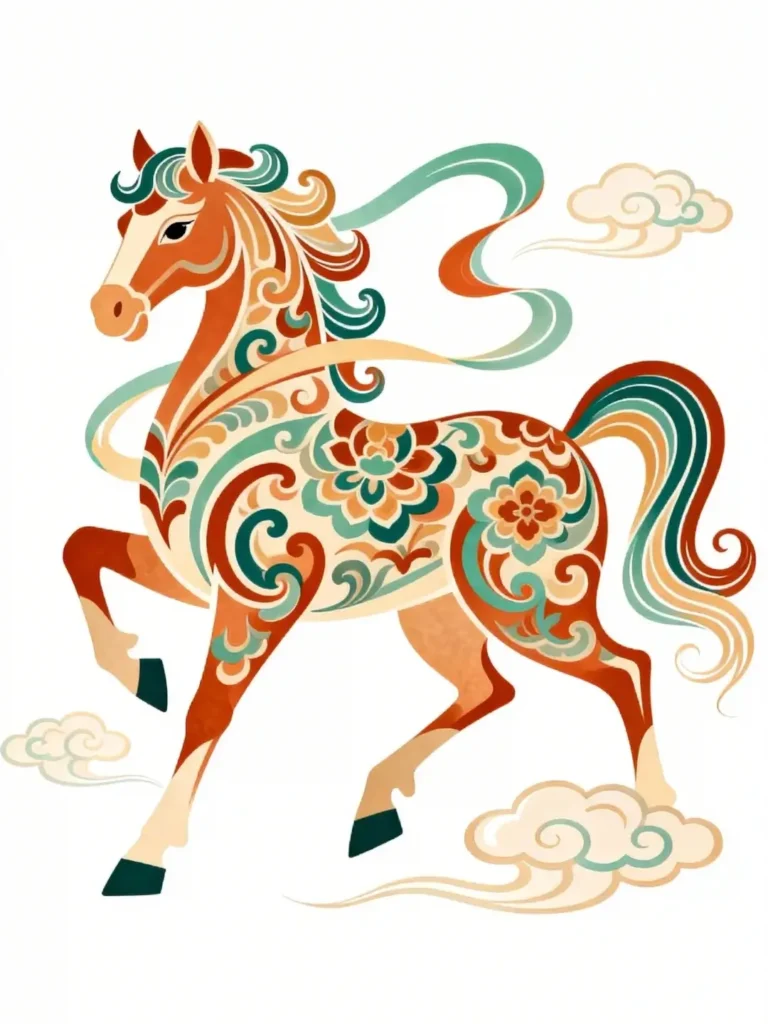
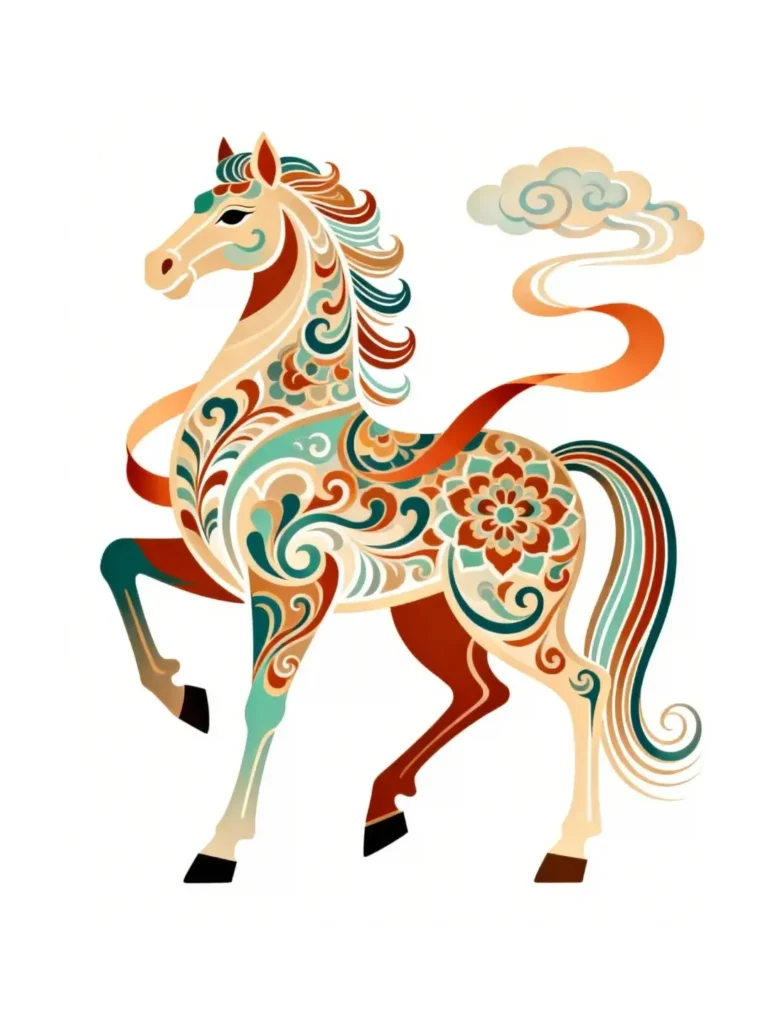
What Is the Chinese Zodiac Horse, and Where Does It Fit in the 12-Zodiac Cycle?
Before we dive into the epic history and legends, let’s start with the basics for travelers new to the Chinese Zodiac system. Unlike Western astrology, which is based on the month of your birth, the Chinese Zodiac is tied to the 12-year lunar calendar cycle, with each year represented by a unique animal with distinct personality traits, cultural meanings, and symbolic power.
The Chinese Zodiac Horse is the 7th animal in the 12-sign cycle, sitting right between the Snake (6th) and the Goat (8th). It is directly paired with the 7th of the 12 Earthly Branches, Wu (午), which is why you’ll often hear it called Wu Ma (午马) in Mandarin. In ancient Chinese timekeeping, the Wu hour corresponds to 11:00 AM to 1:00 PM, the hottest part of the day. Ancient Chinese astronomers and farmers observed that horses were at their most energetic, alert, and spirited during this midday window—galloping across fields, snorting, and showing their full power even under the blazing sun. This deep connection to the natural rhythm of the day is why the horse was permanently paired with the Wu branch, and why it holds such a unique place in the zodiac system.
In the modern lunar calendar, the Year of the Horse repeats every 12 years. The most recent Years of the Horse were 1930, 1942, 1954, 1966, 1978, 1990, 2002, and 2014. The upcoming Year of the Horse will run from February 17, 2026, to February 5, 2027, followed by 2038. A critical note for travelers: your Chinese zodiac sign is determined by the Lunar New Year, not the Western January 1st calendar start. If you were born in January or early February, always cross-reference your birth year with the exact Lunar New Year date to find your correct zodiac sign—this is one of the most common mistakes my readers make when first exploring the Chinese Zodiac.
In traditional Chinese cosmology, the Chinese Zodiac Horse is associated with the Fire element, one of the 5 core elements (Wood, Fire, Earth, Metal, Water) that shape every part of Chinese philosophy, medicine, and culture. Fire represents passion, energy, leadership, transformation, and warmth—all traits that align perfectly with the horse’s spirited nature. This elemental pairing also explains why the horse is linked to midday, the peak of the sun’s fire energy, and why it is seen as a symbol of bold, unyielding vitality in Chinese culture.
The Deep Historical Roots of the Horse in Ancient Chinese History
To truly understand the Chinese Zodiac Horse, you can’t just look at the zodiac system alone. You have to go back thousands of years, to the very beginning of Chinese civilization, where the horse was not just an animal—it was a cornerstone of empire, a symbol of power, and a sacred companion to emperors, warriors, and poets alike. Unlike in many Western cultures, where the horse is primarily seen as a symbol of freedom or transportation, in Chinese history, the horse has always been tied to destiny, greatness, and the very fate of dynasties.
Archaeological evidence shows that horses were first domesticated in northern China as early as the Neolithic Age, over 5,000 years ago. In the Majiayao Culture (3300–2000 BCE), archaeologists have found pottery painted with intricate horse motifs, proving that even in the earliest days of Chinese civilization, the horse held a special place in art and ritual. By the Shang Dynasty (1600–1046 BCE), the horse had become a symbol of royal power and status. The iconic royal tombs of the Shang Dynasty include massive horse and chariot burial pits, with some tombs containing dozens of horses and chariots buried with the emperor. In ancient Chinese ritual, only the highest-ranking nobles could be buried with horses, as they were seen as the only companions worthy of accompanying a ruler to the afterlife. This tradition continued for over 2,000 years, a testament to the horse’s unshakable place in Chinese royal culture.
By the Spring and Autumn Period (770–476 BCE) and Warring States Period (475–221 BCE), the horse had become the most critical military asset in ancient China. The rise of cavalry warfare transformed the way Chinese kingdoms fought, and a kingdom’s strength was directly measured by the number of war horses it possessed. It was during this era that one of the most famous legends in Chinese history was born: the legend of Bole and the Thousand-Li Horse, a story that is still told in every Chinese classroom today, and one that defines the core meaning of the horse in Chinese culture.
Bole, whose real name was Sun Yang, was a master horse trainer and judge of horseflesh who lived in the State of Qin during the Spring and Autumn Period. He was so skilled at identifying exceptional horses that he was named after Bole, the mythical god of horses in Chinese folklore. The story goes that Bole was traveling through the countryside when he saw a thin, exhausted horse pulling a heavy salt cart up a steep hill. The horse’s owner beat it mercilessly, seeing it as nothing more than a weak, useless work animal. But when Bole looked at the horse, he saw what no one else could: this was a Thousand-Li Horse, a legendary steed capable of traveling 1,000 li (over 500 kilometers) in a single day, a horse fit for a king.
Bole threw himself on the horse, weeping. He took off his own cloak and draped it over the horse’s back, and the horse, sensing that someone finally saw its true worth, lowered its head and nuzzled him, then reared up and neighed so loud it shook the hills. Bole told the horse’s owner that this was no ordinary work horse—it was a war horse that would carry a general to victory, a companion that would change the fate of kingdoms. He bought the horse on the spot, trained it, and presented it to the Duke of Qin, who went on to use the horse to win decisive battles and expand his kingdom.
This legend is the foundation of the horse’s symbolic meaning in Chinese culture. The Thousand-Li Horse is not just a fast horse—it is a metaphor for exceptional talent, for hidden greatness that only a discerning eye can see. To this day, Chinese people use the phrase “Bole recognizing the Thousand-Li Horse” to describe a leader who can identify and nurture talented people, and the horse remains a universal symbol of potential, greatness, and unrecognized ability. This is why the Chinese Zodiac Horse is so often associated with leadership, ambition, and success: its legacy is tied to the idea that true greatness is not just about strength, but about the spirit that lies within.
As Chinese civilization entered the Han Dynasty (202 BCE–220 CE), the horse’s role in shaping Chinese history only grew. Emperor Wu of Han, one of the greatest emperors in Chinese history, was obsessed with acquiring high-quality war horses to defeat the nomadic Xiongnu tribes that threatened China’s northern borders. He sent his envoy Zhang Qian on a historic mission to the Western Regions (modern-day Central Asia), a journey that would lay the foundation for the Silk Road. Zhang Qian returned with stories of the legendary “Heavenly Horses” (also called Ferghana horses, or sweat blood horses), a breed of horse from the Kingdom of Dayuan (modern-day Uzbekistan) that was said to be faster, stronger, and more resilient than any horse in China.
Emperor Wu was so determined to get these horses that he sent military expeditions all the way to Central Asia to secure them. The Heavenly Horses transformed the Han Dynasty’s cavalry, allowing Emperor Wu to defeat the Xiongnu, secure China’s borders, and open the Silk Road—one of the most important trade routes in human history. For the first time, Chinese silk, tea, and culture flowed west to Europe, and Western goods, ideas, and religions flowed east to China. None of this would have been possible without the horse. To this day, when you visit the Mogao Grottoes in Dunhuang, a must-see stop on any Silk Road travel itinerary, you’ll see hundreds of ancient murals depicting horses—proof of their central role in connecting China to the world.
The peak of the horse’s cultural and political power in Chinese history came during the Tang Dynasty (618–907 CE), often called the Golden Age of Chinese civilization. The Tang Dynasty was a time of unprecedented prosperity, cultural openness, and military might, and the horse was at the center of it all. Tang emperors were passionate horse breeders, with imperial stables housing over 400,000 horses at their peak. Horses were featured in Tang poetry, art, music, and even court entertainment: the famous “Dance of the Horses”, where trained horses would perform intricate routines to music, bowing to the emperor and holding cups of wine in their mouths, was the highlight of royal banquets.
The most enduring symbol of the Tang Dynasty’s love for the horse is the Six Steeds of Zhao Mausoleum, the six stone carvings of the war horses that carried Emperor Taizong of Tang through the battles that founded the Tang Dynasty. Each horse has a name, a story, and scars from the battles they fought. Two of the steeds are now in the University of Pennsylvania Museum of Archaeology and Anthropology in the United States, while the other four are housed in the Xi’an Beilin Museum—an absolute must-visit for any traveler to Xi’an who wants to see the Chinese Zodiac Horse’s legacy in person. For Emperor Taizong, these horses were not just animals; they were his most loyal companions, his brothers in arms, and the reason he was able to unify China and create one of the greatest dynasties in history.
It’s this 5,000-year legacy of loyalty, power, greatness, and connection to the very soul of China that led the horse to become one of the most revered animals in the Chinese Zodiac. The zodiac didn’t assign the horse its meaning out of thin air; it captured the thousands of years of history, legend, and love that Chinese people already had for this extraordinary animal.
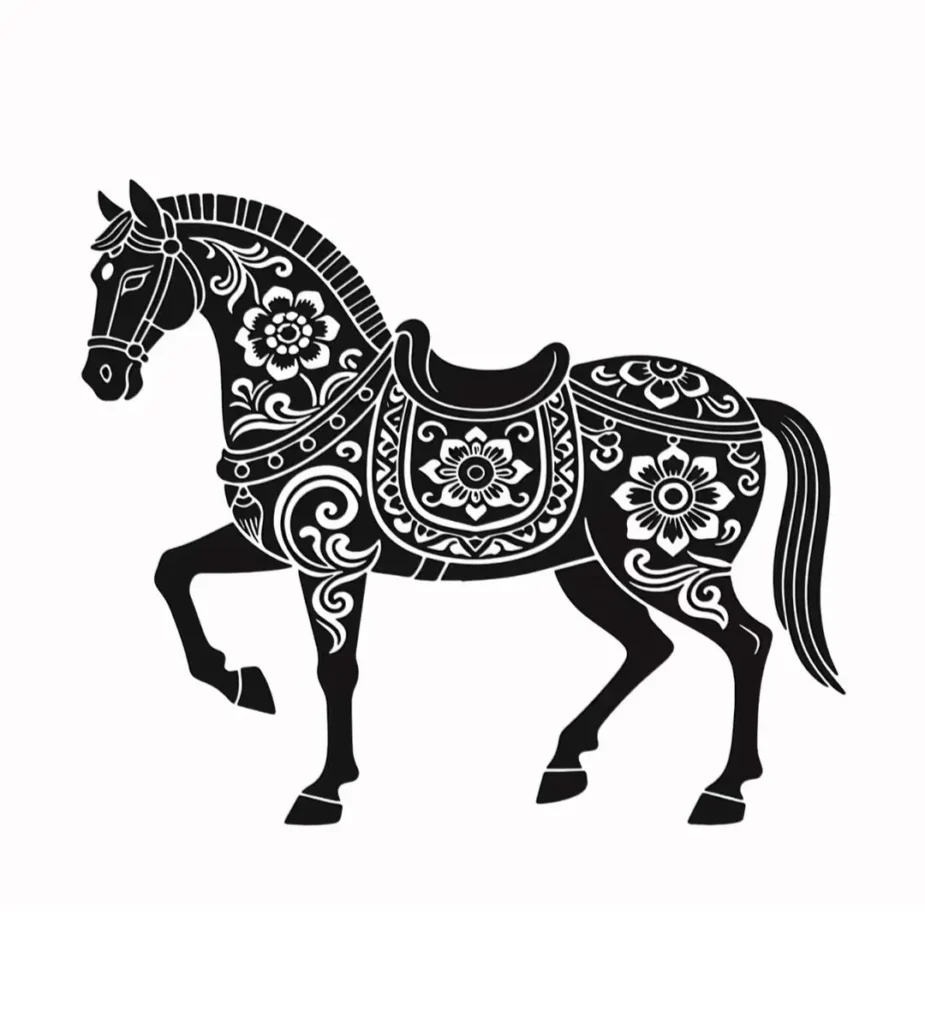
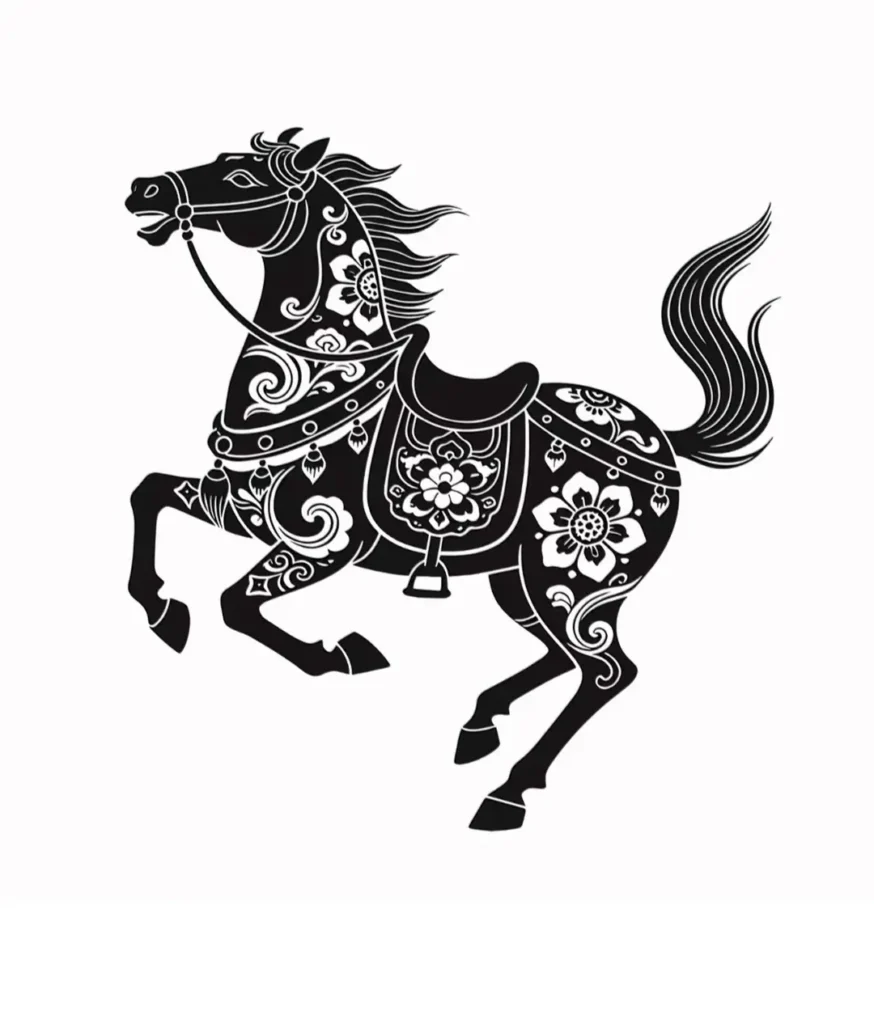
How the Horse Became Part of the Chinese Zodiac: Legends & Origin Stories
Now that you understand the horse’s deep roots in Chinese history, let’s explore how it found its place in the 12-sign Chinese Zodiac cycle. There are countless legends about the origin of the Chinese Zodiac, but the most famous and beloved story is the Great Race of the Jade Emperor, a tale that every Chinese child grows up hearing, and one that perfectly explains the horse’s place as the 7th animal in the cycle.
The story goes that the Jade Emperor, the supreme ruler of heaven in Chinese mythology, decided that he needed a way to measure time and help the people of earth keep track of the years. He announced that he would hold a great race: the first 12 animals to cross the finish line at the Heavenly Gate would earn a permanent place in the zodiac cycle, with each year named after them in the order they finished. Animals from all over China traveled for months to join the race, eager to win a spot in the zodiac.
The horse was one of the fastest, most agile animals in the race. It was a natural runner, with endless stamina and a heart full of determination. For most of the race, the horse was in 6th place, galloping ahead of almost every other animal, with only the rat, ox, tiger, rabbit, dragon, and snake ahead of it. It was well on its way to securing 6th place, with a clear path to the Heavenly Gate, when it heard cries for help coming from a small village beside the road.
The horse stopped immediately, even though it knew every second counted in the race. It found that a flood had broken through the village’s dam, and the villagers’ homes and crops were being washed away. The villagers were terrified, and they had no way to stop the flood on their own. Without a second thought, the horse used its powerful hooves to move heavy stones and dirt, helping the villagers rebuild the dam and hold back the flood. It worked for hours, not stopping until the village was safe and the villagers were out of danger.
By the time the horse finished helping the villagers and returned to the race, the snake had already crossed the finish line in 6th place. The horse galloped as fast as it could, crossing the Heavenly Gate in 7th place, just ahead of the goat, monkey, rooster, dog, and pig. The Jade Emperor saw what the horse had done, and he praised it for its kindness, loyalty, and selflessness. He said that even though the horse could have finished higher in the race, its choice to help the villagers showed its true character—and that was exactly the kind of animal that deserved a place in the zodiac.
This legend is the heart of the Chinese Zodiac Horse’s personality. It’s not just a symbol of speed and power; it’s a symbol of kindness, loyalty, and a willingness to put others before yourself. It explains why people born in the Year of the Horse are known for their big hearts, their sense of justice, and their willingness to drop everything to help the people they care about.
Beyond the legend, there is also a historical and astronomical explanation for the horse’s place in the zodiac. The 12 animals of the Chinese Zodiac were officially standardized during the Han Dynasty, around the same time that the 12 Earthly Branches were formalized as the core of the Chinese calendar system. Scholars of the Han Dynasty paired each Earthly Branch with an animal that matched its natural characteristics, and as we mentioned earlier, the Wu branch (midday) was paired with the horse because of its peak energy during that time.
This pairing was also reinforced by traditional Chinese medicine and philosophy. In the Han Dynasty, doctors believed that each animal corresponded to a different organ and energy channel in the human body, and the horse was linked to the heart, the organ that governs passion, vitality, and courage. This is why the Chinese Zodiac Horse is still associated with emotional openness, big hearts, and unshakable courage today.
The Cultural Meaning & Personality Traits of the Chinese Zodiac Horse
If you were born in the Year of the Horse, or if you’re just curious about what the zodiac says about this beloved animal, this section will break down the core personality traits, strengths, weaknesses, and cultural meaning of the Chinese Zodiac Horse. For travelers to China, this is especially useful: understanding these traits will help you connect with local people, as many Chinese people still use the zodiac to understand personality, compatibility, and even career choices.
Core Strengths of the Chinese Zodiac Horse
First and foremost, people born in the Year of the Horse are known for their unshakable optimism and infectious energy. They are the life of the party, the friends who can turn a bad day around with a single joke, and the adventurers who are always ready to pack a bag and explore somewhere new. If you’re traveling through China and meet someone born in the Year of the Horse, they’ll likely be the first person to invite you to a local restaurant, show you a hidden temple off the tourist path, or help you navigate a busy train station. Their warmth and generosity are legendary in Chinese culture.
The Chinese Zodiac Horse is also a natural born leader. They have a magnetic charisma that draws people to them, and they have the courage and ambition to turn big dreams into reality. This goes back to the horse’s legacy in Chinese history: the horses that carried emperors to victory, that opened the Silk Road, that changed the fate of dynasties. People born in the Year of the Horse are not afraid to take risks, to stand up for what they believe in, and to lead others toward a better future. They are often entrepreneurs, artists, activists, and travelers—people who refuse to be tied down by routine or convention.
Loyalty is another core trait of the Chinese Zodiac Horse. Just like the war horses that stood by their riders through battle, people born in the Year of the Horse are fiercely loyal to their friends, family, and loved ones. They will drop everything to help someone they care about, just like the horse in the Great Race legend stopped to help the villagers. They hate injustice, and they will always stand up for people who can’t stand up for themselves. This sense of justice and loyalty is one of the most beloved traits of the Chinese Zodiac Horse in Chinese culture.
Finally, people born in the Year of the Horse are incredibly independent and love freedom above all else. They hate being tied down by rules, routines, or expectations that don’t align with their values. They are natural explorers, which is why so many of my readers born in the Year of the Horse are drawn to travel to China—they crave new experiences, new cultures, and new adventures. They are curious about the world, and they never stop learning, growing, and exploring.
Minor Weaknesses to Know
Like all zodiac signs, the Chinese Zodiac Horse has its flaws, which are just extensions of its greatest strengths. Their love of freedom and independence can sometimes turn into impatience and restlessness. They hate waiting for other people, and they can get frustrated when things don’t move as fast as they want them to. They also hate being told what to do, which can sometimes lead to conflict in relationships or work environments.
Their boundless energy and optimism can also sometimes lead to impulsivity. People born in the Year of the Horse are known for making big decisions on a whim—booking a last-minute trip, quitting a job to start a business, or moving across the world—without always thinking through the consequences. They can also get bored easily, jumping from one project to the next without finishing what they start.
But even with these flaws, the Chinese Zodiac Horse is one of the most beloved signs in the Chinese Zodiac. Their big hearts, their courage, their optimism, and their loyalty make them incredible friends, partners, and travel companions. And in Chinese culture, the horse is always seen as a symbol of good luck, success, and prosperity—hence the iconic Chinese greeting Ma Dao Cheng Gong (马到成功), which translates to “May you succeed the moment your horse arrives”, a wish for instant, effortless success that is used for everything from job interviews to business launches to travel adventures.
The Chinese Zodiac Horse in Traditional Chinese Festivals & Daily Life
For travelers to China, one of the most magical things about the Chinese Zodiac Horse is that it’s not just a thing of the past—it’s a living, breathing part of daily life and traditional Chinese festivals all over the country. No matter where you travel in China, you’ll see the horse’s image everywhere, and you’ll have the chance to experience its cultural legacy firsthand.
The Chinese Zodiac Horse in Traditional Chinese Festivals
Unsurprisingly, the Chinese Zodiac Horse takes center stage during the Year of the Horse, but it’s also a core part of many traditional Chinese festivals year-round.
The biggest celebration of the Chinese Zodiac Horse is, of course, Chinese Lunar New Year (Spring Festival), the most important holiday in China. During the Lunar New Year, every home in China is decorated with red posters, paper cuttings, and paintings featuring the zodiac animal of the year. In a Year of the Horse, you’ll see horse imagery everywhere: on red envelopes (hongbao) given to children and loved ones, on Spring Festival couplets pasted on doorways, on TV specials, and in every street market across the country. The most popular couplet of the year will always include Ma Dao Cheng Gong, the iconic horse-themed wish for success and prosperity.
During the Lantern Festival, which marks the end of the Lunar New Year celebrations (15 days after the New Year), you’ll see massive horse-shaped lanterns lighting up parks and streets all over China. In cities like Beijing, Shanghai, and Xi’an, lantern festivals feature elaborate horse lantern displays that tell the stories of the Thousand-Li Horse, the Six Steeds of Zhao Mausoleum, and the Great Race legend. Many local communities also host traditional horse dance performances, where dancers dress in horse costumes and perform routines to traditional music—a tradition that dates back to the Tang Dynasty’s Dance of the Horses.
The Chinese Zodiac Horse is also a core part of the Dragon Boat Festival (Duanwu Festival), held on the 5th day of the 5th lunar month. While the Dragon Boat Festival is best known for dragon boat races, in northern China, Inner Mongolia, and Xinjiang, the festival is also celebrated with massive horse racing events. These races are not just athletic competitions; they are sacred rituals that honor the horse’s legacy in Chinese culture, and they are an incredible experience for any traveler lucky enough to attend. The horses are decorated with colorful ribbons and traditional ornaments, and the races are accompanied by folk music, dancing, and feasting.
Even during the Mid-Autumn Festival, the festival of mooncakes and family reunions, the horse makes an appearance. Many traditional mooncake molds feature horse motifs, symbolizing a wish for family members who are far away to travel home safely and quickly. The horse is also a common motif in the lanterns lit during the Mid-Autumn Festival, representing the freedom and joy of the holiday.
The Chinese Zodiac Horse in Daily Life & Travel
When you’re traveling through China, you’ll see the Chinese Zodiac Horse everywhere you look, if you know where to find it.
In China’s most iconic historical sites, the horse is front and center. In the Forbidden City in Beijing, you’ll find intricate horse carvings on the palace walls, glazed tile horse motifs on the roof ridges, and even imperial horse stables that have been preserved for hundreds of years. In the Summer Palace, the Long Corridor features dozens of paintings depicting the stories of Bole and the Thousand-Li Horse, the Six Steeds of Zhao Mausoleum, and other classic horse legends from Chinese history. In Xi’an, the Terracotta Army features hundreds of terracotta horses, each with unique features, that were buried with Qin Shi Huang, the first emperor of China, to protect him in the afterlife.
In modern China, the Chinese Zodiac Horse is still a core part of daily life. You’ll see horse motifs on everything from clothing and jewelry to home decor and business logos. Many Chinese people wear horse-themed jewelry to bring good luck, especially if they were born in the Year of the Horse, or during their zodiac year (ben ming nian). During a person’s ben ming nian, it’s traditional to wear red clothing and accessories to ward off bad luck, and horse-themed red jewelry is one of the most popular choices.
The Chinese Zodiac Horse is also a common way for Chinese people to connect with each other, and with travelers. When you meet a local in China, one of the most common conversation starters is asking about your Chinese zodiac sign. If you tell them you were born in the Year of the Horse, they’ll immediately light up, tell you about your personality traits, and share stories about the horse’s place in Chinese culture. It’s an incredible way to break the ice, make friends, and connect with local people on a deeper level during your travels.
FAQs: About the Chinese Zodiac Horse
1. What years are the Year of the Horse in the Chinese Zodiac?
The Year of the Horse occurs every 12 years in the Chinese lunar calendar. Recent and upcoming Years of the Horse include: 1930, 1942, 1954, 1966, 1978, 1990, 2002, 2014, 2026, and 2038. Critically, each Year of the Horse begins on the Chinese Lunar New Year, not January 1st of the Western calendar. For example, the 2026 Year of the Horse runs from February 17, 2026, to February 5, 2027. If you were born in January or early February, always cross-reference your birth date with the exact Lunar New Year date for your birth year to confirm your zodiac sign.
2. What are the core personality traits of people born in the Year of the Horse?
People born in the Year of the Horse are defined by their infectious optimism, boundless energy, natural leadership, and fierce loyalty. They are adventurous, independent, and deeply value freedom, making them natural travelers and explorers. They are charismatic, social, and have a strong sense of justice, always standing up for those in need. Their key weaknesses include occasional impatience, impulsivity, and restlessness, as they can grow bored with routine and struggle to wait for others to keep up with their fast pace. In Chinese culture, they are seen as warm, generous, and reliable friends and partners.
3. How is the Chinese Zodiac Horse celebrated in traditional Chinese culture?
The Chinese Zodiac Horse is celebrated in countless ways across Chinese culture, both during the Year of the Horse and year-round. During the Lunar New Year, it is featured prominently on red envelopes, Spring Festival couplets, lanterns, and home decorations, with the iconic Ma Dao Cheng Gong (success upon the horse’s arrival) greeting used universally to wish for good fortune. It is honored through traditional festivals like the Lantern Festival (with elaborate horse lantern displays), the Dragon Boat Festival (with horse racing events in northern and western China), and local folk festivals across the country. It is also preserved in China’s most famous historical sites, from the Six Steeds of Zhao Mausoleum in Xi’an to the Terracotta Army’s horse statues, and is a core part of traditional art, poetry, and storytelling.
4. What is the difference between the Chinese Zodiac Horse and Western zodiac signs?
The biggest difference between the Chinese Zodiac Horse and Western zodiac signs is how they are calculated: the Chinese Zodiac is based on your birth year (12-year lunar cycle), while Western zodiac signs are based on your birth month (12-month solar cycle). The Chinese Zodiac Horse is most often compared to the Western zodiac sign of Sagittarius, as both are associated with freedom, adventure, optimism, and independence. However, the Chinese Zodiac Horse has a much deeper historical and cultural context tied to 5,000 years of Chinese history, Chinese culture, and traditional Chinese philosophy. Unlike Western astrology, which focuses heavily on individual personality and destiny, the Chinese Zodiac is also a social and cultural tool, used to build connections, understand compatibility, and celebrate shared cultural traditions across China.
Closing Blessing for Travelers & Culture Lovers
As you prepare to explore China, to walk the paths of emperors and poets, to wander the ancient streets of Beijing, Xi’an, and Dunhuang, and to immerse yourself in the magic of Chinese culture, may the spirit of the Chinese Zodiac Horse be with you. May it give you the courage to explore hidden corners, the curiosity to learn the stories behind every ancient carving and painting, the warmth to connect with the local people you meet along the way, and the freedom to fall in love with every part of your journey.
May the legacy of the Thousand-Li Horse remind you that your greatest potential is always within you, waiting to be seen. May the loyalty of the war horses that shaped Chinese history inspire you to stand by the people you love, and to fight for what is good and just. And may the iconic wish of Ma Dao Cheng Gong follow you everywhere: may you succeed the moment your horse arrives, may every step of your journey be filled with joy, luck, and wonder, and may your love for China’s rich history and culture grow deeper with every new day you spend in this incredible country.
Safe travels, and may the spirit of the Chinese Zodiac Horse bring you endless blessings.
Learn more about travel guides for Chinese cities( https://chinatravelbites.com )