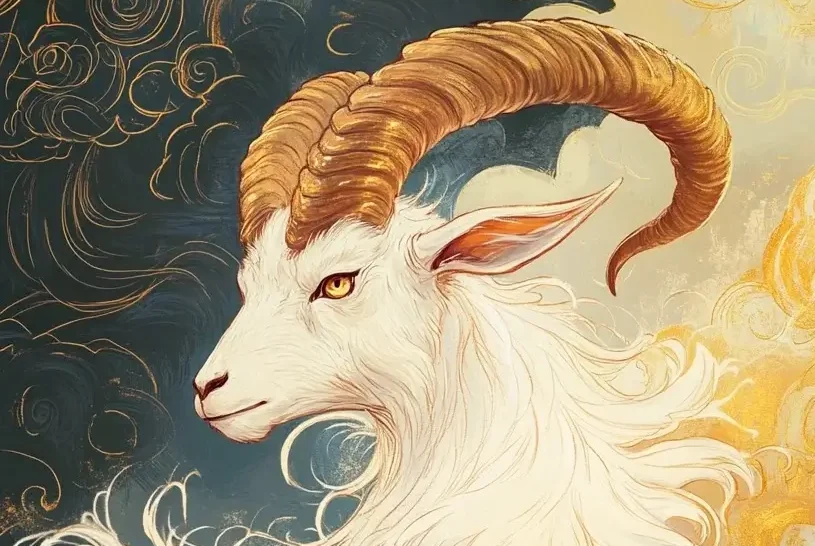
Chinese Zodiac
If you’ve ever wandered through the bustling alleyways of Beijing’s Nanluoguxiang, marveled at the vibrant lanterns of Shanghai’s Yuyuan Garden during Spring Festival, or haggled for handcrafted souvenirs at Xi’an’s Muslim Quarter, you’ve almost certainly come across the iconic symbols of the Chinese Zodiac. For countless foreign travelers I’ve guided across China over the past decade, no zodiac sign sparks more curiosity, questions, and gentle confusion than the Chinese Zodiac Goat – the 8th animal in the 12-year cycle of Chinese astrology, deeply woven into the fabric of Chinese culture for over 2,000 years.
Many of my readers reach out to me after their trips to China, asking: Why is the Goat such a beloved symbol in Chinese art and festivals? What’s the difference between the Goat, Sheep, and Ram in the Chinese Zodiac? What does it mean if I was born in the Year of the Goat? And how can I connect with this rich cultural tradition when I travel in China? In this ultimate guide, we’re breaking down everything you need to know about the Zodiac Goat – from its ancient historical origins and legendary folklore, to its personality traits, cultural significance, and even how to experience its magic firsthand on your next trip to China. We’ll also debunk common myths, share hidden travel spots to see Goat-themed cultural relics, and give you all the context you need to understand this iconic symbol when you encounter it during Chinese festivals or everyday travels across the country.
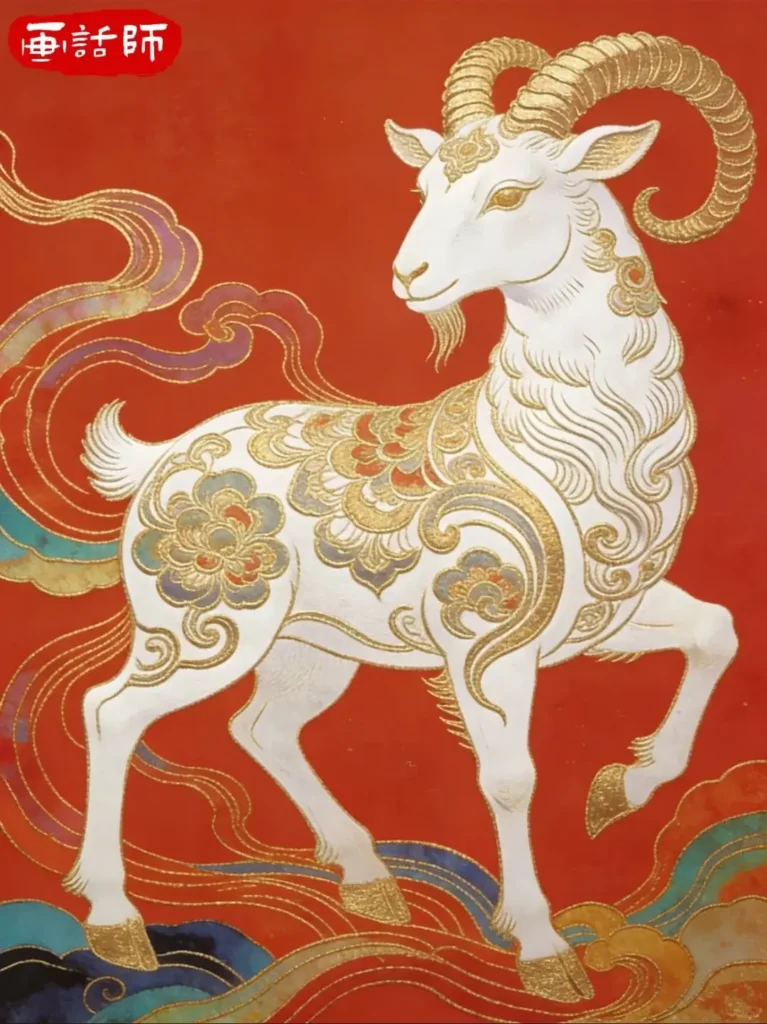
What Is the Chinese Zodiac Goat? Breaking Down the Basics for China Travelers
Before we dive into the thousands of years of history behind the Chinese Goat in the zodiac, let’s clear up the single most common question I get from foreign visitors: is it a Goat, Sheep, or Ram?
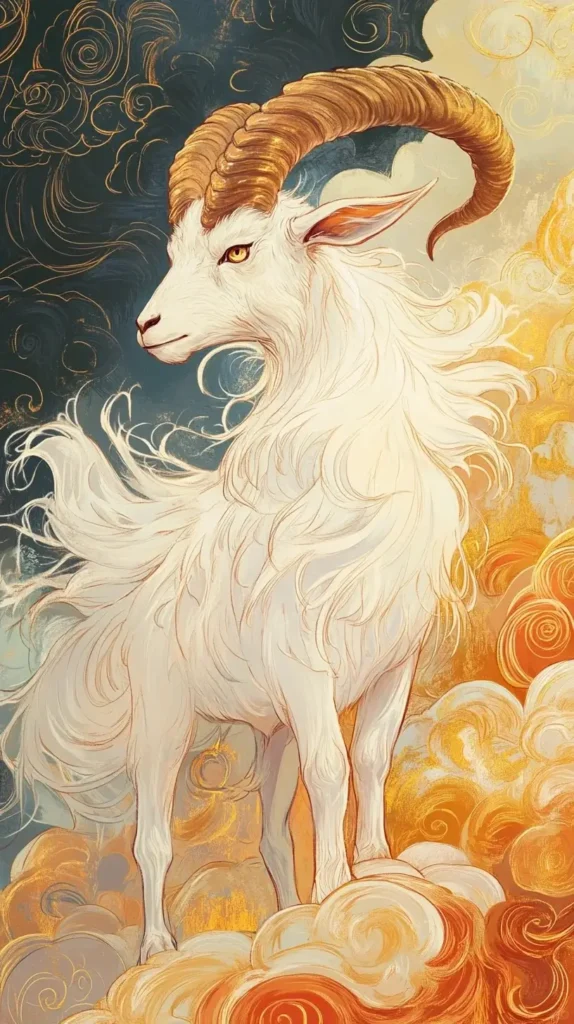
Unlike English, which has separate words for goats, sheep, and rams, the Chinese character 羊 (yáng) is an umbrella term that covers all three animals. This is why you’ll see the 8th zodiac sign translated differently across different sources – some use Goat, some use Sheep, and a few use Ram. For the purposes of this guide, and for most international cultural and travel resources, we use Chinese Zodiac Goat, as this is the most widely recognized translation in global SEO and travel content, and aligns with the most common depictions of the animal in ancient Chinese art and relics.
As the 8th sign in the Chinese Zodiac cycle, the Zodiac Goat is paired with the 8th earthly branch, 未 (wèi), which is why you’ll often hear Chinese people refer to it as the “Wei Goat” (未羊). It falls directly after the Year of Horse in the 12-year cycle, a transition that carries deep symbolic meaning in Chinese culture: the Horse represents relentless ambition, forward momentum, and tireless hard work, while the Goat invites us to slow down, embrace compassion, and find joy in the quiet, beautiful moments of life. This balance between action and rest, ambition and peace, is a core theme in Chinese philosophy, and the transition from Horse to Goat year embodies that perfectly.
The Chinese Zodiac Goat is also one of the “Six Domestic Animals” (六畜), the six animals that have been central to Chinese agricultural and nomadic life for millennia: horses, cattle, goats, chickens, dogs, and pigs. For thousands of years, goats provided ancient Chinese people with food, milk, fur for clothing, and even served as sacred offerings in religious and ancestral rituals – making it one of the most important animals in traditional Chinese life, and a natural fit for a coveted spot in the 12 zodiac signs.
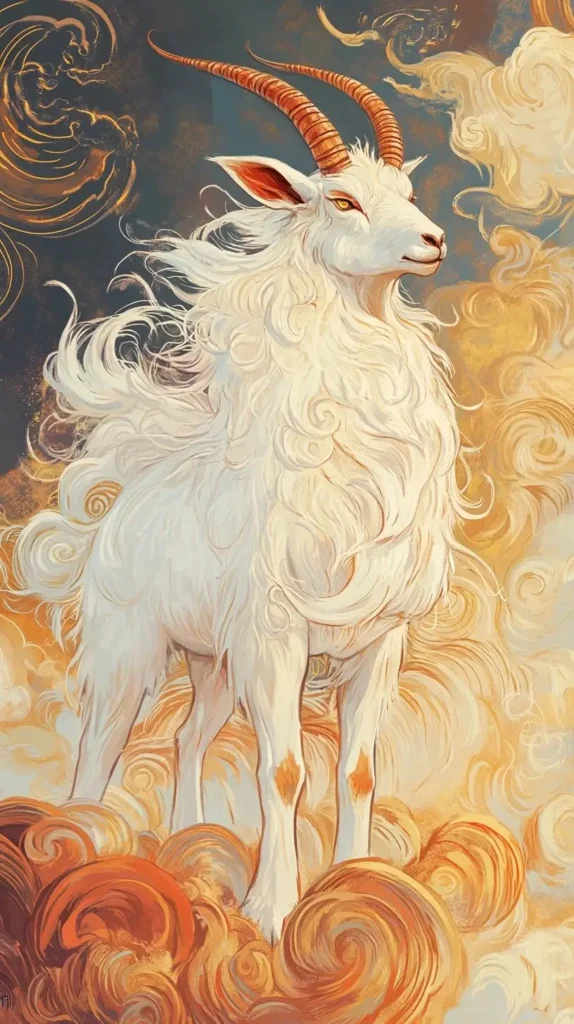
The Deep Historical Origins of the Chinese Zodiac and the Goat’s Place in It
To understand the Chinese Zodiac Goat, we have to go back over 2,200 years, to the earliest days of the Chinese zodiac system. Many foreign travelers assume the zodiac is a mythical folk tradition, but it is deeply rooted in verified historical records and archaeological discoveries that have shaped Chinese culture for millennia.
The earliest known written record of the full 12-animal zodiac cycle comes from a groundbreaking archaeological find: the Shuihudi Qin Bamboo Slips, unearthed in 1975 in Yunmeng County, Hubei Province. These slips, which date back to the Qin Dynasty (221–207 BCE), are the oldest surviving complete record of the Chinese zodiac, and they explicitly list the 8th animal in the cycle as the goat. This discovery proved that the Zodiac Goat has been a core part of the zodiac system for over 2,200 years, far earlier than many historians previously believed.
By the Eastern Han Dynasty (25–220 CE), the zodiac system, including the Goat’s place as the 8th sign, was fully standardized and widely accepted across China. The philosopher Wang Chong, in his iconic work Lunheng (Discourses Weighed in the Balance), wrote explicitly: “Wei, the goat also” – a line that cemented the Goat’s place in the zodiac in official historical records, and is still referenced by scholars today.
But the Goat’s significance in Chinese culture goes back even further than the Qin Dynasty. Oracle bone inscriptions from the Shang Dynasty (1600–1046 BCE) – the earliest known form of Chinese writing – feature the character 羊 (yáng) prominently, often in the context of religious rituals and sacrifices. In ancient China, goats were one of the most sacred offerings for ancestral worship and celestial rituals. The highest form of ancient Chinese sacrifice, the “Tai Lao” (太牢), required three animals: cattle, goats, and pigs, while the second-highest form, the “Shao Lao” (少牢), used goats and pigs. This meant that the goat was a critical bridge between the human world and the spiritual world, a symbol of respect for ancestors and the gods, and a marker of prosperity and piety.
This sacred status is also embedded in the Chinese language itself. The Chinese character for “auspicious” or “lucky” – 祥 (xiáng) – is made up of two parts: 示 (shì), which means “ritual” or “worship”, and 羊 (yáng), the character for goat. Literally, the word for “good fortune” in Chinese means “to offer a goat in worship”. This is one of the clearest examples of how deeply the Chinese Goat is tied to luck, prosperity, and sacred tradition in Chinese culture – a connection that has lasted for over 3,000 years.
The Legendary Origins of the Chinese Zodiac Goat: The Great Race and Beyond
While the historical origins of the Chinese Zodiac Goat are well-documented, the folk legends behind the zodiac are what capture the imagination of travelers visiting China, and are still told to children across the country today. The most famous of these legends is the Great Zodiac Race, a story that explains how the 12 animals earned their spots in the zodiac cycle.
The legend goes that the Jade Emperor, the supreme ruler of heaven in Chinese mythology, announced that he would hold a great race across a mighty river: the first 12 animals to reach the finish line on the other side would earn a permanent spot in the zodiac, with their order determined by their finish place. Animals from across the mortal world and heaven signed up, including the goat and its close friend, the horse.
The goat, while gentle and clever, was much smaller than many of the other animals, and knew it would struggle to cross the raging river alone. The horse, known for its loyalty and speed, offered to carry the goat on its back across the water. Together, they traveled side by side through forests, fields, and finally to the river’s edge. The horse swam steadily through the strong currents, keeping the goat safe and dry on its back, and they were the 6th and 7th animals to reach the opposite bank – until the goat spotted a lush orchard of fruit trees just off the path to the finish line.
The goat, ever curious and eager to share, stopped to pick sweet fruit for itself and the horse, wanting to thank its friend for the help across the river. In the few minutes they stopped, the snake slithered past them to take 6th place, and the horse crossed the finish line in 7th. The goat, not upset by the delay, finished right after the horse, earning 8th place in the zodiac. This legend perfectly captures the core traits of the Chinese Zodiac Goat that are still celebrated today: kindness, gratitude, generosity, and a willingness to pause and enjoy life’s small joys, even in the middle of a race.
But there is a second, lesser-known legend about the Chinese Goat that is even more beloved in Chinese culture – a story that casts the goat as a selfless hero, much like the Greek myth of Prometheus. The legend says that in the earliest days of human civilization, people lived only on wild vegetables and tree bark, and wore rough animal hides to stay warm. They had no grain to grow, no stable food source, and often went hungry for weeks at a time.
The goat, who lived in the heavenly gardens of the Jade Emperor, saw the suffering of humans on earth and was overcome with compassion. The heavenly gardens were filled with golden grain seeds, which the Jade Emperor kept only for the gods, forbidding any from being shared with mortals. But the goat could not bear to watch humans starve, so one night, it snuck into the heavenly fields, stole a handful of the golden grain seeds, and snuck down to earth to give them to humans. It also taught humans how to plant the seeds, tend to the crops, and harvest the grain to make food.
For the first time, humans had a stable food source, and no longer went hungry. They built villages, developed agriculture, and built a civilization, all thanks to the goat’s gift. When the Jade Emperor discovered what the goat had done, he was furious. He punished the goat by sentencing it to be killed and eaten by humans every year, as a sacrifice for its “crime”. But the humans, forever grateful for the goat’s sacrifice, fought to honor it: they campaigned the Jade Emperor to give the goat a spot in the zodiac, so that it would be remembered and celebrated for all time. The Jade Emperor, moved by the humans’ gratitude and the goat’s selfless heart, agreed, and gave the goat the 8th spot in the Chinese Zodiac.
This legend is why the Chinese Zodiac Goat is still seen as the most compassionate, generous, and selfless sign in the zodiac today. It is also why goat-themed motifs are so common in harvest festivals and Chinese festivals celebrating abundance and gratitude – a reminder of the goat’s gift to humanity.
The Chinese Goat in Ancient Chinese Culture and Classic Literature
Beyond myths and legends, the Chinese Zodiac Goat has been a central symbol in Chinese art, literature, and philosophy for thousands of years, appearing in some of the most iconic works of Chinese classic culture. For travelers visiting China, understanding these references will help you recognize and appreciate the Goat’s symbolism when you see it in temples, museums, and ancient sites across the country.
One of the earliest references to the goat in Chinese classic literature comes from the Book of Songs (诗经), the oldest collection of Chinese poetry, dating back to the 11th to 7th centuries BCE. The poem “Gao Yang” (羔羊) uses the soft, pure white fur of a goat to describe the virtue, integrity, and moral purity of a noble government official. For thousands of years, this poem has linked the goat to moral excellence, humility, and upright character in Chinese culture – a far cry from the negative stereotypes of goats in some Western cultures.
The goat also appears in the Analects of Confucius, the foundational text of Confucianism, which has shaped Chinese culture for over 2,000 years. In a famous passage, Confucius’s disciple Zigong says he wants to stop sacrificing a goat for the monthly imperial ritual, to save the animal’s life. Confucius replies: “You care for the goat; I care for the ritual.” This passage is not just about the goat itself – it is about the goat’s sacred role in Chinese ritual and tradition, and how the animal was a critical part of the social and moral order of ancient China. For travelers, this passage explains why you’ll see goat motifs in Confucian temples across China: it is a symbol of ritual, respect, and the moral foundation of Chinese society.
The most iconic and widely recognized Goat-themed symbol in Chinese culture – one you will see everywhere during Chinese festivals, especially Spring Festival – is the “Three Goats Bring Prosperity” (三羊开泰,sān yáng kāi tài) motif. This symbol, which features three goats standing together, often with the sun rising behind them, is the ultimate symbol of good luck, new beginnings, and prosperity in China.
The phrase comes from the I Ching (易经), the ancient Chinese book of philosophy and divination, which is one of the oldest texts in Chinese history. The I Ching’s Tai Gua (泰卦), or “Prosperity Hexagram”, is the most auspicious hexagram in the book, representing the arrival of spring, the rise of positive energy, and the end of hardship. The hexagram is described as “three yangs arise”, meaning three positive, masculine energy lines rise to bring prosperity. Because the Chinese word for “yang” (阳,positive energy) is pronounced exactly the same as the word for “goat” (羊,yáng), the phrase “three yangs arise” became “three goats bring prosperity” in folk culture.
Today, you’ll see this motif on everything from Spring Festival couplets and red envelopes, to paper cuttings, paintings, and even hotel lobbies and restaurant decor across China. For travelers, recognizing this symbol is a quick way to connect with local culture: if you compliment a local’s “three goats bring prosperity” decoration during Spring Festival, you’ll immediately show that you understand and respect Chinese culture, and you’ll be met with warmth and excitement.
You can also see the Goat’s ancient cultural significance in one of China’s most iconic national treasures: the Four-goat Square Zun (四羊方尊), a Shang Dynasty bronze ritual vessel dating back over 3,000 years. This vessel, which is widely considered one of the greatest masterpieces of ancient Chinese bronze art, features four exquisitely carved goat heads facing outwards from its four corners, each with intricate details and lifelike expressions. It was unearthed in Hunan Province in 1938, and is now on permanent display at the National Museum of China in Beijing. You can see this incredible relic in person at the National Museum of China <a href=”https://en.chnmuseum.cn/” rel=”dofollow”>National Museum of China Official Website</a>, a must-visit stop for any traveler wanting to dive deep into China’s 5,000 years of history. Every time I guide a group to see this zun, visitors are stunned by its beauty – and by the fact that the goat was such a revered symbol in China over 3,000 years ago.
Personality Traits of the Zodiac Goat: What Your Birth Year Says About You
For many foreign travelers, the most exciting part of learning about the Chinese Zodiac Goat is discovering what it means if you were born in the Year of the Goat. Unlike Western astrology, which focuses on sun signs and monthly cycles, the Chinese zodiac is based on 12-year lunar cycles, with each year ruled by one of the 12 animals.
First, let’s clarify the exact dates for the Year of the Goat, since the Chinese zodiac follows the lunar calendar, not the Gregorian calendar. This is a common point of confusion for foreign visitors: if you were born in January or early February, you may actually fall under the previous year’s zodiac sign (often the Year of Horse, which precedes the Goat year). Here are the recent and upcoming Year of the Goat dates, based on the Chinese Lunar New Year:
- 1931 (February 17, 1931 – February 5, 1932)
- 1943 (February 5, 1943 – January 24, 1944)
- 1955 (January 24, 1955 – February 11, 1956)
- 1967 (February 9, 1967 – January 29, 1968)
- 1979 (January 28, 1979 – February 15, 1980)
- 1991 (February 15, 1991 – February 3, 1992)
- 2003 (February 1, 2003 – January 21, 2004)
- 2015 (February 19, 2015 – February 7, 2016)
- 2027 (February 6, 2027 – January 25, 2028)
If you were born within these dates, you are a Zodiac Goat – and according to Chinese astrology, you share the core traits that have defined the Goat in Chinese culture for millennia.
Core Strengths of the Chinese Zodiac Goat
The Zodiac Goat is widely considered the kindest, most compassionate sign in the entire Chinese Zodiac. Goats are natural caregivers, with a deep sense of empathy for others, and a willingness to put the needs of their loved ones before their own – a trait that comes directly from the folk legend of the goat stealing grain for humanity.
Goats are also incredibly creative and artistic. They have a keen eye for beauty, a love of art, music, and nature, and a natural talent for creative expression. Many of China’s most famous artists, poets, and writers were born in the Year of the Goat, and this creative trait is one of the most defining features of the sign.
Other core strengths of the Zodiac Goat include:
- Gentle, calm, and peaceful demeanor, with a talent for de-escalating conflict
- Deep loyalty and devotion to friends and family
- Strong intuition and emotional intelligence
- A love of nature, travel, and quiet, meaningful experiences
- Generosity and a willingness to help others without expecting anything in return
Common Misconceptions About the Zodiac Goat
One of the most persistent myths about the Chinese Zodiac Goat is that it is a “weak” or “passive” sign, but this could not be further from the truth. While Goats are gentle and avoid conflict, they are also incredibly resilient, with a quiet inner strength that carries them through hardship. They are not passive – they simply choose kindness over aggression, and empathy over confrontation, which is a deeply valued trait in Chinese culture.
Experiencing the Chinese Zodiac Goat Culture When Traveling in China
One of the best parts of learning about the Chinese Zodiac Goat is getting to experience its culture firsthand when you travel in China. As a travel blogger who has spent years exploring the hidden cultural gems of this country, I’ve put together the best ways to connect with Goat-themed culture on your trip, whether you’re visiting during Chinese festivals or exploring off-season.
1. Visit the National Museum of China to See the Four-goat Square Zun
As we mentioned earlier, the Four-goat Square Zun is the most iconic Goat-themed relic in China, and seeing it in person is an unforgettable experience. The National Museum of China in Beijing is free to enter (with advance booking), and the bronze gallery, where the zun is displayed, is one of the most popular exhibits for foreign visitors. While you’re there, you’ll also find dozens of other Goat-themed relics, from Han Dynasty jade carvings to Tang Dynasty pottery figures, all showcasing the Goat’s place in Chinese culture.
2. Experience Spring Festival Temple Fairs for Goat-Themed Folk Art
If you’re visiting China during Spring Festival (Chinese New Year), you’ll see the Chinese Zodiac Goat everywhere – especially at temple fairs across the country. Temple fairs in Beijing’s Ditan Park, Shanghai’s Yuyuan Garden, and Chengdu’s Wuhou Shrine are filled with folk artists selling handcrafted Goat-themed paper cuttings, shadow puppets, New Year paintings, and clay figurines. Many of these artists will even make a custom Chinese Zodiac Goat paper cutting for you on the spot, a perfect souvenir to take home. To learn more about how the Chinese Zodiac is celebrated during the biggest holiday of the year, read our guide to Chinese New Year traditions for foreign visitors <a href=”/chinese-new-year-traditions-for-foreign-visitors”>here</a>.
3. Explore Ancient Villages and Temples for Goat-Themed Carvings
Across China, ancient villages, temples, and traditional gardens are filled with hidden Goat-themed carvings and motifs. In Suzhou’s iconic classical gardens, like the Humble Administrator’s Garden and the Lingering Garden, you’ll find intricate wood and stone carvings of the “Three Goats Bring Prosperity” motif on window frames, doorways, and pavilion pillars. In the ancient water towns of Zhouzhuang and Wuzhen, many of the old Ming and Qing Dynasty houses have Goat-themed brick carvings above their doorways, meant to bring good luck and prosperity to the home.
4. Try Goat-Themed Culinary Traditions Across China
As one of the six domestic animals, goats have been a core part of Chinese cuisine for thousands of years, and different regions across China have their own iconic goat dishes. In Inner Mongolia, you can try hand-pulled lamb (goat) hot pot, a staple of nomadic culture, while in Xi’an, you’ll find yangrou paomo, a hearty goat meat soup with flatbread that has been a local favorite for over 1,000 years. In Guangzhou, you can try slow-cooked goat meat soup, a beloved winter dish believed to bring warmth and good health. Trying these dishes is not just a culinary experience – it’s a way to connect with the thousands of years of agricultural and nomadic tradition that make the Chinese Goat such a central part of Chinese culture.
FAQ :
1. Is the Chinese Zodiac sign a Goat, Sheep, or Ram?
This is the most commonly searched question about the 8th zodiac sign, and the answer is simple: all three are technically correct, but Chinese Zodiac Goat is the most widely accepted translation globally. The Chinese character 羊 (yáng) is an umbrella term that covers goats, sheep, and rams, with no separate words for each animal in ancient Chinese. Historical relics, like the Four-goat Square Zun, depict goats more often than sheep, which is why Goat is the preferred translation for most travel and cultural resources. That said, if you see it translated as Sheep or Ram, the cultural meaning and history are exactly the same – it is simply a different translation of the same Chinese character.
2. What are the lucky numbers, colors, and elements for the Chinese Zodiac Goat?
According to Chinese astrology and the Five Elements (Wu Xing) system, the Zodiac Goat is associated with the Earth element, which represents stability, nurturing, and abundance.
- Lucky Numbers: 2 and 7 (and combinations like 27, 72) are the most auspicious numbers for Goats, while 4 and 9 should be avoided.
- Lucky Colors: Red, pink, and purple are the luckiest colors for Goats, as they represent joy, prosperity, and positive energy. Green, which represents nature and growth, is also auspicious. Black and dark blue should be avoided.
- Lucky Directions: South and East are the most auspicious directions for Goats, while North should be avoided for major life decisions.
3. Is it bad luck to be born in the Year of the Goat in China?
This is one of the most persistent myths about the Chinese Zodiac Goat, and the short answer is: no, this is an outdated, widely debunked superstition that the vast majority of modern Chinese people do not believe. The myth originated in the late Qing Dynasty, when a small group of folk scholars spread the rumor that people born in the Year of the Goat had “unlucky fates”, as a way to criticize Empress Dowager Cixi, who was born in the Year of the Goat.
Today, this myth is widely dismissed, and the Zodiac Goat is seen as a sign of good fortune, kindness, and creativity. In fact, many of the world’s most successful and influential people were born in the Year of the Goat, including Steve Jobs, Bill Gates, Julia Roberts, and Zhang Yimou, one of China’s most famous film directors. If you are born in the Year of the Goat, you are in excellent company, and there is no bad luck associated with your sign in modern Chinese culture.
4. How do I calculate my Chinese Zodiac sign if I was born in January or February?
This is another extremely common question from foreign visitors, and the key thing to remember is that the Chinese Zodiac follows the lunar calendar, not the Gregorian calendar. The zodiac year changes on the Chinese Lunar New Year, which falls between January 21 and February 20 every year, not on January 1.
For example, the 2015 Year of the Goat began on February 19, 2015. If you were born between January 1 and February 18, 2015, you are actually born in the Year of Horse, not the Year of the Goat. To calculate your sign accurately, you simply need to check the date of the Chinese Lunar New Year for the year you were born, and see if your birthday falls before or after that date.
Closing Blessing for Your China Travels & Cultural Journey
As you prepare for your journey to China, I hope this guide has given you a newfound appreciation for the Chinese Zodiac Goat – a symbol that is so much more than just an animal on a souvenir keychain. It is a window into 3,000 years of Chinese history, a reflection of the values that have shaped Chinese culture for millennia: compassion, generosity, harmony, and the pursuit of a peaceful, fulfilling life.
Whether you’re wandering through a Spring Festival temple fair and spotting a “Three Goats Bring Prosperity” paper cutting, standing in awe of the 3,000-year-old Four-goat Square Zun in the National Museum, or simply chatting with a local vendor who asks about your Chinese Zodiac sign, I hope you’ll carry this knowledge with you, and feel a deeper connection to the people, history, and culture of this incredible country.
May your travels in China be filled with wonder, joy, and endless opportunities to explore the rich tapestry of Chinese history and culture. May you find the same kindness and warmth that the Chinese Goat has symbolized for centuries, and may every step of your journey be blessed with good fortune, just as the “Three Yang Kai Tai” motif promises. May you leave China not just with photos and souvenirs, but with a deeper understanding of the stories, traditions, and values that make this nation so unique. We can’t wait to welcome you to China, and help you uncover the countless hidden gems that await you.