Chinese Kung Fu
Hey there, fellow explorers! 👋 Whenever I show my international friends around China, there’s one question that always pops up: “Where can I see real Chinese Kung Fu?” If you grew up mesmerized by kong fu panda animations or spent your weekends binge-watching old martial arts flicks, stepping into the actual birthplaces of these legendary disciplines is an absolute must-do. But forget the movie sets—today, I’m taking you on a deep dive into the three most iconic regions where authentic Chinese Kung Fu was born and still breathes today. Grab your comfortable shoes, because we are going on a serious cultural adventure! 🥋✨
1. The Cradle of Zen: Dengfeng (Shaolin Temple) ⛰️
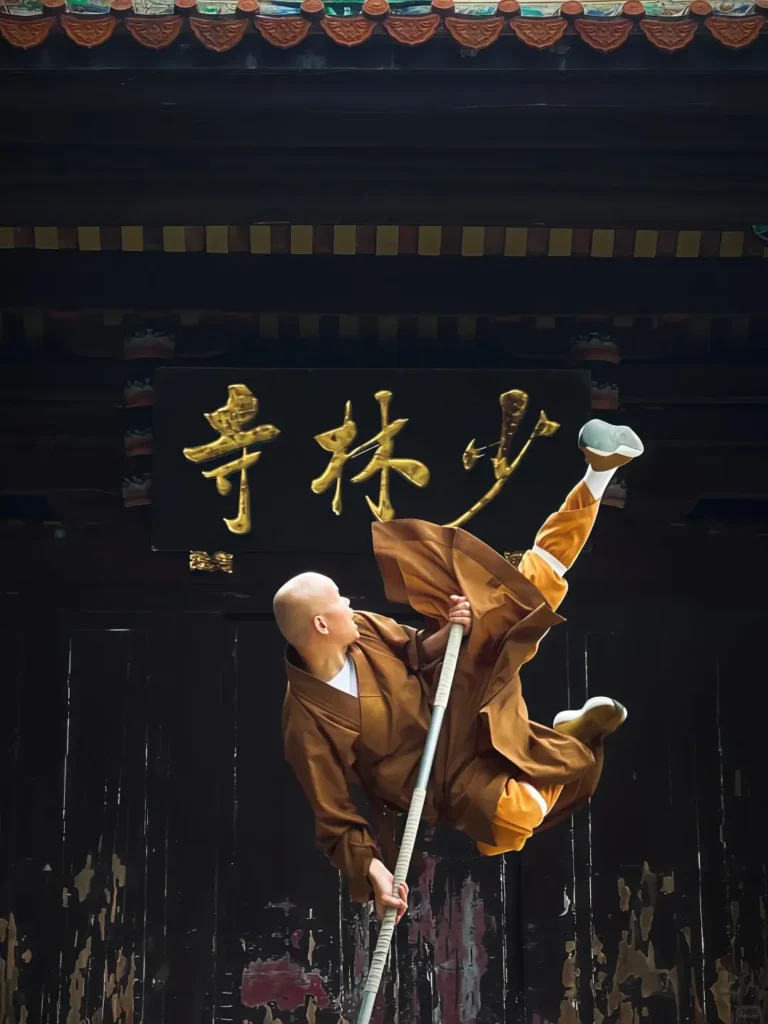
When you hear the word kong fu, your brain probably instantly pictures men in orange robes performing gravity-defying flips. Welcome to Dengfeng city in Henan Province, home to the legendary Shaolin Temple.
- The Origin & History: Built during the Northern Wei Dynasty (495 AD), Shaolin is the undisputed grandfather of Chinese martial arts. The story goes that an Indian monk named Bodhidharma arrived here and introduced Zen Buddhism. Finding the monks physically weak from constant meditation, he developed a series of exercises imitating animals—which eventually evolved into Shaolin Kung Fu.
- The Vibe: It’s raw, powerful, and deeply spiritual. Walking through the ancient Pagoda Forest, you can literally feel the weight of centuries of history. The focus here is on external strength, explosive power, and the conditioning of the body to become as hard as iron.
2. The Cloud-Kissed Peaks: Wudang Mountains ☁️
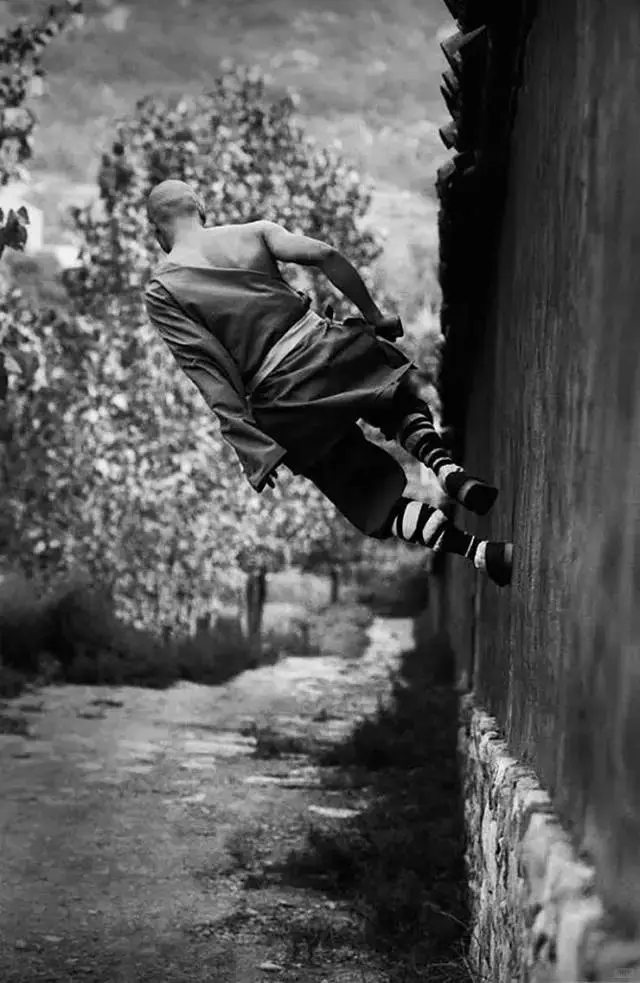
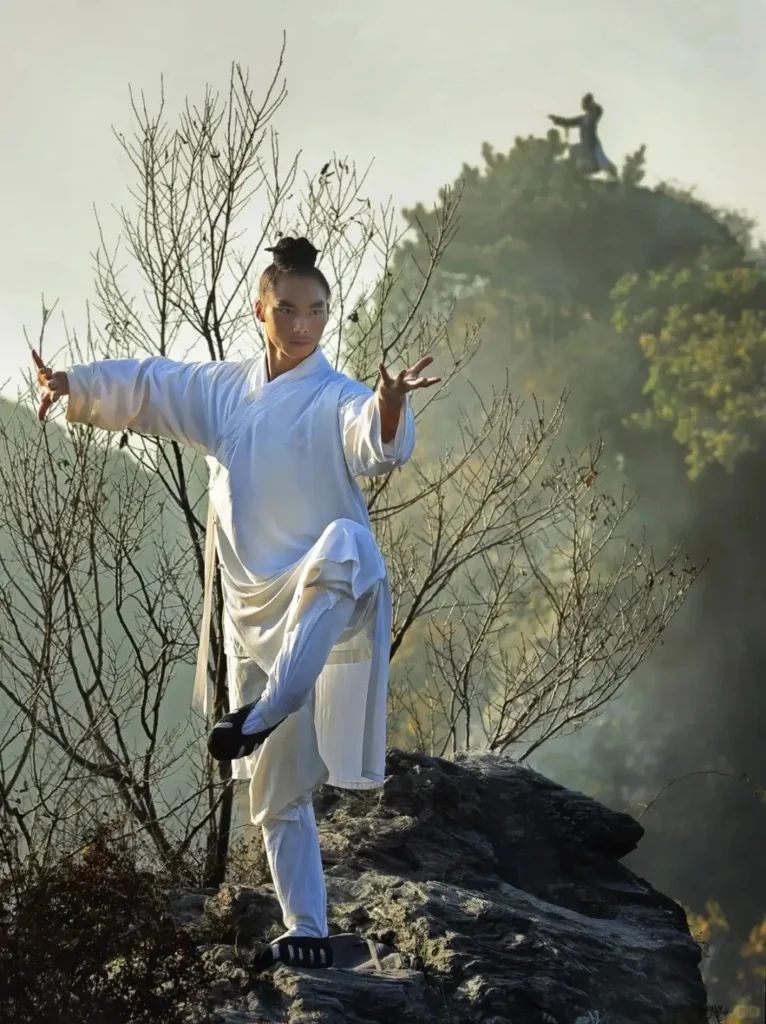
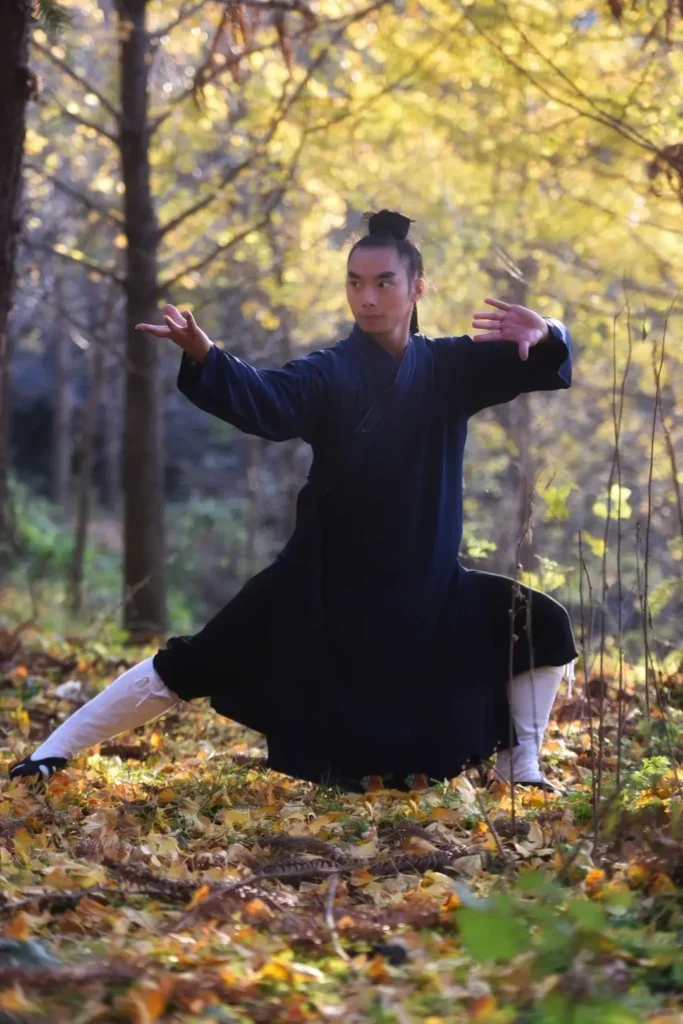
If Shaolin is fierce and unyielding, Wudang is water—fluid, calm, yet capable of carving through stone. Located in Shiyan, Hubei Province, the Wudang Mountains are a UNESCO World Heritage site and the spiritual heart of Taoism.
- The Origin & History: Legend has it that during the Ming Dynasty, a legendary Taoist priest named Zhang Sanfeng witnessed a fight between a snake and a bird. Inspired by the snake’s flowing, evasive movements, he created Tai Chi (Taijiquan).
- The Vibe: Expect misty mountains, ancient Taoist temples clinging to cliff edges, and a profound sense of peace. Wudang focuses on internal energy, known as Qi, utilizing the philosophical concepts of Yin and Yang. It’s not about brute force; it’s about using your opponent’s energy against them.
3. The Southern Powerhouse: Foshan 🏙️
Heading down south to Guangdong Province, we hit Foshan. If you are a massive fan of hong kong fu movies, this city is basically your holy land!
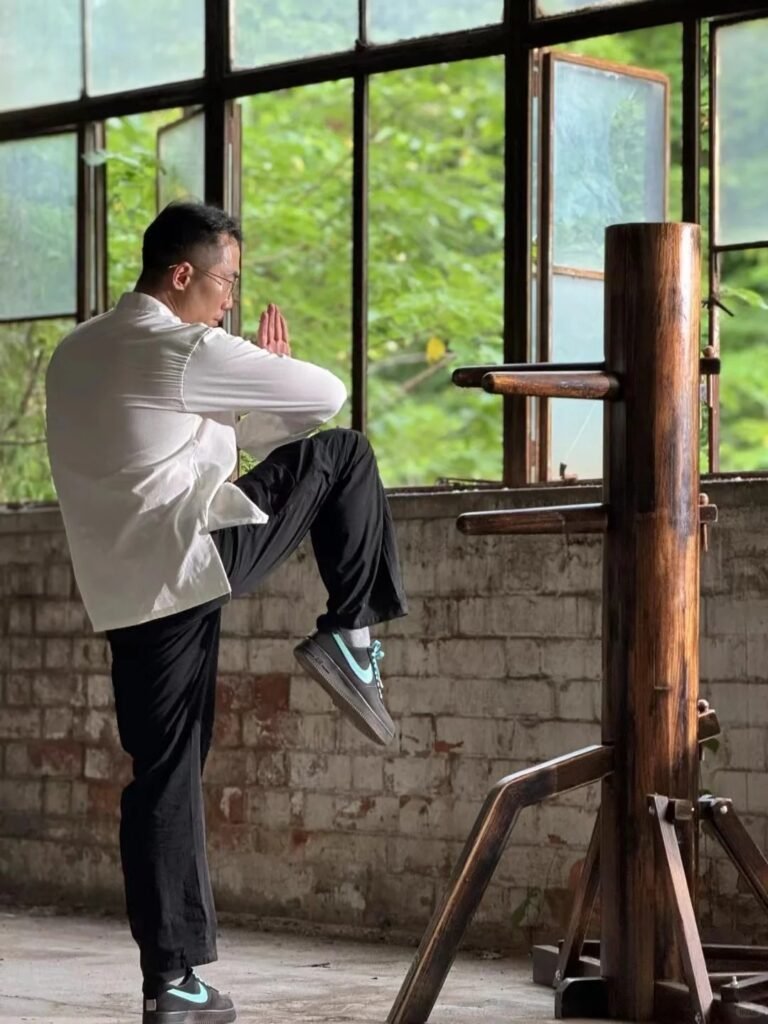
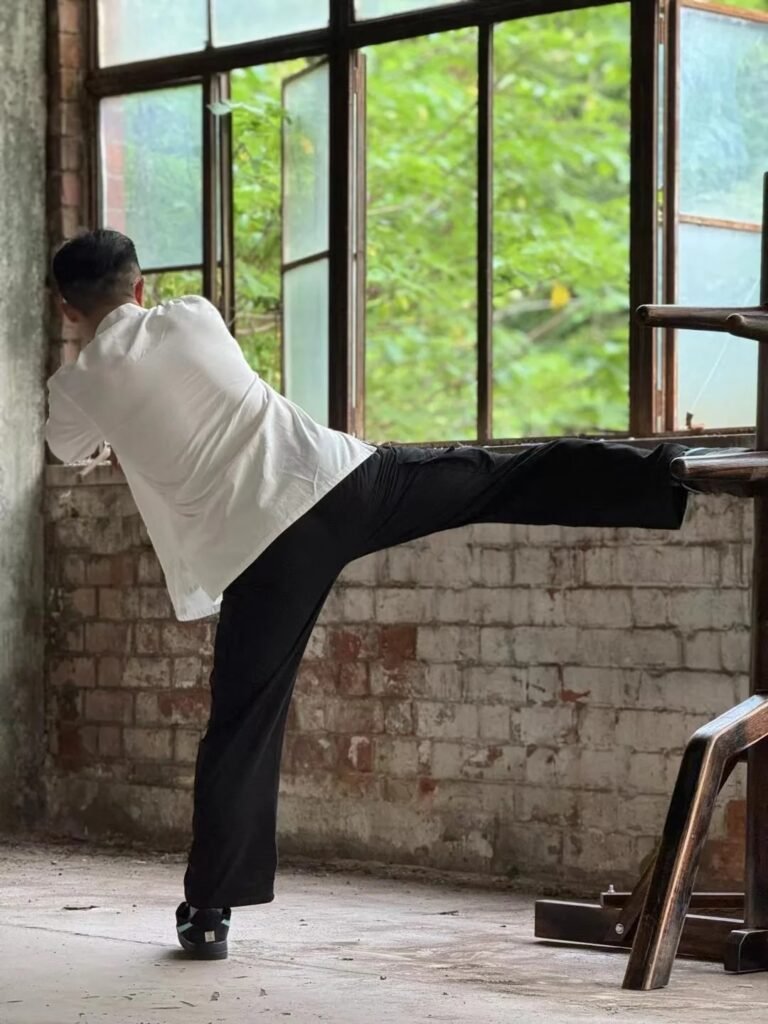
- The Origin & History: Flourishing during the late Qing Dynasty, Foshan became a bustling trading hub and the undisputed capital of Southern martial arts. This is the hometown of iconic historical heroes like Wong Fei-hung (master of Hung Gar) and the legendary Ip Man (the grandmaster of Wing Chun and teacher of Bruce Lee).
- The Vibe: Unlike the mountain retreats of the north, Foshan is an urban, dynamic city. The martial arts here—especially Wing Chun—were designed for close-quarters street combat and self-defense in crowded alleys. You’ll see practitioners focusing on lightning-fast hand strikes and practical efficiency.
🛑 Pro Tips: Learning Kung Fu in China (Avoid These Pitfalls!)
Thinking about staying a few weeks to train? Awesome! But keep these insider tips in mind:
- Beware the “Tourist Traps”: Not every school near Shaolin is authentic. Many are commercialized gymnasiums. Look for smaller, traditional academies where the masters actually live on-site.
- Respect the Master (Shifu): Chinese martial arts are deeply rooted in respect. Always bow, follow instructions without ego, and remember that you are learning a culture, not just a fighting style.
- Physical Prep: Traditional training is gruelling. Expect to spend days just holding a horse stance (Zhan Zhuang) before you ever learn a punch!
🌍 Your Martial Arts Travel Questions Answered
Q1: Where is the best place to learn Chinese Kung Fu for beginners?
For absolute beginners, the academies around the Wudang Mountains often offer highly accessible short-term programs focused on Tai Chi and health preservation. It’s less tough on the joints compared to Shaolin acrobatics, making it a great cultural introduction.
Q2: Can foreigners actually study at the Shaolin Temple?
Yes, but usually not inside the main tourist temple itself. There are authorized traditional schools situated in the surrounding mountains of Dengfeng that accept international students for anywhere from a week to several years!
Q3: What is the main difference between Shaolin and Wudang martial arts?
A famous Chinese proverb says it best: “In the North, respect Shaolin; in the South, revere Wudang.” Shaolin is an “external” style rooted in Buddhism, focusing on muscular strength, jumping, and striking. Wudang is an “internal” style rooted in Taoism, focusing on breath control, soft movements, and inner energy.
Q4: Is Foshan worth visiting for martial arts fans?
Absolutely 100%! Even if you don’t plan to train, visiting the Foshan Ancestral Temple (Zumiao) is incredible. You can watch daily lion dance performances and visit the dedicated museums for Wong Fei-hung and Ip Man, deeply immersing yourself in the classic wuxia culture.