Chinese Food Guide
Are you planning your first trip to the Middle Kingdom? While the Great Wall and the Terracotta Army are breathtaking, most travelers find themselves falling in love with something else entirely: the food! This Chinese Food Guide will take you through five iconic regions where history and flavor collide.
If you’re looking for a China Travel Guide that focuses on the soul of the country, you have to start with the plate. Chinese cuisine is more than just a meal; it’s a cultural inheritance passed down through dynasties. Let’s dive into the most Chinese delicious food locations you can’t miss! 🍜✨
1. Beijing: The Royal Flavors of the North
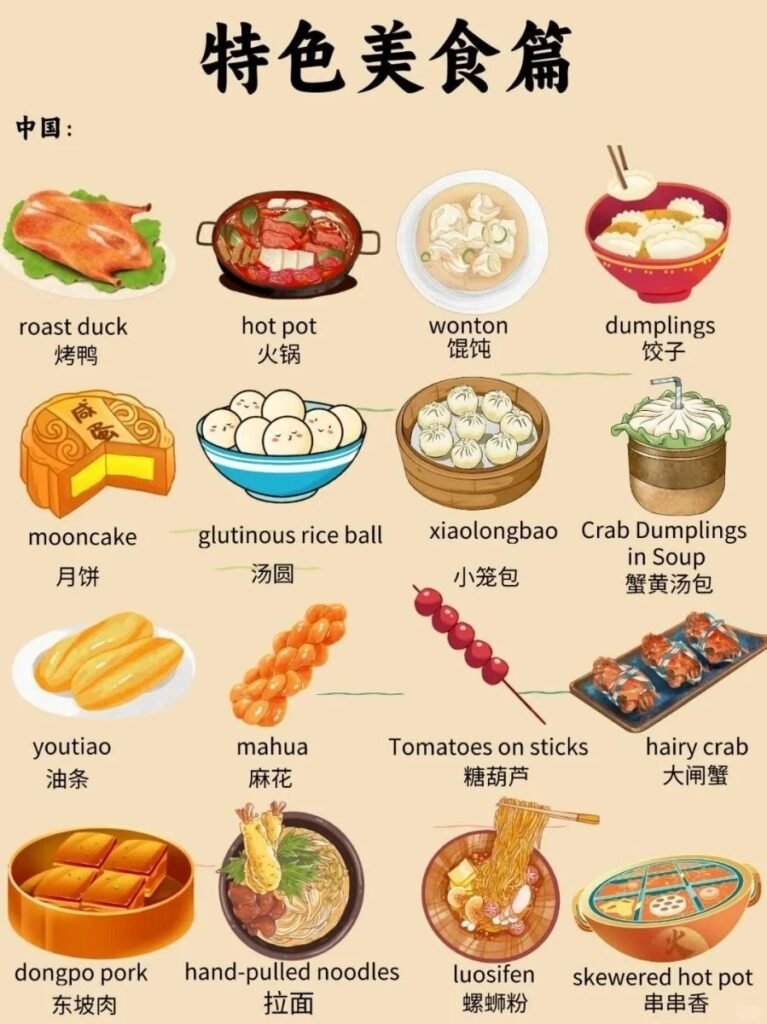
In the capital city of Beijing, the food is as grand as the Forbidden City. The most iconic dish is Peking Roast Duck, a staple since the Yuan Dynasty.
- The Vibe: Crispy skin, tender meat, and the ritual of wrapping it in thin pancakes with sweet bean sauce.
- Must-Visit: After exploring the Temple of Heaven, head to the narrow Hutongs to try Tomatoes on Sticks (Tanghulu), a sweet childhood memory for every local.
As you move to the Yangtze River Delta, the flavors turn delicate and sweet. Shanghai is the heart of this region, famous for its precision.
2. Shanghai & Jiangnan: Sweet Sophistication
- The Dish: Xiaolongbao (Soup Dumplings). These are a work of art with thin skins and a burst of rich broth inside.
- The History: Enjoy these near the Yu Garden, a stunning example of Ming Dynasty architecture. The region is also famous for Dongpo Pork, named after the famous Song Dynasty poet Su Dongpo.

3. Sichuan: A Spicy Adventure in Chengdu
If you like heat, Sichuan province is your paradise. Located in the southwest “Red Basin,” the humid climate led locals to use heavy spices like the Sichuan Peppercorn.
- The Experience: You haven’t lived until you’ve had Hot Pot in Chengdu. It’s a lively gathering where you cook fresh ingredients in a boiling, spicy broth.
- Geography: This region is the gateway to the Tibetan Plateau. After seeing the Giant Pandas, cool your tongue with some Hand-pulled Noodles.
4. Guangdong: The Art of Dim Sum
In the south, Guangzhou (formerly Canton) offers a world-renowned tea culture. Cantonese food emphasizes the freshness of ingredients.
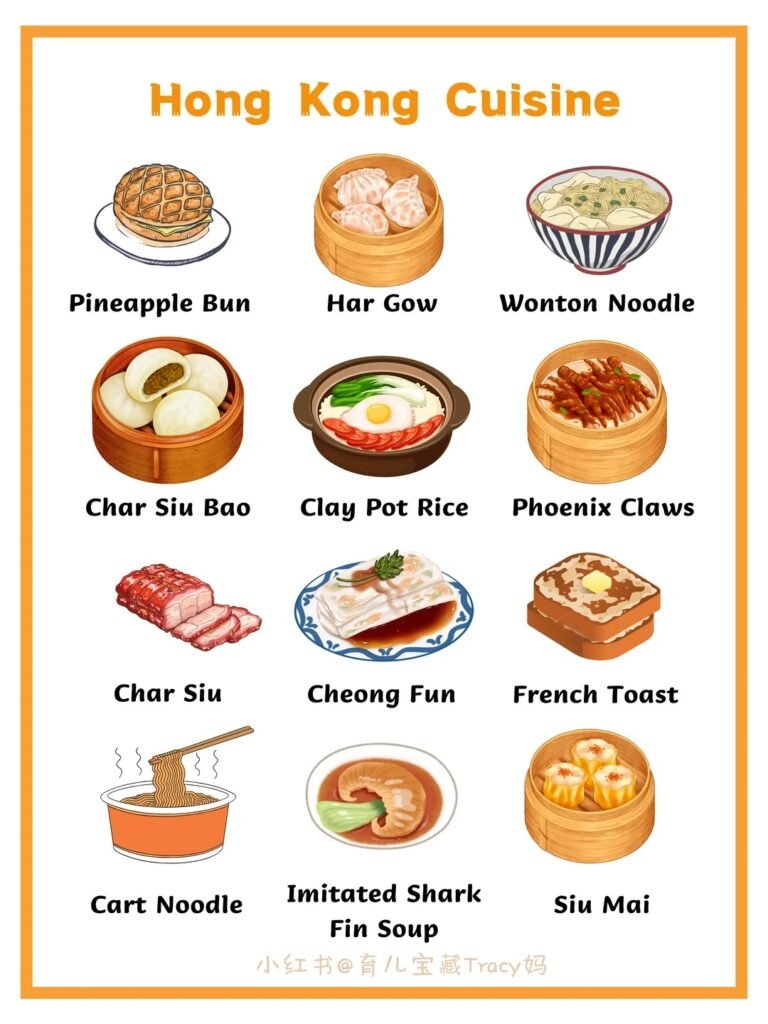
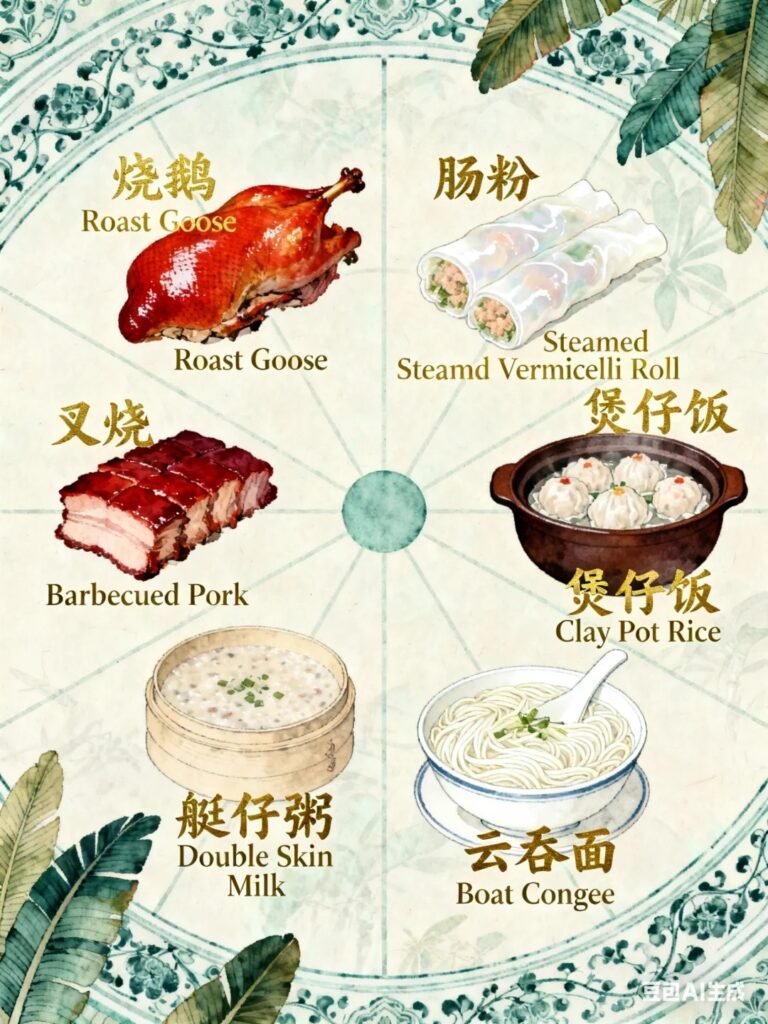
- The Ritual: “Yum Cha” (drinking tea) accompanied by Dim Sum. From Crab Dumplings to Glutinous Rice Balls, the variety is endless.
- Historical Note: This area was a key starting point for the Maritime Silk Road, making its cuisine one of the first to be exported globally.
5. Guangxi: The Scenic Flavors of Guilin
Tucked away among the world-famous karst mountains and the Li River, Guangxi offers a unique, earthy palate.
- The Speciality: Luosifen (River Snail Rice Noodles). It’s famous for its unique “stinky” smell from pickled bamboo shoots, but the taste is incredibly addictive and “Q-bouncy.”
- Travel Tip: Take a bamboo raft through Yangshuo and enjoy Skewered Hot Pot by the riverside for the ultimate local experience.
🧐 Frequently Asked Questions for Travelers
Which city has the best street food in China?
While every city has its charms, Xi’an is often considered the street food capital. As the starting point of the Silk Road and the capital for the Tang Dynasty, the Muslim Quarter offers a unique blend of Middle Eastern and Chinese flavors, like the “Chinese Hamburger” (Roujiamo).
What is the best time of year to visit China for food festivals?
Autumn is peak season for foodies! During the Mid-Autumn Festival, you can try various types of Mooncakes across the country. It is also the best time for Hairy Crab in the Jiangnan region, particularly around Yangcheng Lake near Suzhou.
How do I find authentic restaurants without knowing Chinese?
Look for the crowds! Specifically, look for places where elderly locals are queuing. You can also use apps like Dianping (the Chinese Yelp) or simply point to the Chinese cuisine pictures on the menu. Most high-end restaurants in major cities like Shanghai or Shenzhen provide English menus.
Are there vegetarian options available in traditional Chinese food?
Absolutely! China has a long history of “Buddhist Cuisine” dating back centuries. Most vegetable dishes are stir-fried fresh. Look for Tofu dishes, which originated during the Han Dynasty, or “Temple food” near famous religious sites like the Lama Temple in Beijing.