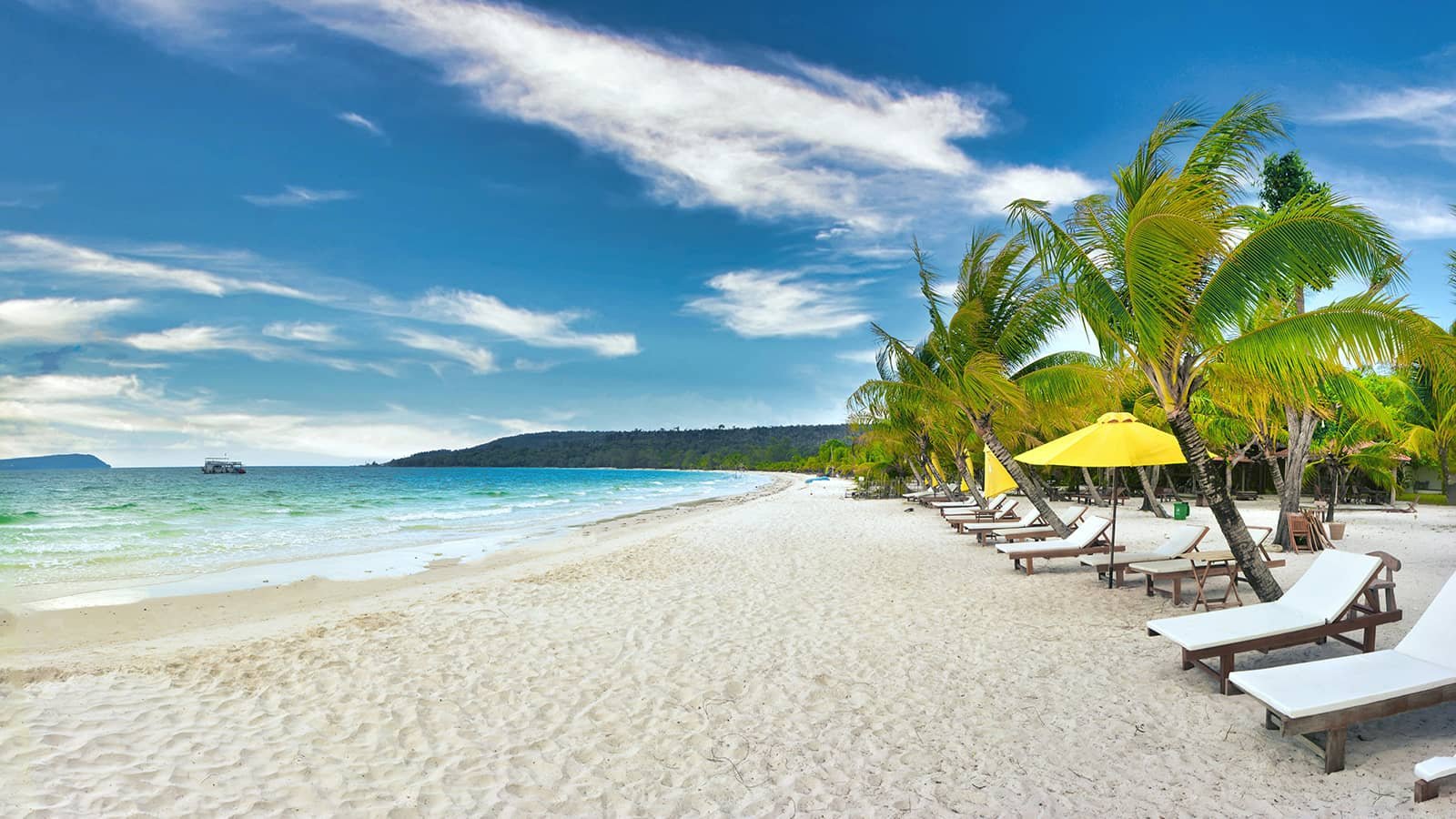
Chinese Ethnic Culture
Hey wanderlusts! 🌍 If you thought China was just about ultra-modern skyscrapers and bustling megacities, you are in for a mind-blowing surprise. Whenever my foreign friends visit, the number one thing that leaves them absolutely speechless is the sheer diversity of the people here. Taking a Chinese ethnic culture tour is like traveling through dozens of different countries all wrapped into one massive, beautiful nation!
China is officially home to 56 distinct ethnic groups, each with its own breathtaking clothing, ancient history, jaw-dropping geography, and mouth-watering food. Today, I am taking you on a deep dive into five of the most prominent and culturally rich groups you absolutely must explore. Grab your backpack, and let’s get started! 👇
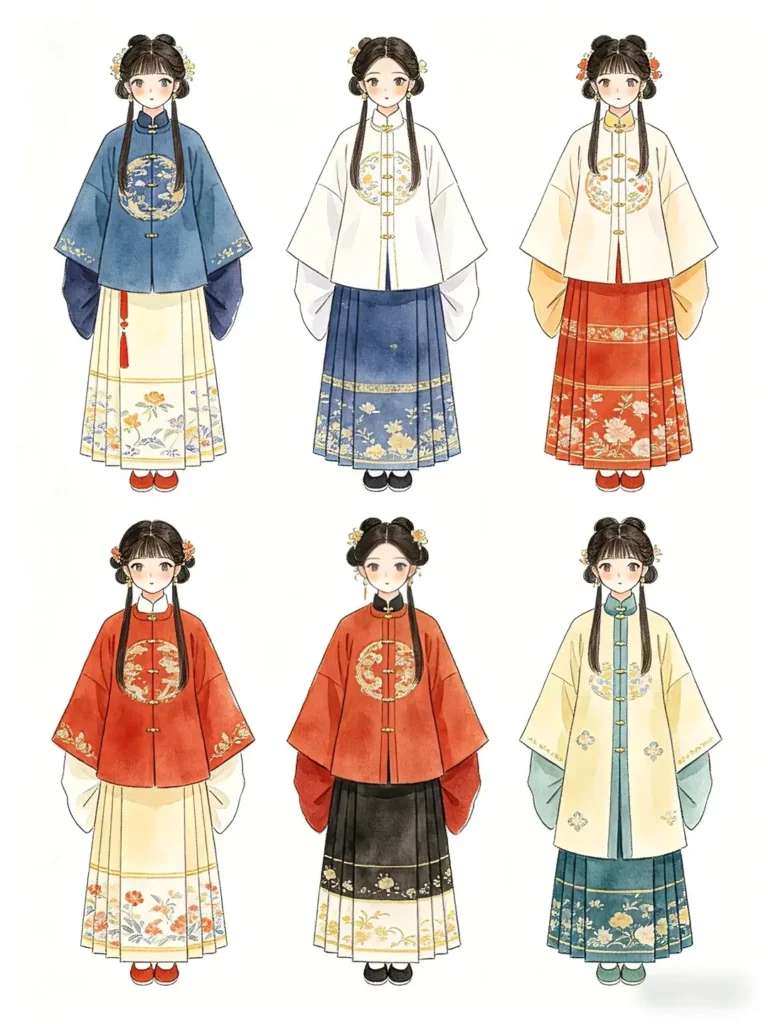
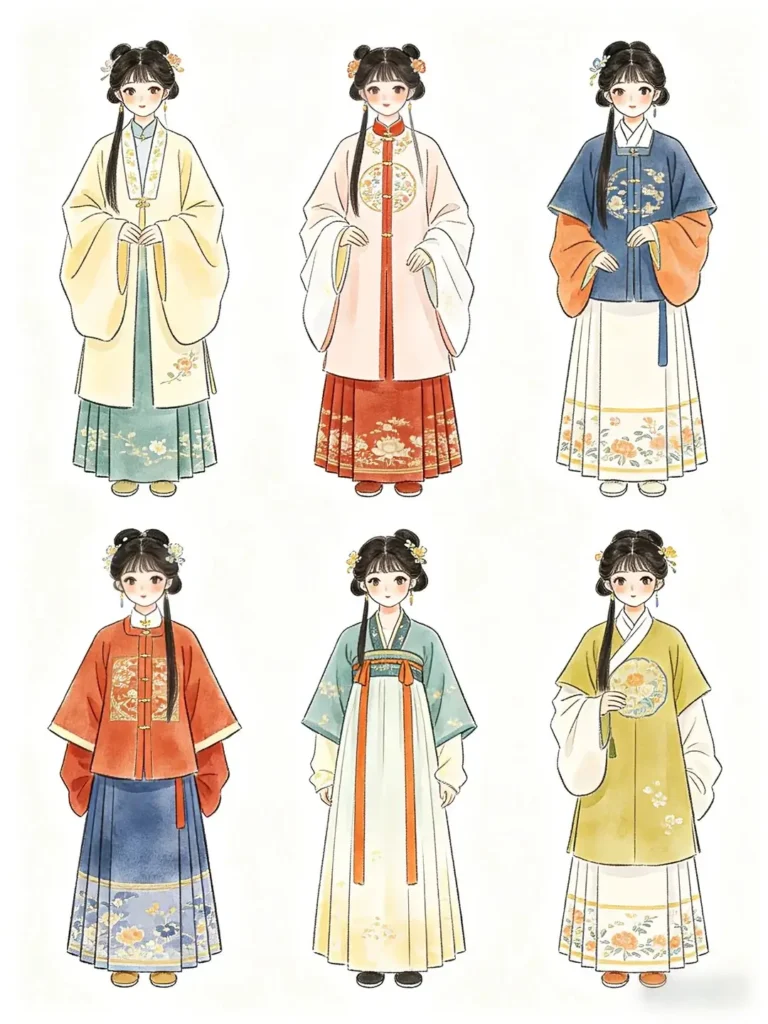
1. The Han Ethnicity: The Cultural Foundation of the Orient 🐉
When we talk about traditional Chinese history—from the Great Wall to the Silk Road—we are largely talking about the legacy of the Han ethnicity. Making up the vast majority of the population, their history is the bedrock of Chinese civilization, originating thousands of years ago in the fertile Yellow River basin.
- Geographic Vibe: The Han people are spread everywhere, but to truly feel their ancient pulse, you have to visit the central plains and historical capitals.
- Must-Visit Tourist Spot: The Forbidden City in Beijing & The Terracotta Army in Xi’an. Walking through the colossal red gates of the Forbidden City, you can practically hear the echoes of ancient emperors. The intricate wooden architecture, golden roofs, and endless courtyards are a masterclass in Han dynasty aesthetics. Meanwhile, standing face-to-face with the life-sized Terracotta Warriors in Xi’an will give you goosebumps. It’s a historical marvel you cannot miss on your Chinese ethnic culture tour!
2. The Zhuang Nationality: Masters of the Mountain Terraces 🌾
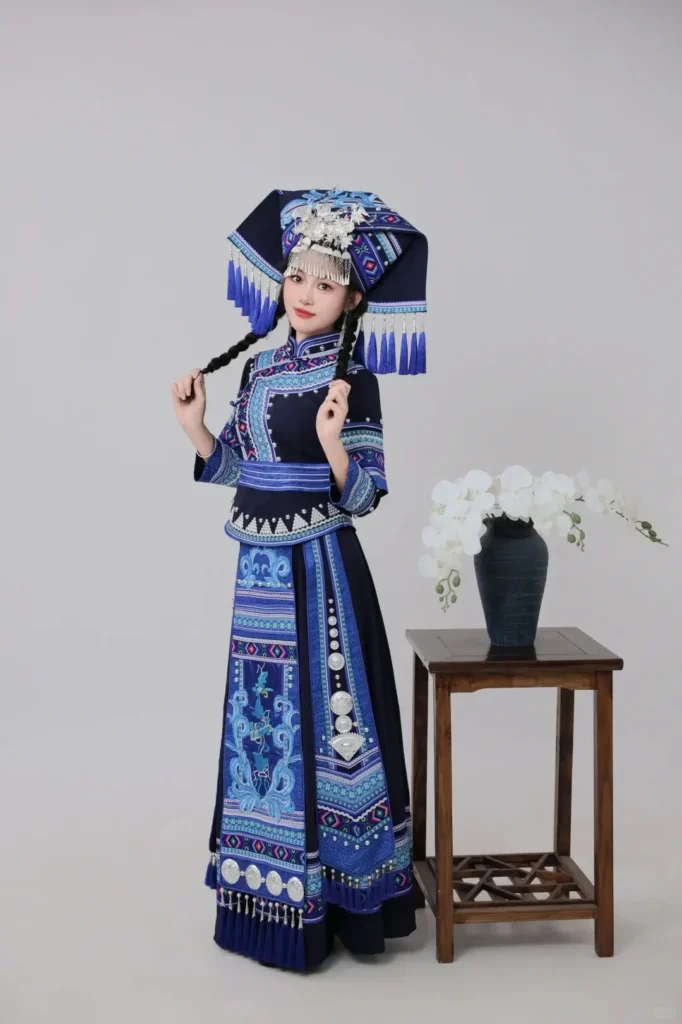
Next up, we head to the lush, mountainous south to meet the largest minority group in China: the Zhuang nationality. If you love nature and vibrant folk music, this is your paradise. The Zhuang people have a profound connection with water and agriculture, known historically for their incredible bronze drums and the spectacular San Yuesan festival (a massive singing festival!).
- Geographic Vibe: Mostly concentrated in the stunning Guangxi Zhuang Autonomous Region—think karst mountains and winding emerald rivers.
- Must-Visit Tourist Spot: The Longji Rice Terraces (Dragon’s Backbone) in Guilin. Imagine hiking up a misty mountain where the entire slope is carved into magnificent, shimmering ribbons of flooded rice paddies. In the local Zhuang villages scattered across the mountain, you can stay in traditional wooden stilt houses, drink homemade rice wine, and watch the locals weave stunning brocades. It is absolute peace.
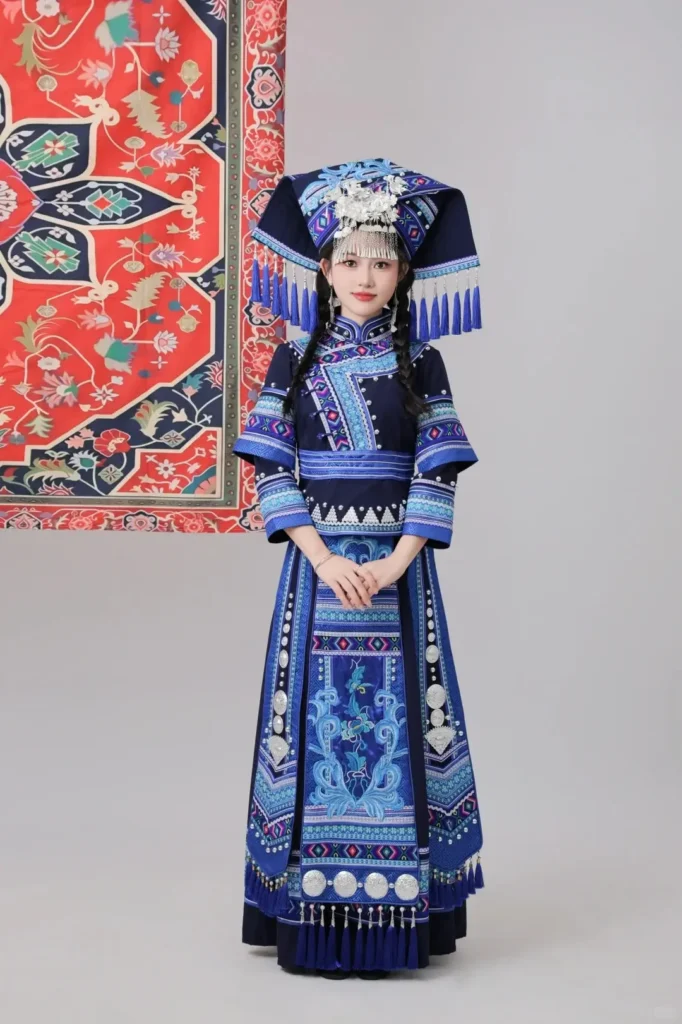
3. The Hui Nationality: A Culinary and Architectural Blend 🕌
If you are a massive foodie, you are going to fall head over heels for the Hui nationality. Historically descended from Arab and Persian merchants who traveled the Silk Road and married local Chinese, the Hui people have created a fascinating fusion of Islamic traditions and Chinese culture.
- Geographic Vibe: Widely dispersed, but they have a massive presence in the Ningxia Hui Autonomous Region and northwestern China.
- Must-Visit Tourist Spot: The Muslim Quarter in Xi’an. This place is an absolute sensory overload in the best way possible! As you walk down the neon-lit, bustling alleys, the air is thick with the scent of cumin and roasting meat. You absolutely must try the Roujiamo (Chinese hamburger) and Yangrou Paomo (a rich mutton soup where you tear flatbread into the broth). Right in the middle of this foodie heaven sits the Great Mosque of Xi’an—an architectural wonder that looks exactly like a traditional Chinese temple but is actually a centuries-old Islamic place of worship.


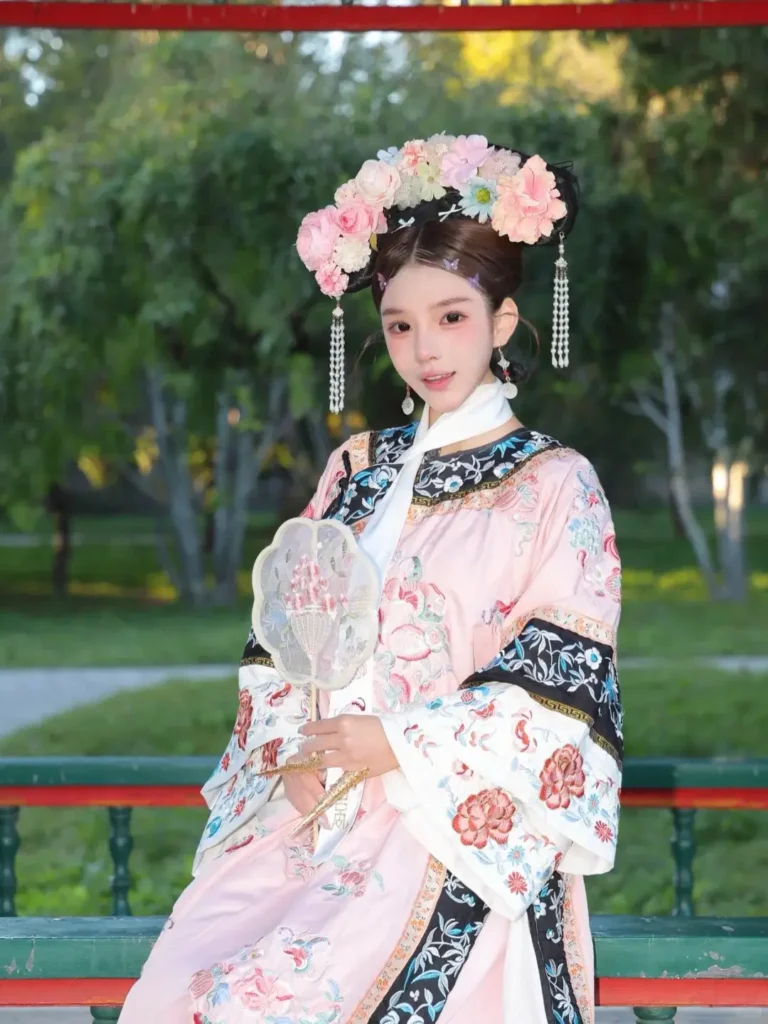
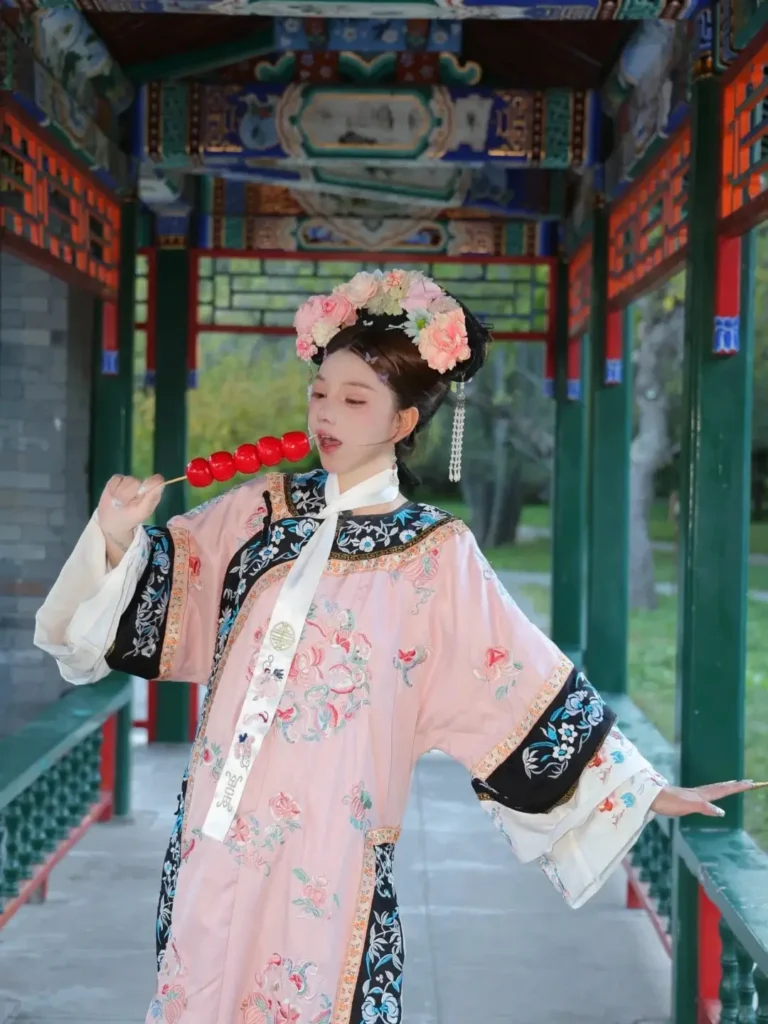
4. The Manchu: The Legacy of the Last Empire 🏯
Did you know that the elegant Qipao (Cheongsam) dress and the famous Qing Dynasty emperors actually came from the Manchu people? Originating as fierce nomadic hunters and horseback riders in the freezing northeastern forests, they eventually conquered the Ming Dynasty and ruled all of China for nearly 300 years!
- Geographic Vibe: The chilly, snowy, and incredibly beautiful Northeast China (Dongbei), particularly Liaoning province.
- Must-Visit Tourist Spot: The Shenyang Imperial Palace. While everyone knows the palace in Beijing, the Shenyang Imperial Palace is the original heart of the Manchu empire. It’s slightly smaller but features unique architectural elements you won’t see anywhere else, like the Dazheng Hall with its gorgeous octagonal roof and dragon-carved pillars, built specifically to accommodate their nomadic, tent-style court gatherings. It’s a photographer’s dream!
5. The Miao (Hmong) Ethnicity: Silver, Songs, and Stilt Houses 🦋
To round off our Chinese ethnic culture tour, we are heading into the deep, mystical mountains of the southwest to visit the Miao people. Known for their intricate, heavy silver jewelry (which women wear proudly during festivals) and incredibly vibrant embroidery, the Miao culture feels like stepping into a living fairy tale.
- Geographic Vibe: Deep in the misty mountains of Guizhou Province.
- Must-Visit Tourist Spot: Xijiang Qianhu Miao Village. This is the largest Miao village in the world! Thousands of dark-wooden stilt houses cascade down a lush green valley. During the day, you can watch artisans forge silver by hand. But the real magic happens at night. Walk up to the viewing platform across the valley after sunset—the entire mountain lights up with thousands of golden lanterns, looking exactly like a scene from the movie Spirited Away.


🗺️ FAQs About Traveling to China’s Ethnic Regions
1. Do I need to speak Chinese to go on a Chinese ethnic culture tour?
While speaking Mandarin is incredibly helpful, it is not strictly required for a great trip! In major tourist hubs like Xi’an or Guilin, English is somewhat common, and translation apps work wonders. However, as you venture deeper into remote minority villages (like in Guizhou or Guangxi), English speakers are rare. Hiring a local English-speaking guide for these specific legs of your journey can vastly improve your experience and help you understand the deep cultural nuances.
2. When is the best time to experience traditional ethnic festivals in China?
The timing largely depends on which group you want to visit! Many minority festivals follow the lunar calendar. For example, the Zhuang nationality’s famous San Yuesan (Singing Festival) happens on the 3rd day of the 3rd lunar month (usually April). The Miao people celebrate their massive New Year in autumn (October/November) with days of dancing, silver-wearing, and feasting. Always check the lunar calendar dates before booking your flights!
3. Is it easy for foreigners to find halal food while traveling across China?
Absolutely! Thanks to the widespread presence of the Hui nationality, finding Halal (Qingzhen – 清真) food in China is surprisingly easy, even in non-Muslim majority cities. Look for restaurants with green signboards and Arabic script. You can easily find delicious hand-pulled beef noodles (Lanzhou Lamian), lamb skewers, and flatbreads in almost every major Chinese city.
4. How accessible are these historical minority villages for international tourists?
China’s infrastructure has developed at an unbelievable pace. High-speed bullet trains now connect almost every corner of the country. Even remote areas like the Xijiang Miao Village or the Longji Rice Terraces are accessible via well-paved mountain roads and dedicated tourist buses leaving from major high-speed rail stations. While you might have to walk up some stone steps once you arrive in the villages, getting to the general location is very safe and comfortable.
I hope this guide inspires you to look beyond the modern skylines and dive deep into the ancient, beating heart of this incredible country. There is so much magic waiting for you here.
Have a wonderful trip, and the Chinese people warmly welcome you! 🇨🇳✈️❤️