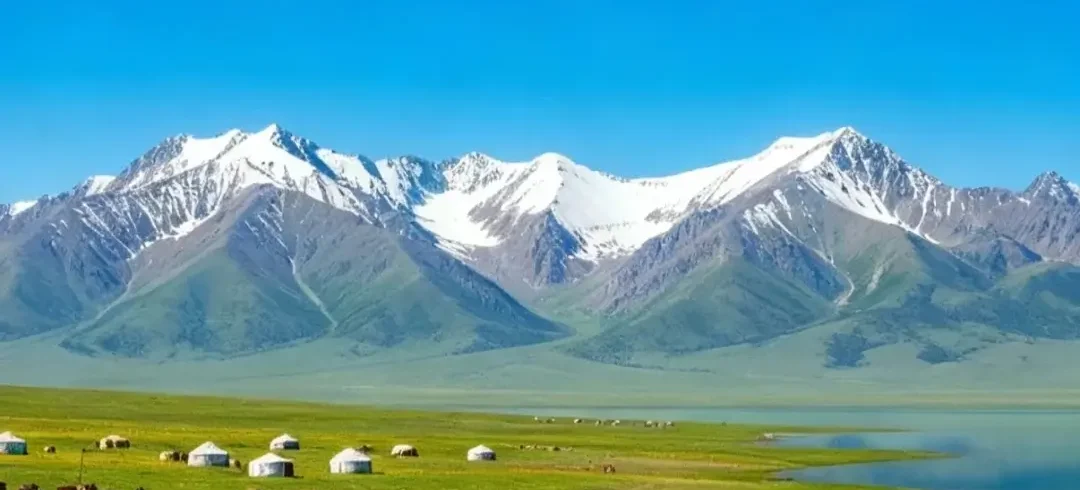
China Weather
If you’re planning your first trip to China, there’s one thing I can’t stress enough: mastering weather in China is the single most important step to planning a seamless, unforgettable adventure. As a travel blogger who’s spent the last 7 years exploring every corner of this vast country — from the frozen ice cities of Heilongjiang to the sun-soaked beaches of Hainan, from the high peaks of Tibet to the water towns of Jiangnan — I’ve seen firsthand how a lack of weather knowledge can ruin a trip. I’ve watched travelers shiver through a Beijing winter with only a light hoodie, sweat through a Chongqing summer with no sun protection, and have their island getaways derailed by unplanned typhoons. That’s exactly why I created this complete China Travel Guide to province-by-province, month-by-month weather across China. By the end of this guide, you’ll know exactly what to pack, when to go, and which weather risks to avoid, no matter where your China journey takes you.

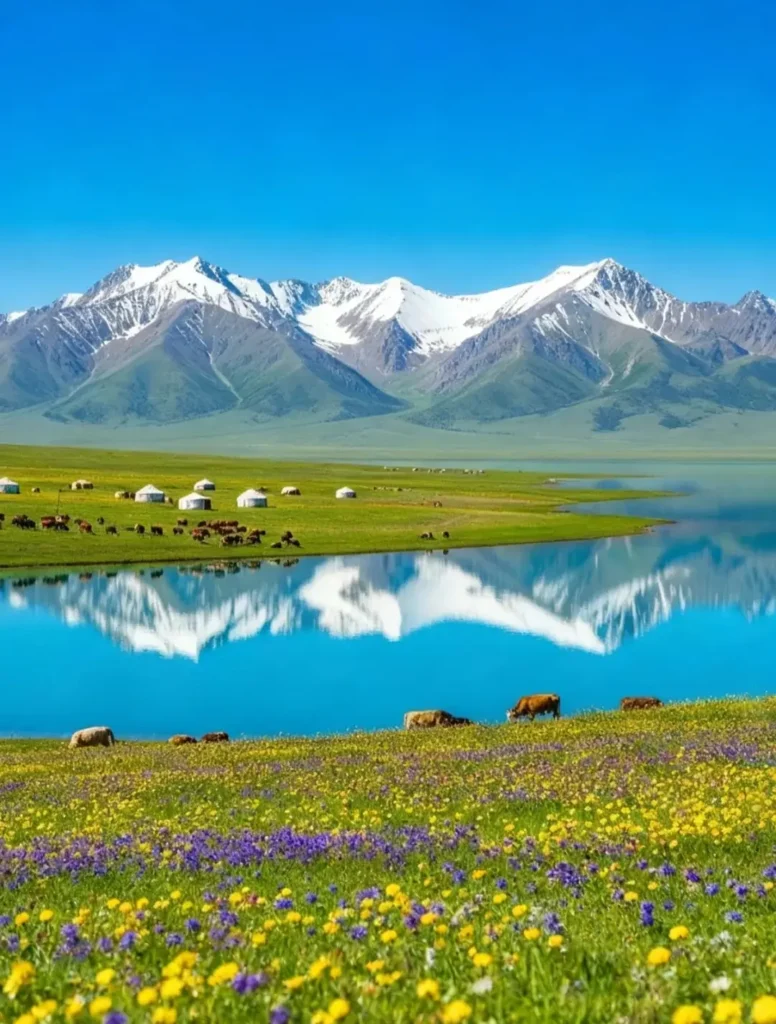
Why Understanding weather in China Is Non-Negotiable for Your Trip
China is the 3rd largest country in the world by land area, spanning over 50 degrees of latitude and 60 degrees of longitude. This massive geographic reach means the country has every major climate type on Earth: from frigid subarctic climates in the far northeast, to temperate monsoon climates in the central plains, to subtropical and tropical monsoon climates in the south, to alpine plateau climates in the Tibetan Himalayas. To put that in perspective: on the exact same day in February, you could be skiing in -30°C (-22°F) weather in Harbin, and swimming in 28°C (82°F) ocean water in Sanya — all within the same country.
This extreme regional difference is why generic “best time to visit China” advice almost always falls short. A month that’s perfect for exploring Beijing could be miserable for hiking in Guilin, and a season that’s ideal for a Hainan beach holiday could be the worst time to visit the Gobi Desert. In this guide, we’re breaking down every major geographic region and its provinces, with detailed seasonal weather breakdowns, travel tips, and must-know warnings for every time of year. We’ll also cover critical China Travel Tips for extreme weather, uninhabitable regions to avoid, and where to get real-time, accurate weather chinese updates to keep your trip on track.

Complete Breakdown of China Weather by Region & Province: Month by Month
To make this guide easy to follow, we’ve split China into 7 core geographic regions, each with shared climate patterns. For every region, we’ll cover spring, summer, autumn, and winter weather, key province-specific details, the best time to visit, and what to pack.
North China: Beijing, Tianjin, Hebei, Shanxi, Inner Mongolia
North China is the political and cultural heart of China, home to Beijing’s Forbidden City, the Great Wall, and the grasslands of Inner Mongolia. This region has a temperate continental monsoon climate, with four very distinct seasons, dry, cold winters, and hot, rainy summers.
Spring (March – May)
Spring in North China is a time of rapid warming, but also frequent weather fluctuations. Average temperatures range from 5°C (41°F) in early March to 25°C (77°F) in late May, with overnight lows often dropping well below daytime highs. This is the windiest season in the region, with regular strong winds — as noted in official weather chinese warnings from <a href=”https://en.weather.com.cn/” rel=”dofollow”>en.weather.com.cn</a>, Beijing and Tianjin regularly issue Yellow Strong Wind Warnings during spring months. Sandstorms are also a major risk in March and April, especially in Shanxi, Hebei, and Inner Mongolia, with blowing sand reducing visibility and irritating respiratory systems.
Rainfall is low in spring, with most days sunny or partly cloudy. For travelers, this is a mixed bag: the blooming cherry blossoms in Beijing’s Yuyuantan Park and the greening grasslands of Inner Mongolia are stunning, but wind and sandstorms can disrupt outdoor plans like Great Wall hikes. If you visit in spring, pack layers, a windproof jacket, a face mask for sandstorms, and sunscreen (the wind can make sun damage easy to miss).
Summer (June – August)
Summer in North China is hot, humid, and rainy, with 70% of the region’s annual rainfall falling in these three months. Average daytime temperatures hover between 28°C (82°F) and 35°C (95°F), with heatwaves pushing temperatures above 38°C (100°F) in Beijing, Tianjin, and Hebei. The high humidity can make the heat feel even more intense, especially in urban areas.
Summer is peak tourist season in Beijing, as it’s when most international travelers have school holidays, but the heat and rain can make outdoor sightseeing exhausting. Thunderstorms are common in the afternoons and evenings, with occasional heavy downpours that can cause urban flooding. For Inner Mongolia, summer is the best time to visit: the grasslands are lush and green, temperatures are a mild 20°C (68°F) to 28°C (82°F), and local Naadam festivals take place in July and August. If you visit in summer, pack lightweight, breathable clothing, a rain jacket, strong sunscreen, a hat, and plenty of water for outdoor activities.
Autumn (September – November)
Autumn is unanimously the best time to visit North China. This is the season of “qiu gao qi shuang” — the Chinese phrase for “clear autumn sky and crisp air” — with low humidity, minimal rainfall, bright sunny days, and perfect temperatures. Average daytime temperatures range from 15°C (59°F) in November to 28°C (82°F) in early September, with cool, comfortable nights.
The fall foliage in Beijing’s Fragrant Hills, the ancient walled city of Pingyao in Shanxi, and the golden grasslands of Inner Mongolia are breathtaking, and the stable weather means almost no disruptions to your travel plans. This is also the season with the lowest risk of extreme weather in the region, with almost no strong winds, sandstorms, or heatwaves. If you visit in autumn, pack light layers for cool mornings and evenings, a light jacket, and comfortable walking shoes for all the outdoor sightseeing.
Winter (December – February)
Winter in North China is long, dry, and bitterly cold, with frequent strong winds and occasional snowfall. Average daytime temperatures in Beijing, Tianjin, and Hebei range from -5°C (23°F) to 5°C (41°F), with overnight lows dropping to -15°C (5°F) in the coldest months. Inner Mongolia is even colder, with average temperatures between -15°C (5°F) and -25°C (-13°F), and extreme lows below -40°C (-40°F) in the far northern regions.
Most outdoor tourist attractions in Beijing are still open in winter, and the Forbidden City and Great Wall are far less crowded than in peak season — but the cold wind can make long days outside very uncomfortable. Heating is universal in indoor spaces across North China, so you’ll be warm inside hotels, restaurants, and museums, but you’ll need heavy winter gear for outdoors. If you visit in winter, pack a thick down jacket, thermal underwear, waterproof boots, gloves, a hat, and a scarf to cover your face from the wind.
Northeast China: Heilongjiang, Jilin, Liaoning
Northeast China (often called Dongbei) is the coldest region in China, known for its vast forests, winter ice festivals, and border towns with Russia. This region has a temperate continental monsoon climate, with long, extremely cold winters, short, warm summers, and very brief spring and autumn seasons.
Spring (April – May)
Spring in the Northeast is short and fast, with snow melting in late March and temperatures rising quickly from near-freezing in early April to 15°C (59°F) to 25°C (77°F) by late May. The region sees moderate rainfall in spring, with occasional late-season snowfall in Heilongjiang in early April. The forests of Changbai Mountain and the Wudalianchi Volcanic Scenic Area bloom with wildflowers in late spring, making this a beautiful time to visit for nature lovers. The only downside is occasional strong winds, but sandstorms are far less common than in North China.
Summer (June – August)
Summer is the most popular time to visit Northeast China, as it’s one of the few regions in the country with mild, comfortable summer weather. Average daytime temperatures range from 20°C (68°F) to 28°C (82°F), with almost no humidity, making it the perfect escape from the sweltering heat of southern and central China. The region’s forests, lakes, and border towns are in full bloom, and this is the best time for hiking, camping, and exploring the region’s natural beauty. For travelers looking to join a weather chinese camp or outdoor adventure retreat, the Northeast’s summer weather is unbeatable, with stable temperatures, minimal rain, and long daylight hours.
Autumn (September – October)
Autumn in the Northeast is even shorter than spring, lasting only 6-8 weeks, but it’s one of the most stunning seasons to visit. The region’s vast deciduous forests turn brilliant shades of red, orange, and gold in mid-September to early October, with average temperatures between 10°C (50°F) and 20°C (68°F). Rainfall is minimal, the skies are clear, and there are almost no crowds, making it the perfect time for photography and road trips. By late October, temperatures drop below freezing at night, and the first snowfall usually arrives in early November.
Winter (November – March)
Winter in Northeast China is the main draw for many international travelers, with the world-famous Harbin Ice and Snow Festival taking place from late December to late February. This is the coldest region in China, with average daytime temperatures in Heilongjiang between -15°C (5°F) and -25°C (-13°F), and extreme lows below -40°C (-40°F) in Mohe, China’s northernmost city. Jilin’s rime ice scenery, formed by frozen mist on the Songhua River, is one of China’s most stunning natural winter wonders, and the region’s ski resorts are among the best in Asia.
Traveling in the Northeast’s winter requires serious cold-weather gear: you’ll need a heavy, windproof down jacket, multiple layers of thermal underwear, waterproof insulated boots, thick gloves, a face mask, and a hat that covers your ears. Frostbite is a real risk if you’re outside for long periods, so plan outdoor activities in short bursts, and take regular breaks in warm indoor spaces.
East China: Shanghai, Jiangsu, Zhejiang, Anhui, Fujian, Jiangxi, Shandong
East China is the most economically developed region of China, home to Shanghai’s skyline, the water towns of Jiangsu and Zhejiang, Huangshan Mountain in Anhui, and the coastal cities of Fujian. This region has a subtropical monsoon climate (with temperate monsoon in Shandong), with four distinct seasons, hot, rainy summers, cool, dry winters, and a long, heavy rainy season (called the “plum rain season” or meiyu) in June and early July.
Spring (March – May)
Spring in East China is mild and beautiful, with average temperatures rising from 10°C (50°F) in March to 25°C (77°F) in late May. The plum blossom season in late February to early March, and the cherry blossom season in late March to early April, draw crowds to Wuxi, Nanjing, and Hangzhou. Rainfall increases gradually through spring, with occasional light drizzle that gives the region’s water towns their iconic misty, poetic atmosphere.
This is one of the best times to visit East China, as the weather is mild, the scenery is stunning, and crowds are smaller than in summer. The only downside is occasional temperature fluctuations, with cold snaps that can drop temperatures by 10°C (18°F) overnight. If you visit in spring, pack layers, a light rain jacket, and comfortable walking shoes for exploring water towns and mountain trails.
Summer (June – August)
Summer in East China is hot, humid, and rainy, with the plum rain season hitting in June and early July, bringing 2-3 weeks of almost non-stop drizzle and heavy rain. After the plum rain season ends, the region enters its hottest period, with average daytime temperatures between 30°C (86°F) and 35°C (95°F), and high humidity that can make the heat feel unbearable. Thunderstorms are common in the afternoons, and the coastal provinces of Fujian and Zhejiang are at high risk of typhoons from July to September, with strong winds, heavy rain, and potential travel disruptions.
Summer is peak tourist season in East China, especially for families traveling during school holidays, but the heat and rain can make outdoor sightseeing very uncomfortable. The best way to visit in summer is to plan indoor activities for the hottest part of the day, and outdoor sightseeing for early mornings and evenings. If you visit in summer, pack lightweight, breathable clothing, a high-quality rain jacket, strong sunscreen, a hat, and insect repellent (mosquitoes are rampant in the humid summer weather).
Autumn (September – November)
Autumn is the best time to visit East China, with the end of the typhoon season, minimal rainfall, low humidity, and perfect temperatures. Average daytime temperatures range from 15°C (59°F) in November to 28°C (82°F) in early September, with cool, comfortable nights. The fall foliage in Huangshan Mountain, the red leaves in Fragrant Hills of Nanjing, and the golden osmanthus flowers in Hangzhou’s West Lake are iconic, and the stable weather means almost no travel disruptions.
This is also the season for harvest festivals and local cultural events across the region, with fewer crowds than summer and better hotel prices. If you visit in autumn, pack light layers for cool mornings and evenings, a light jacket, and comfortable walking shoes for all your outdoor adventures. For more destination-specific advice, check out my curated <a href=”/china-travel-guides” rel=”internal”>China Travel Guide</a> series for every major city in the region.
Winter (December – February)
Winter in East China is cool, damp, and overcast, with average daytime temperatures between 5°C (41°F) and 10°C (50°F) in most of the region, dropping to below freezing in Shandong and northern Jiangsu. Unlike North China, most parts of East China do not have central heating in indoor spaces, which means the cold, damp air can feel even colder inside than outside. Snowfall is rare in most of the region, except in the mountainous areas of Huangshan and Lushan, where snow creates stunning winter scenery.
Winter is the low season for tourism in East China, which means smaller crowds, lower hotel prices, and a more authentic local experience. The only downside is the cold, damp weather, which can make long days outside uncomfortable. If you visit in winter, pack warm, layered clothing, a waterproof jacket, a portable heater for your hotel room (if allowed), and warm, non-slip shoes for occasional icy sidewalks.
South China: Guangdong, Guangxi, Hainan, Hong Kong, Macau
South China is the country’s tropical and subtropical heartland, home to Guangzhou’s Cantonese cuisine, Guilin’s karst mountains, and Hainan’s tropical beaches. This region has a subtropical to tropical monsoon climate, with long, hot, rainy summers and short, mild, dry winters. There is almost no frost in the region, and Hainan has year-round summer weather.
Spring (March – May)
Spring in South China is warm and humid, with average temperatures rising from 18°C (64°F) in March to 28°C (82°F) in late May. Rainfall increases rapidly through spring, with the region’s rainy season starting in April and lasting through September. Occasional thunderstorms and heavy downpours are common, but most days are sunny or partly cloudy. This is a great time to visit Guilin and Yangshuo, as the Li River is full from spring rains, creating the iconic misty karst mountain scenery. It’s also a great time to visit Hainan before the peak summer crowds arrive, with warm ocean temperatures and lower hotel prices.
Summer (June – August)
Summer in South China is hot, very humid, and rainy, with average daytime temperatures between 30°C (86°F) and 35°C (95°F), and high humidity that makes the heat feel oppressive. The region sees heavy rainfall almost daily, usually in the form of afternoon thunderstorms, and the coastal provinces of Guangdong, Guangxi, and Hainan are at the highest risk of typhoons in China, with most typhoons hitting between July and September. Typhoons can cause flight cancellations, port closures, and travel disruptions, so it’s critical to monitor official weather in China warnings if you visit in summer.
Summer is peak tourist season in Hainan, as domestic travelers flock to the island’s beaches to escape the heat of northern China, but it’s the low season for most other parts of South China, with smaller crowds and lower hotel prices. If you visit in summer, pack lightweight, breathable clothing, a high-quality rain jacket, strong sunscreen (the tropical sun is very intense), a hat, insect repellent, and waterproof shoes for rainy days.
Autumn (September – November)
Autumn is the best time to visit South China, with the end of the typhoon season, reduced rainfall, lower humidity, and perfect warm temperatures. Average daytime temperatures range from 20°C (68°F) in November to 30°C (86°F) in early September, with cool, comfortable nights. The Li River in Guilin is still full from summer rains, the beaches of Hainan are still warm enough for swimming, and the cities of Guangzhou, Shenzhen, Hong Kong, and Macau have perfect weather for outdoor sightseeing and food tours.
This is also the peak season for festivals in the region, including the Mid-Autumn Festival and the Canton Fair, the largest trade fair in China. Crowds are smaller than in summer, and the weather is stable, with almost no travel disruptions. If you visit in autumn, pack lightweight clothing, a light jacket for cool evenings, sunscreen, and comfortable walking shoes.
Winter (December – February)
Winter in South China is the region’s peak tourist season, especially for Hainan, Hong Kong, and Macau. Average daytime temperatures range from 15°C (59°F) to 22°C (72°F) in Guangdong and Guangxi, and 25°C (77°F) to 30°C (86°F) in Sanya, Hainan. This is the dry season in the region, with almost no rainfall, bright sunny days, and low humidity. For travelers looking to escape the cold winter weather of northern China, Europe, or North America, Hainan’s tropical beaches are the perfect winter getaway.
The only downside of visiting in winter is that it’s the peak season, so hotel prices are higher, and popular attractions are more crowded. If you visit in winter, pack light, long-sleeved clothing for cool mornings and evenings in Guangdong and Guangxi, summer clothing for Hainan, sunscreen, and a light jacket for air-conditioned indoor spaces.
Southwest China: Chongqing, Sichuan, Guizhou, Yunnan, Tibet
Southwest China is the most geographically diverse region of the country, home to Chongqing’s mountain city, Chengdu’s pandas, Guizhou’s waterfalls, Yunnan’s ethnic minority villages, and Tibet’s Himalayan peaks. This region has a huge range of climates, from subtropical monsoon in Chongqing and Sichuan, to alpine plateau climate in Tibet, to the mild, year-round spring climate of Kunming, Yunnan.
Spring (March – May)
Spring in Southwest China is one of the best times to visit, with warming temperatures, blooming flowers, and minimal rainfall in most areas. In Chongqing and Sichuan, average temperatures rise from 12°C (54°F) in March to 28°C (82°F) in late May, with occasional light rain. In Guizhou, temperatures are a mild 15°C (59°F) to 25°C (77°F), with the region’s famous rainy season starting in late May. In Yunnan, spring is warm and sunny, with average temperatures between 18°C (64°F) and 25°C (77°F) in Kunming, often called the “City of Eternal Spring” for its year-round mild weather. In Tibet, spring is still cold, with average temperatures between 5°C (41°F) and 15°C (59°F) in Lhasa, with occasional snowfall in higher elevations.
This is the best time to see the peach blossoms in Nyingchi, Tibet, which bloom in late March to early April, creating a stunning landscape of pink flowers against snow-capped Himalayan peaks. This is one of the most popular times to visit Tibet, as the weather starts to warm up, and there are fewer crowds than in summer.
Summer (June – August)
Summer in Southwest China is the rainy season for most of the region, with heavy rainfall, high humidity, and occasional extreme weather events. In Chongqing, one of China’s “Four Furnaces”, summer temperatures regularly exceed 40°C (104°F), with high humidity that makes the heat feel almost unbearable. In Sichuan, average temperatures are between 28°C (82°F) and 35°C (95°F), with frequent afternoon thunderstorms. In Guizhou, summer is the wettest season, with almost daily rain, but temperatures are a mild 20°C (68°F) to 28°C (82°F), making it a popular summer escape from the heat of other regions. In Yunnan, summer is warm and rainy, with average temperatures between 20°C (68°F) and 28°C (82°F), with occasional heavy downpours. In Tibet, summer is the warmest season, with average temperatures between 15°C (59°F) and 25°C (77°F) in Lhasa, and it’s the peak tourist season for Tibet, as the weather is mildest for high-altitude trekking.
The biggest risk of traveling in Southwest China in summer is geological disasters: heavy rainfall can trigger landslides, mudslides, and flash floods in the mountainous areas of Sichuan, Yunnan, Guizhou, and Tibet. It’s critical to monitor official weather chinese warnings and avoid remote mountainous areas during heavy rain.
Autumn (September – November)
Autumn is the best time to visit most of Southwest China, with the end of the rainy season, clear skies, low humidity, and perfect temperatures. In Chongqing and Sichuan, average temperatures range from 15°C (59°F) in November to 28°C (82°F) in early September, with minimal rainfall and clear skies. In Guizhou, the rain stops in early September, and the region’s waterfalls are full from summer rains, creating stunning scenery. In Yunnan, autumn is warm and sunny, with perfect temperatures for exploring the ancient town of Lijiang, the Stone Forest, and the ethnic minority villages of Xishuangbanna. In Tibet, autumn is the most beautiful season, with clear blue skies, snow-capped Himalayan peaks, and golden grasslands. The weather is still mild in September and October, with fewer crowds than summer, making it the perfect time for trekking and sightseeing.
Winter (December – February)
Winter in Southwest China varies wildly by region. In Chongqing and Sichuan, winter is cool, damp, and overcast, with average temperatures between 5°C (41°F) and 10°C (50°F), with almost no central heating, making it feel colder than it is. This is the best time to visit Chengdu’s panda bases, as the pandas are more active in the cool weather. In Guizhou, winter is cool and rainy, with average temperatures between 5°C (41°F) and 12°C (54°F), with occasional snowfall in higher elevations. In Yunnan, winter is still mild and sunny, with average temperatures between 10°C (50°F) and 20°C (68°F) in Kunming, and 20°C (68°F) to 25°C (77°F) in Xishuangbanna, making it a popular winter escape. In Tibet, winter is long, cold, and dry, with average temperatures between -5°C (23°F) and 10°C (50°F) in Lhasa, and extreme cold in higher elevations. Most tourist attractions in Tibet are still open in winter, with far fewer crowds and lower hotel prices, but high-altitude trekking is only recommended for experienced travelers.
Central China: Henan, Hubei, Hunan
Central China is the cradle of Chinese civilization, home to the Shaolin Temple in Henan, the Yellow Crane Tower in Wuhan, and the Zhangjiajie National Forest Park in Hunan. This region has a subtropical monsoon climate, with four distinct seasons, hot, rainy summers, cold, damp winters, and a plum rain season in June and July.
Spring (March – May)
Spring in Central China is mild and beautiful, with average temperatures rising from 10°C (50°F) in March to 28°C (82°F) in late May. The cherry blossom season in Wuhan in late March to early April is world-famous, drawing millions of visitors every year. Rainfall increases gradually through spring, with occasional light drizzle and thunderstorms. This is a great time to visit the region’s historical sites and natural parks, as the weather is mild, the scenery is green and blooming, and crowds are smaller than in summer.
Summer (June – August)
Summer in Central China is hot, humid, and rainy, with the plum rain season hitting in June and early July, followed by the hottest period of the year. Wuhan and Changsha are two of China’s “Four Furnaces”, with average daytime temperatures between 30°C (86°F) and 38°C (100°F), and extreme highs above 40°C (104°F). The high humidity makes the heat feel oppressive, and thunderstorms are common in the afternoons. Summer is peak tourist season for Zhangjiajie, as the mountains are lush and green, and the waterfalls are full from summer rains, but the heat and rain can make hiking exhausting. If you visit in summer, plan outdoor activities for early mornings and evenings, and indoor activities for the hottest part of the day.
Autumn (September – November)
Autumn is the best time to visit Central China, with the end of the rainy season, clear skies, low humidity, and perfect temperatures. Average daytime temperatures range from 15°C (59°F) in November to 28°C (82°F) in early September, with cool, comfortable nights. The fall foliage in Zhangjiajie, the red leaves in Hunan’s Hengshan Mountain, and the golden rice fields in Henan are stunning, and the stable weather means almost no travel disruptions. This is also the season for harvest festivals and cultural events across the region, with fewer crowds than summer and better hotel prices.
Winter (December – February)
Winter in Central China is cold, damp, and overcast, with average daytime temperatures between 2°C (36°F) and 8°C (46°F), with overnight lows dropping below freezing. There is almost no central heating in the region, so the cold, damp air can feel very uncomfortable indoors and outdoors. Snowfall is rare in most areas, except in the higher elevations of Zhangjiajie and Hengshan Mountain, where snow creates stunning winter scenery. Winter is the low season for tourism in the region, which means smaller crowds, lower hotel prices, and a more authentic local experience. If you visit in winter, pack warm, layered clothing, a waterproof jacket, and warm, non-slip shoes for occasional icy sidewalks.
Northwest China: Shaanxi, Gansu, Qinghai, Ningxia, Xinjiang
Northwest China is the country’s most arid region, home to Xi’an’s Terracotta Army, the Silk Road oasis towns of Gansu, the Qinghai Lake, and the vast deserts and mountains of Xinjiang. This region has a temperate continental arid and semi-arid climate, with very low annual rainfall, extreme temperature differences between day and night, long, cold winters, and short, hot summers.
Spring (March – May)
Spring in Northwest China is a time of rapid warming, but also frequent strong winds and sandstorms. Average temperatures range from 5°C (41°F) in early March to 25°C (77°F) in late May, with extreme temperature differences between day and night (often 15°C/27°F or more). Sandstorms are a major risk in March and April, especially in Gansu, Ningxia, and Xinjiang, with official weather in China warnings regularly issued for the region. Rainfall is extremely low, with most days sunny or partly cloudy.
This is a great time to visit Xi’an and the Terracotta Army, as the weather is mild and crowds are smaller than in summer. It’s also a great time to visit the peach and apricot blossom valleys in Xinjiang, which bloom in late April to early May. If you visit in spring, pack layers, a windproof jacket, a face mask for sandstorms, sunscreen, and a hat.
Summer (June – August)
Summer in Northwest China is hot, dry, and sunny, with very low humidity and long daylight hours. In Xi’an, average daytime temperatures range from 28°C (82°F) to 35°C (95°F), with heatwaves pushing temperatures above 40°C (104°F). In the desert regions of Xinjiang and Gansu, daytime temperatures can exceed 45°C (113°F), but drop to below 20°C (68°F) at night. Summer is the only time to visit the high-altitude regions of Qinghai and Xinjiang, as the snow melts, and the mountain passes are open. This is the best time to visit Qinghai Lake, the grasslands of Qinghai, and the Ili River Valley in Xinjiang, which are in full bloom with wildflowers.
The biggest risk of traveling in Northwest China in summer is extreme heat and dehydration in the desert regions. Never enter the desert without a local guide, plenty of water, and a fully charged phone. If you visit in summer, pack lightweight, breathable clothing, a wide-brimmed hat, strong sunscreen, sunglasses, plenty of water, and layers for cool nights.
Autumn (September – November)
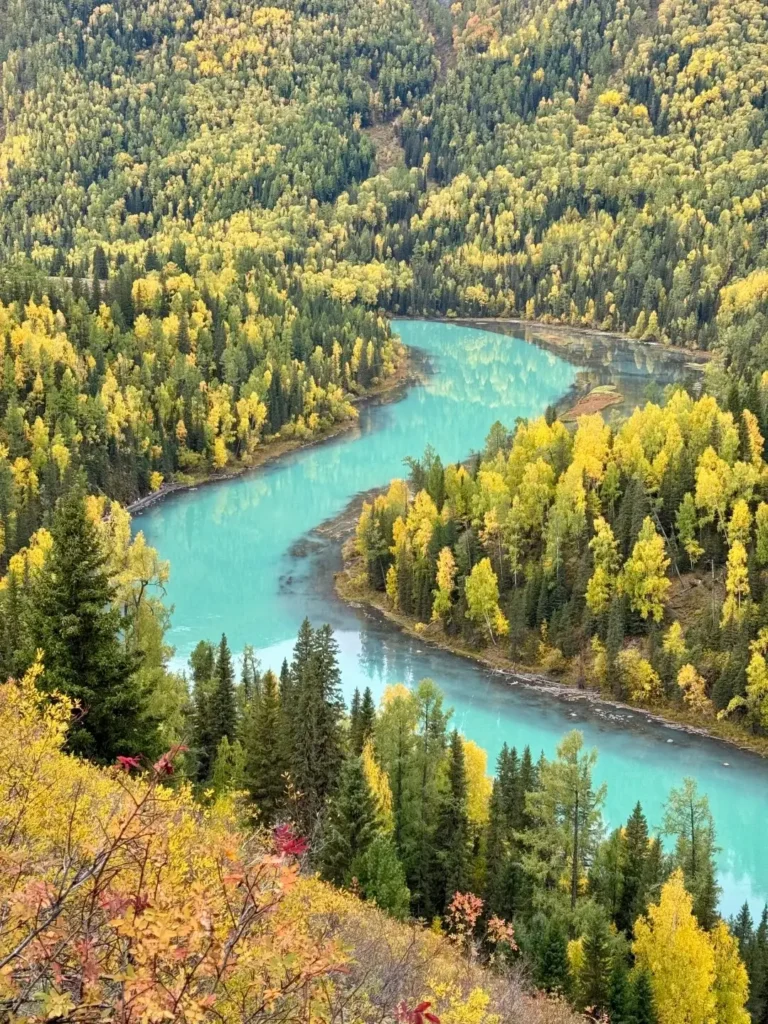
Autumn is the best time to visit Northwest China, with mild temperatures, clear blue skies, minimal rainfall, and almost no risk of sandstorms. Average daytime temperatures range from 10°C (50°F) in November to 28°C (82°F) in early September, with cool, comfortable nights. The fall foliage in Xinjiang’s Kanas Lake is world-famous, with golden birch forests and snow-capped peaks in late September to early October. The grape harvest in Xinjiang’s Turpan Basin takes place in September, and the Silk Road oasis towns are at their most beautiful, with mild weather and fewer crowds. This is also the best time to visit Xi’an, the Terracotta Army, and the ancient city of Pingyao, with perfect weather for outdoor sightseeing.
Winter (December – February)
Winter in Northwest China is long, cold, and dry, with average daytime temperatures between -5°C (23°F) and 5°C (41°F) in most of the region, and extreme lows below -20°C (-4°F) in Xinjiang, Qinghai, and Gansu. The desert regions can see extreme cold, with wind chills making the temperature feel even lower. Most high-altitude mountain passes in Qinghai and Xinjiang are closed due to snow and ice, and many tourist attractions in remote areas are closed for the winter. Xi’an and the Terracotta Army are still open in winter, with far fewer crowds and lower hotel prices, but the cold wind can make outdoor sightseeing uncomfortable. If you visit in winter, pack a heavy down jacket, thermal underwear, waterproof boots, gloves, a hat, and a face mask to protect from the wind.
Critical China Travel Tips: Uninhabitable Regions & Extreme Weather to Avoid
One of the most common questions I get from travelers is about safety risks related to weather in China, and which regions are unsafe to visit. China is an incredibly safe country for travelers, but there are some remote, uninhabitable regions with extreme weather that you should never visit, as well as seasonal extreme weather events that you need to prepare for.
Uninhabitable & High-Risk Regions to Never Visit
These regions are not only unfit for human habitation due to extreme weather and environmental conditions, but most are also legally protected nature reserves where unauthorized entry is illegal and can result in fines, detention, or even death.
- Qiangtang No-Man’s Land (Tibet Autonomous Region)Located in the northern Tibetan Plateau, this 298,000 square kilometer region is the largest uninhabited area in China, with an average elevation of over 5,000 meters (16,400 feet). The region has an alpine desert climate, with extreme cold (average annual temperature of -4°C/25°F), extreme oxygen deprivation (only 40% of the oxygen at sea level), almost no vegetation, and no permanent human settlements. Unauthorized entry is strictly illegal, and even experienced explorers have gone missing or died here due to the extreme weather and harsh conditions.
- Hoh Xil National Nature Reserve (Qinghai Province)A UNESCO World Heritage Site, Hoh Xil is one of the most pristine and dangerous wilderness areas in the world. With an average elevation of 4,600 meters (15,100 feet), the region has an extreme alpine climate, with winter temperatures dropping below -40°C (-40°F), frequent blizzards, and almost no human infrastructure. It’s home to the endangered Tibetan antelope, and unauthorized entry is strictly prohibited by Chinese law. Even with a guide, the extreme weather and high altitude make this region extremely dangerous for all but the most experienced expedition teams.
- Taklamakan Desert Hinterland (Xinjiang Uyghur Autonomous Region)Known as the “Sea of Death”, the Taklamakan Desert is the second largest shifting sand desert in the world, with an area of 337,000 square kilometers. The desert has an extreme continental climate, with summer daytime temperatures exceeding 50°C (122°F), winter nighttime temperatures dropping below -20°C (-4°F), almost no rainfall, and frequent sandstorms that can last for days. The shifting sand dunes can reach up to 300 meters (984 feet) high, making it extremely easy to get lost, and there is almost no water or food in the hinterland. While the edges of the desert are accessible for tourism with a local guide, the deep hinterland is uninhabitable and extremely dangerous to enter.
- Lop Nur (Xinjiang Uyghur Autonomous Region)Once a large saltwater lake in the eastern Tarim Basin, Lop Nur is now a completely dry, barren salt flat known as the “Devil’s Triangle”. The region has an extreme arid climate, with less than 20mm of annual rainfall, summer temperatures exceeding 45°C (113°F), and frequent strong winds and sandstorms. The entire region is covered in a thick layer of salt crust, which can damage vehicles and equipment, and there is no drinkable water for hundreds of kilometers. Lop Nur is also a former nuclear test site, with residual radiation in some areas, and unauthorized entry is strictly prohibited.
Extreme Weather Events to Prepare For Across China
Even in popular tourist regions, extreme weather events can disrupt your trip or put you at risk if you’re not prepared. Here are the most common extreme weather events in China, when they happen, and how to stay safe:
- Typhoons (Coastal South & East China)Typhoons are the most dangerous weather event in coastal China, hitting the provinces of Guangdong, Guangxi, Hainan, Fujian, Zhejiang, and Taiwan between June and October every year. Typhoons bring extreme winds (over 120 km/h), heavy rainfall, flash floods, and storm surges, which can cause flight cancellations, port closures, road closures, and power outages. To stay safe, always monitor official weather chinese warnings from <a href=”https://en.weather.com.cn/” rel=”dofollow”>en.weather.com.cn</a> at least a week before your trip to coastal regions, and follow the advice of local authorities if a typhoon warning is issued. Never go to the beach during a typhoon warning.
- Sandstorms (North & Northwest China)Sandstorms are common in North and Northwest China between March and May, caused by strong winds picking up sand from the Gobi Desert and other arid regions. As noted in official warnings, Shanxi, Hebei, Beijing, Tianjin, Inner Mongolia, Gansu, Ningxia, and Xinjiang are the most affected regions. Sandstorms reduce visibility to less than 100 meters, cause respiratory irritation, and can disrupt flights and road travel. To stay safe, pack a high-quality face mask (N95 or equivalent), goggles, and a windproof jacket if you’re traveling in spring, and avoid outdoor activities during a sandstorm warning.
- Heatwaves (Central, East & South China)Heatwaves are common across most of China between June and August, with the most extreme heat in the “Four Furnaces” of Chongqing, Wuhan, Nanjing, and Changsha, where temperatures regularly exceed 40°C (104°F) with high humidity. Heatwaves can cause heat exhaustion, heat stroke, and even death, especially for elderly travelers and those with pre-existing health conditions. To stay safe, avoid outdoor activities between 11am and 4pm, drink plenty of water, wear lightweight, breathable clothing, and use strong sunscreen. Never leave children or pets in a parked car, even for a few minutes.
- Extreme Cold (Northeast, North & Northwest China)Extreme cold is a major risk in Northeast, North, and Northwest China between December and February, with temperatures dropping below -30°C (-22°F) in Heilongjiang, Inner Mongolia, and Xinjiang. Extreme cold can cause frostbite and hypothermia in as little as 10 minutes if you’re not properly dressed. To stay safe, pack high-quality, windproof cold-weather gear, including a thick down jacket, thermal underwear, waterproof insulated boots, gloves, a hat, and a face mask. Limit outdoor activities to short bursts, and take regular breaks in warm indoor spaces.
- Landslides & Flash Floods (Southwest & South China)Landslides and flash floods are common in the mountainous regions of Southwest and South China between June and August, caused by heavy monsoon rainfall. These events can happen very quickly, with little warning, and can block roads, destroy buildings, and sweep away vehicles and people. To stay safe, avoid traveling to remote mountainous areas during heavy rain, monitor official weather in China warnings, and follow the advice of local authorities. Never cross a flooded road or river, even if the water looks shallow.
Where to Get Real-Time, Accurate weather in China Updates
For all your travels in China, the only official, reliable source for real-time weather data, radar maps, and warnings is the China Meteorological Administration (CMA) English website at <a href=”https://en.weather.com.cn/” rel=”dofollow”>en.weather.com.cn</a>. This is the same source I use for all my trips, and it provides hourly weather updates, national weather radar imagery, official weather warnings for every province and major city, and 7-day forecasts for every destination in China.
For travel advisories related to weather events and natural disasters, always check the official <a href=”https://en.mct.gov.cn/” rel=”dofollow”>Ministry of Culture and Tourism of the People’s Republic of China</a> English website, which provides up-to-date travel advice for every region of China. For more destination-specific travel tips and advice, be sure to check out my <a href=”/china-travel-guides” rel=”internal”>complete China Travel Guide</a> series, with detailed guides for every major city and tourist destination in the country.
FAQ: About China Weather & Travel
FAQ 1: What is the best month to visit China for good weather across most regions?
The absolute best month to visit China for consistent, pleasant weather across most popular tourist regions is October. In October, the summer monsoon season has ended across almost all of China, the typhoon season in coastal regions is almost over, and the extreme summer heat has faded. In North China, Beijing and Xi’an have clear, sunny days with average temperatures between 15°C (59°F) and 25°C (77°F), perfect for sightseeing the Great Wall and Terracotta Army. In East China, Shanghai, Hangzhou, and Suzhou have mild temperatures, low humidity, and minimal rain, ideal for exploring water towns and West Lake. In Southwest China, Chengdu, Kunming, and Lijiang have perfect weather for hiking and visiting panda bases, and in South China, Guangzhou, Guilin, and Yangshuo have warm, sunny days with almost no rain. The only regions where October is not ideal are Northeast China, where temperatures start to drop below freezing at night, and the high-altitude regions of Tibet and Qinghai, where winter starts to set in. For most travelers, October offers the best balance of good weather, smaller crowds, and reasonable hotel prices across almost all of China’s most popular tourist destinations.
FAQ 2: Do I need to prepare for extreme weather when traveling to China?
Yes, you absolutely need to prepare for extreme weather when traveling to China, no matter what time of year you visit — the key is knowing what to expect based on your destination and travel dates. China’s vast size means that extreme weather is happening somewhere in the country almost every month of the year, and even in popular tourist destinations, you can encounter unexpected weather events. For example, if you’re visiting Beijing in spring, you need to prepare for strong winds and sandstorms; if you’re visiting Shanghai in summer, you need to prepare for heatwaves and typhoons; if you’re visiting Harbin in winter, you need to prepare for extreme cold; and if you’re visiting Zhangjiajie in summer, you need to prepare for heavy rain and potential landslides. The best way to prepare is to research the weather for your specific destinations for the exact months you’re traveling, pack appropriate clothing and gear, and monitor official weather in China warnings regularly during your trip. It’s also a good idea to purchase travel insurance that covers trip disruptions caused by extreme weather events, like flight cancellations due to typhoons or sandstorms.
FAQ 3: What is the weather like in China’s most popular tourist cities year-round?
China’s most popular tourist cities have very different weather patterns year-round, so here’s a quick breakdown of the key details for each:
- Beijing: Four distinct seasons, with cold, dry winters (average -5°C to 5°C/23°F to 41°F), windy springs with sandstorms, hot, rainy summers (average 28°C to 35°C/82°F to 95°F), and clear, crisp autumns (average 15°C to 25°C/59°F to 77°F). The best time to visit is September to November.
- Shanghai: Four distinct seasons, with cool, damp winters (average 3°C to 10°C/37°F to 50°F), mild, rainy springs, hot, humid summers with a plum rain season in June (average 30°C to 35°C/86°F to 95°F), and mild, sunny autumns. The best time to visit is October to November.
- Guangzhou: Long, hot, humid summers (April to October, average 28°C to 35°C/82°F to 95°F) with heavy rain and typhoon risk, and short, mild, dry winters (November to March, average 12°C to 22°C/54°F to 72°F). The best time to visit is October to December.
- Chengdu: Cool, damp winters (average 3°C to 10°C/37°F to 50°F), mild, sunny springs, hot, rainy summers (average 25°C to 32°C/77°F to 90°F), and cool, clear autumns. The best time to visit is March to May and September to November, especially for seeing pandas, which are more active in cool weather.
- Xi’an: Cold, dry winters (average -2°C to 8°C/28°F to 46°F), windy springs with sandstorms, hot, dry summers (average 28°C to 38°C/82°F to 100°F), and mild, sunny autumns. The best time to visit is September to November.
- Sanya (Hainan): Tropical monsoon climate, with year-round warm weather. The dry season (November to April) has average temperatures of 25°C to 30°C/77°F to 86°F, with sunny days and minimal rain — this is peak tourist season. The wet season (May to October) has hot, humid weather with heavy rain and typhoon risk. The best time to visit is November to March.
- Harbin: Long, extremely cold winters (November to March, average -15°C to -25°C/5°F to -13°F), short, mild summers (June to August, average 20°C to 28°C/68°F to 82°F), and very brief spring and autumn seasons. The best time to visit for the Ice and Snow Festival is late December to late February; the best time for summer hiking is June to August.
FAQ 4: Are there any regions in China that are unsafe to visit due to weather conditions?
There are no major, popular tourist regions in China that are permanently unsafe to visit due to weather conditions — all of China’s top tourist destinations are safe to visit at the right time of year, with proper preparation. However, there are remote, uninhabited regions (detailed earlier in this guide) that are extremely dangerous and illegal to visit due to extreme weather and harsh environmental conditions, including the Qiangtang No-Man’s Land, Hoh Xil National Nature Reserve, the Taklamakan Desert hinterland, and Lop Nur. These regions are not tourist destinations, and you should never attempt to visit them without official authorization and a professional expedition team.
Additionally, there are regions that are unsafe to visit during certain times of the year due to seasonal extreme weather risks. For example, coastal regions of South and East China are unsafe to visit during active typhoon warnings; remote mountainous regions of Southwest China are unsafe to visit during heavy monsoon rains due to landslide and flash flood risks; the high-altitude regions of Tibet, Qinghai, and Xinjiang are unsafe to visit in winter due to extreme cold and closed mountain passes; and the desert regions of Northwest China are unsafe to visit in mid-summer due to extreme heat. The key to staying safe is to research the seasonal weather risks for your destination, avoid traveling to high-risk areas during dangerous weather events, monitor official weather chinese warnings, and follow the advice of local authorities.
Travel Blessings for Your China Trip
As you prepare for your journey to China, I wish you nothing but clear blue skies, gentle breezes, and perfect weather for every step of your adventure. May the sun shine bright on your visits to ancient temples and historical sites, may the rain hold off for your hikes through stunning mountain landscapes and water towns, and may the wind guide you to unexpected, magical moments with local people, delicious food, and breathtaking scenery.
May your trip be free of travel disruptions and weather surprises, and may every day bring you new wonders, new friendships, and memories that will last a lifetime. China is a country of incredible beauty, rich history, and warm, welcoming people, and I hope the weather treats you kindly as you explore every corner of it. May you return home with a heart full of joy, a camera full of photos, and a deep love for this amazing country. Safe travels, and enjoy every moment of your China adventure.