China weather
Hey there, fellow wanderers! 🌍 Are you dreaming of exploring the vast, ancient, and breathtakingly diverse lands of China? If there is one question I get asked more than anything else, it’s: “When is the absolute best time to go?” Well, because China is roughly the same size as the entire United States or Europe, the answer isn’t a simple one. The climate varies wildly from freezing ice cities in the north to tropical islands in the south. Understanding the China weather by month is your golden ticket to unlocking the perfect trip. If you check the official National Meteorological Center of China (en.weather.com.cn), you’ll see real-time data, but as a traveler, you need to know what those temperatures actually feel like.
Today, I am giving you the ultimate China Travel Guide. We are going to break down every single province, tell you exactly when to pack your bags, why you should go then, and what magical experiences await you. Grab a cup of tea, and let’s dive into the ultimate China Travel Tips! 🍵✨
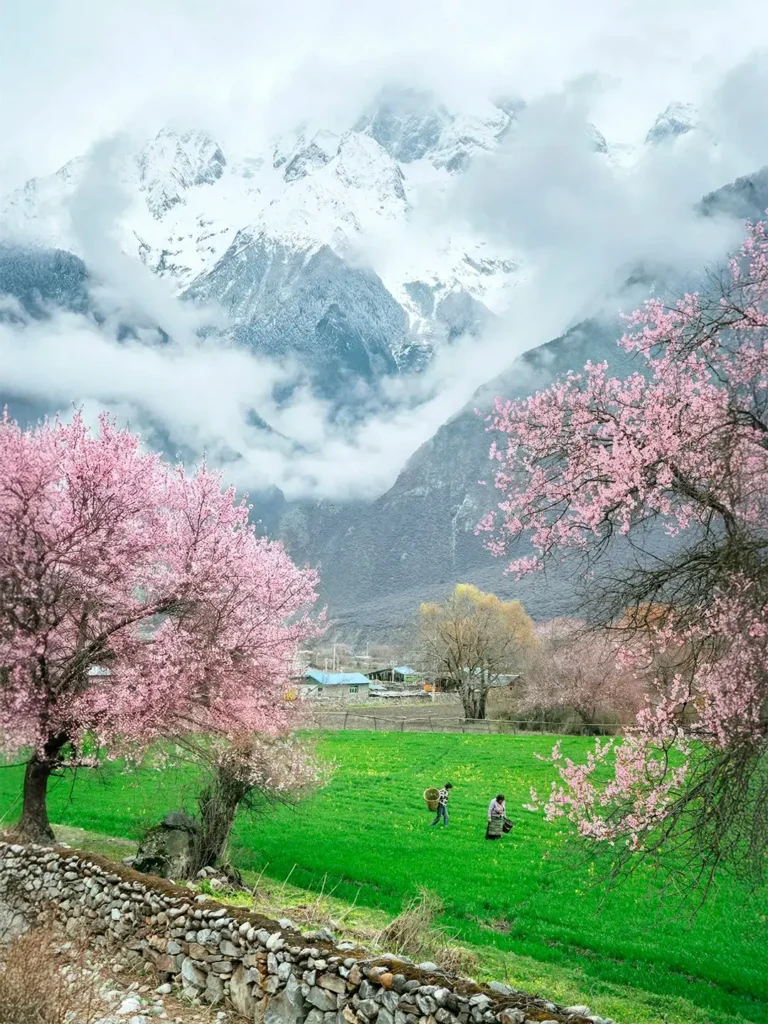
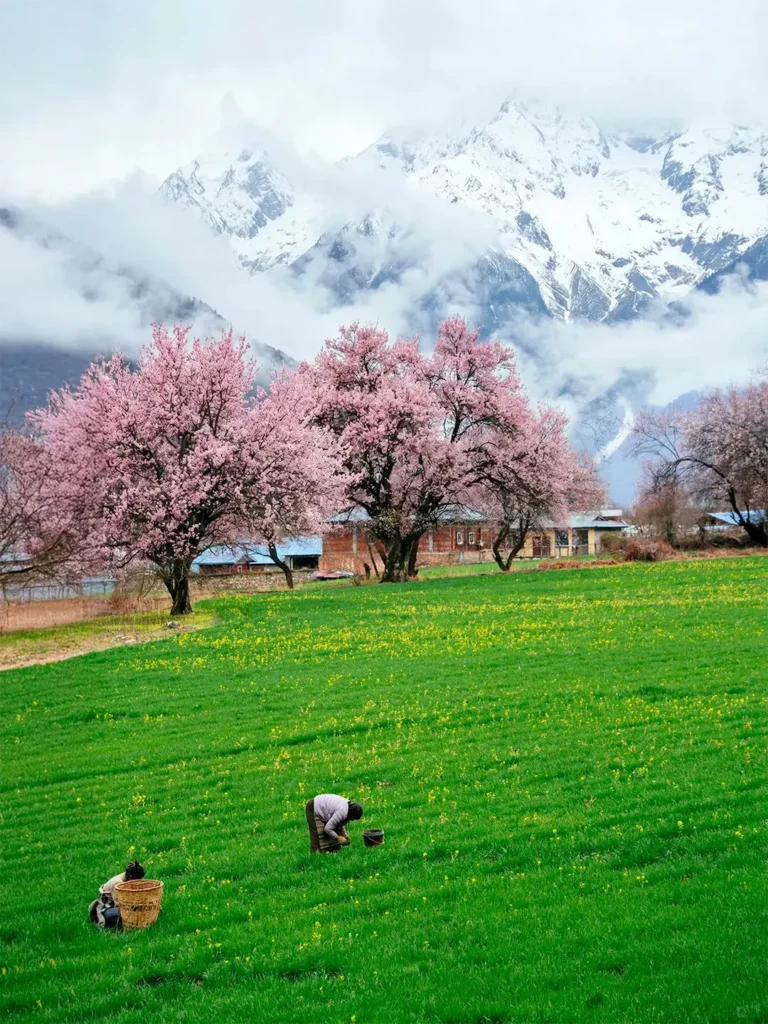
📍 H2: Understanding China weather by month: The Northern Delights
North China experiences four very distinct seasons. Winters are freezing and dry, while summers can be hot and rainy. The golden rule for the North? Spring and Autumn are your best friends!
1. Beijing (北京) – Best in September & October
- The Vibe: Crisp autumn air, golden ginkgo trees, and clear blue skies.
- The Experience: Hiking the Great Wall without sweating through your shirt is a game-changer. The autumn foliage at Fragrant Hills is a photographer’s dream. Don’t forget to grab a hot bowl of Zhajiangmian to warm up!
2. Tianjin (天津) – Best in April & May
- The Vibe: Gentle spring breezes perfect for river walks.
- The Experience: Stroll along the Haihe River and admire the European-style architecture of the Five Great Avenues (Wudadao). The spring weather makes enjoying street-side Jianbing (Chinese crepes) absolute perfection.
3. Hebei (河北) – Best in September
- The Vibe: Cool, refreshing, and crowd-free.
- The Experience: Explore the Chengde Mountain Resort, the ancient summer palace of emperors. The autumn weather is perfect for riding horses in the Bashang Grasslands.
4. Shanxi (山西) – Best in May & October
- The Vibe: Mild temperatures ideal for exploring ancient history.
- The Experience: Walk through the ancient city of Pingyao or marvel at the Yungang Grottoes. The mild China weather by month here means you won’t freeze while exploring these outdoor historical marvels.
5. Inner Mongolia (内蒙古) – Best in July & August
- The Vibe: Lush, endless green plains under bright sunshine.
- The Experience: Sleep in a traditional yurt, ride horses across the Hulunbuir Grasslands, and eat roasted whole lamb. Summer is the only time the grasslands are fully alive before the harsh winter sets in.
📍 H2: The Winter Wonderlands: Northeast China (Dongbei)
If you love snow, you will adore the Northeast. Just remember to pack serious thermal gear!
6. Heilongjiang (黑龙江) – Best in December & January
- The Vibe: A literal frozen fairy tale.
- The Experience: The Harbin International Ice and Snow Sculpture Festival is mind-blowing. Yes, it’s -25°C, but seeing life-sized castles made of ice illuminated at night is worth the brain freeze.
7. Jilin (吉林) – Best in January & February
- The Vibe: Soft powder snow and magical frost.
- The Experience: Witness the famous Rime Ice on the trees along the Songhua River. It’s also one of the best places in China for skiing at the Changbaishan resorts.
8. Liaoning (辽宁) – Best in September & October
- The Vibe: Colorful autumn forests.
- The Experience: Visit the Red Beach in Panjin, where a unique type of weed turns the entire wetland crimson in the autumn. It’s visually stunning and perfectly comfortable weather-wise.
📍 H2: The Poetic East: East China
East China is characterized by elegant water towns, massive metropolises, and a humid climate. Beware of the “Plum Rain” season in June/July!
9. Shanghai (上海) – Best in October & November
- The Vibe: Modern luxury meets crisp, pleasant breezes.
- The Experience: Walking the Bund or sipping coffee in the French Concession is incredible in autumn. You bypass the brutal humidity of summer and the bone-chilling dampness of winter.
10. Jiangsu (江苏) – Best in April
- The Vibe: Misty, romantic spring showers.
- The Experience: Cities like Suzhou and Nanjing bloom beautifully. Cruising down the canals of Zhouzhuang Water Town while light spring rain falls feels like stepping into a traditional ink painting.
11. Zhejiang (浙江) – Best in April & October
- The Vibe: Tranquil lakes and tea harvests.
- The Experience: Hangzhou’s West Lake is stunning in spring. Plus, you can visit the Longjing tea plantations exactly when the freshest tea is being picked and roasted.
12. Anhui (安徽) – Best in September to November
- The Vibe: Sea of clouds and dramatic mountains.
- The Experience: Climbing the Yellow Mountain (Huangshan) is best in autumn. The skies are clearer, meaning you have a higher chance of seeing the legendary “Sea of Clouds” at sunrise.
13. Fujian (福建) – Best in October & November
- The Vibe: Coastal charm and moderate sunshine.
- The Experience: Explore the Hakka Tulou (earthen castles) or wander the colonial streets of Xiamen’s Gulangyu Island without the intense summer typhoons raining on your parade.
14. Jiangxi (江西) – Best in March & April
- The Vibe: Fields of gold.
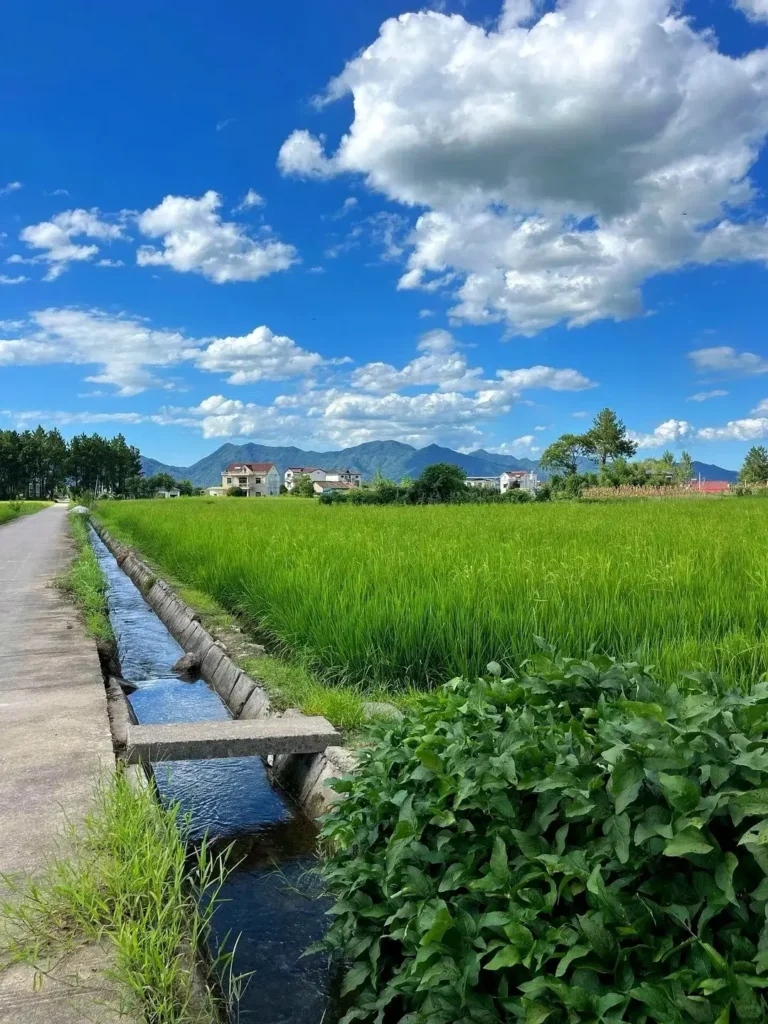
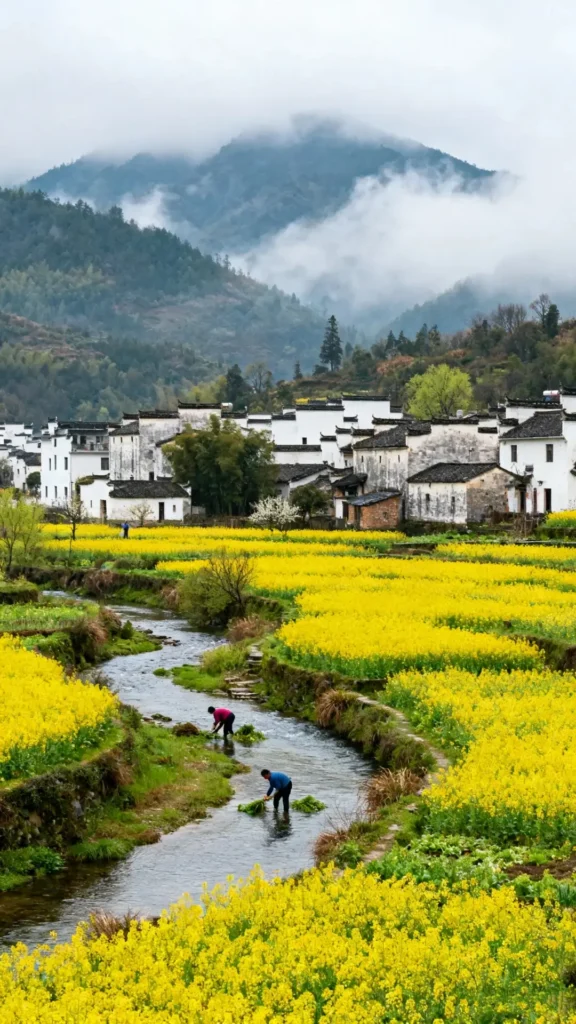
- The Experience: Wuyuan is known as the most beautiful countryside in China. In spring, oceans of yellow rapeseed flowers bloom against the backdrop of white-walled, black-tiled Hui-style villages.
15. Shandong (山东) – Best in August & September
- The Vibe: Cool coastal retreats.
- The Experience: Qingdao is the ultimate summer escape. Enjoy the International Beer Festival, eat fresh seafood, and enjoy the cool ocean breezes while the rest of China swelters.
📍 H2: The Heartland: Central China
16. Henan (河南) – Best in April & October
- The Vibe: Kung Fu and ancient capitals.
- The Experience: Visit the Shaolin Temple or the Longmen Grottoes in Luoyang. April is also the time for the spectacular Luoyang Peony Festival.
17. Hubei (湖北) – Best in October
- The Vibe: Mighty rivers and autumn foliage.
- The Experience: Wuhan is one of China’s “furnace cities” in summer. Avoid it! Go in October to cruise the Yangtze River through the Three Gorges when the weather is perfectly balmy.
18. Hunan (湖南) – Best in September & October
- The Vibe: Avatar mountains in the mist.
- The Experience: Zhangjiajie National Forest Park is stunning in autumn. The humidity drops, making the rigorous hikes up the pillar-like mountains much more enjoyable.
📍 H2: Tropical & Subtropical Escapes: South China
19. Guangdong (广东) – Best in November & December
- The Vibe: Dim sum dates and mild winters.
- The Experience: Guangzhou and Shenzhen are incredibly hot from May to October. Visiting in early winter means you can comfortably eat steaming dim sum outdoors and explore modern cityscapes.
20. Guangxi (广西) – Best in September & October
- The Vibe: Karst mountains and lazy rivers.
- The Experience: Bamboo rafting down the Li River in Guilin is legendary. Autumn offers clear reflections on the water and a break from the intense summer downpours.
21. Hainan (海南) – Best in December to March
- The Vibe: China’s Hawaii.
- The Experience: When the rest of the country is freezing, Sanya is your go-to for surfing, luxury resorts, and lying on the beach with a coconut in hand.
22 & 23. Hong Kong & Macau (香港 & 澳门) – Best in November & December
- The Vibe: Glitzy skylines and food scenes.
- The Experience: Skip the suffocating summer humidity. Late autumn provides cool, dry days perfect for hiking Victoria Peak or exploring the historic ruins of Macau.
📍 H2: The Majestic Southwest: Mountains & Minorities
24. Sichuan (四川) – Best in September & October
- The Vibe: Spicy food and colorful alpine lakes.
- The Experience: Jiuzhaigou Valley turns into a kaleidoscope of red, yellow, and green leaves reflecting in crystal-clear blue lakes. Plus, autumn is a great time to see the Pandas in Chengdu!
25. Chongqing (重庆) – Best in March & November
- The Vibe: Cyberpunk cityscapes and spicy hotpot.
- The Experience: Another “furnace city” to avoid in summer. Spring and late autumn are perfect for eating numbing-spicy hotpot and taking the Yangtze River cableway.
26. Guizhou (贵州) – Best in April & May
- The Vibe: Ethnic minority villages and giant waterfalls.
- The Experience: The Huangguoshu Waterfall is raging and impressive in late spring, and the weather is perfect for visiting the Miao and Dong minority villages.
27. Yunnan (云南) – Best ALL YEAR (but specifically April/May)
- The Vibe: The “Spring City” eternal bliss.
- The Experience: Kunming is pleasant year-round. Hike the Tiger Leaping Gorge in spring, or wander the ancient streets of Dali and Lijiang under clear blue skies.
28. Tibet (西藏) – Best in June to August
- The Vibe: Spiritual awakenings on the roof of the world.
- The Experience: This is the only time it’s warm enough to comfortably travel across Tibet. You can witness the spectacular Mount Everest base camp and the Potala Palace under the warm high-altitude sun.
📍 H2: The Silk Road: Northwest China
29. Shaanxi (陕西) – Best in September & October
- The Vibe: Terracotta warriors and ancient city walls.
- The Experience: Cycling on top of the ancient Xi’an City Wall is wonderful in the cool autumn breeze. Summer here can be surprisingly hot and dusty.
30. Gansu (甘肃) – Best in September
- The Vibe: Desert oases and Buddhist art.
- The Experience: Ride a camel in the singing sand dunes of Dunhuang. Autumn provides a massive relief from the scorching summer desert sun.
31. Qinghai (青海) – Best in July & August
- The Vibe: High-altitude vast lakes and blooming flowers.
- The Experience: Qinghai Lake is surrounded by blooming yellow rapeseed flowers in July. It’s a cool, high-altitude summer retreat.
32. Ningxia (宁夏) – Best in September
- The Vibe: Wine tasting and desert glamping.
- The Experience: Ningxia is the rising star of Chinese wine. Visit in autumn to see the grape harvest and sleep in luxury tents in the Tengger Desert.
33. Xinjiang (新疆) – Best in September
- The Vibe: A feast of fruits, colors, and diverse cultures.
- The Experience: Kanas Lake in autumn is arguably the most beautiful place in China. Plus, September is harvest time—the melons and grapes are unbelievably sweet.
34. Taiwan (台湾) – Best in October & November
- The Vibe: Night markets, coastlines, and lush mountains.
- The Experience: Avoid the summer typhoons. Autumn brings pleasant weather for exploring Taroko Gorge, soaking in Beitou hot springs, and eating your way through Taipei’s night markets.
(Note: If you need to translate some specific terms or ask locals for help during your trip, joining a weather chinese camp online or learning basic weather in chinese phrases like “Jintian tianqi zenmeyang?” (How is the weather today?) can be a total lifesaver!)
⚠️ H3: Crucial Warning: Extreme Weather & Uninhabitable Zones
While planning your trip based on the China weather by month is essential, you also need to know where not to go, and what dangers to avoid. This is a crucial part of our China Travel Guide.
- 🚫 Uninhabitable Zones (No-Go Areas): China has incredibly vast wilderness areas where humans simply cannot survive due to extreme conditions. The Hoh Xil (Kekexili) nature reserve in Qinghai/Tibet, the Qiangtang region, and the Lop Nur area in the Taklamakan Desert are known as China’s “No Man’s Lands.” These are absolutely off-limits to casual tourists due to lethal cold, lack of water, getting lost in shifting sands, and wild animal attacks.
- 🌪️ Typhoons (July – September): Coastal areas like Guangdong, Fujian, Taiwan, and Hainan experience severe typhoons. High-speed trains get canceled, and flights are grounded. Always check weather apps!
- 😷 Sandstorms (March – May): Northern cities, including Beijing and parts of Gansu/Ningxia, can be hit by yellow sandstorms blowing in from the Gobi desert. If you travel in spring, bring a good N95 mask to protect your lungs.
- 🏔️ Altitude Sickness (Year-Round): Places like Tibet, Qinghai, and western Sichuan sit at over 3,000 to 5,000 meters. The weather can change in minutes from sunny to a blizzard. Always ascend slowly and carry oxygen.
❓ FAQ
To round out these China Travel Tips, let’s answer some of the most highly searched questions by international travelers.
Q1: What is the overall best time to visit China for a first-timer?
A: If you want a simple answer without looking at the China weather by month for every region, aim for September to October. During this golden autumn window, the brutal summer heat has faded across the south, and the freezing winter hasn’t yet hit the north. You can comfortably visit Beijing, Xi’an, Shanghai, and Guilin on a classic 14-day itinerary without packing extremes of clothing.
Q2: How accurate is the weather in chinese apps compared to international ones?
A: Highly accurate! In fact, local apps or websites like en.weather.com.cn often have more granular data for hyper-local microclimates (like specific mountain peaks) than global apps. Understanding basic weather chinese characters (like 雨 for rain, 晴 for sunny) on local apps like Baidu Weather or WeChat Mini-programs will give you the most reliable, real-time forecasts and disaster warnings during your trip.
Q3: Are there specific regions to completely avoid during the summer?
A: Yes! The “Three Furnaces” of China—Chongqing, Wuhan, and Nanjing—are notoriously hot and humid from July to August, with temperatures easily exceeding 40°C (104°F) with high humidity. Furthermore, avoid the southern coast (Hainan, Guangdong) in August if you are terrified of typhoons disrupting your flight schedules. Head to Yunnan, Tibet, or Inner Mongolia instead!
Q4: Do I need to pack winter gear if I travel to China in Spring or Autumn?
A: It heavily depends on your GEO-location. If you are doing the standard Beijing-Xi’an-Shanghai route in late October, a warm jacket is sufficient. However, if your itinerary includes high-altitude areas like Tibet, Mount Everest Base Camp, or Jiuzhaigou in Sichuan, the night temperatures can plummet below freezing even in Spring and Autumn. Always pack layers! For more packing advice, check out our [Internal Link Placeholder: Ultimate Packing List for China].
🌸 H3: A Warm Blessing for Your China Journey
Planning a trip to a country as massive and dynamic as China can feel overwhelming, but figuring out the China weather by month is the biggest hurdle conquered! Whether you find yourself eating spicy noodles under the neon lights of Chongqing, watching the sunrise over the majestic Yellow Mountain, or walking the snow-covered steps of the Great Wall, China will change the way you see the world.
May your flights be on time, your luggage light, and your adventures endlessly fascinating. May you experience the deep warmth of the Chinese people, the rich tapestry of thousands of years of history, and the jaw-dropping beauty of its natural landscapes safely and happily. Safe travels, open your heart to the unknown, and have the trip of a lifetime in China! 🇨🇳✈️❤️