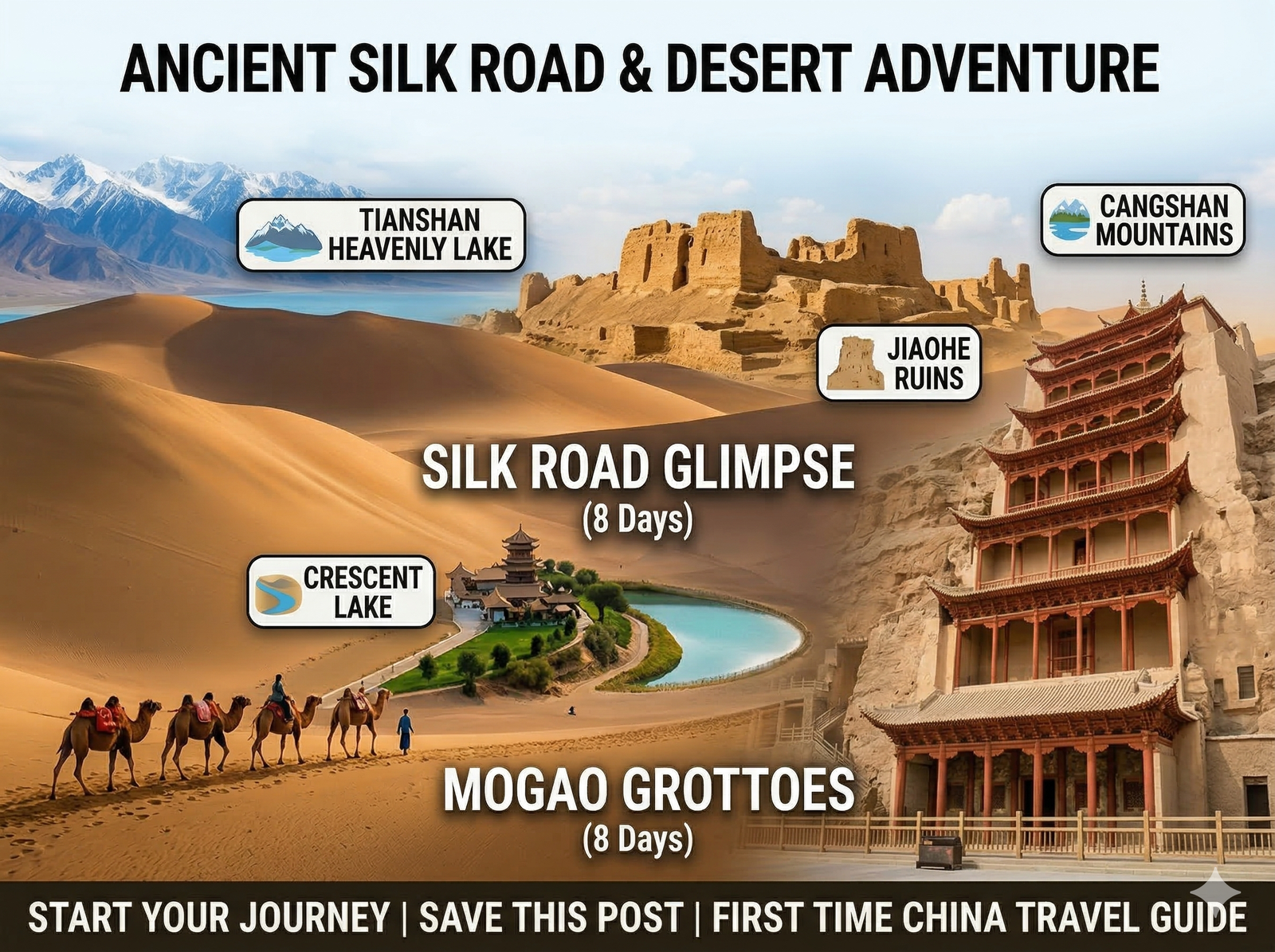
China Travel Guide
Welcome to the ultimate China Silk Road Travel Guide! If you are a history buff, an adventurer, or just someone looking for an off-the-beaten-path experience, you have landed in the right place.
For centuries, the Silk Road wasn’t just a single road; it was a massive, sprawling network of trade routes that connected the East to the West. Geographically, the Chinese section stretches from the ancient capital of Xi’an, pushes through the Hexi Corridor, crosses the vast, unforgiving Gobi Desert, and wraps around the towering peaks of the Pamir Mountains in Xinjiang before reaching Central Asia. It is a land of striking contrasts—from bustling imperial cities to silent sand dunes.
If you are looking for the best China travel guide for beginners who want to tackle this historic route, grab your backpack. Let’s dive deep into the must-visit cities, hidden food gems, and crucial travel hacks for your journey.
🐪 Major Stops on the Ancient Silk Road Route in China
To truly understand this region, you need to travel slowly. Here is a step-by-step breakdown of the most crucial cities on your route, written in a true traveler-to-traveler style!
1. Xi’an: The Grand Starting Point
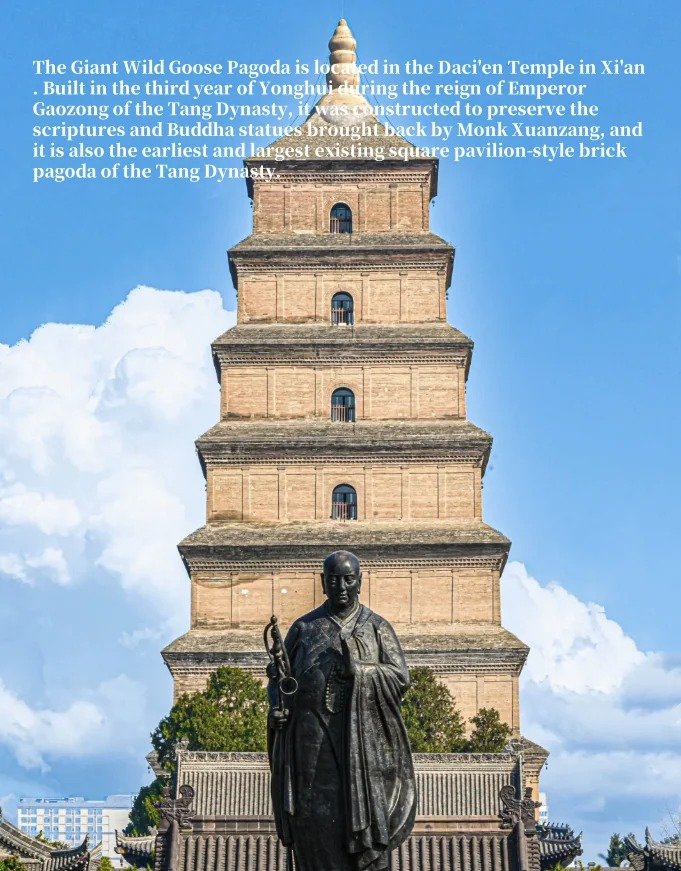
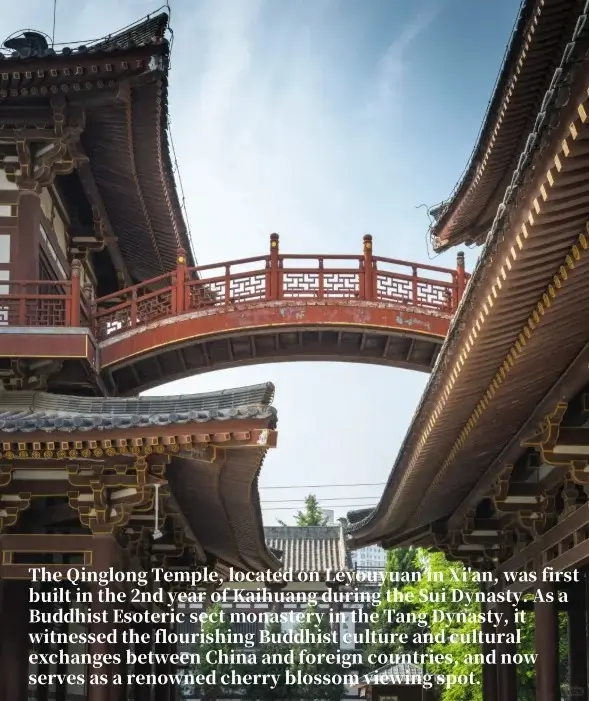
Xi’an was formerly known as Chang’an, the eastern terminus of the Silk Road. It is historically heavy, bustling, and heavily aromatic.
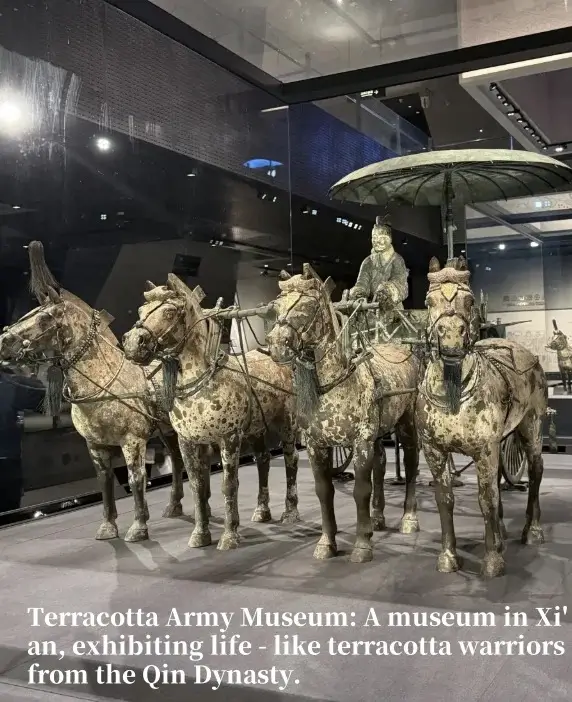
- 📸 Must-Visit Attractions: You cannot come to Xi’an without seeing the Terracotta Army. It is widely considered the eighth wonder of the world. After that, rent a bicycle and ride on top of the ancient Xi’an City Wall at sunset. Finish your evening losing yourself in the neon-lit Muslim Quarter.
- 🚇 How to Get There: To get to the Terracotta Army, take Metro Line 9 to Huaqing Pool Station, exit at Exit C, and hop on the connecting tourist bus (Line 613). It is cheap, safe, and drops you right at the museum entrance!
- 🍜 What to Eat: Skip the standard tourist snacks and hunt down a bowl of Yangrou Paomo (mutton and bread soup). You have to tear the bread into tiny pieces yourself before the chef adds the rich broth. Also, grab a Roujiamo (Chinese hamburger)—crispy bun, juicy braised pork.
- 🛑 Traps to Avoid: Inside the Terracotta Army complex, vendors will try to sell you “jade” souvenirs or signed books by the “farmer who discovered the warriors.” Skip them. Buy your souvenirs in the city center where you can negotiate the price down by at least 50%!
2. Dunhuang: The Magical Desert Oasis
As you travel west into Gansu province, you hit Dunhuang. This was the ultimate bottleneck where all trade routes merged before braving the treacherous Taklamakan Desert.
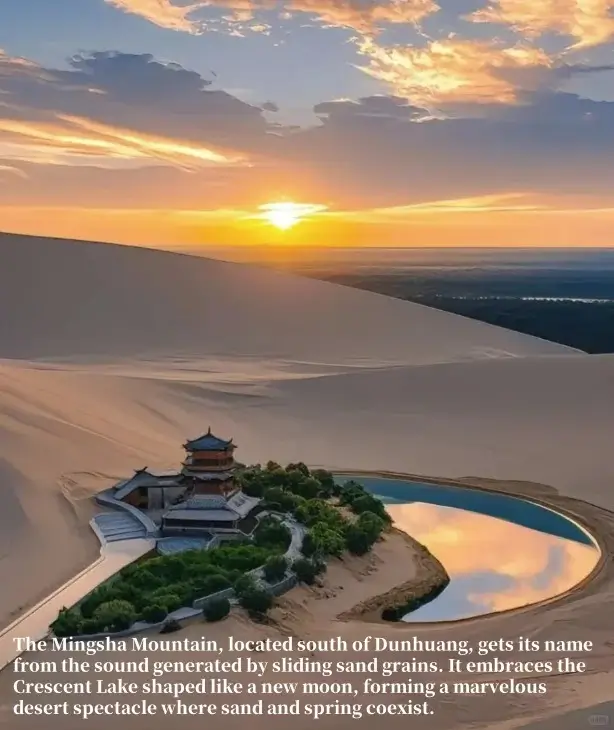
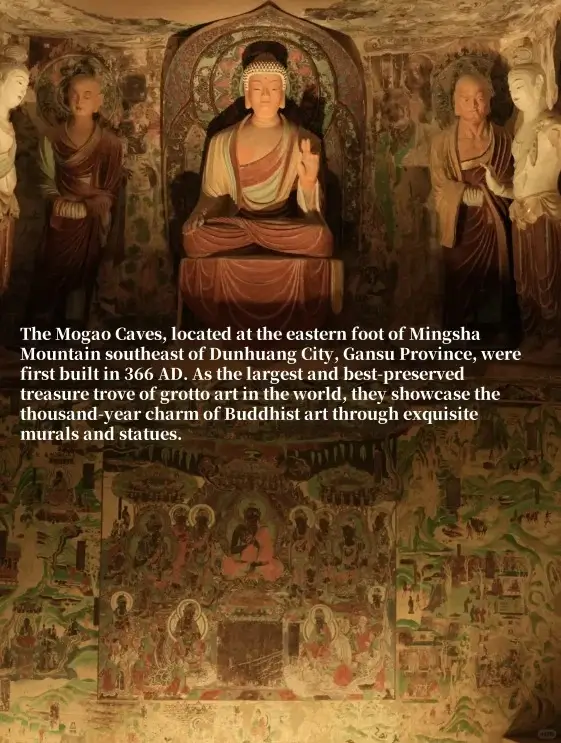
- 📸 Must-Visit Attractions: The absolute highlight of any China Silk Road Travel Guide is the Mogao Caves (Caves of the Thousand Buddhas). The ancient murals here will leave you speechless. Later in the afternoon, head to the Echoing-Sand Mountain and the surreal Crescent Lake, a literal oasis in the middle of towering sand dunes.
- 🚕 How to Get There: Dunhuang has a small airport and a train station. To reach the Mogao Caves, you must go to the Mogao Digital Center first (a quick taxi ride from downtown), where you will watch two incredible documentary films before taking the official shuttle bus to the actual caves.
- 🍜 What to Eat: Try the Yellow Noodles with Donkey Meat (Lürou Huangmian). Sounds wild, but it’s a local delicacy! Wash it down with iced Apricot Peel Water (Xingpi Shui), the perfect sweet-and-sour relief from the desert heat.
- 🛑 Traps to Avoid: Do not just show up at the Mogao Caves expecting to buy a ticket. They restrict visitor numbers to protect the art. You must book your tickets on their official WeChat mini-program or website at least two weeks to a month in advance!
3. Kashgar (Kashi): The Western Frontier
Kashgar is the beating heart of Xinjiang. If you want to feel like you’ve stepped onto a movie set from the Arabian Nights, this is the place.
- 📸 Must-Visit Attractions: Spend hours wandering through the Kashgar Old City. Every alleyway is a photographer’s dream. Check out the majestic Id Kah Mosque, and if you have the time, rent a driver for a day trip up the Karakoram Highway to see the breathtaking Karakul Lake.
- 🚶 How to Get There: Fly into Kashgar Laining International Airport. The city itself is very walkable, especially the Kashgar Old City. For day trips out to the mountains or the desert, hire a local driver through your hotel—do not rely on public buses for the deep mountains.
- 🍜 What to Eat: Xinjiang is a food paradise. Devour the Uyghur Polo (a savory lamb, carrot, and rice pilaf), freshly baked Samsa (meat pastries cooked in a tandoor oven), and giant skewers of cumin-spiced lamb.
- 🛑 Traps to Avoid: Always respect the local Islamic culture. Dress modestly when visiting the Id Kah Mosque (no shorts or tank tops). Also, when exploring the residential areas of the Kashgar Old City, do not point your camera directly into people’s private homes without a friendly smile and a gesture asking for permission first.
🔍 Frequently Asked Questions
When researching must-visit places on the Silk Road, my readers always ask these top four questions. Let’s clear them up!
Q1: What is the best time of year to travel the ancient Silk Road route in China?
A: The absolute best times are late Spring (May) and Autumn (September to October). The summer months (July-August) in the Gobi desert are scorching hot, making daytime exploration exhausting. Winter is freezing and many desert tourist facilities close down. Autumn offers cool breezes, golden foliage, and perfect skies.
Q2: How many days do I need for a complete China Silk Road itinerary?
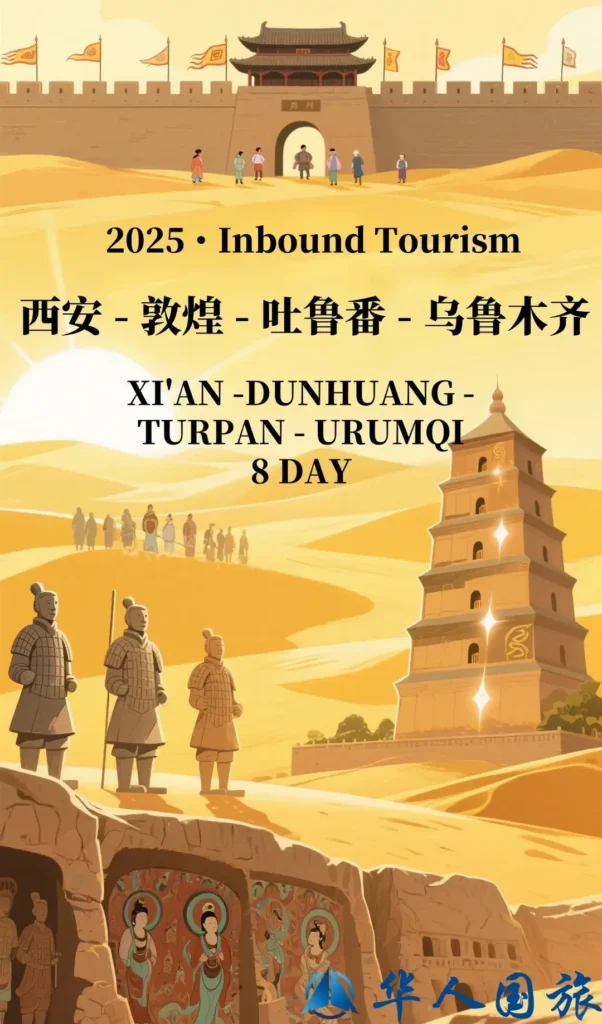
A: To truly do this route justice, you need a minimum of 10 to 14 days. This gives you enough time to explore Xi’an (3 days), take a fast train or flight to Dunhuang (2-3 days), visit Turpan or Urumqi (2 days), and end in Kashgar (3-4 days). Rushing this route will only leave you exhausted!
Q3: Is it safe for foreign travelers along the Silk Road?
A: Yes, it is incredibly safe! China has a very low street crime rate. However, because you are covering vast distances, standard travel safety applies: stay hydrated in the desert, keep your passport handy for train stations, and watch out for altitude sickness if you travel up the Karakoram Highway near Kashgar.
Q4: Do I need special permits to visit the Xinjiang portion of the route?
A: For standard tourist cities like Urumqi, Turpan, and Kashgar, foreign tourists do not need a special entry permit (unlike Tibet). A valid Chinese tourist visa (L Visa) and your passport are enough. However, always carry your passport with you everywhere you go, as security checks and hotel registrations require it constantly.
💡 Final Survival Tips & Pitfalls to Avoid
Before you pack your bags, keep these quick tips from this China Silk Road Travel Guide in mind:
- Toilet Situation: Always pack your own tissues and hand sanitizer. Many public restrooms along the long desert highways are traditional squat toilets and do not provide toilet paper.
- The “Spicy” Misunderstanding: In Northwestern China, food is heavily spiced with cumin and chili. If you have a sensitive stomach, learn the phrase “Bu yao la” (No spicy, please!).
- App Up: Google Maps can be inaccurate in remote Chinese areas. Download Apple Maps (if you use an iPhone) or Baidu Maps (if you can navigate a bit of Chinese). Also, make sure you have a reliable VPN installed before you enter China so you can share your journey on Instagram and Facebook!
💖 A Warm Blessing for Your Journey: Traveling the Silk Road is more than just a vacation; it is a pilgrimage through time. You are walking in the footsteps of ancient merchants, monks, and explorers. I hope this guide helps you navigate the wonders of Western China with confidence. May your days be filled with endless blue skies, incredibly delicious food, and the kind of beautiful, unexpected encounters that turn into lifelong memories. Safe travels, friend—enjoy every single step of your China adventure!