China History
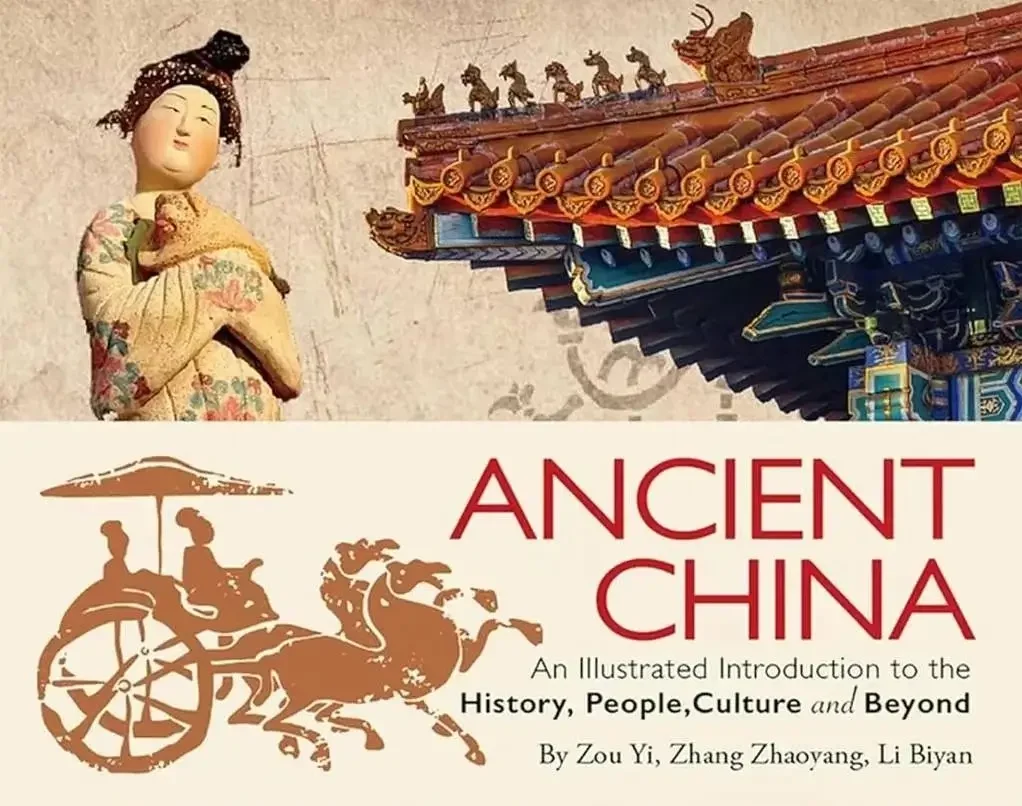
Hello, fellow explorers! 👋 If you are a foreigner stepping into China for the first time, you might be overwhelmed by the glittering skyscrapers and high-speed trains. But beneath this modern surface lies a soul shaped by thousands of years of profound heritage. Are you ready to dive deep into the past? Embarking on a China History Tour is the absolute best way to understand this vast and magical country.
From mythical origins to the fall of the last imperial house, Chinese emperors fought to maintain control over one of the most enduring empires on Earth. Let’s take a chronological journey through the ancient Chinese dynasties timeline and discover the stunning geography that shaped them! 🗺️
The Dawn of Civilization: Myth or Reality? 🐉
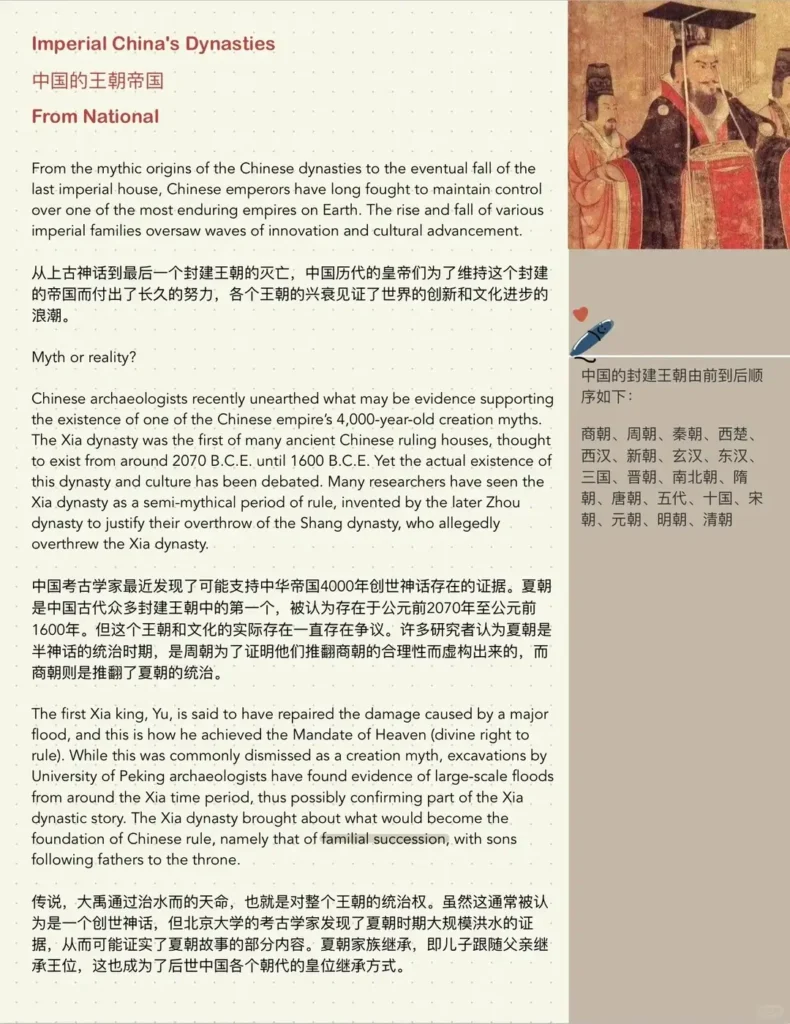
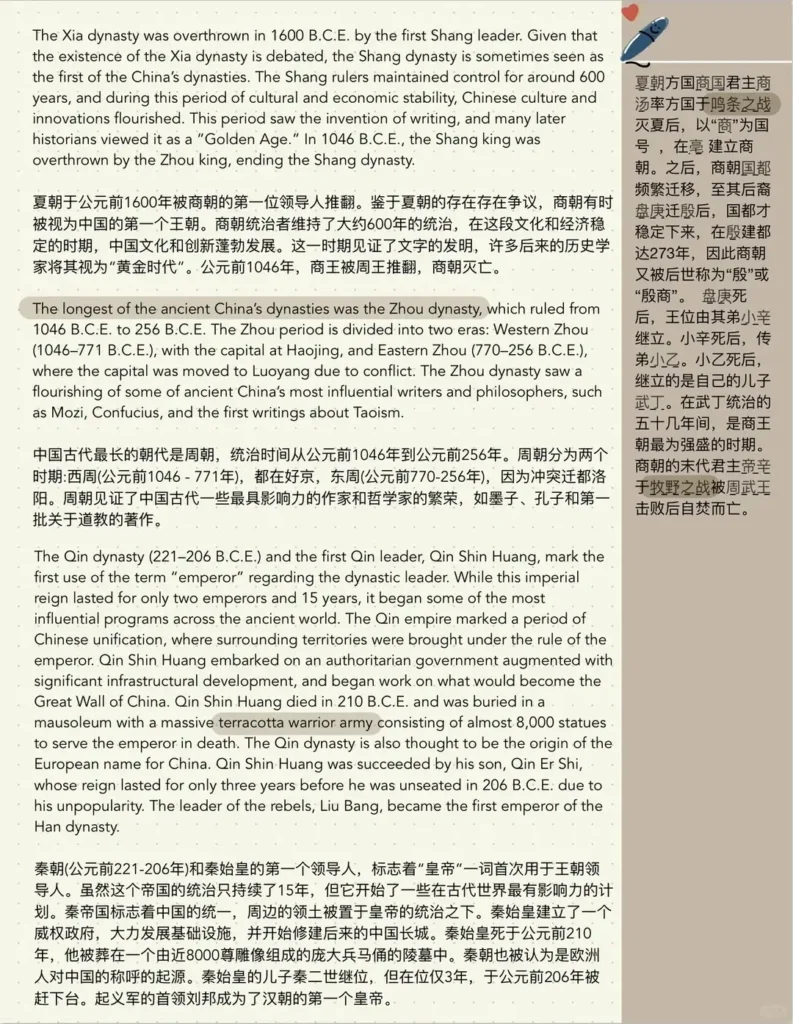
The Xia Dynasty (c. 2070 – 1600 B.C.E.)
For a long time, the Xia Dynasty was debated as a mere creation myth. However, archaeologists have unearthed evidence of large-scale floods from this era, validating the story of Yu the Great. Legend says Yu gained the Mandate of Heaven (the divine right to rule) by successfully repairing the damage caused by a massive flood. This era laid the foundation of Chinese rule: familial succession, where sons followed fathers to the throne.
The Shang Dynasty (c. 1600 – 1046 B.C.E.)
Considered by many historians as a “Golden Age,” the Shang Dynasty brought about immense cultural and economic stability. It was during this time that writing was invented! The capital moved several times before settling in Yin, making this period crucial for anyone wanting to explore Chinese historical sites dedicated to early civilization.
The Zhou Dynasty (1046 – 256 B.C.E.)
Welcome to the longest-ruling dynasty in ancient China! The Zhou period is divided into the Western Zhou (capital at Haojing) and Eastern Zhou (capital moved to Luoyang due to conflict). This fractured but intellectually vibrant era saw the flourishing of ancient China’s most influential philosophers, including Confucius, Mozi, and the earliest writings about Taoism.
The Era of Empires: Unification and Grandeur ⛰️
The Qin Dynasty (221 – 206 B.C.E.)
Though it lasted only 15 years, the Qin Dynasty changed the world forever. The ambitious leader Qin Shi Huang was the first to use the term “emperor.” He unified the surrounding territories, embarked on massive infrastructural development, and began the foundation of the Great Wall of China.
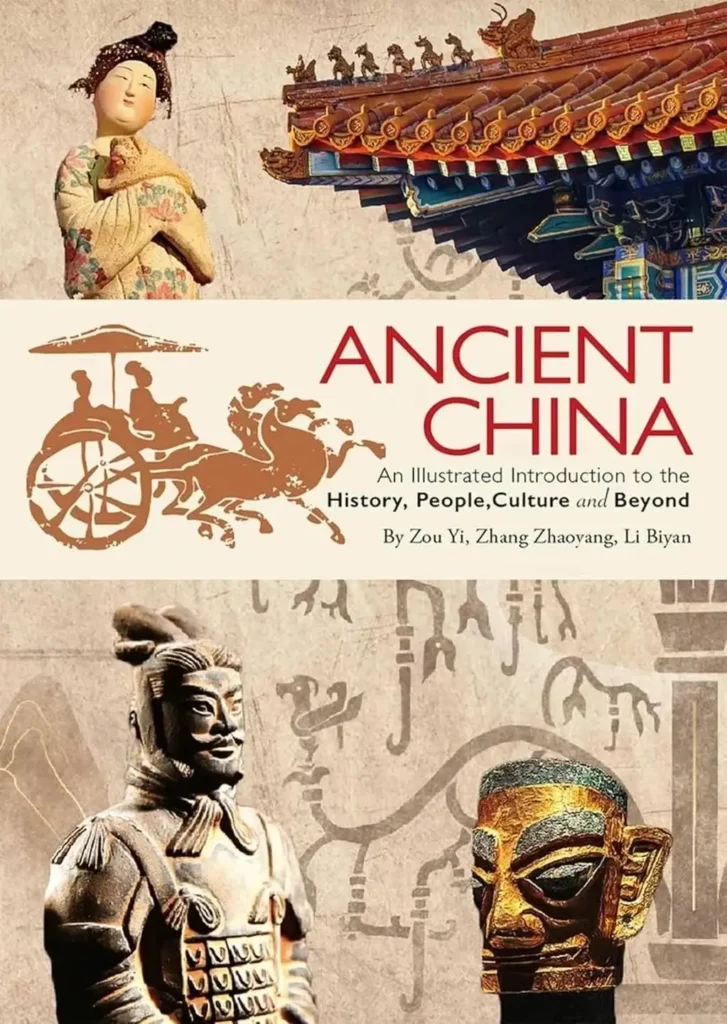
📍 Travel Tip: You absolutely must visit Xi’an! Here, Qin Shi Huang was buried in a massive mausoleum guarded by the spectacular Terracotta Warrior Army—almost 8,000 individually crafted statues built to serve the emperor in death. It is the absolute highlight of any China History Tour!
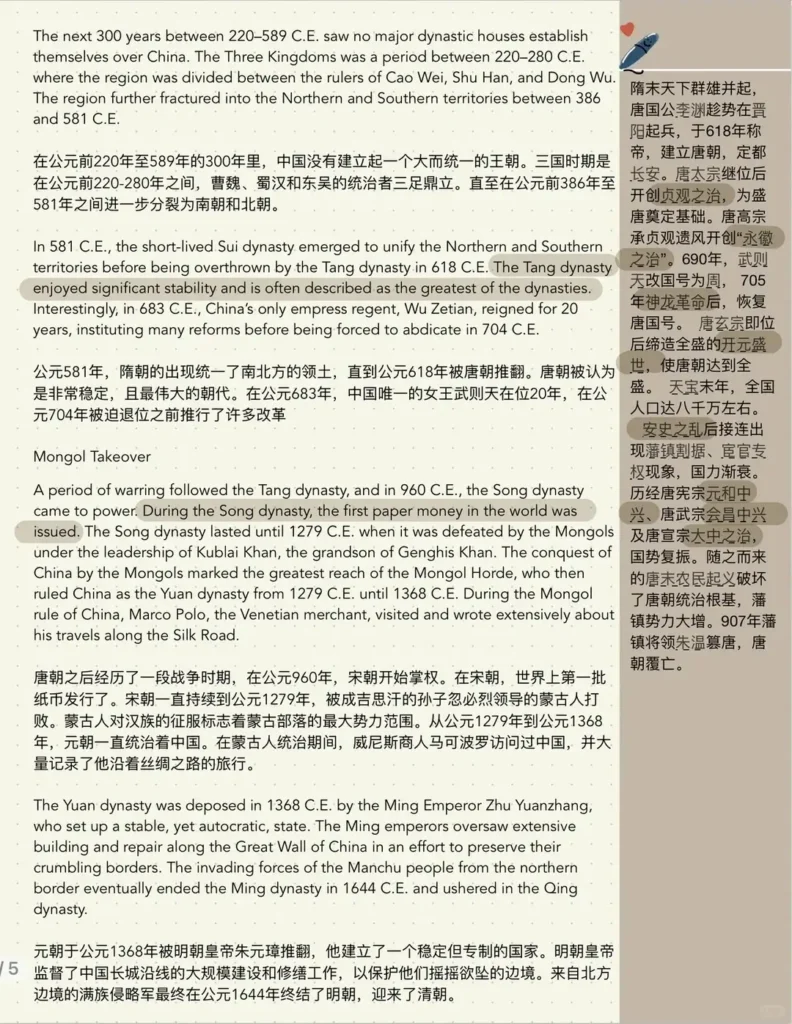
The Sui and Tang Dynasties (581 – 907 C.E.)
After a period of division (including the famous Three Kingdoms era featuring Cao Wei, Shu Han, and Dong Wu), the short-lived Sui Dynasty reunited the North and South. It was soon overthrown by the magnificent Tang Dynasty, often hailed as the greatest of them all. Capitalized in Chang’an (modern Xi’an), this era enjoyed incredible stability. Interestingly, China’s only empress regent, Wu Zetian, reigned for 20 years during this time, instituting powerful reforms.
Innovation, Invasion, and the Final Emperors 🏰
The Song and Yuan Dynasties (960 – 1368 C.E.)
The Song Dynasty was an era of profound innovation, issuing the first paper money in the world! However, they were eventually defeated by the Mongol Horde led by Kublai Khan (grandson of Genghis Khan). This marked the beginning of the Yuan Dynasty, a period when Venetian merchant Marco Polo traveled the Silk Road and documented the empire’s vast wealth.
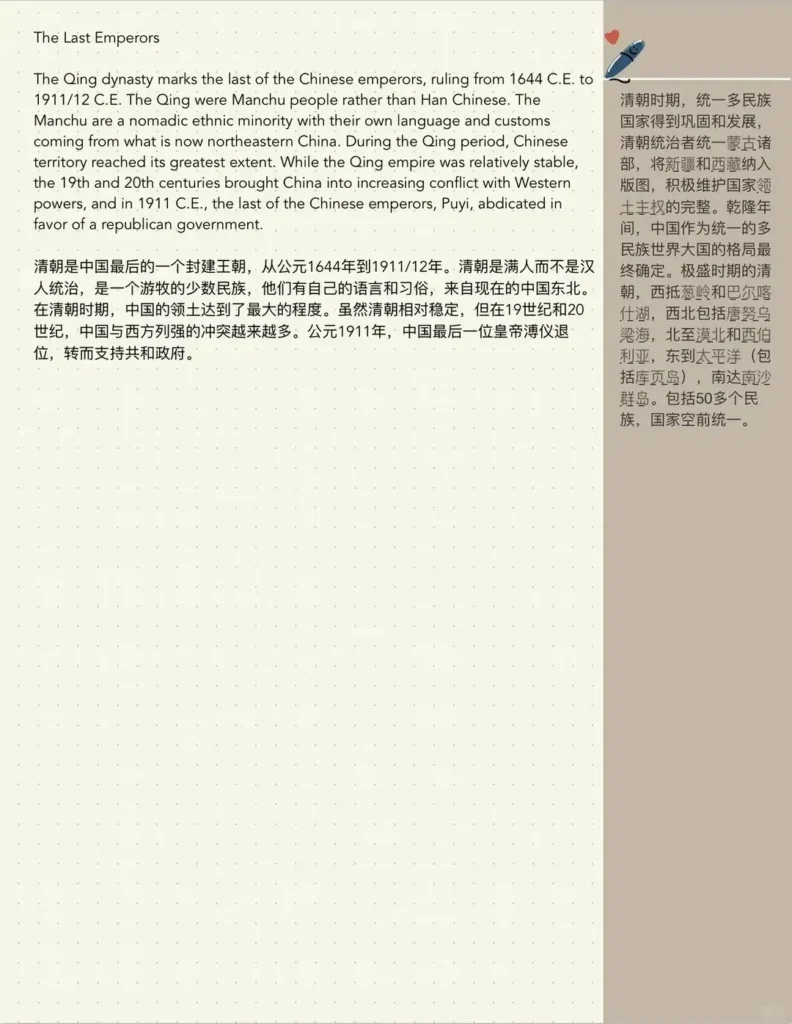
The Ming and Qing Dynasties (1368 – 1912 C.E.)
In 1368, the Han Chinese reclaimed power under Ming Emperor Zhu Yuanzhang. The Ming emperors oversaw extensive building and repair along the Great Wall, trying to keep northern invaders out. Eventually, the Manchu people from northeastern China breached the borders, establishing the Qing Dynasty.
The Qing rulers were a nomadic ethnic minority, yet under their rule, Chinese territory reached its greatest geographical extent—incorporating Xinjiang, Tibet, and Mongolia. You can feel the weight of this final dynasty when wandering through the majestic Forbidden City in Beijing. The empire finally ended in 1911 when the last emperor, Puyi, abdicated.
Deep Dive into Chinese History & Geography 🙋♀️🙋♂️
To help you plan the best historical cities to visit in China, here are four frequently asked questions by fellow global travelers:
Q1: How did China’s diverse geography influence the defense strategies of ancient dynasties?
A: Geography played a massive role! Northern China consists of vast plains and steppes, which left it vulnerable to nomadic cavalry invasions (like the Mongols and Manchus). To counter this, dynasties like the Ming utilized the treacherous mountainous terrain in the north to strategically build and reinforce the Great Wall. In contrast, Southern China is dominated by rivers (like the Yangtze) and dense hills, which naturally deterred cavalry and allowed southern regimes (like the Eastern Wu during the Three Kingdoms) to rely on powerful navies and naval fortresses.
Q2: If I only have time for two cities on my China History Tour, which ones should I choose?
A: You cannot miss Beijing and Xi’an. Beijing represents the grand culmination of imperial power, showcasing the exceptionally preserved architecture of the Ming and Qing dynasties, including the Forbidden City and the Temple of Heaven. Xi’an (historically Chang’an) takes you much further back in time. As the starting point of the Silk Road and the capital for the Qin, Han, and Tang dynasties, it offers unparalleled ancient wonders like the Terracotta Warrior Army and ancient city walls.
Q3: What makes the Terracotta Warriors in Xi’an so significant to world history?
A: The Terracotta Warrior Army is not just visually stunning; it is a masterclass in ancient logistics and artistry. Commissioned by Qin Shi Huang in the 3rd century B.C.E., it proves the incredible central authority and resource mobilization of the Qin Dynasty. What fascinates foreign visitors most is that no two soldiers are exactly alike—each of the nearly 8,000 statues features unique facial expressions, armor details, and hairstyles, reflecting the diverse ethnicities of the unified empire.
Q4: Who was Empress Wu Zetian and where can I explore her legacy?
A: Wu Zetian is a highly fascinating figure—she is the only orthodox female emperor in Chinese history. Ruling during the Tang Dynasty, she expanded the empire’s borders and heavily promoted Buddhism. To explore her legacy, visit the Longmen Grottoes in Luoyang (where the largest Buddha statue is said to be modeled after her face) or travel to the Qianling Mausoleum near Xi’an, where she is buried alongside her husband, Emperor Gaozong. It is a must-see for anyone interested in powerful women in ancient history!