
Changchun Travel Guide
Hey fellow explorers! 👋 Welcome back to the blog. If you’re sketching out your upcoming adventure in Northeast China, you’ve landed in the exact right place. Today, I’m dropping the ultimate Changchun Travel Guide to help you navigate one of the most historically complex and fascinating cities in the country!
While many foreign travelers immediately flock to the spicy, cyberpunk streets I covered in my recent Chongqing itinerary, or chase the misty, avatar-like peaks from my Zhangjiajie adventure guide, changchun offers a totally different, deeply historical vibe. Known as the “Spring City of the Northland” and the cradle of China’s auto and film industries, this city is a hidden gem packed with colonial history, massive green spaces, and incredible winter scenes.
Let’s dive right into this essential China Travel Guide for the northern jewel! 🎒📸
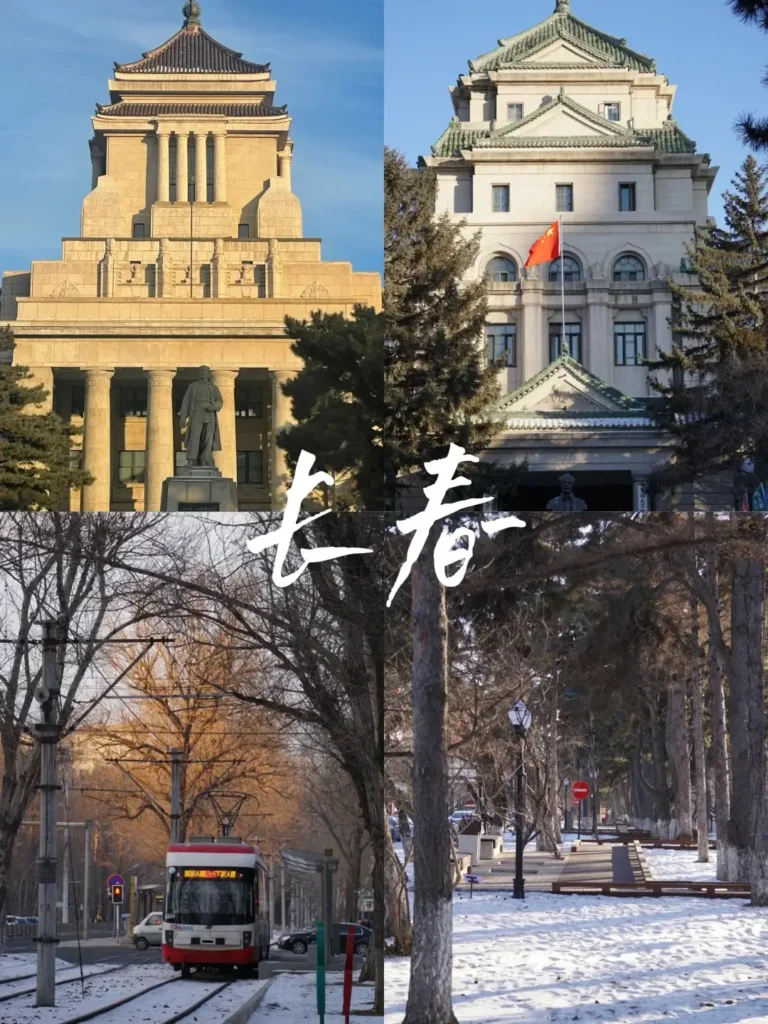
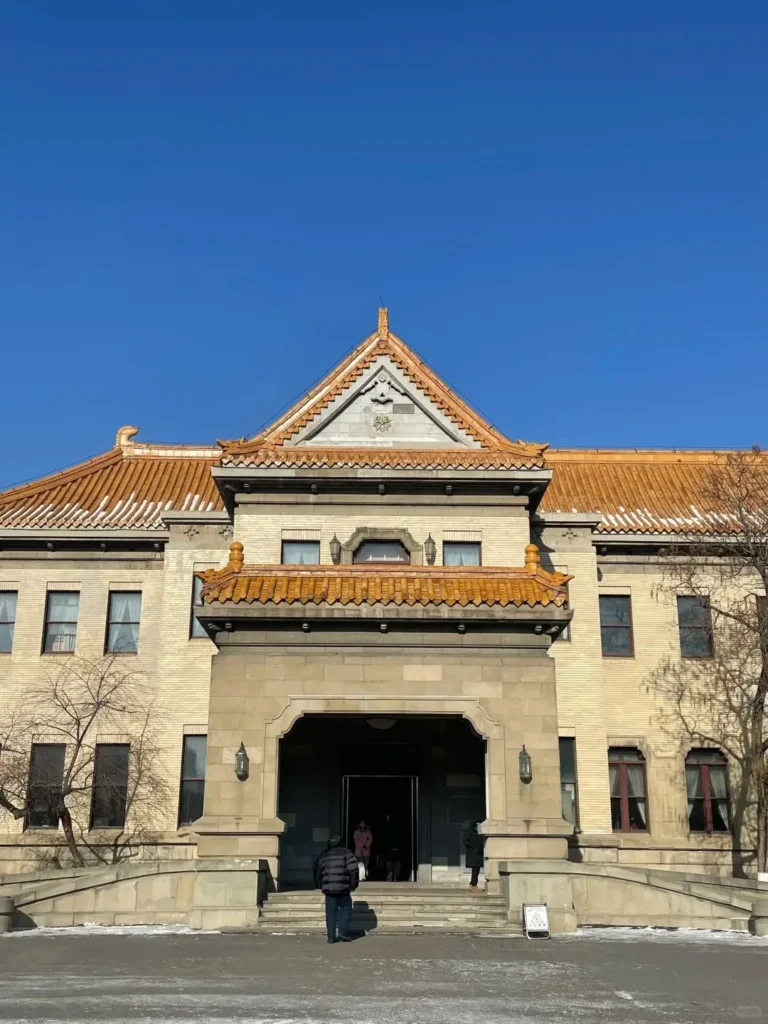
Why You Need This Changchun Travel Guide: The Historical Context 🏛️
You simply cannot understand changchun without diving into its dramatic past. With only about 200 years of major city history, it’s relatively young compared to Beijing or Xi’an, but oh boy, has it seen a lot.
From 1931 to 1945, the city witnessed a dark period when Japan colonized the region and established the puppet state of Manchukuo, making Changchun its capital. After a long period of struggle, the city broke free and rapidly transformed into a modern industrial powerhouse. In the 1950s, it gave birth to China’s very first domestically made automobile (the Jiefang truck in 1956) and the nation’s first major film studio. Today, the juxtaposition of preserved Japanese-style colonial architecture and modern, leafy avenues makes it an absolute paradise for history buffs and photographers.
Must-Visit Spots: Deep Dive into Changchun’s Attractions 🗺️
If you want to experience the true soul of the city, these spots are non-negotiable.
1. The Museum of the Imperial Palace of Manchukuo (Puppet Emperor’s Palace)
This is arguably the most crucial historical site in the city. This palace was the official residence of Puyi, the last emperor of China, who was installed here by the Japanese as a puppet ruler. Walking through the opulent yet oddly constrained halls, you get a chilling, firsthand look at how the puppet regime operated. The mix of traditional Chinese, Japanese, and Western architectural styles perfectly mirrors the chaotic political climate of the 1930s.
2. Changchun Film Studio & Movie Wonderland 🎬
Did you know this city is the Hollywood of China? The Changchun Film Studio was the very first film studio established after the founding of the PRC. It produced countless classic domestic movies and dubbed foreign films that shaped generations. You can tour the old studios, check out vintage props, and then head over to the Movie Wonderland theme park to see how the magic is made!
3. South Lake Park (Nanhu Park) & Jingyuetan 🌲
Need a breather? changchun is famous for being a “Forest City” with a whopping 39% green coverage! South Lake Park is gorgeous year-round, but it truly shines in winter when it transforms into a massive ice playground. If you want something wilder, head to Jingyuetan National Forest Park, a colossal oxygen bar where you can hike in summer and experience authentic ice-fishing in the freezing winter!
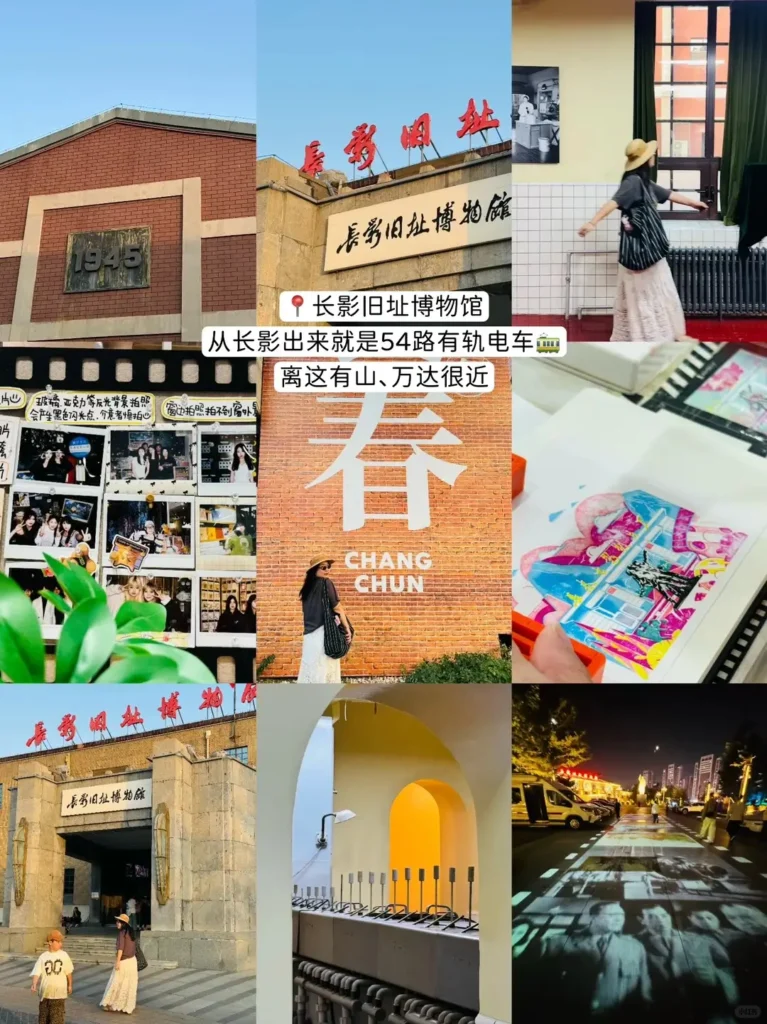
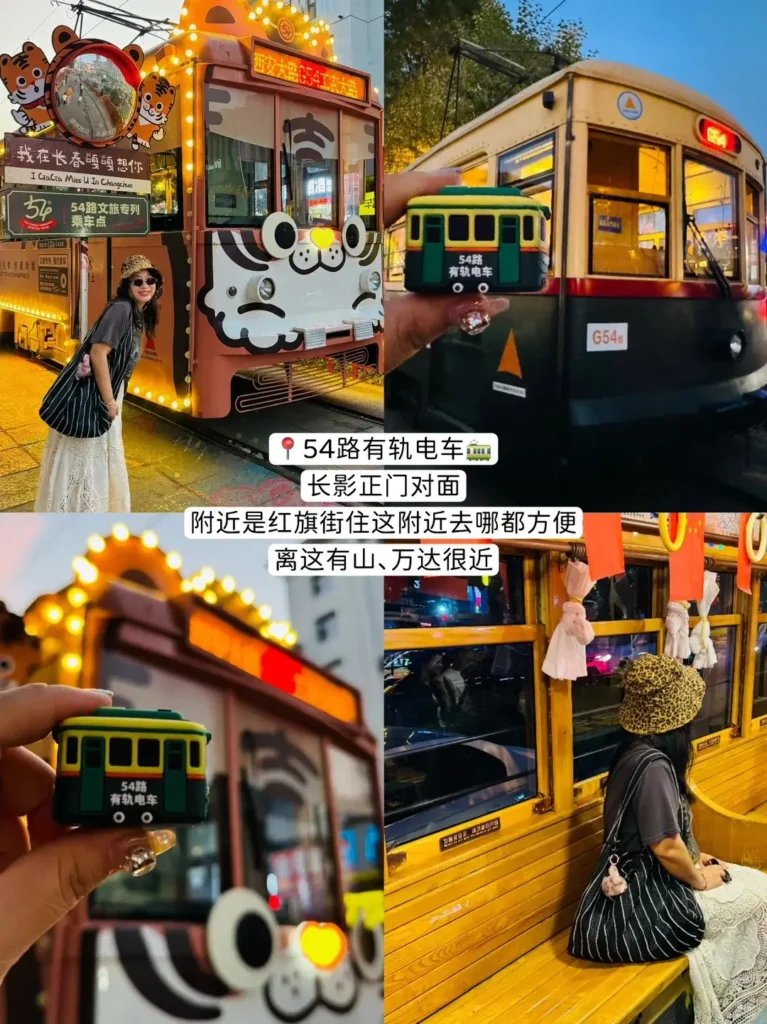
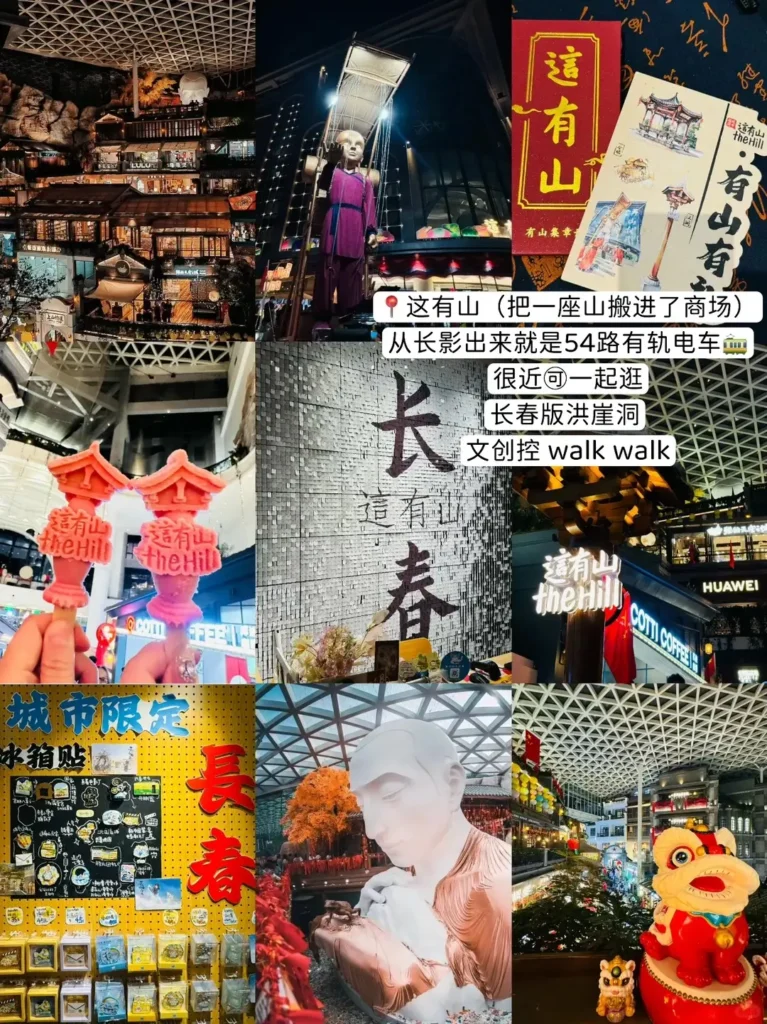
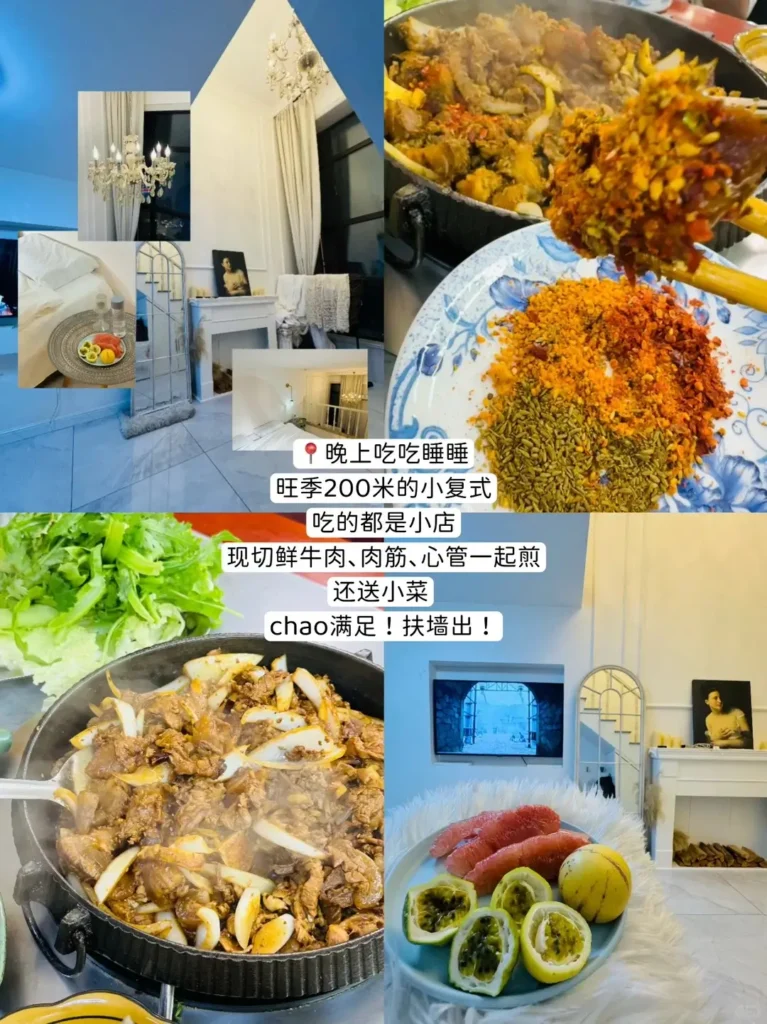
Getting There: Navigating the China Travel Guide Way 🚄
Wondering how to squeeze this city into your itinerary? It’s surprisingly easy!
- From Beijing: Hop on a high-speed bullet train! It takes about 4.5 to 6 hours, and you get to watch the stunning northern countryside roll by.
- From Shanghai or Guangzhou: Flying is your best bet. Changchun Longjia International Airport connects with over 30 domestic airlines.
- Pro Tip: The city has 4 special tourist trains that run directly to scenic areas like Changbai Mountain. Always book your train tickets in advance using the official 12306 app!
🛑 Changchun Travel Guide: How to Avoid Tourist Traps
Even the most seasoned travelers need a heads-up! Here are my top tips to protect your wallet and your mood:
- Dodge the Black Cabs: When you land at Longjia Airport or step out of the Railway Station, ignore the aggressive drivers shouting “Taxi! Taxi!”. Always follow the signs to the official taxi queue or use the DiDi app (the Chinese Uber). Make sure the driver turns the meter on!
- Skip Overpriced “Russian” Souvenirs: You’ll find night markets selling “authentic” Russian nesting dolls and binoculars. Most of these are mass-produced elsewhere. Instead, spend your money on local Northeast specialties like ginseng or local wood carvings.
- Winter Gear Markups: If you’re visiting in winter for the ice festivals, don’t buy your heavy coats and snow boots at the scenic spots. Buy them in downtown shopping malls beforehand to avoid insane tourist markups.
FAQs About Changchun Travel
To wrap up this Changchun Travel Guide, let’s tackle the top questions people are searching for geographically!
Q1: What is the exact location of Changchun, and what is the weather like?
A: It is located right in the central area of Northeast China (Jilin Province). It has a monsoon climate, meaning the four seasons are incredibly distinct! Spring is breezy, summer is pleasantly cool and wet, autumn is crisp, and winter is a magical, freezing wonderland.
Q2: Is Changchun a safe city for international tourists?
A: Absolutely! Like almost all major Chinese cities, it is incredibly safe for foreigners. Violent crime is virtually non-existent, and locals are famously warm-hearted and straightforward (a hallmark of Northeast Chinese culture). Just keep an eye on your phone in crowded markets to prevent petty pickpocketing.
Q3: Where is the best neighborhood to book my hotel in Changchun?
A: For first-timers, staying in the Chaoyang District is highly recommended. It’s the bustling commercial and cultural heart of the city, putting you in walking distance of South Lake Park, great nightlife, and major subway lines.
Q4: How many days are recommended to fully explore the city?
A: I recommend a solid 2 to 3 days. You can dedicate day one to the Puppet Emperor’s Palace and Film Studio, day two to exploring Jingyuetan National Forest Park, and a third day for wandering the colonial-era streets and trying local Northeastern cuisine like Guo Bao Rou (Sweet and Sour Pork).
💖 A Warm Travel Blessing for Your Journey
There is something profoundly moving about standing in a city that has reinvented itself so many times. As you pack your bags and prepare to walk the wide, forested avenues of this northern capital, I hope your journey is filled with serendipitous encounters and unforgettable cultural discoveries. May the rich history humble you, the hearty local food warm your soul, and the crisp northern breeze clear your mind. Safe travels, beautiful souls, and may your adventures in China be nothing short of extraordinary! Have the absolute best trip ever! ✈️🌍



《The Ultimate Changchun Travel Guide: History, Sights & Tips for Foreigners! ✨》有4条评论