Taiyuan Travel Guide
✨ Stop sleeping on Taiyuan for your next China trip! ✨ This underrated 2500-year-old “Dragon City” is packed with awe-inspiring ancient architecture, mouthwatering northern Chinese comfort food, rich Taiyuan Culture, and none of the overwhelming crowds you’ll find in Beijing or Xi’an. As someone who’s spent weeks exploring every corner of this hidden gem, I’ve put together this ultimate Taiyuan Travel Guide to help international travelers have an authentic, stress-free, and unforgettable experience in one of northern China’s most historic cities. Whether you’re a history buff, a foodie, or an off-the-beaten-path traveler, this guide has everything you need to plan the perfect trip to Taiyuan china.
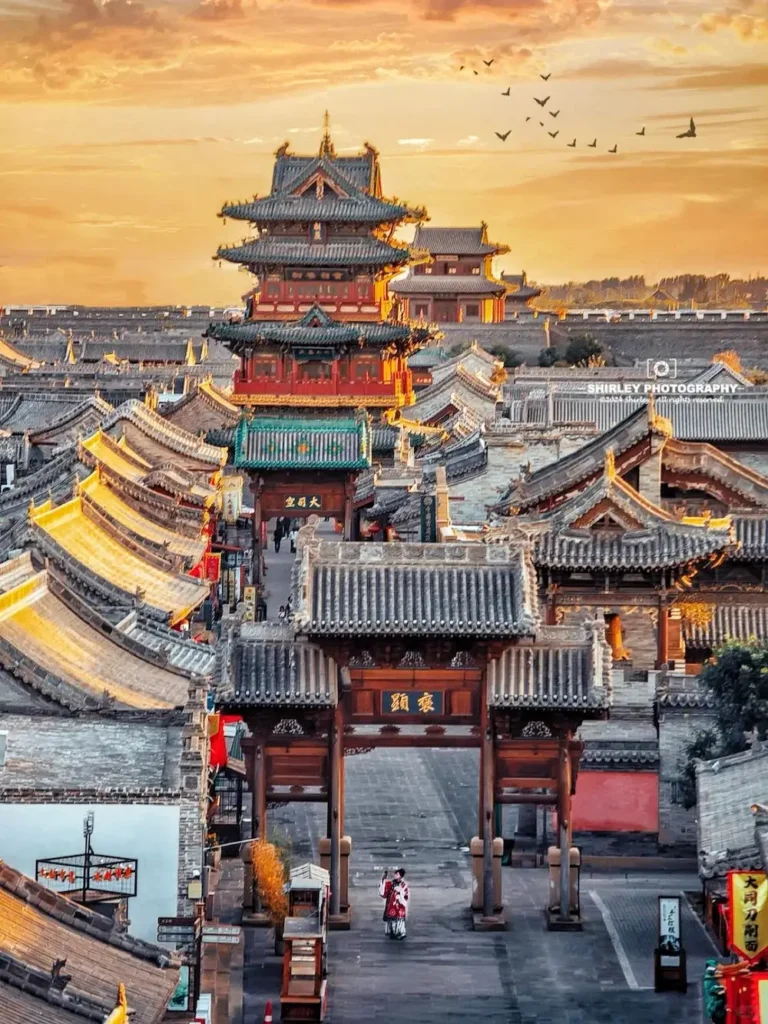

🏯 Why Taiyuan Should Be On Your China Travel Bucket List
If you’re following a China Travel Guide that only covers Beijing, Shanghai, and Xi’an, you’re missing out on one of China’s most culturally rich destinations. Taiyuan, the capital of Shanxi Province, is the heartland of Jin culture, the birthplace of China’s legendary Shanxi merchants (Jinshang), and a city that served as a military and political stronghold for over a dozen dynasties. Unlike overhyped tourist hotspots, Taiyuan lets you experience real, unfiltered Chinese life: you’ll eat at family-run restaurants that have been around for generations, wander ancient temples with barely another tourist in sight, and connect with locals who are thrilled to share their city’s story with international visitors. It’s easily one of the most underrated Famous scenic spots in China for travelers who want to go beyond the surface.
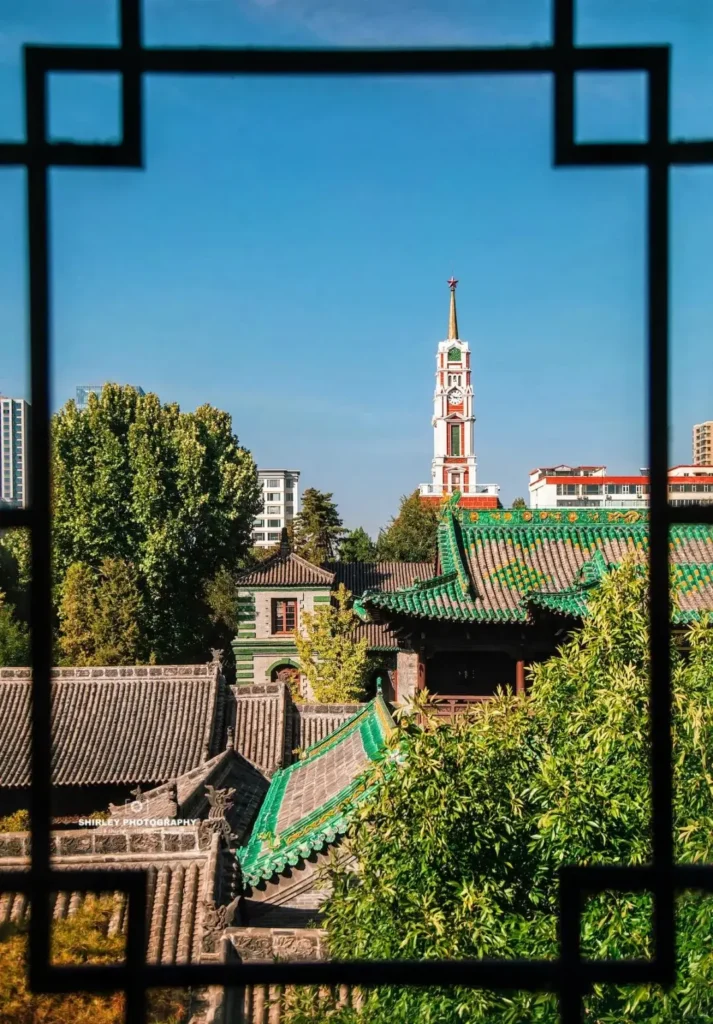

📜 A Quick Deep Dive Into Taiyuan Culture & History
To truly appreciate Taiyuan, you need to understand its incredible 2500-year history – and trust me, it’s just as fascinating as any of China’s more famous ancient capitals.
First founded in 497 BCE during the Spring and Autumn Period as the city of Jinyang, Taiyuan earned its nickname “the Dragon City” (Long Cheng) because it was the birthplace or imperial base for 9 different Chinese dynasties. From the Northern Wei to the Tang Dynasty, this city was a critical northern stronghold, protecting the heart of China from nomadic invasions, and a thriving center of trade along the northern Silk Road.
But what truly shaped modern Taiyuan Culture is the rise of the Shanxi merchants (Jinshang) during the Ming and Qing Dynasties. These pioneering businessmen built the first national banking system in China, known as piaohao (draft banks), and controlled nearly 80% of China’s financial trade for over 500 years. Taiyuan was the administrative and commercial heart of this empire, and the city’s architecture, food, and social customs all bear the mark of the Jinshang’s legacy of hard work, frugality, and cultural refinement. Even today, you’ll feel this history everywhere you go – from the grand courtyards of ancient merchant homes to the aged vinegar cellars that have been run by the same families for centuries.


📍 Top Must-Visit Attractions in Taiyuan China
No Taiyuan Travel Guide would be complete without breaking down the unmissable spots that make this city special. I’ve sorted these by must-see priority, with all the insider tips you need to avoid crowds and get the most out of your visit.
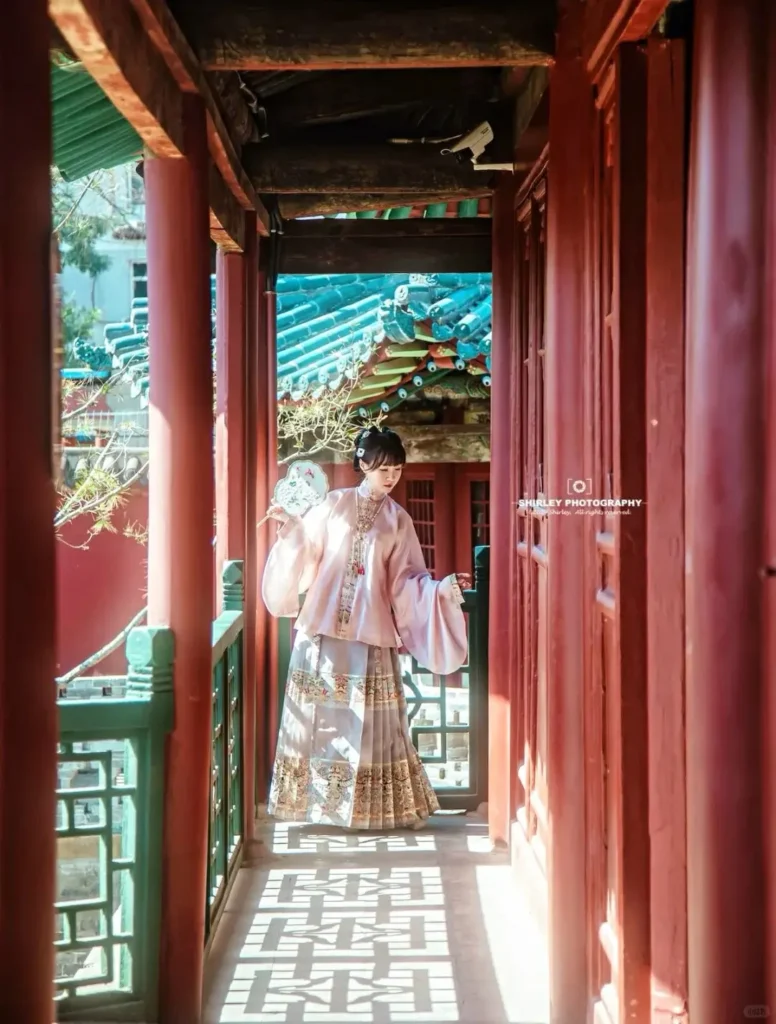
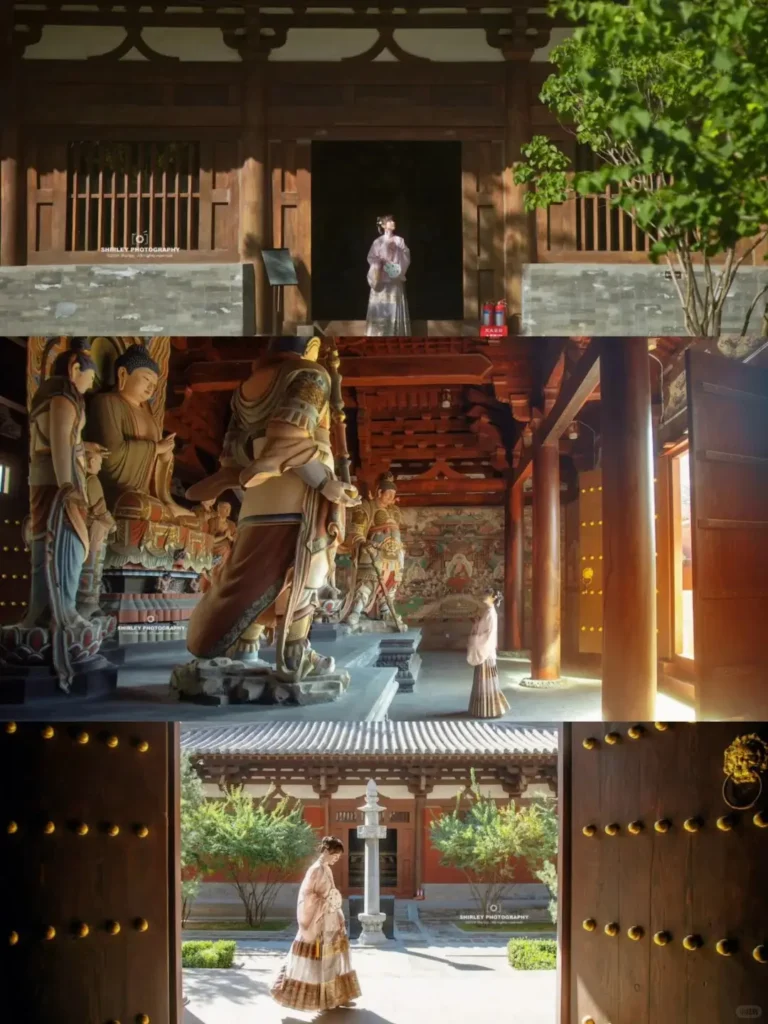
H3: Jinci Temple (Jin Memorial Temple)
If you only visit one place in Taiyuan, make it Jinci Temple. This is the oldest and most important royal temple complex in Shanxi, with a history stretching back over 1500 years, and it’s widely regarded as a masterpiece of ancient Chinese architecture. Nestled at the foot of the Xuanweng Mountain, Jinci was built to honor Shu Yu, the founder of the Jin State, and his mother, Yi Jiang.
What makes Jinci so incredible is that it’s not just one temple – it’s a sprawling complex of over 100 ancient buildings, bridges, and pavilions, spanning the Song, Yuan, Ming, and Qing Dynasties. The absolute highlights are:
- The Saintly Mother Hall: Built between 1023 and 1032 CE during the Song Dynasty, this is the crown jewel of Jinci. It’s one of the best-preserved Song Dynasty wooden buildings in China, with a stunning double-eaved roof and intricate carvings. Inside, you’ll find 43 life-sized painted clay statues of the Saintly Mother and her attendants, each with unique facial expressions and personalities – they’re so lifelike, it feels like they could start moving at any moment.
- Fish 沼飞梁 (Fish Pond Flying Bridge): This is the only surviving ancient cross-shaped stone bridge in China, built at the same time as the Saintly Mother Hall. It spans a square pond filled with fish, and its design is so unique that it’s been called a “rare treasure of ancient Chinese bridge architecture”.
- The Zhou Cypress: A 3000-year-old cypress tree planted during the Western Zhou Dynasty. It’s still standing tall, leaning gently over the temple grounds, and it’s one of the oldest living trees in China. Standing next to it, you can really feel the weight of history in this place.
Insider Tips for Jinci Temple:
- Book your tickets online in advance (around 80 RMB per person) to skip the ticket line.
- Rent an official English audio guide at the entrance (20 RMB) – the stories behind each building make the visit so much more meaningful. Avoid the “private guides” loitering at the entrance, most of them are unlicensed and will overcharge you.
- Visit early in the morning (right when it opens at 8 AM) to avoid tour groups and get the temple almost to yourself.
- Wear comfortable walking shoes – the complex is huge, and you’ll be walking on uneven stone paths for 2-3 hours.
- Don’t waste money on cheap souvenirs at the entrance; the small shops inside the complex sell higher-quality, locally made crafts.
H3: Yongzuo Temple (Twin Pagoda Temple)
The two towering pagodas of Yongzuo Temple are the iconic symbol of Taiyuan china, and they’re featured on the city’s official logo. Built in 1608 during the Ming Dynasty, these two 55-meter-tall brick pagodas are some of the tallest ancient pagodas in China, and they’ve stood through earthquakes, wars, and centuries of weather.
What I love most about Yongzuo Temple is that it’s not just a photo spot – it’s a fully functioning Buddhist temple with a peaceful, laid-back vibe. The temple grounds are home to a stunning collection of over 260 ancient stone steles, including calligraphy from famous Chinese artists like Wang Xizhi, Yan Zhenqing, and Liu Gongquan. If you’re a fan of Chinese art and calligraphy, this is a must-visit.
Another huge draw is the temple’s peony garden, which has over 6000 peony plants, including some rare 300-year-old trees. Every April and May, the garden bursts into bloom with pink, white, and red peonies, and it’s one of the best places in northern China to see these iconic flowers.
Insider Tips for Yongzuo Temple:
- Tickets are 30 RMB per person, and it’s open from 8:30 AM to 5:30 PM.
- You can climb the inside of the East Pagoda for an extra 10 RMB – the views of Taiyuan from the top are absolutely breathtaking, especially on a clear day.
- Visit in late April or early May for the peony bloom – it’s the busiest time, but well worth it.
- The temple is a working religious site, so dress modestly (cover your shoulders and knees) and be quiet around the prayer halls.
H3: Shanxi Museum
If you want to understand the full history of Shanxi and Taiyuan Culture, the Shanxi Museum is non-negotiable. It’s the largest and most comprehensive museum in Shanxi Province, with over 400,000 cultural relics spanning 1.8 million years of history, from prehistoric times to the Qing Dynasty. It’s easily one of the best provincial museums in China, and best of all, entry is completely free.
The museum is organized into 7 themed halls, and my top picks for international travelers are:
- The Jin Business Hall: This is my favorite part of the museum. It tells the incredible story of the Shanxi merchants, with original bank drafts, account books, and artifacts from the piaohao (ancient banks) that changed China’s financial system. There are even full-scale replicas of a merchant’s courtyard and a bank hall, so you can really picture what life was like for these pioneering businessmen.
- The Buddhist Art Hall: This hall has a stunning collection of Buddhist statues from the Northern Wei to the Tang Dynasty, including many rare stone and gilt bronze statues unearthed from sites around Taiyuan. The detail on these statues is incredible, and the English signage explains the history and symbolism perfectly.
- The Porcelain and Bronze Halls: These halls have some of the most well-preserved ancient bronze vessels and porcelain in northern China, including pieces from the Shang and Zhou Dynasties that are over 3000 years old.
Insider Tips for Shanxi Museum:
- You must book your free ticket online in advance via the museum’s official WeChat account. I made the mistake of showing up without a booking on my first visit, and I had to wait 45 minutes in line for a same-day ticket. Book 1-2 days ahead to avoid this.
- The museum is closed every Monday, so plan your trip accordingly.
- Rent an English audio guide (30 RMB) at the entrance – it’s well worth the money for the extra context.
- Plan to spend at least 2-3 hours here – there’s so much to see, and you don’t want to rush through it.
H3: Mengshan Giant Buddha
If you’re looking for a mix of nature and history, the Mengshan Giant Buddha is a must-add to your Taiyuan Travel Guide. Carved into the side of Mengshan Mountain in 551 CE during the Northern Qi Dynasty, this 63-meter-tall seated Buddha is over 160 years older than the famous Leshan Giant Buddha in Sichuan, making it one of the oldest giant stone Buddhas in the world.
For centuries, the Buddha was lost to history – the head fell off during a war in the Yuan Dynasty, and the statue was completely covered by trees and earth until it was rediscovered in 1980. The head was restored in 2008, and today, it’s a peaceful, beautiful site that’s far less crowded than other famous giant Buddhas in China.
The hike up to the Buddha is gentle and scenic, winding through a forested mountain valley with streams and small temples along the way. It takes about 45 minutes to walk from the entrance to the Buddha, and there’s a shuttle bus if you don’t want to hike (10 RMB one way).
Insider Tips for Mengshan Giant Buddha:
- Tickets are 50 RMB per person, and it’s open from 8 AM to 6 PM.
- Visit early in the morning to avoid the midday heat and crowds – the morning light on the Buddha is also perfect for photos.
- Wear comfortable hiking shoes and bring a bottle of water – even the gentle hike can be tiring in hot weather.
- There are small snack shops along the trail, but they’re overpriced – bring your own snacks if you can.
H3: Chongshan Temple
For a taste of quiet, authentic Buddhist life in the middle of downtown Taiyuan, head to Chongshan Temple. First built in the Tang Dynasty, this temple was once a massive imperial complex, but most of it was destroyed in a fire in 1864. The surviving halls are some of the best-preserved Ming Dynasty Buddhist architecture in Shanxi, and the temple is still a fully functioning monastery with dozens of monks living there.
The main attraction is the Mahavira Hall, which houses three giant 8-meter-tall gilt Buddha statues from the Ming Dynasty, as well as a stunning collection of ancient Buddhist scriptures, including a hand-copied set of the Tripitaka from the Song Dynasty. The temple grounds are filled with ancient cypress trees, beautiful flower gardens, and peaceful courtyards – it’s the perfect place to escape the noise of the city for an hour or two.
Insider Tips for Chongshan Temple:
- Tickets are only 6 RMB per person, which is an absolute steal for the history and peace you get here.
- The temple is open from 8 AM to 4:30 PM, and it’s almost never crowded – I’ve visited multiple times and only seen a handful of other tourists.
- Be respectful of the monks and worshippers – don’t take photos inside the prayer halls, and keep your voice down.
🗓️ Curated Itineraries For Your Taiyuan Travel Guide
I’ve put together two perfect itineraries for Taiyuan china, depending on how much time you have. Both are designed to minimize travel time, hit all the best spots, and leave plenty of time for eating and relaxing – no rushed 6 AM wake-up calls here!
H3: 3-Day Taiyuan Essentials Itinerary (Perfect for First-Time Visitors)
This itinerary is for travelers who want to see all the best of Taiyuan in a short time, with a mix of history, culture, food, and nature.
Day 1: Downtown Taiyuan Culture & Food Immersion
- Morning (9 AM – 12 PM): Start your trip at the Shanxi Museum to get a full overview of Taiyuan’s history and culture. Spend 2-3 hours exploring the halls, and don’t miss the Jin Business and Buddhist Art exhibits.
- Midday (12:30 PM – 2 PM): Walk 10 minutes to a local family-run restaurant near the museum for your first taste of authentic Taiyuan cuisine. Try the classic guoyourou (Shanxi-style sweet and sour pork), daoxiao noodles, and a plate of local vegetables.
- Afternoon (2:30 PM – 5:30 PM): Head to Chongshan Temple for an hour of peace and quiet, then take a 10-minute taxi to Yongzuo Temple (Twin Pagoda Temple). Climb the East Pagoda for panoramic views of the city, and wander the stele garden and peony grounds.
- Evening (6 PM onwards): Take a taxi to Liu Xiang Food Street (Taiyuan’s most famous food street) for dinner. Wander the street and try all the local snacks, then sit down at a local restaurant for a full meal. End the night with a walk around the downtown area to see the city lit up.
Day 2: Jinci Temple & Mengshan Giant Buddha Day Trip
- Morning (8 AM – 12 PM): Leave your hotel early to head to Jinci Temple, which is about 40 minutes from downtown by taxi. Spend 3-4 hours exploring the temple complex, and make sure to see the Saintly Mother Hall, Fish Pond Flying Bridge, and Zhou Cypress.
- Midday (12:30 PM – 2 PM): Eat lunch at a local restaurant near Jinci Temple – they specialize in farm-to-table Shanxi dishes, and the food is fresh and affordable.
- Afternoon (2:30 PM – 5:30 PM): Take a 20-minute taxi from Jinci to Mengshan Giant Buddha. Hike (or take the shuttle) up to the Buddha, spend time exploring the site, and take in the views of the mountain valley.
- Evening (6:30 PM onwards): Head back to downtown Taiyuan, and eat dinner at a traditional noodle shop. Try a bowl of authentic daoxiao noodles or pian’erchuan soup to warm up after a long day of walking.
Day 3: Jinshang Culture & Local Life Experience
- Morning (9 AM – 12 PM): Take a 30-minute taxi to Qingxu Old Vinegar Garden, the birthplace of Shanxi aged vinegar. Take a tour of the vinegar cellars, learn about the 1000-year-old vinegar-making process, and taste different aged vinegars (some are over 10 years old!). This is the perfect way to learn about a core part of Taiyuan Culture.
- Midday (12:30 PM – 2 PM): Eat lunch at a restaurant near the vinegar garden, which specializes in dishes made with Shanxi vinegar – the vinegar-braised pork is absolutely incredible.
- Afternoon (2:30 PM – 5 PM): Head to Qinglong Ancient Town, a 40-minute drive from downtown. This well-preserved ancient town was once a major trading post for the Shanxi merchants, and it’s filled with beautiful Ming and Qing Dynasty courtyards, temples, and old shops. It’s far less crowded than Pingyao, and you can wander the streets for hours without seeing another tourist.
- Evening (6 PM onwards): Head back to downtown Taiyuan for your final dinner. Go to a time-honored restaurant like Qingheyuan to try the famous tounao (brain soup) if you’re feeling adventurous, or stick to classic Shanxi dishes. End the night with a walk along the Fen River, which runs through the heart of Taiyuan, to see the city’s skyline lit up.
H3: 5-Day Taiyuan Deep Dive Itinerary (For Culture & History Lovers)
If you have more time, this 5-day itinerary builds on the 3-day essentials, adding more off-the-beaten-path sites, deeper cultural experiences, and day trips to nearby historic sites that are core to Taiyuan Culture. I won’t repeat the 3-day itinerary, but here’s what to add:
- Day 4: Day trip to Pingyao Ancient City (1 hour by high-speed train from Taiyuan South Station). This UNESCO World Heritage Site is the best-preserved ancient walled city in China, and it’s the birthplace of the first piaohao (draft bank) in China. Spend the day wandering the city walls, exploring the ancient bank museums, and eating Pingyao’s famous beef.
- Day 5: Morning visit to the Jinyang Ancient City Ruins, the site of the original Jinyang City founded in 497 BCE. This massive archaeological site has ruins of city walls, palaces, and temples from the Warring States Period to the Tang Dynasty, and it’s a must-visit for history buffs. In the afternoon, visit the Taiyuan Art Museum to see contemporary art from Shanxi artists, then end the day with a farewell dinner at a top-rated Jin cuisine restaurant.
🍜 Authentic Taiyuan Cuisine You Can’t Miss
Shanxi is known as the “home of Chinese noodles”, and Taiyuan cuisine is the heart of Shanxi food. It’s hearty, comforting, and full of bold flavors, with a focus on wheat noodles, vinegar, and local ingredients. As a self-proclaimed foodie, I’ve eaten my way through dozens of restaurants in Taiyuan, and these are the dishes you absolutely have to try, plus where to eat them.
H3: Daoxiao Noodles (Knife-Shaved Noodles)
No trip to Taiyuan china is complete without eating daoxiao noodles – they’re the most famous dish in Shanxi, and for good reason. These noodles are made by shaving a block of wheat dough directly into boiling water with a special knife, which gives them a unique chewy, slightly uneven texture. They’re usually served in a rich savory broth with meat and vegetables, or stir-fried with eggs and vegetables.
The best place to try daoxiao noodles is at a small, family-run shop – the ones with a chef shaving noodles in the window are always the best. I recommend Daoxiao Noodle King near Chongshan Temple, which has been around for over 40 years, and makes the best daoxiao noodles I’ve ever had.
H3: Tounao (Brain Soup)
Tounao is the most iconic, unique breakfast dish in Taiyuan, and it’s a core part of Taiyuan Culture. Invented in the 17th century by Fu Shan, a famous Taiyuan scholar, doctor, and artist, tounao is a warm, nourishing soup made with lamb, yellow rice, astragalus root, lotus root, yam, and wine. It’s a medicinal dish designed to warm the body and boost immunity, and it’s traditionally served from autumn to spring.
Tounao has a mild, slightly herbal flavor, and it’s an acquired taste – but it’s a must-try for the cultural experience alone. It’s always served with maohe (a crispy fried pastry) and pickled leeks, which balance out the flavor of the soup. The best place to try tounao is Qingheyuan, a 400-year-old time-honored restaurant in downtown Taiyuan – it’s the most famous place for tounao in the city.
Insider Tip: Tounao is only served for breakfast, from 6 AM to 10 AM. If you want to try it, you have to get up early – it sells out fast on weekends!
H3: Guoyourou (Shanxi-Style Sweet and Sour Pork)
Guoyourou is the signature dish of Jin cuisine, and it’s nothing like the sweet and sour pork you’ll find in Western Chinese restaurants. This dish is made with tender slices of pork tenderloin, coated in a thin batter, fried until crispy, then tossed in a light, tangy sauce made with Shanxi aged vinegar, garlic, and a little bit of sugar. It’s savory, tangy, and slightly sweet, with a perfect crispy texture, and it’s the ultimate comfort food.
Every local restaurant in Taiyuan has guoyourou on the menu, but the best version I’ve had is at Ren Yili Restaurant, another time-honored Taiyuan restaurant that’s been around for over 100 years.
H3: Yangza Ge (Lamb Offal Soup)
Yangza ge is a hearty, warming soup made with lamb offal, lamb broth, vermicelli, and spices, and it’s a staple of Taiyuan’s winter cuisine. It’s rich, flavorful, and packed with protein, and it’s the perfect dish to warm you up on a cold day. Locals eat it for breakfast, lunch, or dinner, and it’s usually served with flatbread or steamed buns.
The best yangza ge in Taiyuan is at Haibian Street Lamb Offal Shop, a small, no-frills shop that’s been run by the same family for 3 generations. The broth is simmered for 12 hours, and it’s absolutely delicious.
H3: Shanxi Aged Vinegar
Shanxi aged vinegar is one of the four famous vinegars in China, and it’s the soul of Taiyuan cuisine. Unlike white vinegar or black vinegar, Shanxi aged vinegar is fermented for at least 3 years (some are fermented for over 20 years), which gives it a rich, deep, slightly sweet flavor that’s not too sharp. It’s used in almost every Shanxi dish, from guoyourou to noodles, and it’s even used in desserts and drinks.
You can learn all about Shanxi vinegar at the Qingxu Old Vinegar Garden, which I mentioned in the itinerary. You can also buy bottles of aged vinegar to take home – it makes the perfect souvenir, and it’s far better than any vinegar you’ll find in Western supermarkets.
⚠️ Essential Taiyuan Travel Tips & Pitfalls to Avoid
After multiple trips to Taiyuan, I’ve learned all the dos and don’ts to make your trip as smooth as possible. These China Travel Tips are specific to Taiyuan, and they’ll save you time, money, and stress.
H3: Transportation in Taiyuan China
Getting around Taiyuan is incredibly easy, even for English-speaking travelers:
- Airport: Taiyuan Wusu International Airport is about 15 km from downtown. The easiest way to get to your hotel is by Didi (China’s ride-hailing app) – it costs around 30-40 RMB and takes 20-30 minutes. There’s also a metro line (Line 2) that connects the airport to downtown, which costs 5 RMB and takes 40 minutes.
- High-Speed Rail: Taiyuan has two main train stations: Taiyuan South Station (for most high-speed trains to Beijing, Xi’an, Pingyao, and other cities) and Taiyuan Station (for regular trains). Both stations are connected to the metro, and Didi is always available.
- Downtown Transportation: Taiyuan’s metro system has 2 lines that cover most major attractions and downtown areas. A single ride costs 2-6 RMB, and you can use the Alipay or WeChat app to pay. Buses are also cheap and convenient, but the metro is faster and easier for first-time visitors. For short trips, Didi is the best option – most rides within downtown cost 10-20 RMB, and you can enter your destination in English in the app.
H3: Top Pitfalls to Avoid in Taiyuan
- Unlicensed Guides & Taxis: Never take a “private guide” loitering at the entrance of Jinci Temple or other major attractions – they’re almost always unlicensed, overcharge you, and will take you to fake attractions or overpriced souvenir shops. Similarly, never take a taxi that approaches you at the airport or train station – they’ll charge you 3-4 times the normal price. Always use Didi for rides.
- Tourist Trap Restaurants: The restaurants right at the entrance of major attractions and on Liu Xiang Food Street are almost always overpriced and low-quality. For authentic Taiyuan cuisine, walk a few blocks away from the tourist areas to small, family-run restaurants with lots of locals inside – the food will be better and cheaper.
- Not Booking Attractions in Advance: All major museums and attractions in Taiyuan require advance booking, especially on weekends and holidays. Always book your tickets 1-2 days in advance via the official WeChat accounts to avoid waiting in line or being turned away.
- Ignoring the Weather: Taiyuan has extreme weather – in winter (November to March), temperatures can drop to -15°C, and in summer (June to August), temperatures can reach 38°C. Pack accordingly: bring a heavy down jacket, hat, and gloves for winter, and sunscreen, a hat, and light, breathable clothes for summer.
- Disrespecting Religious Sites: Most of Taiyuan’s temples are working religious sites. Dress modestly (cover your shoulders and knees), don’t take photos inside prayer halls, don’t touch religious artifacts, and keep your voice down. Never take “free incense” from people approaching you at temples – they’ll almost always demand a large donation after you take it.
H3: General Travel Tips for Taiyuan
- Payment: Most hotels, large restaurants, and shopping malls accept international credit cards (Visa, Mastercard), but small restaurants, street vendors, and public transportation only accept Alipay or WeChat Pay. You can link your international bank card to Alipay, which is the easiest way to pay. It’s also a good idea to carry 500-1000 RMB in cash for emergencies.
- Language: Most staff at major attractions, hotels, and restaurants speak basic English, but very few locals speak English outside of tourist areas. Download a translation app like DeepL or Google Translate, and download the offline Chinese language pack – it will save you a lot of trouble.
- Best Time to Visit: The best time to visit Taiyuan is April to May (spring) and September to October (autumn). The weather is mild and pleasant, the flowers are blooming in spring, and the leaves are changing color in autumn. Winter is cold, but it’s the best time to try tounao and other warming winter dishes. Summer is hot and rainy, so it’s the least popular time to visit.
- Safety: Taiyuan is an extremely safe city for international travelers. Violent crime is very rare, and you can walk around downtown at night without any issues. Just keep an eye on your belongings in crowded areas, like train stations and food streets, to avoid pickpockets.
🤔 FAQ: About Taiyuan Travel
H3: 1. Is Taiyuan easy to visit for English-speaking travelers?
Absolutely! While Taiyuan isn’t as touristy as Beijing or Shanghai, it’s very welcoming to international travelers. All major attractions have English signage and offer English audio guides, most 4-star and 5-star hotels have English-speaking staff, and the Didi app lets you enter your destination in English. The only place you might run into language barriers is at small, family-run restaurants, but a translation app will solve that easily. Many locals are excited to meet international visitors, and they’ll go out of their way to help you, even if they don’t speak English.
H3: 2. Do I need a visa to visit Taiyuan China?
Most foreign nationals need a Chinese tourist visa (L visa) to visit Taiyuan. However, citizens of 53 countries (including the US, UK, Canada, Australia, Japan, and most EU countries) are eligible for the 144-hour visa-free transit policy in Shanxi Province. This means if you’re transiting through Taiyuan Wusu International Airport to a third country, you can stay in Taiyuan and the rest of Shanxi for up to 144 hours (6 days) without a visa. Make sure to check the latest visa requirements before your trip, as they can change.
H3: 3. How many days do I need to fully explore Taiyuan?
For a first-time visit, 3 full days is enough to see all the must-visit attractions in Taiyuan, eat all the best Taiyuan cuisine, and get a good feel for the city. If you want to take day trips to nearby sites like Pingyao Ancient City, the Qiao Family Compound, or Wutai Mountain, I recommend adding 2-3 more days to your itinerary. For a deep dive into Taiyuan Culture and history, 5-7 days is perfect.
H3: 4. Are there any day trips from Taiyuan worth taking?
Yes! Taiyuan is the perfect base for exploring the rest of Shanxi Province, which is home to some of China’s most incredible historic sites. The most popular day trips are:
- Pingyao Ancient City: 1 hour by high-speed train from Taiyuan South Station. This UNESCO World Heritage Site is the best-preserved ancient walled city in China, and a must-visit for anyone interested in Jinshang culture.
- Qiao Family Compound: 1 hour by car from Taiyuan. This beautiful Qing Dynasty merchant compound is famous for its intricate architecture and was the setting for the popular Chinese TV drama Raise the Red Lantern.
- Wutai Mountain: 2 hours by car from Taiyuan. This is one of the four sacred Buddhist mountains in China, home to over 50 ancient temples, and a UNESCO World Heritage Site. It’s perfect for a 1-2 day trip if you’re interested in Buddhism and nature.
🤗 Wishes for Your China Travel Adventure
To every traveler embarking on your journey through China, we wish you a trip filled with endless wonder, warm connections, and unforgettable moments that will stay with you for a lifetime. May your time in Taiyuan china be filled with the joy of discovering 2500 years of history in every ancient temple, the comfort of a warm bowl of authentic Taiyuan cuisine on a cool day, and the kindness of local people who are eager to share their home with you.
Whether you’re here to explore the legacy of the Shanxi merchants, marvel at ancient Chinese architecture, or simply eat your way through one of China’s most underrated food cities, we hope this Taiyuan Travel Guide has given you all the tools you need to have an incredible, authentic experience. China is a country of endless beauty, depth, and warmth, and we hope this trip is just the start of your love affair with this amazing nation.
Safe travels, may every step of your journey be filled with joy, and welcome to China!