Macau Travel Guide
Hey wanderlust fam! If you’ve been dreaming of a China travel destination that blends centuries-old Chinese heritage, sun-soaked Portuguese colonial charm, world-class entertainment, and mind-blowing fusion food, look no further than Macau china. This tiny, vibrant special administrative region of China is unlike any other place on the planet, and this Ultimate Macau Travel Guide 2026 is your one-stop shop to plan an unforgettable trip, whether you’re a first-time visitor, a foodie, a history buff, or a solo traveler looking for your next big adventure.
As someone who’s spent weeks exploring every hidden alleyway, iconic landmark, and hole-in-the-wall eatery across Macau, I’m breaking down everything you need to know: from the city’s rich, one-of-a-kind history, the most famous scenic spots in China that you can’t miss, a deep dive into Macau cuisine that will make your taste buds sing, customizable travel itineraries, stress-free transportation tips, and all the must-know hacks to avoid common tourist pitfalls. By the end of this guide, you’ll be ready to plan a Macau trip that’s equal parts cultural, delicious, and totally magical. Let’s dive in! 🚀
A Brief History of Macau: The Heart of East-Meets-West Macau Culture 🏛️
Before we jump into all the fun stuff, it’s important to understand the backstory that makes Macau so special—because this city’s history is exactly what sets it apart from every other destination in our China Travel Guide.
Macau’s story begins over 4,000 years ago, when the area was first settled by fishing communities from southern China. For centuries, it remained a quiet coastal fishing village, known for its deep connection to the sea and traditional Chinese culture. That all changed in 1557, when Portuguese traders arrived and established a permanent settlement here, making Macau the first and longest-lasting European colony in Asia. For over 400 years, Macau served as a critical trading hub between China and the West, blending Portuguese, Chinese, Malay, and Indian cultures into something entirely unique.
This centuries-long fusion is what defines Macau Culture today: you’ll find ancient Taoist temples sitting steps away from baroque Portuguese churches, cobblestone plazas lined with pastel colonial buildings, and a food scene that marries Cantonese flavors with Portuguese techniques in a way you won’t find anywhere else in the world.
On December 20, 1999, Macau officially returned to Chinese sovereignty, becoming a Special Administrative Region (SAR) of China under the “One Country, Two Systems” principle. This means Macau retains its own legal system, currency, and immigration policies, while being an integral part of China. Today, it’s a city that perfectly balances its rich historical roots with modern glitz and glamour—home to both the UNESCO-listed Historic Centre of Macau and some of the world’s most luxurious integrated resorts.
Top Famous Scenic Spots in Macau You Absolutely Can’t Miss 🏯🇵🇹
First up, the heart and soul of Macau: its historic landmarks. The Historic Centre of Macau was inscribed on the UNESCO World Heritage List in 2005, and it’s one of the most beloved famous scenic spots in China for travelers who want to dive deep into history and culture. But Macau isn’t just about old-world charm—it’s also got some of the most over-the-top, fun modern attractions in Asia. Here are my top picks, broken down by category:
UNESCO World Heritage Historic Centre of Macau ✨
This 20+ hectare area is a collection of over 20 historical buildings and public squares, and it’s the best place to experience the core of Macau Culture firsthand. You can easily explore most of it on foot, so wear comfortable shoes and get ready to snap endless photos!
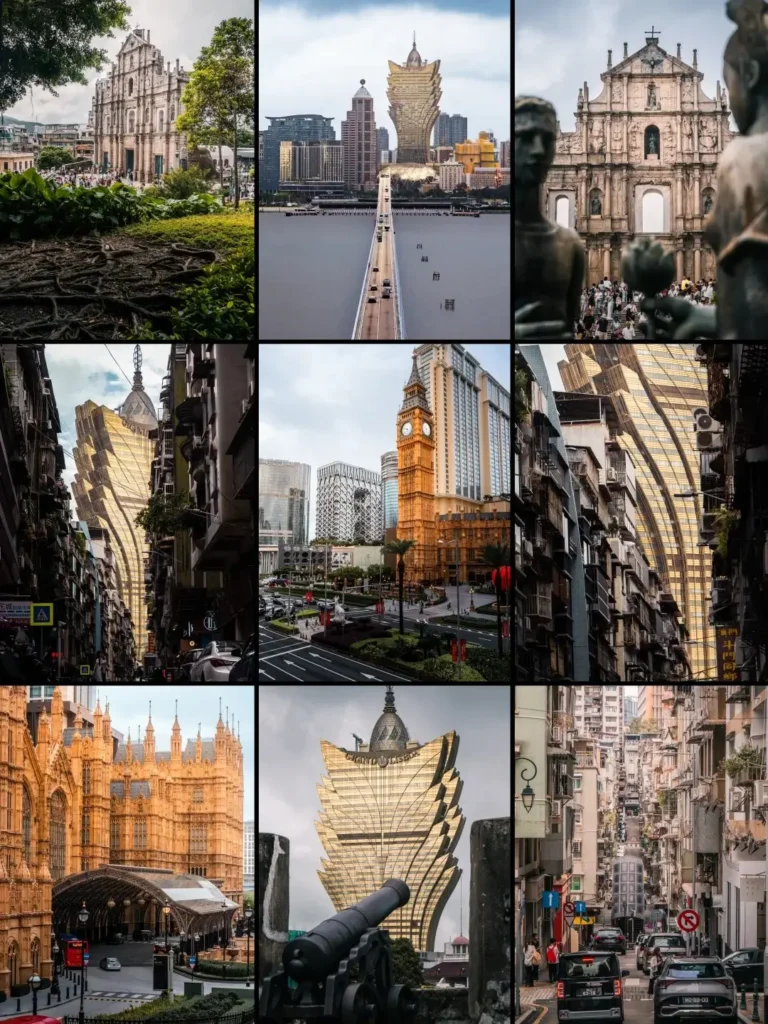
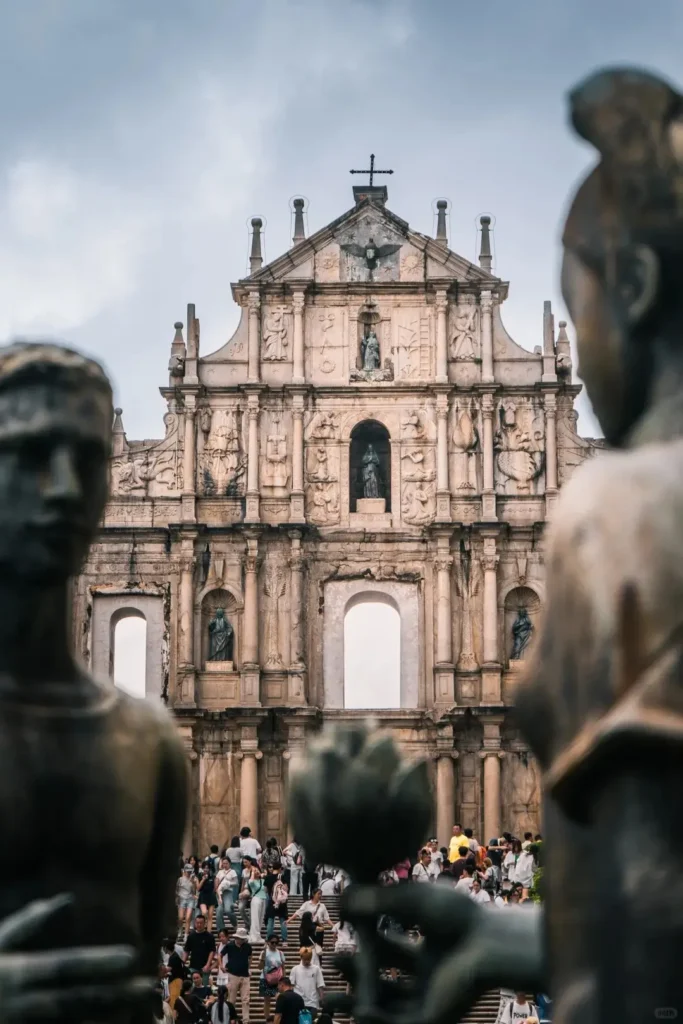
- Ruins of St. Paul’s 🕍: No Macau Travel Guide would be complete without this iconic landmark. The Ruins of St. Paul’s are the remains of the Church of Mater Dei, built in the 17th century by Jesuit missionaries, which was destroyed by a fire in 1835. All that’s left is the stunning stone front facade, which is covered in intricate carvings that blend Christian iconography with Chinese and Asian motifs (look for the dragons and lotus flowers!). Pro tip: Visit early in the morning to avoid the crowds and get that perfect photo without hundreds of people in the background. After you’ve snapped your pics, climb the stairs to the top of the ruins for a panoramic view of the city, and don’t miss the small museum underneath that tells the story of the church and Macau’s colonial history. Right next to the ruins, you’ll find the tiny Na Tcha Temple, a 19th-century Taoist temple dedicated to the child god Na Tcha—this side-by-side placement of a Christian church ruin and a traditional Chinese temple is the perfect example of Macau’s unique cultural fusion.
- Senado Square 🪨: Just a 5-minute walk from the Ruins of St. Paul’s, Senado Square (or Leal Senado Square) is the vibrant heart of Macau’s historic centre. This large public square is paved with iconic black and white Portuguese cobblestones, arranged in beautiful wave patterns, and lined with pastel-colored colonial buildings that look like they’re straight out of a Lisbon postcard. The square is home to the Leal Senado Building (Macau’s historic municipal building), the Holy House of Mercy (the oldest social welfare institution in Macau, built in 1569), and tons of cafes, shops, and street food stalls. It’s the perfect place to wander, grab a coffee, people-watch, and soak up the atmosphere. Every year, the square is decorated for Chinese New Year and Christmas, making it magical no matter when you visit.
- A-Ma Temple 🏯: This is the oldest building in Macau, built way back in 1488—over 500 years ago! Dedicated to Mazu, the Taoist goddess of the sea, this temple is where Macau got its name: when Portuguese sailors arrived in the 16th century, they asked locals what the place was called, and the locals thought they were asking about the temple, so they said “A-Ma Gao” (Bay of A-Ma). The Portuguese turned that into “Macau”, and the name stuck. The temple is a beautiful complex of pavilions, courtyards, and shrines, built into the side of a hill overlooking the sea. It’s still an active place of worship today, so be sure to dress respectfully (cover your shoulders and knees) and keep your voice down. Even if you’re not religious, the temple’s stunning architecture, peaceful atmosphere, and ocean views make it a must-visit.
- St. Dominic’s Church 🎨: Built in 1587 by Spanish Dominican missionaries, this beautiful baroque church is one of the oldest churches in China. It’s painted a bright cream and yellow, with a stunning interior filled with wooden carvings, stained glass, and religious artifacts. The church is home to the Museum of Sacred Art, which has a collection of religious paintings, sculptures, and relics from across Macau’s history. It’s located just off Senado Square, so it’s easy to add to your walking tour, and it’s free to enter!
Modern & Entertainment Attractions in Macau 🎰✨
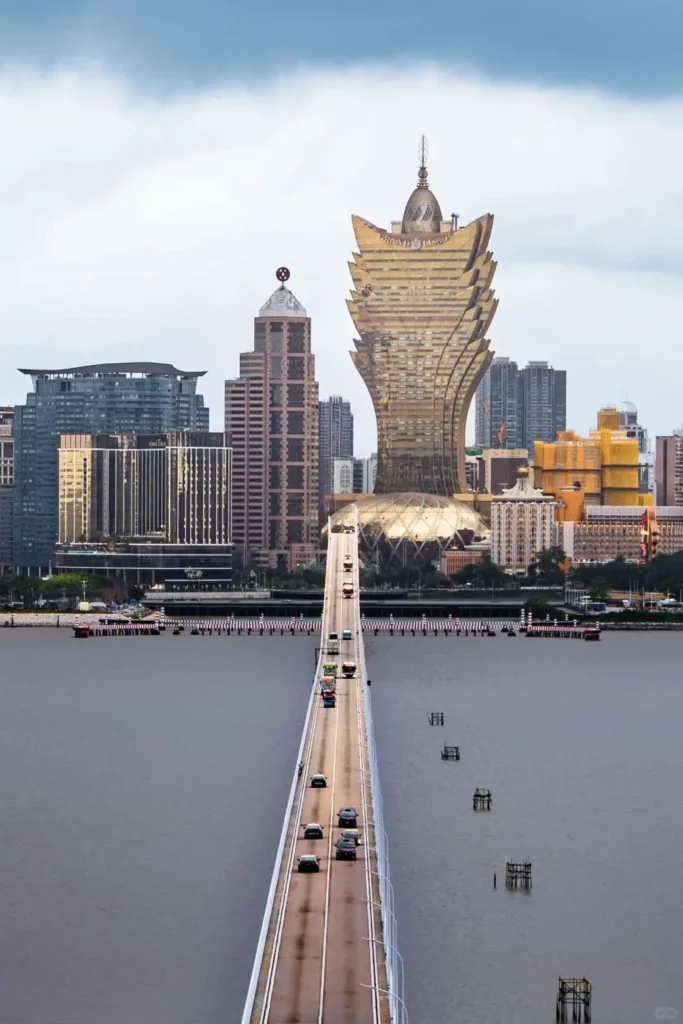
Once you’ve soaked up all the history, it’s time to dive into Macau’s modern side—this is the part of the city that’s earned it the nickname “Las Vegas of the East”, but it’s so much more than just casinos. There’s something for everyone here, whether you’re looking for luxury shopping, family-friendly fun, or heart-pounding adventure.
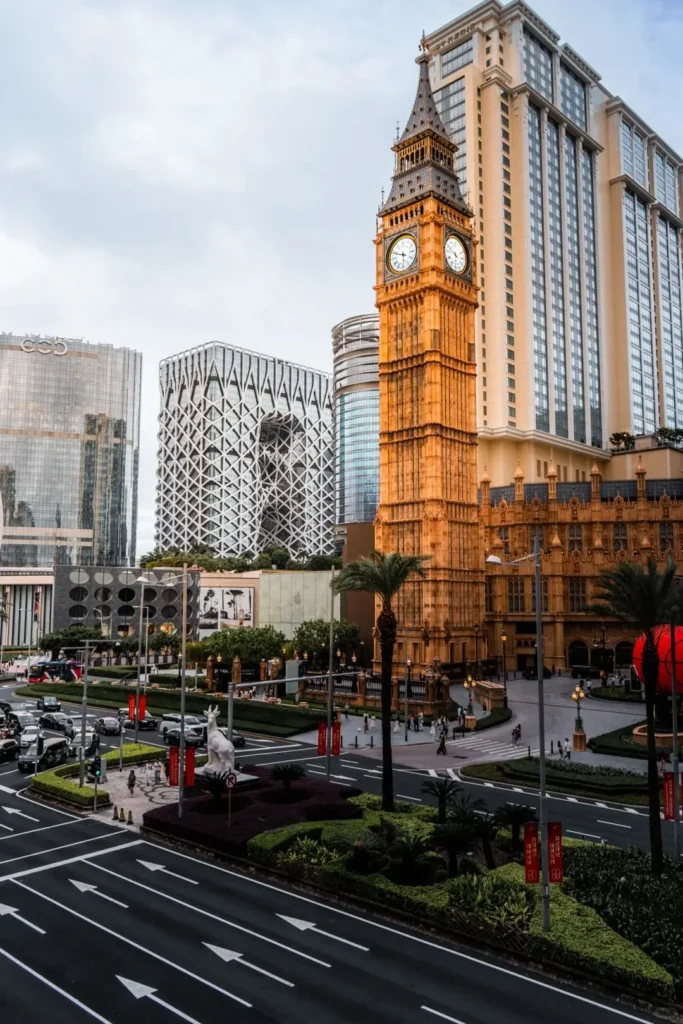
- The Venetian Macao 🛶: The largest casino resort in the world, The Venetian Macao is a must-visit even if you don’t gamble. This massive resort is a replica of Venice, Italy, complete with indoor canals, gondola rides, singing gondoliers, and a ceiling painted to look like a bright blue sky. The resort is home to over 350 luxury shops, dozens of restaurants, a huge casino, and a 15,000-seat arena. Even if you only spend an hour here wandering the canals and snapping photos, it’s worth it—this is one of the most popular spots in Macau china for tourists, and it’s easy to see why. Pro tip: The gondola rides are fun, but they can be pricey—if you just want photos, you can walk along the canals for free and get the same great shots.
- The Parisian Macao 🗼: Right next door to The Venetian, The Parisian Macao is another over-the-top resort, this time themed after Paris, France. The star of the show is the half-scale replica of the Eiffel Tower, which stands 162 meters tall. You can take an elevator up to the observation deck for stunning 360-degree views of Macau, and the tower is lit up with sparkling lights every night after dark—perfect for romantic photos. The resort also has a French-themed shopping mall, a large casino, and beautiful gardens that look like they’re straight out of the French countryside.
- Macau Tower 🪂: For all my adventure-seeking friends, Macau Tower is an absolute must. This 338-meter-tall tower is home to the highest commercial bungee jump in the world! If bungee jumping isn’t your thing, you can still visit the observation deck for incredible views of Macau, the Pearl River Delta, and even Hong Kong on a clear day. There’s also a skywalk, where you can walk around the outside of the tower 233 meters above the ground, with no handrails (don’t worry, you’re strapped into a harness!). Even if you don’t do any of the adventure activities, the tower’s observation deck and revolving restaurant are worth a visit for the views alone.
- Coloane Village & Hac Sa Beach 🌊: If you want to escape the glitz and glamour of the resorts and experience a slower, more laid-back side of Macau, head to Coloane Island. Coloane Village is a quiet, charming fishing village with pastel-colored colonial buildings, narrow alleyways, and a beautiful waterfront. It’s also home to the original Lord Stow’s Bakery, the birthplace of the famous Macau egg tart (more on that later!). Just a 10-minute drive from the village is Hac Sa Beach, Macau’s largest natural beach. The beach has black sand (hence the name, which means “black sand” in Cantonese), calm waters, and plenty of restaurants and barbecue stalls. It’s the perfect place to relax, go for a swim, or have a picnic after a day of sightseeing.
Ultimate Macau Cuisine Guide: Must-Try Dishes & Hidden Food Gems 🍜🥧
Let’s be real: one of the biggest reasons to visit Macau china is the food. Macau cuisine is a one-of-a-kind fusion of Cantonese, Portuguese, Malay, Indian, and African flavors, created over 400 years of cultural exchange. It’s unlike any other food in the world, and even the pickiest eaters will find something to love here. In this section of our Ultimate Macau Travel Guide 2026, I’m breaking down all the must-try dishes, the best places to eat, and the hidden gems that only locals know about.
Iconic Macau Street Food You Have to Try 🥟🍢
Macau’s street food scene is legendary, and you can find delicious, affordable bites on almost every corner of the historic centre and Taipa Village. Here are the dishes you absolutely can’t leave Macau without trying:
- Pork Chop Bun (猪扒包) 🥪: This is Macau’s most iconic street food, and for good reason. It’s a simple, perfect dish: a crispy, crusty Portuguese-style bun, split open and filled with a juicy, marinated, pan-fried pork chop. No fancy sauces, no extra toppings—just crispy bread and tender, flavorful pork. The most famous place to get a pork chop bun is Tai Lei Loi Kei, which has locations across Macau, but the original is in Taipa Village. Pro tip: Get there early, because they sell out fast!
- Almond Cookies (杏仁饼) 🥠: Macau’s most famous souvenir, almond cookies are buttery, crumbly cookies made with ground almonds, sugar, and flour. They’re sweet, nutty, and absolutely addictive. You’ll find almond cookie shops all over Macau, with Koi Kei Bakery and Choi Heong Yuen Bakery being the two most famous brands. Almost all the shops offer free samples, so you can try before you buy! Pro tip: Buy your almond cookies at the end of your trip, so they stay fresh for when you get home.
- Curry Fish Balls (咖喱鱼蛋) 🍡: A staple of Macau’s street food scene, curry fish balls are chewy fish balls cooked in a rich, spicy, creamy coconut curry sauce. They’re served on a skewer, and they’re the perfect cheap, delicious snack to eat while you’re wandering the streets. You can find them at almost every street food stall in Senado Square and Taipa Village, and they’re super affordable—usually just a few MOP for a skewer.
- Pastéis de Bacalhau (马介休球) 🥔: These are crispy, golden fried balls made with salted cod (bacalhau, a staple of Portuguese cuisine), mashed potatoes, onions, and herbs. They’re crispy on the outside, fluffy on the inside, and packed with flavor. You can find them at most Portuguese restaurants and street food stalls across Macau, and they’re the perfect savory snack.
Authentic Macanese & Portuguese Dishes for Food Lovers 🍛🍷
While street food is amazing, you can’t visit Macau without trying authentic Macanese cuisine—this is the unique, centuries-old fusion cuisine that’s the heart of Macau Culture. Macanese food is different from Portuguese food: it blends Portuguese ingredients and techniques with Chinese, Malay, and Indian spices, creating dishes that you won’t find anywhere else in the world. Here are the must-try dishes:
- African Chicken (非洲鸡) 🍗: The most iconic Macanese dish, African Chicken is a whole chicken (or chicken pieces) marinated in a rich, spicy sauce made with coconut milk, peanuts, chili peppers, garlic, ginger, and a blend of African and Asian spices. It’s then baked until the skin is crispy and the meat is tender, and it’s served with rice or potatoes. It’s creamy, spicy, sweet, and savory all at once, and it’s absolutely delicious. The best place to try it is at Antonio’s Restaurant in Taipa Village, or Fernando’s in Coloane Village.
- Portuguese Chicken (葡国鸡) 🥘: Not to be confused with African Chicken, Portuguese Chicken is a creamy, milder dish made with chicken, potatoes, onions, garlic, coconut milk, and turmeric. It’s baked in the oven until the chicken is fall-apart tender, and it’s served with rice. It’s rich, creamy, and comforting, perfect for anyone who doesn’t like super spicy food.
- Bacalhau (马介休) 🐟: Salted cod is the star of Portuguese cuisine, and it’s used in hundreds of different dishes in Macau. You can find it fried, baked, grilled, in stews, in salads, and more. If you’re new to bacalhau, start with the Pastéis de Bacalhau (we talked about those earlier!), or try Bacalhau à Brás, a classic Portuguese dish made with shredded bacalhau, potatoes, onions, eggs, and olives. It’s simple, flavorful, and absolutely delicious.
- Minchi (免治) 🍚: A classic Macanese comfort food, minchi is a dish made with ground beef or pork, fried with potatoes, onions, garlic, and soy sauce. It’s usually served with rice and a fried egg on top, and it’s a staple in local Macanese households. It’s simple, hearty, and full of flavor, and you can find it at most local restaurants and diners across Macau.
Legendary Macau Desserts That Will Satisfy Your Sweet Tooth 🧁🍮
No Macau cuisine guide would be complete without talking about the city’s legendary desserts. Macau is home to some of the best desserts in Asia, from the world-famous egg tart to creamy, indulgent Portuguese puddings. Here are the must-tries:
- Pastéis de Nata (葡式蛋挞) 🥧: This is the most famous dessert in Macau, and for good reason. These creamy, flaky egg tarts were brought to Macau by Portuguese missionaries, and they’ve become a global icon of the city. The best pastéis de nata in Macau (and some say the world) are from Lord Stow’s Bakery in Coloane Village. Andrew Stow, a British pharmacist, opened the bakery in 1989, and he created his own version of the classic Portuguese pastel de nata, with a crispy, flaky crust and a rich, creamy egg custard filling, topped with a slight caramelized crust. The bakery still uses the original recipe today, and the tarts are baked fresh every few minutes. Pro tip: Eat the tart warm, and don’t add any sugar or cinnamon—they’re perfect just the way they are!
- Serradura (木糠布甸) 🍨: Also known as “sawdust pudding”, serradura is a classic Portuguese dessert that’s super popular in Macau. It’s made with layers of crushed Marie biscuits (the “sawdust”) and whipped cream, sweetened with condensed milk. It’s creamy, light, sweet, and absolutely addictive. You can find it at most Portuguese restaurants and dessert shops across Macau, and it’s the perfect ending to a heavy meal.
- Double Skin Milk (双皮奶) 🥛: A classic Cantonese dessert that’s super popular in Macau, double skin milk is a silky, creamy milk pudding made with fresh milk, egg whites, and sugar. It’s smooth, sweet, and light, and it’s served either hot or cold. The best place to try it is at Yee Shun Milk Company, which has locations across Macau. They’ve been making double skin milk for over 150 years, and their recipe is legendary.
Perfect Macau Travel Itineraries for Every Type of Traveler 🗺️
Now that you know all the best spots to visit and eat, it’s time to put it all together into a perfect itinerary. Whether you’re visiting for a quick day trip from Hong Kong or Guangzhou, or you’re spending a few days exploring every corner of the city, this section of our Ultimate Macau Travel Guide 2026 has you covered. I’ve created customizable itineraries for every type of traveler, so you can pick the one that fits your schedule and interests.
1-Day Macau Highlights Itinerary (First-Time Visitors)
If you only have one day in Macau, this itinerary will hit all the most iconic spots, so you get the perfect taste of the city’s history, food, and glamour.
- 8:00 AM – Breakfast & A-Ma Temple: Start your day early with a quick breakfast of dim sum at a local restaurant near the port, then head to A-Ma Temple. Arriving early means you’ll avoid the crowds, and you can explore the temple peacefully before it gets busy.
- 9:30 AM – Historic Centre Walking Tour: From A-Ma Temple, walk to the Historic Centre of Macau. Stop at Lilau Square, then head to Senado Square. Wander the square, snap photos of the colonial buildings, and grab a quick snack of curry fish balls from a street stall.
- 11:00 AM – Ruins of St. Paul’s & Macau Museum: Walk to the Ruins of St. Paul’s, snap your iconic photos, explore the museum underneath, then head to the Macau Museum next door to learn more about the city’s history.
- 12:30 PM – Lunch: Grab lunch at a local restaurant near the ruins. Try classic Macanese dishes like minchi or African chicken, or grab a pork chop bun for a quick, delicious meal.
- 2:00 PM – Macau Tower: Head to Macau Tower for panoramic views of the city. If you’re feeling adventurous, do the skywalk or bungee jump!
- 4:00 PM – Cotai Strip Resorts: Take a free shuttle bus to the Cotai Strip, and explore The Venetian Macao and The Parisian Macao. Wander the canals of The Venetian, snap photos of the Eiffel Tower replica, and do some window shopping.
- 7:00 PM – Dinner & Night Views: Grab dinner at one of the restaurants in the resorts, or head back to Taipa Village for authentic Macanese food. After dinner, watch the light show on the Eiffel Tower replica, and enjoy the glittering night views of the Cotai Strip.
- 9:00 PM – Departure: Head back to the port or border crossing, or stay and enjoy the nightlife!
2-Day Macau Deep Dive Itinerary (Culture & Food Focus)
If you have two days, you can go beyond the highlights and dive deep into Macau Culture, food, and hidden gems. This itinerary is perfect for foodies and history lovers.
- Day 1: Historic Macau & Local Food
- Morning: Start with a slow walk through the entire Historic Centre of Macau, including all the UNESCO sites we mentioned earlier. Take your time to explore the smaller alleyways, hidden temples, and local shops that most tourists miss.
- Lunch: Grab lunch at a local diner in the historic centre, trying classic Macanese comfort food like minchi and double skin milk.
- Afternoon: Visit the Macau Museum and the Museum of Sacred Art, to learn more about the city’s history and culture.
- Evening: Head to Taipa Village for dinner. Wander the village, try street food snacks, and have a full Macanese meal at a local restaurant like Antonio’s. After dinner, grab a serradura for dessert, and enjoy the quiet evening in the village.
- Day 2: Coloane Island & Cotai Strip
- Morning: Take a bus to Coloane Village. Wander the quiet fishing village, snap photos of the pastel colonial buildings, and visit the original Lord Stow’s Bakery for a warm pastel de nata.
- Lunch: Grab lunch at Fernando’s, a legendary Portuguese restaurant in Coloane Village, famous for its bacalhau dishes and African chicken.
- Afternoon: Head to Hac Sa Beach to relax, go for a swim, or just enjoy the ocean views. If you’re feeling active, you can go hiking in the nearby Coloane Country Park.
- Evening: Head to the Cotai Strip to explore the resorts. Watch the sunset from the Eiffel Tower observation deck, then have dinner at one of the many restaurants in the area. After dinner, enjoy the night views and the vibrant atmosphere of the strip.
3-Day Family-Friendly Macau Itinerary
Traveling with kids? This itinerary is perfect for families, with a mix of culture, fun, and kid-friendly activities that the whole family will love.
- Day 1: Historic Macau & Interactive Fun
- Morning: Explore the Historic Centre of Macau, with kid-friendly stops like Senado Square (great for kids to run around) and the Ruins of St. Paul’s.
- Lunch: Grab kid-friendly food like pork chop buns, egg tarts, and fish balls from street stalls and local restaurants.
- Afternoon: Visit the Macau Science Centre, a huge, interactive museum with tons of hands-on exhibits for kids of all ages.
- Evening: Head to Taipa Village for dinner, with plenty of kid-friendly options.
- Day 2: Cotai Strip & Water Fun
- Morning: Head to Galaxy Macau, home to the Grand Resort Deck and Skytop Wave Pool. This is one of the best water parks in Asia, with wave pools, lazy rivers, water slides, and white sand beaches—perfect for kids (and adults!) to spend the whole day.
- Lunch: Grab lunch at one of the many casual restaurants in Galaxy Macau, with plenty of kid-friendly options.
- Afternoon: Continue enjoying the water park, or head to The Venetian Macao for a gondola ride, which kids will love.
- Evening: Have dinner at the resorts, then watch the light show on the Parisian Eiffel Tower.
- Day 3: Coloane Island & Nature
- Morning: Head to Coloane Island to visit the Macau Giant Panda Pavilion, home to two giant pandas, Kai Kai and Xin Xin. Kids will love seeing the pandas up close!
- Lunch: Grab lunch in Coloane Village, with fresh seafood and kid-friendly options.
- Afternoon: Head to Hac Sa Beach for some fun in the sun, building sandcastles and swimming in the calm waters.
- Evening: Head back to the city for a final dinner, and enjoy your last night in Macau.
Macau Transportation Guide: How to Get Around Like a Local 🚎🚕
One of the best things about Macau china is how easy it is to get around. The city is tiny—only 32.9 square kilometers total!—so you can get from one end to the other in less than an hour. In this section of our Ultimate Macau Travel Guide 2026, I’m breaking down everything you need to know about getting to Macau, and getting around once you’re there, including all the best hacks to save money and avoid stress.
How to Get to Macau
There are a few main ways to get to Macau, depending on where you’re coming from:
- From Mainland China 🇨🇳: The most common way to enter Macau from mainland China is via the Gongbei Port in Zhuhai, which is the busiest land border crossing. You can also enter via the Hengqin Port, which is less crowded and closer to the Cotai Strip. If you’re coming from Guangzhou or Shenzhen, you can take a high-speed train to Zhuhai, then walk across the Gongbei Port into Macau.
- From Hong Kong 🇭🇰: The easiest way to get to Macau from Hong Kong is via the Hong Kong-Zhuhai-Macau Bridge (HZMB). You can take a direct shuttle bus (called the “Golden Bus”) from Hong Kong International Airport or the Hong Kong Port to the Macau Port, which takes about 45 minutes. You can also take a ferry from Hong Kong Island or Kowloon to Macau, which takes about 1 hour.
- By Air ✈️: Macau has its own international airport (MFM), which has direct flights to many cities across Asia, including Singapore, Bangkok, Tokyo, Seoul, and major cities in mainland China. The airport is only 10 minutes from the Cotai Strip, and 20 minutes from the historic centre.
How to Get Around Macau Locally
Once you’re in Macau, there are plenty of easy, affordable ways to get around. Here are the best options, ranked by my personal preference:
- Free Resort Shuttle Buses (发财巴) 🚌: This is the best way to get around Macau for free! Almost all of the major casino resorts in Macau offer free shuttle buses that run between the border crossings, airport, ferry terminal, and their resorts. The buses are clean, comfortable, and run every 10-15 minutes during operating hours. You don’t need to be a hotel guest to ride them—anyone can hop on! Pro tip: This is the best way to get from the Gongbei Port to the Cotai Strip, or from the airport to the historic centre. Just check the schedule in advance, as some buses stop running in the early evening.
- Public Buses 🚎: Macau has an extensive public bus system that covers every corner of the city. Buses are affordable (most rides cost between 3-6 MOP), clean, and reliable. You can pay with cash (exact change only!) or with a Macau Pass, which you can buy at the airport, border crossings, or convenience stores. The Macau Pass also gives you a discount on bus fares, and you can use it at convenience stores and some restaurants. Pro tip: Use the Macau Bus app to check routes and real-time bus arrivals, so you don’t have to wait at the bus stop for long.
- Taxis 🚕: Taxis are widely available across Macau, and they’re a good option if you’re traveling with a group, have a lot of luggage, or want to get somewhere quickly. Macau taxis are black with a yellow top, and they all use meters. The starting fare is 19 MOP for the first 1.6 kilometers, then 2 MOP for each additional 240 meters. There are extra fees for luggage, tolls, and rides to the airport or border crossings. Critical Pitfall to Avoid: Never take an unlicensed “black taxi”! These drivers will often overcharge tourists by 2-3x the normal fare. Always look for the official black and yellow taxis, and insist that the driver uses the meter. If a driver refuses to use the meter, get out and find another taxi.
- Light Rail Transit (LRT) 🚈: Macau’s light rail system currently has one line that runs from the Border Gate to the Cotai Strip, with stops at most of the major resorts. It’s clean, fast, and affordable, with fares starting at 6 MOP. It’s a great option if you’re traveling between the border and the Cotai Strip, or between the resorts on the strip.
- Walking 🚶: The entire Historic Centre of Macau is walkable, and most of the major attractions in the area are within a 10-15 minute walk of each other. Walking is the best way to explore the hidden alleyways, local shops, and street food stalls that you’d miss if you took a bus or taxi. Just wear comfortable shoes, as there are a lot of hills and cobblestone streets!
Essential Macau Travel Tips & Pitfalls to Avoid ⚠️💡
After years of traveling to Macau and helping hundreds of friends plan their trips, I’ve learned all the best hacks to make your trip smooth, affordable, and stress-free, and all the common pitfalls that tourists fall into. These China Travel Tips are essential for anyone visiting Macau china, so be sure to read them before you go!
Must-Know Travel Tips for Macau
- Best Time to Visit: The best time to visit Macau is from October to April, when the weather is cool, dry, and comfortable. The summer months (May to September) are hot, humid, and rainy, with occasional typhoons. If you want to experience Macau’s festivals, visit during Chinese New Year (January/February) or the Macau Grand Prix (November).
- Money & Currency: Macau’s official currency is the Macau Pataca (MOP). Hong Kong Dollars (HKD) are widely accepted across Macau, at a 1:1 exchange rate—but this is not a good deal, as 1 HKD is worth about 1.03 MOP, so you’ll lose money if you pay with HKD. I recommend exchanging a small amount of MOP when you arrive, for cash purchases at street stalls and small restaurants. Most hotels, restaurants, shops, and resorts accept major credit cards, and Alipay and WeChat Pay are widely accepted across the city.
- Visa & Entry Requirements: Most foreign tourists can visit Macau visa-free for up to 30-90 days, depending on your nationality. You’ll need a valid passport with at least 6 months of validity remaining from your date of entry. If you’re visiting Macau from mainland China, you’ll need a valid Chinese visa with multiple entries, or a Macau Travel Permit. Be sure to check the latest entry requirements for your nationality before you travel.
- Language: The official languages of Macau are Cantonese and Portuguese, but almost everyone in the tourism industry speaks Mandarin and English. You won’t have any trouble communicating with hotel staff, restaurant servers, and shop workers in English.
- Age Restrictions: You must be at least 21 years old to enter the casinos in Macau. You’ll need to show your passport or ID to enter, so be sure to bring it with you if you plan to visit the casinos.
Critical Pitfalls to Avoid in Macau
- Don’t Exchange Money at the Border or Airport: The currency exchange booths at the border crossings, airport, and ferry terminals offer terrible exchange rates, with huge fees. You’ll get a much better rate at banks or reputable exchange offices in the city centre.
- Don’t Fall for Scams in the Casinos: The casinos in Macau are safe and reputable, but there are scammers who target tourists. Never accept free drinks or chips from strangers, never give your personal information to anyone, and never gamble with money you can’t afford to lose.
- Don’t Buy Souvenirs at the Ruins of St. Paul’s: The souvenir shops near the Ruins of St. Paul’s charge 2-3x more for almond cookies, souvenirs, and snacks than shops in other parts of the city. You’ll get a much better deal at shops in Taipa Village or Coloane Village.
- Don’t Skip the Small Towns: Most tourists only visit the historic centre and the Cotai Strip, but Coloane Village and Taipa Village are where you’ll find the real heart of Macau Culture. Don’t skip them!
- Don’t Overplan Your Trip: Macau is a small city, and it’s easy to explore at a slow pace. Don’t try to cram too many things into one day—leave time to wander, explore hidden alleyways, and stop for snacks and coffee. That’s where the best memories are made!
Frequently Asked Questions (FAQs) About Macau Travel ❓
I get hundreds of questions about Macau travel every month, so I’ve rounded up the most common, most important questions and answered them in detail here. If you have a question that’s not covered in this Ultimate Macau Travel Guide 2026, leave it in the comments below!
1. Do I need a visa to visit Macau as a foreign tourist?
Most foreign nationals from over 140 countries can visit Macau visa-free for tourism purposes, with stays ranging from 14 days to 90 days, depending on your passport. For example, citizens of the US, UK, Canada, Australia, New Zealand, and most EU countries can stay visa-free for up to 30 days. To enter, you’ll need a valid passport with at least 6 months of validity remaining from your date of entry, and a confirmed return or onward flight ticket. If you plan to travel to mainland China before or after your Macau trip, you’ll need to apply for a Chinese visa in advance, as your Macau visa-free entry does not cover travel to mainland China. Always check the latest visa requirements from the Macau Immigration Department before your trip, as rules can change.
2. How many days do I need to fully experience Macau?
For first-time visitors, 2 full days is the perfect amount of time to experience the best of Macau. With 2 days, you can explore the entire UNESCO Historic Centre, try all the iconic Macau cuisine, visit the Cotai Strip resorts, and spend time in Coloane and Taipa Villages. If you only have 1 day, you can hit all the major highlights, but you’ll be rushing and won’t have time to slow down and soak up the culture. If you have 3 or more days, you can dive deeper into the local culture, take day trips to nearby Zhuhai or Hong Kong, relax on the beach, and explore hidden gems that most tourists miss.
3. Is Macau safe for foreign tourists to travel alone?
Absolutely! Macau is consistently ranked as one of the safest cities in the world, with an extremely low crime rate. Violent crime against tourists is almost unheard of, and even solo female travelers can feel safe walking around the city at night. As with any tourist destination, you should take basic precautions: keep an eye on your belongings in crowded areas, don’t leave your drinks unattended in bars or clubs, and only use official licensed taxis. The local police are friendly and helpful, and most speak English, so you can reach out to them if you need help.
4. What’s the difference between Macau and Hong Kong for travelers?
While both are Special Administrative Regions of China, Macau and Hong Kong offer very different travel experiences. Hong Kong is a bustling, fast-paced international financial hub, known for its towering skyscrapers, world-class shopping, hiking trails, and vibrant nightlife. Macau, on the other hand, is much smaller and slower-paced, with a unique focus on its 400-year-old East-meets-West history and culture. Macau is best known for its UNESCO World Heritage sites, one-of-a-kind fusion cuisine, and luxury integrated resorts, while Hong Kong is better for shopping, business travel, and outdoor activities. The two cities are only 45 minutes apart via the Hong Kong-Zhuhai-Macau Bridge, so many travelers choose to visit both on the same trip!
Wishes for Your China Travel Adventure
As you prepare for your journey to Macau china and beyond, I want to wish you the most incredible, unforgettable travel adventure across China. Whether this is your first time visiting this beautiful, diverse country, or you’re a returning traveler looking to discover new hidden gems, I hope every moment of your trip is filled with joy, wonder, and magic.
May you walk the ancient streets of Macau and feel the weight of centuries of history beneath your feet, may you taste dishes that make your heart sing and create memories that will last a lifetime. May you meet kind, welcoming locals who share their stories and their culture with you, may you find moments of peace and quiet in the middle of your busy itinerary, and may every new place you visit leaves you feeling inspired and in awe of the beauty of China.
China is a country of unimaginable diversity: from the snow-capped mountains of Tibet to the tropical beaches of Hainan, from the ancient capital of Xi’an to the bustling metropolis of Shanghai, from the stunning karst mountains of Guilin to the charming water towns of Jiangnan. No matter where your travels take you after Macau, I hope you take the time to slow down, soak it all in, and embrace every new experience that comes your way.
May your travels be safe, your heart be full, and your camera roll be filled with endless beautiful photos. Welcome to China, and enjoy
_1_不拔丝地瓜(全国旅居版)_来自小红书网页版-e1777270022619-150x150.webp)