Lhasa Travel Guide
Welcome to your ultimate Lhasa Travel Guide, your one-stop resource for planning an unforgettable trip to the spiritual heart of Tibet, Lhasa, China. Nestled at 3,656 meters above sea level on the legendary Tibetan Plateau, Lhasa isn’t just a city — it’s a living, breathing sacred site that has drawn pilgrims and travelers for over 1,300 years. After 3 visits to this magical city, countless hours chatting with local Tibetan friends, and even a few rookie mistakes I’m determined to help you avoid, I’ve crafted this guide to cover every single thing you need: from the city’s rich history, Lhasa weather hacks, iconic Famous scenic spots in China located right here, perfectly planned itineraries, mouthwatering Lhasa cuisine, and all the essential China Travel Tips to make your trip smooth, respectful, and absolutely life-changing. Whether you’re a spiritual seeker, a culture lover, a foodie, or an adventure traveler, this Lhasa Travel Guide will turn your dream of visiting the Roof of the World into a reality.
🏯 Lhasa, China: The Rich History Behind the Sacred City
Lhasa’s story begins in the 7th century, when the great Tibetan king Songtsen Gampo unified the Tibetan Plateau and moved the capital of the Tubo Kingdom to this sun-drenched valley. The name “Lhasa” translates to “Place of the Gods” in Tibetan, and it’s easy to see why — from the very beginning, this city was built as a spiritual and political center of Tibetan civilization.
King Songtsen Gampo’s marriage to Princess Wencheng of China’s Tang Dynasty and Princess Bhrikuti of Nepal brought Buddhism to Tibet, and the city’s most iconic landmarks were born from this era: the Potala Palace, built as the king’s royal residence, and the Jokhang Temple, constructed to house sacred Buddhist statues brought by the two princesses. For centuries, Lhasa remained the heart of Tibetan Buddhism, home to the Dalai Lamas, and a hub for pilgrims from every corner of the Tibetan Plateau.
Even today, walking through Lhasa’s streets feels like stepping into a living history book. Pilgrims still prostrate themselves along the Barkhor Circuit, monks debate Buddhist philosophy in the courtyards of ancient monasteries, and the city’s traditional Tibetan culture remains deeply intact, even as it welcomes modern travelers from around the world. This unique blend of ancient sacred tradition and warm, welcoming modern energy is what makes Lhasa one of the most extraordinary destinations in our full China Travel Guide.


🌤️ Lhasa Weather & Best Time to Plan Your Visit
Understanding Lhasa weather is one of the most critical parts of planning your trip — this high-altitude city has a unique climate that can make or break your experience, especially when it comes to altitude sickness and comfort.
Lhasa has a cold semi-arid highland climate, with over 3,000 hours of sunshine every year (earning it the nickname “Sunshine City”). Even on cold days, the sun is bright and warm, but temperatures drop dramatically once the sun sets — so layers are non-negotiable, no matter what time of year you visit.
Breakdown of Lhasa Weather by Season
- Spring (March to May): Temperatures range from 0°C to 18°C. This is a great time to visit, with fewer crowds, blooming wildflowers in the surrounding valleys, and milder weather than winter. The air is dry, so be sure to pack moisturizer and lip balm, and the lower tourist numbers mean easier bookings for the Potala Palace and other top sites.
- Summer (June to August): This is Lhasa’s rainy season, with most of the year’s precipitation falling in afternoon showers. Temperatures range from 10°C to 24°C, the warmest of the year. While the rain usually clears up by evening, the humidity can worsen altitude sickness symptoms for some travelers, and this is peak tourist season — so expect higher prices, bigger crowds, and stricter booking requirements for popular sites.
- Autumn (September to November): Hands down, the BEST time to visit Lhasa. Temperatures range from 5°C to 20°C, the rainy season ends, the skies are crystal clear (perfect for photos of the Potala Palace and distant Himalayan peaks), and the crowds thin out after summer. The harvest season also means fresh, local ingredients for Lhasa cuisine, and the vibrant Shoton Festival falls in August or early September, one of the most important Tibetan festivals of the year.
- Winter (December to February): Temperatures range from -10°C to 10°C, with cold nights and bright, sunny days. This is the quietest time to visit, with almost no foreign tourists, the lowest hotel prices, and a deeply spiritual atmosphere — most pilgrims travel to Lhasa in winter, so the Barkhor Circuit and Jokhang Temple are filled with devout locals, making it an incredible time to experience Tibetan culture. Just be prepared for very cold nights, and some high-altitude passes to nearby sites like Namtso Lake may be closed due to snow.
Pro Tip for Lhasa Weather
No matter when you visit, always pack:
- A warm, windproof jacket (even in summer!)
- Sunscreen, a hat, and UV-protective sunglasses (the UV rays at 3,600m are extremely strong)
- Moisturizer and lip balm for the dry air
- Comfortable, closed-toe walking shoes for the Barkhor Circuit and monastery visits
🏯 Top Famous Scenic Spots in Lhasa You Can’t Miss
Lhasa is home to some of the most iconic and revered Famous scenic spots in China, each with its own unique history, spiritual significance, and unforgettable views. This section of our Lhasa Travel Guide breaks down every must-visit site, with all the details you need to plan your visit.


1. Potala Palace
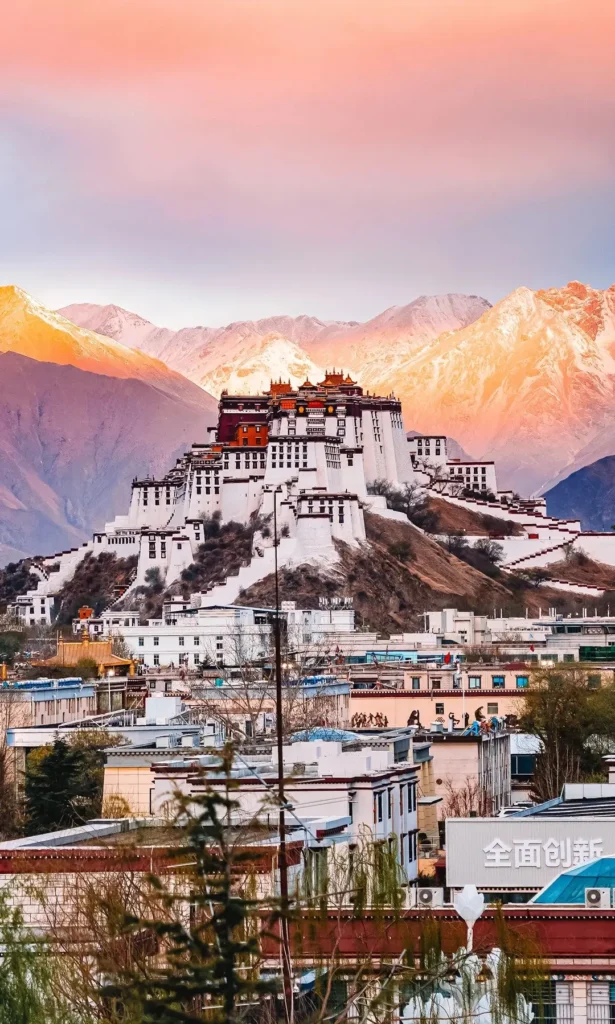
No trip to Lhasa, China is complete without visiting the Potala Palace, the iconic white and red fortress that sits atop Red Hill, overlooking the entire city. This UNESCO World Heritage Site is the most recognizable symbol of Tibet, and was once the winter residence of the Dalai Lama, as well as the political and spiritual center of the Tibetan government.
Built in the 7th century by King Songtsen Gampo, the Potala Palace has over 1,000 rooms, 10,000 shrines, and countless precious Buddhist artifacts, murals, and statues. The palace is split into two sections: the White Palace (the former living quarters and administrative buildings) and the Red Palace (the spiritual core, housing the tombs of 8 Dalai Lamas and countless sacred chapels).
Key Details:
- Ticket Price: 200 RMB (peak season: May to October), 100 RMB (off season: November to April)
- Opening Hours: 9:00 AM – 5:00 PM (last entry at 3:40 PM)
- Recommended Visit Duration: 2-3 hours
- Pro Tips & Pitfalls to Avoid:
- You must book your ticket online 7 days in advance via the official Potala Palace WeChat mini-program. Foreign travelers will need to use their passport information to book, and tickets sell out fast during peak season — never buy tickets from scalpers on the street, they are almost always fake or overpriced.
- You can only stay inside the palace for 1 hour once you enter the core section, so plan your route ahead of time.
- No photos are allowed inside the palace, only outside. Respect this rule — guards will confiscate cameras or delete photos if you break it.
- Do not visit the Potala Palace on your first day in Lhasa! The climb up the steps is strenuous at high altitude, and will worsen altitude sickness. Wait until your second or third day, once you’ve acclimatized.
2. Jokhang Temple
If the Potala Palace is the symbol of Lhasa, the Jokhang Temple is its beating spiritual heart. This 7th-century UNESCO World Heritage Site is the most sacred temple in Tibetan Buddhism, drawing pilgrims from every corner of the Tibetan Plateau, many of whom travel for months on foot to prostrate themselves at its doors.
Built by King Songtsen Gampo to house the sacred Jowo Shakyamuni statue — a 1,300-year-old statue of the Buddha at age 12, brought to Tibet by Princess Wencheng — the Jokhang Temple is the center of the Tibetan Buddhist world. The temple’s architecture blends Tibetan, Tang Chinese, Nepali, and Indian styles, and its inner chapels are filled with ancient murals, statues, and butter lamps that burn 24 hours a day.
Key Details:
- Ticket Price: 85 RMB
- Opening Hours: 8:00 AM – 6:30 PM (pilgrim hours 5:00 AM – 8:00 AM, closed to tourists)
- Recommended Visit Duration: 1.5-2 hours
- Pro Tips & Pitfalls to Avoid:
- Visit early in the morning (right after 8:00 AM) to avoid the biggest crowds, and to experience the temple when it’s filled with the sound of pilgrims chanting and butter lamps burning.
- Respect the pilgrims: do not block their path, do not take photos of them without permission, and walk clockwise around the temple at all times.
- Dress modestly: cover your shoulders and knees, remove your hat when entering the temple, and do not step on the door thresholds (they are considered sacred in Tibetan culture).
3. Barkhor Street (Barkhor Circuit)
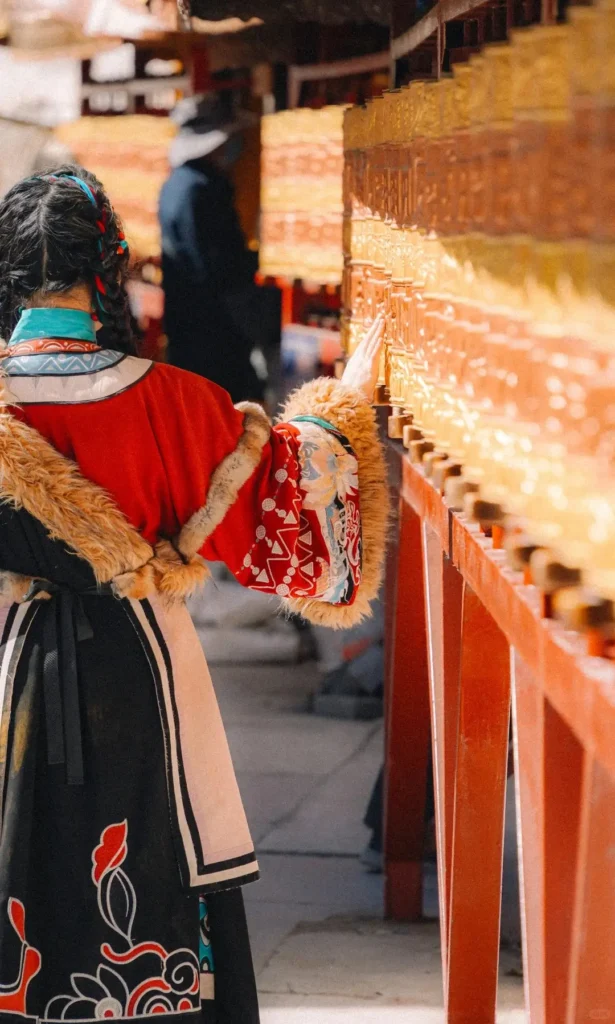
Surrounding the Jokhang Temple is the Barkhor Circuit, a 1-kilometer circular pilgrim path that is one of the most sacred kora (pilgrimage circuit) in Tibet. For over 1,300 years, pilgrims have walked this path clockwise, spinning prayer wheels, prostrating themselves, and offering prayers. Today, the Barkhor Circuit is also a bustling market street, lined with shops selling Tibetan handicrafts, prayer beads, thangka paintings, and local snacks.
Walking the Barkhor Circuit is one of the most magical experiences in Lhasa, China — you’ll be surrounded by pilgrims of all ages, from elderly grandmothers spinning prayer wheels to young families with children, all moving in unison around the sacred temple. Even if you’re not a spiritual person, the energy of this space is absolutely palpable.
Key Details:
- Ticket Price: Free (you only need a ticket for the Jokhang Temple itself)
- Opening Hours: 24 hours (best to visit early morning or evening, when the crowds are smaller and the atmosphere is most spiritual)
- Recommended Visit Duration: 1-2 hours (walk the circuit at least 3 times, as is traditional)
- Pro Tips & Pitfalls to Avoid:
- Always walk clockwise around the circuit — walking counterclockwise is extremely disrespectful to pilgrims.
- Be careful when buying handicrafts: many “antique” items like old prayer beads or thangkas are fake. If you want to buy authentic handicrafts, visit the official Tibetan Handicraft Center, or buy from local vendors selling handmade items like woolen scarves or yak butter products.
- Do not take photos of prostrating pilgrims without their explicit permission. Many pilgrims do not want their photos taken, and it’s disrespectful to snap photos without asking.
4. Sera Monastery
One of the great “Three Great Monasteries” of the Gelug school of Tibetan Buddhism, Sera Monastery was founded in 1419, and was once home to over 5,000 monks. Today, it’s still an active monastery, with hundreds of monks living and studying there — and it’s most famous for its daily Buddhist debate sessions, one of the most unique cultural experiences in Lhasa.
Every afternoon (except Sundays and religious holidays), the monks gather in the monastery’s main courtyard to debate Buddhist philosophy. The debates are lively and energetic: the standing monk asks questions, clapping their hands and stomping their feet, while the sitting monk answers. It’s not just an academic exercise — it’s a spiritual practice, designed to sharpen the monks’ understanding of Buddhist teachings.
Key Details:
- Ticket Price: 50 RMB
- Opening Hours: 9:00 AM – 4:30 PM (debate sessions 3:00 PM – 5:00 PM)
- Recommended Visit Duration: 2 hours (arrive by 2:30 PM to get a good spot for the debate)
- Pro Tips & Pitfalls to Avoid:
- You can take photos of the debate, but do not use flash, and do not disturb the monks. Stay in the designated visitor areas, and do not interrupt the debate.
- Visit the monastery’s main chapels before the debate starts, as they close earlier than the courtyard.
- Wear comfortable shoes, as the monastery is spread out over a hillside, with lots of steps to climb.
5. Drepung Monastery
The largest monastery in Tibet, and once the largest monastery in the world, Drepung Monastery was founded in 1416, and at its peak was home to over 10,000 monks. Located on the slopes of Mount Gephel, just outside Lhasa, this sprawling monastery complex is like a small city, with dozens of chapels, courtyards, and monk quarters.
Drepung was the traditional seat of the Dalai Lamas before the Potala Palace was built, and it’s home to the famous Ganden Phodrang, the former residence of the Dalai Lama, as well as the massive Tshokchen Assembly Hall, which can hold over 10,000 monks for prayer ceremonies. The monastery also offers incredible panoramic views of Lhasa and the surrounding valley.
Key Details:
- Ticket Price: 60 RMB
- Opening Hours: 9:00 AM – 4:00 PM
- Recommended Visit Duration: 2-3 hours
- Pro Tips & Pitfalls to Avoid:
- Visit in the morning, when the monastery is filled with the sound of monks chanting, and the light is perfect for photos.
- Hire a local guide if you can — the complex is huge, and a guide will help you navigate the most important sites, and explain the history and significance of the monastery.
- The monastery is a 30-minute drive from downtown Lhasa. You can take a taxi, bus, or combine your visit with a trip to Sera Monastery in one day.
6. Norbulingka
Known as the “Summer Palace”, Norbulingka was the summer residence of the Dalai Lamas, built in the 18th century. This sprawling park and palace complex is filled with lush gardens, lakes, pavilions, and traditional Tibetan palaces, and it’s a UNESCO World Heritage Site, along with the Potala Palace.
Unlike the imposing, fortress-like Potala Palace, Norbulingka is a peaceful, green oasis, with a relaxed, laid-back atmosphere. It’s the perfect place to escape the crowds of downtown Lhasa, take a leisurely walk, and experience the traditional lifestyle of the Tibetan nobility. The park is also home to the annual Shoton Festival, where giant thangka paintings are unveiled, and Tibetan opera performances are held for days.
Key Details:
- Ticket Price: 60 RMB (peak season), 40 RMB (off season)
- Opening Hours: 9:00 AM – 6:00 PM
- Recommended Visit Duration: 1.5-2 hours
- Pro Tips & Pitfalls to Avoid:
- Visit in the afternoon, when the sun is warm, and the gardens are at their most beautiful.
- Rent a bike inside the park to explore the sprawling grounds, as it’s quite large to walk around.
- If you’re visiting during the Shoton Festival, arrive very early (before 6:00 AM) to see the thangka unveiling, as it gets extremely crowded.
🗺️ Ultimate Lhasa Travel Guide: Perfect Itineraries for Every Trip Length
Now that you know all the top sites, it’s time to plan your itinerary! This section of our Lhasa Travel Guide includes 3 perfectly planned routes, designed for different trip lengths, with acclimatization in mind (the most important part of any trip to high altitude!). All itineraries follow our top China Travel Tips for high-altitude travel, and balance iconic sites, cultural experiences, food, and rest time.
3-Day Lhasa Short Stay Itinerary (Perfect for First-Time Visitors)
This itinerary is designed for travelers with limited time, focusing on the most iconic sites in Lhasa, with slow acclimatization to avoid altitude sickness.
Day 1: Arrival & Acclimatization + Barkhor Circuit
- Morning/Afternoon: Arrive at Lhasa Gonggar Airport, take the airport bus or taxi to your hotel in downtown Lhasa. DO NOT do any strenuous activity on your first day! Spend the afternoon resting in your hotel, drinking lots of water, and sipping local sweet tea to help with acclimatization.
- Evening: Take a slow walk around the Barkhor Circuit, walking clockwise with the pilgrims. Stop at a local sweet tea house for a cup of sweet tea and some Tibetan snacks. Watch the sunset over the Jokhang Temple, and soak in the spiritual atmosphere of the city.
- Pro Tip: Do not take a shower or bath on your first night! The hot water can dilate your blood vessels and worsen altitude sickness. Wait until your second or third day, when you’ve acclimatized.
Day 2: Jokhang Temple + Potala Palace + Lhasa Old Town
- Morning: Visit the Jokhang Temple, arriving right when it opens at 8:00 AM to avoid crowds. Explore the sacred chapels, see the Jowo Shakyamuni statue, and experience the morning pilgrim rituals.
- Midday: Have lunch at a local Tibetan restaurant in the old town, trying classic Lhasa cuisine like Tibetan noodles and sweet tea.
- Afternoon: Visit the Potala Palace, following your pre-booked entry time. Take your time climbing the steps, stopping to rest often, and explore the White and Red Palaces. After your visit, head to the Potala Palace Square for photos of the palace at sunset.
- Evening: Have dinner at a local restaurant, then take a slow walk around the Potala Palace Lake, which offers stunning reflections of the palace lit up at night.
Day 3: Sera Monastery + Cultural Experience + Departure
- Morning: Visit Sera Monastery, exploring the main chapels and assembly halls before the afternoon debate.
- Midday: Have lunch at a local restaurant near the monastery.
- Afternoon: Watch the famous Sera Monastery debate session, then head back to downtown Lhasa for some last-minute souvenir shopping on Barkhor Street.
- Evening: Depart from Lhasa Gonggar Airport, or head out to explore more of Tibet.
5-Day Classic Lhasa Itinerary (Most Popular)
This itinerary builds on the 3-day route, adding more deep cultural experiences, and a day trip to one of Tibet’s most iconic natural sites.
Day 1: Arrival & Acclimatization + Barkhor Circuit
- Same as Day 1 of the 3-day itinerary: rest, acclimatize, slow walk around Barkhor Circuit.
Day 2: Jokhang Temple + Barkhor Circuit + Tibetan Cultural Experience
- Morning: Visit Jokhang Temple, explore the old town, and walk the Barkhor Circuit multiple times.
- Midday: Lunch at a local family-run restaurant, trying homemade Lhasa cuisine.
- Afternoon: Join a traditional Tibetan thangka painting class, or a butter tea making workshop, to learn about local culture from Tibetan artisans.
- Evening: Watch the sunset over the Jokhang Temple from a rooftop café, with views of the Potala Palace in the distance.
Day 3: Potala Palace + Norbulingka Summer Palace
- Morning: Visit the Potala Palace, with your pre-booked ticket.
- Midday: Lunch near Norbulingka.
- Afternoon: Explore Norbulingka Summer Palace, walking through the lush gardens and traditional palaces. Rent a bike to explore the full grounds.
- Evening: Dinner at a traditional Tibetan restaurant, with a Tibetan opera performance if available.
Day 4: Drepung Monastery + Yamdrok Lake Day Trip
- Morning: Visit Drepung Monastery, arriving early to see the morning prayer ceremonies.
- Midday: Drive to Yamdrok Lake, one of Tibet’s three sacred lakes, about 1.5 hours from Lhasa. Stop for lunch at a local restaurant along the way.
- Afternoon: Explore Yamdrok Lake, stopping at the various viewpoints for photos of the turquoise lake and surrounding snow-capped mountains. Walk along the lake shore, and meet local Tibetan nomad families.
- Evening: Drive back to Lhasa, have dinner at a local hot pot restaurant, trying yak meat hot pot.
Day 5: Sera Monastery Debate + Departure
- Morning: Explore Sera Monastery’s main chapels.
- Afternoon: Watch the Sera Monastery debate session, then head to the airport for your departure.
7-Day Deep Dive Lhasa Itinerary
This itinerary is for travelers who want to fully immerse themselves in Lhasa’s culture, history, and natural beauty, with plenty of time to acclimatize and explore off-the-beaten-path sites.
Days 1-5: Follow the 5-day classic itinerary, but slow down the pace: spend more time at each site, add extra rest time, and explore more local neighborhoods and hidden sweet tea houses.
Day 6: Namtso Lake Day Trip
- Take a full-day trip to Namtso Lake, one of the highest saltwater lakes in the world, and one of the most sacred lakes in Tibet. The drive takes about 2.5 hours from Lhasa, and the lake offers stunning views of the Nyenchen Tanglha mountain range. Spend the day walking along the lake shore, visiting the Tashi Dor Monastery on the lake’s island, and soaking in the incredible natural beauty.
- Pro Tip: Only take this trip if you’ve fully acclimatized to Lhasa’s altitude — Namtso Lake is at 4,718 meters above sea level, much higher than Lhasa. Check the road conditions before you go, especially in winter, when the pass may be closed due to snow.
Day 7: Local Life Experience + Departure
- Morning: Visit a local Tibetan family’s home, for a homemade breakfast of tsampa, sweet tea, and yogurt. Learn about daily Tibetan life, and help make traditional Tibetan food.
- Midday: Lunch at the family’s home, then head back to downtown Lhasa for last-minute souvenir shopping.
- Afternoon: Relax at a rooftop café, soaking in your last views of the Potala Palace, before heading to the airport for your departure.
🍜 Must-Try Lhasa Cuisine: Local Food Guide for Travelers
No Lhasa Travel Guide is complete without a deep dive into Lhasa cuisine — a unique, hearty, and delicious food culture that’s perfectly adapted to the high-altitude climate of the Tibetan Plateau. Tibetan food is simple, flavorful, and made with local ingredients like yak meat, barley, dairy, and wild mushrooms, and it’s one of the most underrated parts of visiting Lhasa. This guide breaks down the must-try dishes, where to eat them, and pro tips for eating like a local.
<img src=”lhasa-cuisine-sweet-tea-tsampa.jpg” alt=”Lhasa Travel Guide: Traditional Lhasa cuisine, including sweet tea, tsampa, and Tibetan noodles”>
1. Sweet Tea (Bo Cha)
The heart and soul of Lhasa’s food culture, sweet tea is a creamy, milky tea made with black tea, milk, and sugar, similar to Indian chai but less spicy. It’s sold in every corner of Lhasa, from tiny hole-in-the-wall tea houses to fancy rooftop cafes, and it’s the perfect drink for acclimatizing to high altitude — the sugar and milk help with altitude sickness, and it’s a great way to sit and watch local life go by.
Where to Try:
- Gangyan Lhasa Sweet Tea House: A local favorite, with cheap, delicious sweet tea and a lively, local atmosphere. 8 RMB for a big thermos.
- Babu Sweet Tea House: Located on Barkhor Street, perfect for a break after walking the circuit.
Pro Tip: Sit with the locals! Tibetan people are incredibly friendly, and will often invite you to sit with them, even if you don’t speak the same language.
2. Tibetan Noodles (Tsamthuk)
A staple of Lhasa cuisine, Tibetan noodles are thick, chewy wheat noodles served in a rich, savory broth, usually with yak meat, vegetables, and chili oil. They’re hearty, filling, and perfect for cold days at high altitude. There are two main types: soup noodles, and fried noodles, both equally delicious.
Where to Try:
- Canggu Temple Noodle Restaurant: A hidden gem near Canggu Nunnery, famous for its hand-pulled Tibetan noodles.
- Old Town Noodle House: Located in Lhasa’s old town, with homemade noodles and generous portions.
3. Yak Butter Tea (Po Cha)
The traditional drink of Tibetan nomads, yak butter tea is a salty, creamy tea made with black tea, yak butter, and salt. It’s an acquired taste for most foreign travelers, but it’s incredibly good for you at high altitude — the fat and salt help keep you hydrated, warm, and energized. Most locals drink it every day, and it’s often served with tsampa.
Pro Tip: If you’re not used to the salty taste, ask for a small cup first, and try it with a bite of tsampa. Most sweet tea houses also serve sweet butter tea, which is easier for first-timers to try.
4. Tsampa
The national staple food of Tibet, tsampa is roasted barley flour, mixed with yak butter tea or sweet tea to make a dough. It’s simple, portable, and has been the main food of Tibetan nomads for centuries. It’s nutty, earthy, and filling, and it’s a must-try for any visitor to Lhasa.
Where to Try: Any local restaurant or tea house will serve tsampa, and many will even teach you how to mix it yourself!
5. Yak Meat Hot Pot
One of the most popular meals in Lhasa, yak meat hot pot is a hearty, warming meal perfect for cold evenings. The hot pot is filled with a rich, savory broth, and you cook fresh yak meat, vegetables, mushrooms, and noodles in the broth. Yak meat is lean, flavorful, and high in protein, perfect for high-altitude travel.
Where to Try:
- Lhasa Yak Hot Pot City: A local favorite, with fresh yak meat and a wide variety of broths.
- Old Tibetan Hot Pot Restaurant: A family-run spot with traditional Tibetan-style hot pot.
6. Tibetan Yogurt
Tibetan yogurt is a thick, tangy, creamy yogurt made from yak or cow milk, usually served with a drizzle of honey or sugar. It’s famous across China for its rich, creamy texture, and it’s a great snack or breakfast food. It’s also full of probiotics, which help with digestion at high altitude.
Where to Try:
- Snow Lotus Yogurt Shop: Located on Barkhor Street, famous for its homemade Tibetan yogurt.
- Local street vendors: You’ll find vendors selling small cups of yogurt all around the old town, for just 5 RMB a cup.
7. Tibetan Momo
Similar to Nepali momos or Chinese dumplings, Tibetan momos are steamed or fried dumplings filled with yak meat or vegetables, served with a spicy chili sauce. They’re a popular snack or light meal in Lhasa, and you’ll find them in almost every restaurant and tea house.
Where to Try:
- Momo Paradise: A local spot with delicious, homemade momos, both steamed and fried.
- Any local tea house: Most tea houses serve momos, and they’re almost always fresh and delicious.
Food Pro Tips & Pitfalls to Avoid
- Don’t eat at tourist trap restaurants right next to the Potala Palace or Jokhang Temple. They’re overpriced, and the food is usually not authentic. Walk a few blocks into the old town, and you’ll find cheap, delicious, authentic local restaurants.
- Always try the food at local sweet tea houses. They’re the best place to get authentic Lhasa cuisine at cheap prices, and you’ll get to experience local life.
- Be careful with spicy food if you’re not used to it. Tibetan chili oil is very spicy! Ask for “no spicy” or “mild” when you order.
- Drink lots of water with your meals. The dry air and high altitude mean you need to stay hydrated, even if you’re not thirsty.
⚠️ Essential China Travel Tips & Lhasa Pitfalls to Avoid
This final section of our Lhasa Travel Guide covers all the essential China Travel Tips, transportation info, and critical pitfalls to avoid, to make your trip to Lhasa, China smooth, safe, and respectful.
🚗 Transportation in Lhasa, China
Getting around Lhasa is easy, with plenty of transportation options for every budget.
1. Airport to Downtown Lhasa
Lhasa Gonggar Airport is located about 60 kilometers from downtown Lhasa, about 1 hour by car.
- Airport Bus: The cheapest option, 30 RMB per person, runs every 30 minutes from the airport to downtown Lhasa, with stops at the Civil Aviation Bureau and Potala Palace. Runs from the first flight to the last flight of the day.
- Taxi: 150-200 RMB from the airport to downtown, fixed price (negotiate before you get in).
- Private Transfer: Booked through your hotel or travel agency, 200-300 RMB, the most convenient option, especially if you’re arriving late at night.
2. Getting Around Downtown Lhasa
- Taxi: Taxis are plentiful in downtown Lhasa, with a starting price of 10 RMB for the first 3 kilometers, then 2 RMB per kilometer after that. Most trips within downtown Lhasa cost 10-20 RMB. Always ask the driver to use the meter, or negotiate the price before you get in.
- Bus: Lhasa has an extensive bus system, with fares starting at 1 RMB. Buses run to all the major sites, including the Potala Palace, Jokhang Temple, Sera Monastery, and Drepung Monastery. It’s the cheapest option, but buses can be crowded, and most signs are only in Tibetan and Chinese.
- Ride-Hailing Apps: Didi Chuxing works in Lhasa, and is a great option for foreign travelers, as you can input your destination in English, and see the price upfront. You’ll need a Chinese phone number to sign up, but most hotels can help you with this.
- Walking: Downtown Lhasa’s old town is very walkable, and the best way to explore the Barkhor Circuit and local neighborhoods is on foot.
3. Getting to Nearby Attractions
For sites like Yamdrok Lake, Namtso Lake, and other nearby attractions, you have two main options:
- Join a Group Tour: The easiest and cheapest option, especially for foreign travelers. Most tours include transportation, a guide, entrance fees, and lunch, and are available through your hotel or travel agency.
- Hire a Private Car & Driver: The most flexible option, 500-1000 RMB per day, depending on the destination and car type. Your driver will be familiar with the roads, and can stop at any viewpoints or spots you want to visit.
🩺 Altitude Sickness Tips (The Most Important Part!)
Altitude sickness (AMS) is the biggest risk when visiting Lhasa, which is at 3,656 meters above sea level. It can affect anyone, regardless of age, fitness level, or previous high-altitude experience. Here are our top tips to prevent and treat it:
- Acclimatize slowly: DO NOT do any strenuous activity on your first 2 days in Lhasa. Rest, drink lots of water, and take it easy.
- Drink 3-4 liters of water a day: The dry air at high altitude means you dehydrate very quickly, even if you don’t feel thirsty.
- Avoid alcohol, cigarettes, and sleeping pills for the first 3 days. They worsen dehydration and altitude sickness.
- Eat light, high-carb meals: Carbs help your body adjust to high altitude. Avoid heavy, greasy meals.
- Drink sweet tea: The sugar and milk help with altitude sickness, and it’s a great way to stay hydrated.
- Medication: You can take Diamox (acetazolamide) to prevent altitude sickness — talk to your doctor before your trip, and start taking it 1-2 days before you arrive in Lhasa. You can also buy Gao Yuan An (a local Chinese medication for altitude sickness) at any pharmacy in Lhasa.
- Know the signs: Mild altitude sickness symptoms include headache, dizziness, nausea, fatigue, and trouble sleeping. If your symptoms get worse (severe headache, shortness of breath, chest pain, confusion), go to the hospital immediately. Lhasa has excellent hospitals that are very experienced in treating altitude sickness, and oxygen is widely available at hotels, pharmacies, and hospitals.
🙏 Cultural Respect Tips
Tibet has a deeply spiritual, traditional culture, and it’s important to be respectful during your visit. Here are our top tips:
- Always walk clockwise around temples, monasteries, and the Barkhor Circuit.
- Do not step on door thresholds of temples and monasteries — they are considered sacred.
- Dress modestly when visiting religious sites: cover your shoulders and knees, avoid short skirts, shorts, and tank tops.
- Remove your hat when entering temple chapels.
- Do not take photos of monks, nuns, or pilgrims without their explicit permission.
- Do not touch sacred statues, murals, or religious artifacts in temples.
- Do not disturb prayer ceremonies or debate sessions.
- Never spit in a temple or monastery, and do not throw trash on the Barkhor Circuit.
🚫 Pitfalls to Avoid
- Fake Tibet Travel Permits: Foreign travelers must have a valid Tibet Travel Permit to enter Lhasa and Tibet. You can only apply for this permit through a licensed Chinese travel agency, at least 15-20 days before your trip. Never buy a permit from an unlicensed agency or online scalper — they are fake, and you will be denied entry to Tibet.
- Fake Antiques & Handicrafts: Many vendors on Barkhor Street sell fake “antique” thangkas, prayer beads, and Tibetan artifacts. If you want to buy authentic handicrafts, visit the official Tibetan Handicraft Center, or buy from local artisans selling handmade items.
- Scalpers for Potala Palace Tickets: Never buy Potala Palace tickets from scalpers on the street. They are almost always fake, or overpriced by 2-3 times. Always book your ticket through the official WeChat mini-program, or through your travel agency.
- Overpriced Taxis: Always negotiate the price before you get in a taxi, or ask the driver to use the meter. Many taxi drivers will overcharge foreign travelers, especially at the airport and near major tourist sites.
- Unnecessary Yak Rides: Many vendors at Yamdrok Lake and Namtso Lake offer yak rides for photos. Always negotiate the price before you get on the yak, as many vendors will overcharge you after the ride.