Lanzhou Travel Guide
Hey wanderlusters! 👋 If you’re craving an off-the-beaten-path China adventure that mixes jaw-dropping natural landscapes, 2000+ years of ancient Silk Road history, and the most legendary hand-pulled noodle dish on the planet, this Lanzhou Travel Guide is exactly what you need. As someone who’s spent weeks exploring every corner of this underrated gem along the Yellow River, I’m here to spill all the tea: from the only authentic spots to slurp Lanzhou beef noodles, to secret sunset viewpoints, to a perfectly curated itinerary that lets you experience the best of Lanzhou China without the tourist traps. Whether you’re passing through on a wider China Travel Guide journey to western China, or planning a dedicated trip to dive into Yellow River culture, this guide has everything you need for an incredible, stress-free visit.
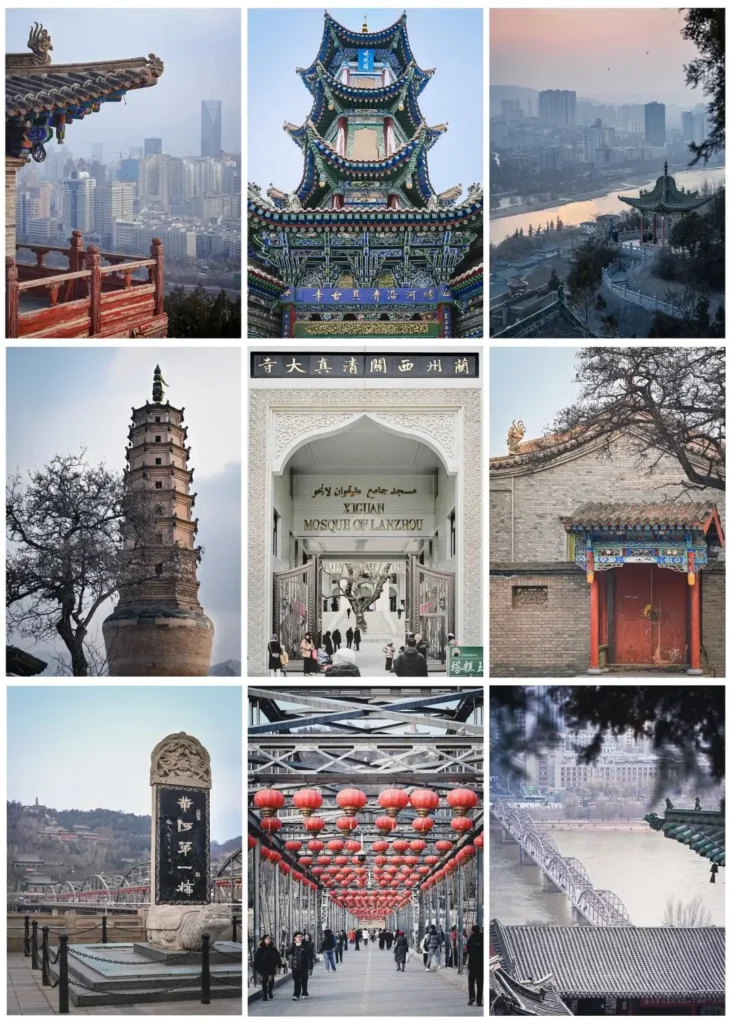
Quick Facts About Lanzhou & Its Rich Silk Road History 🏯
Nestled in the upper reaches of the Yellow River, Lanzhou is the capital of Gansu Province, and the only capital city in China where the Yellow River cuts directly through the urban center. For over 2000 years, this city has been the beating heart of the ancient Silk Road: originally founded in the Western Han Dynasty under the name Jincheng (meaning “Golden City”), it was a critical military fortress and trading hub that connected the Central Plains of China to the Western Regions (modern-day Central Asia).
For merchants, monks, and explorers traveling the Silk Road, Lanzhou was the last major stop before crossing the vast Gobi Desert, and the first taste of Chinese civilization for those arriving from the west. This unique position gave the city a one-of-a-kind cultural blend: you’ll see influences from Han Chinese, Hui, Tibetan, and other ethnic groups in its food, architecture, and traditions, making it a perfect introduction to the diversity of western China. Today, it’s not just a transit hub for travelers heading to Dunhuang, Zhangye, or Xinjiang – it’s a destination in its own right, with world-class museums, stunning natural scenery, and a food scene that’s famous across all of China.


Best Time to Visit Lanzhou & Lanzhou Weather Guide ☀️
Understanding Lanzhou weather is the first step to planning a seamless trip, as its temperate continental climate brings distinct seasons with very different vibes. Here’s my breakdown of when to go, what to pack, and what to expect:
Best Time to Visit (Top Pick!)
The absolute sweet spot for visiting Lanzhou is April to June (spring) and September to October (autumn). During these months, Lanzhou weather is mild and pleasant: spring brings blooming flowers and average temperatures between 10°C and 25°C (50°F to 77°F), while autumn offers crisp, clear skies, golden foliage along the Yellow River, and temperatures between 8°C and 23°C (46°F to 73°F). These seasons are perfect for hiking, sightseeing, and sitting outside to slurp noodles without the sweltering heat or bitter cold.
Seasonal Breakdown
- Summer (July to August): Summers in Lanzhou are warm and dry, with highs around 30°C (86°F). It’s less humid than eastern China, so the heat is more bearable, and it’s the peak season for domestic travelers. If you visit in summer, pack plenty of sunscreen, a hat, and a reusable water bottle – Lanzhou is very dry year-round, and summer amplifies that.
- Winter (November to March): Winters are cold and dry, with lows often dropping below -5°C (23°F). However, almost all indoor spaces have central heating, and the city is nearly empty of tourists, meaning you’ll have museums and attractions almost to yourself. It’s also the best time to eat hearty hand-pulled noodles and warm hand-grabbed lamb! Pack a thick down jacket, thermal layers, and a heavy moisturizer – the winter air is extremely dry.
Pro Weather Tip
No matter what season you visit, always pack a windproof jacket and lip balm. The Yellow River valley brings frequent gusty winds, and the dry air can chap your lips and skin within hours if you’re not prepared.


Ultimate Lanzhou Travel Itineraries (3 Perfect Options) 🗺️
One of the most common questions I get is: how many days do I need in Lanzhou? The answer depends on your travel style and schedule, so I’ve curated 3 foolproof itineraries for every type of traveler, all designed to maximize your experience and avoid rushing.
Itinerary 1: 1-Day Lanzhou Highlights (Perfect for Transit Travelers)
If you’re passing through Lanzhou on your way to western China and only have 24 hours, this itinerary hits all the must-see spots without feeling rushed.
- 8:00 AM – 10:00 AM: Slurp authentic Lanzhou cuisine at a local beef noodle shop (more on the best spots later!) – this is non-negotiable for your first meal in Lanzhou.
- 10:30 AM – 12:30 PM: Explore Gansu Provincial Museum, home to the world-famous Bronze Flying Horse (the official symbol of Chinese tourism) and incredible Silk Road relics.
- 1:00 PM – 2:30 PM: Lunch at a local Hui restaurant, trying hand-grabbed lamb and other regional specialties.
- 3:00 PM – 5:30 PM: Visit the iconic Zhongshan Bridge (the first bridge ever built over the Yellow River), hike up Baita Mountain Park for panoramic views of the city and river, and stop at the Yellow River Mother Sculpture on your way back.
- 6:30 PM – 9:00 PM: Eat your way through Zhengning Road Night Market, the most famous food street in Lanzhou, for dessert snacks like milk egg fermented glutinous rice wine.
Itinerary 2: 2-Day Deep Dive (For Most Travelers)
This is my most recommended itinerary for anyone wanting to experience the full vibe of Lanzhou, with enough time to see the highlights and explore a hidden natural gem just outside the city.
- Day 1: Follow the 1-day itinerary above, but take your time at the museum and night market – no rushing!
- Day 2: Shuimo Danxia National Geopark Day Trip
- 8:00 AM: Breakfast at a local noodle shop, then head out to Shuimo Danxia (about 1 hour from downtown Lanzhou).
- 9:00 AM – 1:00 PM: Explore the park’s 6 viewing platforms, marveling at the rainbow-colored rock formations that make this one of the most underrated Famous scenic spots in China.
- 1:30 PM: Lunch at a local farm restaurant near the park, trying farm-to-table Gansu specialties.
- 3:00 PM – 5:30 PM: Head back to downtown, and take a slow walk along the Yellow River Green Corridor, stopping to try a Yellow River sheepskin raft ride if you’re feeling adventurous.
- 6:30 PM onwards: Dinner at a local restaurant, then explore the vibrant night market near Lanzhou University for more local snacks.
Itinerary 3: 3-Day Complete Lanzhou Experience (For Slow Travelers)
If you have extra time and want to dive deeper into Lanzhou’s nature and culture, this itinerary adds a trip to the “Little Huangshan of Gansu”.
- Days 1-2: Follow the 2-day itinerary above.
- Day 3: Xinglong Mountain National Nature Reserve Day Trip
- 8:00 AM: Breakfast, then drive 1 hour to Xinglong Mountain, a lush forested mountain that’s a beloved escape for locals.
- 9:00 AM – 2:00 PM: Hike the mountain’s trails, visit ancient Taoist temples, and enjoy the fresh mountain air (a perfect contrast to the dry city air).
- 2:30 PM: Lunch at a mountain restaurant, trying wild vegetable dishes and local free-range chicken.
- 4:00 PM – 6:00 PM: Head back to downtown, and visit Lanzhou’s Old Street to pick up souvenirs and learn about local handicrafts.
- Evening: Farewell dinner with a full spread of Lanzhou cuisine, toasting to an amazing trip with a cup of local barley wine.
Top Famous Scenic Spots in Lanzhou You Can’t Miss 🌄
Lanzhou is full of incredible sights, from ancient Silk Road landmarks to stunning natural wonders. Here’s my curated list of the absolute must-visit spots, with all the details you need to plan your visit:
1. Gansu Provincial Museum
<img src=”gansu-museum-flying-horse.jpg” alt=”Lanzhou Travel Guide: Bronze Flying Horse of Gansu, the star exhibit at Gansu Provincial Museum in Lanzhou China”>
This is the first stop I recommend for every traveler to Lanzhou, and it’s one of the best museums in all of China. The museum’s collection spans over 500,000 artifacts, with a focus on Silk Road history, ancient Gansu cultures, and Buddhist art. The star of the show is the Bronze Flying Horse of Gansu (also called the Galloping Horse Treading on a Flying Swallow), the official symbol of Chinese tourism. This 2000-year-old Han Dynasty bronze statue is a masterpiece of ancient Chinese art, and it’s even more breathtaking in person than in photos.
- Opening Hours: 9:00 AM – 5:00 PM (last entry 4:30 PM), closed every Monday
- Ticket Price: Free! But you need to book a reservation in advance on the museum’s official WeChat account
- Pro Tip: Don’t skip the Silk Road exhibit and the Buddhist art hall – they have incredible murals and relics from the Mogao Caves in Dunhuang. Arrive right when it opens to avoid crowds.
2. Zhongshan Bridge (The First Bridge Over the Yellow River)
Lanzhou Travel Guide: Sunset view of Zhongshan Bridge, the first bridge over the Yellow River in Lanzhou China”>
Built between 1907 and 1909 with German engineering, Zhongshan Bridge is known as “the First Bridge Over the Yellow River”, and it’s the most iconic landmark of Lanzhou China. This 233-meter-long iron bridge was the only permanent bridge over the Yellow River for decades, and today it’s a pedestrian-only bridge that’s perfect for walking, taking photos, and soaking in views of the Yellow River and the surrounding mountains.
- Opening Hours: 24/7, free to visit
- Pro Tip: The best time to visit is 30 minutes before sunset, when the golden light hits the river and the bridge. The night view is also stunning, with the bridge lit up in colorful lights. Avoid buying overpriced souvenirs from vendors on the bridge – you can find the same things for half the price at local supermarkets.
3. Baita Mountain Park
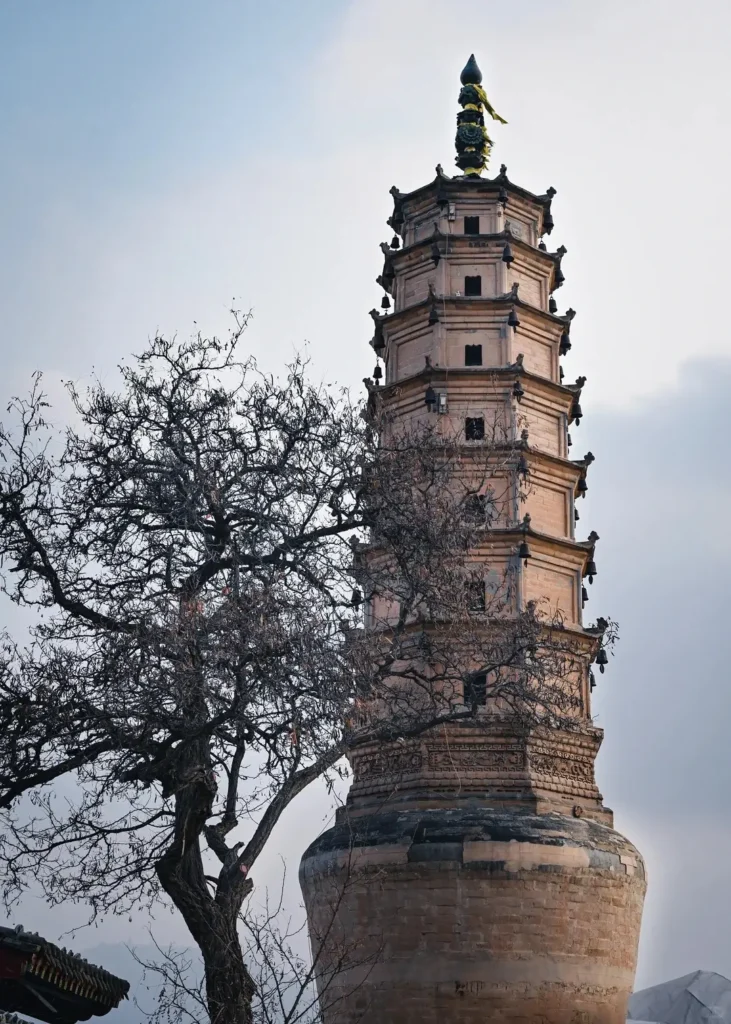
Directly across the Yellow River from Zhongshan Bridge, Baita Mountain Park is named after the 700-year-old White Pagoda at its summit. The park is a beautiful blend of ancient temples, pavilions, and lush greenery, and the summit offers the best panoramic views of Lanzhou’s skyline and the Yellow River winding through the city. The hike to the top takes about 30 minutes, and it’s a gentle, easy climb with plenty of spots to stop and take photos along the way.
- Opening Hours: 6:30 AM – 8:00 PM
- Ticket Price: Free!
- Pro Tip: Don’t take the “private car rides” offered by vendors at the bottom of the mountain – they charge exorbitant prices, and the hike is short and easy. Bring a bottle of water, and wear comfortable walking shoes.
4. Yellow River Mother Sculpture
Located along the Yellow River Green Corridor, this 6-meter-tall granite sculpture is one of the most famous symbols of Lanzhou. It depicts a gentle mother holding a baby, representing the Yellow River as the mother of Chinese civilization. It’s a beautiful spot to take photos, walk along the river, and watch locals practice tai chi, dance, or fly kites.
- Opening Hours: 24/7, free to visit
- Pro Tip: Combine this visit with your trip to Zhongshan Bridge – it’s just a 10-minute drive or 20-minute walk along the river.
5. Shuimo Danxia National Geopark
<img src=”lanzhou-shuimo-danxia-landscape.jpg” alt=”Famous scenic spots in China: Vibrant rock formations at Shuimo Danxia National Geopark near Lanzhou”>
If you love stunning natural scenery, this is non-negotiable. Shuimo Danxia is one of the largest and most colorful Danxia landform areas in China, with over 600 square kilometers of rainbow-colored rock formations, canyons, and cliffs. Unlike the more famous Zhangye Danxia, Shuimo Danxia is still relatively unknown to international tourists, so you’ll have the viewing platforms almost to yourself.
- Opening Hours: 8:30 AM – 6:00 PM
- Ticket Price: 60 RMB for entry, plus 30 RMB for the mandatory sightseeing bus
- Pro Tip: Visit in the early morning or late afternoon, when the light is soft and the colors of the rocks are the most vibrant. Never visit at midday – the harsh sunlight washes out the colors, and it’s extremely hot. The park is huge, so stay on the sightseeing bus routes – don’t hike off-trail, as it’s easy to get lost. Bring plenty of water and snacks, as there are very few shops inside the park.
Iconic Lanzhou Cuisine: Must-Try Dishes for Food Lovers 🍜
Let’s be real: for many travelers, the food is the star of the show in Lanzhou. Lanzhou cuisine is famous across China, and it’s a delicious blend of Hui, Han, and Tibetan culinary traditions, with a focus on fresh, high-quality ingredients and bold, aromatic flavors. Here’s every dish you need to try, plus where to eat them and how to avoid tourist traps:
1. Lanzhou Beef Noodles (Lanzhou Niuroumian)
<img src=”lanzhou-beef-noodles-local-shop.jpg” alt=”Lanzhou cuisine: Authentic Lanzhou beef noodles served at a local family shop in Lanzhou”>
This is the most famous dish from Lanzhou, and it’s the most popular breakfast food in the city. Authentic Lanzhou beef noodles follow the golden rule of “一清二白三红四绿五黄”:
- 一清 (Yi Qing): Clear, rich beef broth, simmered for 6+ hours with beef bones, beef, and over 20 spices
- 二白 (Er Bai): Crisp white radish slices
- 三红 (San Hong): Fragrant, spicy red chili oil
- 四绿 (Si Lu): Fresh green garlic sprouts and cilantro
- 五黄 (Wu Huang): Springy, bright yellow hand-pulled noodles
The best part? You can choose from 8 different noodle shapes, from the super-thin maoxi (hair-thin noodles) to the wide kuanmian (belt-wide noodles). For first-timers, I recommend erxi (second-thin noodles) – it’s the most popular among locals, and the perfect balance of springy and chewy.
- Where to Eat: Mogouyan Beef Noodles, Wumule Beef Noodles, Zhanguo Beef Noodles (these are the most famous local chains, loved by locals, not tourists)
- Pro Tips & Pitfalls to Avoid:
- Never eat Lanzhou beef noodles at a tourist spot or at night! Locals only eat it for breakfast and lunch – most authentic shops close by 2 PM, and any shop open late is catering to tourists, not locals.
- A bowl of authentic beef noodles costs only 10-15 RMB – if a shop charges more than 20 RMB, it’s a tourist trap.
- Don’t be afraid to ask for “less spicy” or “no spicy” – the chili oil is very hot for first-timers!
2. Hand-Grabbed Lamb (Shouzhua Yangrou)
This is the second most iconic dish in Lanzhou, and it’s a staple of Hui cuisine. Tender, fresh lamb from Gansu’s Jingyuan County is boiled with just a few simple spices, so the natural, sweet flavor of the lamb shines through. It’s called “hand-grabbed” because locals traditionally eat it with their hands, dipping it in garlic vinegar or dry spice mix. It’s not gamey or greasy at all – even if you don’t usually like lamb, you’ll love this.
- Where to Eat: Jingyuan Hand-Grabbed Lamb Restaurant, Laoma Hand-Grabbed Lamb
- Pro Tip: Order it with a plate of fresh garlic – locals swear that eating garlic with lamb cuts through the richness and brings out the flavor.
3. Milk Egg Fermented Glutinous Rice Wine (Niunai Jidan Laozao)
This is the most famous dessert in Lanzhou, and it’s a staple of Zhengning Road Night Market. It’s made by simmering sweet fermented glutinous rice wine with milk, eggs, raisins, walnuts, peanuts, and sesame seeds. It’s warm, creamy, sweet, and slightly nutty, with a subtle boozy kick from the fermented rice. It’s the perfect way to end a night of eating at the night market.
- Where to Eat: The original Old Ma’s stall at Zhengning Road Night Market – look for the longest line! There are dozens of fake “Old Ma” stalls, so follow the locals.
- Pro Tip: It’s very filling, so share one between 2 people if you’re trying other snacks.
4. Other Must-Try Lanzhou Snacks
- Sweet Fermented Barley (Tianpeizi): A refreshing, slightly alcoholic snack made from fermented hulless barley. It’s sweet, chewy, and perfect for hot summer days – you can find it at every night market and local supermarket.
- Gray Bean Porridge (Huidouzi): A warm, sweet porridge made from slow-cooked gray peas, with a hint of jujube and cinnamon. It’s a popular winter breakfast, and it’s super comforting.
- Gaodan Liangpi: A chewy, cold wheat noodle dish, tossed with spicy chili oil, vinegar, garlic, and mustard. It’s the perfect light lunch or snack, and it’s vegan-friendly!
- Fried Yellow River Carp: A classic Gansu dish, with fresh carp from the Yellow River, fried until crispy and tossed in a sweet and sour sauce. It’s a must-try for seafood lovers.
Lanzhou Transportation Guide: Getting Around Like a Local 🚂
Getting around Lanzhou is easy and affordable, once you know the basics. Here’s everything you need to know about transportation to and around the city:
Getting to Lanzhou
- By Air: Lanzhou Zhongchuan International Airport (LHW) is the main airport, with flights to all major Chinese cities, as well as a few international destinations. The airport is 70 kilometers from downtown Lanzhou – the fastest and cheapest way to get to the city is the intercity high-speed train, which takes just 30 minutes and costs 21.5 RMB. It runs every 30 minutes, and it’s way faster and cheaper than taxis or buses.
- By Train: Lanzhou has two main train stations: Lanzhou Railway Station (for regular trains) and Lanzhou West Railway Station (for high-speed trains). Both stations are connected to the city’s subway system, so you can easily get to downtown from either. Lanzhou is a major hub on the Lanzhou-Xinjiang high-speed railway, so it’s easy to get here from Xi’an, Dunhuang, Zhangye, and Urumqi.
Getting Around Downtown Lanzhou
- Subway: Lanzhou has 2 subway lines, with Line 1 covering almost all the major tourist spots (including Zhongshan Bridge, Gansu Provincial Museum, and Zhengning Road Night Market). It’s fast, clean, and affordable – tickets cost 2-7 RMB. You can pay with Alipay or WeChat Pay by setting up the Lanzhou Metro electronic card.
- Bus: The city has an extensive bus network that covers every corner of the city. Most buses cost 1 RMB, and you can pay with Alipay or WeChat Pay by setting up the Lanzhou Bus electronic card. It’s a great way to see the city like a local.
- Taxi & Ride-Hailing: Taxis are affordable, with a starting fare of 10 RMB for the first 3 kilometers. Always make sure the driver uses the meter – never agree to a fixed price, especially at the train station or airport. Didi Chuxing (the Chinese equivalent of Uber) is also widely available, and it’s even cheaper and more reliable than taxis.
- Yellow River Sightseeing: For a unique way to see the city, take a slow boat cruise along the Yellow River, or try a traditional sheepskin raft ride. Raft rides cost about 100 RMB per person, and they’re a fun, once-in-a-lifetime experience.
Pro Lanzhou Travel Tips & Pitfalls to Avoid ⚠️
After multiple trips to Lanzhou, I’ve learned all the do’s and don’ts to make your trip as smooth and enjoyable as possible. Here are my top China Travel Tips for visiting Lanzhou:
- Cash is still king for small vendors: Most big restaurants and shops accept Alipay and WeChat Pay, but many night market stalls and small noodle shops only accept cash. Bring some RMB cash with you to avoid being stuck.
- Respect local Hui culture: Lanzhou has a large Hui Muslim population, so be respectful of their customs. Don’t bring pork or alcohol into Hui restaurants, and ask permission before taking photos of locals, especially in mosques.
- Stay hydrated and moisturized: Lanzhou is extremely dry year-round. Drink plenty of water, and bring a heavy moisturizer, lip balm, and eye drops – even if you don’t usually have dry skin, the air here will dry you out.
- Don’t book tours from street vendors: Street vendors near tourist spots will offer cheap day tours to Shuimo Danxia or other attractions. These tours are often scams, with hidden fees and forced shopping stops. Book tours from reputable agencies, or take the public bus or a Didi to the attractions yourself.
- Learn a few basic Chinese phrases: Most locals in Lanzhou don’t speak English, so learning a few basic phrases (like “hello”, “thank you”, “how much”, “no spicy”) will go a long way. Download Google Translate with the Chinese language pack offline, so you can communicate even without internet.
- Bring a power bank: You’ll use your phone for photos, translations, and payments, so bring a portable power bank with you. Most tourist spots don’t have many public charging ports.
FAQs About Lanzhou Travel ❓
1. Is Lanzhou worth adding to my China Travel Guide itinerary?
Absolutely! Lanzhou is one of the most underrated destinations in China, and it’s well worth a spot on your itinerary. Not only is it the gateway to western China’s most famous attractions (like Dunhuang’s Mogao Caves and Zhangye’s Danxia), but it’s also a destination in its own right. You’ll get to experience authentic Silk Road history, stunning natural scenery, and some of the best food in all of China – all without the massive crowds of Beijing, Shanghai, or Xi’an. Even if you only have 1-2 days, it’s absolutely worth a stop.
2. How many days do I need to fully experience Lanzhou?
For most travelers, 2 days is the perfect amount of time to see all of Lanzhou’s highlights, including the museum, Zhongshan Bridge, Baita Mountain, and a day trip to Shuimo Danxia. If you’re just transiting through, 1 day is enough to hit the must-see spots. If you want to explore further afield, like Xinglong Mountain or the nearby Bingling Temple Grottoes, 3-4 days is ideal.
3. Is Lanzhou safe for foreign travelers?
Yes! Lanzhou is an extremely safe city for foreign travelers, even for solo travelers. Violent crime is extremely rare, and locals are incredibly friendly and welcoming to international visitors. Like any major city, you just need to take basic precautions: keep an eye on your belongings in crowded tourist spots and night markets, don’t accept rides from unlicensed taxi drivers, and be aware of your surroundings at night. Overall, it’s one of the safest cities I’ve visited in China.
4. What makes Lanzhou beef noodles in Lanzhou different from the ones I’ve tried in other countries?
The difference is night and day! Most Lanzhou beef noodles you’ll find outside of China are heavily modified to fit local tastes, with thick, pre-made noodles, overly salty broth, and none of the authentic elements. In Lanzhou, every bowl is made to order: the noodles are hand-pulled by the chef right in front of you, the broth is simmered for hours with beef bones and spices, and every ingredient is fresh and local. It’s not just a bowl of noodles – it’s a culinary tradition that’s been passed down for generations, and it’s absolutely worth traveling to Lanzhou to try.
China Travel Blessing for Your Journey ✨
As you prepare to embark on your adventure through China, we wish you endless miles of breathtaking views, warm and heartfelt encounters with kind locals, mouthwatering bites of authentic Chinese cuisine that make your taste buds sing, and precious memories that will stay with you for a lifetime.
May every step of your journey be filled with wonder and joy, whether you’re wandering the ancient Silk Road paths of Lanzhou, marveling at the grandeur of the Great Wall, cruising the misty waters of the Li River, or getting lost in the vibrant alleyways of China’s ancient cities. May you discover the hidden magic of this incredible country, from its 5000 years of rich history and culture to the warm hospitality of its people.
May your travels be safe, your heart be full, and your camera roll be filled with endless beautiful moments. We hope this Lanzhou Travel Guide helps you create an unforgettable trip, and we can’t wait to hear all about your adventures in this amazing country. Happy travels, and may your China journey be everything you’ve dreamed of and more!