
China Monthly Weather
A comprehensive map of China’s climate regions, curated to help international travelers plan their ideal trip
Hey fellow adventure seekers! If you’re gearing up for the trip of a lifetime to China, you’ve probably already scrolled through endless reels of the Great Wall, futuristic Shanghai skylines, and dreamy rice terraces in Guilin. But here’s the hard truth I’ve learned after 8 years of running this China Travel Guide site: the difference between a perfect, seamless trip and a stressful, weather-ruined vacation all comes down to mastering weather in China across its wildly diverse regions, month by month. This China monthly weather guide for international travelers is your one-stop shop to understand exactly what to expect from every corner of the country, no matter when you plan to visit. We’re breaking down every major region and province, month by month, with insider China Travel Tips, weather-related pitfalls to avoid, and everything you need to pack like a pro. Whether you’re planning a city break, a rural hiking adventure, or a weather China camp trip in the great outdoors, this guide has you covered.

China is the world’s third-largest country by land area, spanning five distinct climate zones—from the frigid cold temperate zone in the far northeast to the tropical zone in the southernmost Hainan Province. This means that in the same month, you could be swimming in 30°C (86°F) tropical waters in Sanya and facing -30°C (-22°F) freezing temperatures in Harbin, all within the same country. For international travelers, this massive climate diversity is one of the most exciting parts of visiting China, but it’s also the number one source of unexpected headaches and trip disruptions. Even the most seasoned travelers can get caught off guard by sudden cold snaps in Beijing, weeks of non-stop rain during the Yangtze River Delta’s plum rain season, or unexpected typhoons along the southern coast.
For the most accurate, real-time and forecasted weather data across every province and city in China, we always recommend referring to the official China Meteorological Administration’s English portal at <a href=”https://en.weather.com.cn/” rel=”dofollow”>en.weather.com.cn</a>. This is the most trusted source for weather China updates, including extreme weather warnings, live rain radar, and city-specific forecasts, and it’s fully accessible to international travelers without a VPN during your trip.


Why Understanding China’s Regional Weather Matters For Your Trip
Many first-time visitors to China make the mistake of checking a single “China weather forecast” before their trip, rather than looking at the specific weather for every city and region on their itinerary. This can lead to disastrous results: I’ve had countless travelers message me saying they packed only summer clothes for a May trip to Beijing, only to be caught off guard by a sudden late cold snap; or they booked a beach trip to Sanya in July, unaware that it’s peak typhoon season with daily heavy downpours.
Beyond packing correctly, understanding weather in China month by month and region by region will help you:
- Choose the perfect time to visit your dream destinations, avoiding peak crowds, extreme weather, and seasonal closures
- Save money by traveling during the off-season for specific regions, when accommodation and tour prices drop significantly
- Stay safe by preparing for extreme weather events like typhoons, sandstorms, cold snaps, and heatwaves
- Maximize your trip experience by planning outdoor activities during the most favorable weather windows, and indoor activities during rainy or extreme weather periods


China’s Regional Climate Breakdown: Month-by-Month Guide
We’ve split China into 6 key travel regions, covering every major province and municipality, with a detailed month-by-month breakdown of weather conditions, best travel times, and critical pitfalls to avoid for each area.
1. North China (Beijing, Tianjin, Hebei Province, Shanxi Province, Inner Mongolia Autonomous Region)
North China is the political and cultural heart of China, home to iconic landmarks like the Great Wall, the Forbidden City, and the ancient walled city of Pingyao. It also includes the vast grasslands of Inner Mongolia, a top destination for outdoor and weather China camp adventures. This region has a temperate continental monsoon climate, with four distinct seasons: cold, dry winters; warm, windy springs; hot, rainy summers; and cool, sunny autumns.
January & February (Winter)
Average temperatures across Beijing, Tianjin, Hebei, and Shanxi range from -10°C to 5°C (14°F to 41°F), while Inner Mongolia sees frigid averages between -25°C and -5°C (-13°F to 23°F). The weather is predominantly cold and dry, with clear sunny days, occasional heavy snowfall, and frequent strong wind warnings—consistent with the official yellow strong wind warnings regularly issued for Beijing, Hebei, and Inner Mongolia on the weather China official portal.
Travel Tips: This is the perfect season for winter activities, including the iconic ice rinks at Beijing’s Summer Palace, the Harbin-style ice festivals in Inner Mongolia, and the Lunar New Year folk celebrations across the region. Crowds are minimal outside of the Lunar New Year holiday, and accommodation prices are at their lowest.
Pitfall Alert: Even on bright, sunny winter days in Beijing, sudden strong wind warnings can push the wind chill well below freezing. Always pack a windproof, insulated jacket and check the daily forecast on <a href=”https://en.weather.com.cn/” rel=”dofollow”>en.weather.com.cn</a> before heading to outdoor sites like the Great Wall, where wind speeds are even higher in the mountains.
March & April (Spring)
Temperatures rise rapidly, with averages between 5°C and 20°C (41°F to 68°F) for most of the region, while Inner Mongolia remains cooler, with averages between -5°C and 15°C (23°F to 59°F). Spring in North China is marked by extreme temperature fluctuations, large day-night temperature differences, occasional late cold snaps, and frequent sandstorms—especially in March and April, when yellow sandstorm warnings are regularly issued for Shanxi and Inner Mongolia. Light rainfall begins in late April.
Travel Tips: Late March and early April are magical times to visit Beijing, with cherry blossoms and peach blossoms in full bloom across the city’s parks and temples. Crowds are smaller than the peak summer and autumn seasons, making it a great time to visit popular landmarks without the lines.
Pitfall Alert: The biggest mistake travelers make here is packing only light spring clothes for March and April. Late cold snaps can drop temperatures to freezing overnight, even after a week of 20°C (68°F) days. Always pack layered clothing, and never skip a warm jacket for evening outings.
May & June (Late Spring & Early Summer)
Average temperatures range from 15°C to 30°C (59°F to 86°F) across most of North China, with Inner Mongolia seeing averages between 10°C and 25°C (50°F to 77°F). The weather is warm and dry with minimal rainfall in May, while June brings the start of the summer rainy season, rising humidity, and occasional thunderstorms. By late June, the grasslands of Inner Mongolia are fully green, making it the start of the peak season for weather China camp trips and horseback riding adventures.
Travel Tips: May is one of the best times to visit North China, with comfortable temperatures, low humidity, and fewer tourists than the peak autumn season. It’s the perfect time to explore the ancient sites of Shanxi, hike the unrestored sections of the Great Wall, and visit the grasslands of Inner Mongolia before the peak summer crowds arrive.
Pitfall Alert: June brings sudden, heavy thunderstorms in the mountainous areas of Shanxi and along the Great Wall. Always pack a waterproof jacket and sturdy, non-slip shoes if you’re hiking or visiting outdoor mountain sites, and avoid hiking during thunderstorm warnings.
July & August (Summer)
This is the hottest and wettest season in North China, with average temperatures between 22°C and 35°C (72°F to 95°F) across Beijing, Tianjin, Hebei, and Shanxi. Inner Mongolia remains cooler, with averages between 15°C and 30°C (59°F to 86°F), making it a popular summer escape from the heat. July and August bring the peak of the summer rainy season, with frequent heavy downpours, high humidity, and occasional urban flooding in Beijing.
Travel Tips: This is the peak season for travel to Inner Mongolia’s grasslands, with perfect weather for camping, horseback riding, and attending local Nadam festivals. For Beijing and surrounding areas, focus on indoor attractions like the Palace Museum’s indoor exhibition halls, the National Museum of China, and the 798 Art District during the hottest midday hours.
Pitfall Alert: Summer downpours in Beijing can cause sudden urban flooding, so avoid visiting low-lying outdoor sites during storm warnings, and always carry a compact, windproof umbrella. Check the live rain radar on the official weather in China portal to plan your daily itinerary around the rain.
September & October (Autumn)
Autumn is widely considered the golden season for North China, with average temperatures between 10°C and 28°C (50°F to 82°F) across most of the region, and Inner Mongolia seeing averages between 5°C and 20°C (41°F to 68°F). The weather is cool, dry, and sunny, with minimal rainfall, low humidity, and clear blue skies—perfect for outdoor sightseeing. The famous Xiangshan (Fragrant Hills) red leaves reach their peak in mid-October, drawing visitors from across the world.
Travel Tips: September and early October are the absolute best times to visit Beijing, Tianjin, and Shanxi, with perfect weather for hiking the Great Wall, exploring ancient sites, and enjoying outdoor activities. Late October is ideal for visiting the grasslands of Inner Mongolia to see the golden autumn scenery before the winter cold sets in.
Pitfall Alert: The Chinese National Day holiday (October 1–7) is the busiest travel week of the year in China, with massive crowds, sky-high prices, and fully booked accommodation and tickets across all popular sites. If you’re traveling during this period, book all tickets, hotels, and tours at least 3 months in advance. Temperatures also drop rapidly after mid-October, so pack a warm winter coat for late October trips.
November & December (Late Autumn & Early Winter)
Temperatures drop rapidly across the region, with averages between -5°C and 15°C (23°F to 59°F) for most of North China, and Inner Mongolia seeing frigid averages between -20°C and 0°C (-4°F to 32°F). The weather is cold, dry, and windy, with the first snowfall usually arriving in November, and frequent strong wind warnings issued for Inner Mongolia, Hebei, and Beijing in December.
Travel Tips: November brings minimal crowds and low prices, making it a great time to visit indoor attractions like Beijing’s many museums and the ancient cave temples of Shanxi. December is perfect for winter activities, including ice skating, skiing, and visiting the winter folk markets across the region.
Pitfall Alert: December in Inner Mongolia can see overnight temperatures drop to -30°C (-22°F), even on sunny days. If you’re visiting for winter festivals or grassland adventures, invest in high-quality thermal layers, frost-resistant boots, and a full face covering to avoid frostbite.
2. East China (Shanghai, Jiangsu Province, Zhejiang Province, Anhui Province, Fujian Province, Jiangxi Province, Shandong Province)
East China is the economic and cultural heart of eastern China, home to the futuristic skyline of Shanghai, the water towns of the Yangtze River Delta, the stunning West Lake in Hangzhou, the majestic Huangshan Mountain, and the coastal cities of Xiamen and Qingdao. This region has a subtropical monsoon climate (with a temperate monsoon climate in Shandong), with four distinct seasons: cold, damp winters; warm, rainy springs; hot, humid summers; and cool, sunny autumns.
January & February (Winter)
Average temperatures across the Yangtze River Delta (Shanghai, Jiangsu, Zhejiang, Anhui) range from 0°C to 10°C (32°F to 50°F), with southern Fujian seeing milder averages between 5°C and 15°C (41°F to 59°F). The weather here is cold, damp, and overcast, with frequent light rain and minimal sunshine. Unlike North China, most homes and hotels in this region do not have central heating, which is the biggest source of discomfort for international travelers.
Travel Tips: This is a great time to visit the ancient water towns of Zhouzhuang, Wuzhen, and Xitang, with minimal crowds and beautiful festive decorations during the Lunar New Year. Southern Fujian (Xiamen, Quanzhou) has mild winter weather, making it a great escape from the colder north.
Pitfall Alert: The number one mistake international travelers make in East China’s winter is underestimating the damp cold. Even if the thermometer reads 5°C (41°F), the high humidity will make it feel much colder than dry cold at the same temperature. Pack thermal base layers, moisture-wicking clothing, and even a small portable heater for your hotel room to stay comfortable.
March & April (Spring)
Temperatures rise steadily, with averages between 10°C and 20°C (50°F to 68°F) across most of the region, and Fujian seeing averages between 15°C and 25°C (59°F to 77°F). This is the rainy season in the Yangtze River Delta, with the famous “Qingming Festival rain” bringing almost daily light drizzle, overcast skies, and high humidity. Late March and early April bring stunning cherry blossom, peach blossom, and rapeseed flower blooms across the region, including the iconic rapeseed terraces of Wuyuan in Jiangxi.
Travel Tips: March and April are some of the most beautiful times to visit East China, with blooming flowers, lush green scenery, and smaller crowds than the peak summer and autumn seasons. It’s the perfect time to explore the water towns, visit Huangshan Mountain, and experience the spring tea harvest in Hangzhou’s Longjing tea villages.
Pitfall Alert: The near-daily light rain makes stone paths in ancient water towns and mountain trails on Huangshan extremely slippery. Always pack a waterproof jacket, a compact umbrella, and non-slip waterproof shoes to avoid falls.
May & June (Late Spring & Plum Rain Season)
May brings warm, comfortable weather, with average temperatures between 18°C and 30°C (64°F to 86°F) across most of the region, minimal rainfall, and low humidity. June marks the start of the Plum Rain Season (Meiyu Season) in the Yangtze River Delta, bringing 3–4 weeks of almost non-stop rain, overcast skies, high humidity, and muggy, uncomfortable weather. Southern Fujian sees minimal impact from the Plum Rain Season, with warm, sunny weather and occasional thunderstorms.
Travel Tips: May is one of the best times to visit East China, with perfect weather for outdoor sightseeing, hiking, and exploring the region’s many attractions. For June travel, focus on southern Fujian (Xiamen, Wuyi Mountain) or indoor attractions like the Shanghai Museum, Hangzhou’s China Tea Museum, and Suzhou’s many gardens.
Pitfall Alert: The Plum Rain Season can ruin outdoor travel plans in the Yangtze River Delta, with weeks of non-stop rain and gloomy weather. If you’re planning to visit Shanghai, Suzhou, Hangzhou, or Huangshan, schedule your trip for May or late July to avoid the rainy season. Always check long-term forecasts for weather in China on the official portal before booking your trip.
July & August (Summer)
This is the hottest, wettest season in East China, with average temperatures between 25°C and 38°C (77°F to 100°F) across most of the region, high humidity, and frequent heavy thunderstorms. The coastal areas of Zhejiang and Fujian are frequently hit by typhoons during this period, which can bring heavy rain, strong winds, flight cancellations, and port closures. Shandong’s coastal cities (Qingdao, Weihai) have milder, cooler weather, making them popular summer beach destinations.
Travel Tips: This is the perfect time to visit mountainous areas for summer cooling, including Huangshan Mountain, Lushan Mountain, and Wuyi Mountain. The coastal cities of Shandong offer beautiful beaches and mild summer weather, while southern Fujian’s coastal areas are great for beach trips outside of typhoon warnings.
Pitfall Alert: July and August are peak typhoon season for the southeastern coast of East China. Always check typhoon warnings on the weather China official site if you’re visiting Fujian, Zhejiang, or Shanghai during the summer, and have a backup indoor itinerary ready in case of disruptions. Avoid booking non-refundable flights or accommodation during this period, as typhoons can cause widespread cancellations.
September & October (Autumn)
Autumn is the golden season for East China, with average temperatures between 15°C and 28°C (59°F to 82°F) across most of the region, cool, dry, sunny weather, minimal rainfall, and low humidity. The sweet osmanthus flowers bloom across the region in September, filling the air with a beautiful fragrance, and the autumn foliage on Huangshan Mountain and in the villages of Anhui is stunning in late October.
Travel Tips: September and early October are the absolute best times to visit East China, with perfect weather for outdoor sightseeing, hiking, and exploring all of the region’s iconic attractions. Late October brings smaller crowds and lower prices, with beautiful autumn scenery across the region.
Pitfall Alert: The National Day holiday (October 1–7) brings massive crowds and sky-high prices across all popular sites in East China, especially Shanghai, Hangzhou, Suzhou, and Huangshan. Book all tickets, accommodation, and tours at least 3 months in advance if you’re traveling during this period.
November & December (Late Autumn & Early Winter)
Temperatures drop rapidly across the region, with averages between 5°C and 15°C (41°F to 59°F) across the Yangtze River Delta, and southern Fujian seeing milder averages between 10°C and 20°C (50°F to 68°F). The weather is cold, damp, and overcast, with frequent light rain and minimal sunshine, especially in December.
Travel Tips: November brings minimal crowds and low prices, making it a great time to visit indoor attractions and explore the region’s cities without the crowds. December is perfect for visiting southern Fujian (Xiamen, Quanzhou) for mild winter weather, and experiencing the Christmas and New Year celebrations in Shanghai.
Pitfall Alert: December in the Yangtze River Delta can be extremely damp and cold, with overnight temperatures dropping to freezing. Even in luxury hotels, the lack of central heating can make rooms uncomfortable at night. Pack thermal layers and a portable electric blanket to stay warm.


3. South China (Guangdong Province, Guangxi Zhuang Autonomous Region, Hainan Province, Hong Kong SAR, Macau SAR)
South China is the tropical and subtropical southern region of China, home to the vibrant metropolis of Guangzhou, the stunning karst mountains of Guilin, the tropical beaches of Hainan Island, and the international cities of Hong Kong and Macau. This region has a subtropical to tropical monsoon climate, with long, hot, rainy summers and short, mild, dry winters. It’s the warmest region in China for most of the year, making it a popular winter escape for both domestic and international travelers.
January & February (Winter)
This is the peak tourist season for South China, with average temperatures between 10°C and 25°C (50°F to 77°F) across Guangdong, Guangxi, Hong Kong, and Macau, and tropical Hainan seeing averages between 18°C and 30°C (64°F to 86°F). The weather is warm, dry, and sunny, with minimal rainfall and low humidity—perfect for outdoor sightseeing and beach trips. Occasional cold snaps can bring short periods of cooler weather, but they rarely last more than a few days.
Travel Tips: January and February are the best months to visit Guilin and Yangshuo, with perfect weather for Li River cruises and bamboo raft trips. Hainan Island is the most popular winter beach destination in China, with warm ocean temperatures perfect for swimming and water sports. Hong Kong and Macau have beautiful winter weather, with festive celebrations during the Lunar New Year.
Pitfall Alert: Even in tropical Hainan, January can bring sudden cold snaps that drop ocean temperatures, making swimming uncomfortable. Always check the water temperature forecast before booking a beach resort, and pack a light jacket for evening walks along the coast. For the most accurate forecasts, use the official weather in China portal at <a href=”https://en.weather.com.cn/” rel=”dofollow”>en.weather.com.cn</a>.
March & April (Spring)
Temperatures rise steadily, with averages between 18°C and 28°C (64°F to 82°F) across most of the region, and Hainan seeing averages between 22°C and 32°C (72°F to 90°F). The weather becomes increasingly humid, with frequent heavy thunderstorms, especially in April, which marks the start of the pre-flood rainy season.
Travel Tips: March and April bring minimal crowds and much lower prices than the peak winter season, making it a great time to visit Guangzhou, Nanning, Guilin, and Yangshuo. Hainan Island has fewer tourists than the winter peak, with great deals on beach resorts.
Pitfall Alert: Frequent heavy thunderstorms can cause flight delays and cancellations across the region. Always book comprehensive travel insurance that covers weather-related disruptions, and check daily weather updates before heading out for outdoor activities.
May & June (Early Summer & Rainy Season)
This is the start of the hot, rainy season in South China, with average temperatures between 25°C and 35°C (77°F to 95°F) across the region, high humidity, and daily heavy downpours. June marks the start of the typhoon season, with occasional typhoons hitting Hainan and the Guangdong coast, bringing heavy rain and strong winds.
Travel Tips: Focus on indoor attractions during this period, including the Guangdong Museum in Guangzhou, the Hong Kong Palace Museum, the Macau Museum of Art, and the stunning karst caves of Guilin. The high-altitude areas of Guangxi and Guangdong offer cooler weather for hiking and outdoor activities.
Pitfall Alert: Daily heavy downpours can cause flooding in low-lying areas of Guangzhou, Guilin, and Hong Kong. Avoid visiting rural areas during heavy rain warnings, and always carry a waterproof bag to protect your electronics and documents.
July & August (Summer & Peak Typhoon Season)
This is the hottest, wettest period in South China, with average temperatures between 28°C and 38°C (82°F to 100°F) across most of the region, extreme humidity, and frequent typhoons. July and August are the peak of the typhoon season, with an average of 4–5 typhoons hitting the southern coast during this period, causing widespread travel disruptions, flight cancellations, port closures, and beach closures.
Travel Tips: This is the low season for tourism in South China, with very low prices for accommodation and tours. Focus on high-altitude mountain areas for cooling, including Mao’er Mountain in Guangxi and Nanling National Forest Park in Guangdong. Hainan’s mountainous interior offers cooler weather and beautiful rainforest hikes, outside of typhoon warnings.
Pitfall Alert: Never book non-refundable accommodation or flights to Hainan, Guangdong, Hong Kong, or Macau during July and August, as typhoons can cause last-minute cancellations and travel disruptions. Closely monitor typhoon warnings on the official weather China portal, and follow all local authority instructions if a typhoon warning is issued.
September & October (Autumn)
This is the second golden season for South China, with average temperatures between 22°C and 32°C (72°F to 90°F) across the region, falling humidity, reduced rainfall, and fewer typhoons. The weather is warm, sunny, and comfortable, perfect for outdoor sightseeing and beach trips.
Travel Tips: September and early October are the best times to visit Guilin, Yangshuo, Guangzhou, Hong Kong, and Macau, with perfect weather for outdoor activities. Late October brings smaller crowds and lower prices, with beautiful autumn scenery across the region. Hainan Island still has warm weather perfect for beach trips, with fewer tourists than the winter peak.
Pitfall Alert: While typhoon season winds down in October, late typhoons can still hit the southern coast. Always check the forecast before booking beach trips or ferry rides between Hong Kong, Macau, and the Chinese mainland.
November & December (Late Autumn & Early Winter)
Temperatures drop to comfortable levels, with averages between 15°C and 25°C (59°F to 77°F) across Guangdong, Guangxi, Hong Kong, and Macau, and Hainan seeing averages between 20°C and 30°C (68°F to 86°F). The weather is cool, dry, and sunny, with minimal rainfall and low humidity, marking the start of the peak winter tourist season.
Travel Tips: November and December are some of the best months to visit South China, with perfect weather for outdoor sightseeing, Li River cruises, city exploration, and beach trips to Hainan. Hong Kong and Macau have beautiful Christmas and New Year celebrations, with festive decorations and events across the cities.
Pitfall Alert: December is peak season for Hainan Island, with prices skyrocketing for Christmas and New Year. Book your accommodation at least 2 months in advance to get the best rates. Even in December, the sun in Hainan is extremely strong, so always wear high-SPF sunscreen, a wide-brimmed hat, and sunglasses to avoid sunburn.


4. Southwest China (Chongqing Municipality, Sichuan Province, Guizhou Province, Yunnan Province, Xizang Autonomous Region)
Southwest China is the most geographically and culturally diverse region of China, home to the spicy food capital of Chengdu, the stunning Jiuzhaigou Valley, the ancient villages of Guizhou, the eternal spring city of Kunming, and the breathtaking high-altitude landscapes of the Xizang (Tibet) Autonomous Region. This region has an incredibly diverse climate, ranging from the hot, humid subtropical climate of the Sichuan Basin to the high-altitude plateau climate of Tibet, and the mild, spring-like climate of Yunnan.
January & February (Winter)
Average temperatures in the Sichuan Basin (Chongqing, Chengdu) range from 5°C to 12°C (41°F to 54°F), with cold, damp, overcast weather and frequent fog. Guizhou sees averages between 2°C and 10°C (36°F to 50°F), with cold, rainy weather and minimal sunshine. Yunnan has mild, spring-like weather, with averages between 8°C and 20°C (46°F to 68°F), sunny days, and low humidity—earning Kunming the nickname “the City of Eternal Spring”. Tibet has frigid winter weather, with averages between -15°C and 8°C (5°F to 46°F), dry, sunny days, and extremely cold nights.
Travel Tips: Winter is the perfect time to visit Yunnan, with mild weather perfect for exploring Lijiang, Dali, and the tropical Xishuangbanna region. Tibet has clear, sunny days in winter, with unobstructed views of the Himalayas, minimal crowds, and much lower prices than the peak summer season. Chongqing and Sichuan are perfect for winter travel, with indoor attractions and world-famous hot pot to keep you warm.
Pitfall Alert: Winter in Tibet brings extremely low oxygen levels and frigid nighttime temperatures, even on sunny days. If you’re visiting Lhasa in winter, acclimatize slowly, avoid strenuous activity for the first 3 days, and pack heavy thermal layers for the night. Many high-altitude roads in Tibet are closed due to snow in January and February, so always check road conditions before planning a road trip.
March & April (Spring)
Temperatures rise steadily across the region, with averages between 10°C and 22°C (50°F to 72°F) in Chongqing and Sichuan, 8°C to 18°C (46°F to 64°F) in Guizhou, 12°C to 25°C (54°F to 77°F) in Yunnan, and -5°C to 15°C (23°F to 59°F) in Tibet. The weather in Sichuan, Chongqing, and Guizhou becomes increasingly rainy, with frequent light drizzle and overcast skies. Yunnan has warm, dry, windy weather, with blooming flowers across the province. Tibet’s Nyingchi Prefecture sees its famous peach blossoms bloom in late March and early April, drawing visitors from across the world.
Travel Tips: Late March and early April are the absolute best times to visit Nyingchi in Tibet, with the stunning peach blossom valleys set against the backdrop of the snow-capped Himalayas. Yunnan’s Luoping County has stunning rapeseed flower blooms in early spring, while Guizhou’s cherry blossoms are in full bloom in late March.
Pitfall Alert: Spring in Yunnan brings strong winds and dry weather, which increases the risk of wildfires. Always follow local fire regulations, and never light campfires in rural areas. For those planning a weather China camp trip in Yunnan’s mountains, check local fire warnings and weather updates before setting up camp.
May & June (Late Spring & Early Summer)
Average temperatures range from 18°C to 30°C (64°F to 86°F) in Chongqing and Sichuan, 15°C to 25°C (59°F to 77°F) in Guizhou, 15°C to 26°C (59°F to 79°F) in Yunnan, and 5°C to 20°C (41°F to 68°F) in Tibet. Chongqing and Sichuan enter the summer rainy season, with frequent heavy downpours and rising temperatures, while Guizhou has cool, rainy weather perfect for escaping the summer heat. Yunnan still has mild, comfortable weather, with minimal rainfall. Tibet enters its summer rainy season in June, with frequent light rain at night and clear, sunny days—perfect for sightseeing.
Travel Tips: May and June are some of the best times to visit Guizhou and Yunnan, with comfortable weather, minimal crowds, and beautiful scenery across the region. Tibet’s June weather is perfect for exploring Lhasa and Nyingchi, with the highest oxygen levels of the year and clear daytime skies.
Pitfall Alert: Heavy rain in Sichuan’s mountainous areas can cause landslides and road closures, especially in the regions around Jiuzhaigou and the Sichuan-Tibet Highway. Always check road conditions and weather warnings before traveling to these areas during the rainy season.
July & August (Summer)
This is the peak tourist season for Southwest China, with Chongqing and the Sichuan Basin seeing average temperatures between 25°C and 38°C (77°F to 100°F), earning Chongqing the nickname “one of China’s Four Furnaces” for its extreme summer heat. Guizhou has cool, comfortable weather, with averages between 20°C and 28°C (68°F to 82°F), making it a popular summer escape. Yunnan still has mild, spring-like weather, with averages between 18°C and 26°C (64°F to 79°F), while Tibet has averages between 10°C and 22°C (50°F to 72°F), with frequent night rain and clear daytime skies.
Travel Tips: July and August are the best months to visit Guizhou, Yunnan, and Tibet, with perfect weather for outdoor sightseeing, hiking, and exploring the region’s many attractions. For Chongqing and Sichuan, focus on indoor attractions during the hottest midday hours, including the Chengdu Panda Base (early morning visits are best), the Sanxingdui Museum, and Chongqing’s many museums.
Pitfall Alert: The summer holiday (July–August) brings massive crowds and sky-high prices across Tibet, Yunnan, and Guizhou. Book all accommodation, tickets, and tours at least 3 months in advance. Summer in Chongqing can see temperatures rise to 40°C (104°F), so avoid outdoor activities during the midday heat, stay hydrated, and carry a portable fan to stay cool.
September & October (Autumn)
Autumn is the golden season for Southwest China, with average temperatures between 15°C and 28°C (59°F to 82°F) in Chongqing and Sichuan, 12°C to 22°C (54°F to 72°F) in Guizhou, 12°C to 24°C (54°F to 75°F) in Yunnan, and 0°C to 18°C (32°F to 64°F) in Tibet. The weather is cool, dry, and sunny, with minimal rainfall, low humidity, and stunning autumn foliage across the region. Jiuzhaigou Valley and Daocheng Yading in Sichuan have world-famous autumn scenery in late October, with vibrant red, orange, and yellow leaves set against crystal-clear lakes and snow-capped mountains.
Travel Tips: September and early October are the absolute best times to visit Sichuan, Guizhou, Yunnan, and Tibet, with perfect weather for outdoor activities, hiking, and sightseeing. Late October brings stunning autumn scenery across the region, with smaller crowds and lower prices than the peak summer season.
Pitfall Alert: October in Tibet brings rapidly dropping temperatures, especially at night, with high-altitude passes starting to see snow as early as mid-October. If you’re planning a road trip to Everest Base Camp, pack heavy winter gear, and check road conditions daily. The National Day holiday (October 1–7) brings massive crowds to all popular sites across the region, so book everything in advance.
November & December (Late Autumn & Early Winter)
Temperatures drop rapidly across the region, with averages between 8°C and 18°C (46°F to 64°F) in Chongqing and Sichuan, 5°C to 15°C (41°F to 59°F) in Guizhou, 10°C to 20°C (50°F to 68°F) in Yunnan, and -10°C to 10°C (14°F to 50°F) in Tibet. The weather in Chongqing, Sichuan, and Guizhou is cold, damp, and overcast, with frequent light rain, while Yunnan still has mild, sunny weather. Tibet has cold, dry, sunny days, with unobstructed views of the Himalayas and minimal crowds.
Travel Tips: November and December are perfect for visiting Yunnan’s Xishuangbanna, Lijiang, and Dali, with mild weather and minimal crowds. Chongqing and Sichuan are great for indoor attractions and hot pot, while Tibet offers unobstructed views of the Himalayas, with much lower prices than the peak summer season.
Pitfall Alert: December in high-altitude areas of Tibet, Sichuan, and Yunnan can see heavy snowfall, which closes many mountain roads and tourist sites. Always confirm opening hours for the sites you want to visit before traveling, and book a 4×4 vehicle with an experienced local driver if you’re traveling in snowy areas.

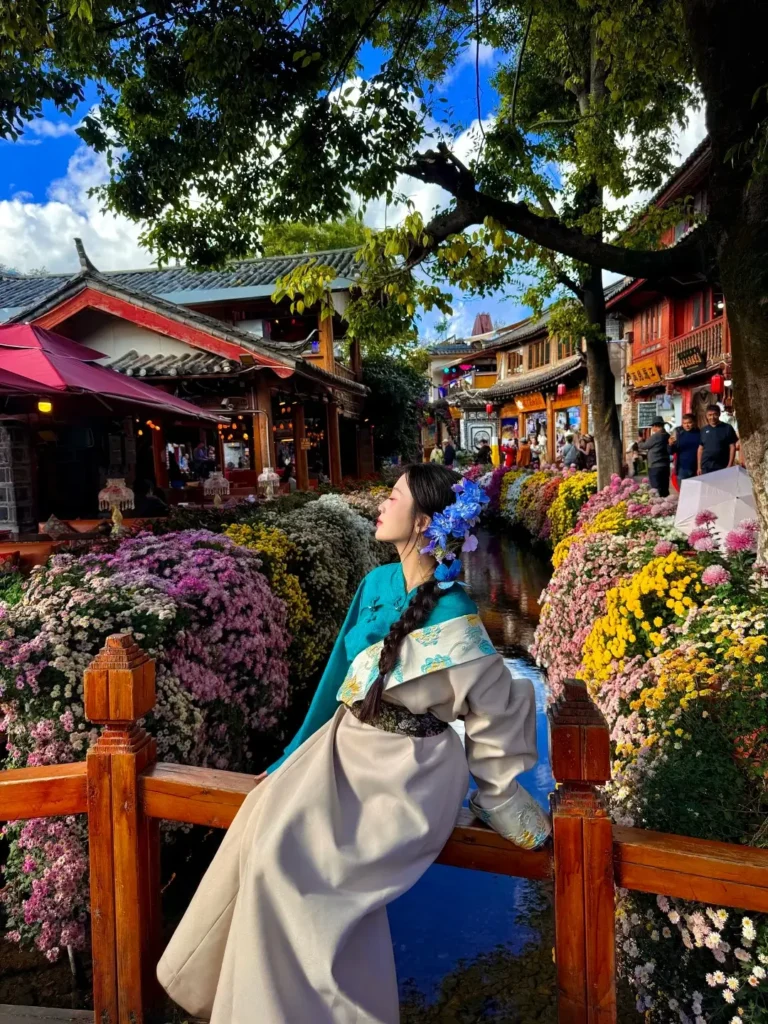
5. Northwest China (Shaanxi Province, Gansu Province, Qinghai Province, Ningxia Hui Autonomous Region, Xinjiang Uygur Autonomous Region)
Northwest China is the historic heart of the ancient Silk Road, home to the Terracotta Army in Xi’an, the Mogao Grottoes in Dunhuang, the stunning Qinghai Lake, and the breathtaking landscapes of Xinjiang, from the snow-capped Tianshan Mountains to the vast Taklamakan Desert. This region has a temperate continental climate, with extreme temperature fluctuations, very low rainfall, low humidity, and four distinct seasons. It’s known for its massive day-night temperature differences, with the local saying: “Wear a fur coat in the morning, a gauze shirt at noon, and eat watermelon by the fire in the evening.”
January & February (Winter)
Average temperatures in Shaanxi range from -5°C to 8°C (23°F to 46°F), with cold, dry, sunny weather. Gansu, Ningxia, and Qinghai see frigid averages between -15°C and 5°C (5°F to 41°F), with extremely cold nights, dry, sunny days, and frequent strong winds. Xinjiang has the most extreme winter weather, with northern Xinjiang (Altay, Kanas) seeing averages between -25°C and -5°C (-13°F to 23°F), and southern Xinjiang (Kashgar, Hotan) seeing milder averages between -10°C and 5°C (14°F to 41°F).
Travel Tips: Winter is a great time to visit Xi’an, with minimal crowds and low prices for the Terracotta Army and other historic sites. Northern Xinjiang has stunning winter scenery, with frozen lakes, snow-covered forests, and world-class skiing. Dunhuang’s Mogao Grottoes have almost no visitors in winter, making it the perfect time to explore the caves without the crowds.
Pitfall Alert: Winter in Northwest China brings extreme temperature fluctuations, with daytime temperatures above freezing and nighttime temperatures dropping to -20°C (-4°F). Always pack layered clothing, so you can adjust to the temperature changes throughout the day. Many remote sites in Xinjiang and Qinghai are closed in winter, so confirm opening hours before you travel.
March & April (Spring)
Temperatures rise rapidly across the region, with averages between 8°C and 20°C (46°F to 68°F) in Shaanxi, 5°C to 18°C (41°F to 64°F) in Gansu and Ningxia, -5°C to 12°C (23°F to 54°F) in Qinghai, and 0°C to 15°C (32°F to 59°F) in Xinjiang. Spring in the Northwest is marked by strong winds, frequent sandstorms, and extreme temperature fluctuations. Yellow sandstorm warnings are regularly issued for Gansu, Ningxia, and Shaanxi in March and April, consistent with the official warnings on the weather China portal.
Travel Tips: March and early April are perfect for visiting Xi’an, with cherry blossoms in full bloom across the city and minimal crowds. Late April brings the stunning apricot blossom season in Xinjiang’s Ili Valley, one of the most beautiful spring landscapes in China. Dunhuang has minimal crowds and comfortable daytime temperatures in April.
Pitfall Alert: March and April are the peak sandstorm season in Northwest China, which can cause flight cancellations, poor visibility, and respiratory issues. Always pack a high-quality face mask, goggles, and a scarf to protect yourself from sand, and check daily weather warnings on the official portal. If a red sandstorm warning is issued, avoid all outdoor activities and stay indoors until the warning is lifted.
May & June (Late Spring & Early Summer)
Average temperatures range from 15°C to 30°C (59°F to 86°F) in Shaanxi, 12°C to 28°C (54°F to 82°F) in Gansu and Ningxia, 5°C to 20°C (41°F to 68°F) in Qinghai, and 10°C to 25°C (50°F to 77°F) in Xinjiang. The weather is warm, dry, and sunny, with minimal rainfall, low humidity, and reduced wind and sandstorms. Qinghai Lake’s ice fully melts in late May, with the famous rapeseed flowers blooming in June, while Xinjiang’s Ili Valley grasslands turn green, making it the start of the peak season for weather China camp trips and outdoor adventures.
Travel Tips: May and June are some of the best times to visit Northwest China, with comfortable weather, minimal crowds, and stunning scenery across the region. It’s the perfect time to explore the Silk Road sites of Gansu, visit Qinghai Lake, and explore Xinjiang’s Ili Valley before the peak summer crowds arrive.
Pitfall Alert: Even in early summer, nighttime temperatures in Qinghai and Xinjiang can drop to near freezing, even if it’s 25°C (77°F) during the day. Always pack a warm down jacket and thermal layers for evening trips, even in the summer. This is the most common mistake travelers make in the Northwest, and it can ruin your trip if you’re not prepared.
July & August (Summer)
This is the peak tourist season for Northwest China, with average temperatures between 22°C and 35°C (72°F to 95°F) in Shaanxi, 18°C to 32°C (64°F to 90°F) in Gansu and Ningxia, 10°C to 25°C (50°F to 77°F) in Qinghai, and 15°C to 35°C (59°F to 95°F) in Xinjiang. The weather is hot, dry, and sunny, with minimal rainfall and extreme day-night temperature differences. Xinjiang’s Turpan Basin is the hottest place in China, with summer temperatures regularly reaching 45°C (113°F), while the mountainous areas of Qinghai and Xinjiang have cool, comfortable weather perfect for escaping the heat.
Travel Tips: July and August are the best months to visit Qinghai Lake, Xinjiang’s Ili Valley and Kanas, with stunning grasslands, wildflower blooms, and perfect weather for camping, hiking, and road trips. For Xi’an and Turpan, focus on indoor attractions during the hottest midday hours, including the Shaanxi History Museum and the Turpan Karez Museum.
Pitfall Alert: Summer in Turpan can see temperatures rise to 45°C (113°F), so avoid outdoor activities during the midday heat, stay hydrated with plenty of water, and carry electrolytes to avoid heat exhaustion. July and August are peak tourist season, with massive crowds and sky-high prices for accommodation and tours. Book everything at least 3 months in advance, and avoid traveling during the summer holiday peak if possible.
September & October (Autumn)
Autumn is the golden season for Northwest China, with average temperatures between 12°C and 28°C (54°F to 82°F) in Shaanxi, 10°C to 25°C (50°F to 77°F) in Gansu and Ningxia, 0°C to 18°C (32°F to 64°F) in Qinghai, and 5°C to 25°C (41°F to 77°F) in Xinjiang. The weather is cool, dry, and sunny, with minimal rainfall, low humidity, and stunning autumn foliage across the region. Xinjiang’s Kanas has world-famous autumn scenery in late September and early October, with vibrant golden birch forests set against snow-capped mountains and crystal-clear lakes.
Travel Tips: September and early October are the absolute best times to visit Northwest China, with perfect weather for outdoor activities, road trips, and sightseeing. Late October brings smaller crowds and lower prices, with beautiful autumn scenery across the region. Xi’an has perfect autumn weather for exploring the Terracotta Army and other historic sites.
Pitfall Alert: October in Qinghai and Xinjiang brings rapidly dropping temperatures, with snowfall starting as early as mid-October in high-altitude areas. If you’re visiting Qinghai Lake or Kanas in late October, pack heavy winter gear, and check road conditions daily. The National Day holiday (October 1–7) brings massive crowds to all popular sites across the region, so book everything in advance.
November & December (Late Autumn & Early Winter)
Temperatures drop rapidly across the region, with averages between 0°C and 15°C (32°F to 59°F) in Shaanxi, -10°C to 8°C (14°F to 46°F) in Gansu and Ningxia, -15°C to 5°C (5°F to 41°F) in Qinghai, and -20°C to 0°C (-4°F to 32°F) in Xinjiang. The weather is cold, dry, and windy, with the first snowfall arriving in November, and frequent strong wind warnings issued for the region in December. Southern Xinjiang (Kashgar, Hotan) has milder winter weather, with sunny days and minimal crowds.
Travel Tips: November and December bring minimal crowds and low prices, making it a great time to visit Xi’an’s indoor historic sites and Dunhuang’s Mogao Grottoes. Southern Xinjiang’s Kashgar is perfect for winter travel, with mild daytime temperatures, minimal crowds, and a vibrant local culture.
Pitfall Alert: December in northern Xinjiang and Qinghai can see temperatures drop to -30°C (-22°F), with heavy snowfall closing many roads and sites. If you’re visiting these areas, only travel with experienced local drivers in 4×4 vehicles, and pack high-quality winter gear to avoid frostbite.
6. Northeast China (Heilongjiang Province, Jilin Province, Liaoning Province)
Northeast China (Dongbei) is the coldest region of China, home to the iconic Ice and Snow World in Harbin, the stunning rime scenery in Jilin, the majestic Changbai Mountains, and the coastal city of Dalian. This region has a cold temperate continental monsoon climate, with long, extremely cold winters, short, warm summers, and brief spring and autumn seasons. It’s known for its world-class winter tourism, with some of the best ice and snow attractions in Asia.
January & February (Winter)
This is the peak winter tourist season in Northeast China, with average temperatures between -25°C and -10°C (-13°F to 14°F) in Heilongjiang and Jilin, and -15°C to 0°C (5°F to 32°F) in Liaoning. The weather is extremely cold, dry, and sunny, with heavy snowfall across the region. Harbin’s iconic Ice and Snow World opens in late December and runs through late February, while Jilin’s rime scenery is at its best from late December to early February.
Travel Tips: January and February are the best months to visit Northeast China for winter tourism, with world-class ice and snow attractions, skiing, snowboarding, and winter festivals. Harbin’s Ice and Snow World is the most popular attraction, with massive ice sculptures illuminated by colorful lights at night. Jilin’s rime scenery is one of China’s four natural wonders, with stunning frost-covered trees along the Songhua River.
Pitfall Alert: Winter in Northeast China brings extreme cold, with overnight temperatures dropping to -35°C (-31°F) in Harbin. Exposed skin can get frostbite in less than 10 minutes in these temperatures, so always wear full winter coverage: a windproof insulated parka, high-quality thermal base layers, frost-resistant waterproof boots, thick gloves, a warm hat, and a face covering. Electronics like phones and cameras die very quickly in the cold, so carry multiple portable chargers and keep your devices in your inner jacket pockets to keep them warm.
March & April (Spring)
Temperatures rise rapidly, with averages between -10°C and 10°C (14°F to 50°F) in Heilongjiang and Jilin, and 0°C to 15°C (32°F to 59°F) in Liaoning. The weather is marked by melting snow and ice, strong winds, large day-night temperature differences, and occasional late cold snaps. April brings the start of the spring rainy season, with light rainfall and blooming flowers in Liaoning.
Travel Tips: March is the off-season for winter tourism, with much lower prices for accommodation and ski resorts, and smaller crowds. Late April brings cherry blossoms and peach blossoms in full bloom across Liaoning, with Dalian and Shenyang having beautiful spring scenery.
Pitfall Alert: Melting snow and ice make roads and sidewalks extremely slippery in March and April. Always wear non-slip waterproof boots, and take extra care when walking outdoors. Late cold snaps can drop temperatures back to -10°C (14°F) in March, so don’t pack away your winter gear too early.
May & June (Late Spring & Early Summer)
Average temperatures range from 10°C to 25°C (50°F to 77°F) in Heilongjiang and Jilin, and 15°C to 28°C (59°F to 82°F) in Liaoning. The weather is warm, comfortable, and sunny, with minimal rainfall, low humidity, and large day-night temperature differences. June brings the start of the summer rainy season, with occasional thunderstorms and rising humidity. The ice on Changbai Mountain’s Tianchi Lake fully melts in mid-June, making it the perfect time to visit.
Travel Tips: May and June are some of the best times to visit Northeast China, with comfortable weather, minimal crowds, and beautiful green scenery across the region. It’s the perfect time to visit Changbai Mountain, the Wudalianchi Volcanic Scenic Area, and the coastal city of Dalian.
Pitfall Alert: May and June bring large numbers of mosquitoes in the forested areas of Northeast China, especially near the Changbai Mountains and Heilongjiang River. Always pack high-strength insect repellent, long sleeves, and long pants to avoid bites when hiking or visiting rural areas.
July & August (Summer)
This is the peak summer tourist season in Northeast China, with average temperatures between 18°C and 30°C (64°F to 86°F) in Heilongjiang and Jilin, and 22°C to 32°C (72°F to 90°F) in Liaoning. The weather is warm, cool, and comfortable, with minimal extreme heat, making it one of the most popular summer escape destinations in China. The region sees occasional heavy thunderstorms, especially in mountainous areas, but most rainfall is short-lived.
Travel Tips: July and August are the best months to visit Northeast China for summer cooling, with perfect weather for hiking, camping, and exploring the region’s many natural attractions. Changbai Mountain, the Greater Khingan Mountains, and the coastal city of Dalian are the most popular summer destinations.
Pitfall Alert: Sudden heavy thunderstorms in the Changbai Mountains can cause landslides and road closures. Always check the weather forecast before hiking, and never hike during a thunderstorm. The summer holiday (July–August) brings massive crowds to popular sites like Changbai Mountain, so book tickets and accommodation at least 2 months in advance.
September & October (Autumn)
Autumn is the golden season for Northeast China, with average temperatures between 5°C and 20°C (41°F to 68°F) in Heilongjiang and Jilin, and 10°C to 22°C (50°F to 72°F) in Liaoning. The weather is cool, dry, and sunny, with minimal rainfall, low humidity, and stunning autumn foliage across the region. The “Five Flower Mountains” season in late September and early October brings vibrant red, orange, and yellow leaves across the region’s forests, making it one of the most beautiful autumn landscapes in China.
Travel Tips: September and early October are the absolute best times to visit Northeast China, with perfect weather for hiking, sightseeing, and enjoying the stunning autumn scenery. Benxi in Liaoning is famous for its red maple leaves, while the Greater Khingan Mountains and Changbai Mountain have world-famous autumn scenery.
Pitfall Alert: October brings rapidly dropping temperatures across the region, with snowfall starting as early as late October in Heilongjiang and Jilin. Always pack a warm down jacket and thermal layers for late October trips, and check the weather forecast daily.
November & December (Late Autumn & Early Winter)
Temperatures drop extremely rapidly across the region, with averages between -20°C and -5°C (-4°F to 23°F) in Heilongjiang and Jilin, and -10°C to 5°C (14°F to 41°F) in Liaoning. The weather is cold, dry, and windy, with heavy snowfall starting in November, and frequent strong wind warnings issued across the region in December. Harbin’s Ice and Snow World opens in late December, marking the start of the peak winter tourist season.
Travel Tips: November brings minimal crowds and low prices, making it a great time to visit indoor attractions across the region. Late December is the start of the peak winter season, with Harbin’s Ice and Snow World opening, and the start of the rime season in Jilin.
Pitfall Alert: December brings extreme cold and heavy snowfall, which can cause flight delays and cancellations across the region. Always book travel insurance that covers weather-related disruptions, and check flight status updates before heading to the airport. The Christmas and New Year period brings massive crowds to Harbin, so book accommodation at least 2 months in advance.
Essential China Travel Tips: Weather-Related Pitfalls to Avoid for International Travelers
After years of helping international travelers plan their trips to China, these are the most critical weather-related tips that will save you from stress, discomfort, and ruined travel plans:
- Never Underestimate China’s Climate Diversity: The biggest mistake international travelers make is assuming weather in China is uniform across the country. Always check the specific weather forecast for every city and region on your itinerary, not just a single “China forecast”.
- Layer Your Clothing, Always: China’s weather is extremely variable, especially in the north, northwest, and high-altitude regions. Even if it’s 25°C (77°F) during the day, temperatures can drop to freezing at night. Packing layered clothing allows you to adjust to temperature changes throughout the day, no matter where you are.
- Use the Official Weather Source: The only trusted source for real-time weather China updates, warnings, and radar is the official China Meteorological Administration’s English portal at <a href=”https://en.weather.com.cn/” rel=”dofollow”>en.weather.com.cn</a>. Third-party apps often have inaccurate or outdated data for remote areas of China, so always use the official source.
- Prepare for Extreme Weather Warnings: China experiences a wide range of extreme weather, including typhoons, sandstorms, cold snaps, heatwaves, and heavy rain. Always check for weather warnings before heading out, and follow local authorities’ instructions if a warning is issued. Never ignore a typhoon or sandstorm warning, as they can be extremely dangerous.
- Don’t Underestimate Damp Cold: Most international travelers are used to dry cold with central heating. In southern and eastern China, winter brings damp cold with no central heating, which feels much colder than the thermometer suggests. Pack thermal base layers, moisture-wicking clothing, and a small portable heater for your hotel room to stay comfortable.
- Book Refundable Accommodation and Travel Insurance: Weather-related disruptions are common in China, including flight cancellations, road closures, and site closures. Always book refundable accommodation, and purchase comprehensive travel insurance that covers weather-related disruptions, medical emergencies, and trip cancellations.
- Protect Your Electronics: In extreme cold (below -10°C / 14°F), phones and cameras die very quickly. Keep your devices in your inner jacket pockets to keep them warm, and carry multiple portable chargers. In extreme heat (above 35°C / 95°F), keep your devices out of direct sunlight, and never leave them in a hot car.
- Follow Local Regulations for Outdoor Adventures: If you’re planning a weather China camp trip or outdoor adventure, always follow local fire regulations, especially in dry areas like Yunnan, Inner Mongolia, and the Northwest. Never light campfires in restricted areas, and always check for fire warnings before setting up camp.
Frequently Asked Questions (FAQs) About Weather in China for Travelers
1. What is the best month to visit China for the most favorable weather across most regions?
The best month to visit China for consistent, pleasant weather across the majority of popular tourist regions is September. In September, the intense summer heat has faded across most of the country, the plum rain season and peak typhoon season have ended in the south and east, the busy summer tourist crowds have dispersed, and the iconic autumn foliage is just starting to appear in the north and west. September brings comfortable temperatures, low humidity, and plenty of sunny days in Beijing, Shanghai, Xi’an, Chengdu, Guilin, and nearly all other top tourist destinations. The only exceptions are high-altitude regions like Tibet and Qinghai, where temperatures start to drop rapidly in late September—for these areas, June to August is the optimal travel window. For winter sports and ice festival travel, January is the best month for Northeast China.
2. What should I pack for weather in China when traveling between multiple provinces in one trip?
Packing for a multi-province trip to China requires strategic, versatile clothing that can adapt to the country’s wildly diverse climate conditions. Here’s your essential packing list:
- Layered clothing system: Moisture-wicking thermal base layers, insulating mid-layers (fleece, down), and a windproof, waterproof outer jacket that works for both rain and snow. This is non-negotiable for trips that cover both northern and southern China, as it allows you to adapt to extreme temperature changes.
- Versatile footwear: A pair of comfortable, waterproof walking shoes for city sightseeing and light hiking, and a pair of non-slip, insulated boots if you’re visiting northern or high-altitude areas in winter.
- Weather protection essentials: A compact, windproof umbrella, high-SPF broad-spectrum sunscreen (even in winter, the sun is extremely strong in Tibet and Yunnan), a wide-brimmed hat, UV-protective sunglasses, high-strength insect repellent for summer trips, and a face mask and goggles for spring trips to the northwest (sandstorm season).
- Electronics protection: Multiple high-capacity portable chargers, a waterproof phone case, and thermal phone pouches for cold weather travel to prevent battery drain.
- Comfort extras: A small portable heater for winter trips to southern and eastern China (where central heating is rare), a reusable water bottle, a travel-sized clothesline for drying wet clothes during the rainy season, and a basic travel first-aid kit.Always check the 10-day forecast for every city on your itinerary before you pack, and remember: it’s always better to pack versatile layers than to overpack bulky, single-use items.
3. Are there any weather-related travel restrictions or closures I should know about when traveling in China?
Yes, there are several common weather-related travel restrictions and closures that international travelers need to be aware of when planning a trip to China:
- Typhoon season closures: From July to September, typhoons frequently hit China’s southeastern coast (Guangdong, Fujian, Zhejiang, Hainan, Hong Kong, Macau). During a typhoon warning, beaches, ferry services, coastal highways, and even regional airports may be closed, and flights are often canceled or delayed. Always monitor typhoon updates on the official weather China portal if you’re traveling in the southeast during summer.
- Winter road and site closures: From November to March, many high-altitude roads and mountain passes in Tibet, Xinjiang, Sichuan, Yunnan, and Northeast China are closed due to heavy snowfall and ice. Many remote tourist sites, including sections of Jiuzhaigou Valley and Everest Base Camp, have restricted access or reduced opening hours in winter. Always confirm opening hours and road conditions with local authorities before traveling to remote areas in winter.
- Flood and landslide closures: From May to August, heavy rain in the Yangtze River Basin, Southwest China, and South China can cause severe flooding, landslides, and road closures. Mountainous areas like Huangshan, Zhangjiajie, and the Sichuan-Tibet Highway are particularly vulnerable. Always check local weather warnings and road conditions before traveling to these areas during the rainy season.
- Sandstorm restrictions: From March to April, sandstorms in Northwest China can cause flight cancellations, road closures, and mandatory restrictions on outdoor activities. If a red sandstorm warning is issued, all outdoor activities are prohibited, and you must stay indoors until the warning is lifted.
4. How can I check real-time and accurate weather China updates during my trip to China?
The most accurate, reliable, and up-to-date source for real-time weather China updates, 10-day forecasts, extreme weather warnings, and live rain radar is the official English portal of the China Meteorological Administration (CMA) at <a href=”https://en.weather.com.cn/” rel=”dofollow”>en.weather.com.cn</a>. This is the only official government source for weather data in China, and it provides precise, real-time information for every city, county, and remote region in the country, including rural and high-altitude areas that third-party apps often miss.
While popular third-party weather apps like AccuWeather and The Weather Channel may provide adequate data for major cities like Beijing and Shanghai, they frequently have inaccurate, outdated, or incomplete data for remote areas like Tibet, Xinjiang, Inner Mongolia, and rural mountainous regions. For this reason, we always recommend using the official CMA English portal as your primary source of weather information during your trip.
The site is fully accessible on any mobile phone or laptop anywhere in China without a VPN, it’s completely free to use, and it updates weather warnings in real time. It also provides live video weather forecasts for major cities, national weather radar maps, and specialized forecasts for agricultural and outdoor activities, making it the perfect tool for planning your daily itinerary during your trip.
Travel Wishes for Your China Journey
To every traveler dreaming of exploring the wonders of China, we wish you a journey filled with breathtaking scenery, unforgettable cultural experiences, and perfect weather every step of the way. May your days be filled with bright, sunny skies as you walk along the ancient ramparts of the Great Wall, gentle, cool breezes as you cruise the emerald waters of the Li River in Guilin, warm golden sunshine as you wander the cobblestone streets of Lijiang’s ancient town, and clear, starry nights as you camp under the vast, dark skies of the Inner Mongolian grasslands.
May you never be caught off guard by unexpected weather, may your layered clothing keep you warm and comfortable no matter where your journey takes you, and may every turn of your trip bring you joy, wonder, and meaningful connections with the kind, welcoming people of China. This is a country of incredible diversity, from the frozen tundra of the northeast to the tropical beaches of Hainan, from the bustling futuristic skyscrapers of Shanghai to the serene, centuries-old monasteries of Tibet, and we hope this China monthly weather guide for international travelers helps you plan the trip of a lifetime.
May your travels be safe, your heart be full, and your memories of China last a lifetime. Welcome to China, and happy travels