Chinese Zodiac Rat
Hey fellow China travelers! Ever wandered through a winding Beijing hutong, spotted delicate rat-themed paper-cuts pasted on a local family’s front door during Spring Festival, or had a friendly local ask your birth year to instantly decode your personality and fortune? For any traveler diving deep into authentic Chinese culture, the Chinese Zodiac Rat is the very first, most captivating chapter of the 12-year Chinese Zodiac cycle you need to explore.
As someone who’s spent years guiding international visitors through China’s most culturally rich destinations, I’ve seen time and time again how the zodiac becomes the perfect bridge between travelers and local communities. The Zodiac Rat, with its thousands of years of history, wild ancient legends, and surprising symbolic meaning, is the best place to start your journey. In this complete guide, we’re unpacking everything you need to know: its ancient origins in Chinese history, the timeless myths that shaped its place at the top of the zodiac, its deep cultural symbolism in traditional and modern China, and exactly how you can experience this magical part of Chinese culture firsthand during your travels. Whether you’re a Year of the Rat native curious about your sign, or a traveler eager to understand the stories behind temple carvings, festival decorations, and local conversations, this guide has you covered.
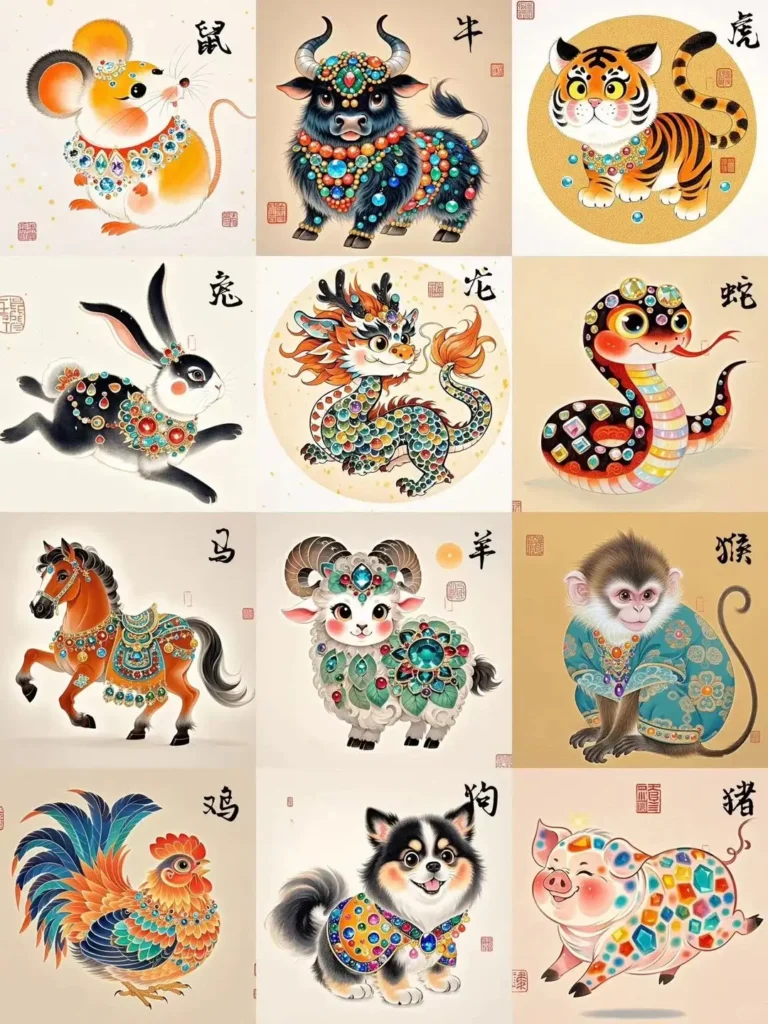
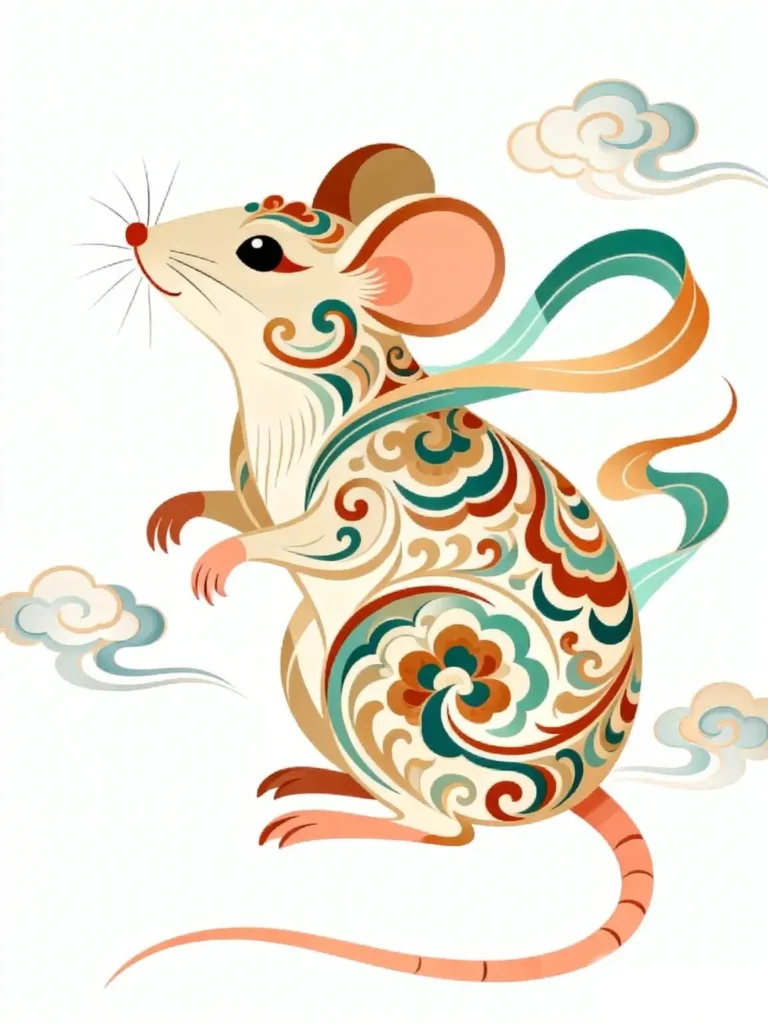
What Is the Chinese Zodiac Rat, and Why Is It the First in the 12-Year Chinese Zodiac Cycle?
If you’re new to the Chinese Zodiac, here’s a quick breakdown: it’s a 12-year cyclical calendar system deeply woven into every corner of Chinese culture, with each year represented by a unique animal, each with its own distinct personality, fortune, and symbolic meaning. Unlike Western astrology, which is tied to the month of your birth, the Chinese Zodiac is tied to the lunar year of your birth – and the Chinese Zodiac Rat is the official first animal in the entire 12-year cycle.
For most international visitors, the first question that comes to mind is simple: why the rat? In many Western cultures, rats are seen as pests, symbols of disease or misfortune – so how did this tiny animal land the most prestigious spot at the start of the zodiac cycle? The answer lies in a beloved ancient Chinese myth that’s been told for over 2,000 years: the Great Zodiac Race.
The Legend of the Great Zodiac Race: How the Rat Claimed First Place
The most famous origin story of the Chinese Zodiac Rat dates back to ancient Chinese folklore, centered around the Jade Emperor, the supreme ruler of heaven in Chinese mythology. The Jade Emperor announced that he would name the 12 animals of the zodiac based on the order in which they crossed a raging river to reach his palace. The first 12 animals to arrive would earn a spot in the cycle, with the first-place winner claiming the first year of the cycle.
All 12 animals set out for the race, including the hardworking ox, the cunning rat, the powerful tiger, and the swift rabbit. The rat, while small and not a strong swimmer, was incredibly clever. It knew it could never cross the river on its own, so it hatched a plan: it climbed onto the back of the hardworking, kind-hearted ox, who didn’t even notice the tiny passenger as it swam across the river. The ox was the first to reach the opposite bank, and just as it was about to step foot into the Jade Emperor’s palace to claim first place, the rat jumped off the ox’s back, scurried ahead, and crossed the finish line first.
The Jade Emperor, impressed by the rat’s quick wit and cleverness, named it the first animal in the Chinese Zodiac cycle, with the ox taking second place. This story is told to children across China to this day, and it’s the core reason the Chinese Zodiac Rat is associated with wisdom, quick thinking, and the ability to turn small advantages into big wins. Just last year, a traveler from New York told me she’d never understood why her Chinese roommate always wore a red string in 2020 – until we walked through a Shanghai temple and I explained this very story, and the Year of the Rat traditions tied to it. It’s these small, story-driven moments that make travel in China so magical.
But this beloved myth is just the tip of the iceberg. The real origins of the Chinese Zodiac Rat go back far beyond folklore, deep into the archaeological records of ancient Chinese history.
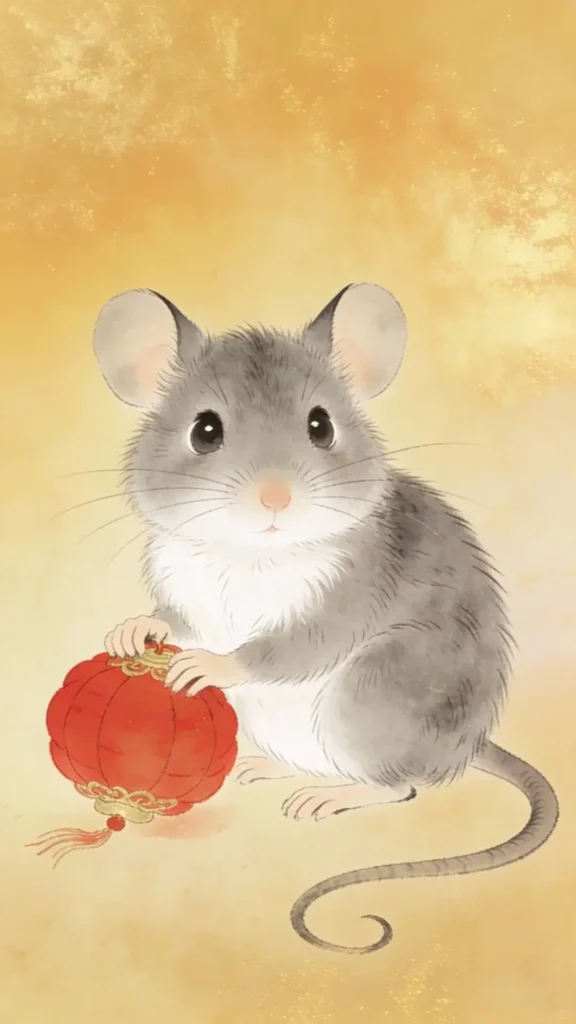
The Ancient History and Origins of the Zodiac Rat in Chinese History
Many travelers are surprised to learn that the Chinese Zodiac Rat isn’t just a mythical figure – it’s a part of China’s written history for over 2,200 years, with archaeological evidence that proves the zodiac system, and the rat’s place in it, was well-established long before the Tang Dynasty.
The Earliest Written Records of the Zodiac Rat
The oldest surviving evidence of the Chinese Zodiac Rat comes from two of the most important archaeological discoveries in 20th-century China: the Shuihudi Qin Bamboo Slips, unearthed in Hubei Province in 1975, and the Fangmatan Qin Bamboo Slips, found in Gansu Province. These slips date back to the Warring States Period (475–221 BCE) and the early Qin Dynasty (221–207 BCE), making them over 2,200 years old.
In these bamboo slips, which were used as legal documents, divination texts, and daily records by ancient Chinese officials, we find the earliest known complete list of the 12 zodiac animals – and the rat is already listed as the first animal, paired with the Zi Di Branch, the first of the 12 Earthly Branches that form the foundation of the Chinese lunar calendar. This is a game-changer for understanding the Zodiac Rat: it proves that the rat’s place at the start of the zodiac wasn’t invented by later folklore, but was already a core part of Chinese calendar and divination systems over two millennia ago.
For history-loving travelers, you can see these exact bamboo slips on display at the National Museum of China in Beijing, an unmissable stop for anyone wanting to connect with the deepest roots of Chinese history.
The Han Dynasty: Solidifying the Rat’s Place in the Zodiac
It wasn’t until the Eastern Han Dynasty (25–220 CE) that the Chinese Zodiac Rat was officially standardized in Chinese literature, thanks to the famous philosopher Wang Chong and his landmark work Lunheng (Balanced Inquiries). In Lunheng, Wang Chong wrote the first surviving official, complete description of the 12 zodiac animals, explicitly pairing the Zi Di Branch with the rat, and cementing the order of the zodiac that we still use today.
But why was the rat paired with the Zi Di Branch? The answer lies in ancient Chinese astronomy and daily life. The Zi Di Branch corresponds to the hours of 11 PM to 1 AM in the Chinese 24-hour day, a time known as Zishi. In ancient agricultural China, this was the time of night when rats were most active, scurrying around homes and farmlands to find food. Ancient Chinese farmers observed this natural behavior, and paired the most active animal of the midnight hour with the first Earthly Branch, creating the link between the rat and the start of the daily and yearly cycle.
The “Rat Bites Open the Sky” Creation Myth: The Rat as a Bringer of Light
Beyond the zodiac race, there’s an even more ancient, profound creation myth that explains the rat’s sacred place in Chinese culture: the myth of the Rat Biting Open the Sky. This myth dates back to prehistoric China, long before the rise of Taoism or Buddhism, and it positions the rat as the creator of the world as we know it.
According to this myth, in the beginning, the universe was nothing but a dark, chaotic egg, with no light, no sky, no earth, and no life. No animal or god could break open the chaotic egg – except for the tiny rat. The rat used its sharp, strong teeth to gnaw through the hard shell of the chaos egg, biting a hole that let in the first light of the universe, separating the sky from the earth, and making life possible for all living things.
This myth is why the rat is often called the “Bringer of Light” in ancient Chinese folklore, and it’s the core reason the rat is associated with new beginnings, creation, and the start of a new cycle – perfectly aligning with its place as the first animal in the Chinese Zodiac. For travelers visiting China, you’ll see this myth referenced in ancient temple carvings, traditional New Year paintings, and even modern museum exhibits across the country, from the Forbidden City in Beijing to the Mogao Grottoes in Dunhuang.
Core Cultural Meanings and Symbolism of the Chinese Zodiac Rat in Chinese Culture
If you’re only familiar with Western views of rats, the symbolic meaning of the Chinese Zodiac Rat will likely surprise you. For thousands of years, the rat has been a revered, lucky symbol in Chinese culture, with a wide range of positive meanings that are still celebrated in modern China today. Let’s break down the core symbolism of the Zodiac Rat, and what it means for your understanding of Chinese culture during your travels.
Wisdom and Quick Wit
As the Great Zodiac Race myth shows, the Chinese Zodiac Rat is first and foremost a symbol of wisdom, quick thinking, and cleverness. Unlike the tiger, which represents brute strength, or the ox, which represents hard work, the rat represents the power of intelligence to overcome physical limitations. In Chinese folklore, the rat is always the character that finds a way out of impossible situations, using its wits to outsmart larger, more powerful animals.
This symbolism is why, in traditional Chinese culture, people born in the Year of the Rat are believed to be naturally intelligent, quick learners, and excellent problem-solvers. During your travels in China, you’ll often see parents giving their children rat-themed gifts, like jade pendants or stationery, to wish them wisdom and success in their studies.
Prosperity, Abundance, and Good Fortune
One of the most beloved symbolic meanings of the Chinese Zodiac Rat is prosperity and good fortune. In ancient agricultural China, the presence of rats in a home or farm was actually seen as a good sign: it meant that the family had enough grain and food to attract rats, a sign of abundance and wealth. If a family was poor and had no stored food, rats would never visit – so a home with rats was a home of plenty.
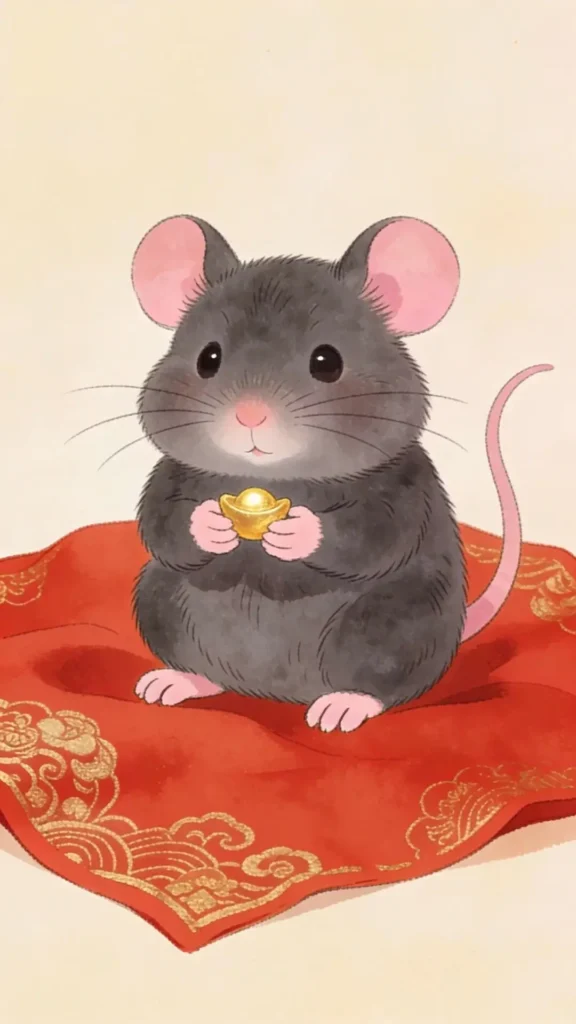
This is why the rat is often called the “Cash Box Rat” (Qian Cang Shu) in traditional Chinese folklore. Rats are known for hoarding food and small treasures, just like people hoard money and valuables in a cash box. For this reason, the Zodiac Rat is a symbol of wealth accumulation, financial success, and good fortune in business. During Spring Festival, you’ll see rat-themed New Year paintings, paper-cuts, and window decorations across China, all meant to bring wealth and abundance to the home in the coming year.
If you’re traveling in China during Spring Festival, keep an eye out for the iconic “Rat Bringing Wealth” paintings, which show a rat holding a string of gold coins or a cornucopia of grain – this is one of the most common symbols of prosperity in traditional Chinese New Year celebrations.
Fertility and Family Blessings
Another core symbolic meaning of the Chinese Zodiac Rat is fertility and family blessings. Rats are known for their incredible reproductive ability, with a single pair of rats able to produce dozens of offspring in a single year. In ancient China, where large families were seen as a blessing, and having many children was a core part of filial piety, the rat became a powerful symbol of fertility, many children, and a happy, thriving family.
This symbolism is still alive in modern China today. You’ll often see rat-themed gifts given to newlyweds, to wish them a long and happy marriage with many healthy children. In traditional Chinese wedding ceremonies, rat-themed decorations are often used to bless the couple with fertility and family prosperity. For travelers visiting ancient Chinese temples, you’ll see rat carvings in many fertility halls, where locals pray for children and family blessings.
Adaptability and Resilience
Finally, the Chinese Zodiac Rat is a powerful symbol of adaptability and resilience. Rats can survive in almost any environment, from bustling cities to remote farmlands, and they can adapt to changing conditions faster than almost any other animal. In Chinese culture, this adaptability is seen as a great virtue, especially in times of change and uncertainty.
People born in the Year of the Rat are believed to be highly adaptable, able to thrive in any situation, and able to bounce back from hardship quickly. For travelers exploring China, this symbolism is a beautiful reminder of the resilience of Chinese culture, which has survived and thrived for over 5,000 years, adapting to changing times while holding onto its core traditions.
The Year of the Rat: What It Means for Your Travels and Life in China
Now that you understand the history and symbolism of the Chinese Zodiac Rat, let’s break down everything you need to know about the Year of the Rat – including which years it falls on, what it means for your zodiac sign, and how you can experience Year of the Rat traditions during your travels in China.
What Years Are the Year of the Rat?
The Year of the Rat comes around every 12 years, in line with the Chinese Zodiac cycle. The most recent Year of the Rat was 2020, and the upcoming Year of the Rat will be 2032. If you were born in one of the following years, you are a Chinese Zodiac Rat native: 1924, 1936, 1948, 1960, 1972, 1984, 1996, 2008, 2020.
It’s important to note that the Chinese lunar calendar doesn’t align with the Western Gregorian calendar. The Year of the Rat always starts on Chinese New Year (Spring Festival), which falls between January 21 and February 20 each year. So if you were born in January or early February, you’ll need to check the exact date of Chinese New Year for your birth year to confirm your zodiac sign.
Personality Traits of the Chinese Zodiac Rat Native
In Chinese culture, your zodiac sign is believed to shape your personality, strengths, weaknesses, and fortune. If you’re a Zodiac Rat native, here are the core personality traits associated with your sign:
- Strengths: Intelligent, quick-witted, adaptable, resourceful, detail-oriented, hardworking, kind-hearted, and excellent at managing money.
- Weaknesses: Can be overly cautious, stubborn, or prone to overthinking; may struggle with taking big risks, and can be a bit private with their emotions.
In traditional Chinese compatibility, Zodiac Rat natives are most compatible with the Dragon, Monkey, and Ox signs, and least compatible with the Horse and Rabbit signs. This is a fun topic to bring up with locals during your travels – many Chinese people love talking about zodiac compatibility, and it’s a great way to make new friends!
Ben Ming Nian: The Year of Your Zodiac Birth Year Traditions
If you’re a Zodiac Rat native traveling to China during the Year of the Rat, you’ll get to experience one of the most beloved traditions in Chinese culture: Ben Ming Nian, or your Zodiac Birth Year. In Chinese culture, your Ben Ming Nian is believed to be a year of both great opportunity and potential misfortune, so locals follow a set of traditions to ward off bad luck and bring good fortune.
The most famous Ben Ming Nian tradition is wearing red. Red is the luckiest color in Chinese culture, believed to ward off evil spirits and bring good fortune. During their Ben Ming Nian, locals wear red underwear, red socks, red bracelets, and red strings around their wrists or ankles, often gifted to them by family members or close friends.
If you’re a Zodiac Rat native traveling in China during your Ben Ming Nian, you can pick up a red string bracelet at almost any temple or local market across the country. Many temples even have blessing ceremonies where monks will bless your red string for good fortune – it’s a beautiful, authentic cultural experience you won’t want to miss.
You’ll also find a huge range of Zodiac Rat themed souvenirs during your travels, from jade pendants to silk scarves, tea sets, and even local snacks shaped like rats. These make perfect gifts for friends and family back home, and they’re a great way to take a piece of Chinese zodiac culture with you.
How to Experience Zodiac Rat Culture When Traveling in China
One of the best parts of learning about the Chinese Zodiac Rat is getting to experience it firsthand during your travels through China. Here are my top tips for authentic, immersive zodiac rat culture experiences, no matter where you’re visiting in the country:
- Visit a Local Temple to See Zodiac Carvings and BlessingsAlmost every major Chinese temple has a set of 12 zodiac animal carvings, often in a dedicated zodiac hall or courtyard. The White Cloud Temple in Beijing, the Jade Buddha Temple in Shanghai, and the Lingyin Temple in Hangzhou all have incredible zodiac carvings, including beautiful depictions of the Chinese Zodiac Rat. Many temples also have fortune-telling services where you can get a zodiac reading, and blessing ceremonies for your Ben Ming Nian.
- Explore Local Museums to See Ancient Zodiac ArtifactsIf you want to dive deeper into the Chinese history of the Zodiac Rat, don’t miss the chance to visit China’s top museums. The National Museum of China in Beijing has the original Shuihudi Qin Bamboo Slips on display, where you can see the earliest written record of the Chinese Zodiac Rat with your own eyes. The Palace Museum (Forbidden City) also has an incredible collection of zodiac-themed artifacts, including rat-shaped porcelain, jade carvings, and paintings from the Ming and Qing dynasties.
- Experience Spring Festival Zodiac TraditionsIf you’re traveling to China during Spring Festival (Chinese New Year), you’ll be surrounded by Zodiac Rat culture (during the Year of the Rat) and zodiac traditions year-round. You can watch local paper-cutting artists create intricate rat-themed paper-cuts, learn to write Spring Festival couplets with zodiac themes, and visit local temple fairs, where you’ll find rat-themed toys, snacks, and souvenirs. It’s the best way to experience traditional Chinese zodiac culture in its most authentic form.
- Shop for Zodiac Rat Souvenirs and HandicraftsFrom the bustling night markets of Xi’an to the luxury boutiques of Shanghai, you’ll find Zodiac Rat themed handicrafts and souvenirs everywhere you go in China. For authentic, handcrafted pieces, look for local paper-cuts, New Year paintings, clay figurines, and jade carvings. The Forbidden City’s official souvenir shop has a beautiful range of zodiac-themed cultural and creative products, including rat-themed stationery, jewelry, and home decor that make perfect gifts.
FAQ: About the Chinese Zodiac Rat
1. Why is the Rat the first animal in the Chinese Zodiac?
The Rat is the first animal in the Chinese Zodiac for two core reasons: one mythical, one historical. The most famous explanation is the Great Zodiac Race myth, where the Rat used its cleverness to ride on the Ox’s back and cross the finish line first, earning the top spot from the Jade Emperor. Historically, the Rat’s place as the first animal dates back over 2,200 years to the Warring States Period, where it was paired with the Zi Di Branch, the first of the 12 Earthly Branches in the Chinese lunar calendar. The Zi Di Branch corresponds to 11 PM to 1 AM, the time of night when rats are most active, solidifying its place as the start of the zodiac cycle.
2. What are the lucky numbers, colors, and elements for the Chinese Zodiac Rat?
In Chinese culture, each zodiac sign has its own lucky numbers, colors, and elements, based on the Five Elements (Wu Xing) system. For the Chinese Zodiac Rat:
- Lucky Numbers: 2 and 3, and combinations of these numbers (like 23, 32)
- Lucky Colors: Blue, gold, and green (red is traditionally worn during Ben Ming Nian to ward off bad luck)
- Lucky Element: Water (the Rat is associated with the Water element in the Five Elements system, which represents wisdom, adaptability, and flow)
- Lucky Directions: North, Southeast, and Northeast
3. What years are the Year of the Rat in the Chinese Zodiac?
The Year of the Rat occurs every 12 years, following the 12-year Chinese Zodiac cycle. The Year of the Rat always begins on Chinese New Year (Spring Festival), which falls between January 21 and February 20 each year. The recent and upcoming Year of the Rat years are: 1924, 1936, 1948, 1960, 1972, 1984, 1996, 2008, 2020, 2032, 2044. If you were born in January or early February, be sure to check the exact date of Chinese New Year for your birth year to confirm if you fall under the Rat sign.
4. Is the Rat considered lucky in Chinese culture?
Absolutely! Unlike many Western cultures, where rats are often seen as pests, the Chinese Zodiac Rat is a highly revered, lucky symbol in Chinese culture. For thousands of years, the Rat has been associated with wisdom, prosperity, abundance, fertility, and new beginnings. It’s a symbol of good fortune in business, wealth accumulation, family happiness, and academic success. During Spring Festival, rat-themed decorations are hung in homes across China to bring good luck and abundance in the coming year, and rat-themed gifts are given to wish loved ones wisdom, prosperity, and happiness.
Closing Wishes for Your Journey Through Chinese History and Culture
As you prepare for your travels through China, I hope this guide has opened your eyes to the rich, thousands-year-old history and profound cultural meaning behind the Chinese Zodiac Rat. What many travelers first see as a simple animal sign is actually a beautiful window into the heart of Chinese culture: a world of ancient myths, timeless wisdom, and deep respect for the natural world that has been passed down for over 5,000 years.
The Chinese Zodiac is more than just a fun personality quiz – it’s a bridge between the past and the present, between travelers and locals, between different cultures and ways of seeing the world. When you spot a rat carving in an ancient temple, or a rat paper-cut on a local family’s door, you’re not just seeing a decoration – you’re seeing a piece of living history, a story that has been told for over two millennia, and a tradition that is still alive and thriving in modern China today.
I wish you nothing but joy, wonder, and endless discovery on your journey through China. May you have the chance to sit with local elders and hear their stories of the zodiac, to walk through ancient temples and feel the weight of Chinese history all around you, to taste the local foods, hear the local dialects, and experience the warmth and kindness of the Chinese people. May the wisdom, adaptability, and good fortune of the Chinese Zodiac Rat be with you every step of the way, and may your travels leave you with a deeper love and appreciation for the incredible, timeless beauty of Chinese culture.
Safe travels, and may your journey through China be filled with endless light, abundance, and new beginnings.