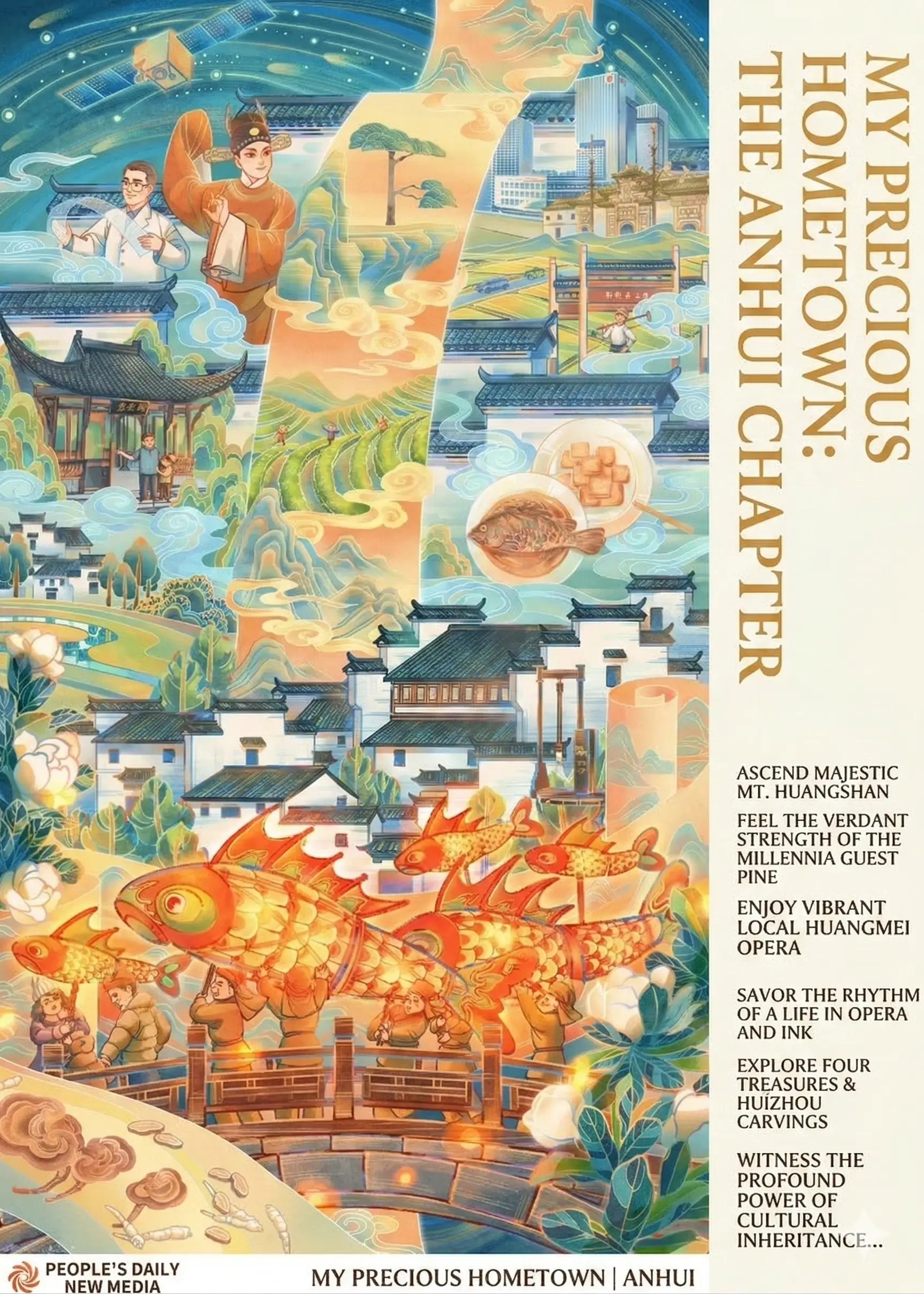
If you are planning the ultimate Yellow Mountain itinerary, Anhui Province is a place where history lingers in the mist of sacred mountains and the carved wooden beams of ancient courtyards. Whether you are chasing the legendary “sea of clouds” atop Mount HuangShan or wandering through UNESCO-recognized villages that look perfectly frozen in the Ming Dynasty, Anhui offers a journey deeply rooted in the soul of traditional China.
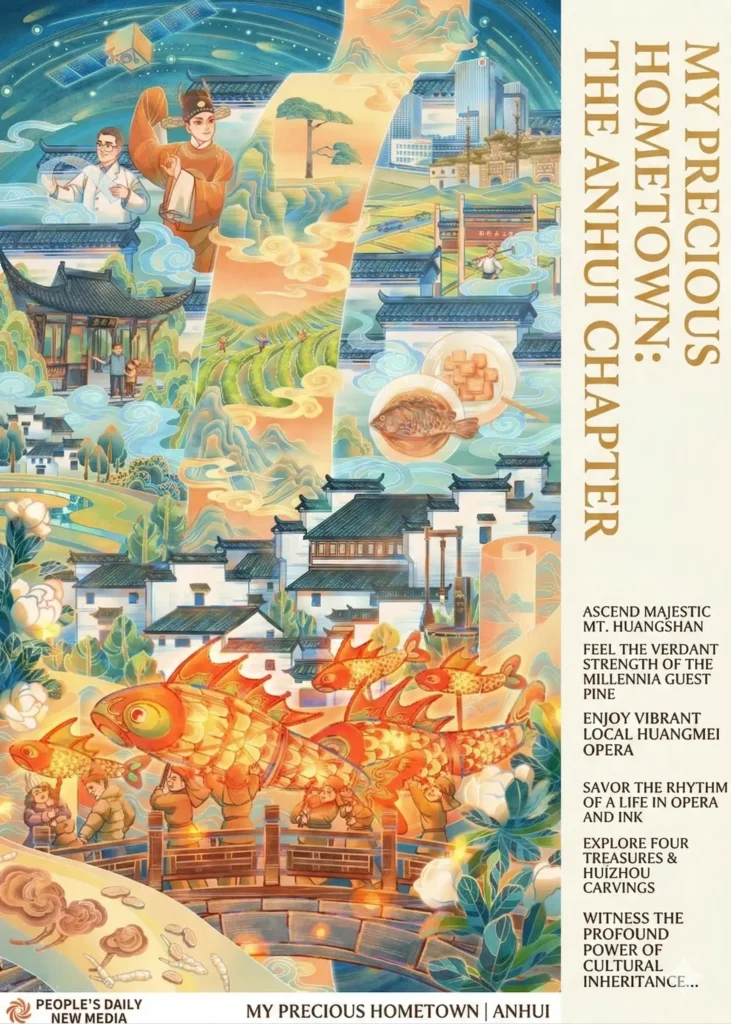
The Heart of Anhui: A Guide to Huizhou Culture & Ancient Villages
To truly understand southern Anhui, you must understand the legacy of Historic Huizhou (modern-day Huangshan City and its surrounding counties). This region is the proud birthplace of Hui Culture , one of the most prominent and influential regional cultures in Chinese history. Before you go, here is what makes this area culturally spectacular:
- The Legacy of Hui Merchants : During the Ming and Qing dynasties, merchants from Huizhou dominated Chinese commerce. They brought their massive wealth back home to build opulent family shrines, grand memorial archways, and elaborate academies, laying the foundation for the region’s stunning architecture.
- Iconic Hui-Style Architecture: The villages here are an architect’s dream. They are characterized by stark white walls, dark bluish-grey tile roofs, and ornate “horse-head” fireproof walls . Intricate wood, stone, and brick carvings decorate the interior courtyards and entryways.
- The Four Treasures of the Study: This region is historically the premier producer of traditional Chinese calligraphy and painting tools. True scholars and artists still travel here for Hui Ink (HuiZhou) and She Inkstones (SheXian County).
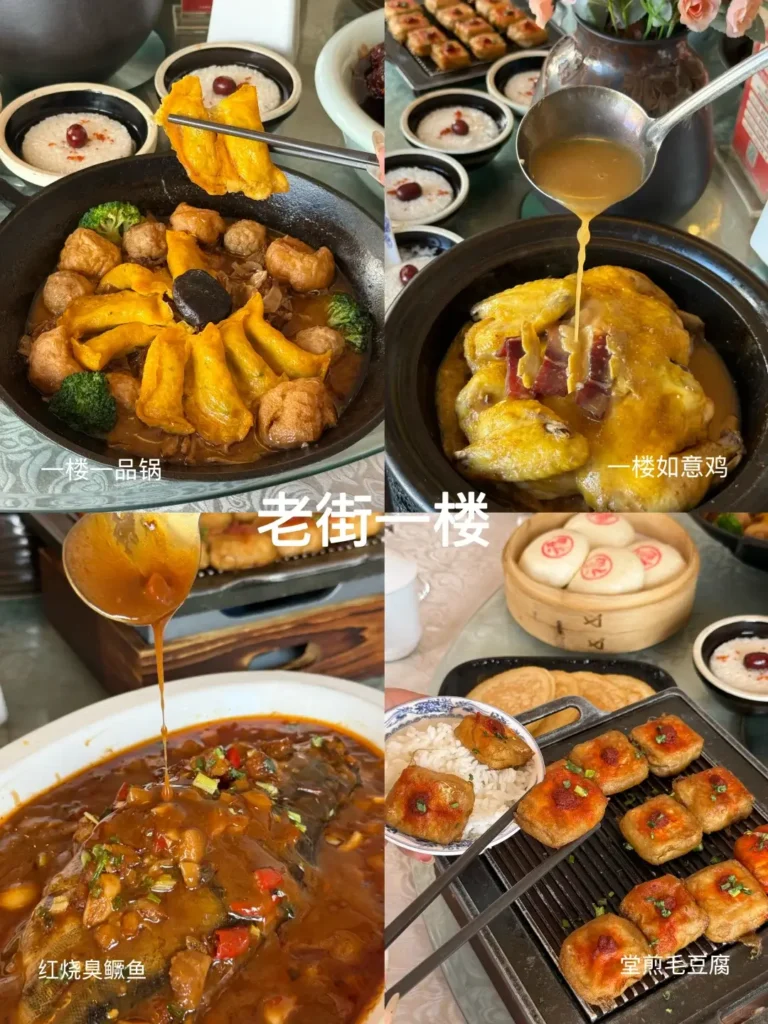
- Hui Cuisine: As one of China’s Eight Great Culinary Traditions, Hui cuisine emphasizes wild, mountain-foraged ingredients like bamboo shoots, mushrooms, and local herbs. Signature dishes include Stinky Mandarin Fish and Hairy Tofu.
- World-Class Tea Culture: Hidden in the misty mountains are the origins of several of China’s most prestigious teas, including HuangShan MaoFeng (green tea) and KeeMun Black Tea (QiMen HongCha).
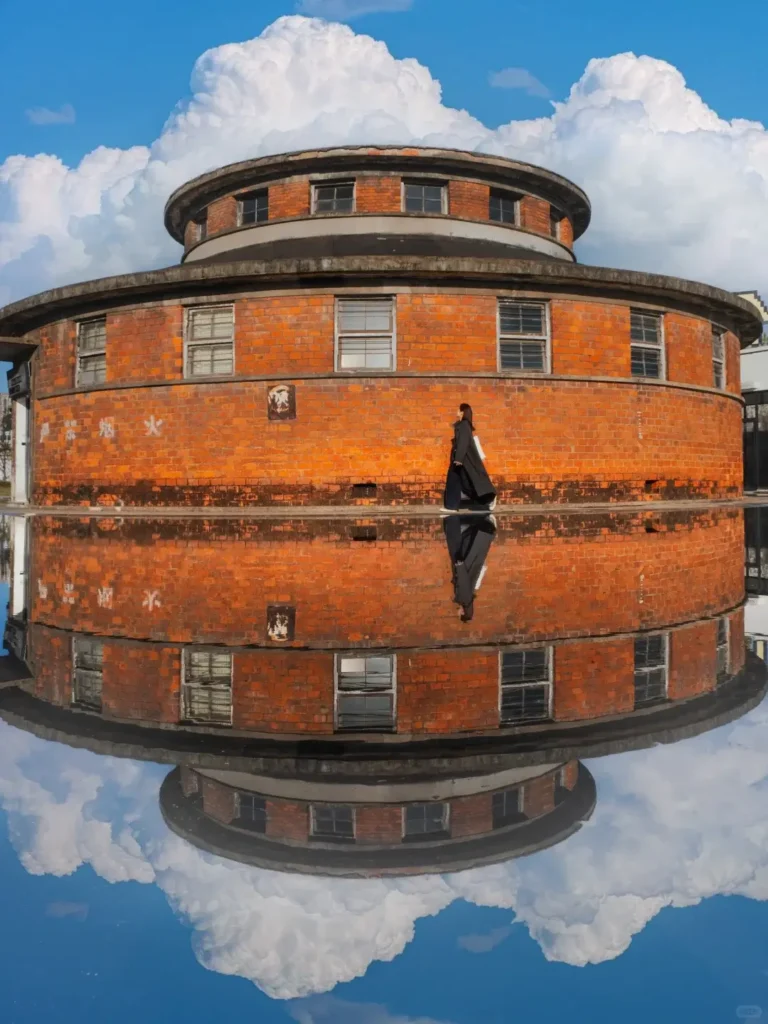
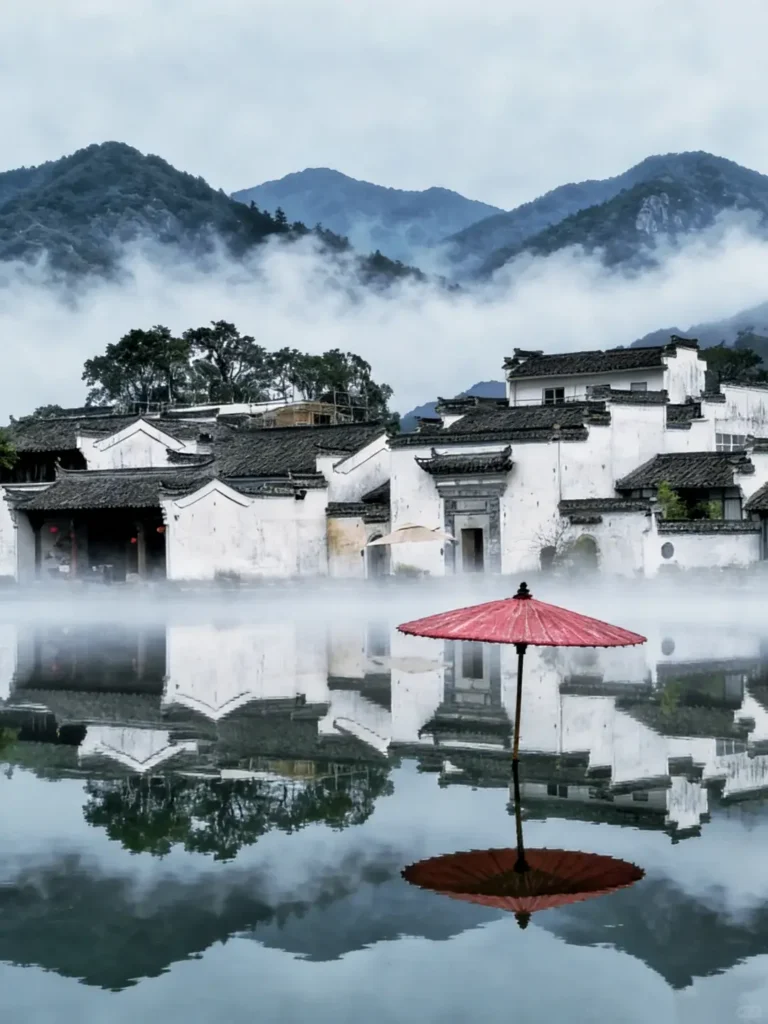
The Ultimate 7-Day Yellow Mountain Itinerary in Anhui
This carefully curated Yellow Mountain itinerary focuses on southern Anhui, taking you through the highest concentration of the province’s breathtaking landscapes and historical sites.
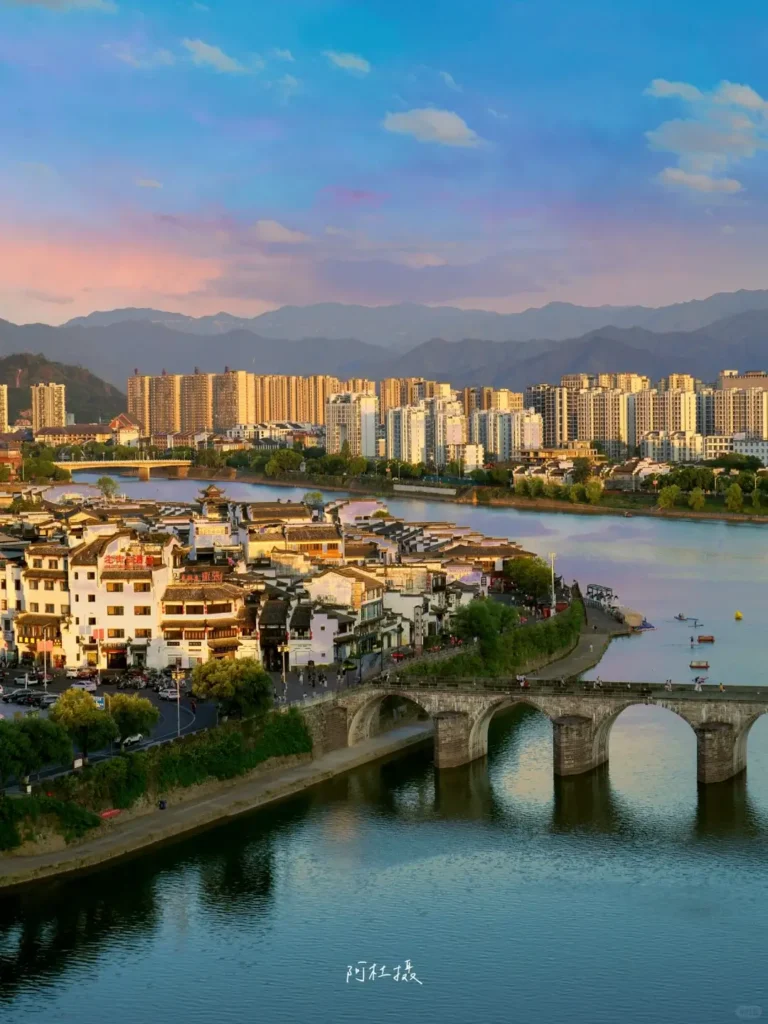
Day 1: Arrival in HuangShan City (TunXi)
- Morning/Afternoon: Arrive at HuangShan TunXi International Airport or the high-speed railway station. Check into your hotel in downtown TunXi.
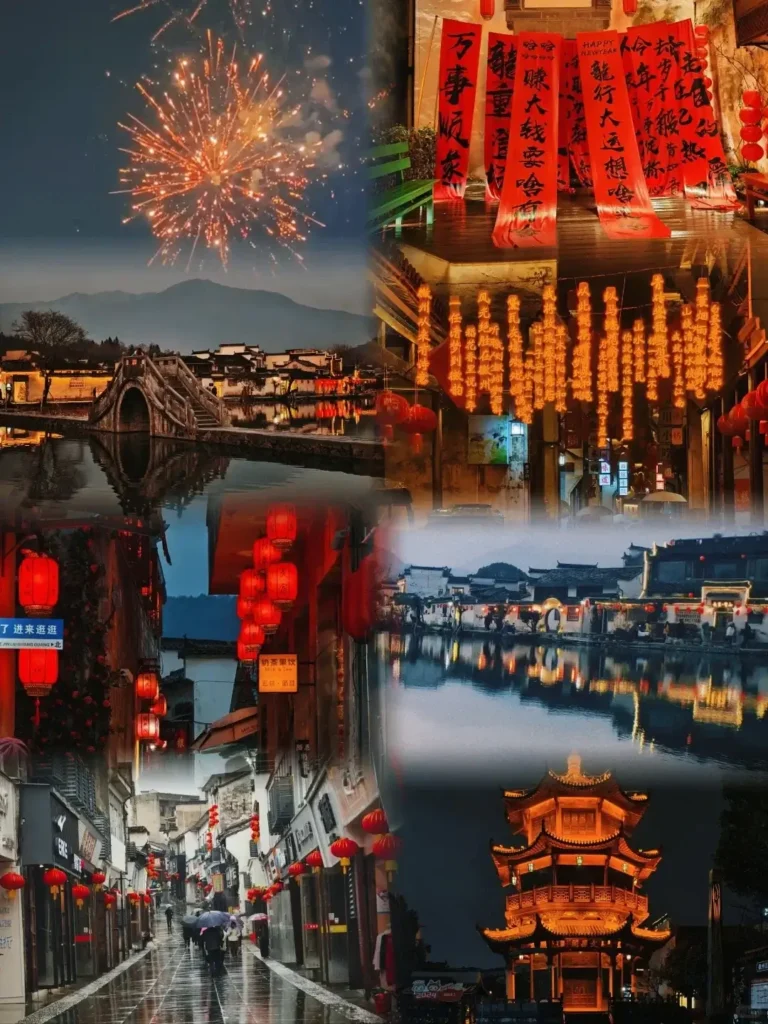
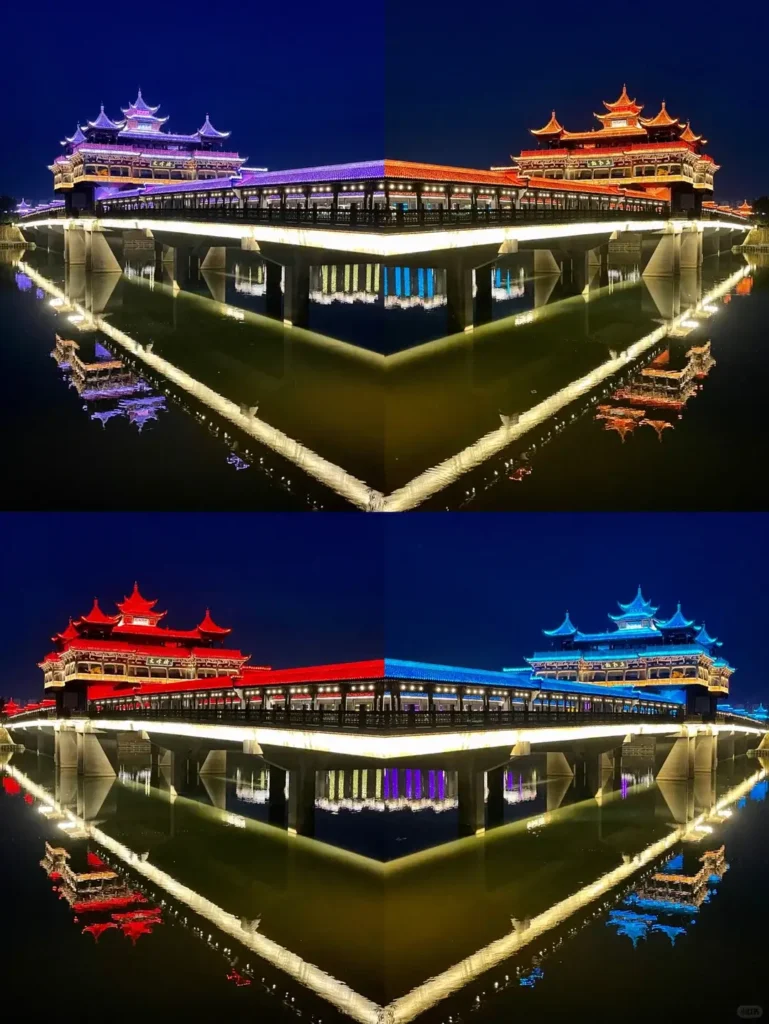
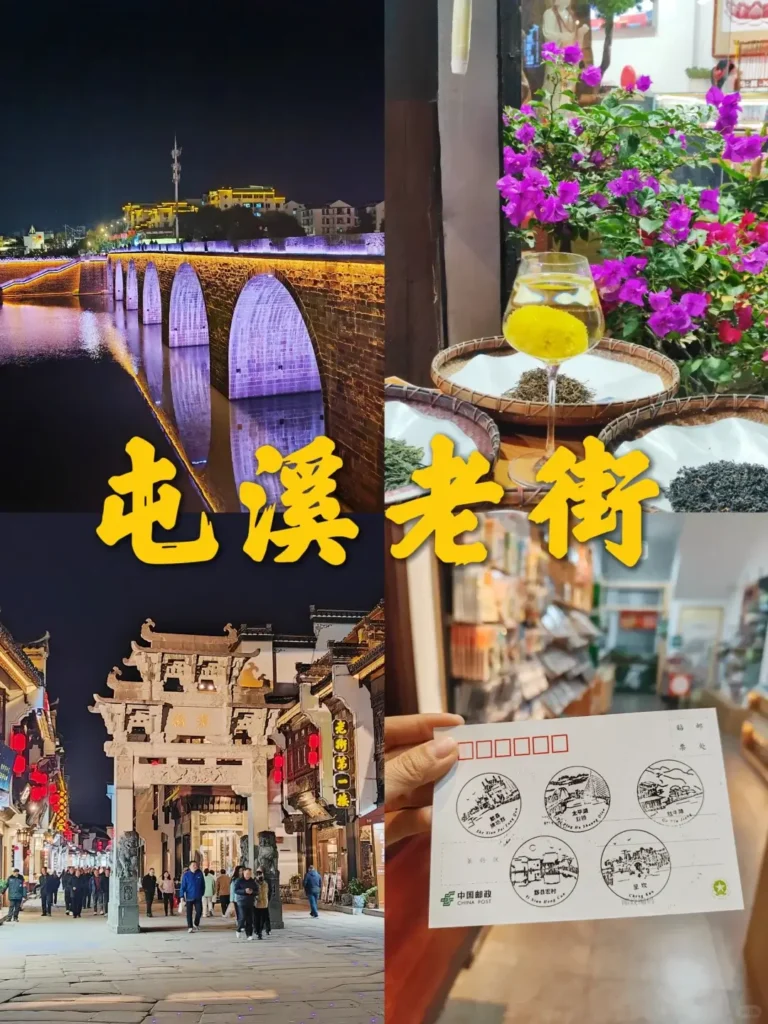
- Evening: Stroll down TunXi Ancient Street. This exceptionally well-preserved pedestrian street dates back to the Song Dynasty. It’s the perfect place to sample local street food, browse for calligraphy supplies, and admire the traditional shopfronts glowing under red lanterns.

Day 2: Ascending Mount HuangShan (Yellow Mountain)
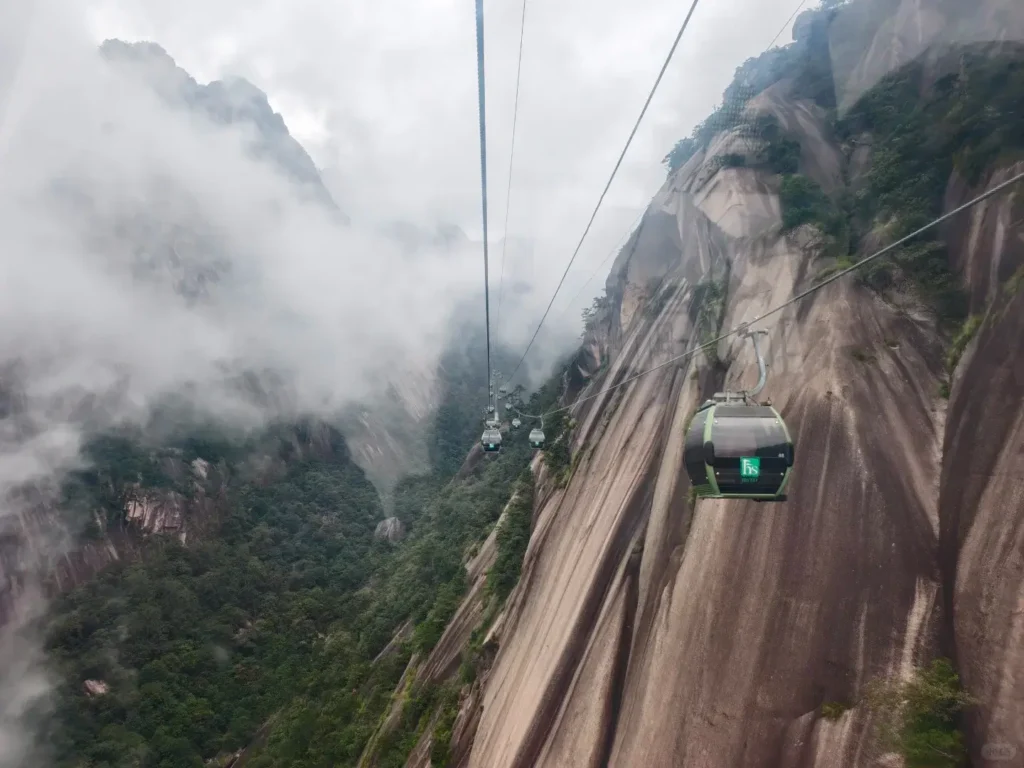
- Morning: Take a bus to the HuangShan Scenic Area. Ride the YunGu Cable Car up the mountain to save your energy for exploring the high-altitude trails.
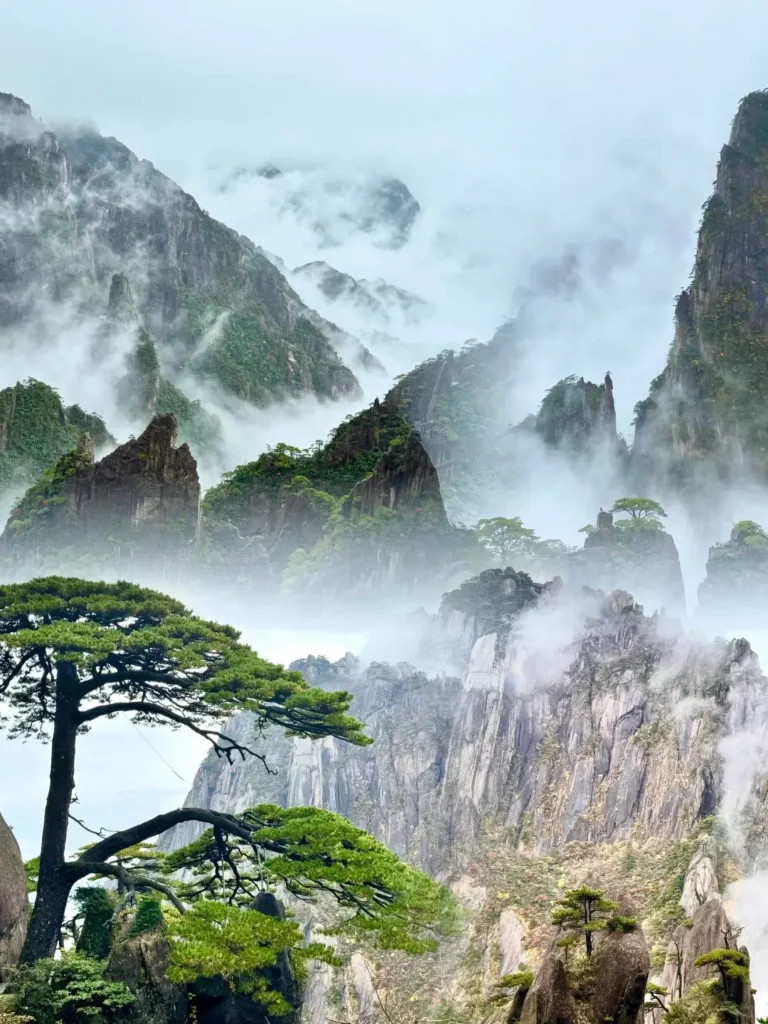
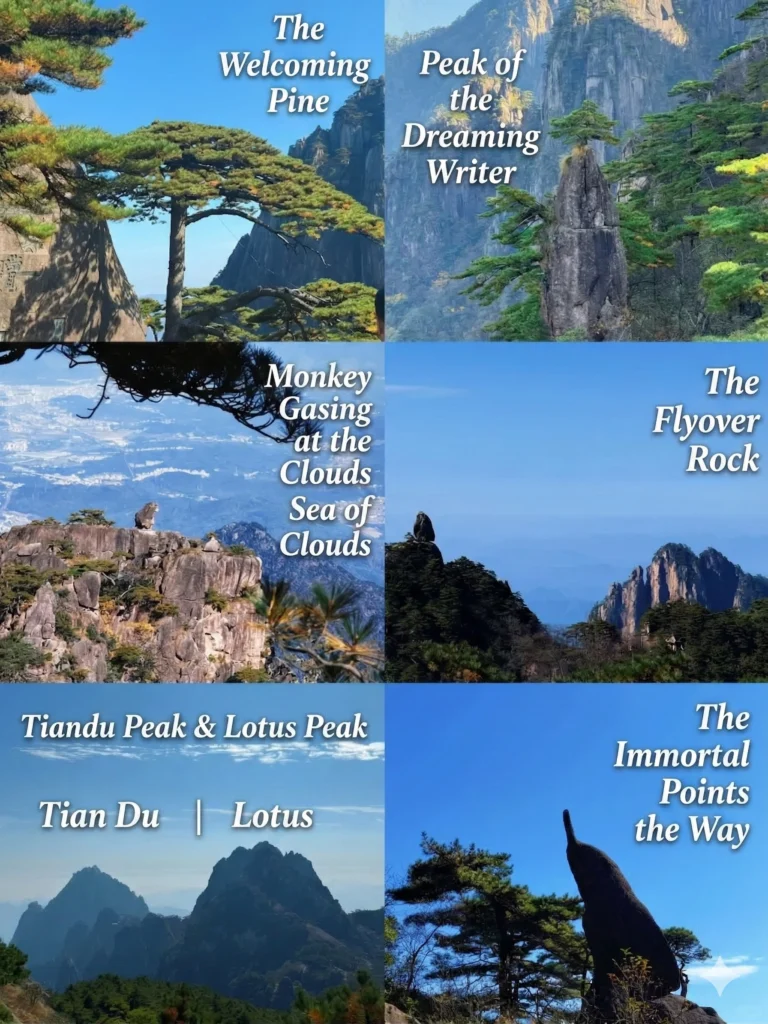
- Afternoon: Marvel at the surreal, granite landscapes that have inspired Chinese ink painters for centuries. Visit the Beginning-to-Believe Peak (ShiXin Peak) and the iconic Guest-Greeting Pine.
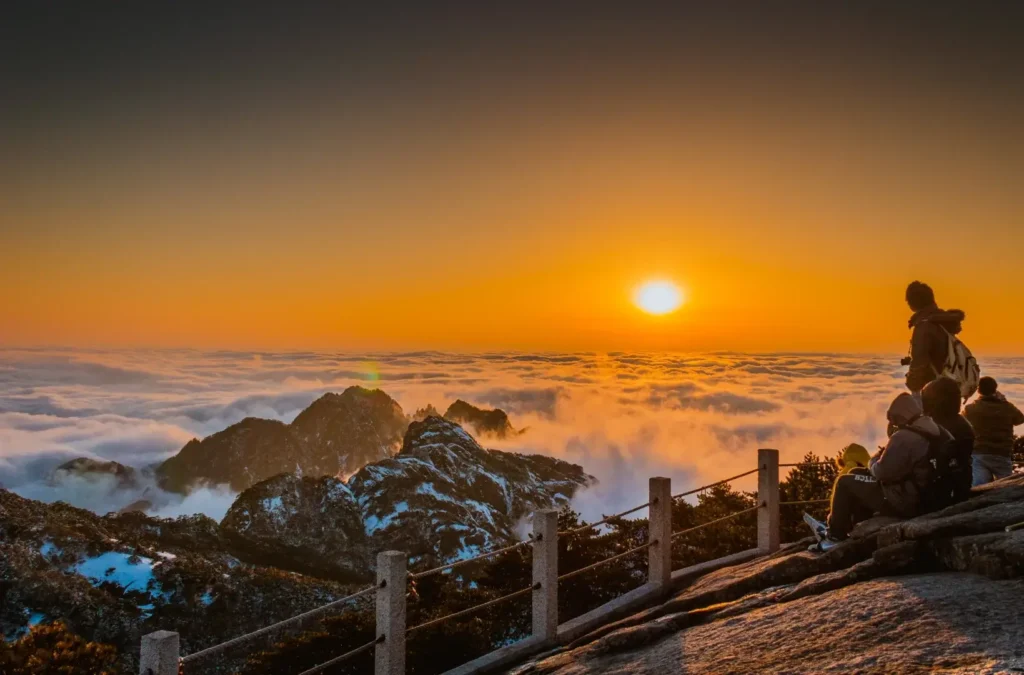
- Evening: Check into a mountaintop hotel. Catch the spectacular sunset over the legendary “sea of clouds” from the Cloud Dispelling Pavilion.
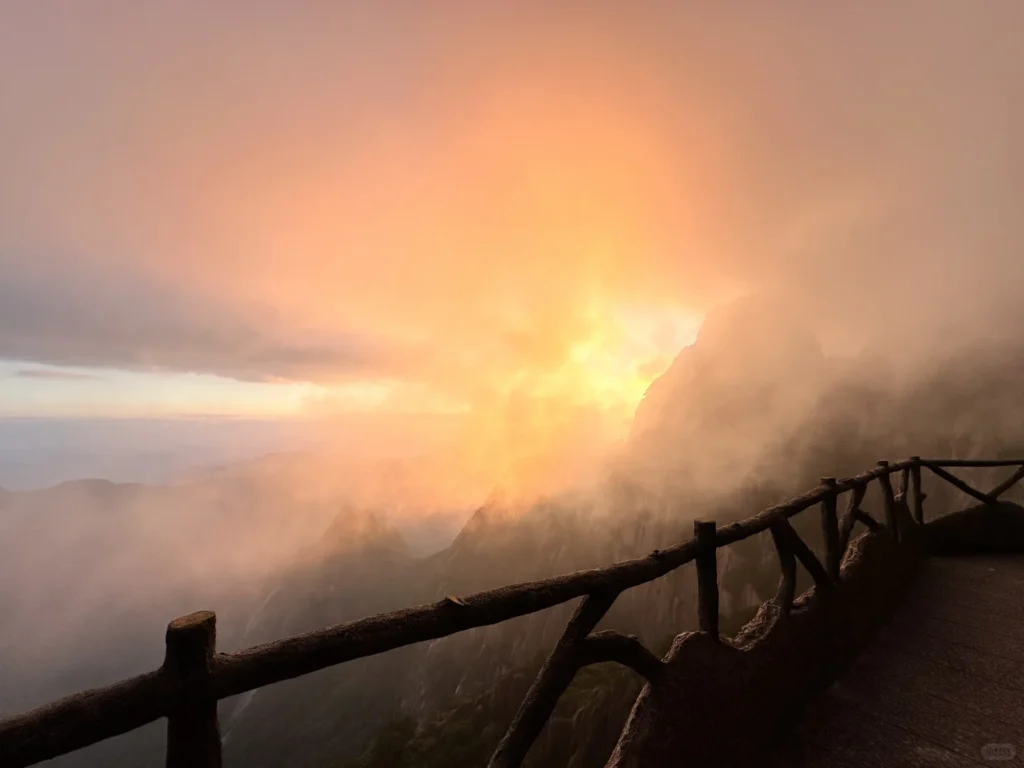
Day 3: Sunrise and Descent to the Ancient Villages
- Morning: Wake up early to catch the famous HuangShan sunrise from Refreshing Terrace or Lion Peak. Afterward, explore the rugged beauty of the West Sea Grand Canyon.
- Afternoon: Descend the mountain via the YuPing Cable Car and take a bus to HongCun Village in Yi County. Check into a boutique guesthouse hidden within the ancient village.
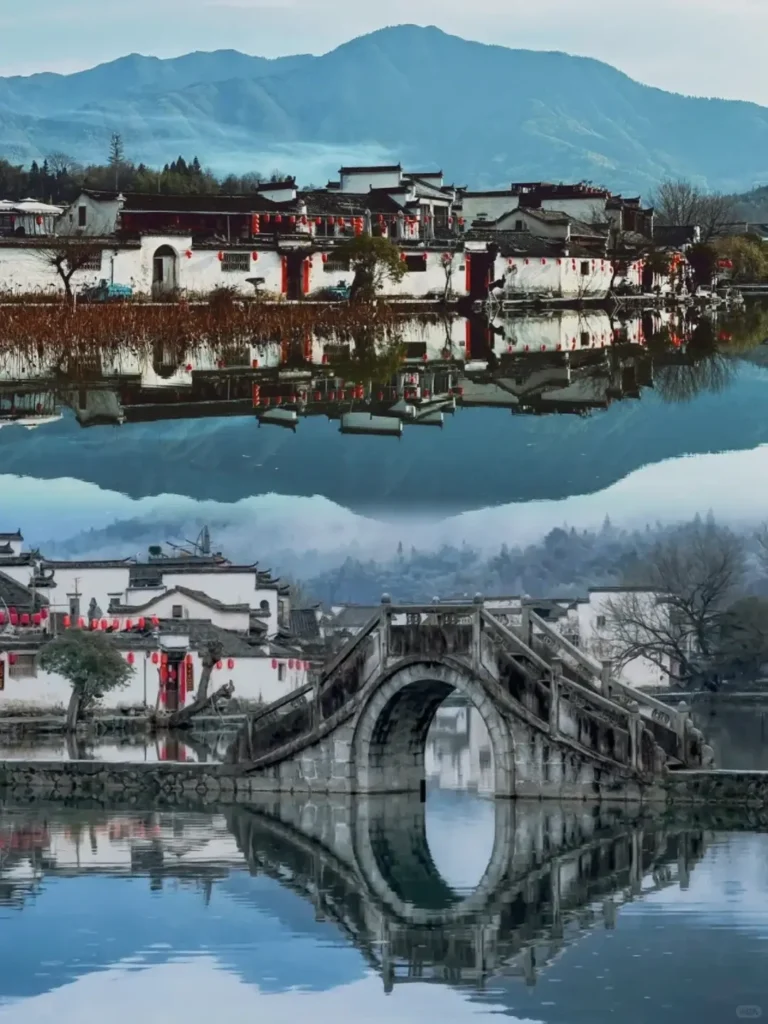
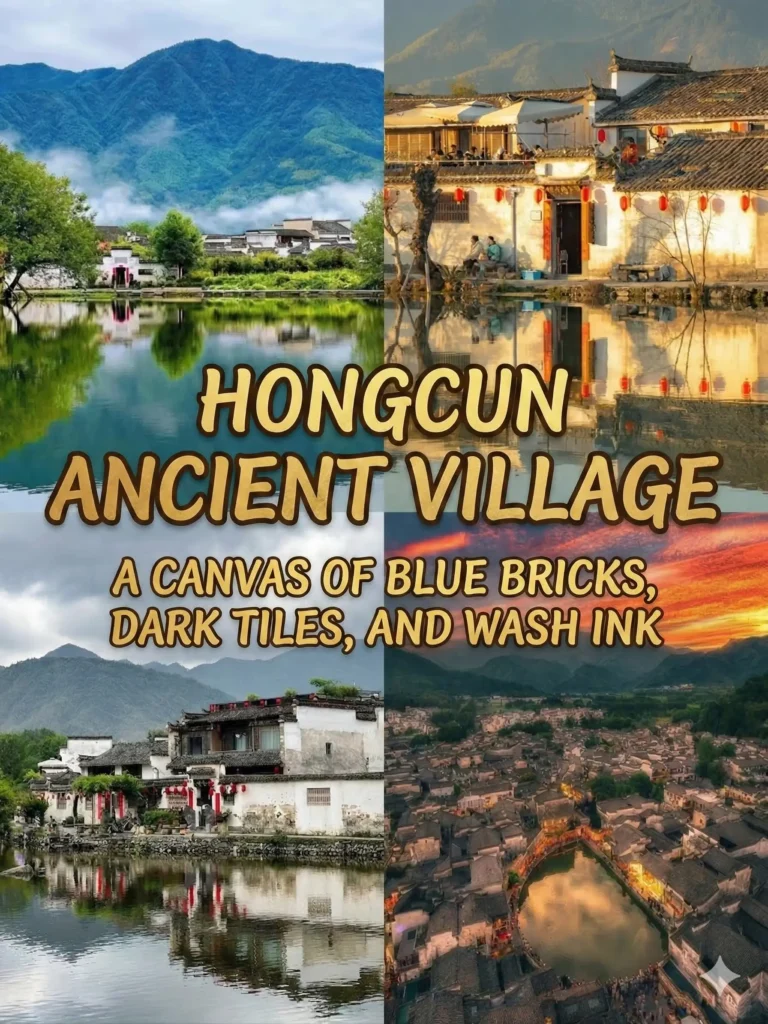
- Evening: Enjoy a quiet evening walking around the Moon Pond in the center of the village, watching the still water reflect the glowing Hui architecture.
Day 4: The Ancient Villages of HongCun & XiDi
- Morning: Take a guided tour of Hongcun, a UNESCO World Heritage site known as “a village in the Chinese painting” and the famous filming location for the movie Crouching Tiger, Hidden Dragon.
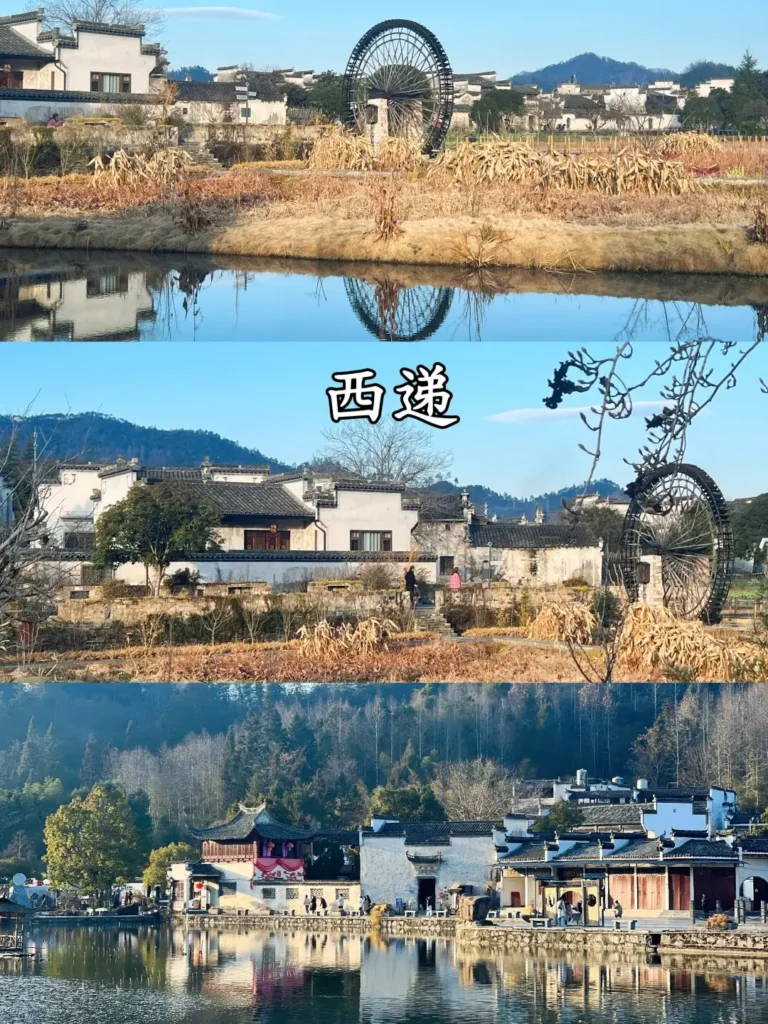
- Afternoon: Take a short ride to Xidi, another UNESCO heritage village. XiDi is older, less commercialized, and renowned for its exquisite wood carvings and the grand Hu WenGuang Memorial Archway at its entrance.
- Evening: Settle into a local family-run restaurant to finally taste authentic Hui dishes like braised bamboo shoots and local rice wine.
Day 5: HuiZhou Ancient City & TangYue Archways
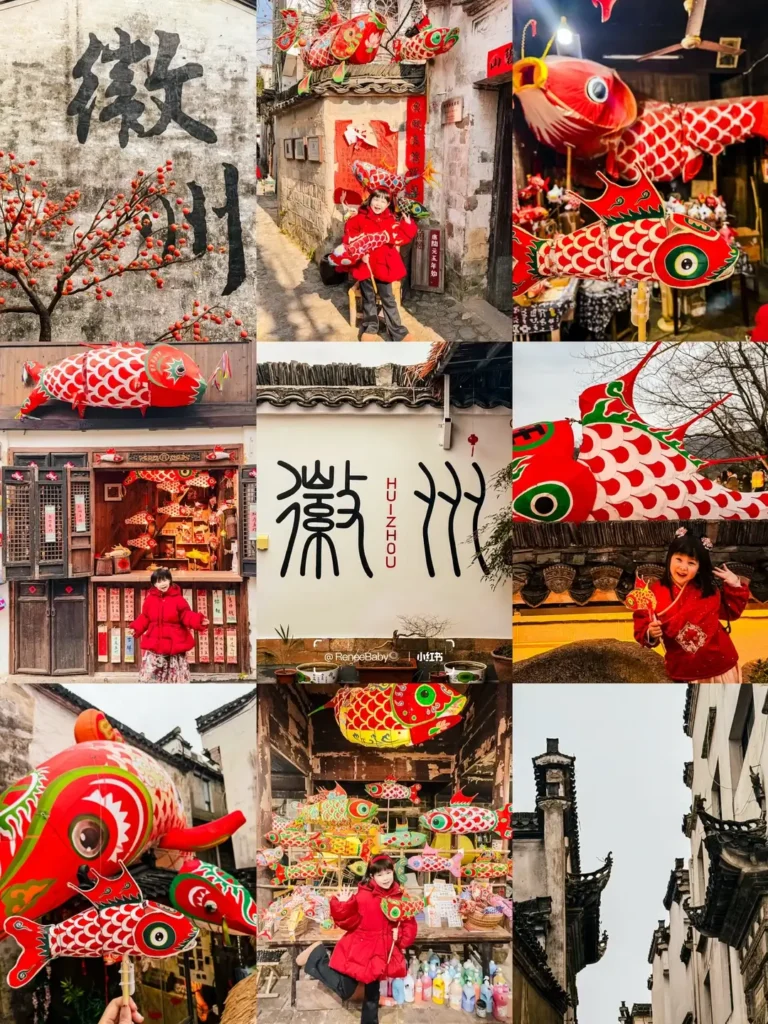
- Morning: Travel to SheXian County to explore HuiZhou Ancient City, one of China’s four best-preserved ancient cities. Walk the historic city walls and see the unique octagonal DouShan Street.
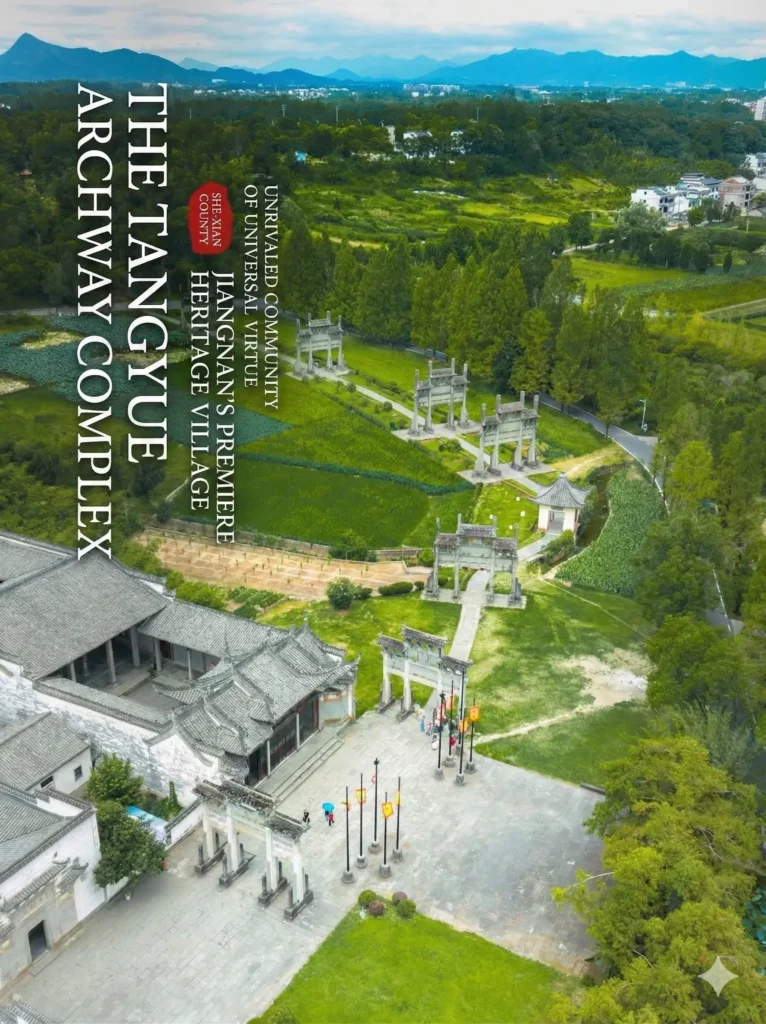
- Afternoon: Visit the TangYue Memorial Archways, a breathtaking cluster of seven massive stone arches built over different dynasties to honor the loyalty, filial piety, chastity, and charity of the prominent Bao family.
- Evening: Return to HuangShan City (TunXi) for a restful night.
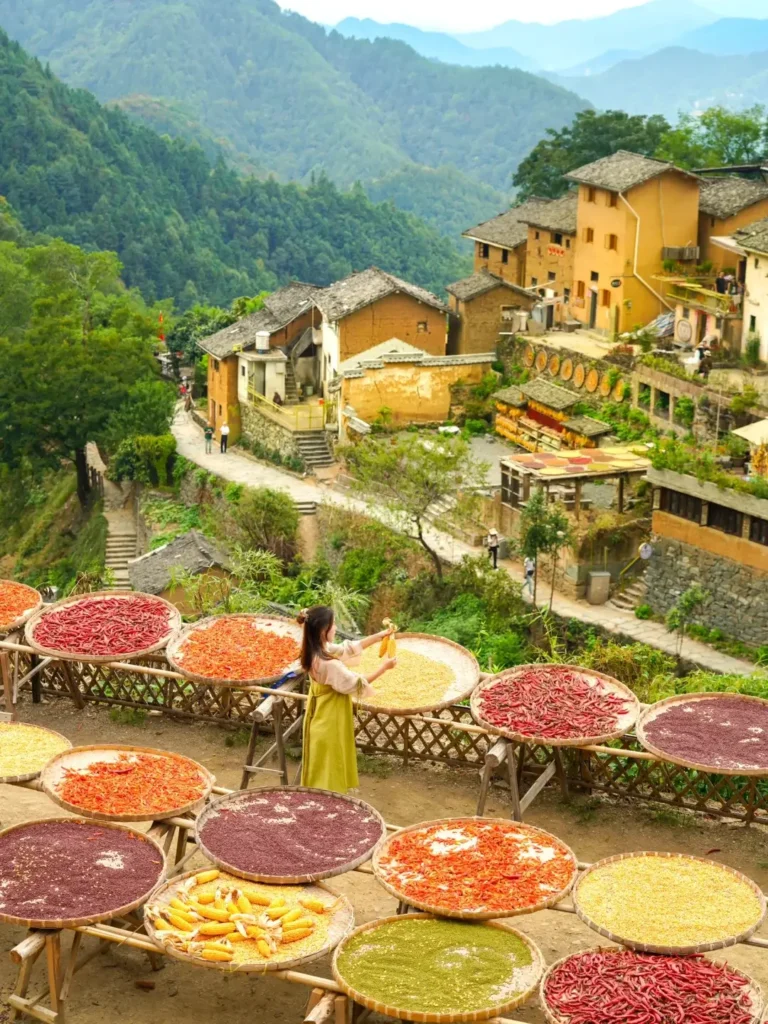
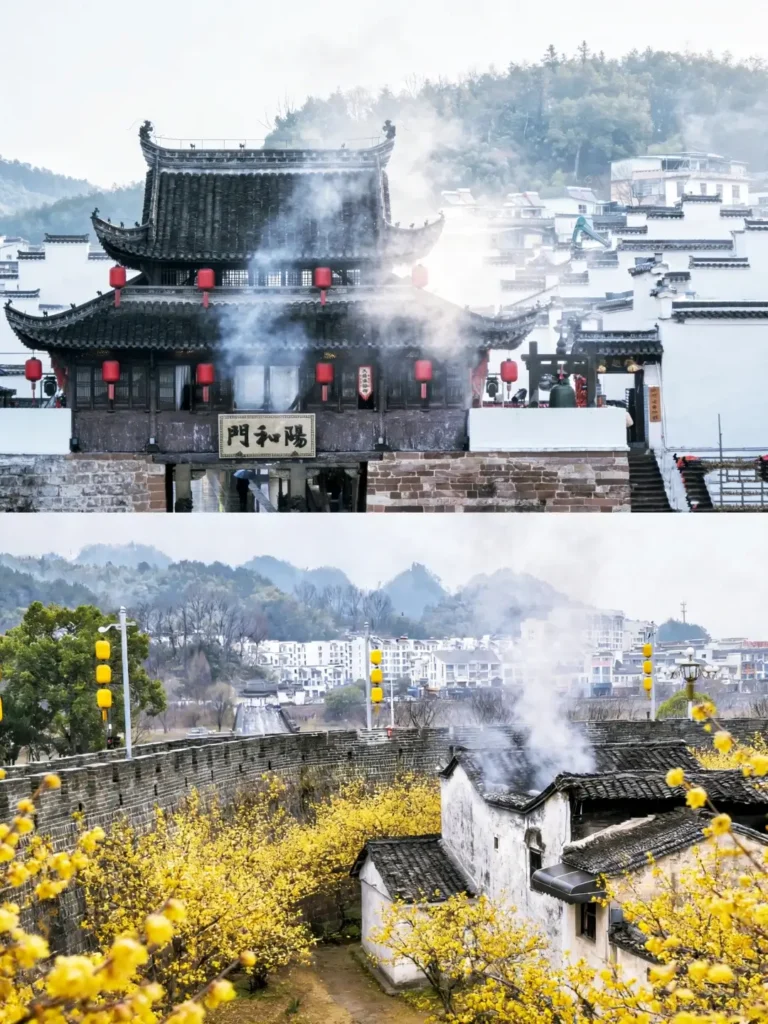
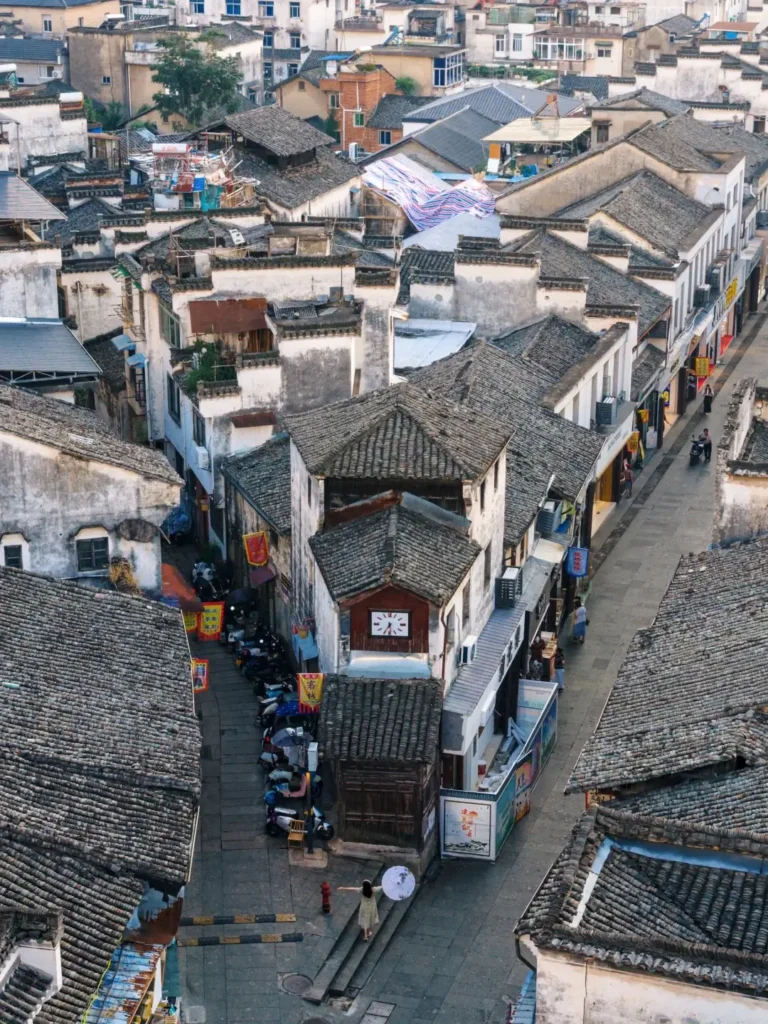
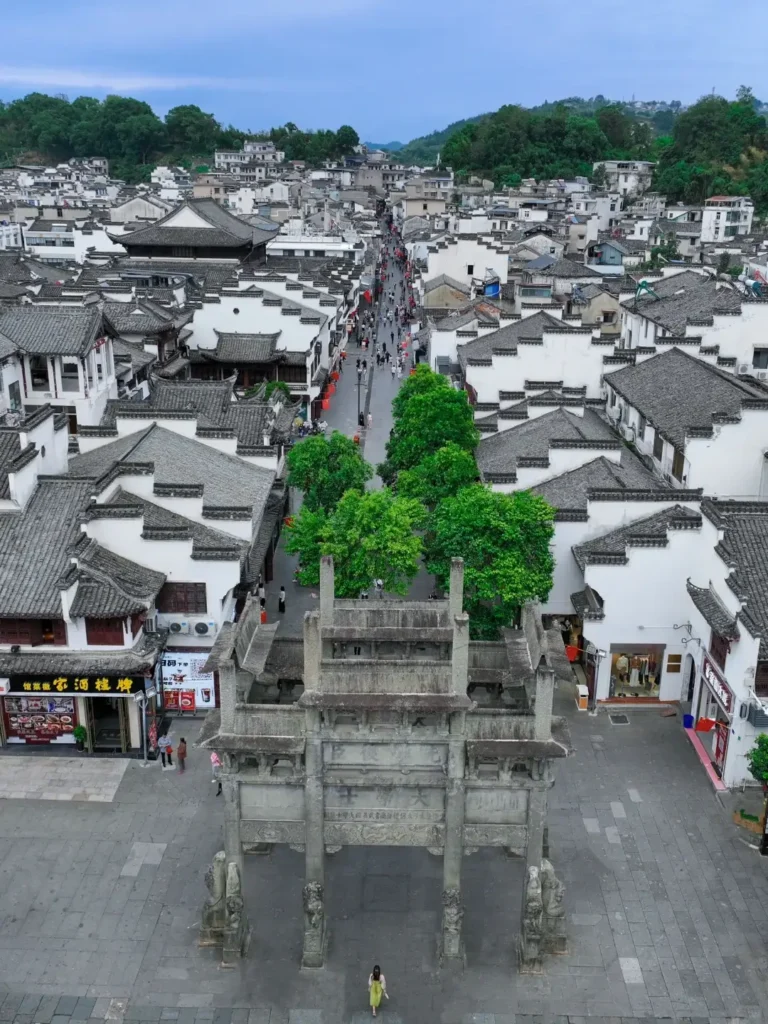
Day 6: Sacred Mount JiuHua (JiuHuaShan)
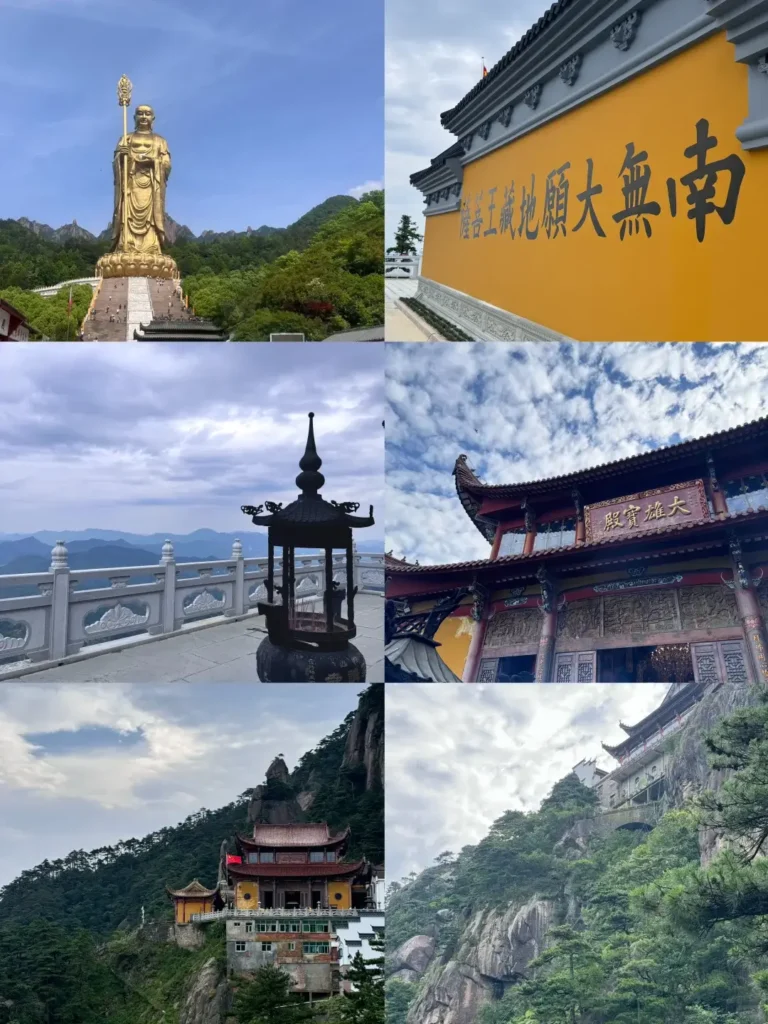
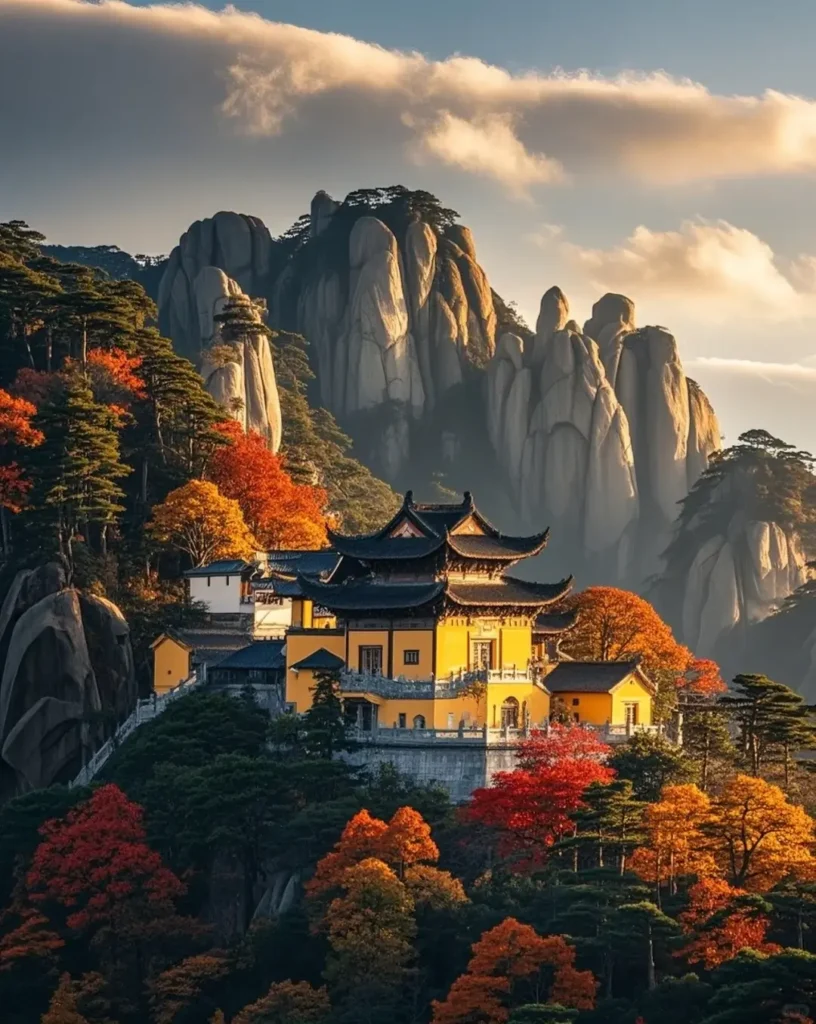
- Morning: Take a high-speed train or bus to ChiZhou to visit Mount JiuHua, one of the four sacred mountains of Chinese Buddhism, dedicated to Ksitigarbha Bodhisattva.
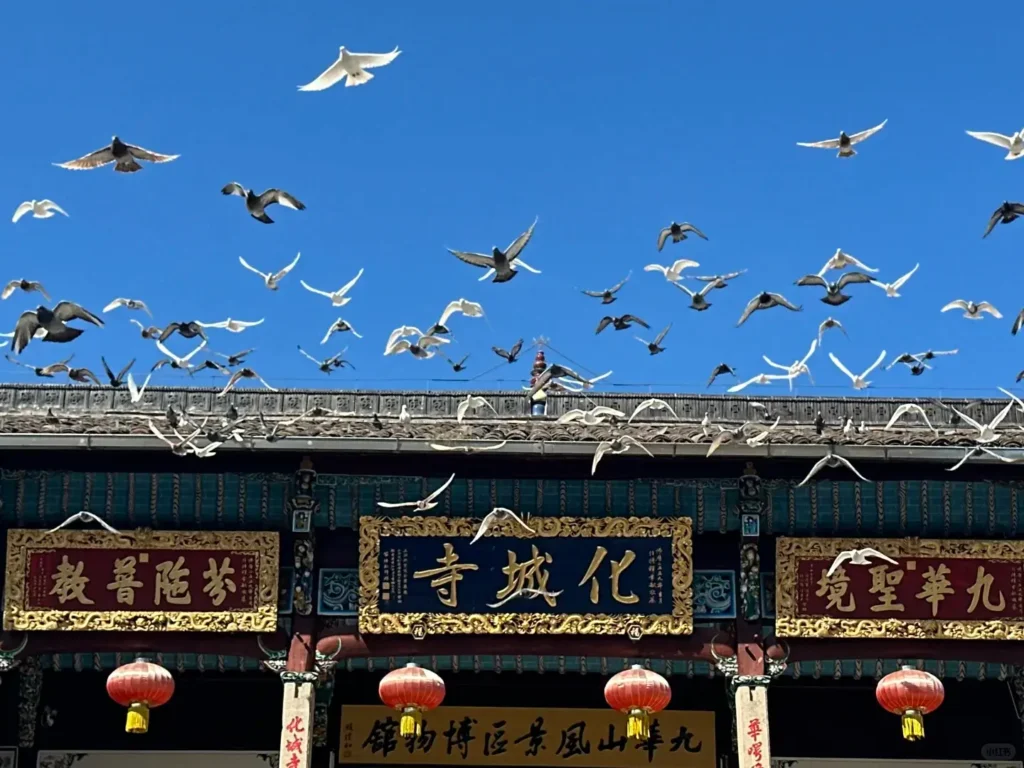
- Afternoon: Explore the serene, incense-filled temples nestled among the peaks, including HuaCheng Temple (the oldest on the mountain) and the stunning TianTai Peak.
- Evening: Stay overnight near the mountain base or in JiuHua village, enjoying a peaceful, traditional vegetarian Buddhist meal.
Day 7: HeFei & Departure
- Morning: Take a high-speed train to HeFei, the bustling capital city of AnHui.
- Afternoon: Visit the Anhui Museum. This is the perfect full-circle moment for your trip, as the museum houses the finest collections of relocated Hui-style architecture, ancient bronzes, and local crafts.
- Evening: Head to the airport or train station for your onward journey.
Where to Go Next? (Internal Link Section)
If your Anhui adventure is just one part of a grander Chinese journey, heading north is the perfect contrast to the misty mountains of the south. After departing HeFei, we highly recommend reading our complete [13-Day Beijing Travel Itinerary] to discover the deep cultural heritage, iconic tourist attractions, and majestic history of China’s capital.
Compared to the grand imperial history of Beijing and Xi’an, or the laid-back lifestyle of Chengdu, Zhejiang offers a completely different aesthetic defined by poetic landscapes and Jiangnan architecture. Often referred to as the “Backbone of Jiangnan,” this province is a stunning tapestry of mist-covered mountains, ancient canals, and rich maritime heritage.
Assuming you have just wrapped up your unforgettable time in the capital (check out our [Insert Link: 7-Day Hangzhou Itinerary] if you haven’t yet!), this comprehensive Zhejiang travel guide takes you deeper into the natural beauty and history of eastern China.